Golf buggy seating comes in four basic layouts, and knowing them turns a confusing brochure into a simple decision. Forward-facing bench rows are the standard: everyone faces the way the buggy travels. Flip seats convert the rear bench into a flat load deck in seconds, giving one machine two jobs. Rear-facing seats point the back row at the view behind, common on four-seaters and shuttle machines. And cargo-combo layouts pair front seats with a fixed load bed, which is where buggies shade into utility vehicles. The layout you choose matters as much as the seat count, because it decides what the machine can do on the days it is not carrying people. This guide explains each layout honestly, what it suits, what it does not, and how to choose.
- Four basic layouts: forward-facing bench, flip/fold rear deck, rear-facing back row, and cargo-combo.
- Flip seats are the most versatile choice for mixed passenger-and-kit duty, one machine, two jobs.
- Rear-facing seats maximise capacity on a short wheelbase but need grab rails and a careful driver.
- Cargo-combos trade seats for a fixed bed; if the load is daily and heavy, that is the honest choice.
- Choose the layout for the machine's weekday job, not its best summer Saturday.
The four golf buggy seating layouts
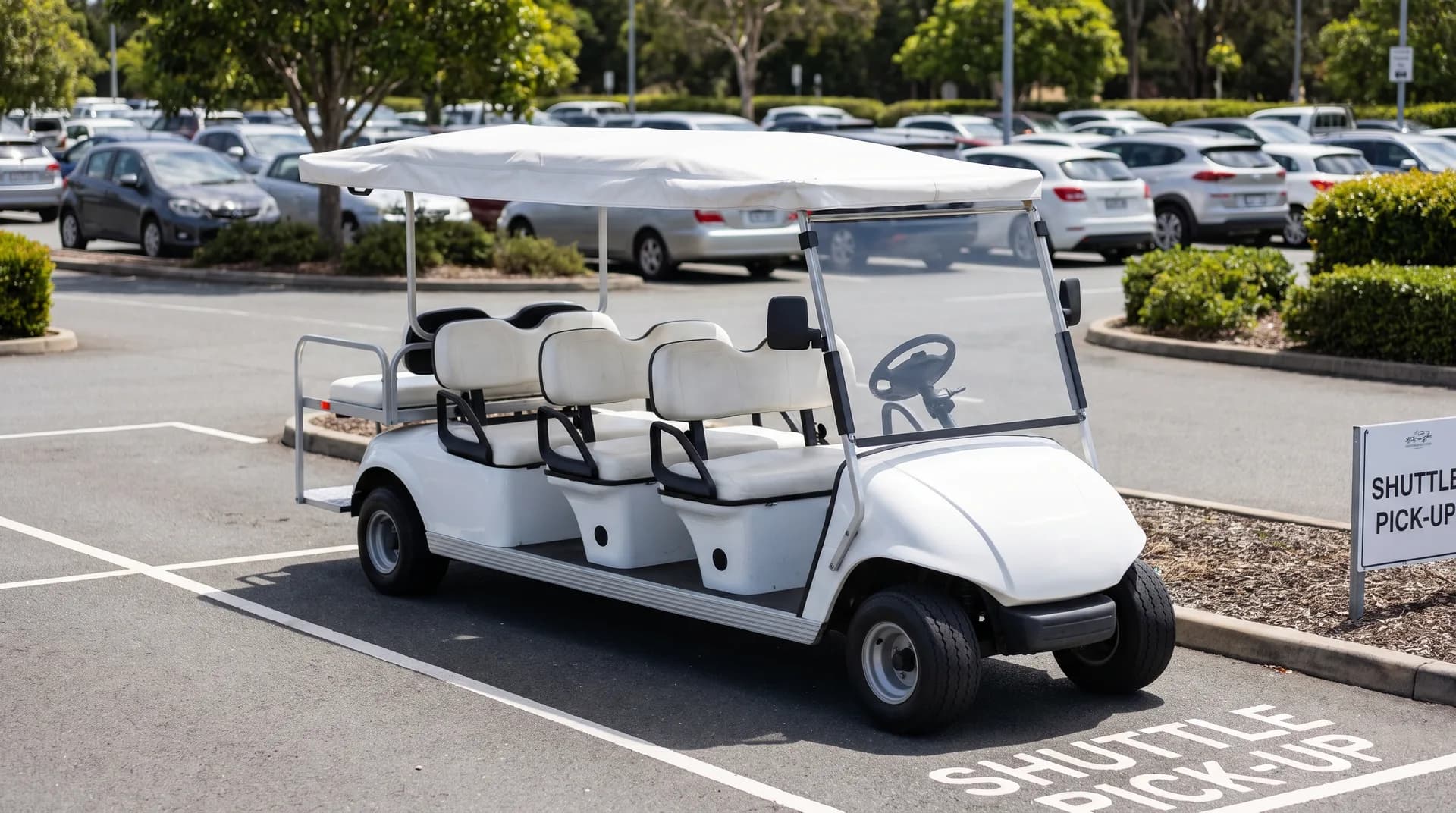
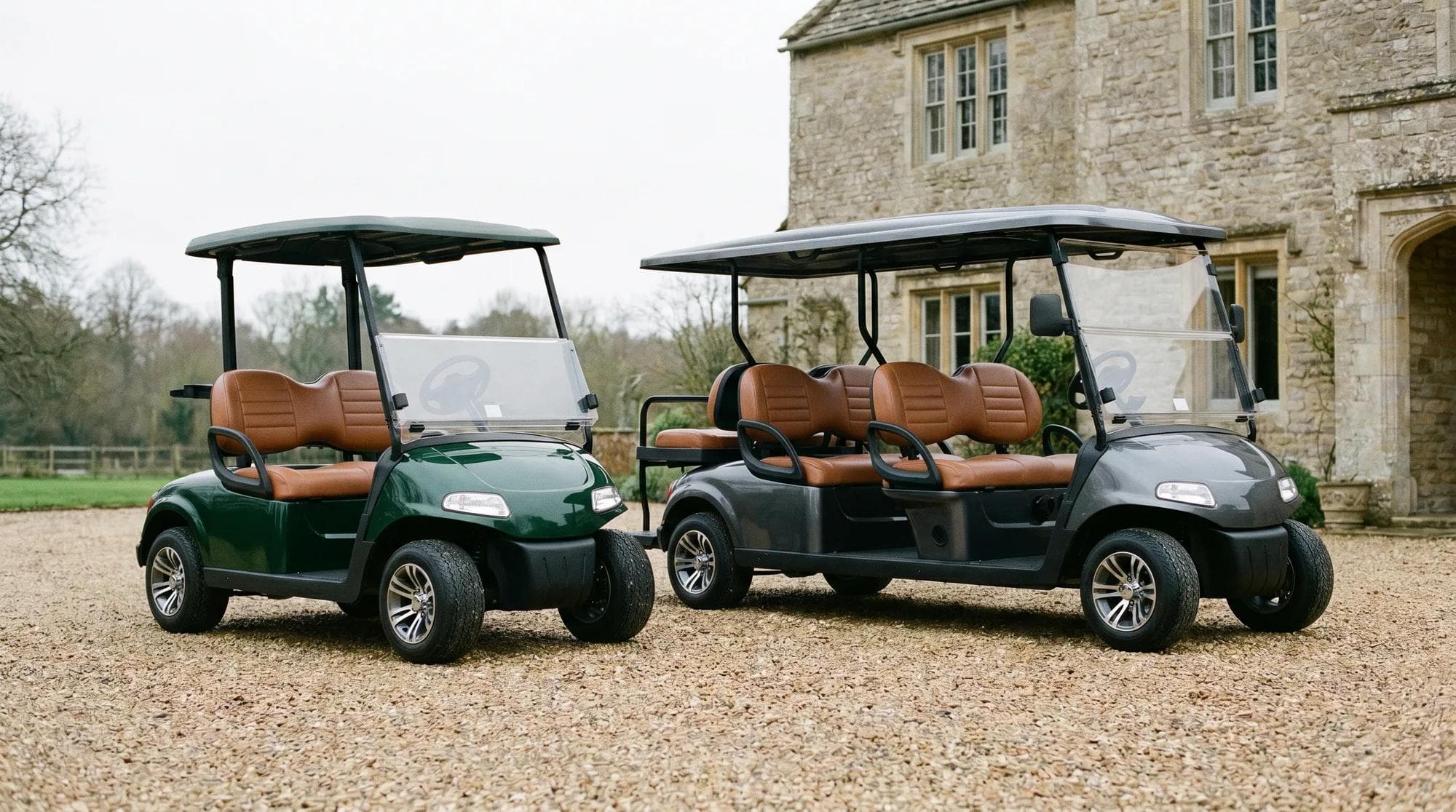
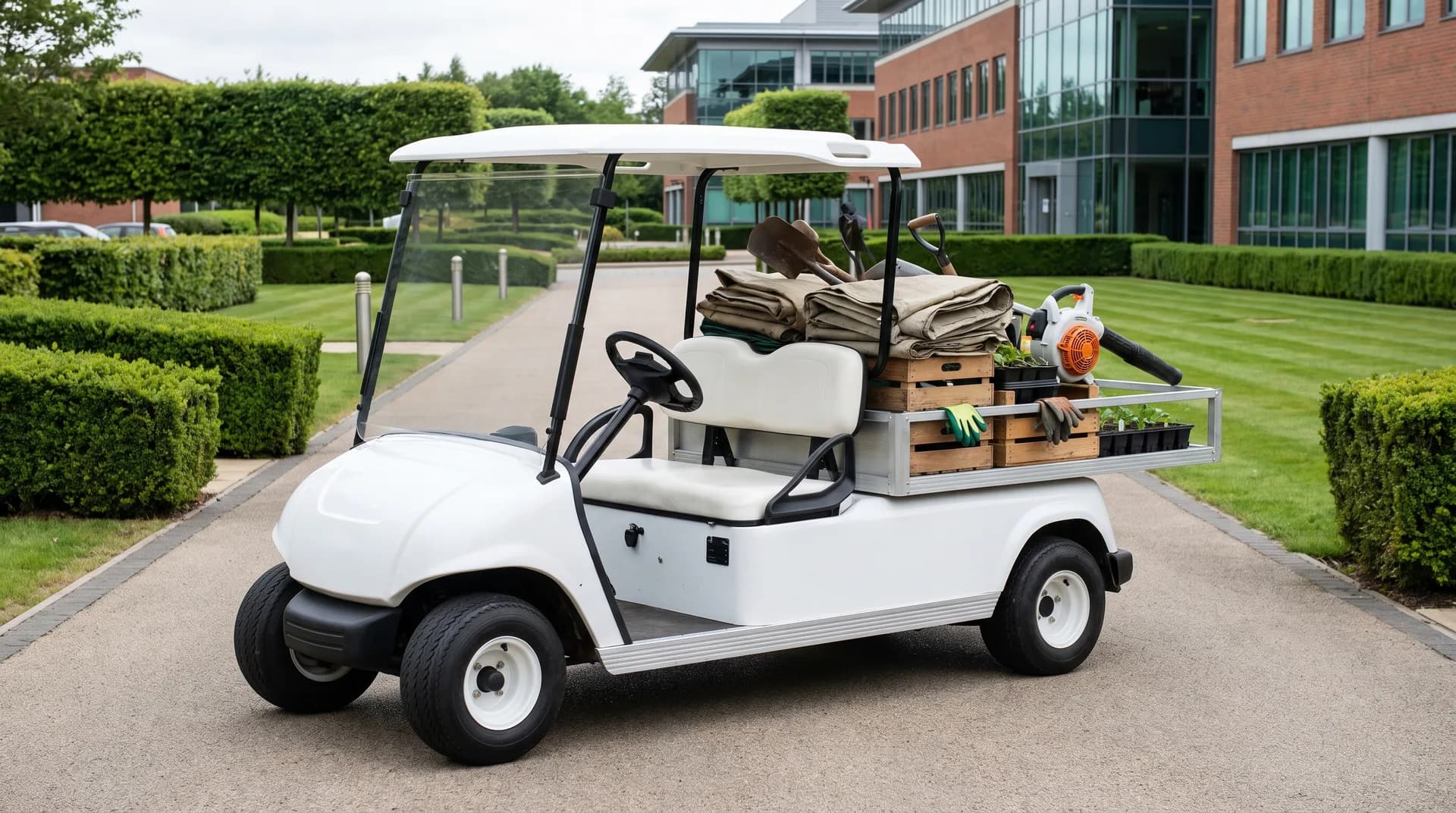
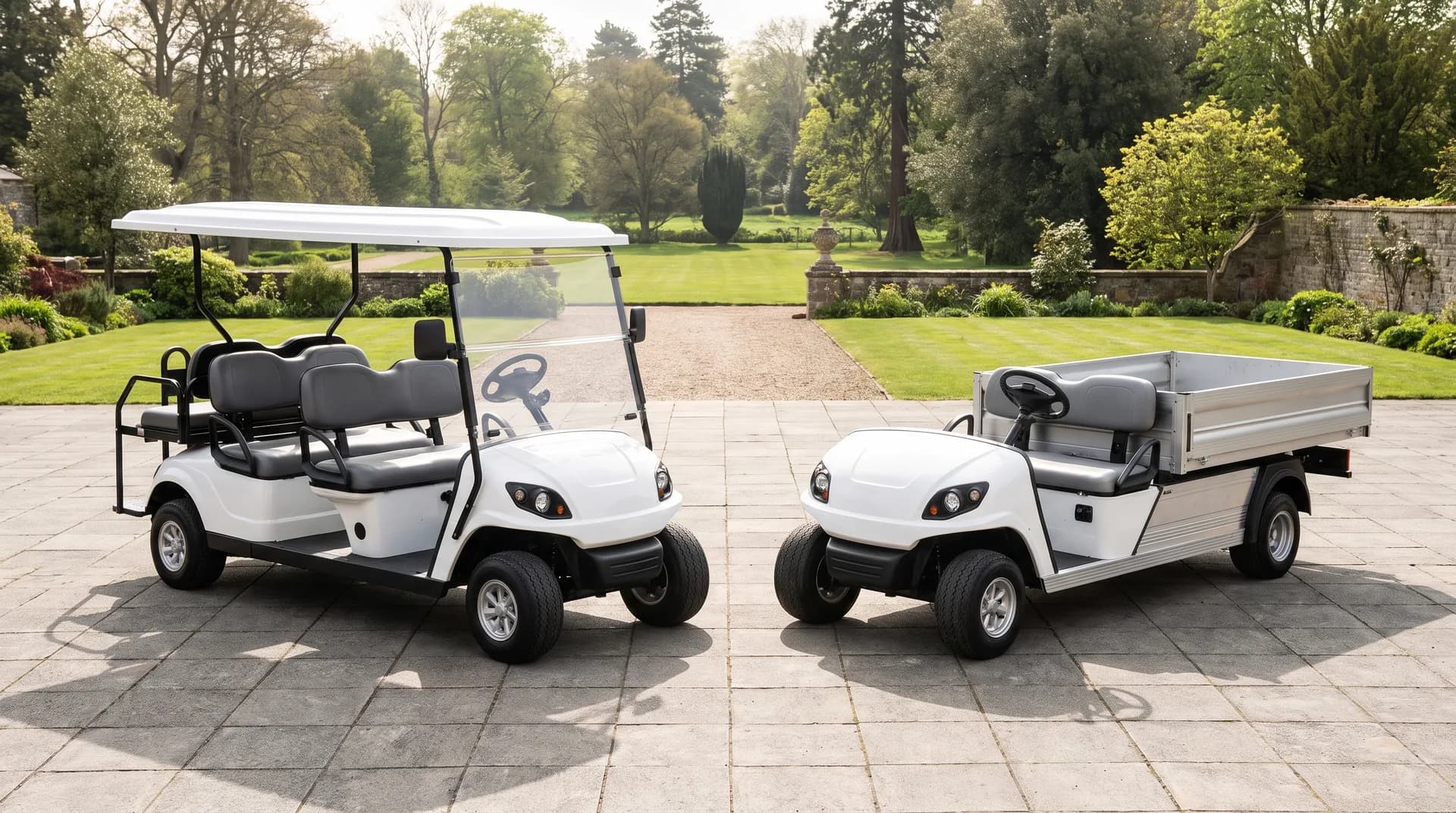
Every configuration on the market is a combination of the same four ideas. A bench layout seats two or three abreast per row, all facing forward, and stacks rows to make four-, six- and eight-seaters. A flip-seat layout takes the rearmost bench and hinges it, folded one way it is a seat, folded the other it is a flat deck for bags, tools or feed sacks. A rear-facing layout turns the back row around so passengers face rearwards over the back of the machine. And a cargo-combo fixes a load bed behind the seats permanently, our S2 Pickup, from £15,900, is exactly this: two seats and a working bed. Larger machines mix these freely: a six-seater might be three forward benches, or two benches plus a rear-facing row, or two benches plus a flip deck. Our guide to types of golf buggy covers how these layouts map onto the wider market.
Bench seats: the forward-facing standard
The forward bench is the default for a reason. Everyone faces the direction of travel, which passengers prefer, boarding is simple, conversation works, and the driver can see and speak to every row. It is the right layout for golf, for guest and hotel work, for families, and for any duty where the machine's job is purely moving people in comfort. Its limitation is flexibility: a fixed bench is a seat whether or not anyone is sitting on it, and the space behind the last row is all the luggage room you get. If your buggy will only ever carry people, benches are the honest choice, buy the seat count you actually fill and enjoy the simplicity. If some days look more like deliveries than passengers, read on.
Flip seat golf buggy layouts: two machines in one
The flip or fold rear seat is the most useful invention in buggy seating. With the seat up, you have a four-seater for guests; fold it flat and you have a two-seater with a load deck for luggage, tools, water, feed or a green-keeper's kit. For estates, venues, campsites and smallholdings whose days mix people-moving with fetching and carrying, it is usually the right answer, one machine, one battery, one shed space, two jobs. The honest caveats: a folded seat deck is lighter-duty than a true cargo bed, so check the deck's rated load before treating it like a pickup, and the mechanism is a moving part that cheap machines execute badly, test it with your own hands before buying. Rated capacities matter here, and our guide to how much weight a buggy can carry explains how to read them.
Rear-facing golf buggy seats: capacity with cautions
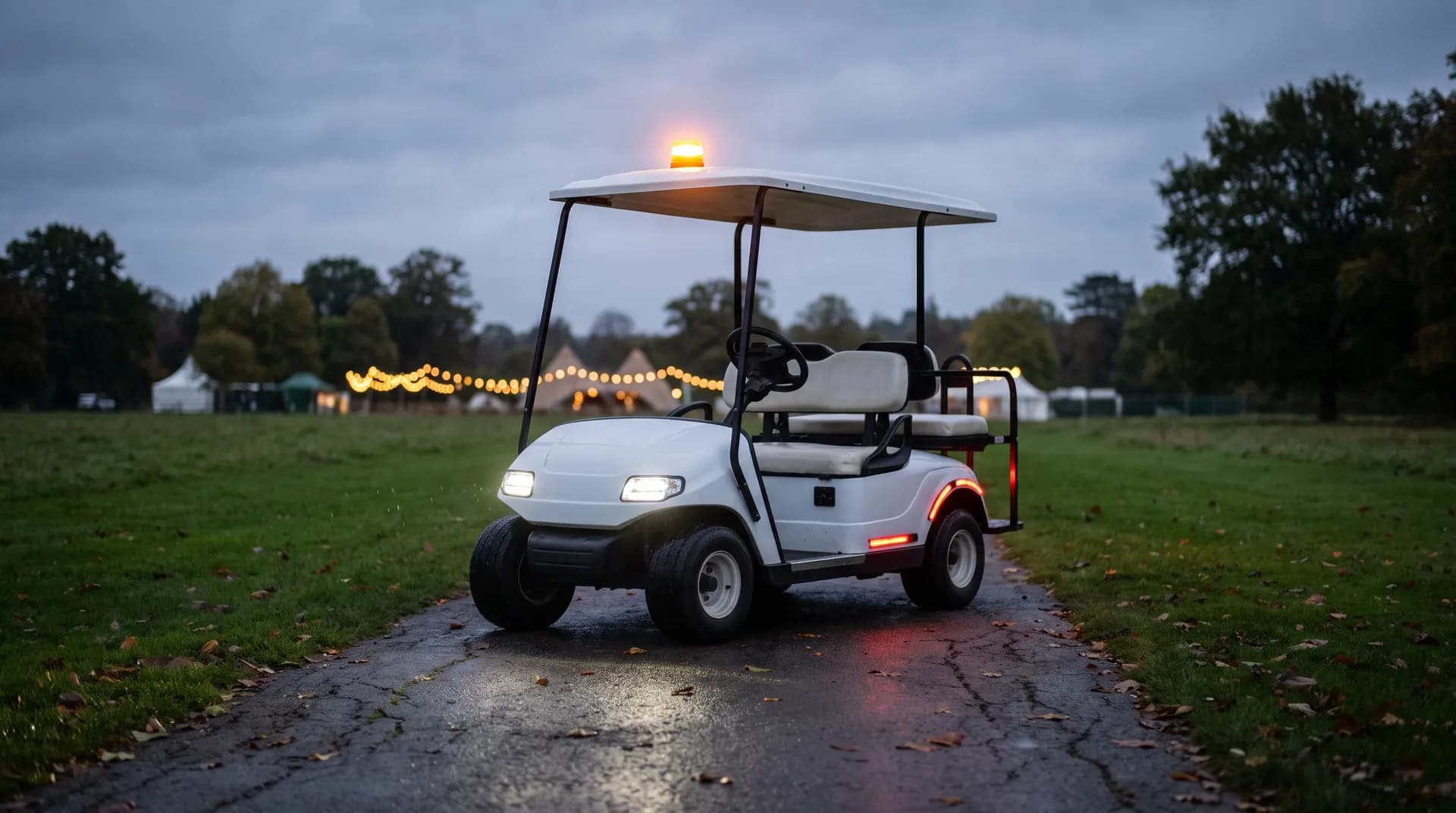
Turning the back row to face rearwards packs more seats onto a shorter wheelbase, which is why the layout is everywhere in shuttle and resort work. Passengers get an open, sociable ride with the view unspooling behind; drivers get a shorter, more manoeuvrable machine than the same capacity in forward benches. The cautions are real, though. Rear-facing passengers cannot see braking or bumps coming, so grab rails and hip restraints are essential and smooth driving is a duty, not a courtesy. Boarding is from the rear, which suits able adults better than the very young or the less mobile. For families with small children, forward-facing benches or a flip seat used forward is usually the wiser default; for venue shuttles moving adults, rear-facing earns its popularity.
- Forward bench
- Pure passenger comfort
- Flip/fold deck
- Mixed people-and-kit duty
- Rear-facing row
- Max seats, short wheelbase
- Cargo-combo
- Daily loads with two crew
- Forward bench
- No flexibility
- Flip/fold deck
- Deck is lighter-duty than a true bed
- Rear-facing row
- Boarding and visibility for riders
- Cargo-combo
- Seats gone for good
- Forward bench
- Golf, hotels, families
- Flip/fold deck
- Estates, campsites, venues
- Rear-facing row
- Shuttles, resorts, events
- Cargo-combo
- Grounds teams, farms, sites
- Forward bench
- Best for children
- Flip/fold deck
- Good, used forward
- Rear-facing row
- Adults and older children
- Cargo-combo
- Working households
| Forward bench | Flip/fold deck | Rear-facing row | Cargo-combo | |
|---|---|---|---|---|
| Best at | Pure passenger comfort | Mixed people-and-kit duty | Max seats, short wheelbase | Daily loads with two crew |
| Weakness | No flexibility | Deck is lighter-duty than a true bed | Boarding and visibility for riders | Seats gone for good |
| Typical users | Golf, hotels, families | Estates, campsites, venues | Shuttles, resorts, events | Grounds teams, farms, sites |
| Family fit | Best for children | Good, used forward | Adults and older children | Working households |
Choosing the right seating layout for the job
Choose for the weekday, not the best Saturday. List what the machine will do most often, school gate, guest arrivals, feed runs, kit hauling, and pick the layout that serves the top two duties without compromise. Pure people-moving points to benches; people-plus-kit points to a flip seat; maximum shuttle capacity points to rear-facing; daily loads point to a cargo-combo like the S2 Pickup, or upward into the utility range if payloads grow serious. Layout also interacts with size: the same six seats arrive as a longer all-forward machine or a shorter one with a rear-facing row, and the difference decides which gates it fits. Every layout described here is available across our range, and specifying the right one at order time is far cheaper than changing your mind afterwards.
Frequently asked questions
What is a flip seat on a golf buggy?+
A rear bench that hinges between two positions: folded one way it seats two passengers, folded flat it becomes a load deck for luggage, tools or kit. It turns a four-seater into a two-seater-with-deck in seconds and is the most versatile layout for mixed duties.
Are rear-facing golf buggy seats safe?+
Yes, when the machine has proper grab rails and hip restraints and the driver drives smoothly; the layout is standard across shuttle and resort fleets. Rear passengers cannot see braking coming, so restraints and considerate driving matter more than on forward benches.
Can I add a flip seat to an existing buggy?+
Often, yes: rear flip-seat kits are a common retrofit on popular platforms. Quality varies, and the kit adds weight behind the rear axle, so fit a reputable kit, check the deck's rated load, and confirm the change does not affect your warranty.
Which layout is best for a family?+
Forward-facing benches are the safest default for small children, who should face the direction of travel with grab rails in reach. A flip seat is an excellent family choice too, seats for the school run, a flat deck for the tip run, used forward when children are aboard.
When should I choose a cargo bed instead of seats?+
When carrying loads is a daily job rather than an occasional errand. A fixed bed carries more than a folded seat deck and takes tie-downs properly. Our S2 Pickup, from £15,900, pairs two seats with a working bed, and larger utility machines go further.
Get the layout right first time
Tell us what the machine will carry on an ordinary week, people, kit or both, and we will recommend the seating layout and size that fit, then price it to your specification.
Related solutions
Ready to explore what we build?
See the vehicles and the setting this applies to, or get a tailored quote built around your site.

Ready to find the right buggy?
Tell us how and where it will work and we will specify a vehicle and a tailored quote built around you. Every build comes with a 3-year warranty and a 24-hour priority call-out.
Our guides are written and reviewed by the Hawke Electric Vehicles team, the people who specify, build, deliver and support the vehicles. We focus on honest, practical advice and flag where a figure depends on the build rather than guessing.
More guides by Hawke