Every buggy has a rated capacity, the payload, which is the combined weight of passengers and cargo it is built to carry, and it is the number that matters more than any other for safe, healthy use. This guide explains capacity in plain kilograms: what the rating covers, what quietly reduces it in the real world, and how to load a buggy so it carries what you need without being overworked. It is about carrying on the vehicle; for pulling behind it, see our towing guide.
- Payload is the combined weight of passengers and cargo, rated per model in kg.
- Passenger buggies carry hundreds of kilograms; utility models from around 800 kg to a tonne or more.
- Slopes, soft ground and uneven loading all reduce what is safe in practice.
- Overloading strains the drivetrain, brakes and battery, and shortens the vehicle's life.
- We quote the real rated figure for any model, so you plan against facts.
What the rating covers
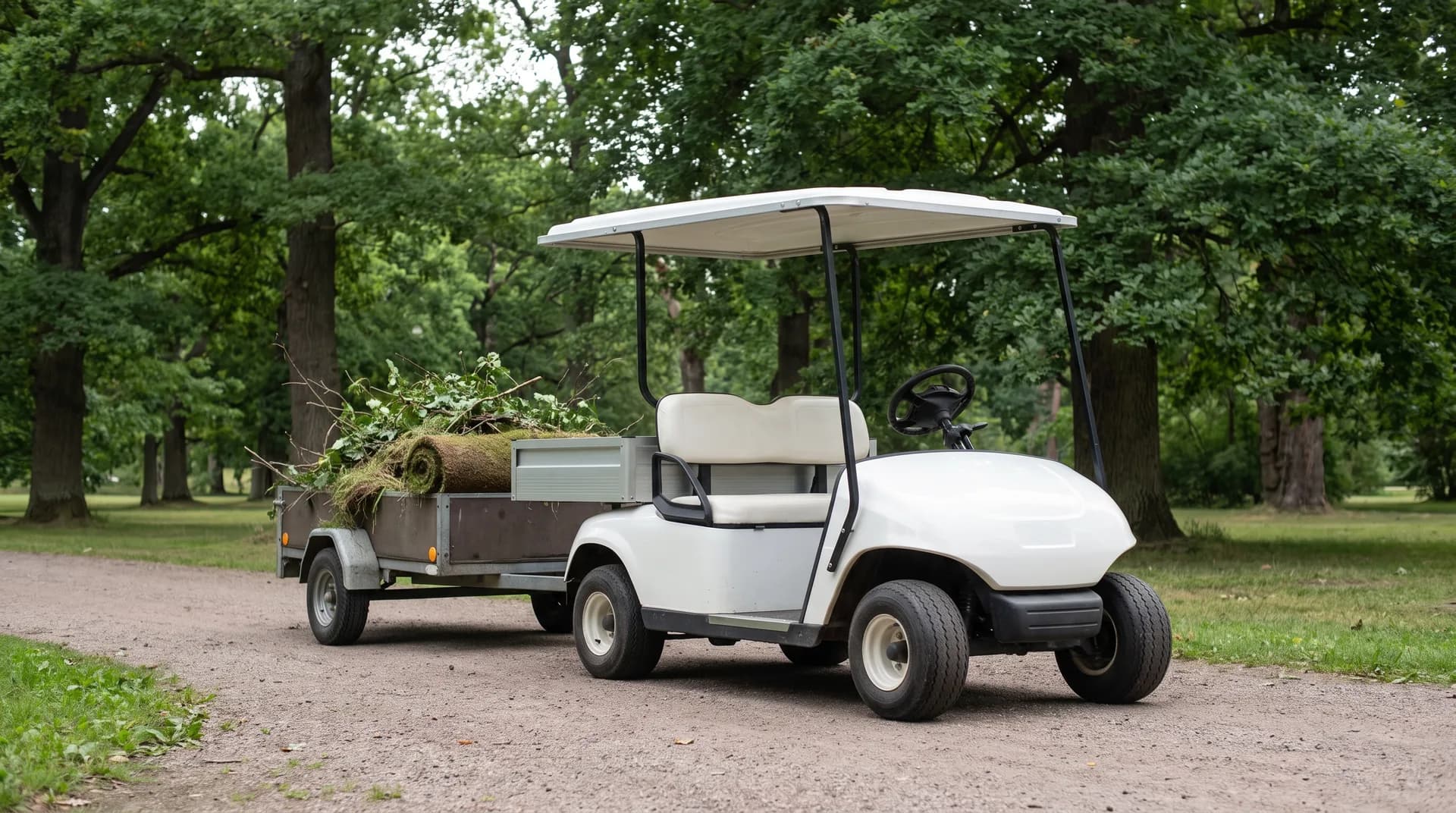
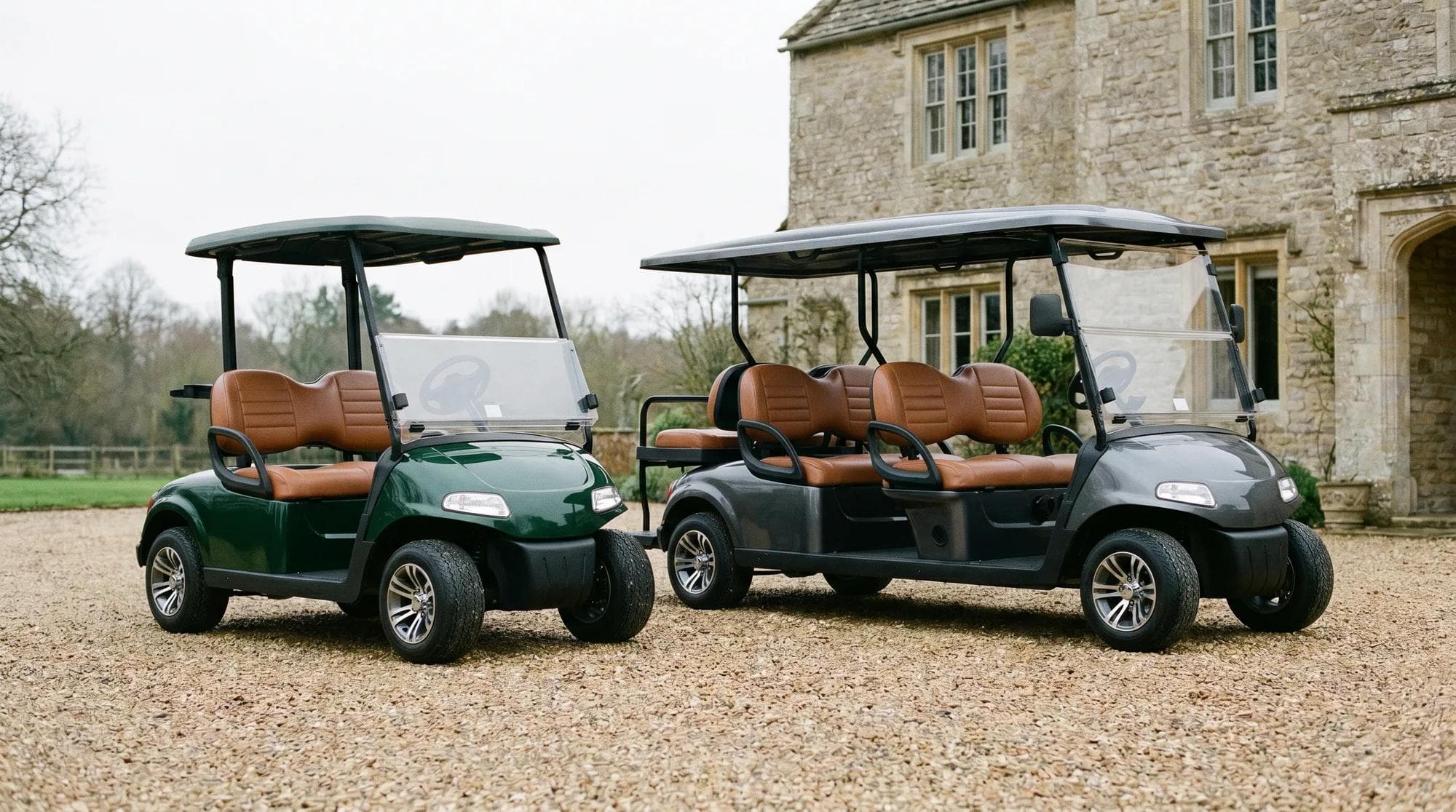
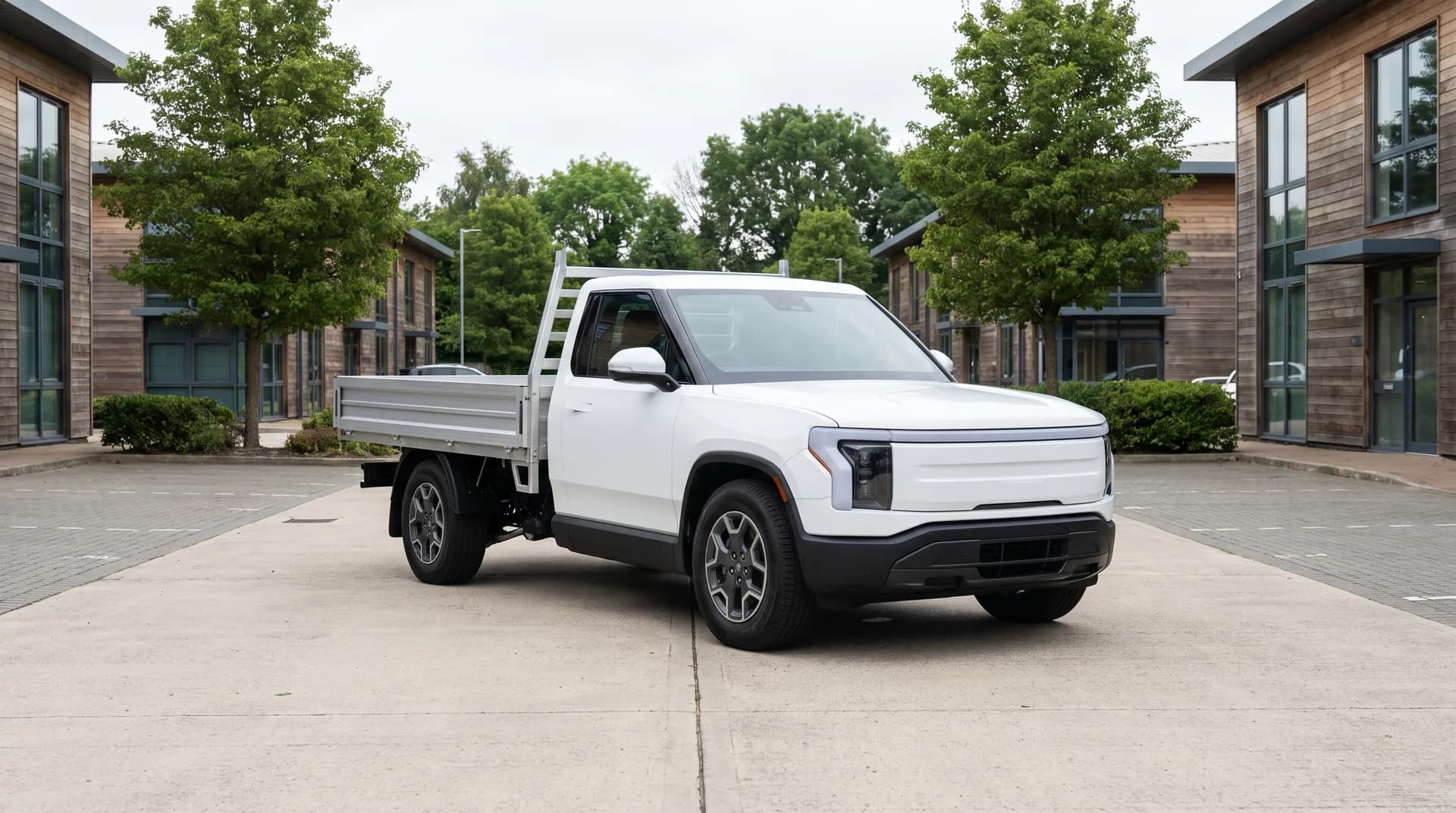
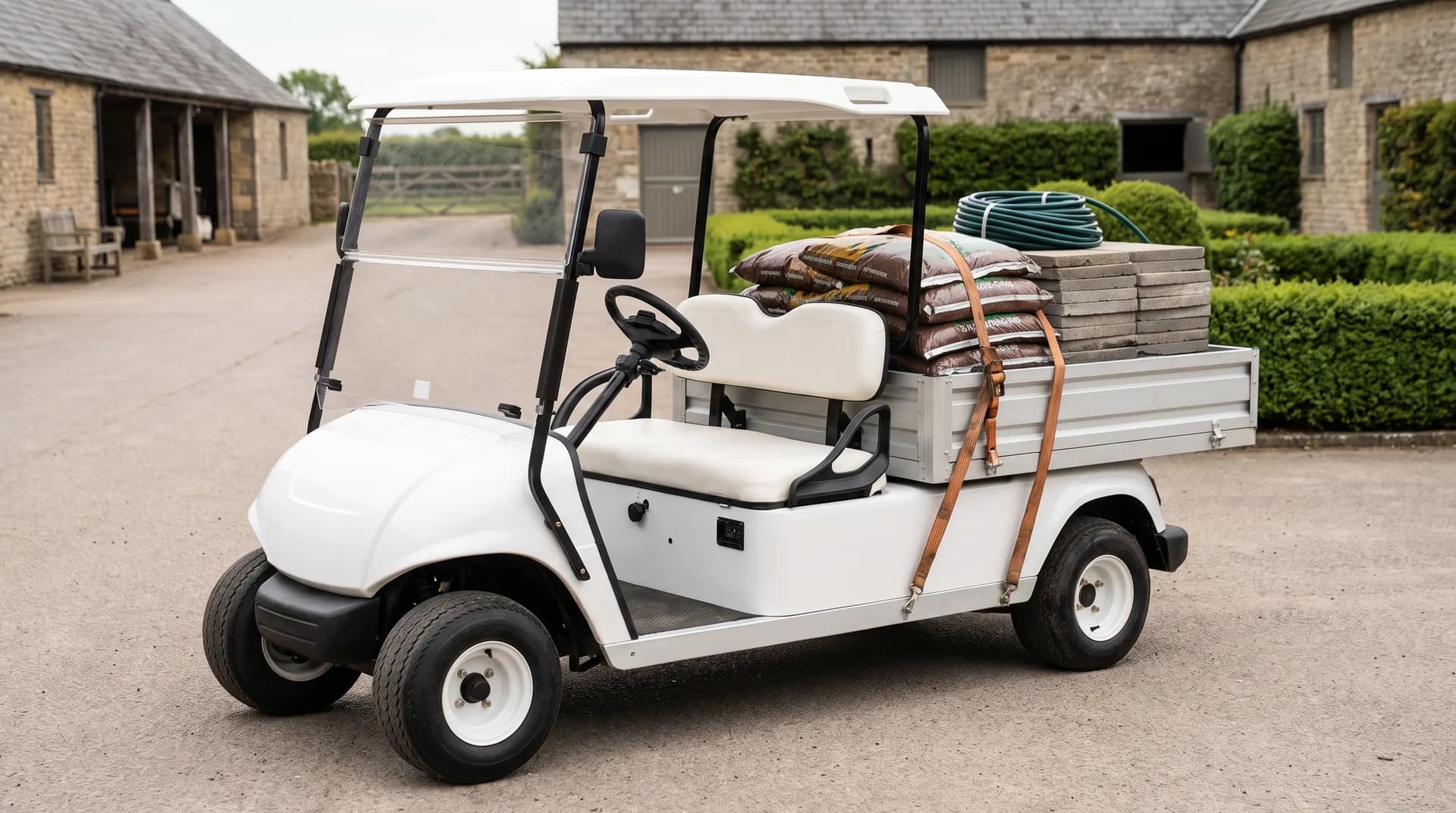
A buggy's payload is everything on board: the driver, every passenger and all the cargo together, not the cargo alone. A four-seater with four adults aboard has already used a large share of its rating before the first bag of tools goes on. Passenger models are rated for their seats plus modest cargo; utility models are built for load, with our compact trucks rated around 800 kilograms and the larger models a tonne or more in the bed, honestly rated per model, as our load carrying work sets out.
What reduces capacity in practice
The rating assumes sensible conditions, and the real world takes a share. Slopes ask more of the motor and brakes with a heavy load aboard; soft or rough ground adds drag; and a load piled high or all on one side unsettles the vehicle. On a testing site the practical safe load is below the plate figure, which is why we specify to your ground and your loads rather than hand you a number and a wave.
Loading well, and why overloading costs
Loading well is simple: keep the weight low and centred, secure anything that can shift, and stay inside the rating with a margin on slopes. Overloading is not a shortcut but a slow tax: it strains the motor, brakes, tyres and battery, shortens the vehicle's life and voids the goodwill of any warranty conversation. If your regular load is bumping against the rating, the answer is the next model up, not the extra sack on top, and our sizing guide helps you find it.
Frequently asked questions
How much weight can a golf buggy carry?+
It depends on the model: payload is the combined weight of passengers and cargo, with passenger buggies rated in the hundreds of kilograms and utility models from around 800 kg to a tonne or more in the bed. We quote the honest rated figure for any model.
Does the payload include passengers?+
Yes. Payload counts everything aboard: driver, passengers and cargo together. Four adults in a four-seater have already used much of the rating before any cargo is added.
What reduces how much I can safely carry?+
Slopes, soft or rough ground, and loads piled high or unevenly. In testing conditions the practical safe load sits below the plate figure, which is why we specify to your site rather than just quote the number.
What happens if I overload a buggy?+
It strains the motor, brakes, tyres and battery, shortens the vehicle's life and can make it unstable, especially on slopes. If your regular load presses the rating, the right answer is a higher-rated model.
Where do I find my buggy's weight limit?+
On the model's specification and plate, and we confirm the rated payload for any vehicle we quote so you can plan against the real figure.
Match the vehicle to the load
Tell us what you carry and where, and we will specify a buggy or utility vehicle rated for it, honestly, and quote against your needs.
Related solutions
Ready to explore what we build?
See the vehicles and the setting this applies to, or get a tailored quote built around your site.

Ready to find the right buggy?
Tell us how and where it will work and we will specify a vehicle and a tailored quote built around you. Every build comes with a 3-year warranty and a 24-hour priority call-out.
Our guides are written and reviewed by the Hawke Electric Vehicles team, the people who specify, build, deliver and support the vehicles. We focus on honest, practical advice and flag where a figure depends on the build rather than guessing.
More guides by Hawke