Seat count is the first real decision when you buy an electric buggy, because it sets the platform, the price and the character of the vehicle. Get it right and the buggy feels effortless for years. Get it wrong and you are either paying for seats you never use or, more often, one seat short at exactly the wrong moment. Here is how to match the size to how you will actually use it.
- Size for your busiest regular day, not the average, and leave a little headroom.
- Two seats: couples, compact sites and solo staff. Four seats: the popular all-rounder.
- Six and eight seats: larger groups and shuttle runs. Utility: when you carry kit.
- If you are genuinely between two sizes, go up rather than down.
- Pricing is on request: seats, battery and build set the figure.
Start with how many people you carry at once
Count the most people you regularly need to move in one go, then add a little room. A family of four who occasionally take a guest are happier in a six than a four. A resort moving couples between rooms and reception rarely needs more than four. Be honest about the busy moments, a wedding turnaround, a shoot day, a check-in rush, because those are when a buggy that is one seat short becomes a real problem.
- Best for
- Couples, compact sites, a single staff member
- Best for
- The popular all-rounder: families, members, guests
- Best for
- Grounds, cargo, towing and year-round work
- Best for
- Larger groups and resort runs
- Best for
- Shuttle and group transport
| Best for | |
|---|---|
| Two seater (the Hawke S2) | Couples, compact sites, a single staff member |
| Four seater (the Hawke S4) | The popular all-rounder: families, members, guests |
| Utility (the Hawke S2 Pickup) | Grounds, cargo, towing and year-round work |
| Six seater (the Hawke S6) | Larger groups and resort runs |
| Eight seater (the Hawke S8) | Shuttle and group transport |
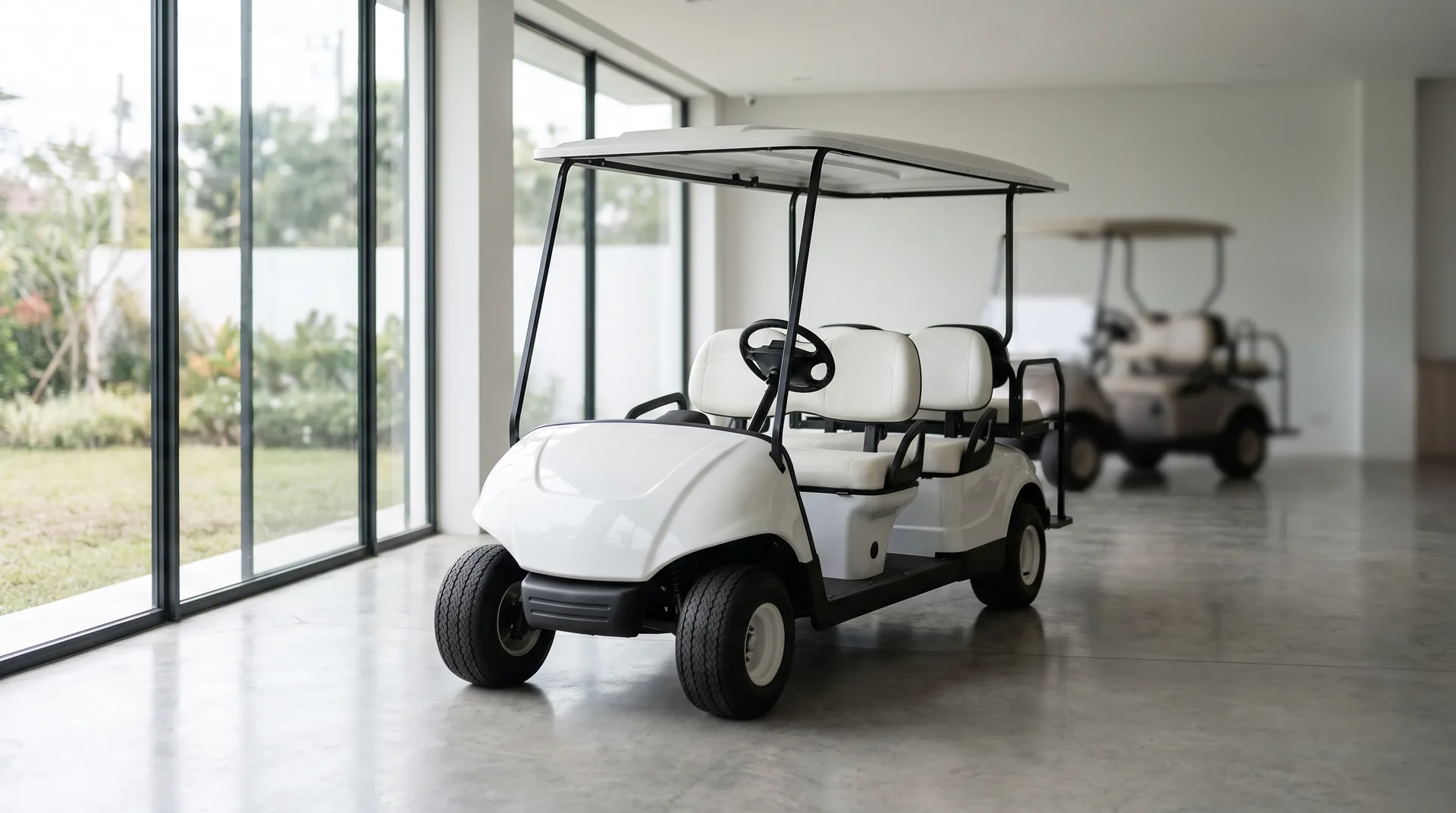
Two seater: couples, compact sites and solo staff
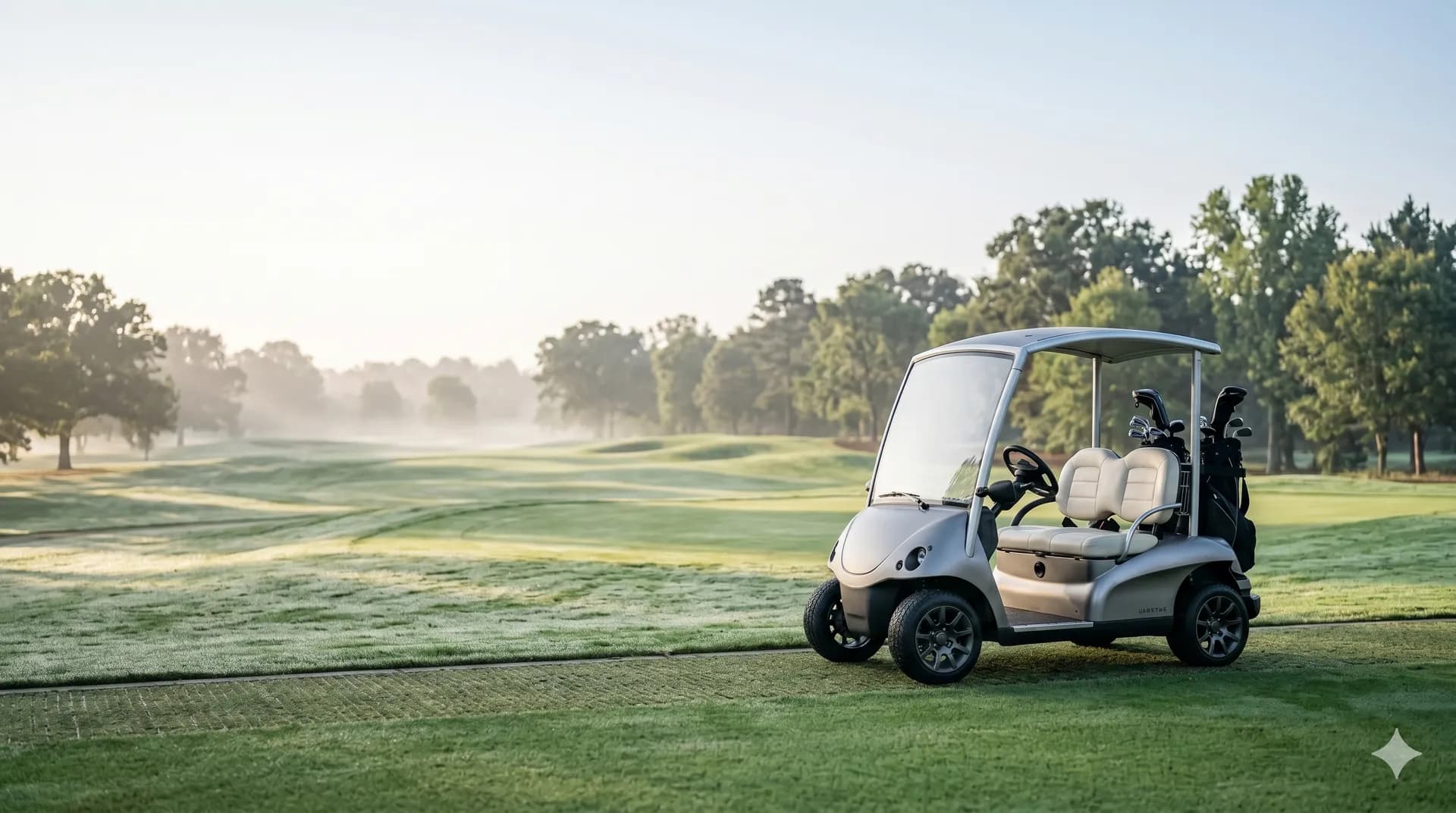
A two seater is light, nimble and the easiest to store. It suits a couple on a private estate, a single member of grounds staff, or a compact site where space is tight. It is the lowest-cost way into a premium buggy, and for many private buyers it is all they ever need.
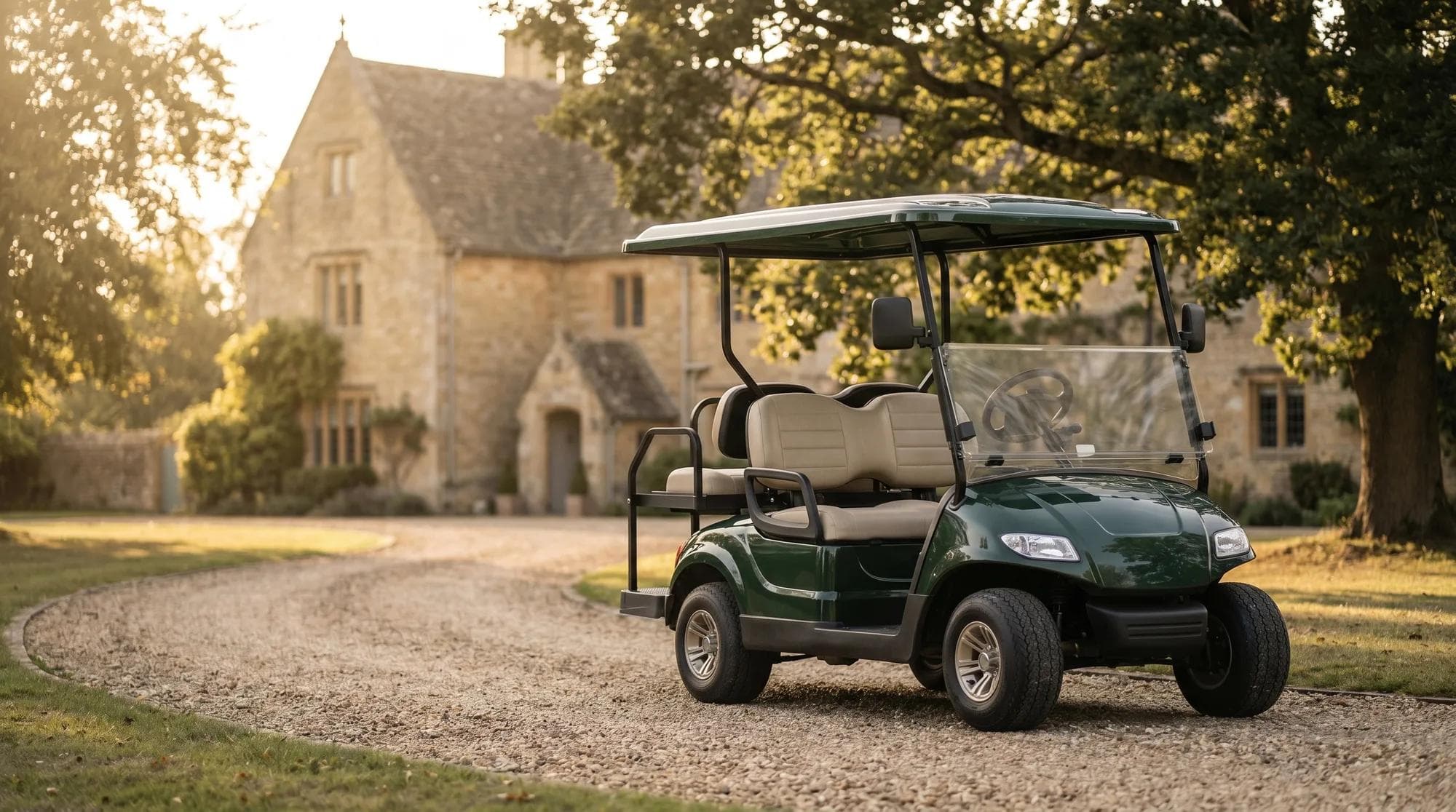
Four seater: the all-rounder most people choose
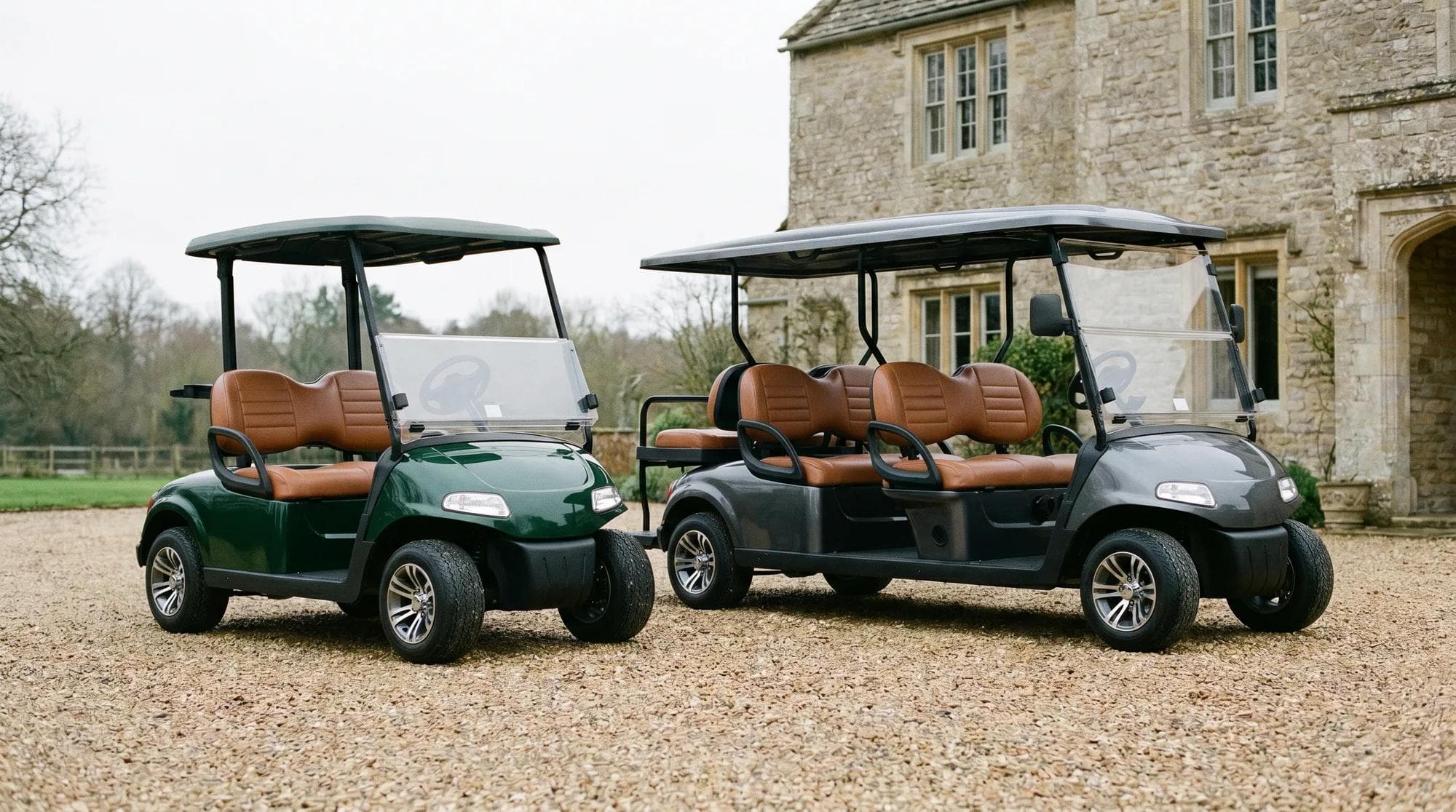
The four seater is the configuration we are asked for most. It carries a family or a small group, suits estates, resorts and golf clubs, and still feels compact and easy to drive. If you are unsure, this is usually the safe choice, which is why it is the model we suggest building first.
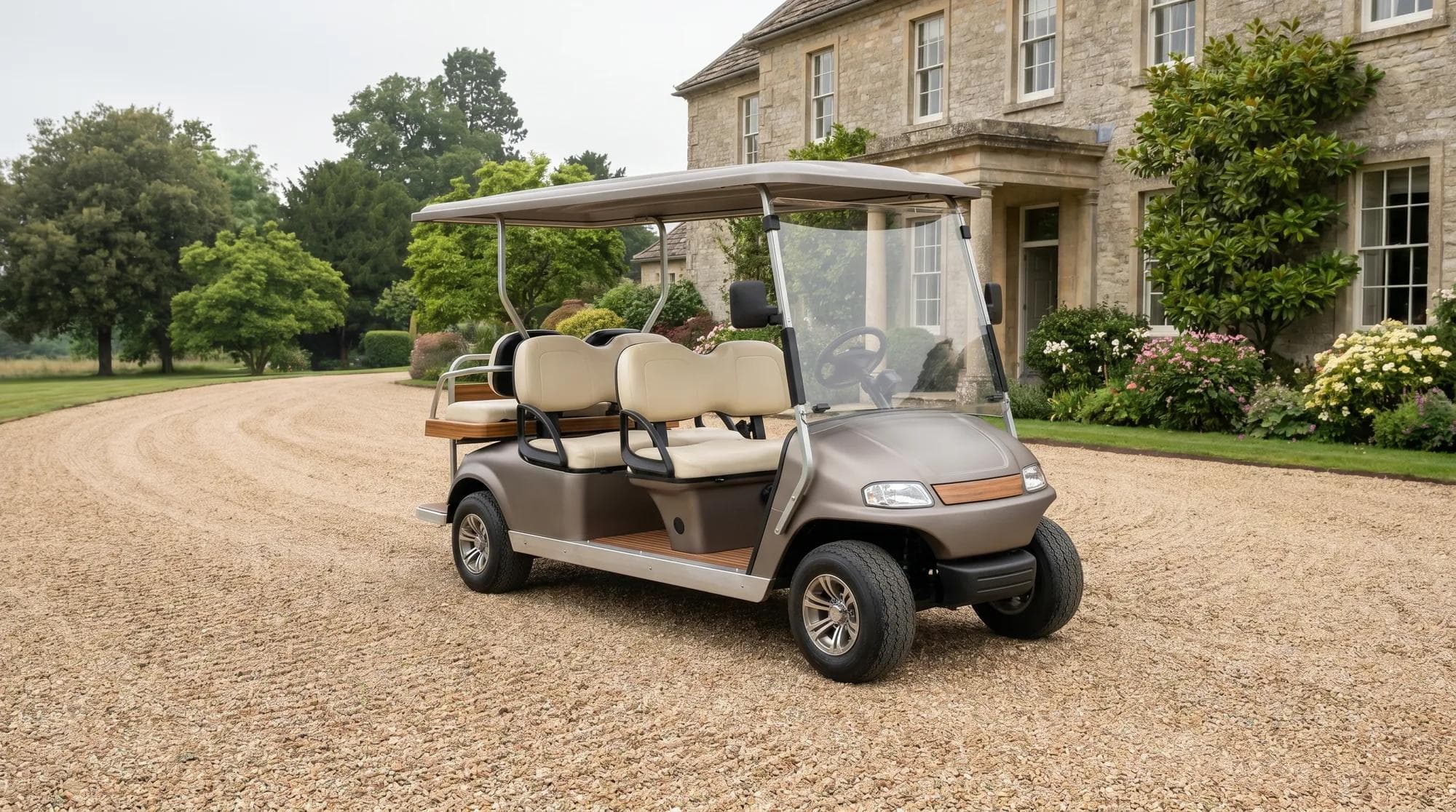
Six and eight seaters: groups and shuttle runs
When you regularly move groups, a six or eight seater earns its keep. Six seats suit larger families and busy resort transfers; eight seats suit shuttle routes, larger venues and people-moving across a big site. They are longer and need a little more room to turn and store, so think about your tightest path before you commit.
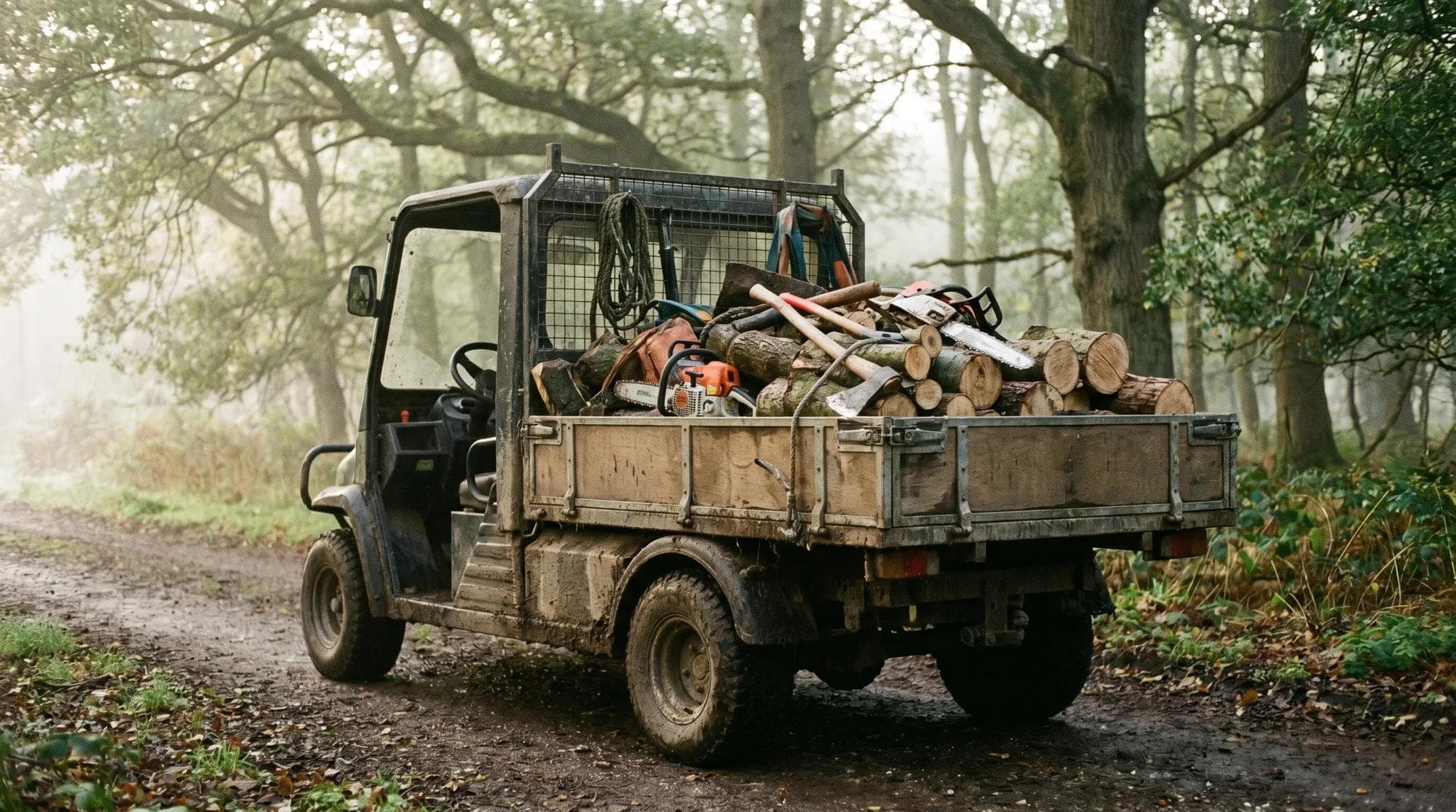
Utility: when you carry kit, not just people
If the job is mostly carrying tools, feed, timber or materials, a utility model with a cargo bed is the right shape rather than a passenger buggy. It is the working vehicle of an estate or grounds team. Our guide to choosing an electric utility vehicle for a country estate covers payload, towing and terrain in detail.
Still unsure? Size up, not down
If you are torn between two sizes, go up. The extra cost is smaller than the regret of a buggy that is always one seat short, and a slightly larger buggy holds its usefulness as your needs grow. You can compare the full range and specs on our range page, or read the complete buyers' guide to weigh size against battery, road use and budget together.

Compare every size side by side
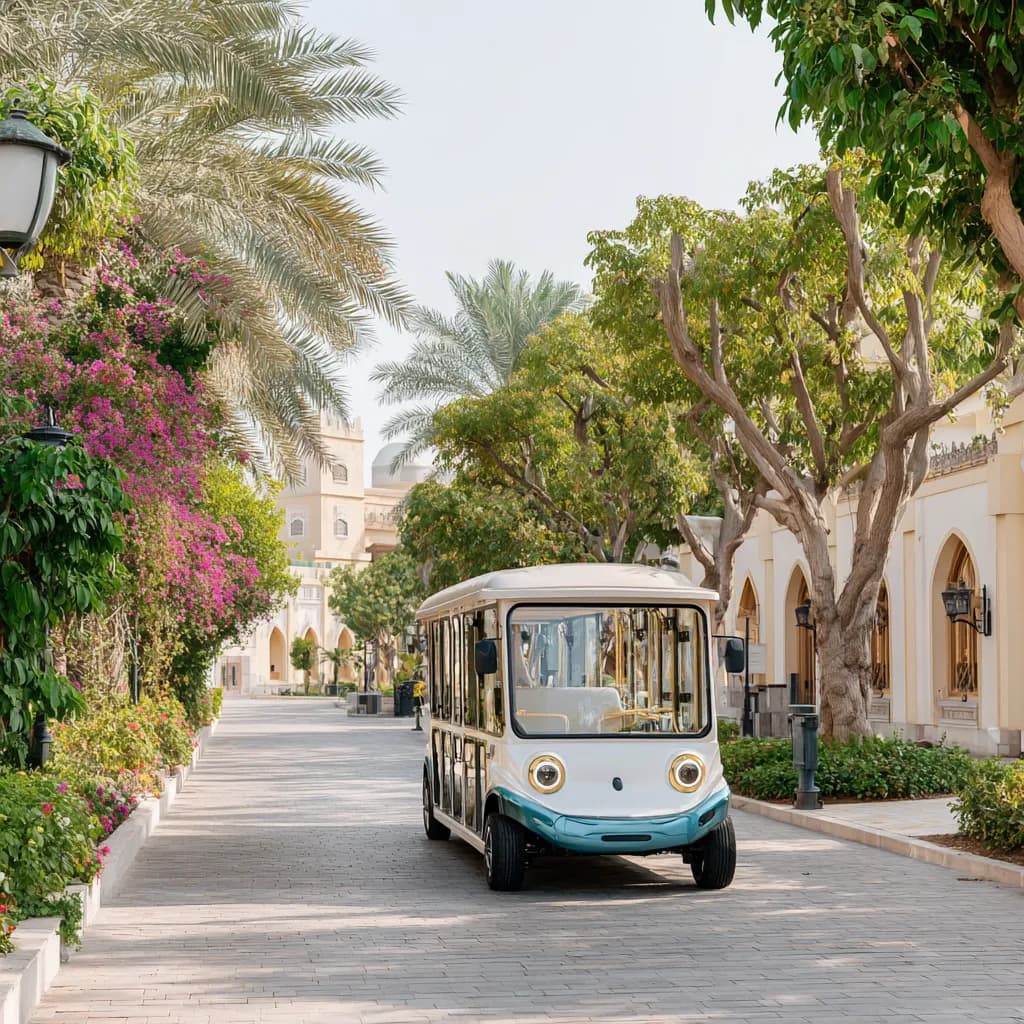
From the two-seat Hawke S2 to the eight-seat Hawke S8, plus utility models and people movers up to the 23-seat Hawke P23, see the full range and specs.
Not sure which size fits?
Tell us how many people or how much kit you move, and where, and we will recommend the right size and prepare a tailored quote.
Frequently asked questions
What size golf buggy is most popular?+
The four seater is the most popular configuration. It carries a family or small group, suits estates, resorts and clubs, and is still compact and easy to drive, which makes it the safe choice for most buyers.
Is a 6 or 8 seater golf buggy worth it?+
Yes, if you regularly move groups or run shuttle routes. Six and eight seaters carry more people in one trip, which is more efficient than two runs in a smaller buggy. They are longer, so check your tightest turn and storage first.
What is the difference between a passenger and a utility buggy?+
A passenger buggy is built to carry people in comfort; a utility model has a cargo bed for tools, feed or materials and is built for payload and terrain. Choose by whether the main job is moving people or moving kit.
Should I size up or down if I am unsure?+
Size up. The cost difference between two sizes is usually smaller than the inconvenience of a buggy that is regularly one seat short, and a larger buggy stays useful as your needs grow.
Related solutions
Ready to explore what we build?
See the vehicles and the setting this applies to, or get a tailored quote built around your site.
Ready to find the right buggy?
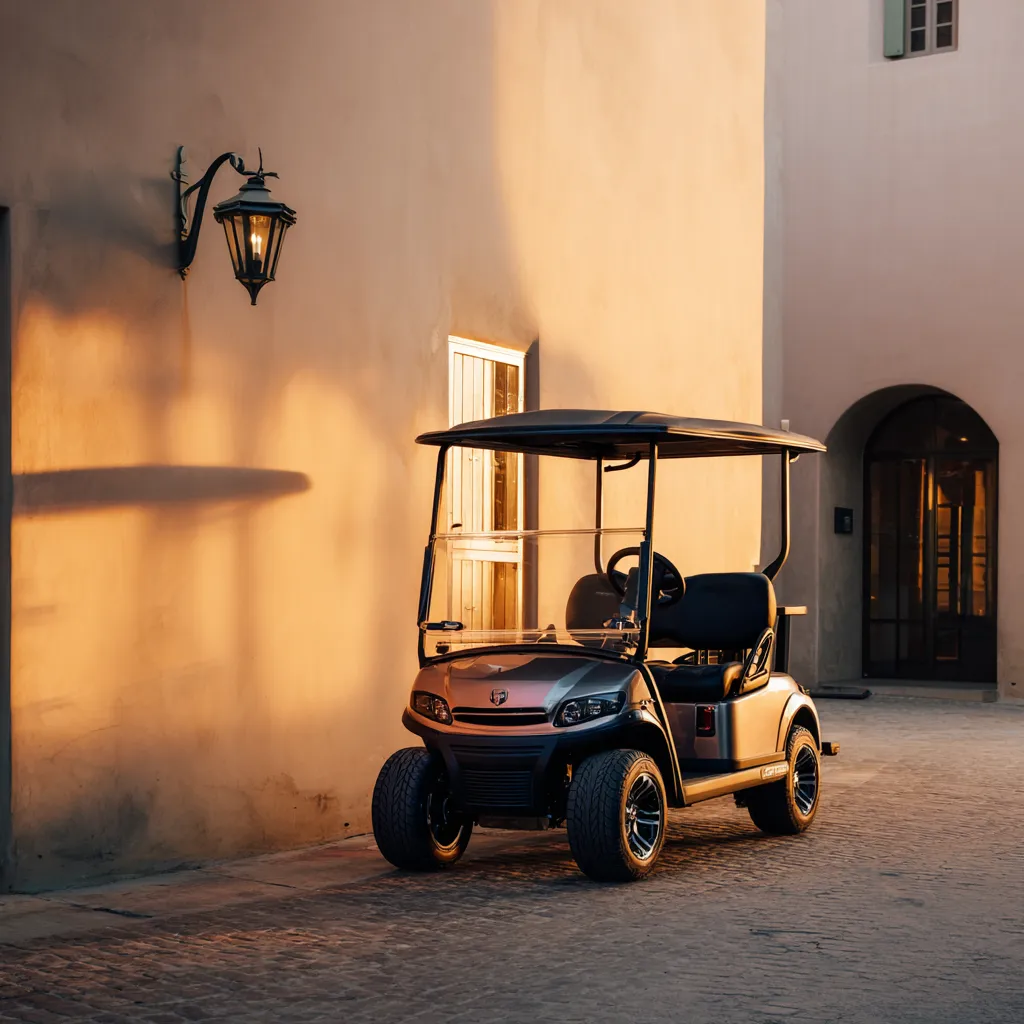
Tell us how and where it will work and we will specify a vehicle and a tailored quote built around you. Every build comes with a 3-year warranty and a 24-hour priority call-out.
Our guides are written and reviewed by the Hawke Electric Vehicles team, the people who specify, build, deliver and support the vehicles. We focus on honest, practical advice and flag where a figure depends on the build rather than guessing.
More guides by Hawke