Ask event organisers which service generates the most positive feedback for the least money, and a well-run accessible shuttle comes up more often than anything else. Ask them which one most often disappoints, and the answer is frequently the same service, run without a plan. The difference between the two is not budget. It is whether the shuttle was designed as its own operation with its own vehicles, its own route and its own staff, or whether it was assembled out of whatever the general buggy fleet had spare by mid-afternoon. This guide sets out how to run an accessible shuttle that actually works: choosing the right vehicles, protecting the route, deciding between booking and turn-up, staffing it, and telling people it exists.
- Give the shuttle its own vehicles and its own drivers, ring-fenced from general ferrying.
- Protect the route: shortest realistic distance, best surface, fewest crossings, first to be reinstated when conditions improve.
- Wheelchair-accessible vehicles and ambulant seating serve different needs; most events need both.
- Publish the service in advance, on the event page and the ticket confirmation, not just on a sign at the gate.
- The most common failure is not too few vehicles, it is the shuttle being quietly reassigned during the afternoon.
Decide what your accessible event shuttle is for, precisely
The phrase accessible shuttle covers several different jobs, and a service that tries to do all of them without saying so ends up doing none well. Be explicit. Is it a car park to gate link, which is the most common and most valuable? Is it a circulation service around a large site, moving people between arenas, catering and facilities? Is it an on-demand service for people who cannot manage a specific stretch? Or is it primarily a wheelchair-accessible service requiring a vehicle with a ramp and securing points? Each has different vehicles, different staffing and different capacity implications. Write one sentence defining the service, publish that sentence, and design against it. Most events find the car park link is the priority and the circulation service is a bonus, and it is far better to run one job properly than two badly.
Vehicles: ambulant seating and wheelchair access are different problems
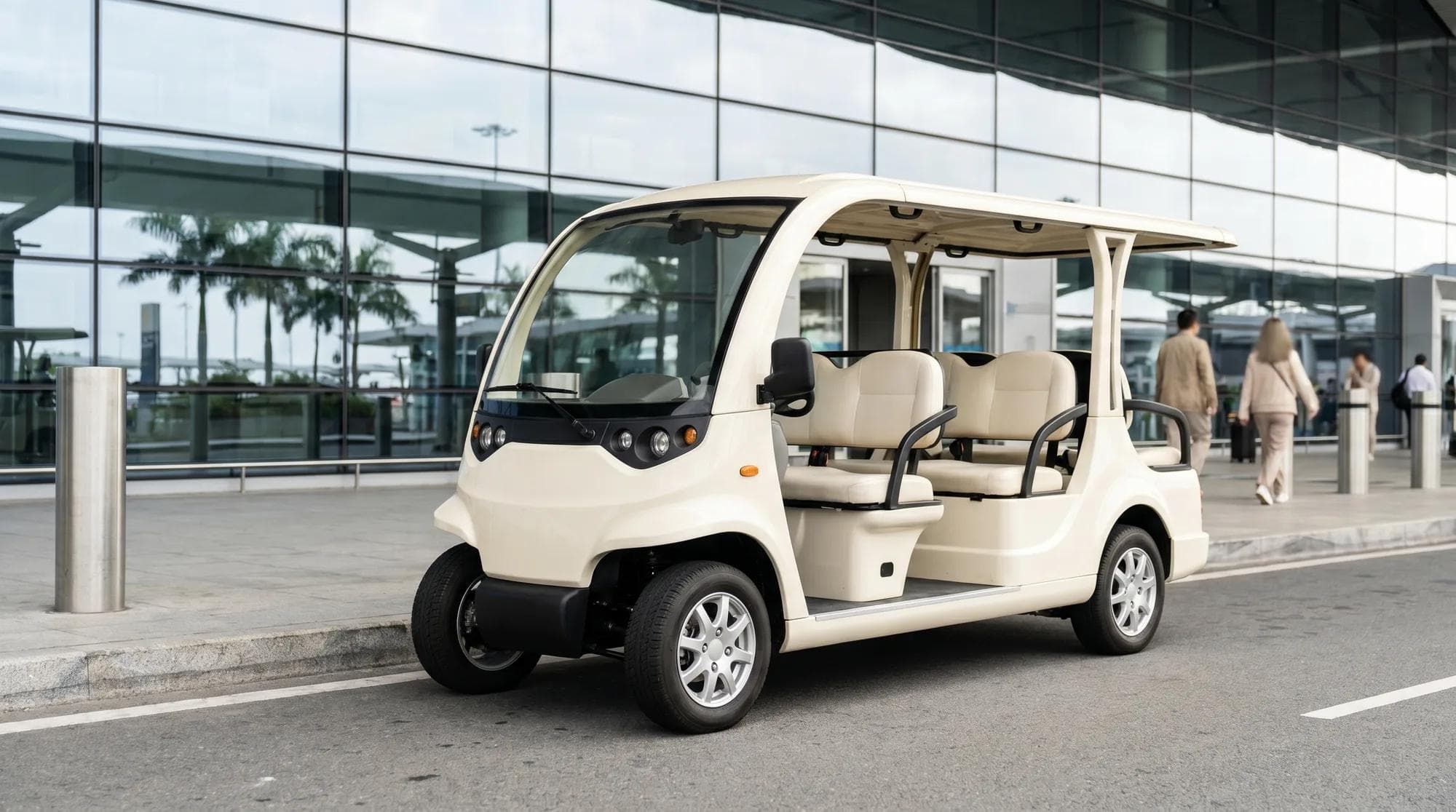
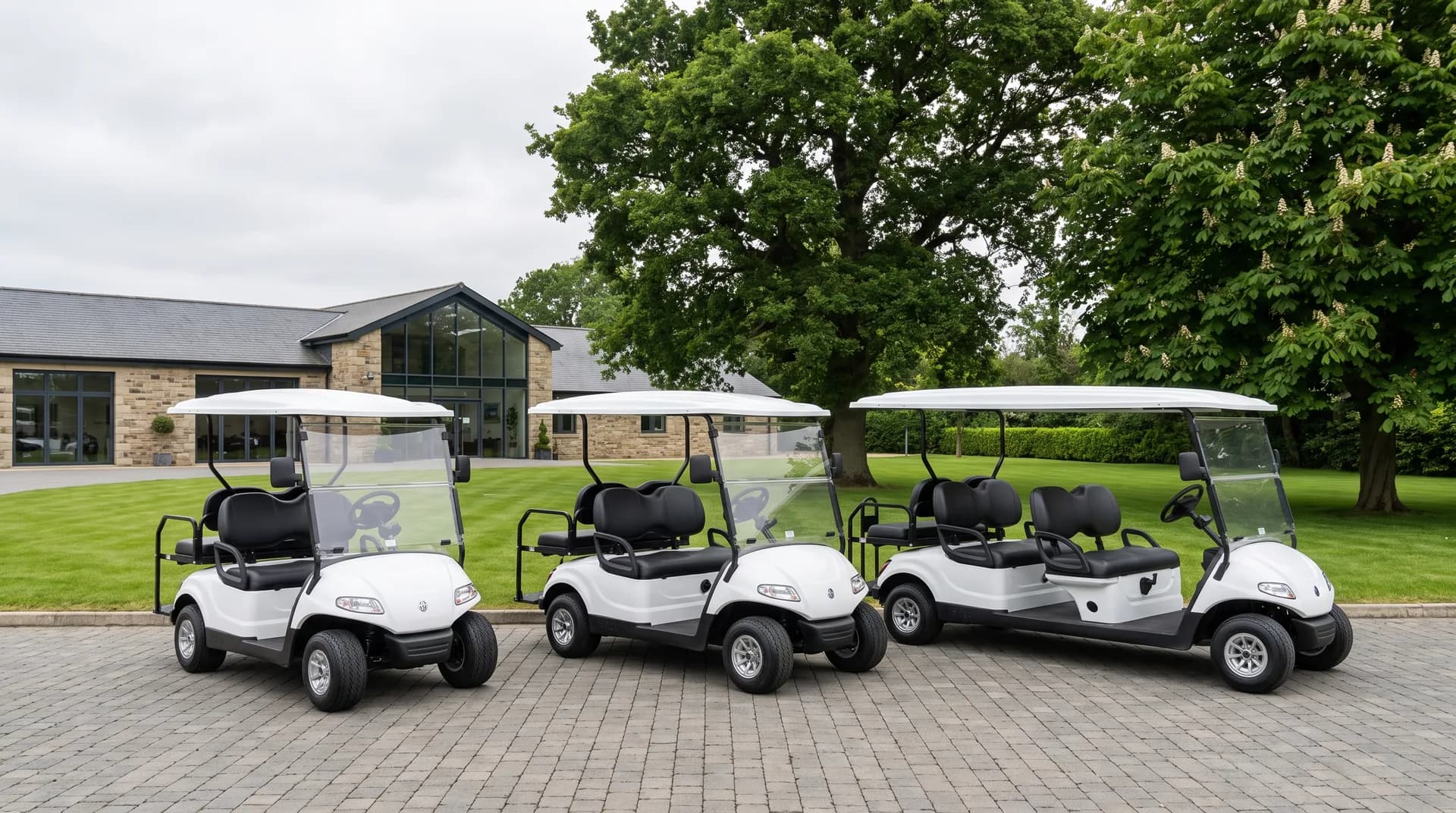
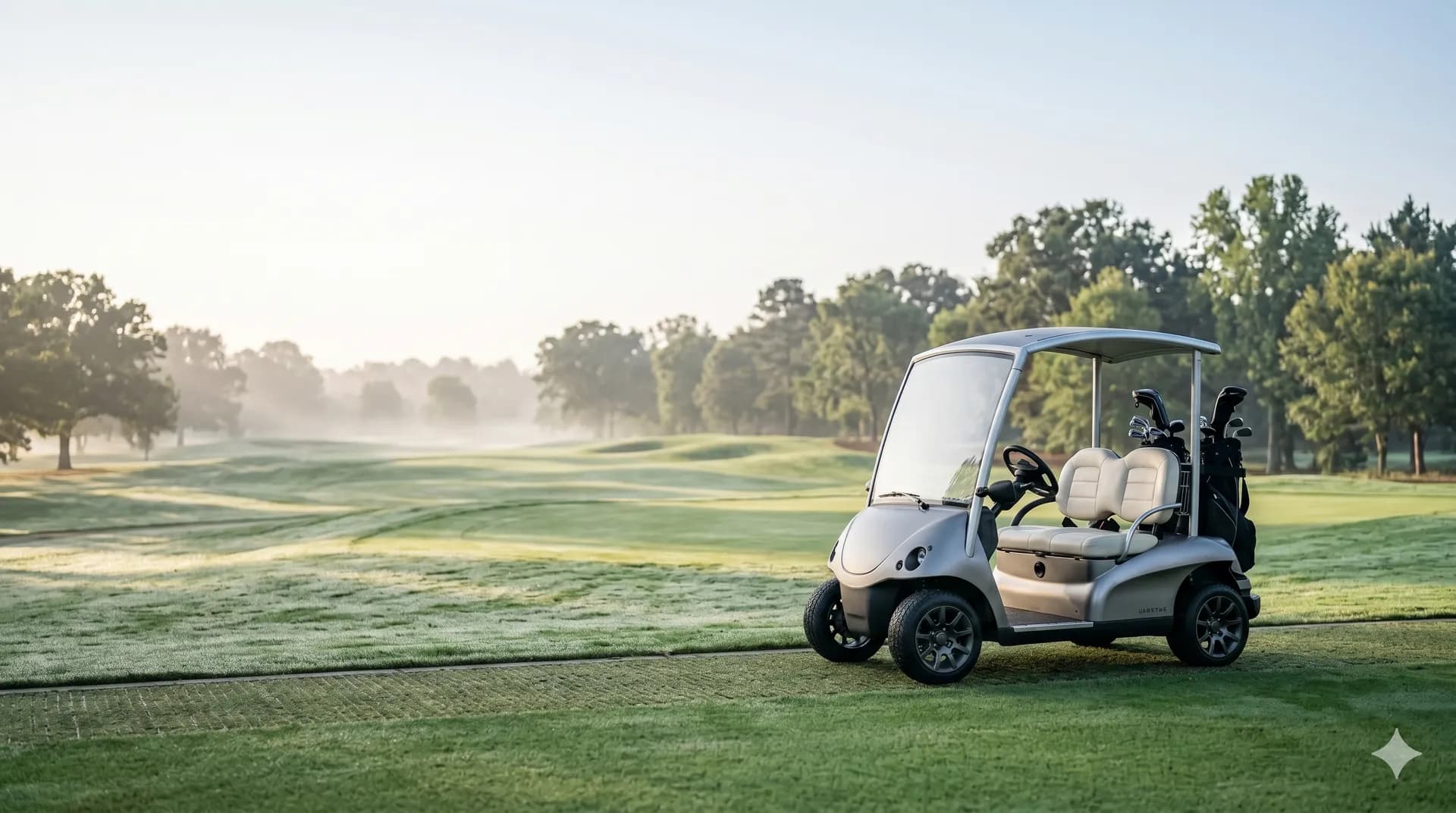
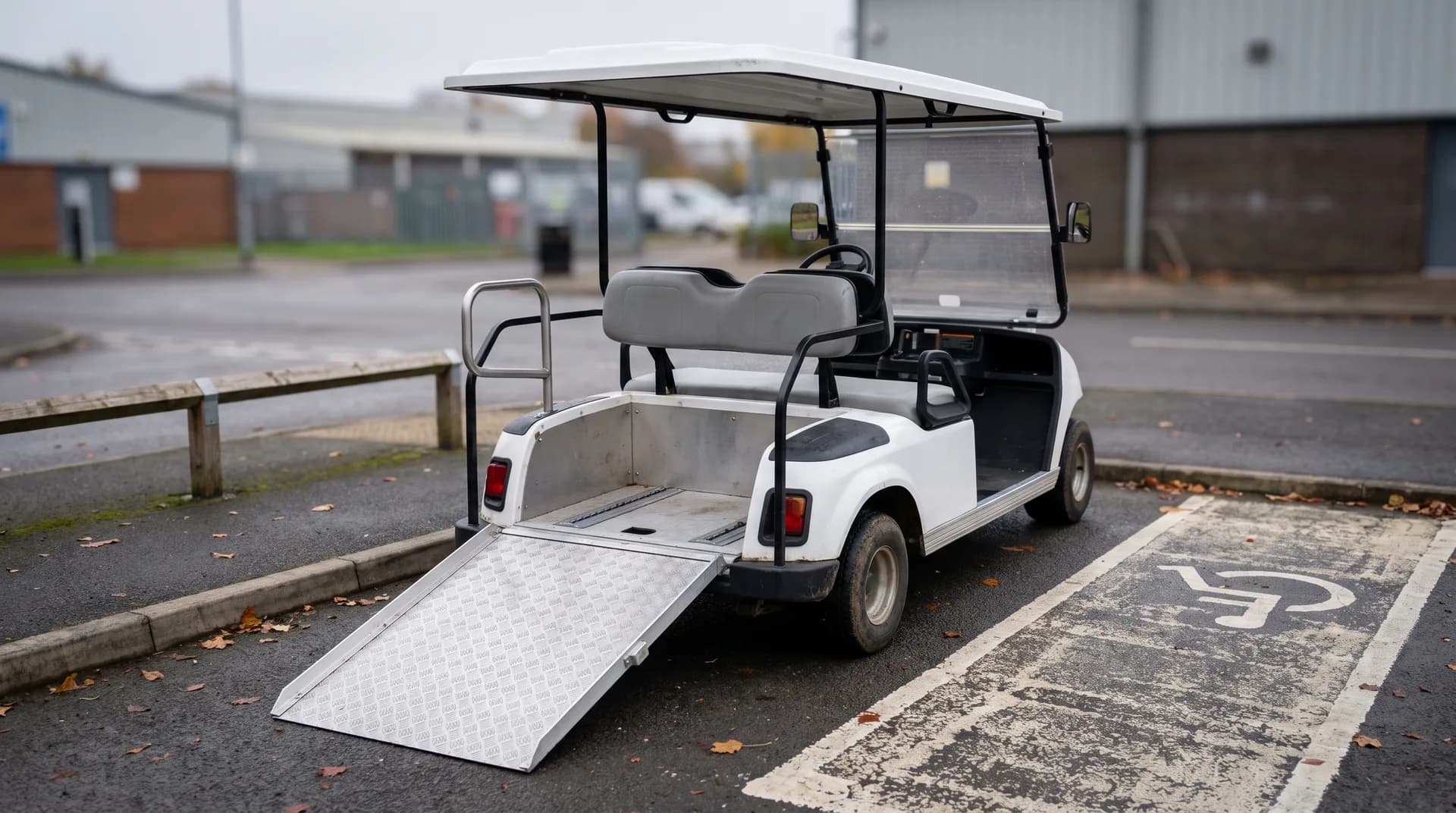
Two distinct needs, and conflating them is the most common specification error. Many people who need the shuttle walk perfectly well but cannot manage distance, uneven ground or standing in a queue: older guests, people with fatigue conditions, people recovering from surgery, people with young children in tow. They need a comfortable seat, a low step-in, something to hold, weather protection and a short wait. That is a well-specified passenger buggy. Wheelchair users need something structurally different: a ramp, a level platform, proper securing points and enough headroom, which is a purpose-built accessible vehicle rather than a buggy with a seat removed. Most events with a public audience need both, in different numbers, and specifying only one is what produces the situation where a wheelchair user is offered a service they cannot use. Our wheelchair accessible buggy hire page covers the accessible vehicle side.
- Who it serves
- People who walk but cannot manage distance or standing
- What the vehicle needs
- Low step-in, grab handles, comfortable seat, canopy and screens
- Who it serves
- Wheelchair and powerchair users travelling seated in their chair
- What the vehicle needs
- Ramp, level platform, securing points, headroom, trained operator
- Who it serves
- Companions and family travelling together
- What the vehicle needs
- Capacity for a wheelchair space plus accompanying seats
- Who it serves
- People needing help at an unpredictable point
- What the vehicle needs
- Radio contact, roving driver, protected from reassignment
| Who it serves | What the vehicle needs | |
|---|---|---|
| Passenger buggy, ambulant | People who walk but cannot manage distance or standing | Low step-in, grab handles, comfortable seat, canopy and screens |
| Wheelchair-accessible vehicle | Wheelchair and powerchair users travelling seated in their chair | Ramp, level platform, securing points, headroom, trained operator |
| Mixed shuttle | Companions and family travelling together | Capacity for a wheelchair space plus accompanying seats |
| On-demand response | People needing help at an unpredictable point | Radio contact, roving driver, protected from reassignment |
Protect the route and the vehicles
This is the single most important operational decision, and it costs nothing. The accessible shuttle should have the shortest realistic route, the best available surface, the fewest crossings and the highest priority when conditions degrade. When ground gets bad, it is the last route to be suspended and the first to be reinstated. When the fleet is under pressure, its vehicles are not borrowed. That last point deserves emphasis, because it is where most services quietly fail: by three in the afternoon a driver has been asked to run a VIP to the far gate, then to move some kit, and the shuttle that was published on your website has effectively ceased to exist for the people relying on it, who have no alternative and often will not complain, they will simply go home. Ring-fence the vehicles in writing, tell the drivers the run does not get reassigned, and give the transport lead the authority to refuse. Our traffic management guide covers protecting routes on the site plan.
Booked, turn-up, or both?
There is a genuine trade-off here and no single right answer. A booked service gives you predictable demand, lets people plan with confidence, and works well for scheduled peaks such as arrival and departure. It fails people whose needs change during the day and those who did not know the service existed until they arrived. A turn-up service is far more inclusive and much harder to resource, because demand arrives in unpredictable clumps and a queue of people who cannot easily stand is the worst possible queue to create. The pragmatic answer for most public events is a continuous turn-up loop at the peaks, arrival and departure, when demand is at its highest and most predictable, plus a radio-contactable on-demand vehicle during the quieter middle of the day. Whatever you choose, say which it is in advance, because the gap between what people expected and what exists is where the complaints come from.
Staffing and briefing
Put your most patient drivers on this service, and brief them specifically. The driving is the easy part; the job is the interaction. Cover the practical things: how to secure a wheelchair correctly, how to help someone board without taking hold of them or their equipment uninvited, that a wheelchair or mobility aid is personal property and part of someone's personal space, and that the person, not a companion, is the one to ask about what help they want. Cover the operational things too: where to wait, what to do when demand exceeds capacity, and who to radio. And cover the tone: this is a service people are relying on, sometimes reluctantly, and the driver's manner is most of what determines whether they use it again. If your event runs a formal assistance service, brief the shuttle drivers alongside that team so the two do not contradict each other.
Tell people it exists, early
A shuttle nobody knows about serves nobody. Publish it where people decide whether to come at all, which is weeks before the event, not on a sign at the gate. That means the event website's accessibility page, the ticket confirmation email, the pre-event information, and any access enquiry channel you operate. Say what the service is, where it runs from and to, whether it must be booked, what vehicles are used, whether wheelchairs can travel in the chair, and roughly how frequent it is. Include the distances involved, because people make good decisions with real numbers and poor ones with reassurance. And name a contact who can answer a specific question, because someone deciding whether an event is viable for them will have a specific question, and a generic accessibility statement will not answer it.
The failures that repeat every year
- The shuttle vehicles get borrowed for other work by mid-afternoon
- Only ambulant seating was specified, so wheelchair users cannot use the published service
- The route runs on the worst ground and is the first thing suspended when it rains
- The service was never published anywhere people would look before travelling
- Nobody was staffed at the drop-off end, so the queue formed where there was nowhere to sit
- The service stops before the end of the event, stranding people at the departure peak
- Drivers were briefed on the route but not on how to help someone board
Specifying the hire
Tell your supplier what the service is rather than how many buggies you want, and let the specification follow. Give them the two distances that matter, car park to gate and the longest internal run, the surface, the expected peaks, and whether you need wheelchair-accessible vehicles as well as passenger seating. Ask for low step-in seating, grab handles, canopies and weather protection as standard, because comfort is not a luxury on this service, it is the point of it. Then size it from round-trip time using the method in our guide on how many buggies your event needs, and add a margin, because this is the one service where a queue is a genuine failure. When you are ready, ask for a hire quote and tell us it is an accessibility service; it changes what we specify.
Frequently asked questions
What vehicles do you need for an accessible event shuttle?+
Usually both a well-specified passenger buggy with a low step-in, grab handles and weather protection for people who walk but cannot manage distance, and a ramp-equipped accessible vehicle with securing points for people travelling seated in their wheelchair. Specifying only one leaves part of your audience without a usable service.
Should an accessible shuttle be bookable or turn-up?+
Most public events do best with a continuous turn-up loop at the arrival and departure peaks, plus a radio-contactable on-demand vehicle in the quieter middle of the day. Whichever you choose, publish it clearly in advance so nobody arrives expecting a different service.
How many vehicles does an accessible shuttle need?+
Size it from the round-trip time on your specific route rather than from attendance, then add a margin, because a queue on this service is a genuine failure rather than an inconvenience. Ring-fence those vehicles so they cannot be reassigned to other work during the day.
What is the most common accessible shuttle failure?+
The vehicles being quietly borrowed for other work during the afternoon, so the service published on the website no longer exists for the people relying on it. Ring-fence the vehicles and drivers in writing and give the transport lead authority to refuse reassignment.
Where should we publish the shuttle service?+
Wherever people decide whether to attend at all: the event website's accessibility page, the ticket confirmation, pre-event information and any access enquiry channel. Include real distances, the vehicles used, whether booking is needed, and a named contact who can answer a specific question.
Specifying an accessible shuttle?
Tell us the distances, the surfaces and whether you need ramp-equipped vehicles, and we will specify the fleet for the service rather than for a seat count.
Related solutions
Ready to explore what we build?
See the vehicles and the setting this applies to, or get a tailored quote built around your site.

Ready to find the right buggy?
Tell us how and where it will work and we will specify a vehicle and a tailored quote built around you. Every build comes with a 3-year warranty and a 24-hour priority call-out.
Our guides are written and reviewed by the Hawke Electric Vehicles team, the people who specify, build, deliver and support the vehicles. We focus on honest, practical advice and flag where a figure depends on the build rather than guessing.
More guides by Hawke