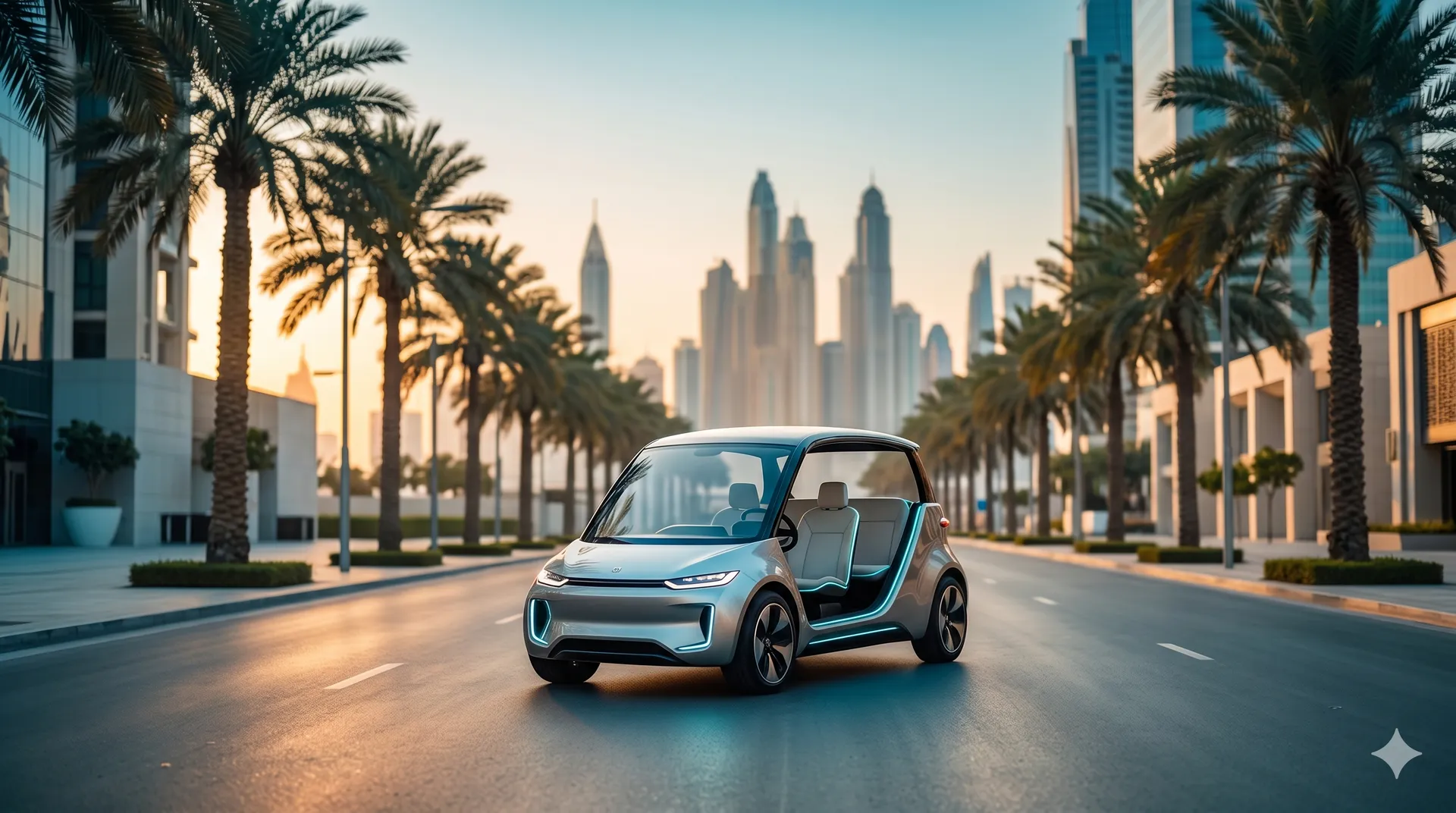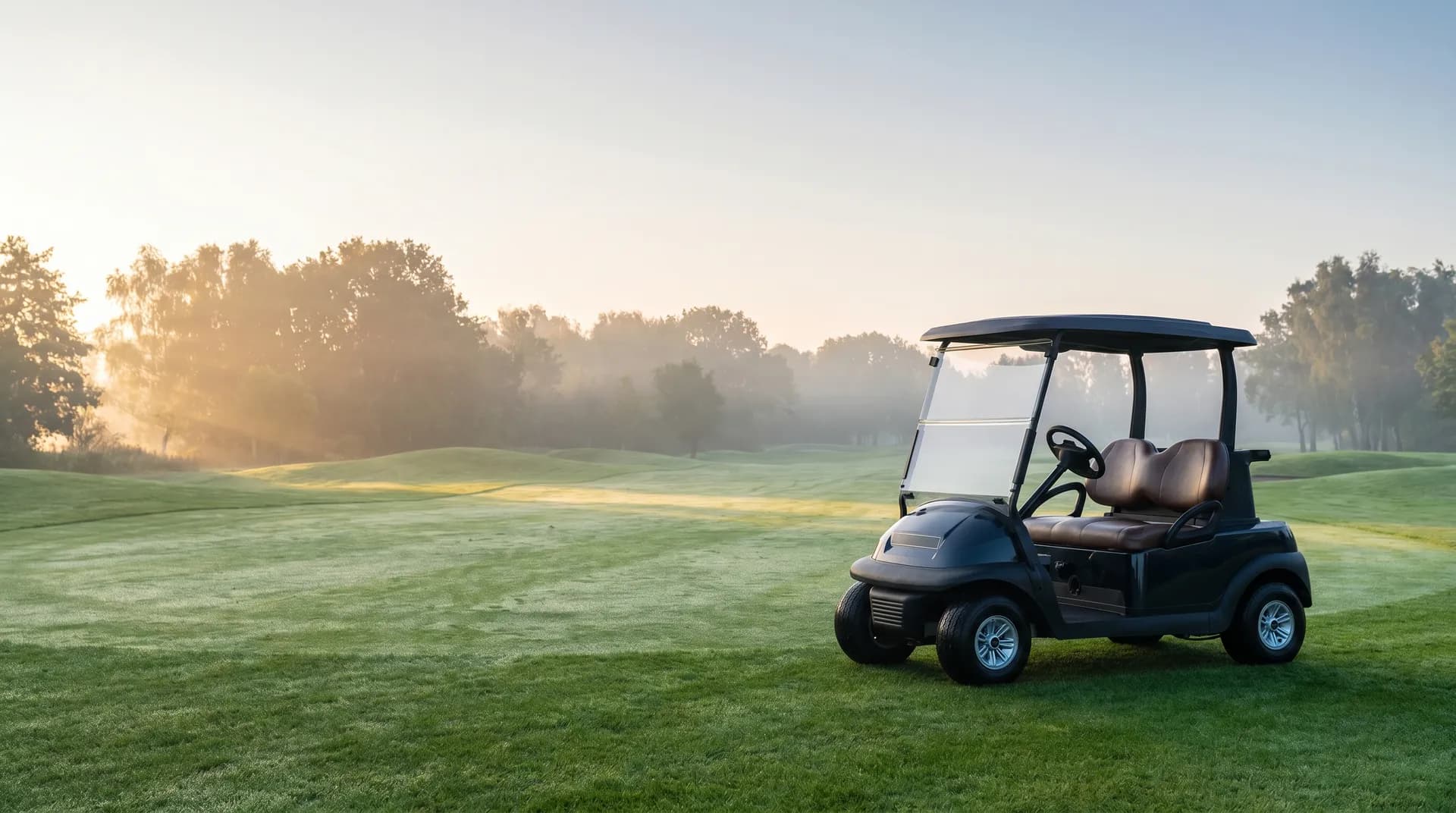
The direct answer: a new two-seat electric buggy built to a proper standard starts from around £11,500 in the UK, which is where our S2 begins. That makes the two-seater the entry point to genuine buggy ownership, the smallest machine with a full chassis, real weather protection options and a dealer warranty behind it. Below that figure sits a different world of ride-on trolleys, single-seaters and tired used stock, and above it the ladder climbs through four, six and eight seats. This guide sets out the two seater golf buggy cost picture honestly: what the new money buys, how battery chemistry moves the figure, what the used market really looks like, and the running costs that follow the purchase.
- New two-seaters built to a dealer-backed standard start from around £11,500.
- Battery chemistry is the biggest price decision: lead-acid keeps the entry figure down, lithium costs more and usually repays it.
- The used market runs from a few thousand pounds for ex-fleet stock upwards; the battery pack decides whether any of it is good value.
- Running costs are modest: pence-per-mile charging and little to service on an electric drivetrain.
- The step up to a four-seater is around £3,400 at starting prices, worth weighing before you commit to two seats.
What a 2-seater golf buggy costs new
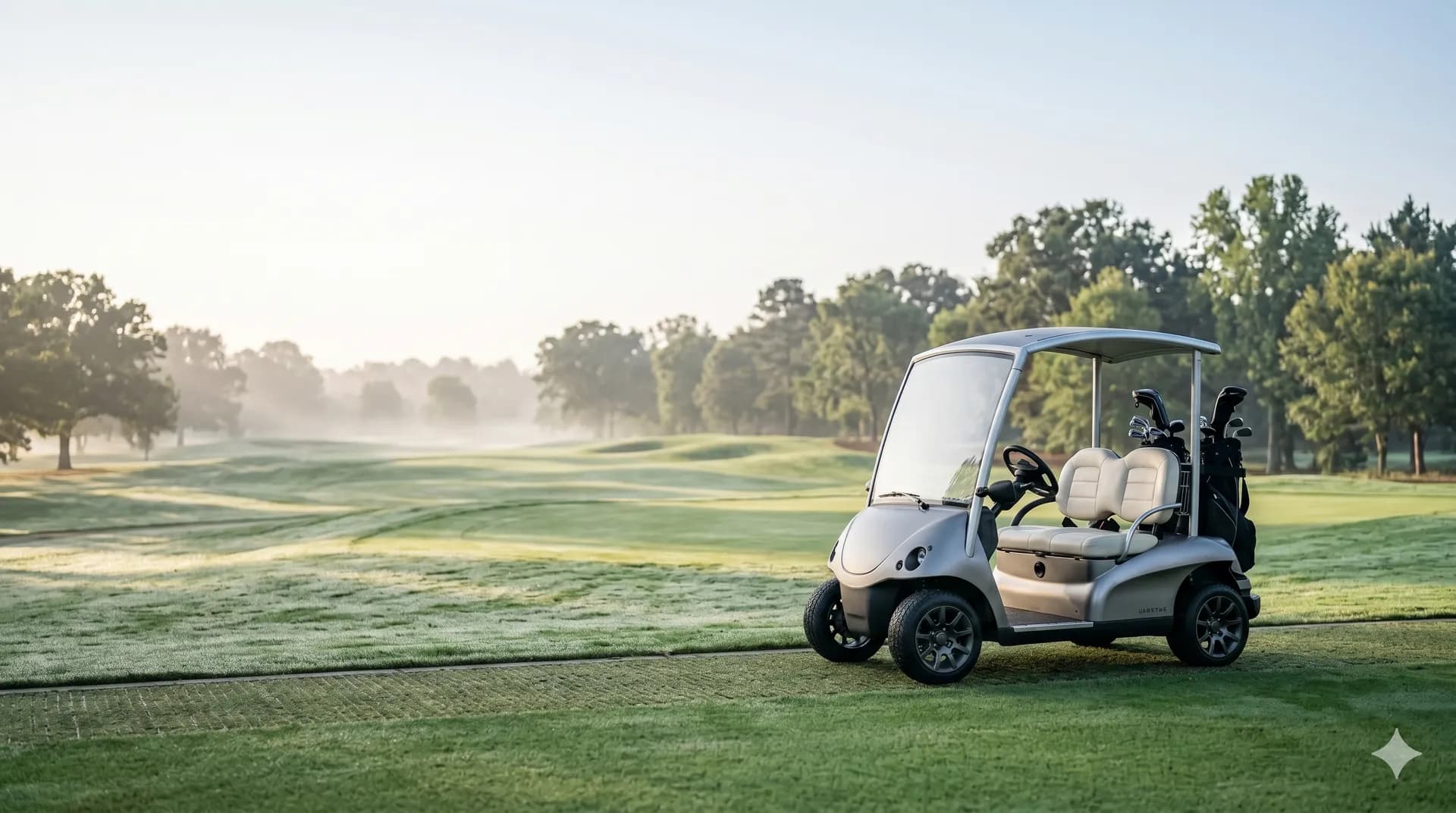
From around £11,500 for our S2, with specification building from there: lithium power, a canopy or full enclosure, upgraded wheels and tyres, and livery all add to the figure. That starting price positions the two-seater as the accessible end of the range without being a toy; you are buying the same build approach as the larger machines, just on the smallest passenger platform. For comparison up the ladder, a four-seater starts from £14,900, the two-seat pickup with a cargo bed from £15,900, a six-seater from £18,900 and an eight-seater from £23,500. If two seats is genuinely all you need, a golfer and a bag, a couple on a large garden, a groundskeeper doing rounds, the two-seater is the cheapest way into a proper machine. See the full range for how the sizes compare in the metal.
The entry pricing ladder, from trolley to buggy
It helps to see where £11,500 sits in the wider market. Ride-on golf trolleys occupy the low thousands; purpose-built single-seaters typically run around £2,000 to £5,000 new, as our single-seater price guide sets out; and used two-seaters of varying age and honesty fill the space between there and new. What the new two-seater price buys over all of them is a full four-wheel chassis, car-style seating for two, real weather protection as an option rather than a compromise, and a warranty and service network measured in years. Whether that is worth the premium depends on how much you will use the machine and how long you intend to keep it; for a buggy that works most weeks, it usually is.
Lead-acid or lithium: the choice behind the 2 seater golf buggy price
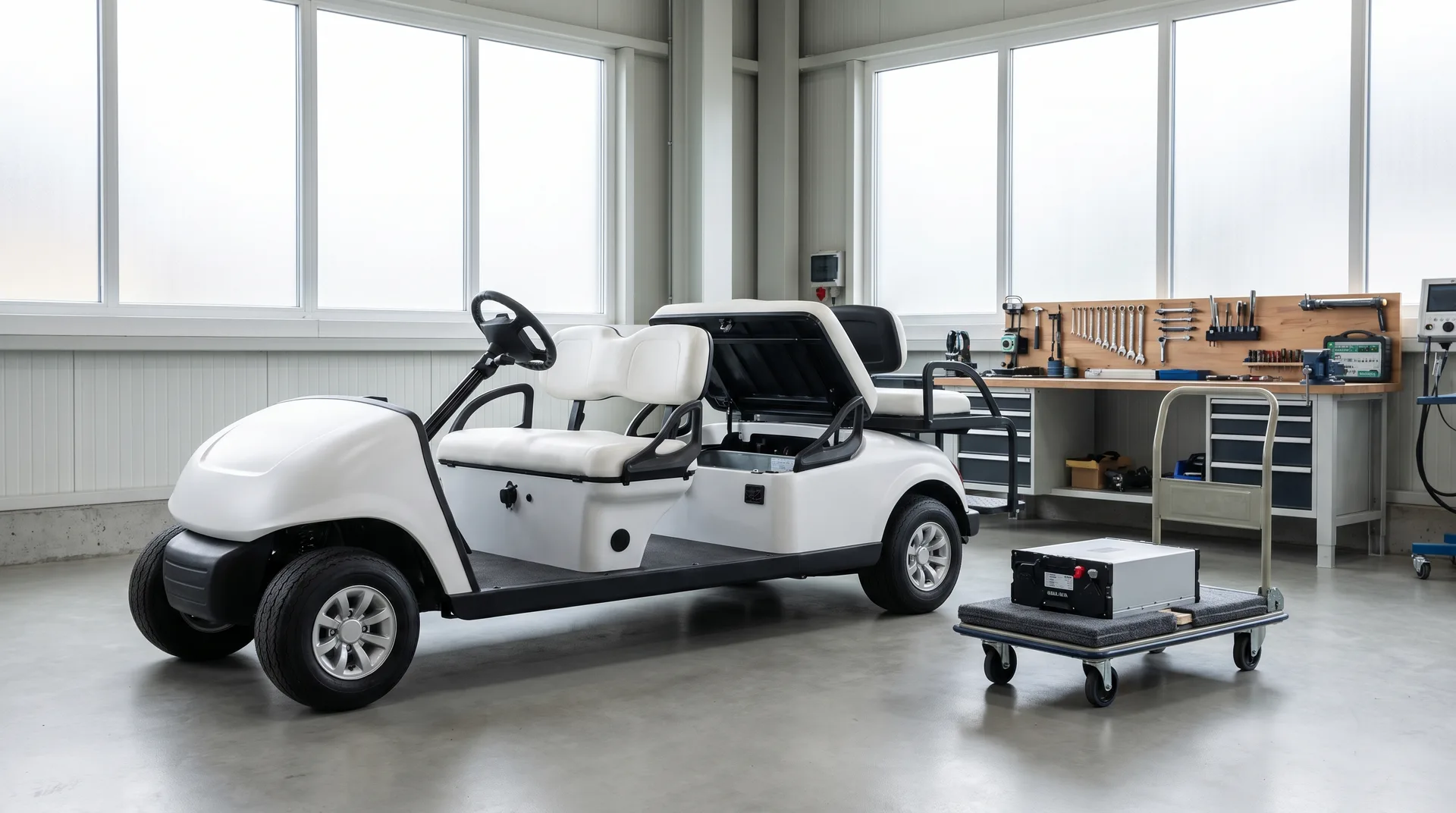
No single decision moves the figure, and the ownership experience, more than battery chemistry. Lead-acid keeps the purchase price down and remains a defensible choice for light, occasional use, but the packs are heavy, slower to charge and shorter-lived, and replacement costs arrive sooner. Lithium adds to the up-front price and repays it in usable range, charging speed and pack life; on a buggy used several times a week, it is normally the better total cost of ownership. Our guide to lithium versus lead-acid works the trade-off through properly. The honest rule: buy the battery for the life you expect the buggy to lead, not for the lowest number on the quote.
- New (from £11,500)
- From £11,500, spec builds from there
- Used
- A few thousand pounds upwards
- New (from £11,500)
- New pack, chemistry your choice, under warranty
- Used
- The single biggest risk; always check age and chemistry
- New (from £11,500)
- Multi-year dealer warranty
- Used
- Little or none unless dealer-sold
- New (from £11,500)
- Regular use, long ownership
- Used
- Light use, tight budget, eyes open
| New (from £11,500) | Used | |
|---|---|---|
| Typical money | From £11,500, spec builds from there | A few thousand pounds upwards |
| Battery | New pack, chemistry your choice, under warranty | The single biggest risk; always check age and chemistry |
| Warranty | Multi-year dealer warranty | Little or none unless dealer-sold |
| Best for | Regular use, long ownership | Light use, tight budget, eyes open |
The used two-seater market, honestly
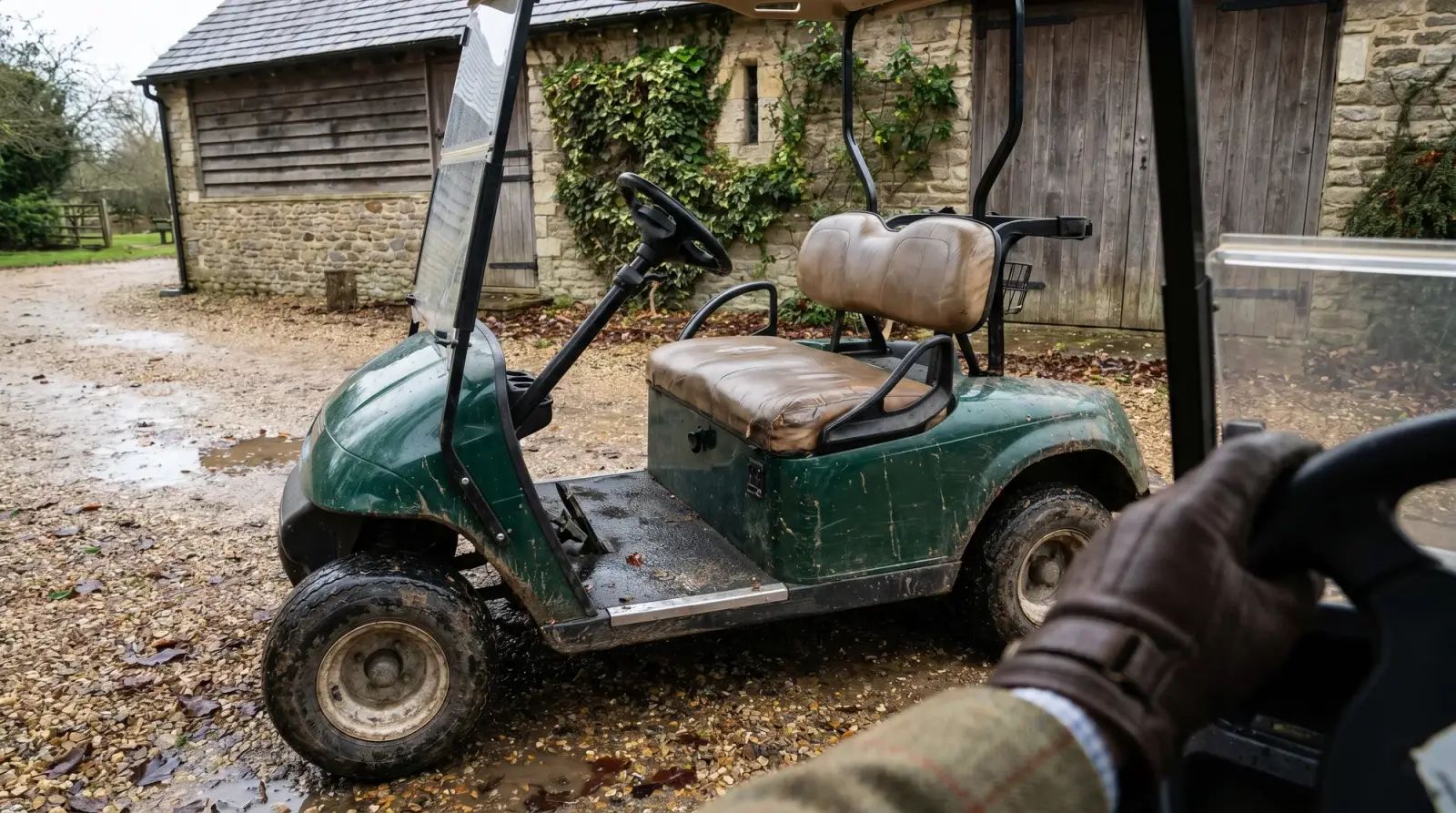
Used two-seaters are plentiful because golf clubs and hire fleets retire them in batches, and prices start at a few thousand pounds for older ex-fleet stock. The value question is almost always the battery: an ex-club machine on its original lead-acid pack may need £1,000 or more of batteries within a season, which erases the saving over a newer example. A used buggy already converted to lithium by a reputable specialist, or a late, low-hours machine with documented history, is a genuinely sensible buy. Our used buying checklist covers what to inspect, and our own used stock is checked and warranted before sale, which removes most of the gamble.
Running costs: the part of the price you pay later
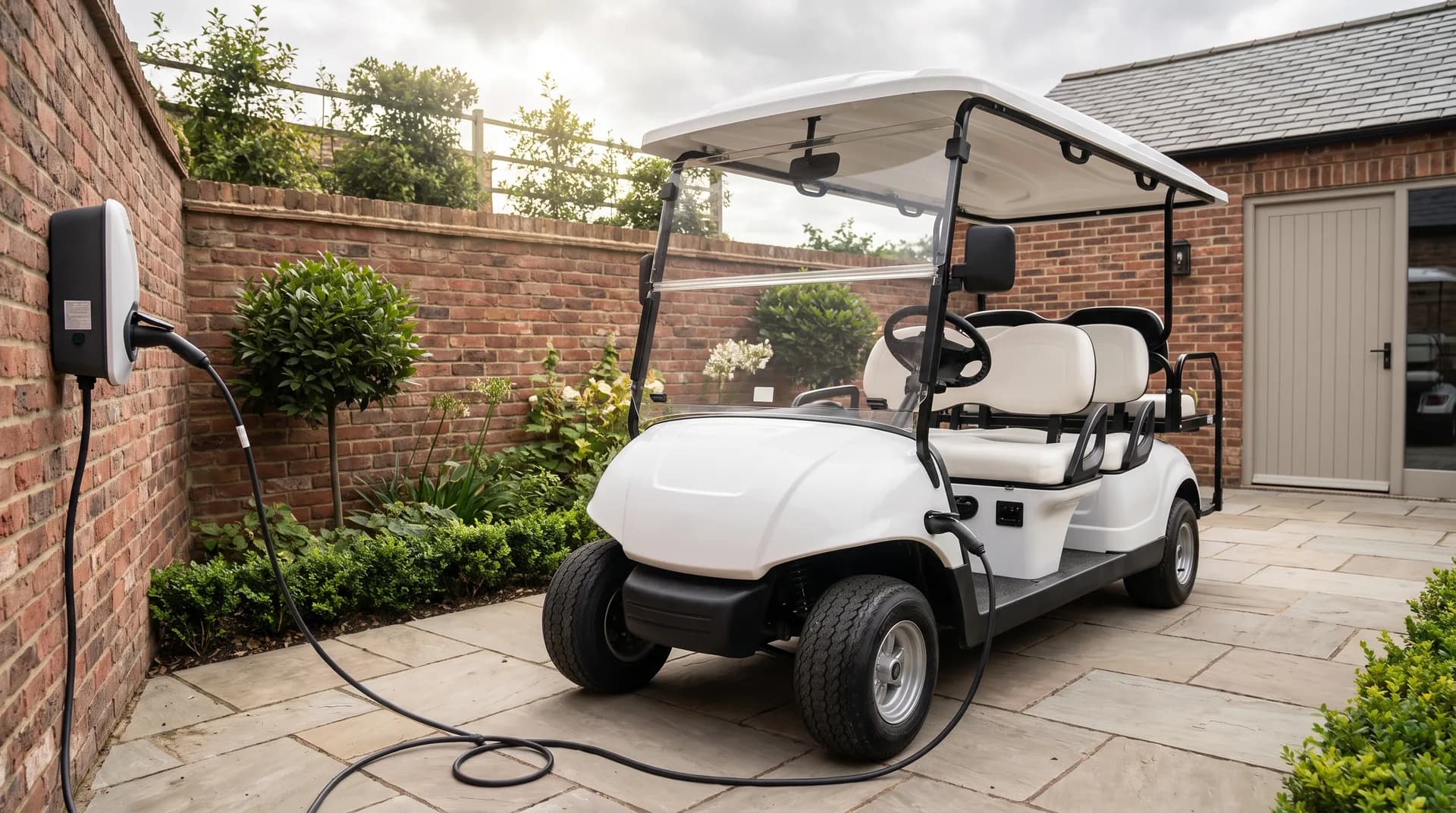
The purchase is only the opening number. The good news is that a two-seater is about the cheapest buggy there is to run: charging from a standard supply costs pence per mile, an electric drivetrain has very little to service, and consumables amount to tyres, brakes and an annual check. Budget realistically for insurance if you want it, storage, and an eventual battery replacement whose timing depends entirely on the chemistry you chose. Our running costs guide puts annual figures around the whole picture. Over a typical ownership, the gap between a well-chosen and a badly-chosen two-seater is usually the battery decision, not the sticker.
Frequently asked questions
How much does a 2-seater golf buggy cost in the UK?+
New, from around £11,500, which is where our S2 starts. Lithium power, weather protection and other options build from there. Used examples run from a few thousand pounds, with battery condition deciding whether they are good value.
Is £11,500 not a lot for two seats?+
It is proper-machine money, and it buys a full four-wheel chassis, dealer warranty and service network. Cheaper routes exist, ride-on trolleys, single-seaters, used stock, but each trades away stability, comfort, capacity or support. Which trade is right depends on your use.
Should I choose lead-acid or lithium?+
For light, occasional use, lead-acid keeps the price down and can make sense. For a buggy used several times a week, lithium's range, charging speed and pack life usually make it the better total cost of ownership despite the higher up-front figure.
What do used two-seaters sell for?+
From a few thousand pounds for older ex-fleet machines upwards. Price the battery into every used deal: a tired lead-acid pack can add £1,000 or more within a season, while a lithium-converted or low-hours machine is often the pick of the market.
Should I stretch to a four-seater instead?+
The four-seater starts around £3,400 higher at £14,900 and is the most popular size for a reason: the extra seats cost relatively little and keep their value. If you will ever regularly carry more than one passenger, it is worth weighing before you commit.
Price a two-seater properly
Tell us what the buggy will do and how often, and we will recommend the right chemistry and specification, then price it to your use, new or used.
Related solutions
Ready to explore what we build?
See the vehicles and the setting this applies to, or get a tailored quote built around your site.
Ready to find the right buggy?
Tell us how and where it will work and we will specify a vehicle and a tailored quote built around you. Every build comes with a 3-year warranty and a 24-hour priority call-out.
Our guides are written and reviewed by the Hawke Electric Vehicles team, the people who specify, build, deliver and support the vehicles. We focus on honest, practical advice and flag where a figure depends on the build rather than guessing.
More guides by Hawke