The purchase price is the headline, but the running cost is what decides the ten-year figure, and it is where electric buggies quietly win. A petrol buggy has fuel to buy and store, oil, filters and a fuel system to maintain, and an engine that wears. An electric buggy charges overnight from a standard supply and has far fewer moving parts. This guide sets out the running costs an owner actually meets each year, and why they stay low, without inventing figures your own use will decide.
- Charging overnight from a standard supply costs a fraction of petrol per mile.
- An electric drivetrain has far less to service than a petrol engine.
- Tyres, brakes and general wear are the ordinary running items, as on any vehicle.
- The battery is the long-term item; lithium lasts years and is planned for, not a surprise.
- Your exact figure depends on use, so we help you work it through rather than guess.
Charging: the biggest saving
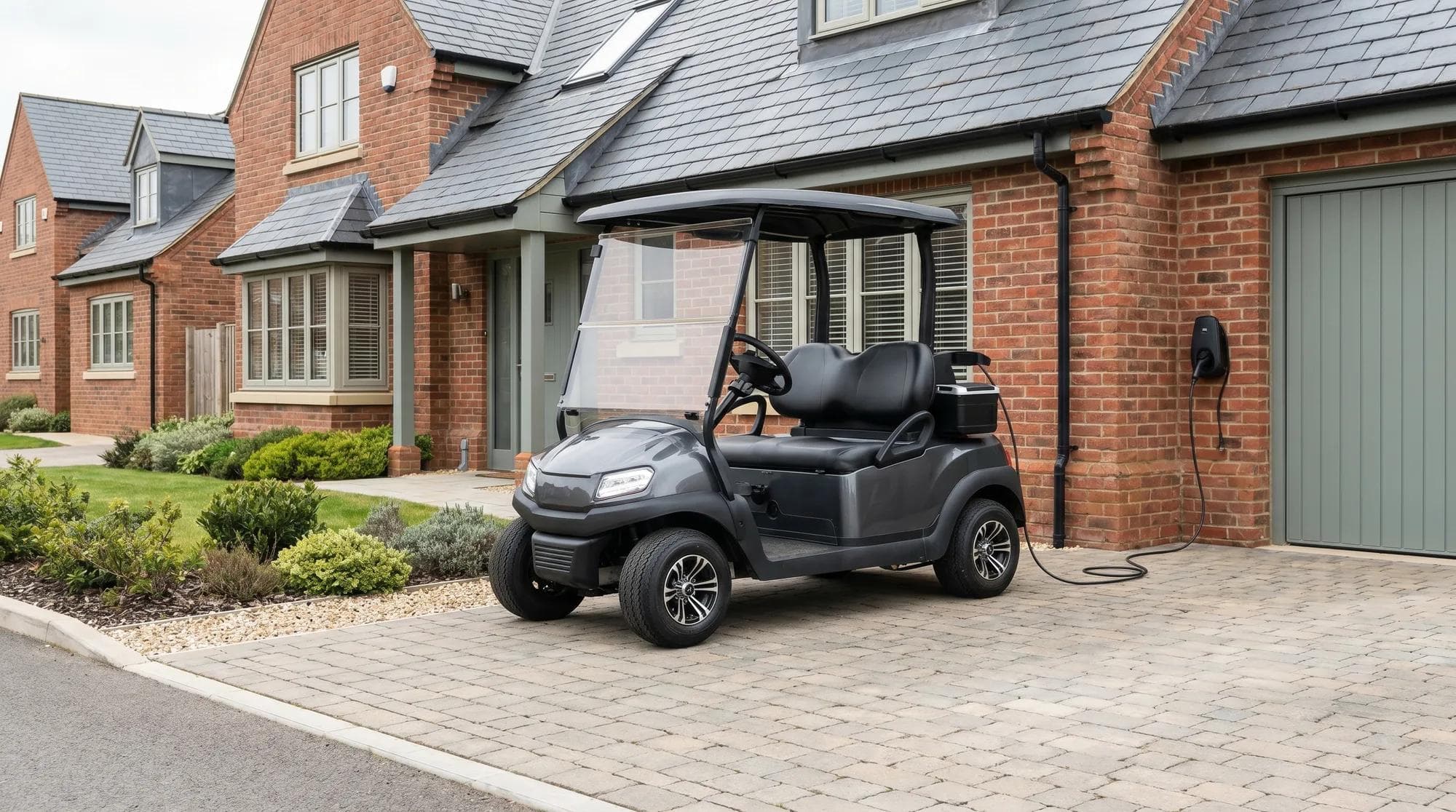
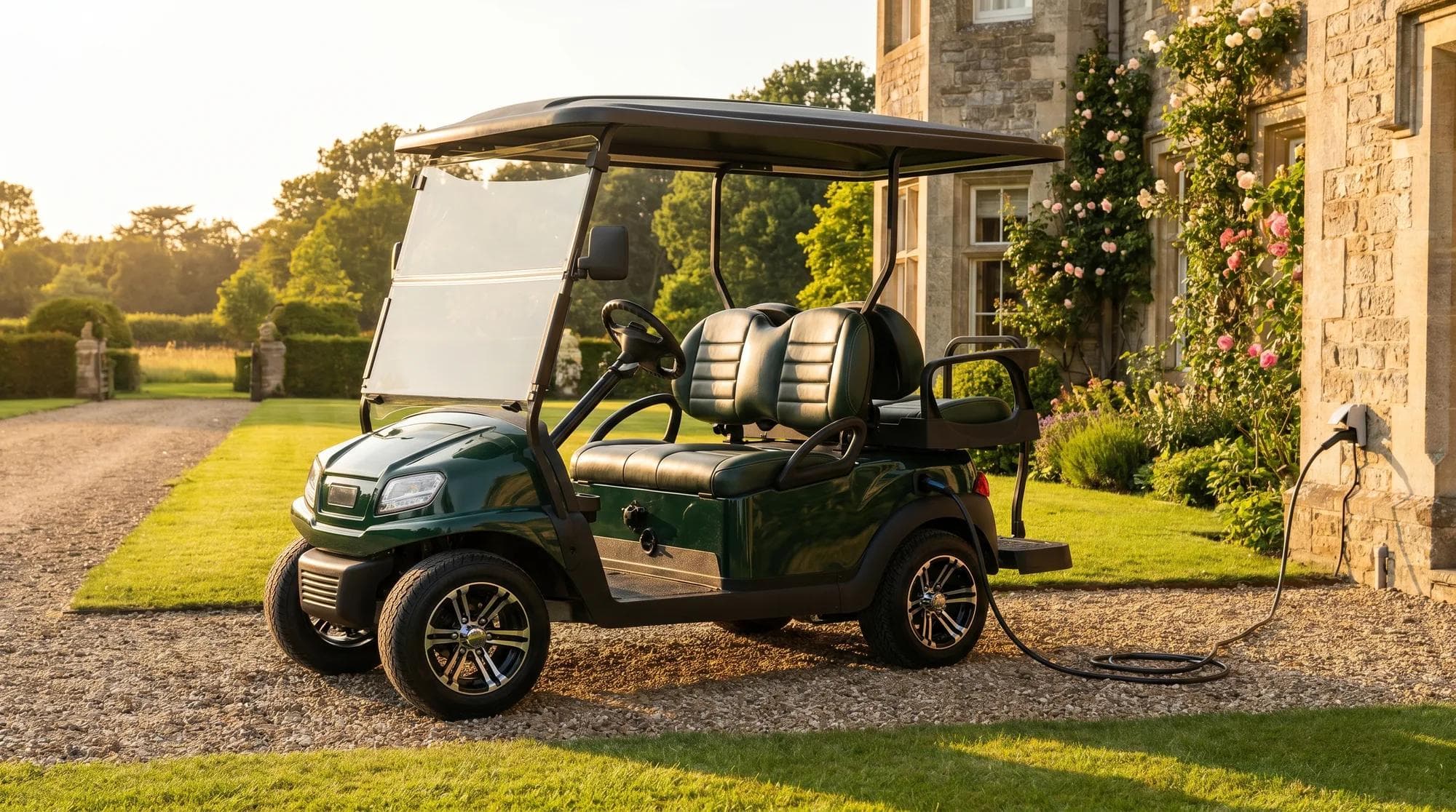
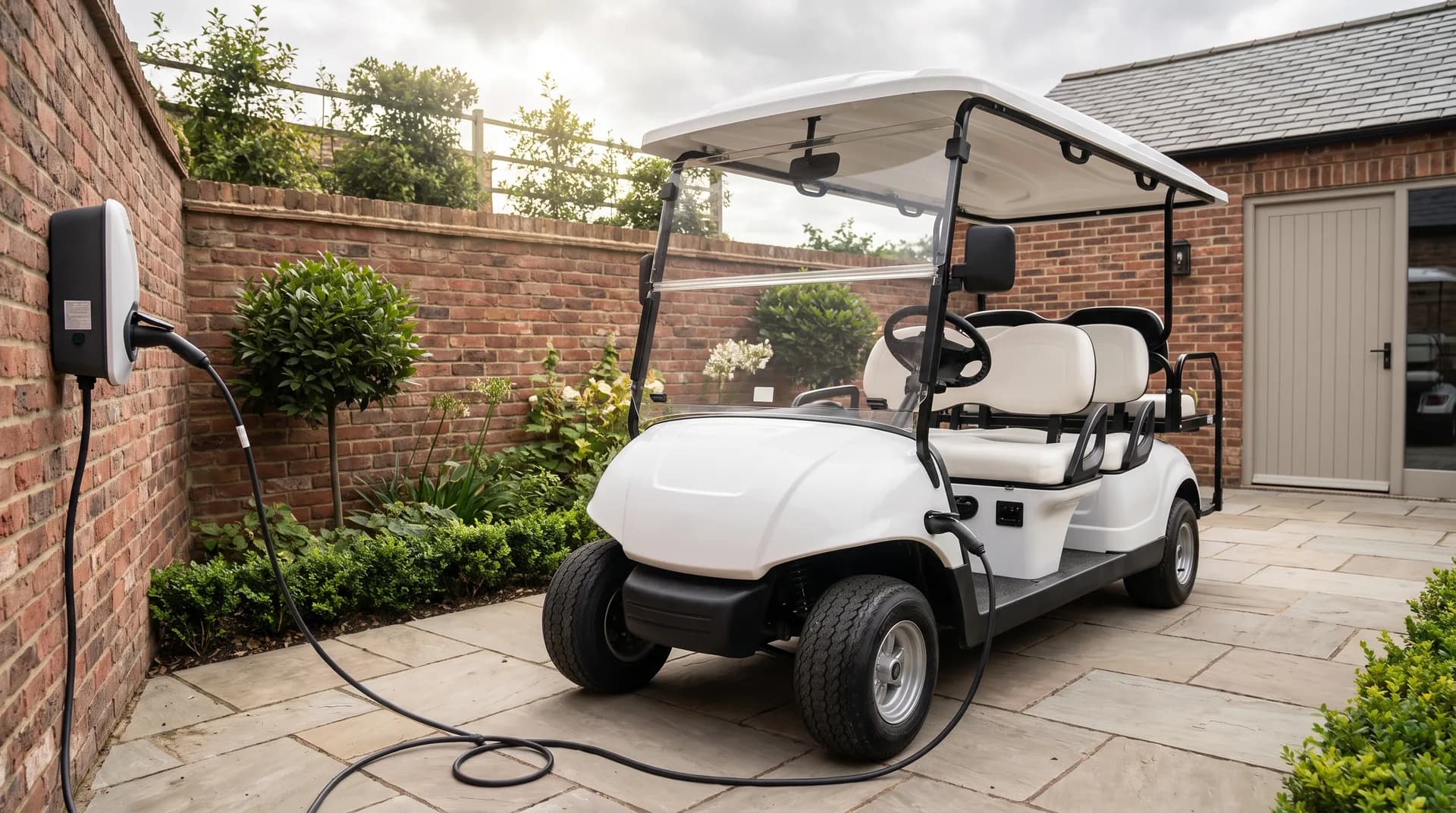
The largest running-cost difference against petrol is energy. An electric buggy charges overnight from a standard supply, and the cost of electricity per mile is a fraction of petrol, with no fuel to buy in, store or account for. The exact figure depends on your electricity tariff and how far the buggy travels, which is why we help you work it through against your own use rather than quote a headline number that may not fit your site.
Servicing and maintenance
An electric drivetrain has no oil, filters, spark plugs or fuel system, so there is simply less to service than on a petrol vehicle, and less to go wrong. The ordinary running items are the ones any vehicle has: tyres, brakes and general wear, plus a scheduled service to keep the warranty and the vehicle in good order. Our guide on maintenance costs goes into what servicing involves.
The battery, planned not feared
The one significant long-term item is the battery. A lithium pack has a long service life, so on a vehicle used regularly it is a planned, occasional cost rather than a frequent one, and it is a large part of why lithium tends to be the better total cost of ownership despite the higher purchase price. Our guide on lithium versus lead-acid covers the lifespan side in full.
Working out your own figure
Because running cost turns on how far and how hard the buggy is used, the honest approach is to work it through for your own use rather than rely on a headline. The cost calculator gives an indicative picture, and our guide comparing electric versus petrol running costs sets the two side by side.
Frequently asked questions
How much does it cost to charge an electric golf buggy?+
Charging overnight from a standard supply costs a fraction of petrol per mile. The exact figure depends on your electricity tariff and how far the buggy travels, so we help you work it out against your own use rather than quote a number that may not fit.
What are the yearly running costs?+
Mainly charging, a scheduled service, and ordinary wear items like tyres and brakes. All are lower than the petrol equivalent because there is no fuel to buy and far less to service. The battery is an occasional long-term item, not a yearly one.
How often does it need servicing?+
A scheduled service keeps the warranty and the vehicle in good order, and there is far less to do than on a petrol engine with no oil, filters or fuel system. Our maintenance guide sets out what a service involves.
How long does the battery last?+
A lithium pack typically lasts several years of regular use, so it is a planned, occasional replacement rather than a frequent cost, and a large reason lithium tends to win on total cost of ownership.
Is it cheaper to run than a petrol buggy?+
Generally yes. The energy cost per mile is a fraction of petrol, there is no fuel to store, and servicing is lower. Our electric-versus-petrol running-cost guide sets the comparison out in detail.
Work out your running costs
Tell us how you will use the buggy and we will help you work through the running costs for your own site, and price it to your specification.
Related solutions
Ready to explore what we build?
See the vehicles and the setting this applies to, or get a tailored quote built around your site.

Ready to find the right buggy?
Tell us how and where it will work and we will specify a vehicle and a tailored quote built around you. Every build comes with a 3-year warranty and a 24-hour priority call-out.
Our guides are written and reviewed by the Hawke Electric Vehicles team, the people who specify, build, deliver and support the vehicles. We focus on honest, practical advice and flag where a figure depends on the build rather than guessing.
More guides by Hawke