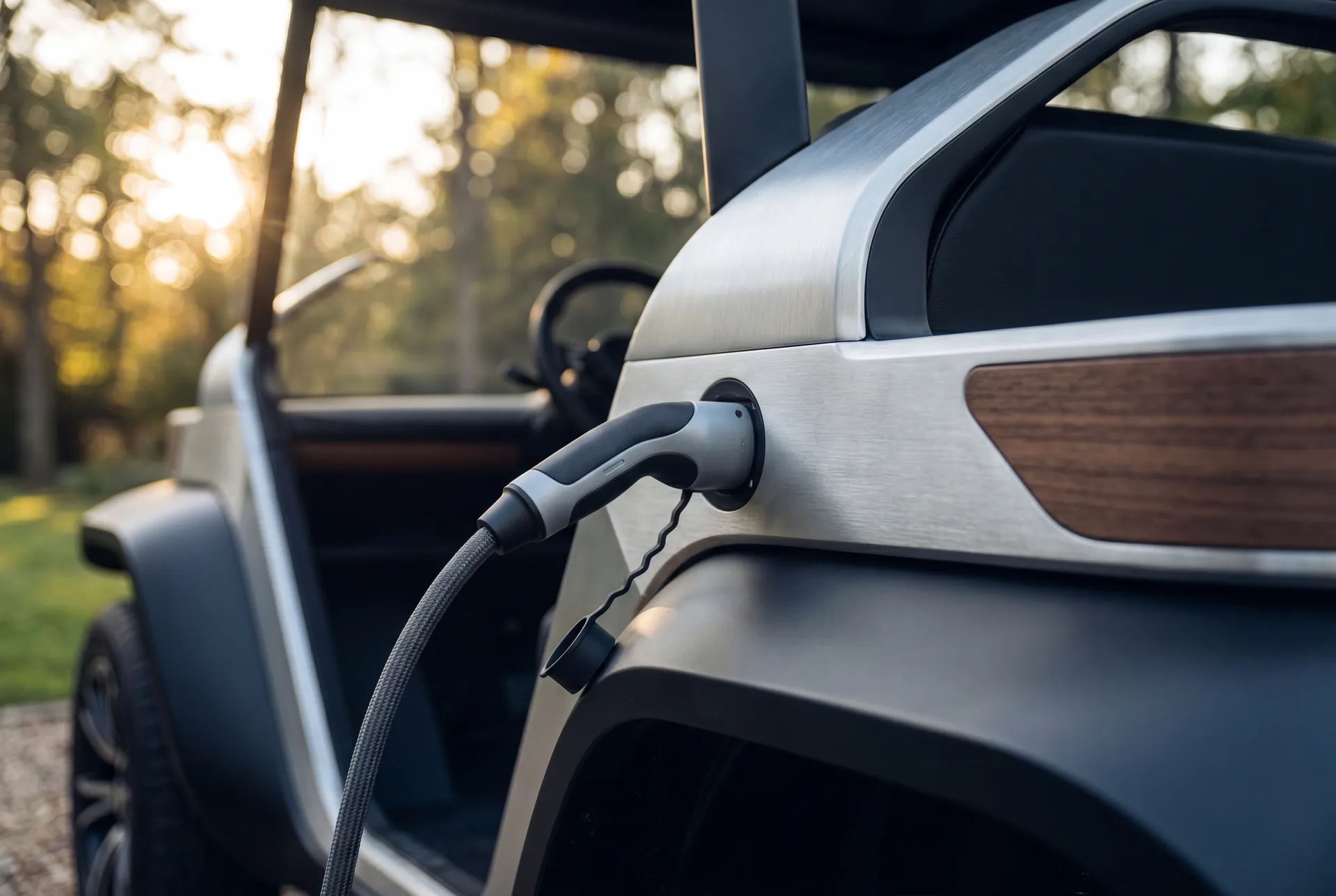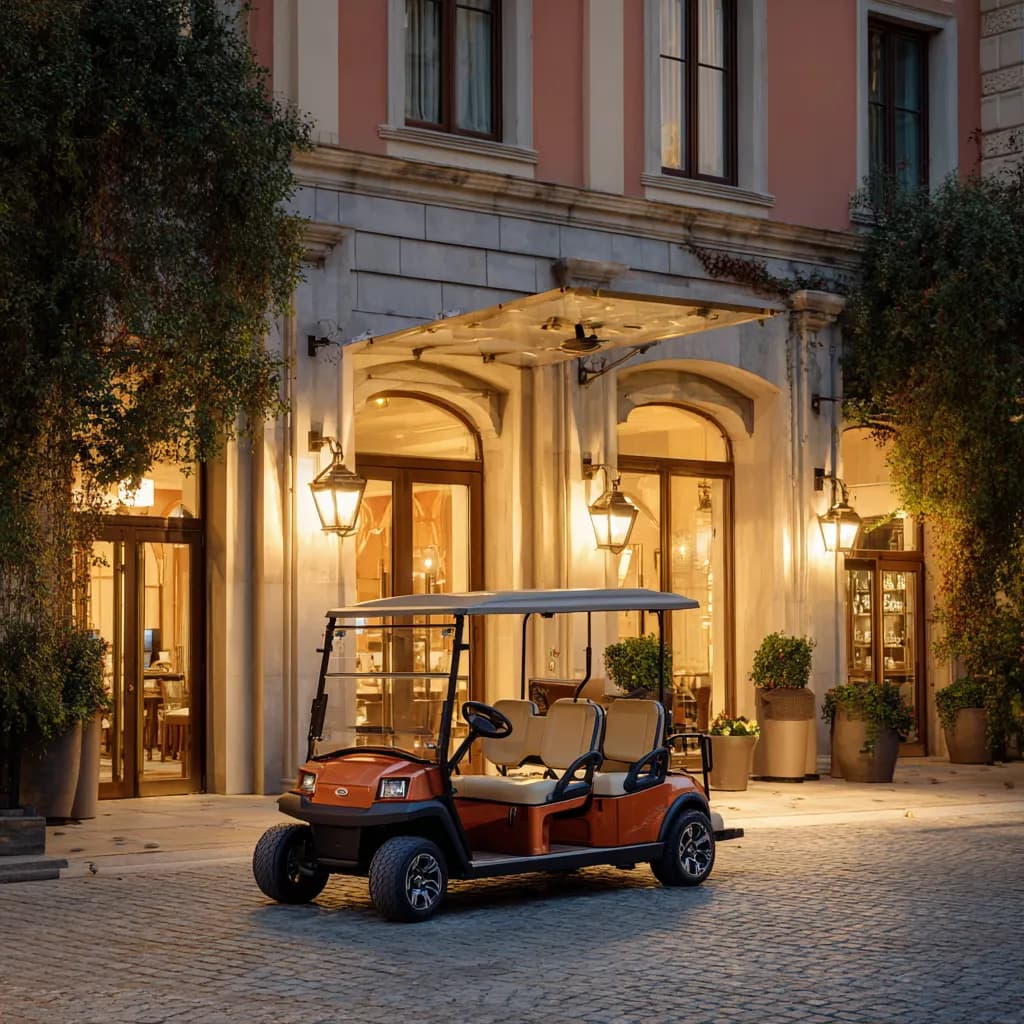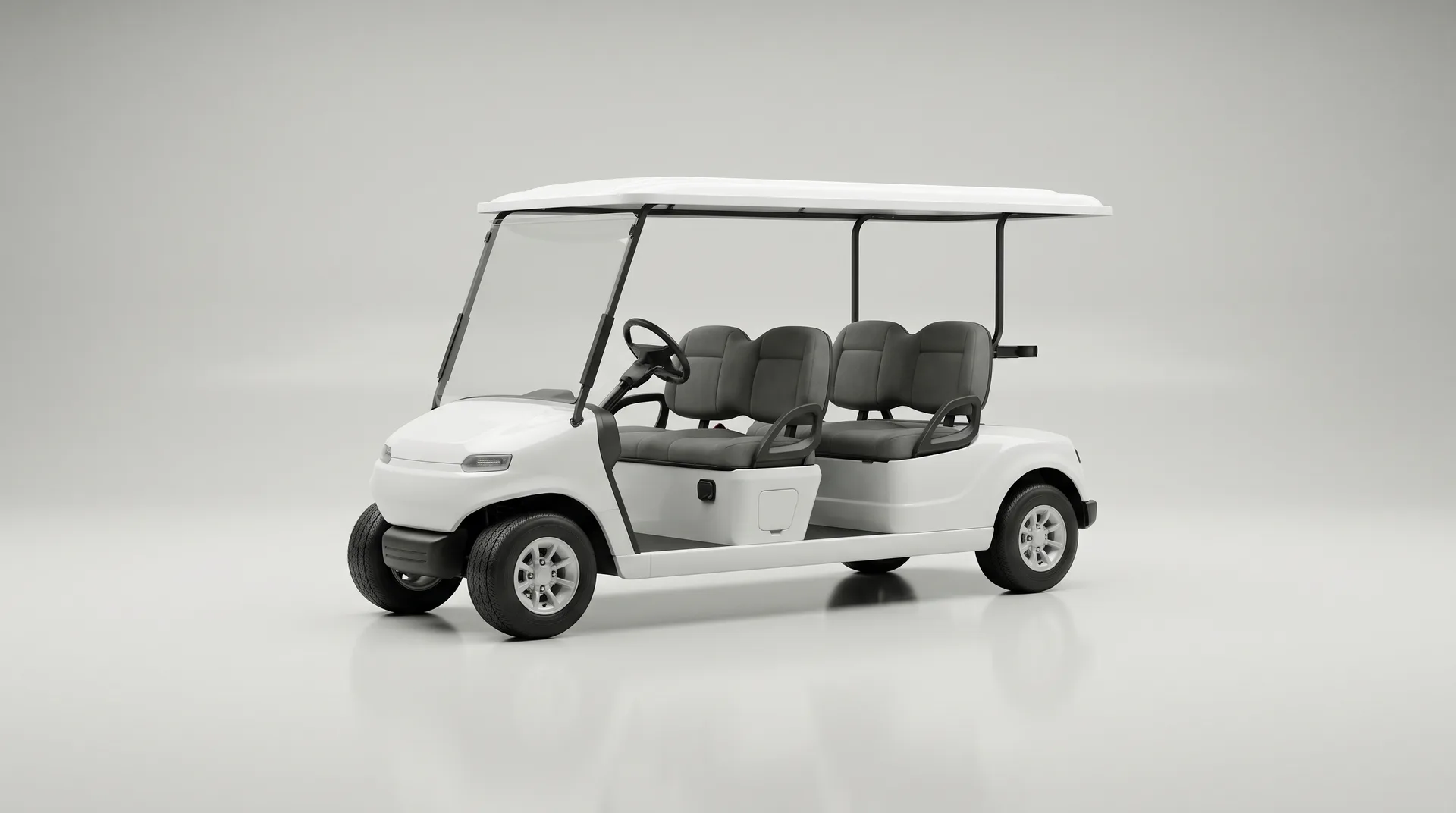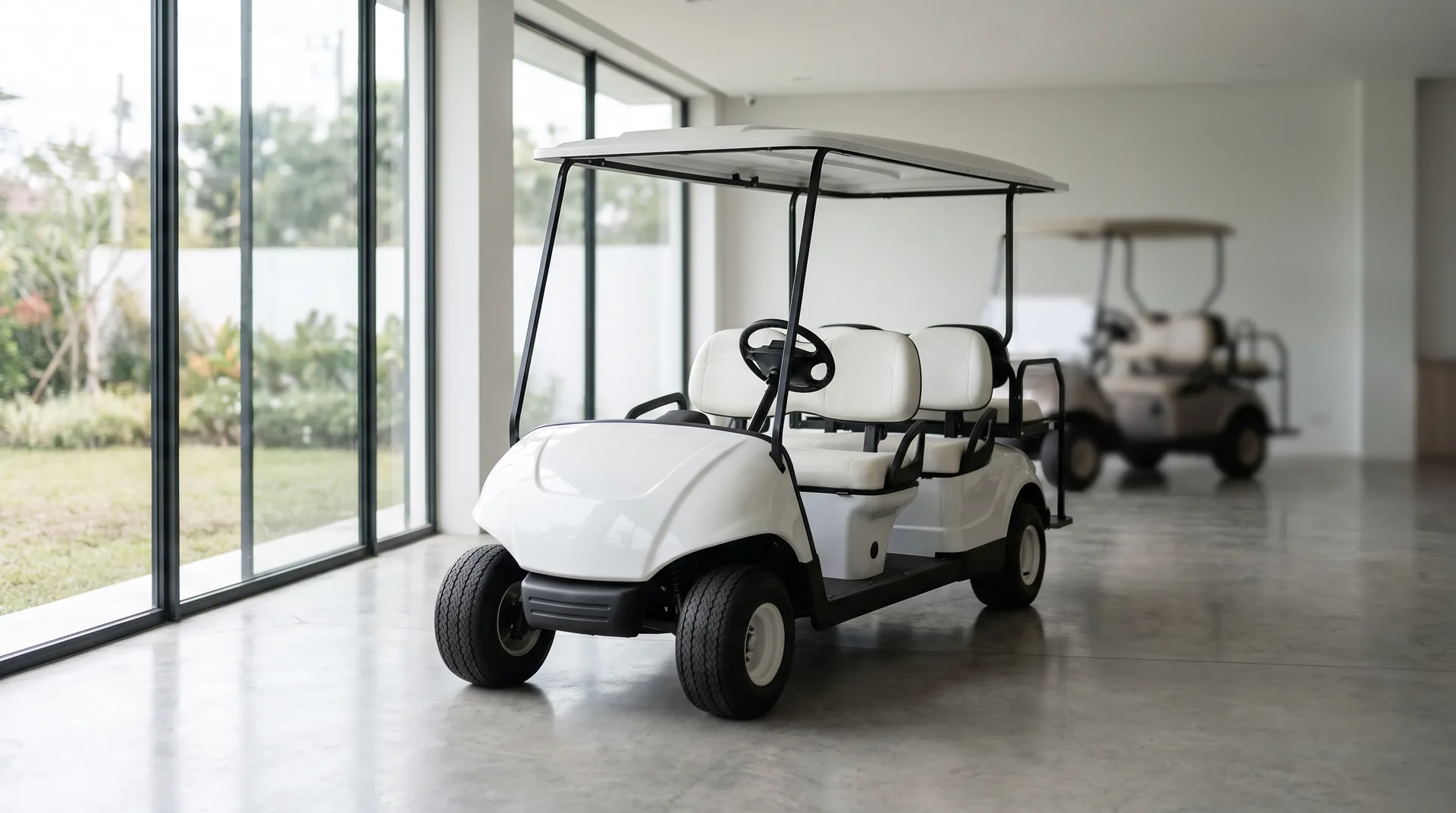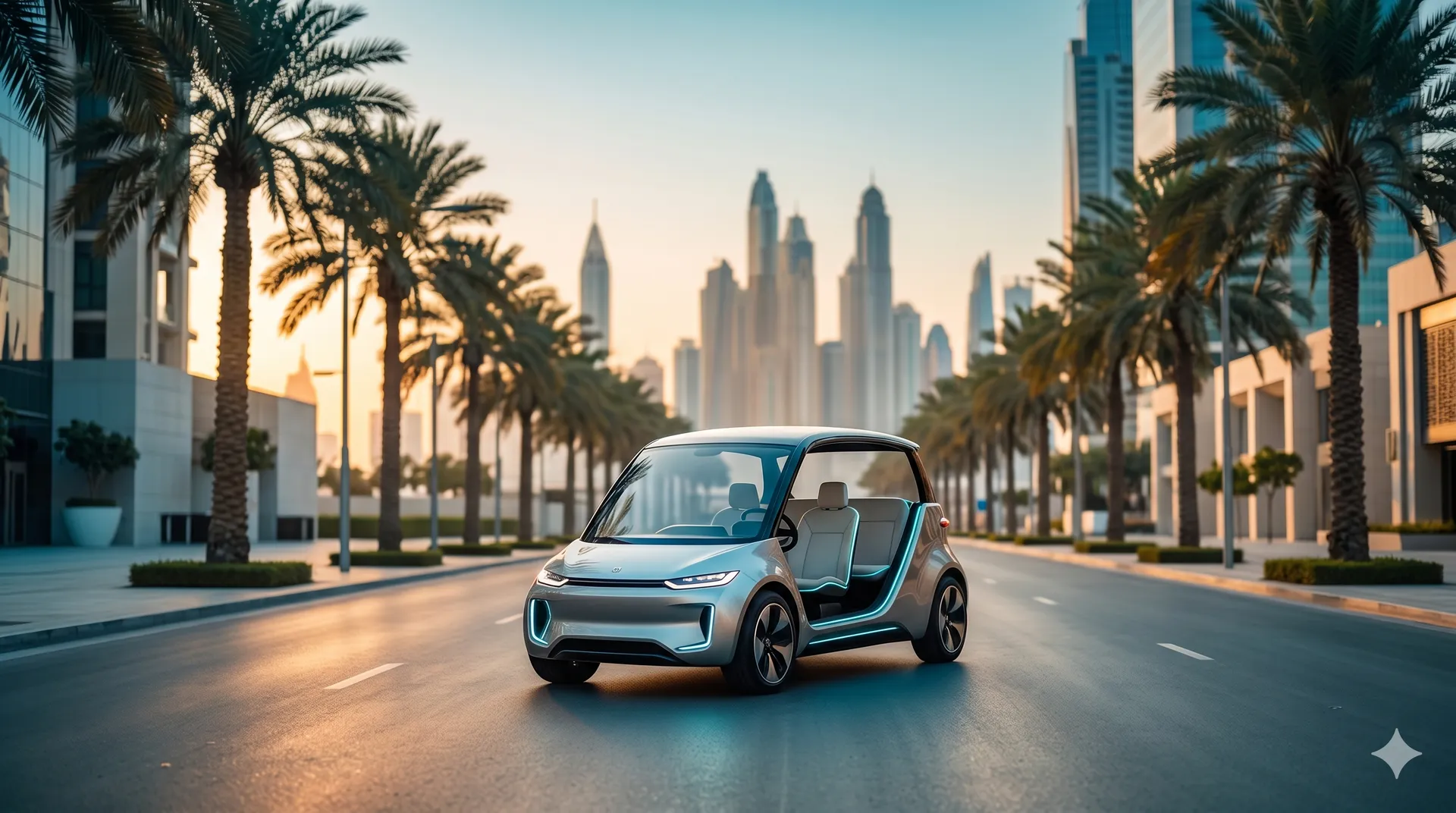
If you are researching the Goupil G4, you are looking at the compact electric utility vehicle class: small, low-emission workhorses built to move people, tools and loads around sites, estates, campuses and depots. Goupil is a French maker of compact electric utility vehicles, and the G4 is one recognisable option in that category. It is not the only one. This guide explains what these vehicles are for, what genuinely matters when you choose, and how a British-brand alternative compares, so you can make a confident decision rather than settle on the first name you found.
- The Goupil G4 sits in the compact electric utility vehicle class: quiet, zero tailpipe emissions, well suited to sites, estates and campuses.
- The right choice depends on your job, not the badge: payload, body type, battery, road-legal use, servicing, warranty and lead time.
- Hawke does not supply Goupil. We are a British brand whose U1 and U2 utility trucks are a like-for-like alternative in this category.
- A British-brand alternative can offer bespoke configuration, transparent from-pricing, UK-wide servicing and a 3-year warranty.
- Match the vehicle to the task first, then compare aftercare and total cost of ownership rather than headline price alone.
What this class of vehicle is actually for
Compact electric utility vehicles fill the gap between a golf buggy and a full-size van or pickup. They are designed to carry loads and crew over short, repeated journeys at low speed, typically around grounds, industrial sites, holiday parks, warehouses, farms, universities and local authority estates. Because they are electric, they run quietly and produce no tailpipe emissions at the point of use, which makes them a natural fit for pedestrian areas, indoor and mixed indoor-outdoor work, and anywhere noise or fumes would be a nuisance.
The G4 is one example of this format. When people search for a Goupil G4 alternative, they usually want the same practical outcome, a durable electric workhorse with a proper load bed or body, and are open to whichever brand serves their site and support needs best.
What to weigh when choosing
The badge matters far less than the fit. A compact electric utility vehicle is a tool, and the right tool depends on the job. Work through these factors in order before you compare any two products.
- Payload and towing: be honest about the heaviest, bulkiest thing you will move on a bad day, not an average day. Under-specifying payload is the most common and most expensive mistake.
- Body type: dropside, tipper, box, flatbed, caged or personnel-carrying. The body defines what the vehicle can do, so choose it around your actual loading and unloading habits.
- Battery type: lithium tends to be lighter, faster to charge and lower maintenance, while lead-acid can suit lighter or lower-budget duty cycles. Match the chemistry to your daily distance and charging pattern.
- Terrain and duty cycle: gradients, kerbs, rough ground and hours-per-day all affect the specification you need. A vehicle that is comfortable on flat tarmac may struggle on a hilly, all-day round.
- Road-legal use: whether you need to use public roads at all changes the conversation considerably.
- Aftercare and servicing: who fixes it, how quickly, and where the parts come from will define your uptime for years.
- Lead time: delivery timescales vary widely, so confirm realistic dates before you commit.
Aftercare is the part buyers underestimate
A compact utility vehicle earns its keep only when it is available to work. That makes servicing, parts supply and response time at least as important as the specification on day one. Before you choose any brand, ask exactly how support works in the UK: who carries out servicing, how quickly an engineer can attend, whether parts are held in the country, and what the warranty covers and for how long.
This is a genuine strength of a British-brand alternative. Hawke provides UK-wide servicing, parts and a 24-hour priority call-out, backed by a 3-year warranty. If a vehicle is central to your operation, that responsiveness is what protects your working day, and it is worth weighing carefully against any option wherever it originates.
How a British-brand alternative compares
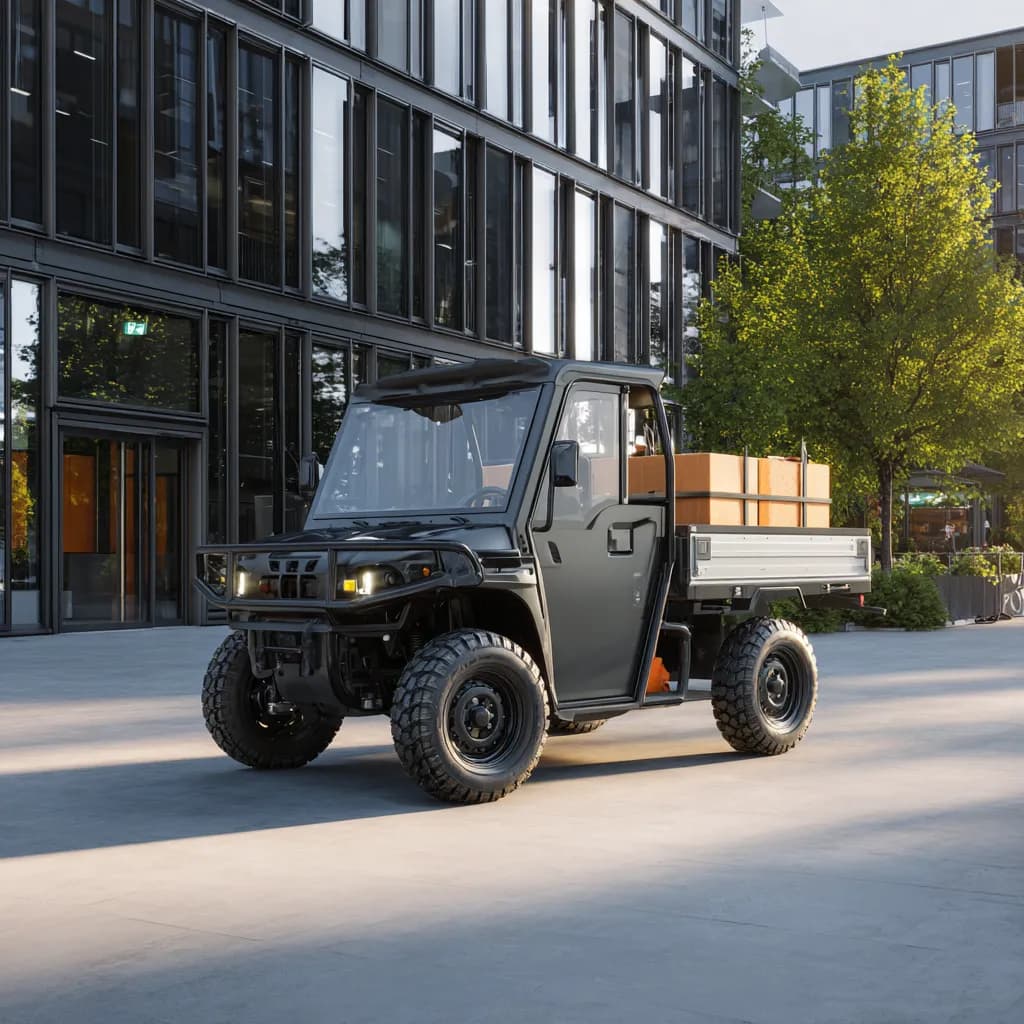
Hawke is a British brand, and our vehicles are assembled in the UK to a premium finish. Our utility line, the U1 (an 800 kg utility truck) and the U2 (a 1-tonne utility truck), is built for the same compact-utility jobs a buyer might have in mind when looking at the G4. We are not claiming to be better than Goupil; we are a different, independent option worth putting side by side. Here is how we position honestly on our own strengths.
- What to look at
- Choose on your own priorities
- The Hawke approach
- British brand, assembled in the UK, premium finish
- What to look at
- Fixed or limited options vary by supplier
- The Hawke approach
- Bespoke builds, configured and branded to your specification
- What to look at
- Depends on the range
- The Hawke approach
- Dropside, tipper and pickup style bodies across the utility line
- What to look at
- Confirm chemistry suits your duty cycle
- The Hawke approach
- Lithium and lead-acid options
- What to look at
- Ask for a clear written quote
- The Hawke approach
- Transparent from-pricing and a quote we aim to beat like-for-like
- What to look at
- Confirm UK servicing and response
- The Hawke approach
- UK-wide servicing, parts and 24-hour priority call-out
- What to look at
- Check length and cover
- The Hawke approach
- 3-year warranty
| What to look at | The Hawke approach | |
|---|---|---|
| Origin and finish | Choose on your own priorities | British brand, assembled in the UK, premium finish |
| Configuration | Fixed or limited options vary by supplier | Bespoke builds, configured and branded to your specification |
| Body options | Depends on the range | Dropside, tipper and pickup style bodies across the utility line |
| Battery | Confirm chemistry suits your duty cycle | Lithium and lead-acid options |
| Pricing | Ask for a clear written quote | Transparent from-pricing and a quote we aim to beat like-for-like |
| Aftercare | Confirm UK servicing and response | UK-wide servicing, parts and 24-hour priority call-out |
| Warranty | Check length and cover | 3-year warranty |
The point is not that one badge wins. It is that a serious buyer should compare configuration, aftercare, warranty and total cost of ownership, not just a headline figure, and should get a proper written quote from each supplier they shortlist.
How to run the comparison well
- 01
Define the job first
Write down your heaviest load, your typical daily distance, the terrain, and whether you ever need to use a public road. This becomes your specification brief.
- 02
Shortlist on fit, not fame
Include the brands you have heard of and at least one you had not, judged against your brief rather than name recognition.
- 03
Get written quotes
Ask each supplier for a clear, itemised quote including delivery, and for their exact road-legal position and warranty terms in writing.
- 04
Compare aftercare honestly
Weigh servicing coverage, parts availability and call-out response, because uptime is where the real cost lives.
- 05
Confirm lead time
Pin down realistic delivery dates before you commit, so your rollout is not held up by supply.
Explore a British-brand alternative
See Hawke's electric utility range, or tell us your job and site and we will put together a straightforward, no-pressure quote.
Weighing up electric utility vehicle suppliers in the UK?
A practical guide to shortlisting suppliers on finish, configuration, servicing and value.
Frequently asked questions
What is a good alternative to the Goupil G4?+
The best alternative is the compact electric utility vehicle that fits your job, site and support needs. Hawke's U1 and U2 utility trucks are a British-brand option in the same class. We are independent and do not supply Goupil, so compare us on our own merits: bespoke configuration, transparent pricing, UK-wide servicing and a 3-year warranty.
Does Hawke sell or service Goupil vehicles?+
No. Hawke is an independent British electric vehicle brand. We do not sell, supply or service Goupil, and we cannot quote for their vehicles. We make our own utility line, which is why we can compare the category fairly and offer an alternative.
Can a compact electric utility vehicle be used on UK roads?+
It depends on the vehicle's classification, how it is equipped and how you intend to use it. The rules are specific and can change, so confirm the exact road-legal position for your configuration in writing with any supplier before you buy, rather than assuming.
Should I choose lithium or lead-acid batteries?+
Match the battery to your duty cycle. Lithium tends to be lighter, charges faster and needs less maintenance, which suits longer daily distances and frequent charging. Lead-acid can suit lighter or lower-budget use. Hawke offers both, so the choice can follow your workload.
What should I compare besides price?+
Payload and body type, battery, road-legal status, warranty length and cover, lead time, and above all aftercare: who services the vehicle, how fast they respond and whether parts are held in the UK. Uptime, not headline price, usually determines the real cost of ownership.
Ready to find the right buggy?
Tell us how and where it will work and we will specify a vehicle and a tailored quote built around you. Every build comes with a 3-year warranty and a 24-hour priority call-out.
Our guides are written and reviewed by the Hawke Electric Vehicles team, the people who specify, build, deliver and support the vehicles. We focus on honest, practical advice and flag where a figure depends on the build rather than guessing.
More guides by Hawke