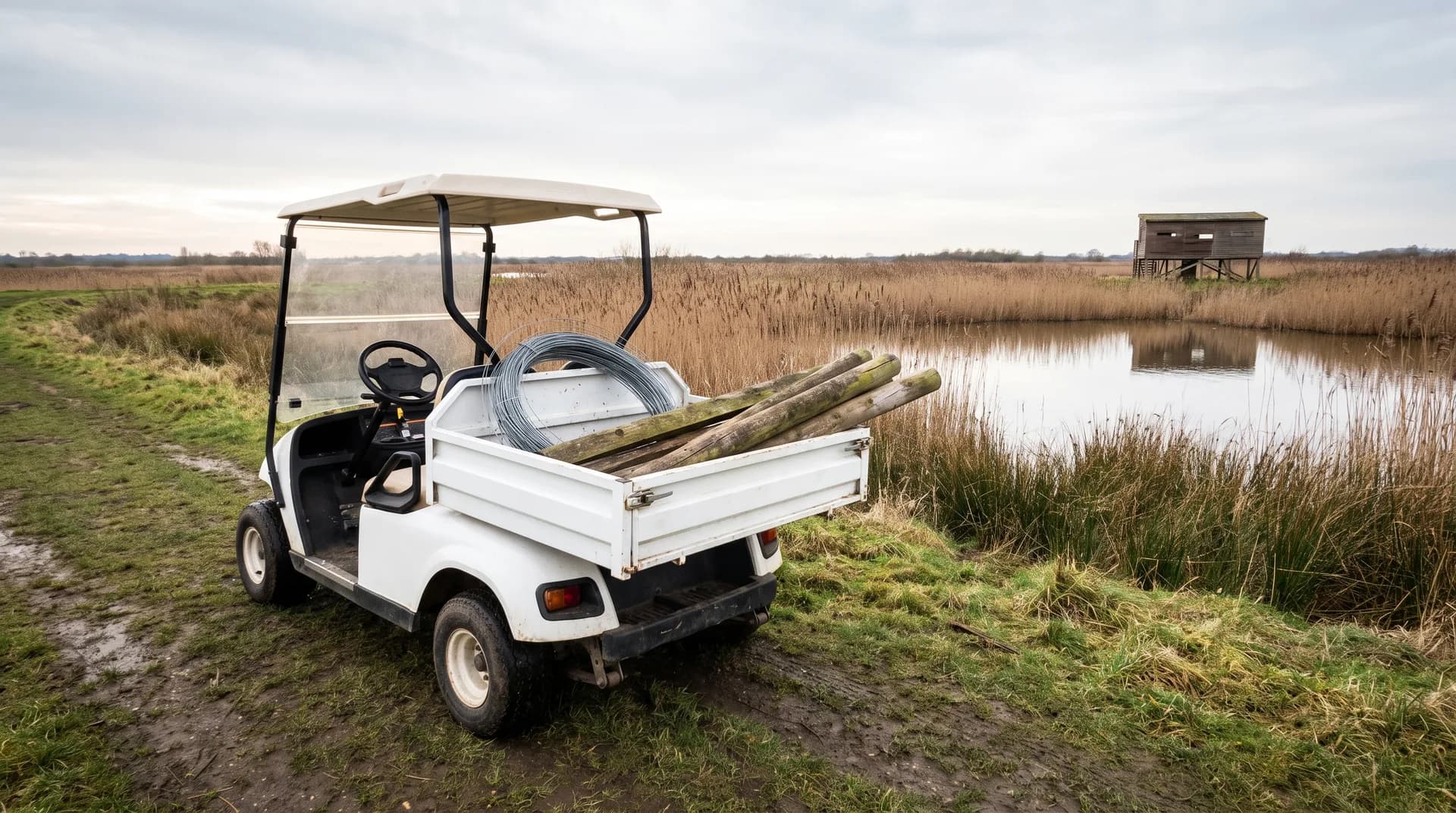
For a council parks or grounds team, a compact electric utility vehicle does the daily workload, litter and bin runs, planting, tools, events, cemetery grounds care, more quietly and more cheaply per mile than the petrol machines and small vans it replaces, and it does so among the public without fumes or noise. That last point is the one residents notice. This guide sets out where electric utility vehicles fit in a local authority fleet, what the daily duties actually demand of the specification, how the whole-life cost case is built for a business-case template, and the questions worth putting on any procurement spec sheet before a framework mini-competition or quotation exercise goes out. It is deliberately the procurement and whole-fleet view: if you want the crew's-eye view of a single grounds team's day, our companion guide to council grounds maintenance buggies covers that side.
- The core parks workload, litter, bins, planting, tools, water, events kit, sits comfortably in the 300 to 800 kg payload classes.
- Quiet, fume-free running is an operational feature in public spaces, not a slogan: teams can work through opening hours among residents.
- Judge bids on whole-life cost, energy, servicing, batteries and residual, not purchase price alone.
- Cemeteries and crematoria are the most demanding council setting and the strongest case for electric drive.
- A good spec sheet demands plated payload, laden range, width, gradeability, battery warranty and servicing arrangements in writing.
Where electric utility vehicles fit in a council fleet
They sit between the barrow and the van. Most parks and grounds movement is short, repetitive and local: a few hundred metres between the depot, the beds, the bins and the bandstand, dozens of times a day. Small vans do this badly, they are too big for paths, cold-start heavy on short runs, and unwelcome on grass, while doing it on foot consumes the team's day. A compact electric utility vehicle runs on the paths themselves, carries a working load of 300 to 800 kg depending on class, and costs pennies in electricity per mile with far less to service than any engine. Air-quality and noise ambitions that most authorities now hold are served as a by-product: the machine simply does not emit at point of use, and it is quiet enough to work outside a library window. The comparison against petrol equivalents is set out in electric vs petrol utility vehicles.
Parks and grounds: the daily workload
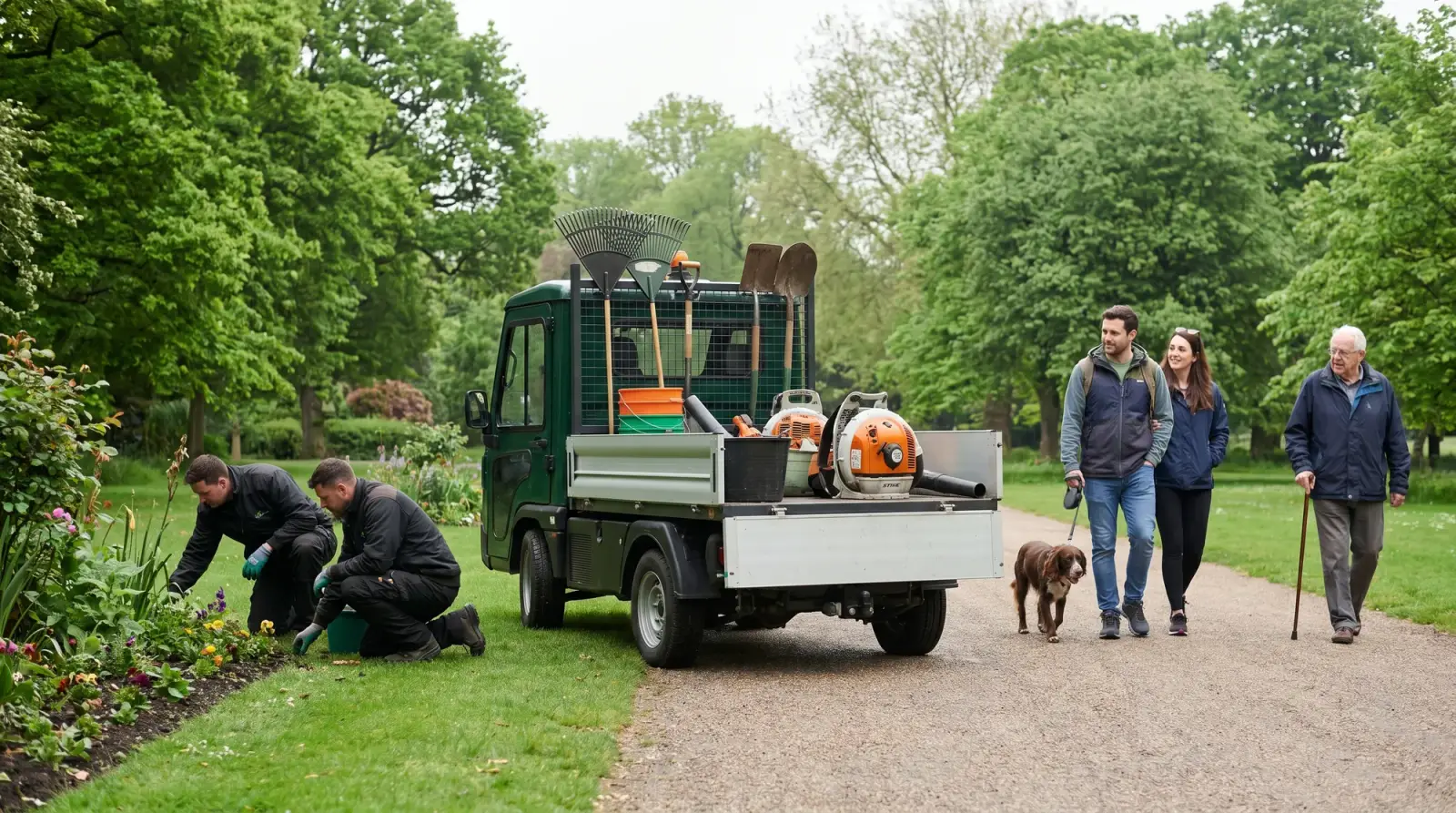
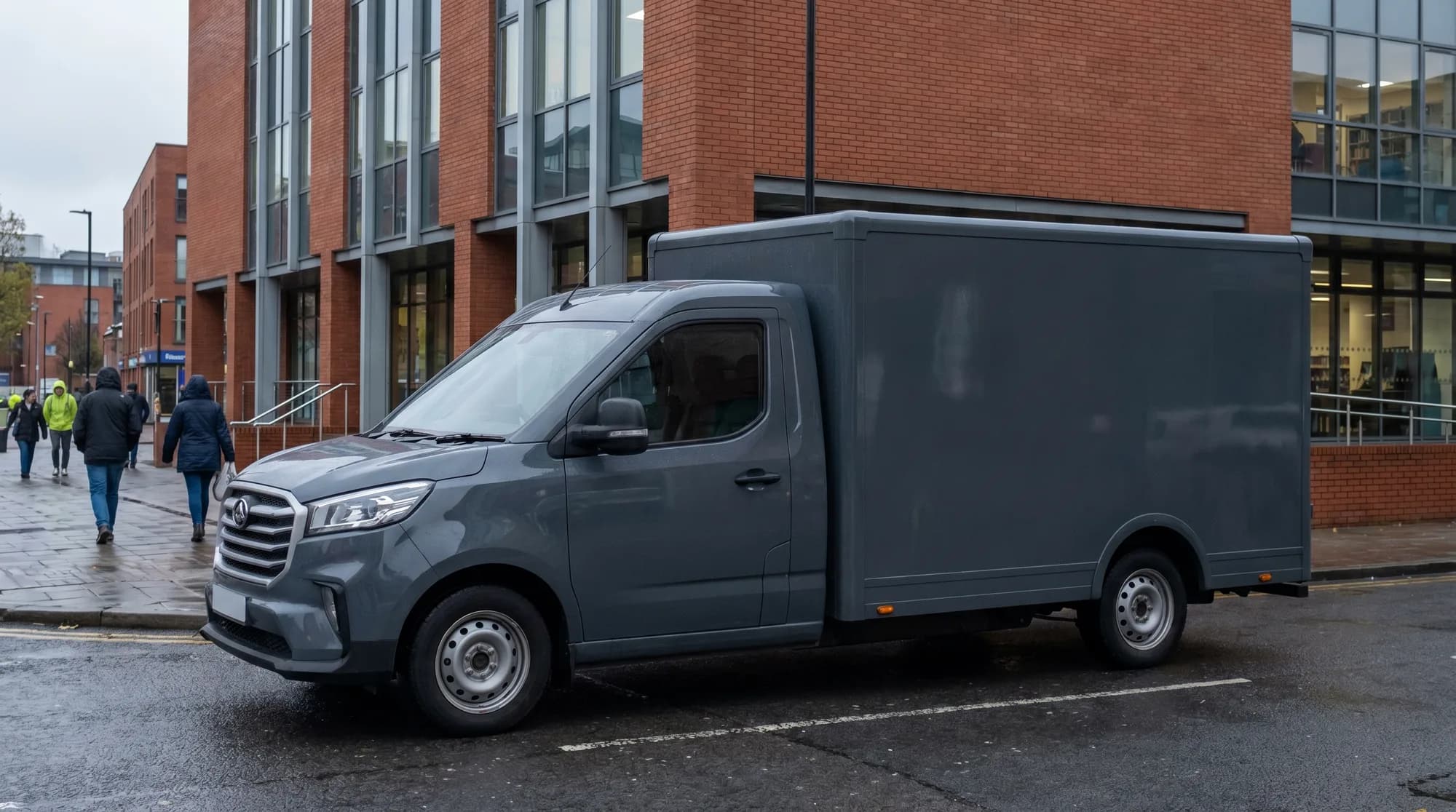
Specify against the real duty list. Litter and bin runs want a bed that takes multiple 240-litre bins or bagged waste, with a low loading height because the crew lifts all day; a tipping bed pays for itself wherever green waste is shovelled. Planting and bedding work wants tools, compost, watering kit and trays moving together, often across grass, so turf tyres and modest ground pressure keep the machine off the clerk of works' complaints list. Sports grounds add line-marking kit and goal moves. Events, the fetes, fun runs and Christmas lights that punctuate the parks calendar, want a vehicle that can shuttle staging, barriers and supplies along paths while the public is present, which is exactly where quiet electric running earns its place. One machine rarely does everything across a borough; a small mixed fleet, tippers for grounds waste, a box vehicle for tools and valuables, a pickup for general work, usually beats a single compromise specification. The electric utility vehicles range covers all three configurations.
Cemeteries, events and resident-facing work
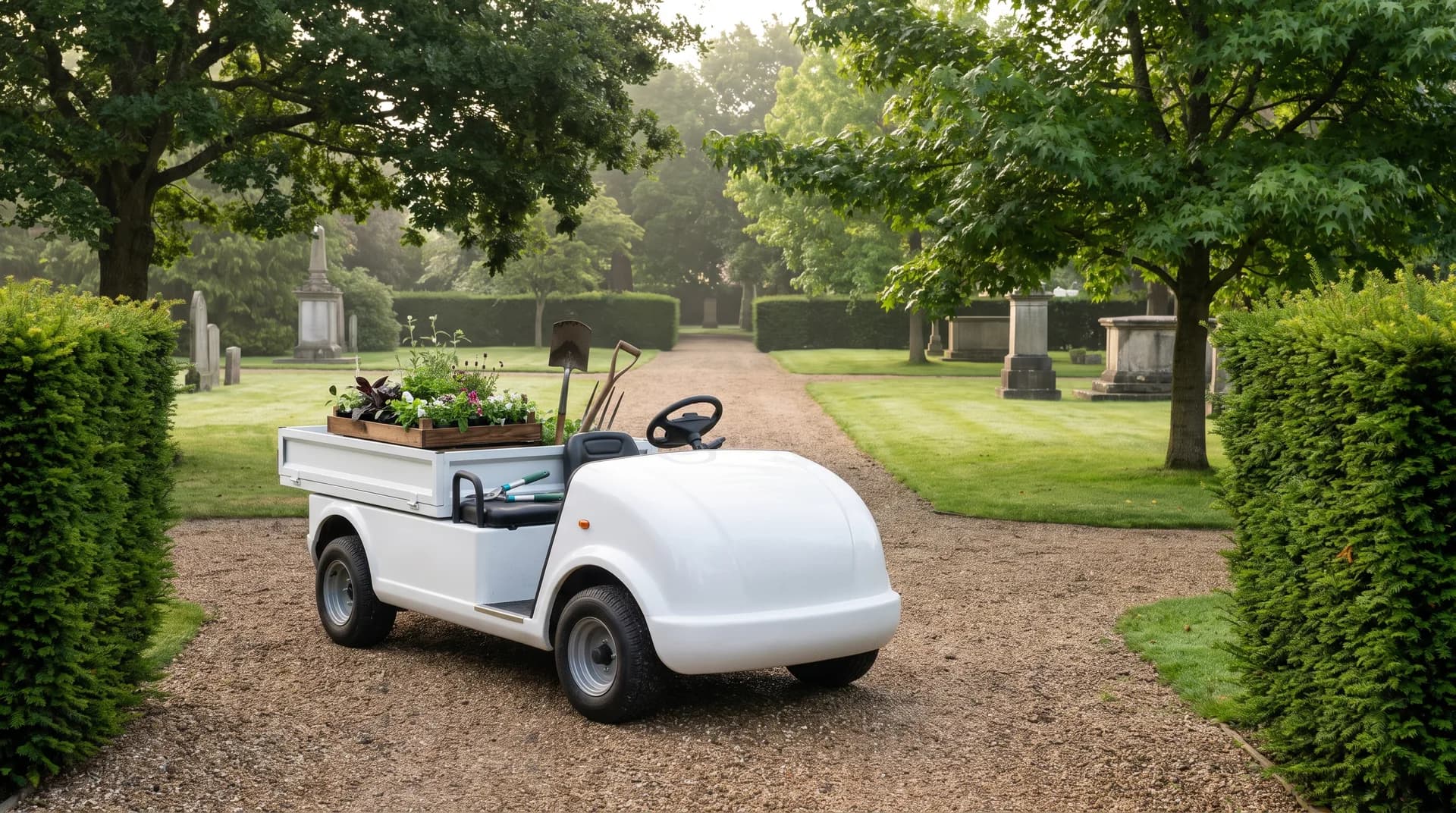
Bereavement services deserve their own paragraph because the operating constraints are the strictest in local government: narrow paths between memorials, grounds maintenance that must pause and resume respectfully around services, and an absolute premium on quiet. Electric utility vehicles are close to silent at walking pace, which is why they have become the natural machine for this setting; our dedicated guide to electric vehicles for cemeteries and crematoria covers widths, tyres and working practice in detail. The same resident-facing logic applies across the portfolio: machines that work through opening hours in parks, along promenades and around nature reserves without fumes or engine noise change what a team can do in public view, and quietly reduce the complaints inbox. None of this requires policy claims or targets to justify; it is simply a better neighbour.
Whole-life cost: building the procurement case
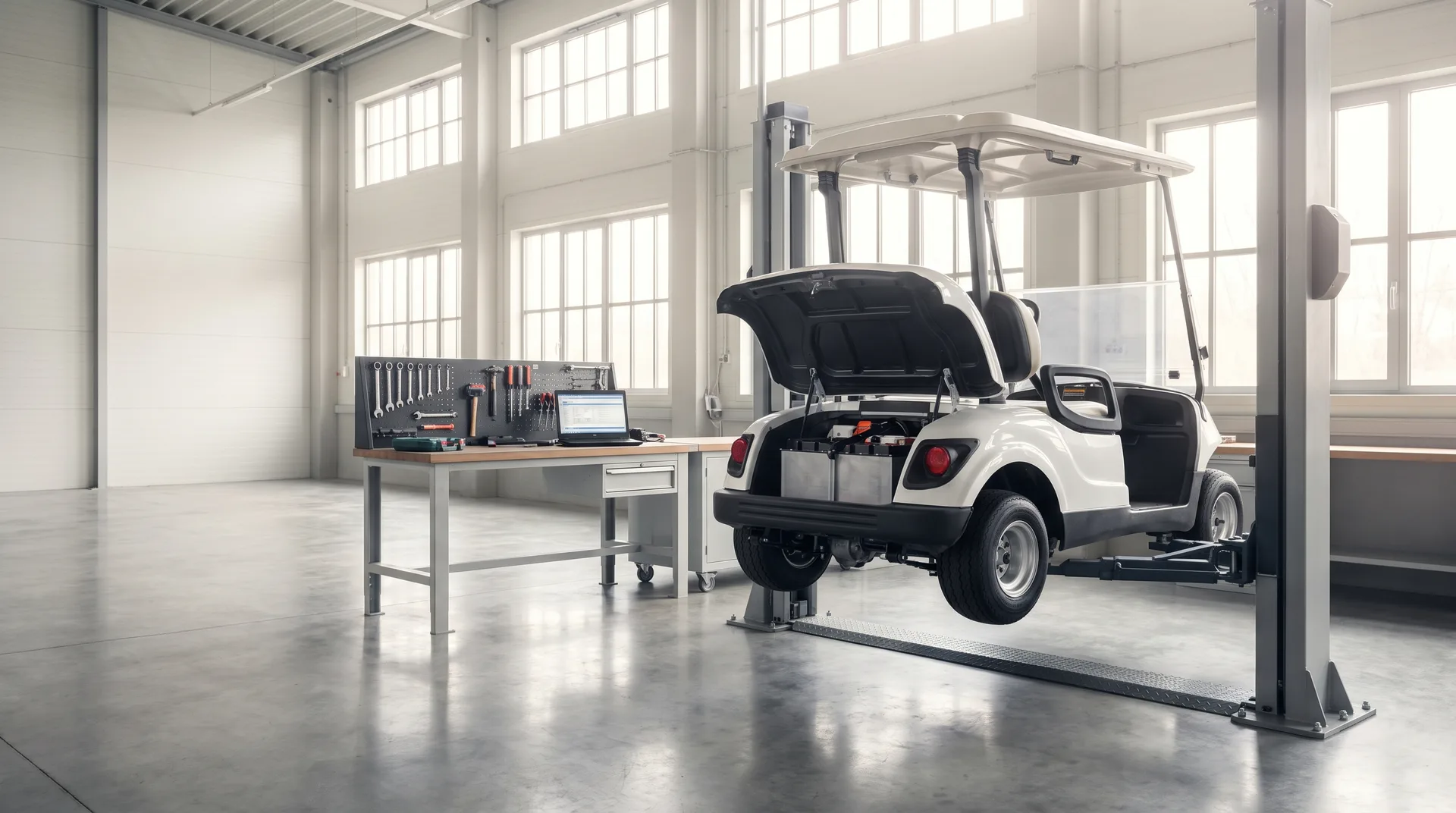
Purchase price is the number on the requisition; whole-life cost is the number that should win the evaluation. Build it over a realistic holding period, commonly five to seven years for this class, from four parts: acquisition (typically the low-to-mid teens of thousands per compact vehicle new, our S2 Pickup publishes at £15,900), energy (overnight charging at depot rates costs pennies per mile against pump fuel), maintenance (no engine oil, filters, plugs, exhausts or clutches, so scheduled servicing is genuinely lighter), and batteries and residual value (specify the battery warranty period and expected life in the bid, and ask bidders to state them rather than asserting numbers yourself). Our running costs guide works through the ongoing side. Framed this way, electric machines routinely make their case on money alone, with the air-quality and noise benefits arriving free, which is the right way round for a business case that has to survive scrutiny.
Questions to put on the spec sheet
Whether buying through a framework, a quotation exercise or a tender, the same dozen questions sort strong bids from brochures. Plated payload, and range at a stated working load rather than unladen. Overall width with mirrors, against your narrowest path or cemetery gate. Gradeability against your steepest route. Bed configuration, tipper, box or pickup, and loading height. Battery chemistry, warranty period and expected service life, stated by the bidder. Charging requirements, ideally an ordinary socket at the depot rather than installed infrastructure. Servicing arrangements: who attends, where, and within what response time. Parts availability and lead times. Warranty terms for the whole vehicle. Training and handover. Delivery timescale. And references from comparable grounds operations, which any established supplier can provide. A bidder who answers all twelve crisply, in writing, is telling you something as valuable as the price.
Frequently asked questions
Why are councils choosing electric utility vehicles for parks?+
Because the daily parks workload is short, repetitive path-based carrying, which electric machines do cheaply and quietly, without fumes among the public. Lower energy and servicing costs build the financial case; quiet, clean running among residents builds the operational one.
What payload does a parks team need?+
Most litter, bin, planting and events work sits in the 300 to 500 kg class; grounds waste and materials work justifies 500 to 800 kg. Weigh the real worst-case load, add the crew, and specify the class above the answer.
How should bids be evaluated: price or whole-life cost?+
Whole-life cost over a realistic holding period, typically five to seven years: acquisition, energy, maintenance, battery warranty and expected life, and residual value. Electric machines tend to strengthen as the evaluation window lengthens, because the savings are annual and the premium is once.
Do these vehicles need charging infrastructure at the depot?+
Generally no. Compact utility vehicles charge overnight from an ordinary 13-amp socket in good order. That belongs on the spec sheet as a requirement, so bidders confirm it rather than assuming installed infrastructure.
Are electric utility vehicles suitable for cemeteries?+
They are the natural fit: near-silent at walking pace, no fumes, and available in narrow configurations for paths between memorials. Specify width against the tightest gate and turf tyres for lawned sections.
Build a spec your evaluation can trust
Send us your duty list and site constraints and we will respond with a written specification, whole-life figures and a price your business case can use.
Related solutions
Ready to explore what we build?
See the vehicles and the setting this applies to, or get a tailored quote built around your site.

Ready to find the right buggy?
Tell us how and where it will work and we will specify a vehicle and a tailored quote built around you. Every build comes with a 3-year warranty and a 24-hour priority call-out.
Our guides are written and reviewed by the Hawke Electric Vehicles team, the people who specify, build, deliver and support the vehicles. We focus on honest, practical advice and flag where a figure depends on the build rather than guessing.
More guides by Hawke