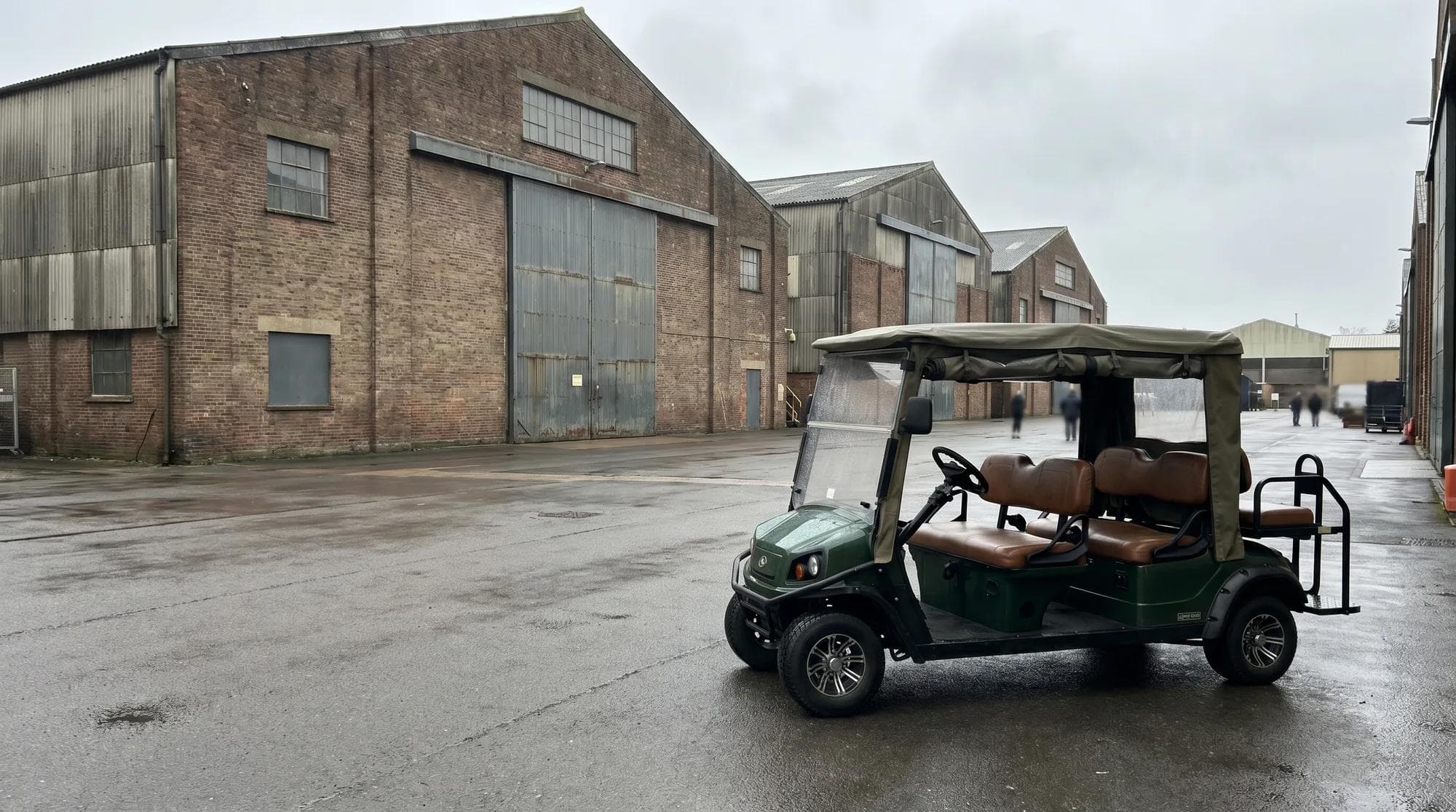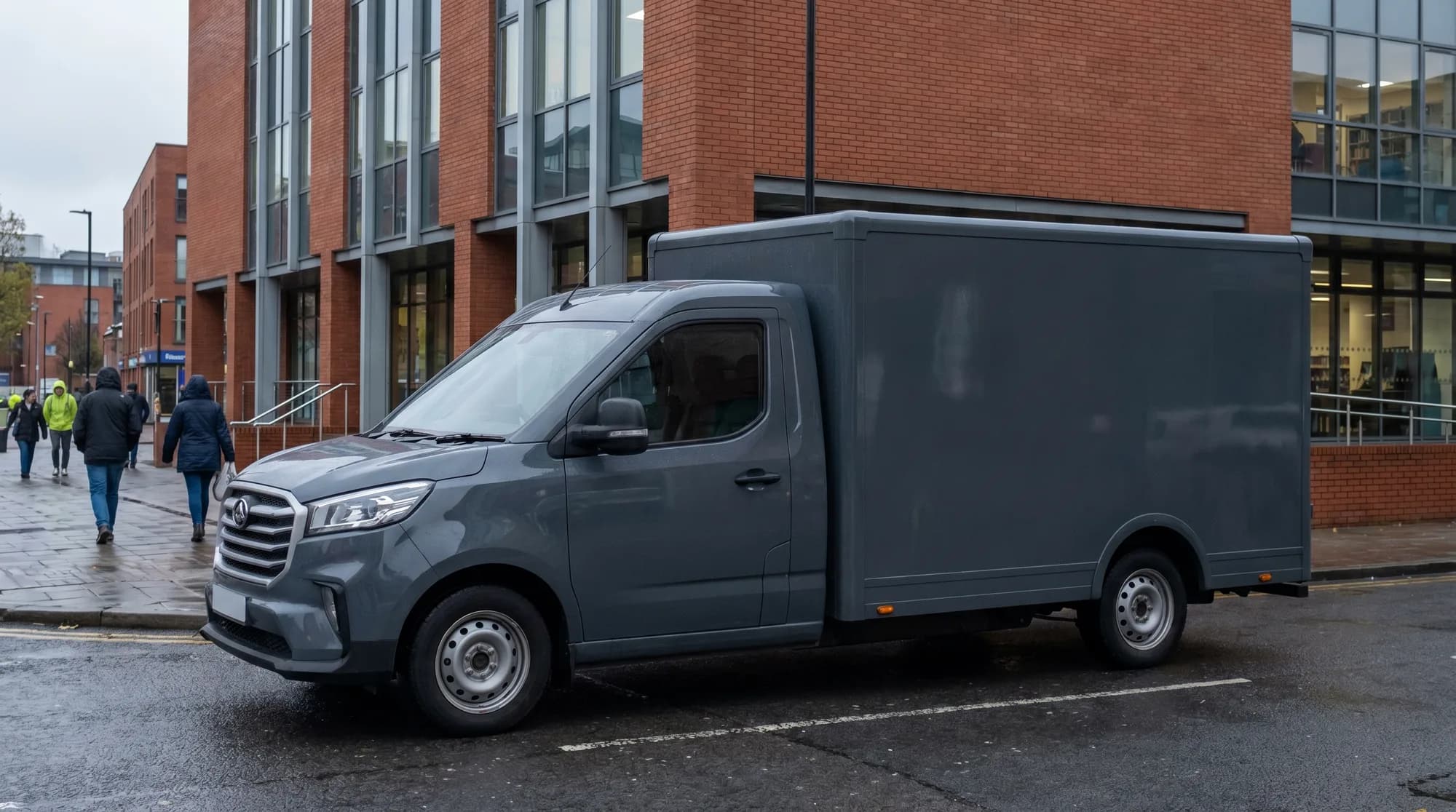
- A public sector EV procurement framework lets councils, NHS Trusts and universities buy electric utility vehicles without running a full tender each time.
- Buying through an established route keeps the purchase compliant with public contract rules and gives a clear audit trail.
- The Crown Commercial Service runs vehicle frameworks that public bodies can buy through, and grant support such as OZEV plug-in schemes may apply to eligible vehicle types.
- Specify the duty cycle, the build and the support before price, because a vehicle that does not suit the work is no saving.
- Build vehicles are made to order, so confirm lead times early and fold them into the procurement timeline.
For a council, an NHS Trust or a university, buying a vehicle is rarely as simple as choosing one and raising a purchase order. Public money comes with rules. Spend above a threshold has to be procured fairly and openly, with a record that stands up to scrutiny. Running a full tender for a handful of electric utility buggies is a lot of work for a relatively small purchase, which is where a public sector EV procurement framework earns its place.
A framework is a pre-arranged agreement between a buying body and a set of approved suppliers. The hard procurement work is already done. A public buyer can call off from the framework, or run a short further competition within it, and stay compliant without starting from scratch. This guide explains how that works for electric utility vehicles, what to specify, and how to plan around the lead times that come with built-to-order vehicles.
Why a framework, not a fresh tender
The point of a framework is to save the buyer time while keeping the purchase clean. The terms, the supplier checks and much of the legal groundwork are already in place, so a public body can buy with confidence that the route is compliant. For a fleet of electric buggies or utility vehicles, that usually means less administration, a faster path to order, and a defensible record if the spend is ever questioned.
- A compliant route that satisfies public contract rules without a full open tender.
- Pre-checked suppliers, so due diligence is largely done already.
- A clear audit trail showing how the purchase was made and why.
- The option of a short further competition where you want suppliers to bid on your exact specification.
The buying routes worth knowing
The Crown Commercial Service, the central buying body for UK public bodies, runs vehicle frameworks that councils, NHS organisations and education bodies can buy through. These cover purchase, lease and related services across a range of vehicle types. Frameworks are refreshed and replaced over time, so the right move is to confirm the current vehicle framework and its scope directly with the Crown Commercial Service before you commit, rather than relying on a reference you read once. Many public bodies also buy through regional or sector purchasing consortia, which run their own compliant frameworks.
Grants and funding to factor in
Alongside the buying route, there may be grant support that reduces the cost of going electric. The Office for Zero Emission Vehicles, OZEV, administers plug-in grants and chargepoint schemes that can apply to eligible vehicle and infrastructure types. Eligibility, grant rates and which categories qualify change from time to time, so treat any figure as something to confirm rather than assume. Your procurement team, or we on your behalf, can check whether a given vehicle and charging setup qualifies before you build the funding into a business case.
What to specify before you look at price
A framework makes the buying compliant, but it does not choose the right vehicle for you. That still comes down to the work. Settle the specification first, because the cheapest call-off is no bargain if the vehicle cannot do the job over a public-sector duty cycle. Explore the range to see the formats, then pin down the detail.
- 01
Map the duty cycle
Set out the daily distance, the terrain, the load and the hours each vehicle works, so the battery and build are sized to real use rather than a guess.
- 02
Fix the build
Passenger seats, a load bed, accessible options, lighting and any site-specific features. Built-to-order means these are specified in, not added later.
- 03
Set the support
Decide what servicing, parts and call-out cover you need, and write it into the requirement so it is part of the comparison, not an afterthought.
- 04
Confirm livery and compliance
Department colours, signage and any safety features your estates or fleet team requires, all built into the vehicle.
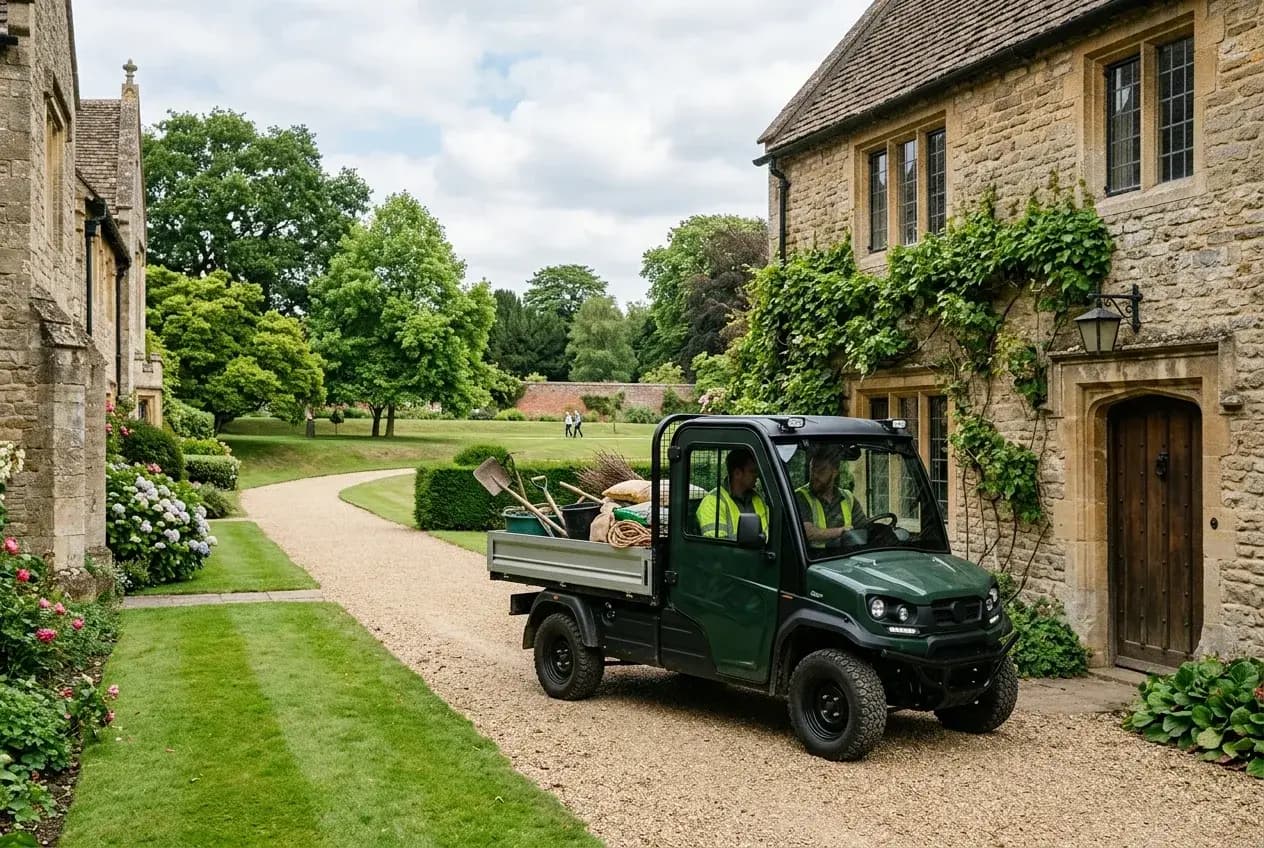
Lead times: plan them into the procurement
Built-to-order vehicles are not stock you collect next week. A vehicle specified to your duty cycle, livery and accessibility needs takes time to build, and that build time sits on top of your internal approval and procurement steps. The mistake we see is leaving the lead time out of the plan, then being surprised when vehicles cannot arrive in time for a new term, a new site or the start of a financial year. Ask for a realistic build and delivery window at the quote stage and work backwards from when you actually need the fleet on the ground.
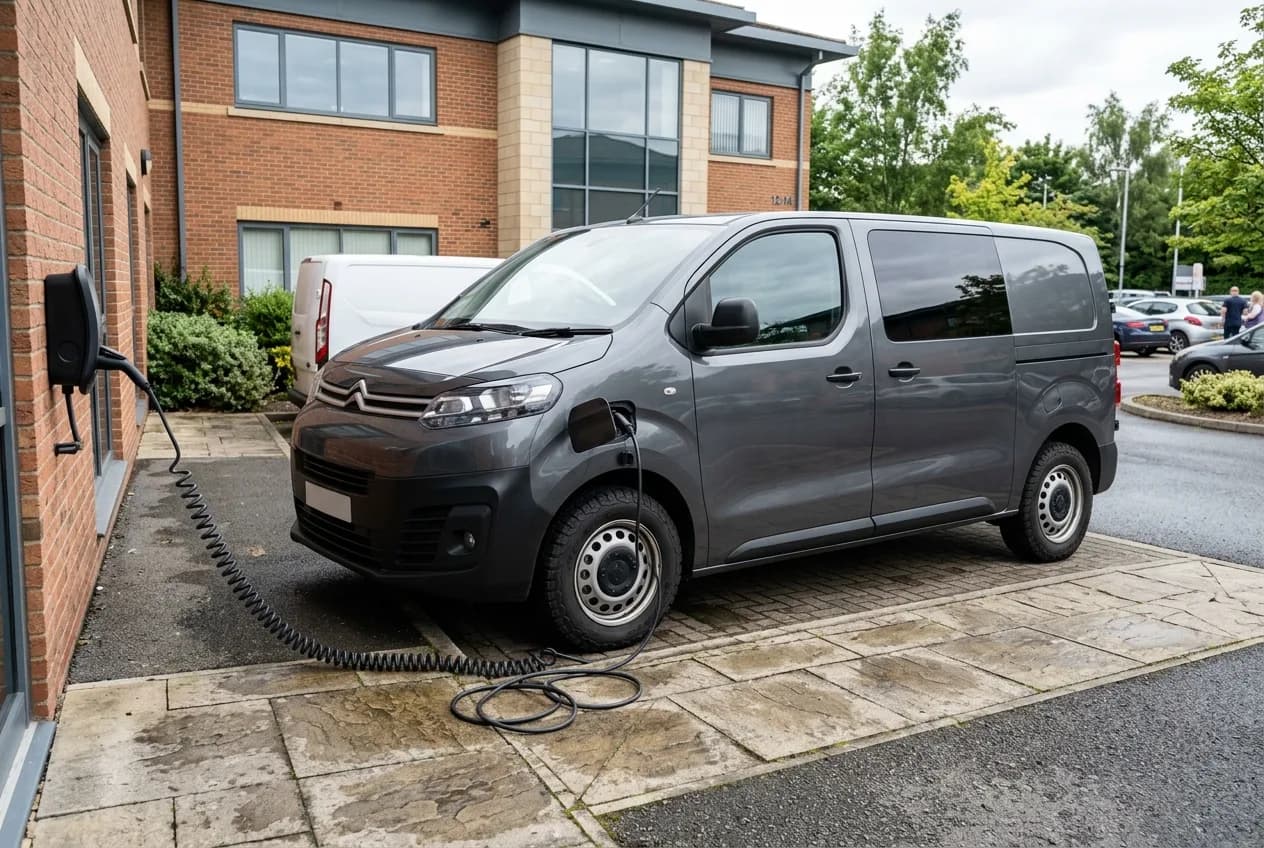
Built to order for public bodies
Passenger, accessible and utility vehicles, specified to your duty cycle, liveried for your department and supported by a 24-hour call-out.
How we work with public buyers
We are used to working alongside procurement teams. We can help you scope the specification, set out lead times honestly, and provide the documentation a compliant call-off or further competition needs. If you want to buy through a framework, tell us the route you intend to use and we will work to it. If you are still deciding, talk to your procurement team about the options and bring us in to help with the vehicle detail. You can also request a quote to get specifics on paper.
Buying electric vehicles for a public body?
Tell us the duty cycle, the build you need and the buying route you intend to use, and we will help you specify the right vehicles compliantly, with honest lead times.
Frequently asked questions
What is a public sector EV procurement framework?+
It is a pre-arranged agreement between a public buying body and approved suppliers that lets councils, NHS organisations and universities buy electric vehicles compliantly, either by calling off directly or running a short further competition, without a full open tender each time.
Can we buy electric utility buggies through the Crown Commercial Service?+
The Crown Commercial Service runs vehicle frameworks that public bodies buy through, covering a range of vehicle types and services. Scope and framework numbers change over time, so confirm the current framework and that it suits electric utility vehicles directly with the Crown Commercial Service before you rely on it.
Are there grants for public-sector electric vehicles?+
There may be. The Office for Zero Emission Vehicles administers plug-in and chargepoint grants that can apply to eligible vehicle and infrastructure types. Eligibility and rates change, so confirm the current position before you build any figure into a business case.
What should we specify before comparing prices?+
Settle the duty cycle, the build, the support cover and the livery first. A vehicle that does not suit the daily work is no saving, even at the lowest call-off price.
How long do the vehicles take to arrive?+
They are built to order, so allow a build and delivery window on top of your internal procurement steps. Ask for a realistic lead time at the quote stage and plan backwards from when you need the fleet in use.
Related solutions
Ready to explore what we build?
See the vehicles and the setting this applies to, or get a tailored quote built around your site.

Ready to find the right buggy?
Tell us how and where it will work and we will specify a vehicle and a tailored quote built around you. Every build comes with a 3-year warranty and a 24-hour priority call-out.
Our guides are written and reviewed by the Hawke Electric Vehicles team, the people who specify, build, deliver and support the vehicles. We focus on honest, practical advice and flag where a figure depends on the build rather than guessing.
More guides by Hawke