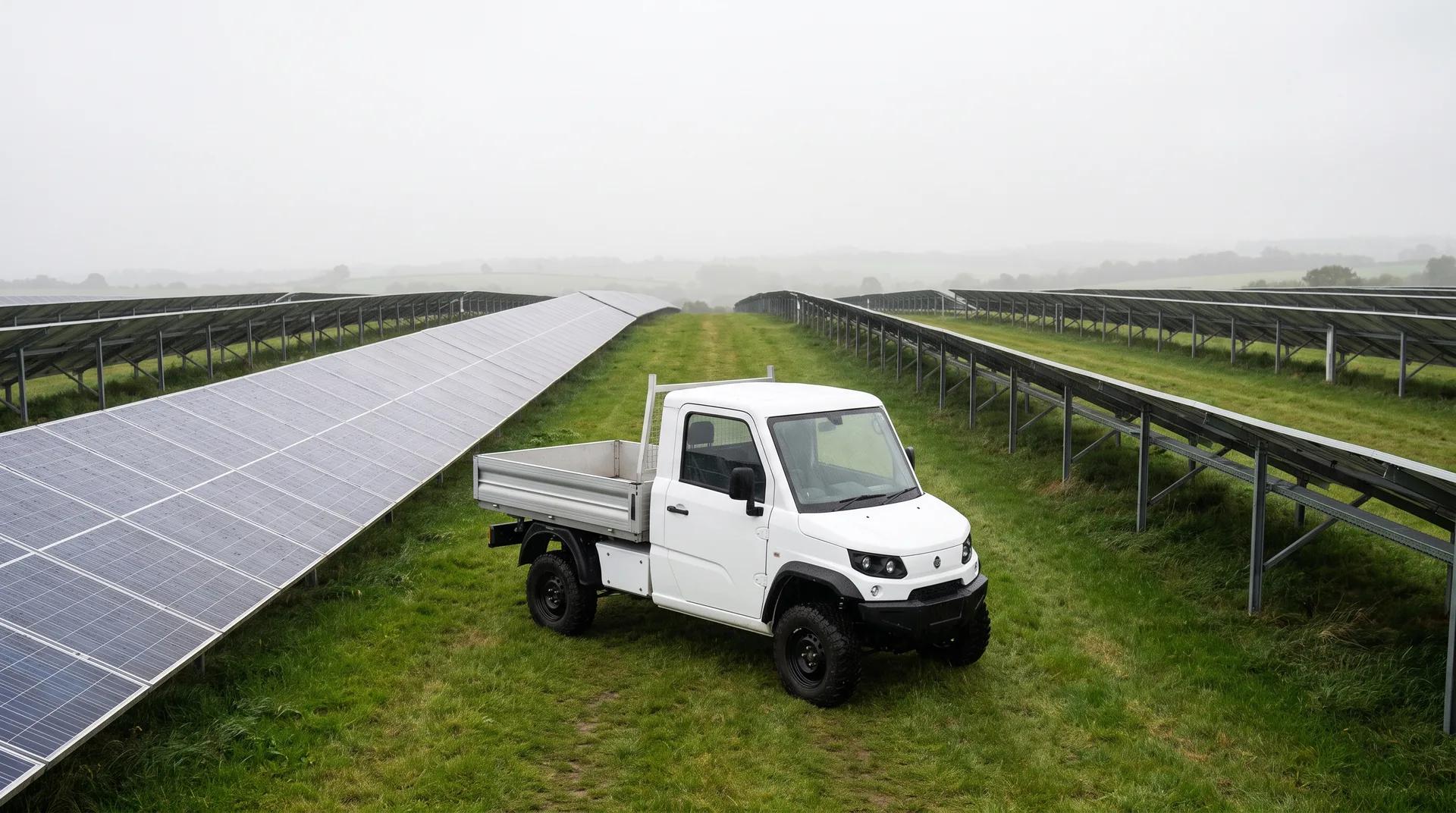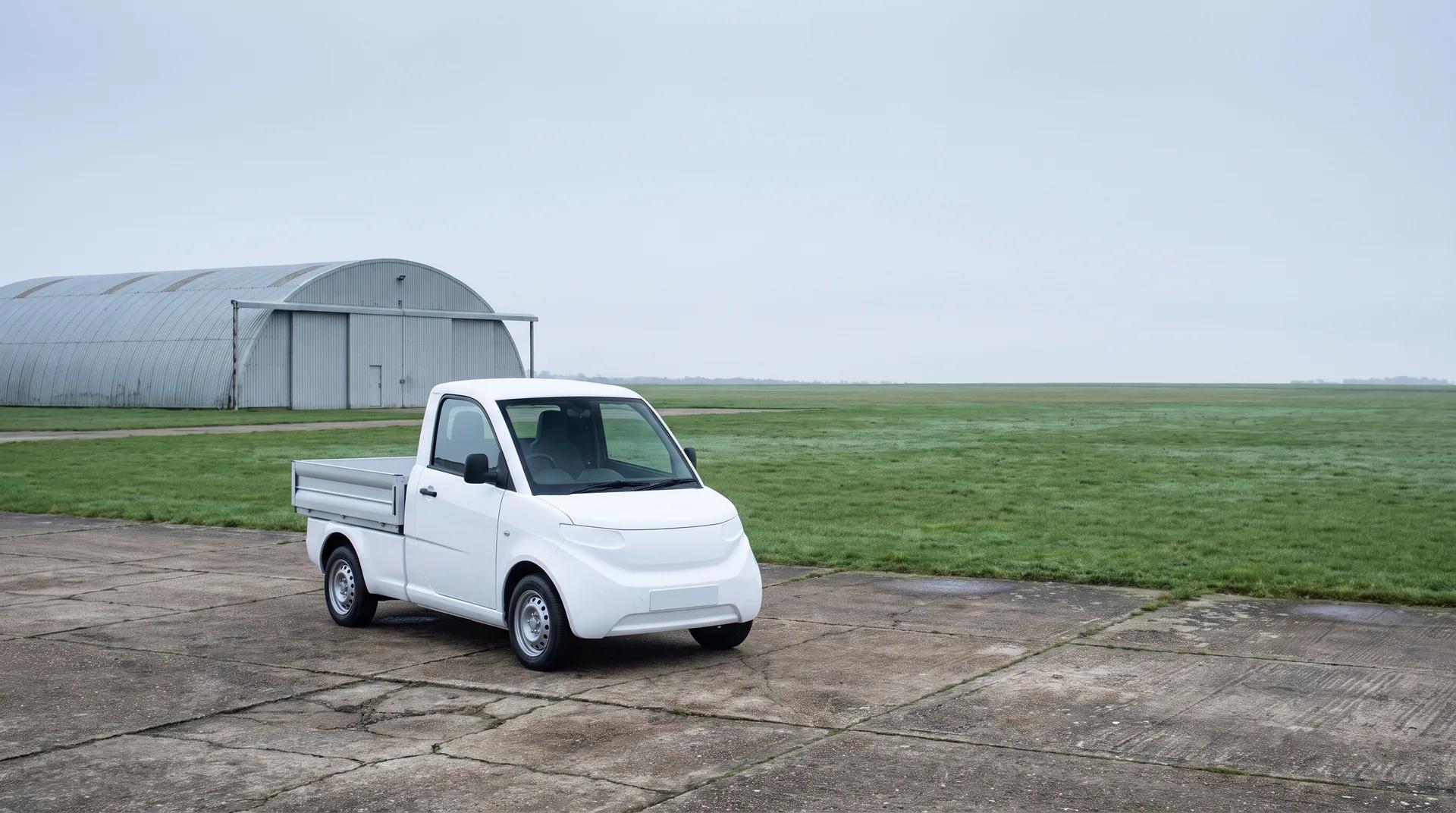
Electric buggies fit private airfields and flying clubs because the daily work of a small aerodrome is short, repeated journeys: hangar to apron, apron to clubhouse, clubhouse to the far end of a grass strip, and back again. An electric buggy or compact utility vehicle does those runs quietly, for pence in electricity, and, on turf tyres, over grass that a car or van would rut through a wet winter. This guide is written for the general aviation end of the spectrum, private strips, flying clubs, gliding sites and small licensed aerodromes, and covers what these airfield vehicles do, how to specify one, and where the rules sit. If you operate a commercial airport with controlled airside areas, our separate guide to airside vehicles at UK airports is the one you want, because that world of airside driving permits and ground-handling operations is a different discipline.
- Airfield vehicles at flying clubs do short repeated runs: hangar to apron, fuel-run support, visiting-pilot shuttles and strip inspections.
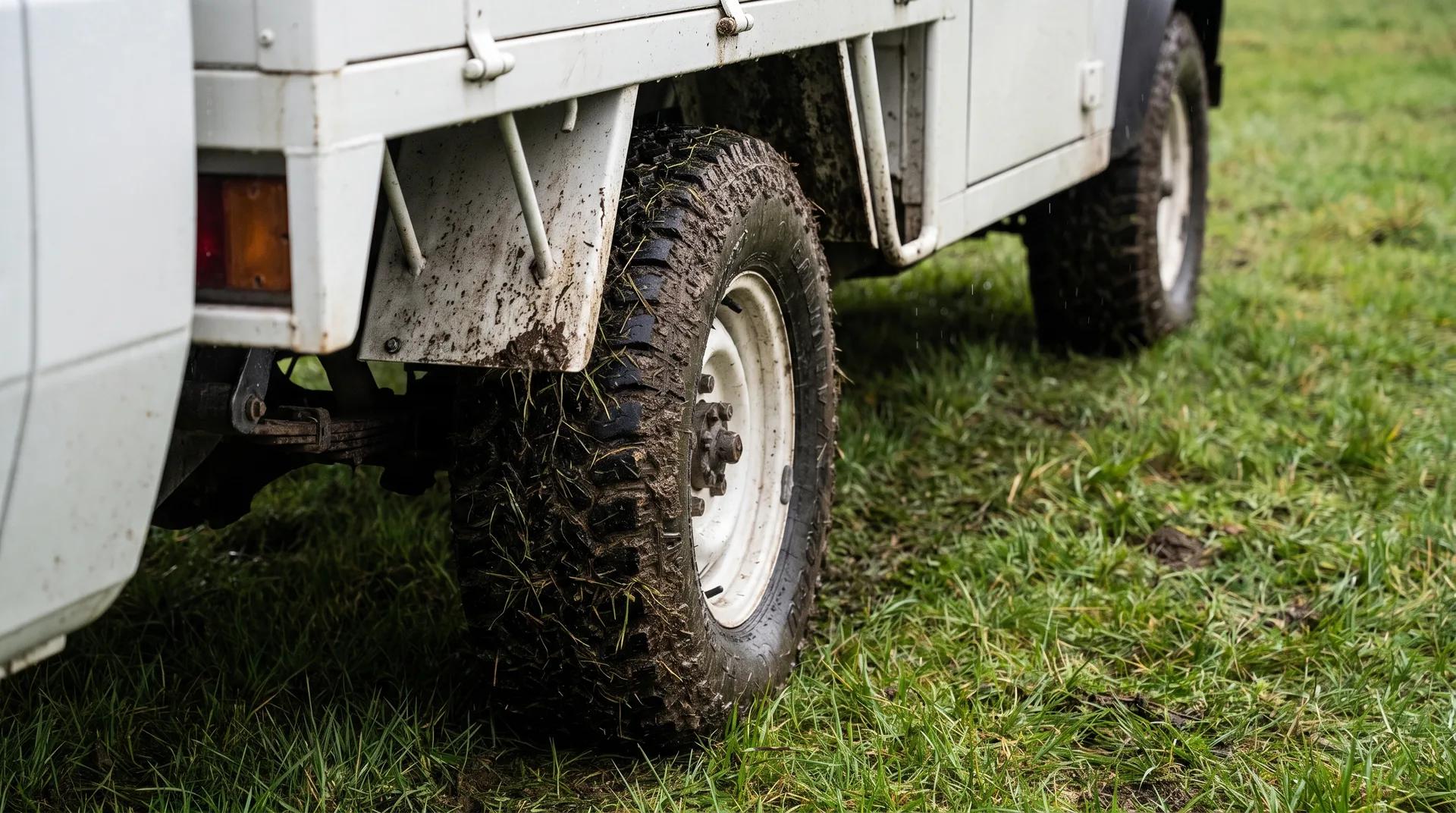
- Turf tyres and low ground pressure make electric buggies practical on grass strips and taxiway margins where cars rut.
- Quiet electric drive suits airfields with noise-sensitive neighbours and lets conversation, and listening, happen on the move.
- Rules about where vehicles may go on an airfield are set by each operator, so agree movement areas and procedures locally.
- A two-seat utility buggy covers most club workloads; add a passenger model where visiting-pilot volumes justify it.
What airfield vehicles do at a flying club
The workload is mundane and constant, which is exactly the duty cycle electric vehicles are good at. Towing support and general fetching around the hangars. Moving tools, oil, chocks and covers from the hangar to an aircraft parked on the far apron. Supporting fuel runs by carrying personnel and light kit to and from the bowser or pumps, the vehicle is transport, and anything to do with fuel handling itself sits with your own procedures and trained people. Running a visiting pilot and their bags from parking to the clubhouse, a small courtesy that lands well after a long leg. Strip inspections, checking the surface, moving cones and markers, and getting an instructor to the holding point quickly. Mowing-season support, carrying strimmers and fuel cans for the ground crew. None of it needs a car, and all of it happens faster when nobody is walking half a mile of airfield each way.
Grass strips and ground pressure
Most UK flying clubs live on grass, and grass is the argument for this class of vehicle. A car driven daily across a strip margin or a soft taxiway edge will rut it, and ruts on an airfield are not cosmetic. A light electric buggy on wide turf tyres exerts low ground pressure and spreads its weight, so it can run the same routes through a wet autumn without carving them up. Specify tyres for your ground honestly: smooth turf tyres for the mown areas, a more open tread if your perimeter tracks are rough, and say at the outset if the vehicle must cross genuinely soft ground in winter. Weather protection is worth taking seriously too, a windscreen, roof and doors turn a fair-weather convenience into a vehicle the club actually uses in January, and our guide to using a buggy in the rain covers the practicalities.
Rules, safety and who decides where it drives
On a private airfield, the rules that matter are the operator's own. Where vehicles may drive, whether they may cross or enter the runway strip, what happens when aircraft are moving, radio or signage procedures, high-visibility requirements and who is authorised to drive: all of that is set by the aerodrome operator, and at licensed aerodromes it sits within the safety arrangements the licence requires. So agree the vehicle's movement areas and procedures with whoever holds that responsibility before it arrives, and induct drivers the same way you would for any other airfield equipment. The vehicle itself helps: electric drive means the driver can hear an engine or a radio call, and a buggy's modest speed suits an environment where predictability matters more than pace. For insurance, tell your broker the vehicle exists and how it is used, as airfield policies vary. None of this is onerous, but it belongs to the airfield, not the vehicle supplier, and we would rather say so plainly.
- Private airfield / flying club
- The airfield operator
- Commercial airport airside
- Airport authority, with formal airside driving permits
- Private airfield / flying club
- Hangar-to-apron runs, pilot shuttles, strip checks
- Commercial airport airside
- Ground handling, crew transport, baggage and freight
- Private airfield / flying club
- Often grass, turf tyres essential
- Commercial airport airside
- Paved aprons and service roads
- Private airfield / flying club
- Two-seat buggy or compact utility vehicle
- Commercial airport airside
- Fleet utility vehicles, tow tractors, people movers
- Private airfield / flying club
- This one
- Commercial airport airside
- See the airside vehicles guide
| Private airfield / flying club | Commercial airport airside | |
|---|---|---|
| Who sets vehicle rules | The airfield operator | Airport authority, with formal airside driving permits |
| Typical jobs | Hangar-to-apron runs, pilot shuttles, strip checks | Ground handling, crew transport, baggage and freight |
| Ground | Often grass, turf tyres essential | Paved aprons and service roads |
| Typical vehicle | Two-seat buggy or compact utility vehicle | Fleet utility vehicles, tow tractors, people movers |
| Our guide | This one | See the airside vehicles guide |
Specifying a flying club buggy: seats, bed and battery
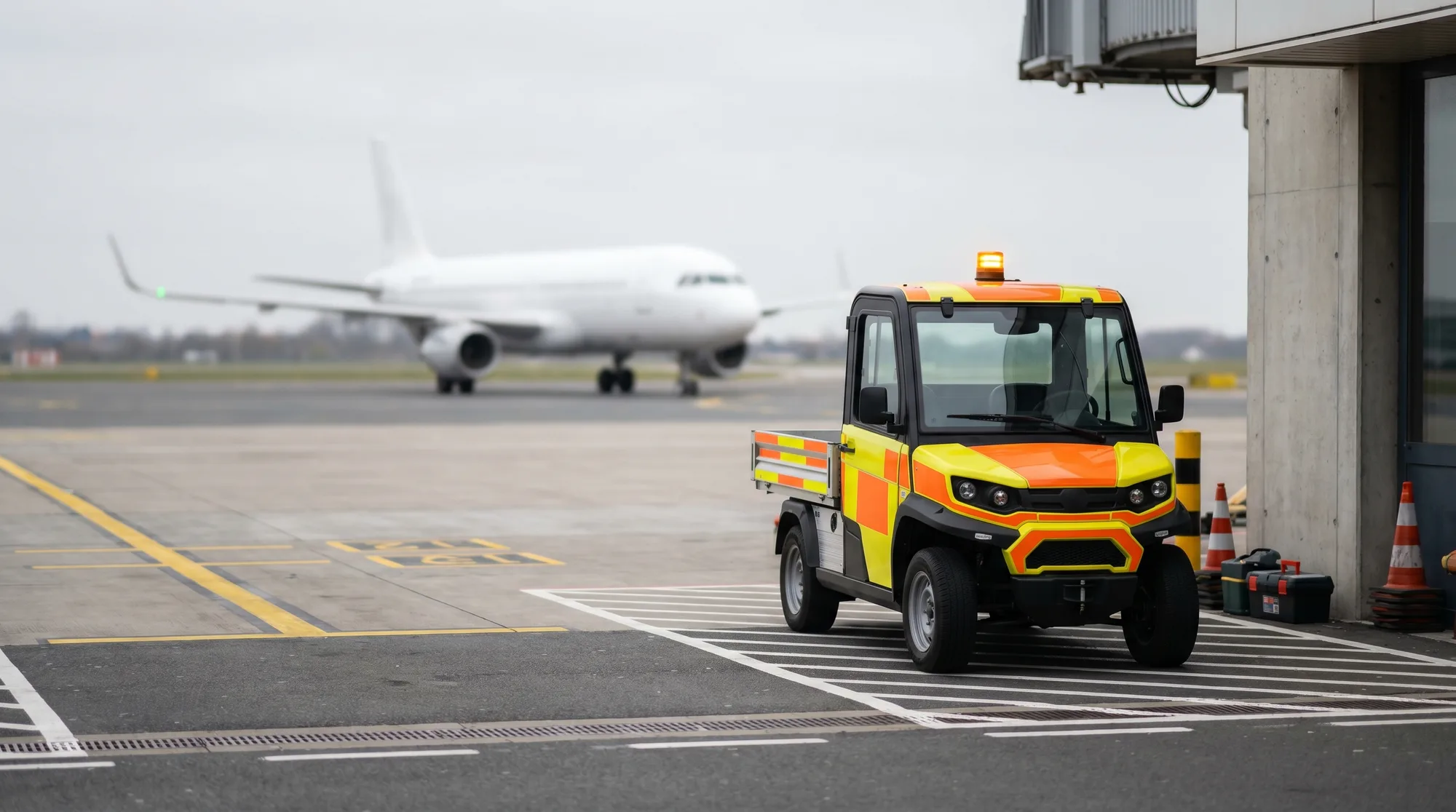
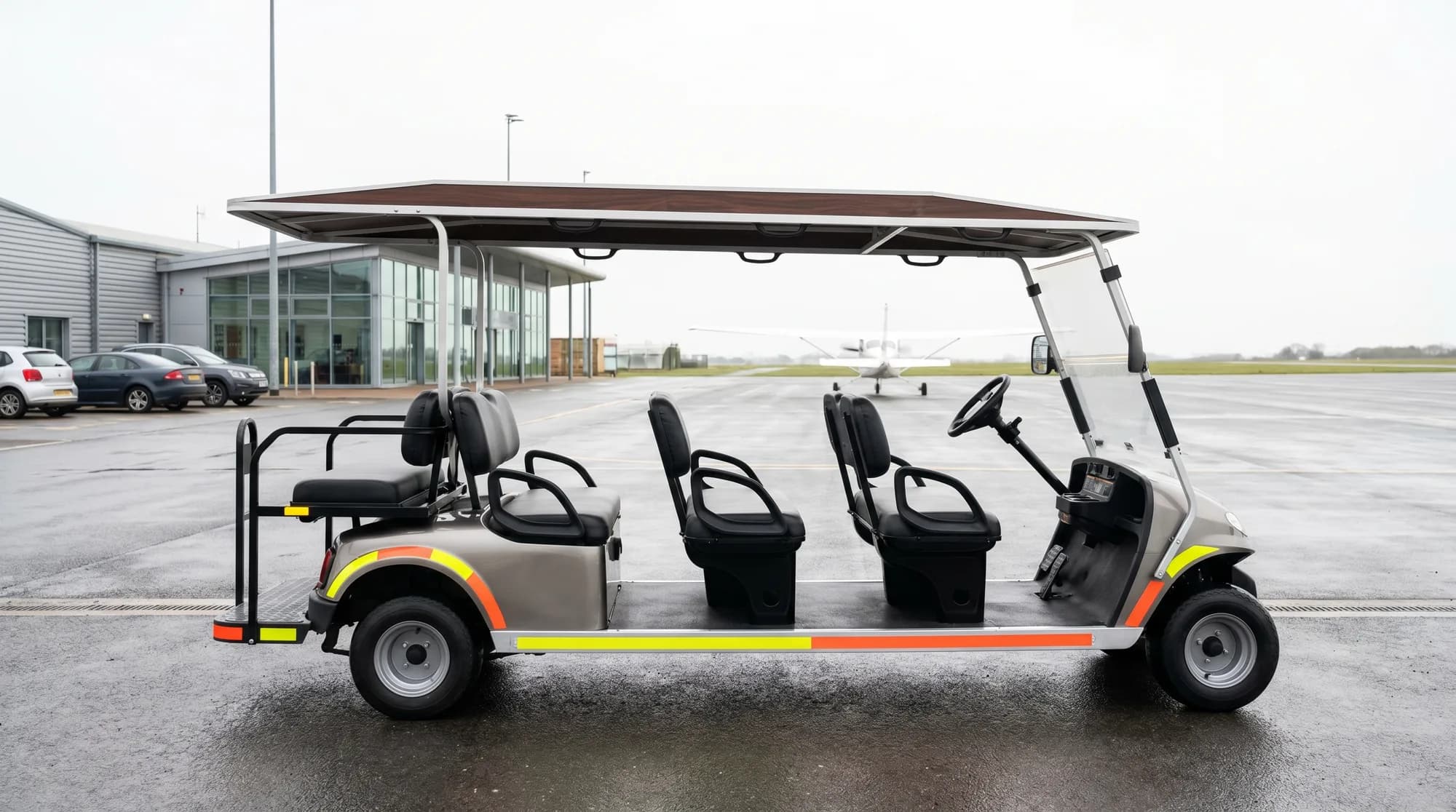
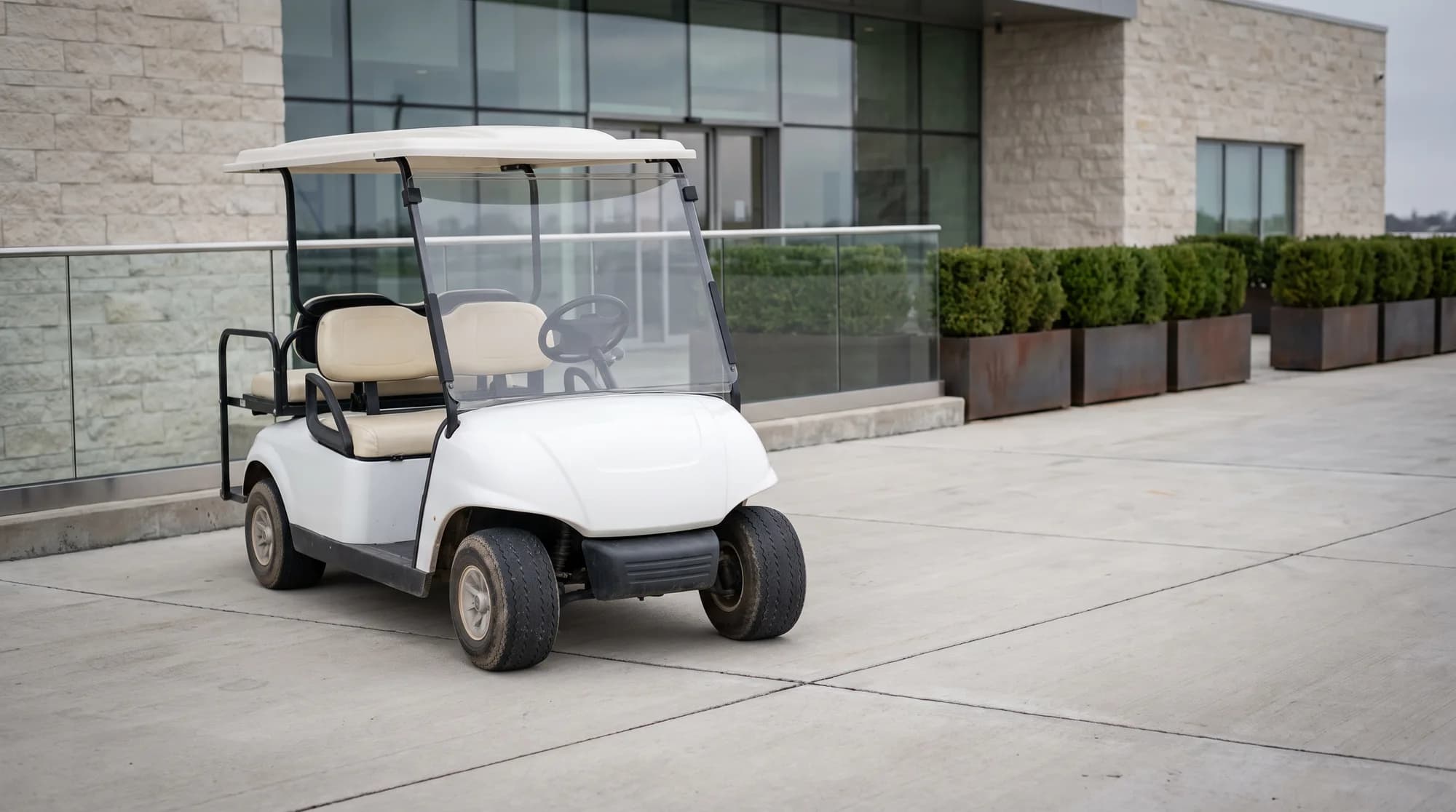
For most clubs the right vehicle is a two-seat utility buggy with a load bed: seats for a driver and a visitor, a bed for tools, oil and covers, from £15,900 for our S2 Pickup. Clubs that host fly-ins or run trial-lesson days sometimes add a four or six-seat passenger model for shuttling visitors between parking, aircraft and clubhouse, and the range covers both shapes. Lithium batteries suit airfield duty, short runs with long idle periods, and the vehicle charges overnight from a standard socket in the hangar. Range is rarely the constraint on a site measured in hundreds of metres; a single charge comfortably covers a flying day. Specify lights if the vehicle will work at dusk, and a tow package if it will pull a light trailer around the site, with anything aircraft-specific left to proper ground-handling equipment and your own judgement.
Frequently asked questions
Can we drive an electric buggy on our airfield?+
On a private airfield that is the operator's decision. Agree movement areas, runway-crossing procedures and driver authorisation with whoever holds responsibility for the aerodrome, and induct drivers accordingly. The vehicle side is straightforward; the procedures belong to the airfield.
Will it cope with a grass strip?+
Yes, that is one of its strengths. A light electric buggy on turf tyres exerts low ground pressure and can work grass routes through a wet winter that a car would rut. Tell us about your ground so tyres are specified for it.
Can it help with refuelling aircraft?+
It can carry people and light kit to and from the pumps or bowser, useful support for fuel runs. Fuel handling itself is a matter for your own equipment, procedures and trained personnel, not for the buggy.
What about a commercial airport instead of a club strip?+
Different world: controlled airside areas, formal airside driving permits and ground-handling operations. Our separate guide to electric airside vehicles at UK airports covers it.
How far will it go on a charge?+
Far more than an airfield day requires. These vehicles are built for short, repeated journeys, and an overnight charge from a standard hangar socket comfortably covers a flying day of shuttles and errands.
Specify a vehicle for your airfield
Tell us about your site, grass or paved, the runs it will do and who will drive it, and we will specify and price the right airfield vehicle.
Ready to find the right buggy?
Tell us how and where it will work and we will specify a vehicle and a tailored quote built around you. Every build comes with a 3-year warranty and a 24-hour priority call-out.
Our guides are written and reviewed by the Hawke Electric Vehicles team, the people who specify, build, deliver and support the vehicles. We focus on honest, practical advice and flag where a figure depends on the build rather than guessing.
More guides by Hawke