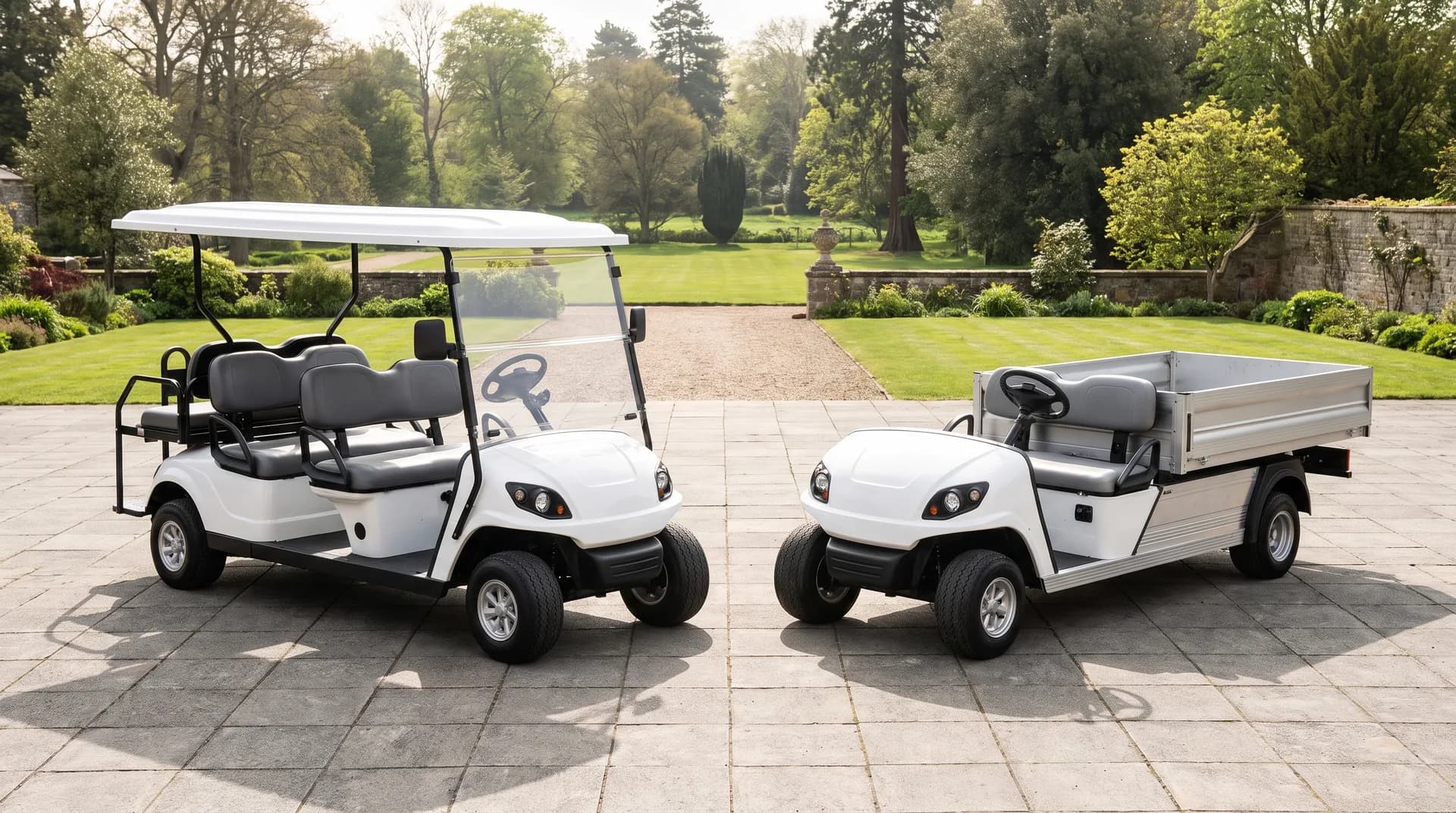
A motorsport paddock is one of the few environments where a buggy is not a nice-to-have. Circuits are large, the day runs to a hard timetable set by track sessions, and the people who need to move, team personnel, officials, media, sponsors and hospitality guests, all need to be somewhere specific before a session starts. Walking a full paddock and back consumes fifteen minutes that a race weekend does not have. This guide covers how buggy hire works at UK circuits and track days: who uses the vehicles and for what, the rules circuits apply, why electric suits the environment better than petrol, and how to specify a fleet for a weekend rather than guessing at a number.
- Paddock movement is timetabled by track sessions, so vehicle availability at specific moments matters more than total capacity.
- Circuits set their own paddock vehicle rules: check permits, speed limits, insurance requirements and access zones early.
- Electric suits paddocks and enclosed garages far better than petrol, on noise and fumes alike.
- Teams, hospitality and officials need visibly different vehicles; one shared fleet satisfies nobody.
- Race weekends are long: build, practice, qualifying, race day and load-out, so budget the full hire period.
Who actually uses buggies in a paddock
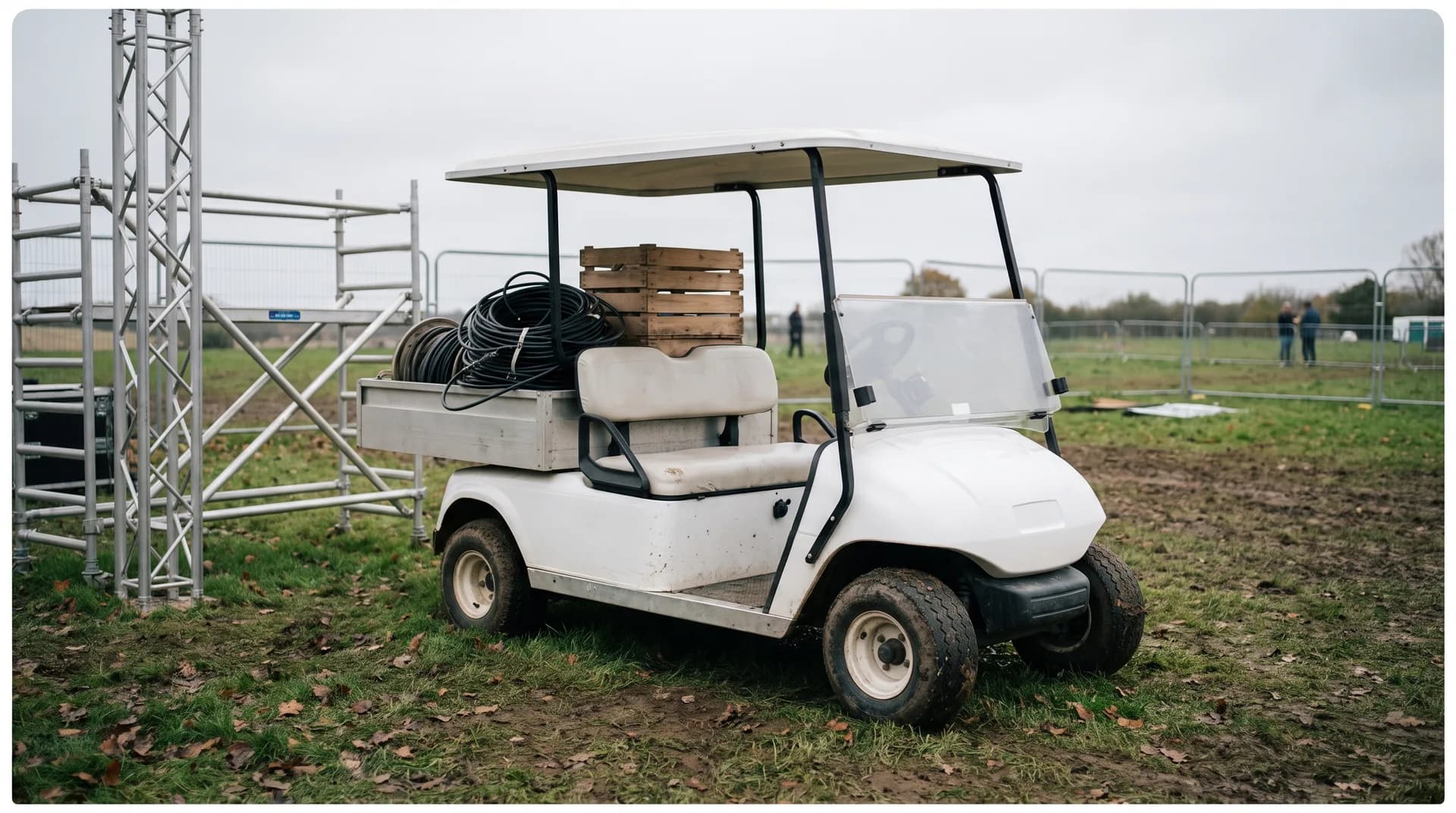
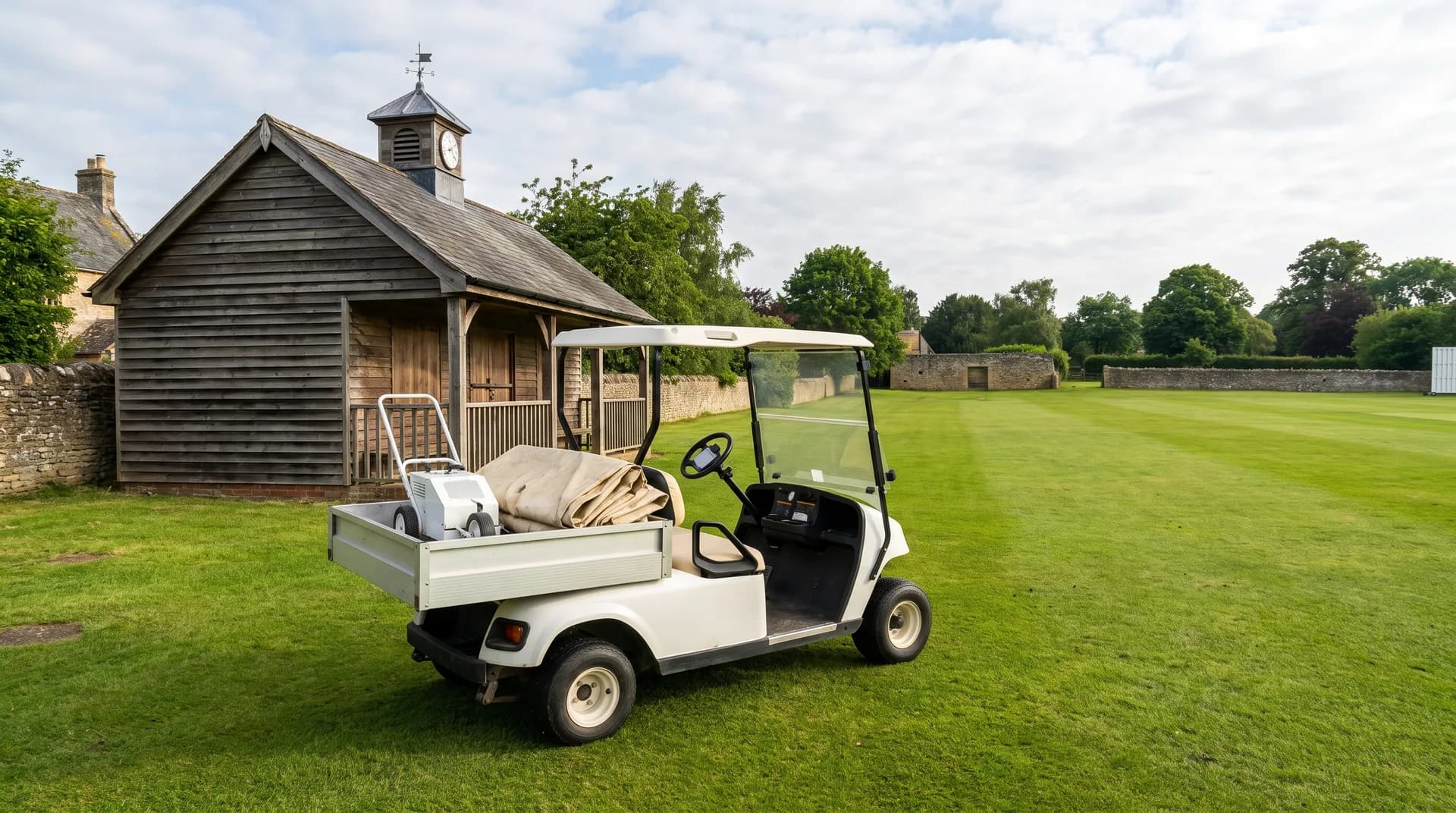
Four groups, with genuinely different needs. Teams and crews move tyres, tools, fuel drums, awning components and people between the garage, the truck and the assembly area, and they want a workhorse with load space that they can throw things onto without ceremony. Officials, marshals and race control need to cross the site quickly and reach specific points before sessions, so speed of availability matters more than capacity. Hospitality and guest transport is a completely different job: guests being taken from the entrance to a suite, or on a paddock tour, want a clean, presentable, comfortable vehicle, because a scruffy buggy at a corporate event is visible in every photograph. And media and broadcast need to move crew and equipment to positions around the circuit, often at short notice. Specifying one shared fleet for all four is the classic error, because the hospitality vehicle ends up carrying tyres by Saturday lunchtime.
- What they move
- Tyres, tools, fuel, awning parts, people
- What the vehicle needs
- Load bed or cargo box, payload headroom, robust finish
- What they move
- Themselves, fast, to a timetable
- What the vehicle needs
- Agile, always available, radio-friendly, lights
- What they move
- Guests, sponsors, VIPs
- What the vehicle needs
- Presentable, comfortable, weather protection, branding-ready
- What they move
- Crew and camera equipment
- What the vehicle needs
- Seats plus secure load space, access to trackside points
| What they move | What the vehicle needs | |
|---|---|---|
| Teams and crews | Tyres, tools, fuel, awning parts, people | Load bed or cargo box, payload headroom, robust finish |
| Officials and race control | Themselves, fast, to a timetable | Agile, always available, radio-friendly, lights |
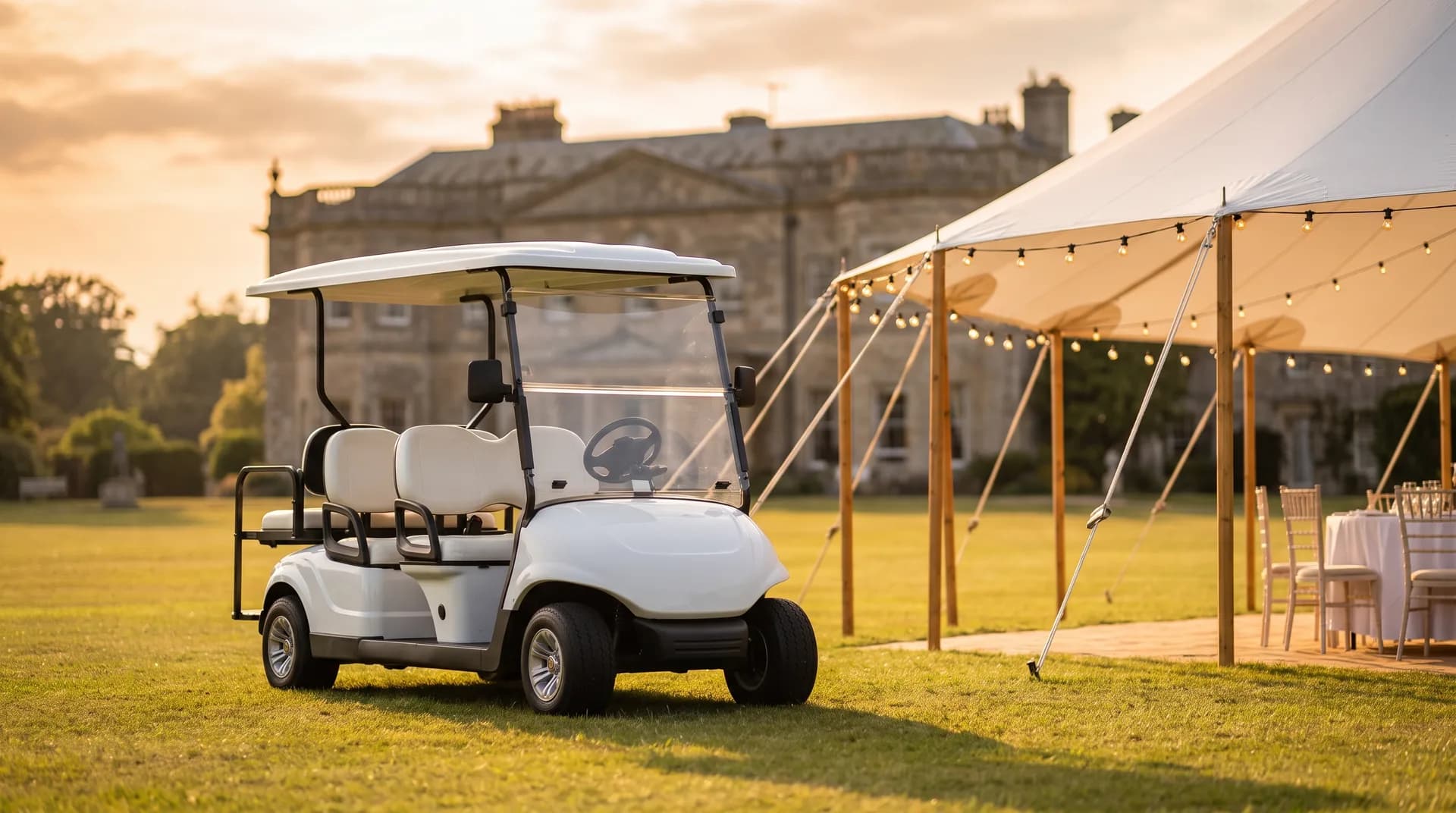
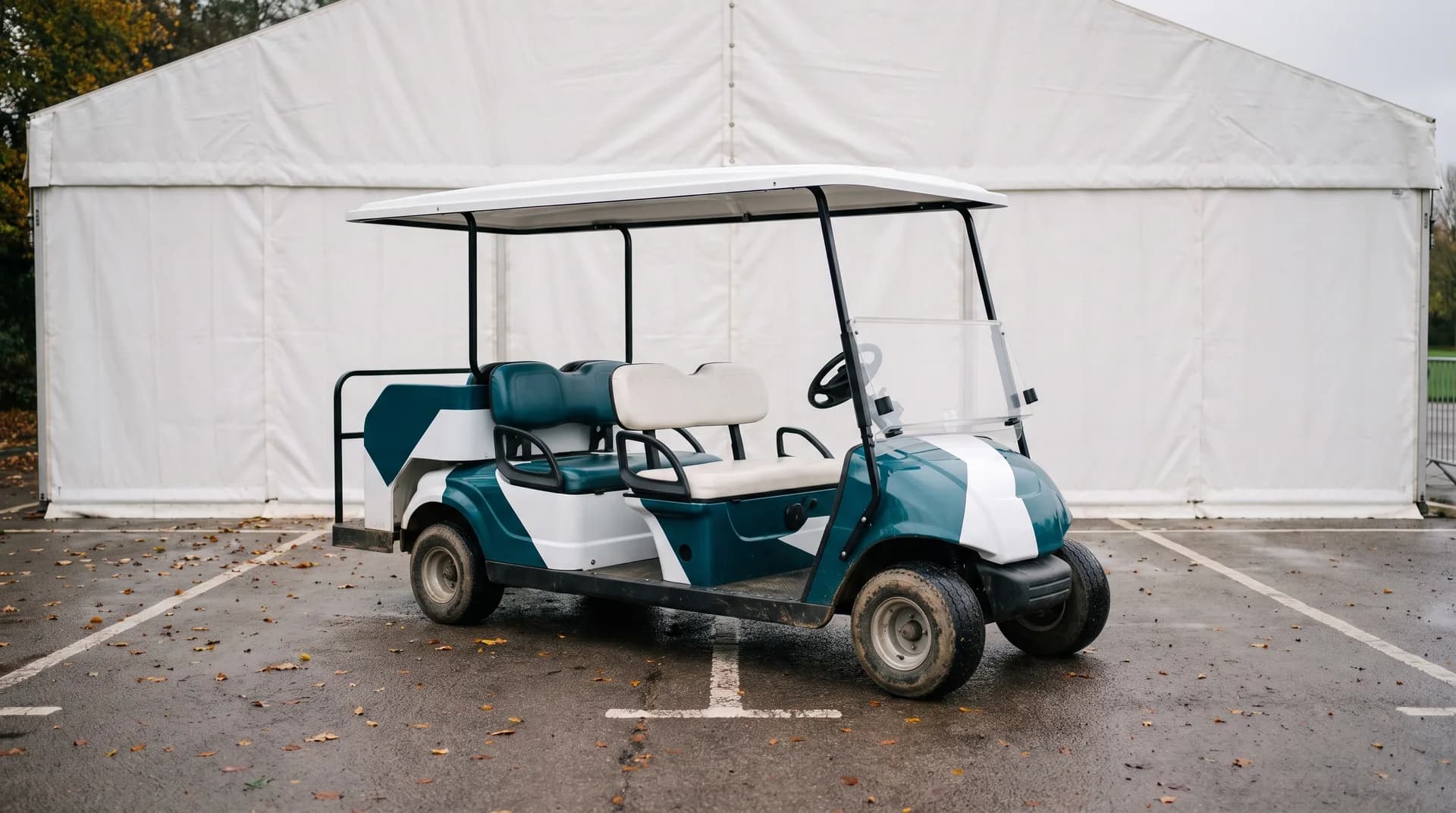
| Hospitality and guests | Guests, sponsors, VIPs | Presentable, comfortable, weather protection, branding-ready |
| Media and broadcast | Crew and camera equipment | Seats plus secure load space, access to trackside points |
Circuit rules: check them before you book
Every UK circuit runs its own paddock vehicle regime, and they vary more than people expect. Common requirements include a paddock vehicle permit, sometimes issued per vehicle and displayed; a stated speed limit, frequently well below what a buggy will do; restrictions on which areas vehicles may enter and at what times, particularly around the assembly area and pit lane; a minimum driver age and sometimes a licence requirement; and evidence of insurance. Some circuits prohibit certain vehicle types entirely, or require them to be off the paddock during sessions. None of this is difficult, but all of it is easier to satisfy in advance than at the gate on a Friday morning, and a fleet that arrives without permits is a fleet that sits on the trailer. Get the circuit's paddock regulations at the point you book the hire, and pass any vehicle documentation requirements straight to your supplier.
Why electric suits a paddock
Two practical reasons beyond the environmental one. Noise is the first, and it matters more in this environment than almost any other: a paddock is already loud, radio communication is constant and often difficult, and adding petrol engines to enclosed garages and awnings makes a hard job harder. An electric buggy is quiet enough to hold a conversation next to. Fumes are the second, and they are the decisive one for garages, hospitality units and any enclosed or partly enclosed space, where petrol exhaust is genuinely unpleasant and sometimes unacceptable to the venue. Add the fact that circuits increasingly have sustainability commitments of their own, and electric paddock transport is now the default expectation rather than the progressive choice. Charging is the trade-off, and on a long race weekend it needs planning: sockets, a designated area, and someone responsible for plugging in overnight.
Track days and club events, not just championships
Buggy hire at circuits is not only a professional championship activity. Track day operators, car clubs, manufacturer driving events, testing days and corporate driving experiences all run the same problem at a smaller scale: a big site, a timetable, and people who need to be at the assembly area now. For these events one or two well-specified vehicles usually transform the day, typically one for the organising team and one for guest movement. Manufacturer and corporate events add a further consideration, which is presentation: at an event where guests are being hosted by a brand, the support vehicles are part of the brand's environment, and a branded or wrapped buggy is both a practical vehicle and a piece of the set, as our guide to branded and wrapped buggy hire explains.
Motorsport paddock buggy hire: specifying a fleet for a race weekend
Four questions size it. How long is the hire, really, counting build day, practice, qualifying, race day and load-out, because a race weekend is rarely two days and hire runs from delivery to collection? What are the distances, since a compact club circuit and a full grand prix venue are different problems? Which of the four user groups above are you serving, and can any genuinely share vehicles? And what does the circuit require in permits, documentation and driver criteria? Give a supplier those four and the quote will be close to final. If you are running hospitality alongside the sporting side, our guide to corporate event buggy hire covers the guest-facing considerations, and when you are ready we will build the fleet in one hire quote.
Frequently asked questions
Can you hire buggies for a motorsport paddock?+
Yes, and paddock transport is one of the most common event hire jobs at UK circuits. Fleets typically mix utility vehicles for teams and crews with presentable passenger vehicles for hospitality, officials and media, hired for the full weekend from build day to load-out.
Do circuits have rules about paddock vehicles?+
Almost all of them do, and they vary. Expect requirements around permits, speed limits, which areas vehicles may enter and when, minimum driver age or licence, and evidence of insurance. Get the circuit's paddock regulations at booking and pass any documentation requirements to your supplier.
Are electric buggies better than petrol in a paddock?+
For most paddock work, yes. Noise matters in an environment where radio communication is already difficult, and fumes are a real problem in garages, awnings and hospitality units. Charging is the trade-off, so plan sockets, a designated area and someone responsible for overnight charging.
How many buggies does a race weekend need?+
It depends on circuit size and how many user groups you are serving. Teams, officials, hospitality and media have genuinely different needs and share vehicles badly, so specify by role rather than by a single seat count, then size from the distances involved.
Can you hire buggies for a track day?+
Yes, and one or two vehicles usually transform a track day: one for the organising team moving between paddock, assembly and control, and one for guest or participant movement. Manufacturer and corporate driving events often add branded vehicles for presentation.
Racing this season?
Tell us the circuit, the weekend and who needs moving, and we will specify a paddock fleet that suits the teams and the hospitality alike.
Related solutions
Ready to explore what we build?
See the vehicles and the setting this applies to, or get a tailored quote built around your site.

Ready to find the right buggy?
Tell us how and where it will work and we will specify a vehicle and a tailored quote built around you. Every build comes with a 3-year warranty and a 24-hour priority call-out.
Our guides are written and reviewed by the Hawke Electric Vehicles team, the people who specify, build, deliver and support the vehicles. We focus on honest, practical advice and flag where a figure depends on the build rather than guessing.
More guides by Hawke