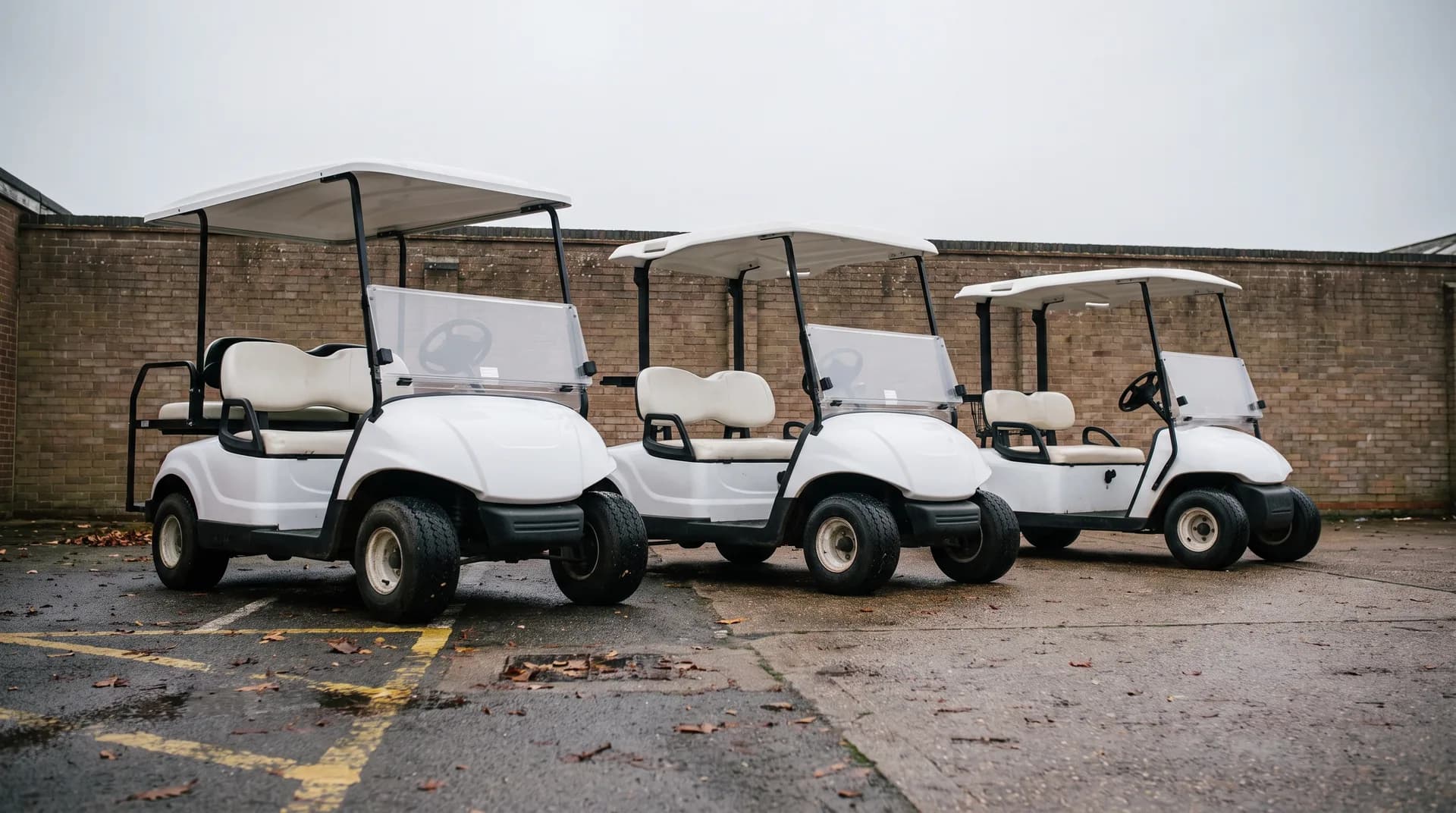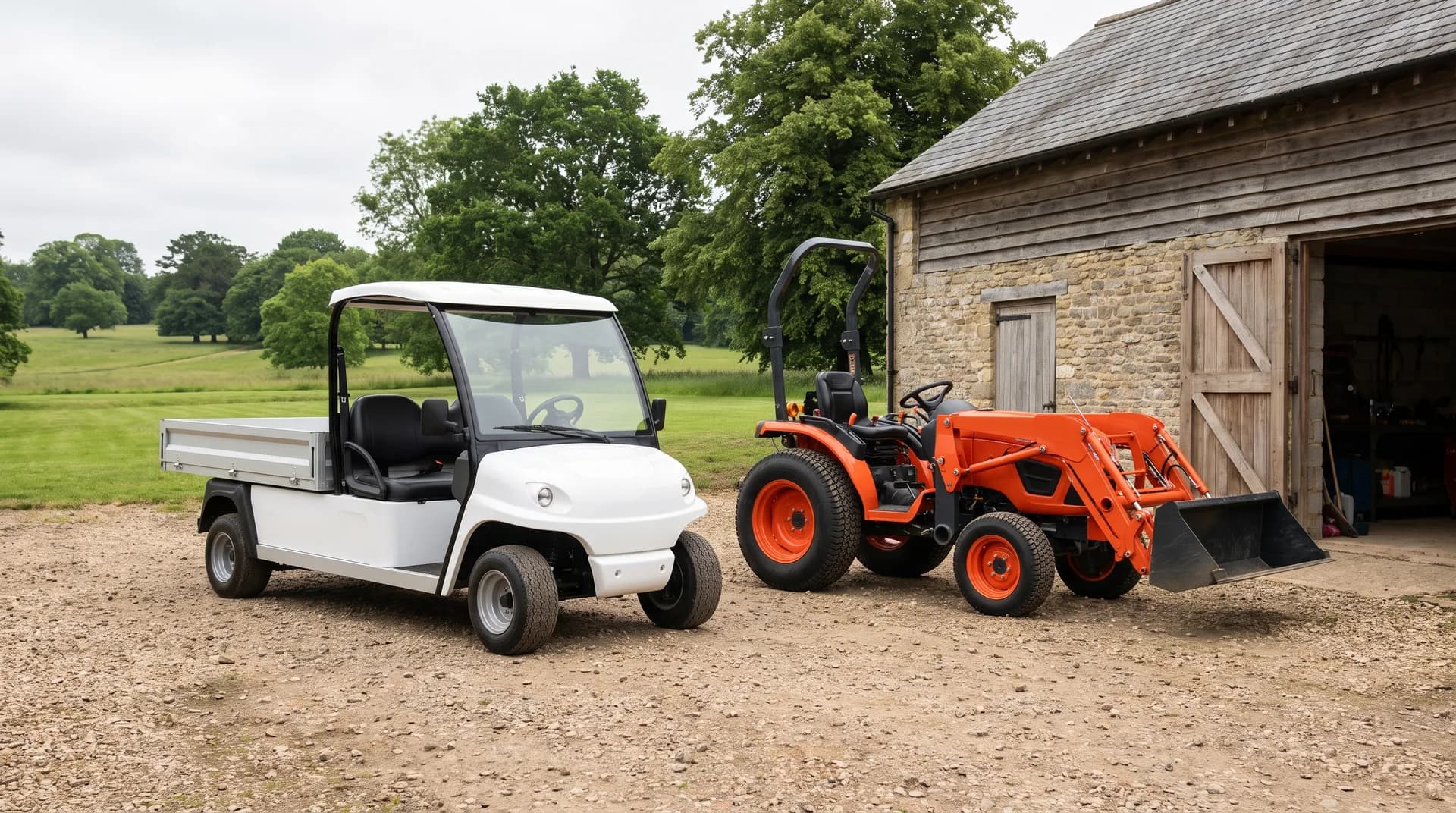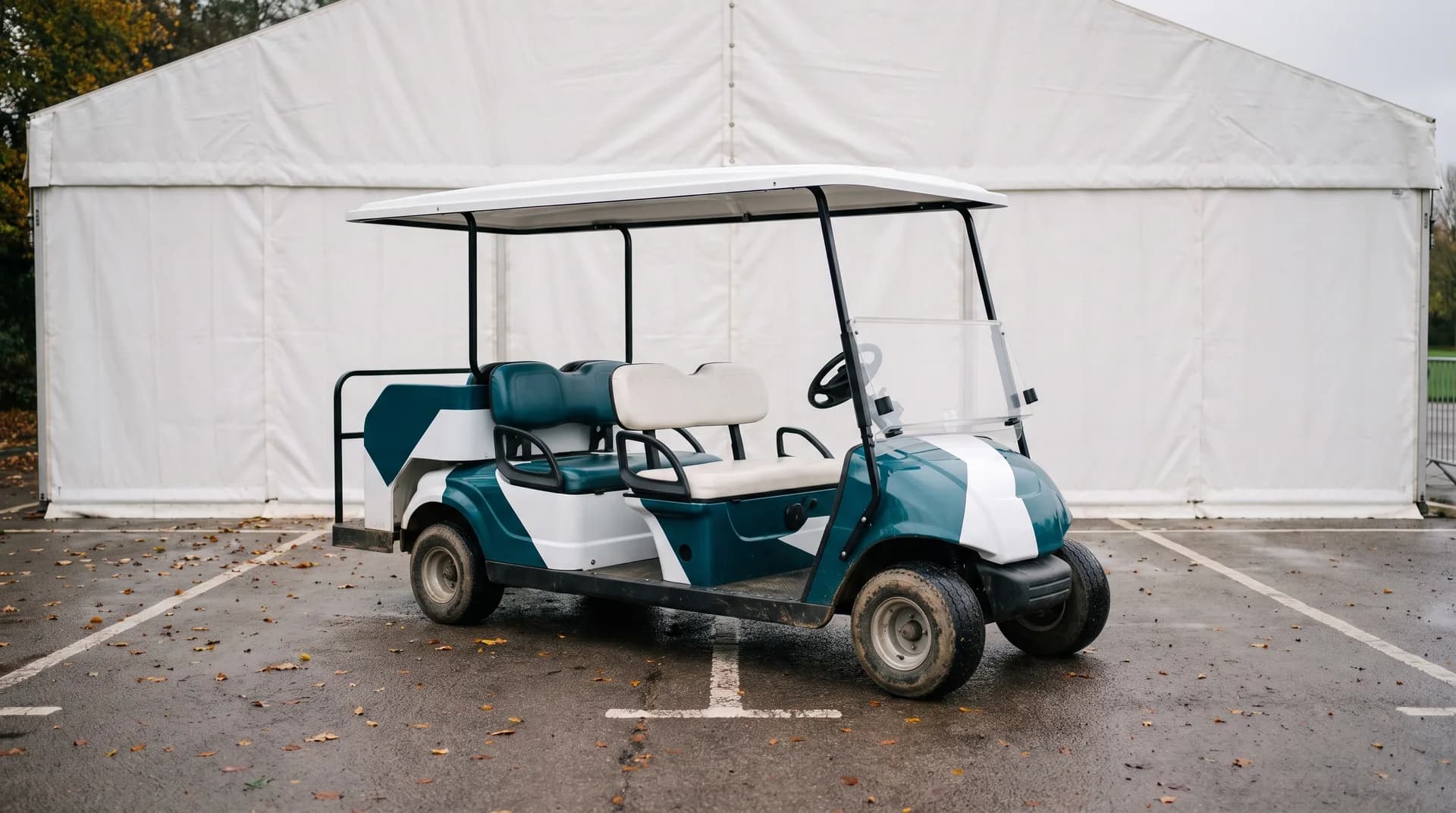
A branded buggy is an unusual sponsorship asset: it is a moving billboard that people voluntarily walk over to and ask to be photographed next to. Most brand assets at an event are static, ignorable and photographed only by the agency. A wrapped buggy circulating a golf day, a festival or an exhibition hall is seen from every angle by everyone, appears in the background of hundreds of guest photographs, and carries people who then associate the ride with the brand. It is also, unlike a stand or a banner, genuinely useful, which is why activation teams keep coming back to it. This guide covers how branded buggy hire actually works: the branding options, artwork and lead times, where it performs best, and what to agree with the hire supplier before you commit.
- Full wrap, part wrap and printed panels are three different products with different costs, lead times and finishes.
- Lead time is the constraint people underestimate: artwork, print and application all take real days.
- Design for the vehicle, not for a flat page; a buggy has curves, gaps, poles and a canopy.
- Agree removal and reinstatement in the hire agreement before anything is applied.
- The best returns come where guests ride in it, not just look at it.
Three ways to brand a hire buggy
They are not variations of the same thing. A full vinyl wrap covers the bodywork in printed vinyl and gives the most complete transformation, including colour changes, and it is the option that photographs best. It also costs the most, takes the longest, and needs the vehicle off the road for application and removal, which has to be built into the hire period. A part wrap or panel wrap covers defined areas, typically the side panels, front and rear, keeping the base colour elsewhere. It is faster, cheaper and often reads almost as strongly in photographs, particularly if the base vehicle is white and your artwork is bold. Printed panels, magnetic or fixed boards, and canopy or roof branding are the light-touch options: quickest, cheapest, easily changed between days, and ideal when several sponsors rotate across an event or a series. Our guide to custom fleet branding covers the technical side in more depth.
- Impact
- Highest; total transformation
- Lead time
- Longest; artwork, print and application
- Best for
- Headline sponsor, long hire, hero vehicle
- Impact
- High on a white base vehicle
- Lead time
- Moderate
- Best for
- Most activations and event sponsorships
- Impact
- Good, and instantly readable
- Lead time
- Short
- Best for
- Multi-sponsor events, rotating branding
- Impact
- Strong from above and at distance
- Lead time
- Short
- Best for
- Aerial and drone photography, large sites
- Impact
- Subtle, tidy
- Lead time
- Shortest
- Best for
- Corporate hospitality where restraint is the point
| Impact | Lead time | Best for | |
|---|---|---|---|
| Full vinyl wrap | Highest; total transformation | Longest; artwork, print and application | Headline sponsor, long hire, hero vehicle |
| Part or panel wrap | High on a white base vehicle | Moderate | Most activations and event sponsorships |
| Printed panels or boards | Good, and instantly readable | Short | Multi-sponsor events, rotating branding |
| Canopy and roof branding | Strong from above and at distance | Short | Aerial and drone photography, large sites |
| Decals and logo only | Subtle, tidy | Shortest | Corporate hospitality where restraint is the point |
Lead times: the thing that catches everyone out
The vehicle is available long before the branding is. A wrap involves artwork prepared to the vehicle's actual template, printing, laminating, and application by someone who does it professionally, and each of those stages takes real days rather than hours. Then the vehicle has to travel to your event. Work backwards from your event date and you will usually find that artwork needs to be signed off considerably earlier than the marketing team expects, because signing off artwork is the stage that always slips. Two practical habits fix this. Ask your supplier for the vehicle template at the same time you enquire about the hire, so the designer is working to real dimensions from day one. And set an artwork deadline that is earlier than the production deadline, because the first version is rarely the final one and someone senior will want a change.
Designing for a buggy, not for a page
Vehicles are awkward canvases and designers who have never wrapped one produce artwork that looks superb as a flat PDF and disappointing in reality. Four things to brief. The usable panel areas are smaller than the vehicle looks, because seats, poles, wheel arches, screens and gaps interrupt the surface. Curves distort artwork, so a logo placed across a compound curve will not read as it does flat. The canopy roof is a large, uninterrupted and frequently forgotten surface that photographs superbly from above, which matters if there is drone coverage. And legibility at distance beats detail: a buggy is seen moving, at ten to thirty metres, by people who glance at it, so a bold mark and a single message outperform a dense layout every time. Ask to see a mock-up on the actual vehicle template before approving anything.
Where branded buggies actually perform
Some environments repay it far better than others. Golf days and tournaments are the natural home, since the buggy is already part of the event and a branded fleet reads as sponsorship rather than intrusion, as our golf day hire guide covers. Festivals and outdoor events work well because the vehicle circulates continuously past large numbers of people. Exhibition stands are a strong use, where a branded buggy stops traffic in a hall of banners, covered in our trade show guide. Product launches and experiential activations use them as both transport and set dressing. And corporate hospitality at sporting events uses restrained branding, where a discreet logo on a smart vehicle says more than a full wrap would. The common factor in the successful cases is that guests ride in it: a vehicle people sit in generates far more engagement than one they merely see.
What to agree with the hire supplier
- Who applies the branding, and where: at the depot, at a wrapper, or on site
- Whether the application and removal days sit inside the chargeable hire period
- Who pays for removal, and who is responsible if removal marks the paintwork
- The vehicle template and exact panel dimensions, in writing, before design starts
- Artwork deadline, print deadline and delivery date, working backwards from the event
- Whether the base vehicle colour suits your palette, or whether a wrap must cover it
- What happens if the vehicle is damaged and substituted at short notice
Making the numbers work
Branding adds cost to a hire, so it needs a reason. The strongest cases are where the vehicle is doing a job anyway, an activation that needed transport, a golf day that needed buggies, a stand that needed a focal point, and the branding is an increment on a cost already committed rather than a new line. The weakest are where a vehicle is hired purely as a billboard and then parked, which is an expensive banner. Look at it in terms of dwell and photographs: how many people will see it, for how long, and how many will be photographed with it. On that measure a wrapped buggy circulating a busy site for three days compares well with almost any other physical asset. Tell us the event, the dates and what the vehicle needs to do, and we will price the hire and the branding together in one quote.
Frequently asked questions
Can you brand a hire golf buggy?+
Yes. Options range from a full vinyl wrap, through part and panel wraps, to printed panels, canopy branding and simple decals. Agree with the supplier who applies and removes it, where that happens, and whether those days sit inside the chargeable hire period.
How long does it take to wrap a buggy?+
Longer than most people plan for, because artwork preparation, printing, laminating and professional application each take real days, and the vehicle then has to travel to your event. Work backwards from the event date and set an artwork deadline earlier than the production deadline.
Is a full wrap better than printed panels?+
It has the most impact and photographs best, but a part wrap on a white base vehicle often reads almost as strongly for less cost and time. Printed panels are ideal where several sponsors rotate across an event, because they can be changed between days.
What should branded buggy artwork avoid?+
Dense layouts and fine detail. A buggy is seen moving, at distance, by people glancing at it, so a bold mark and one message outperform a busy design. Also design to the real vehicle template, because seats, poles, arches and screens interrupt the usable panel area.
Where do branded buggies work best?+
Golf days and tournaments, festivals, exhibition stands, product launches and experiential activations. The common factor in the successful cases is that guests actually ride in the vehicle, because a buggy people sit in generates far more engagement than one they only walk past.
Branding a vehicle for an activation?
Send us the event dates and your artwork requirements and we will price the hire and the branding together, with the lead times mapped out.
Related solutions
Ready to explore what we build?
See the vehicles and the setting this applies to, or get a tailored quote built around your site.
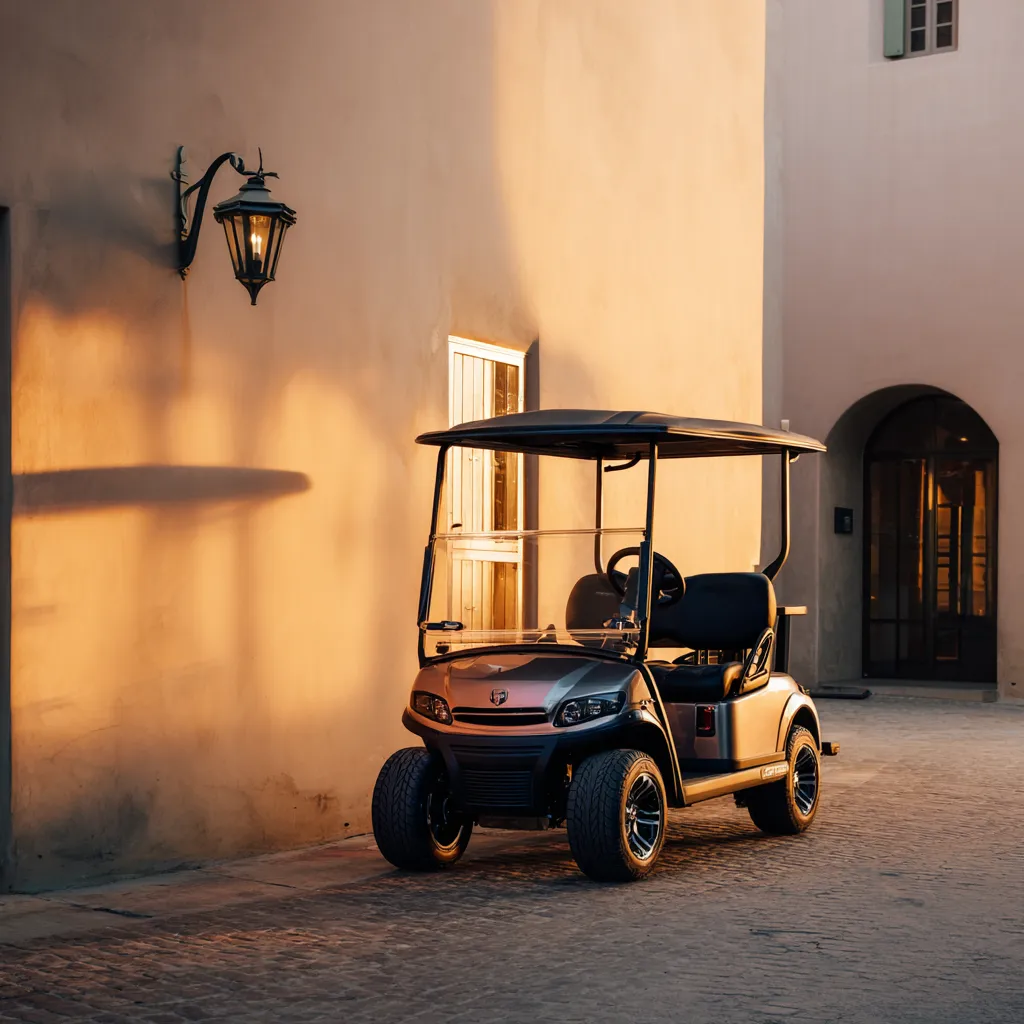
Ready to find the right buggy?
Tell us how and where it will work and we will specify a vehicle and a tailored quote built around you. Every build comes with a 3-year warranty and a 24-hour priority call-out.
Our guides are written and reviewed by the Hawke Electric Vehicles team, the people who specify, build, deliver and support the vehicles. We focus on honest, practical advice and flag where a figure depends on the build rather than guessing.
More guides by Hawke