How steep a hill can a golf buggy climb? For the slopes found on a normal UK golf course, the honest answer is: comfortably, any modern electric buggy in good health will manage them without drama. The interesting question starts where the ordinary course ends. Sustained steep gradients, a long haul up a hillside course, a steep estate track, a loaded climb out of a valley, are where machines separate, and what separates them is not top speed but torque, battery headroom, the weight on board and the grip under the tyres. This guide explains climbing ability in plain English, what actually decides it, how load changes it, and how to come back down safely.
- Any healthy modern buggy handles the slopes of a normal golf course without difficulty.
- Sustained steep climbs are decided by torque and battery headroom, not top speed.
- Load changes everything: four passengers and kit can noticeably blunt a climb that is easy unladen.
- Traction and power are different problems: a buggy can have the torque and still spin its wheels on wet grass.
- Descend using the motor's braking, steadily and straight down the slope, rather than riding the brakes.
How steep a hill can a golf buggy climb in practice
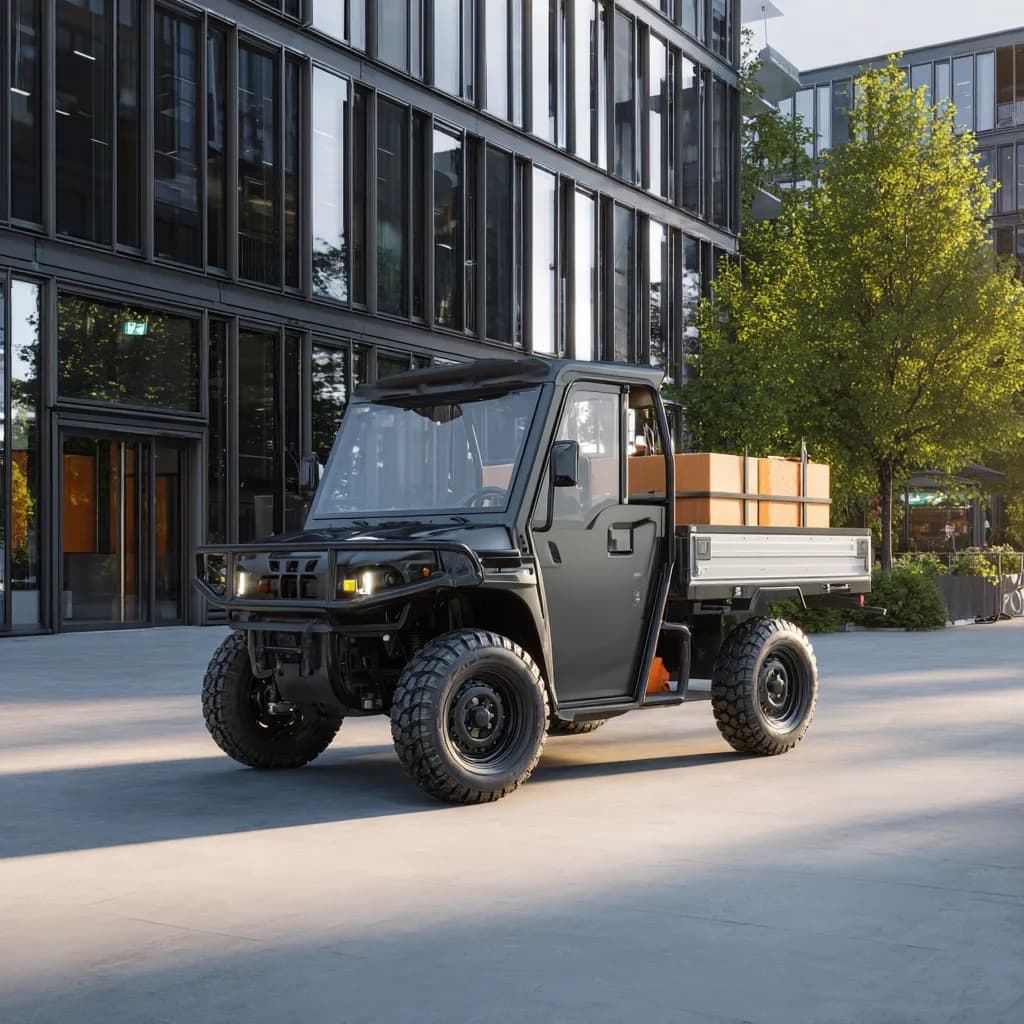
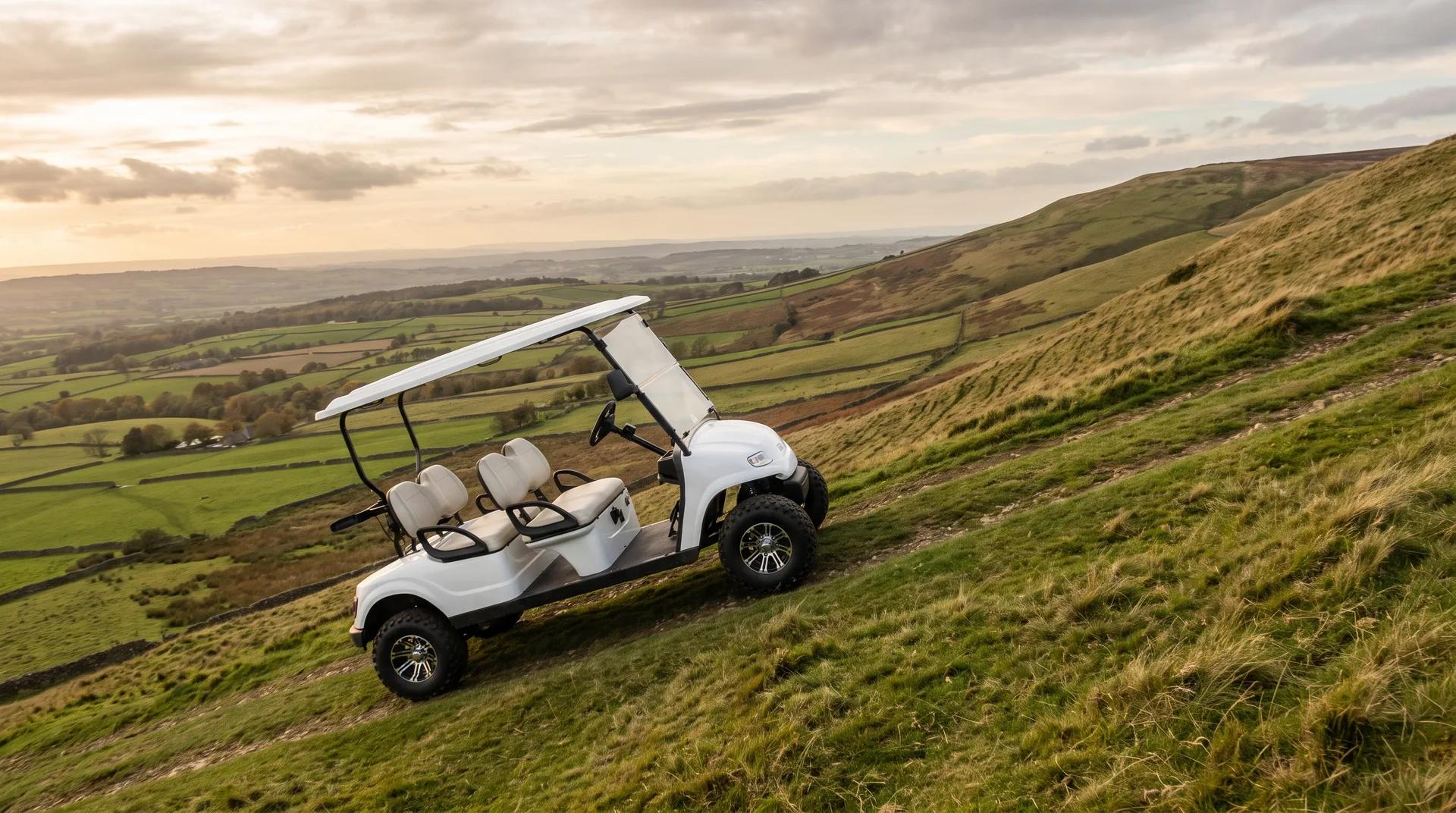
Think in bands rather than numbers, because a single gradient figure hides more than it reveals. Gentle, rolling course terrain, the fairway slopes and path climbs that make up almost all UK golf, is well within the ability of every machine we would put our name to. Short, sharp pitches, a steep ramp to a clubhouse, a brief bank on a path, are also fine for most buggies taken with a little momentum. Sustained steep gradients, long climbs on hilly courses, parkland or estate tracks, are where specification starts to matter: you want strong torque, a healthy battery with charge in reserve, and tyres suited to the surface. Beyond that sits genuinely extreme ground, which is specialist off-road territory rather than golf buggy work. If your ground lives in the third band, say so at the quote stage, and see our guide to the best buggies for hilly courses.
- Terrain
- The normal UK golf course
- Typical demand
- Light
- What it needs
- Any healthy modern buggy
- Terrain
- Ramps, banks, brief climbs
- Typical demand
- Moderate, briefly
- What it needs
- Most buggies, taken with momentum
- Terrain
- Hillside courses, estate tracks
- Typical demand
- High and continuous
- What it needs
- Strong torque, battery headroom, right tyres
- Terrain
- Rough steep ground
- Typical demand
- Specialist
- What it needs
- An off-road machine, not a course buggy
| Terrain | Typical demand | What it needs | |
|---|---|---|---|
| Rolling course slopes | The normal UK golf course | Light | Any healthy modern buggy |
| Short, sharp pitches | Ramps, banks, brief climbs | Moderate, briefly | Most buggies, taken with momentum |
| Sustained steep gradients | Hillside courses, estate tracks | High and continuous | Strong torque, battery headroom, right tyres |
| Extreme off-road inclines | Rough steep ground | Specialist | An off-road machine, not a course buggy |
What decides how steep a golf buggy can climb
Three things, in order. First, torque: the twisting force the motor puts through the wheels, which is what actually hauls weight up a slope. Electric motors are naturally good at this, delivering their pull from a standstill, which is why an electric buggy often feels stronger on a hill than its size suggests, our guide on how electric buggies work explains why. Second, battery headroom: a battery low on charge, cold, or simply old sags under heavy load, and climbing is the heaviest load there is, so a buggy climbs best in the first half of its charge and worst in the last. Third, traction, and this is the distinction people miss: grip and power are different problems. A buggy can have ample torque and still fail a wet, grassy slope because the tyres spin, which no extra power fixes. On damp UK ground, tyre choice and smooth throttle work decide as many climbs as the motor does.
Laden versus unladen: the difference load makes
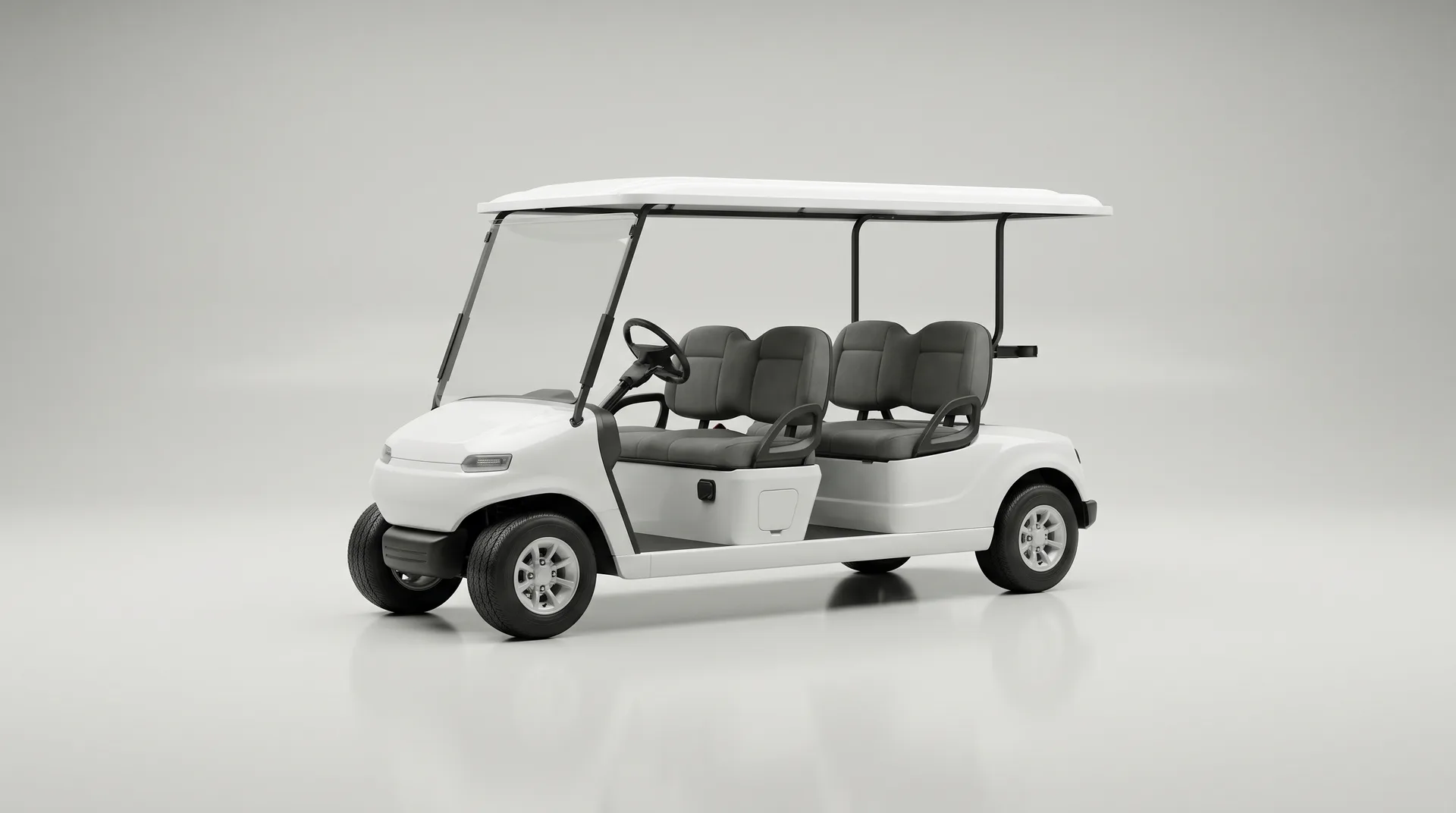
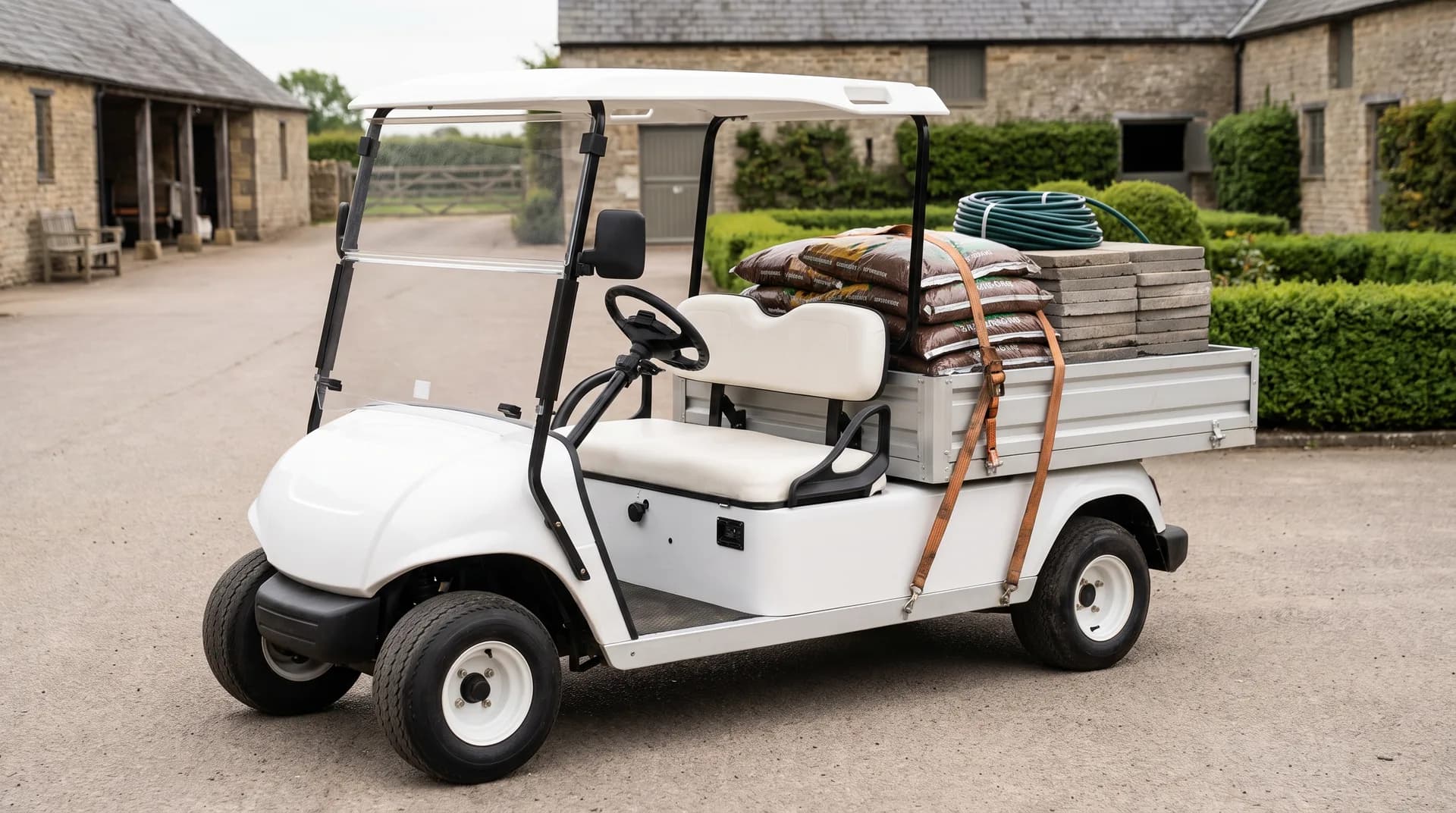
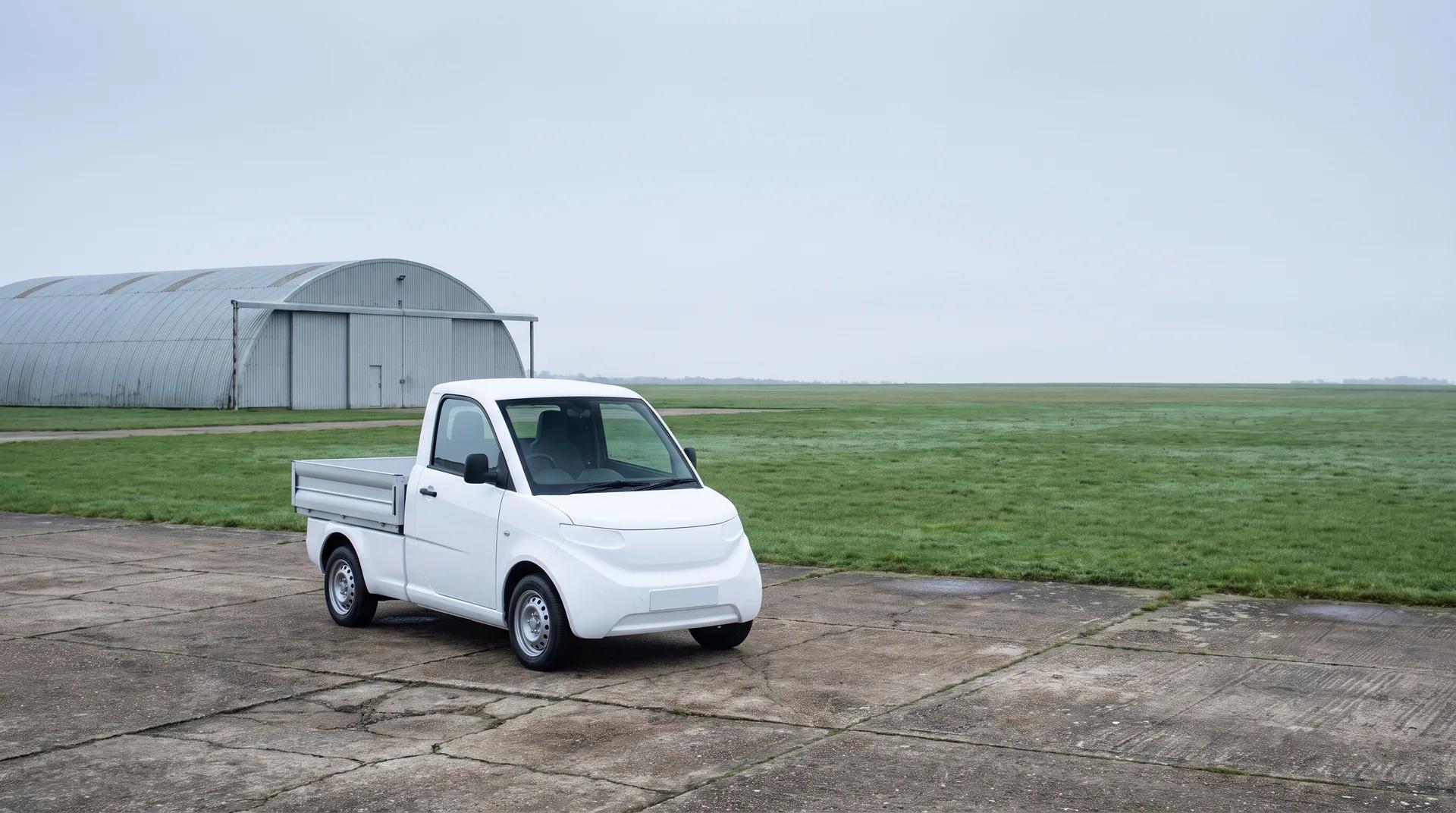
Every climbing figure quietly assumes a load, and the difference is bigger than most buyers expect. A buggy that skips up a slope with one golfer aboard works far harder with four adults, bags and wet-weather kit, the machine may be hauling half its own weight again, and on a long climb that shows as slower progress and faster battery drain. For work vehicles, a laden load bed or a trailer on the back moves the demand up a band: a slope that is trivial unladen can become a genuine test at maximum payload. Be honest about your typical load when specifying, and read our guide on how much weight a buggy can carry alongside this one, because payload and gradient always work as a pair.
Coming down: descending safely
Going up is a power problem; coming down is a control problem, and it deserves equal respect. Modern electric buggies use their motor to hold speed downhill, you feel the machine hold itself back as you lift off the accelerator, and many add braking energy back into the battery as they do it. Let that system do the work: descend steadily, straight down the slope rather than across it, and use the brake pedal to trim your speed rather than riding it all the way down, which overheats brakes and flat-spots grip exactly when you need both. Never descend a steep slope in neutral or with the freewheel or tow switch engaged, because that disconnects the motor braking entirely. Taken this way, a buggy is as composed going down as it is coming up.
If your buggy used to climb and now struggles
A note of diagnosis: this guide is about what a buggy can do by design. If a machine that used to take a slope easily now labours, slows or cuts out on the same climb, that is not a capability question but a fault, most often a battery past its best, a connection resisting under load, or a motor or controller issue, and our guide on a buggy losing power uphill walks through the causes in order of likelihood. For a new purchase, the simplest route is to tell us about your steepest regular climb and your typical load, and we will match a machine from the range with the torque and battery to handle it with margin, because a buggy that climbs your hill easily today is the one still climbing it comfortably in year five.
Frequently asked questions
Can a golf buggy handle a hilly golf course?+
Yes. Any healthy modern electric buggy handles normal UK course slopes comfortably, and hillier courses are well within reach of machines specified with strong torque and a good battery. Tell your supplier the course is hilly so the specification matches.
What matters more for hills, power or speed?+
Torque, the pulling force at the wheels, matters far more than top speed. Electric motors deliver torque from a standstill, which is why electric buggies climb well. Battery health and grip then decide whether that torque reaches the ground.
Does a full battery climb better than a low one?+
Noticeably, yes. Climbing is the heaviest demand a buggy faces, and a battery that is low, cold or ageing sags under it. Plan hilly days so the steep work happens in the first half of the charge rather than the last.
How does passenger load affect climbing?+
Substantially. Four adults and kit can add something approaching half the vehicle's own weight, which slows climbs and drains the battery faster. Laden ability, not unladen, is the figure that matters, so specify for your real load.
What is the safest way to drive a buggy downhill?+
Steadily, straight down the slope, letting the motor's braking hold your speed and using the pedal only to trim it. Never descend in neutral or with the tow or freewheel switch engaged, as that removes the motor braking.
Got a hill to climb?
Tell us your steepest regular gradient and your typical load, and we will recommend a machine with the torque and battery headroom to handle it with margin, priced to your specification.
Related solutions
Ready to explore what we build?
See the vehicles and the setting this applies to, or get a tailored quote built around your site.

Ready to find the right buggy?
Tell us how and where it will work and we will specify a vehicle and a tailored quote built around you. Every build comes with a 3-year warranty and a 24-hour priority call-out.
Our guides are written and reviewed by the Hawke Electric Vehicles team, the people who specify, build, deliver and support the vehicles. We focus on honest, practical advice and flag where a figure depends on the build rather than guessing.
More guides by Hawke