Electric utility vehicle hire means renting a working vehicle, a pickup, tipper, burden carrier or tow tractor, for a fixed period rather than buying it outright. It is how event organisers cover a build week, how grounds teams bridge a busy season, and how sensible fleet buyers test a vehicle on their own site before committing. The vehicle arrives charged and ready, works for the duration, and goes back when the job ends, with no capital tied up and no vehicle sitting idle for the other ten months of the year. This guide explains when hiring beats buying, how day and season rates are typically structured, and what to expect from delivery and collection.
- Hire suits defined periods: an event build, a season of grounds work, or a trial before a fleet purchase.
- Rates are usually structured per day, per week or per season, with longer periods costing less per day.
- Delivery and collection are normally charged separately, so cluster your dates to spread that cost.
- Hiring first is the lowest-risk way to prove an electric vehicle on your own terrain and duty cycle.
- Book early for summer: event season concentrates demand into the same few months.
When electric utility vehicle hire makes more sense than buying
The case for hire is strongest when the work has a clear start and end. Events are the obvious example: a festival or show site needs vehicles hardest during build and break, moving fencing, staging, water and waste, and needs almost nothing between events. Seasonal grounds work is similar, a holiday park, sports venue or estate may be flat out from spring to autumn and quiet all winter, and a season hire covers the peak without a vehicle depreciating in a shed for the rest of the year. The third case is the trial: if you are weighing up a fleet purchase, a few weeks of hire on your own ground answers questions no brochure can, how the range holds up on your slopes, whether the bed suits your loads, and whether the team actually reaches for it. Our guide on how event buggy hire works walks through the booking process itself.
What you can hire
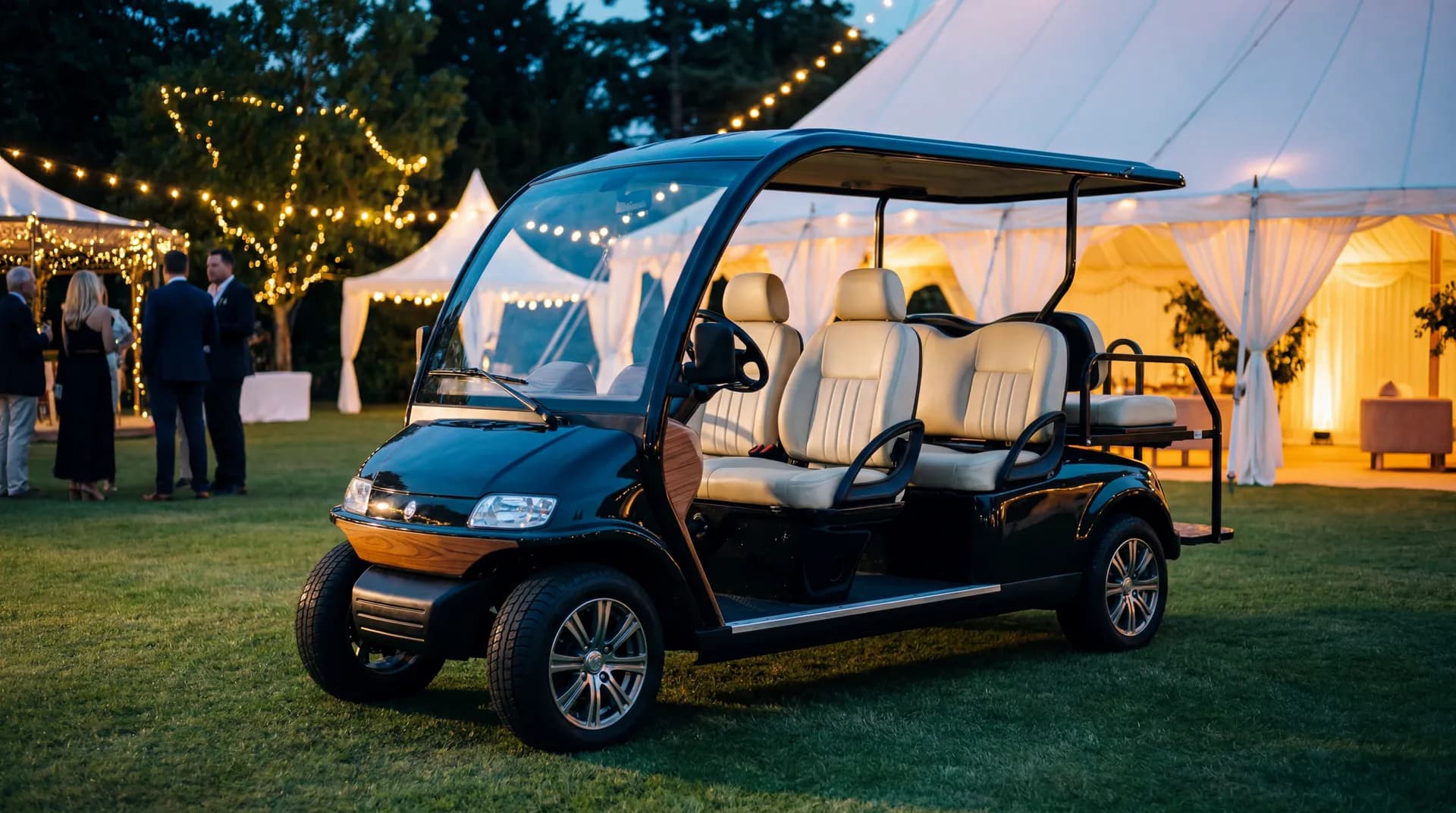
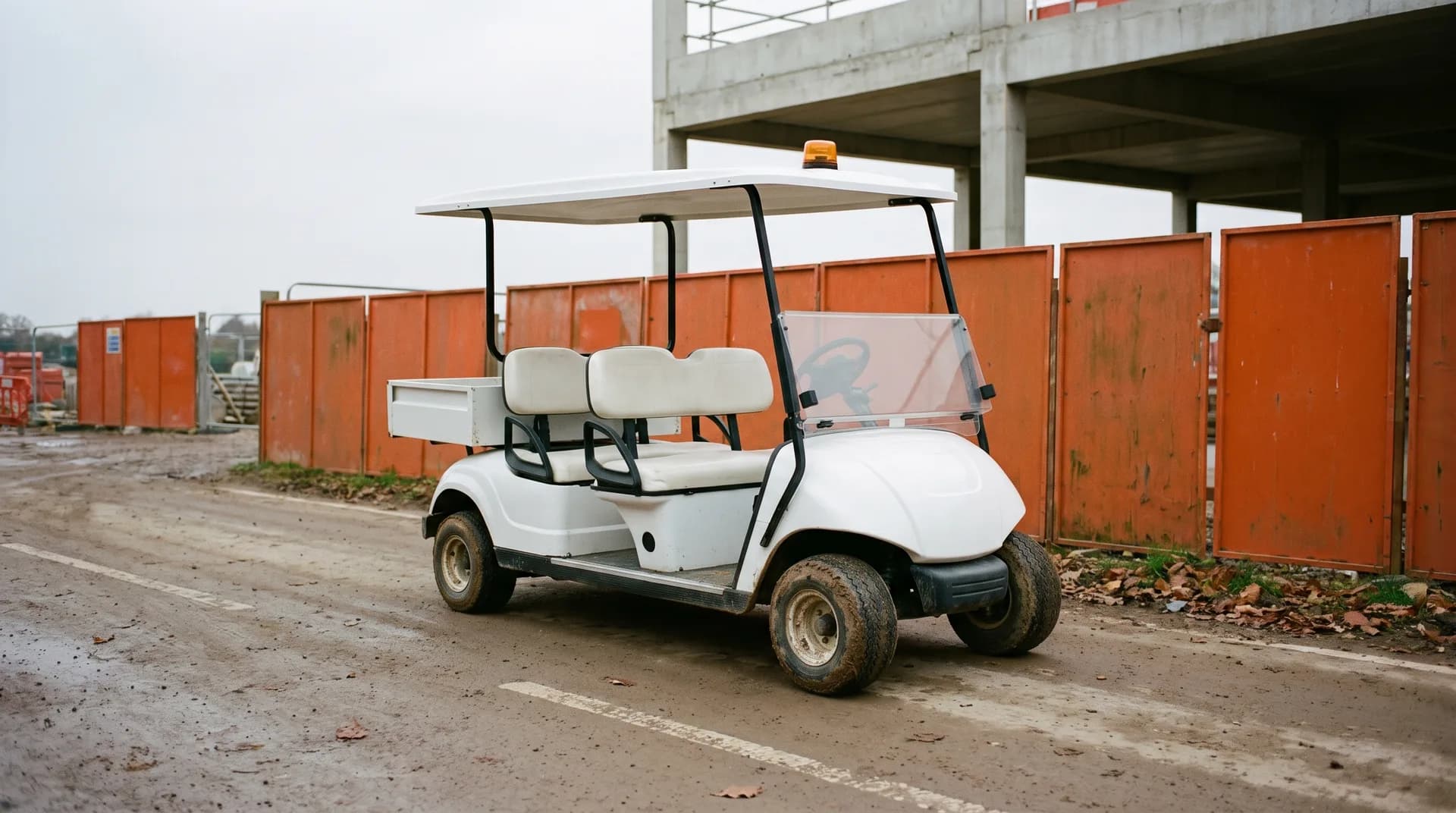
Utility hire covers the same families as purchase. Pickups with an open load bed handle general carrying, tools, materials and bins. Tippers add a tipping bed for loose loads such as green waste and aggregates. Burden carriers are the flat-bed workhorses for bulkier, heavier items, and tow tractors pull trains of trailers where one trip needs to move a lot. Many hires mix types, a couple of pickups for the general running plus a tipper for the waste runs is a common event package, and passenger buggies can join the same booking where crew also need moving, which our guide to hiring electric buggies for events covers from the passenger side. If you want to see what the working end of the range looks like before you book, the electric utility vehicle line-up shows the platforms these hires are drawn from.
- Day hire
- Single event day or short job
- Week hire
- Event build and break, short projects
- Season hire
- Whole operating season
- Day hire
- Highest
- Week hire
- Lower than day rate
- Season hire
- Lowest
- Day hire
- Largest share of total cost
- Week hire
- Spread over the week
- Season hire
- Marginal over the season
- Day hire
- One-off needs
- Week hire
- Events and trials
- Season hire
- Seasonal venues and parks
| Day hire | Week hire | Season hire | |
|---|---|---|---|
| Typical use | Single event day or short job | Event build and break, short projects | Whole operating season |
| Cost per day | Highest | Lower than day rate | Lowest |
| Delivery impact | Largest share of total cost | Spread over the week | Marginal over the season |
| Best for | One-off needs | Events and trials | Seasonal venues and parks |
How electric utility vehicle hire is priced
Utility hire is normally quoted per vehicle per day, with weekly and seasonal structures that bring the effective daily rate down as the period extends. The variables that move a quote are the vehicle type and payload, the number of vehicles, the hire length, and the distance for delivery and collection. Delivery is the item people forget: vehicles travel to site by transporter, and that leg is usually charged separately from the hire itself, which is why a single two-day hire a long way from the depot can cost a surprising share of the total in transport. Clustering your dates, sharing a delivery across several vehicles, and booking the full build-to-break window in one hire all work in your favour. Because every site and package differs, hire is quoted rather than listed, and a request with your dates, site postcode and vehicle needs gets you a real figure quickly.
Delivery, charging and handover
A good hire arrives charged, with the handover covering controls, charging and any site-specific limits such as gradients or towing capacity. Charging on site is usually straightforward, most utility vehicles charge from a standard 13-amp supply overnight, so a weatherproof socket near where the vehicles park is all many sites need. Agree who is responsible for daily checks and charging during the hire, confirm who may drive, and walk the site with the delivery driver if access is tight. At the end, vehicles are collected from an agreed point, so plan the break so they are accessible, not parked behind a marquee that comes down last. If the hire is a trial before a purchase, use it deliberately: run the vehicle on your worst ground, your longest day and your heaviest loads, because that is the evidence a buying decision should rest on. Dedicated buggy and vehicle hire enquiries can bundle passenger and utility vehicles in one booking.
Frequently asked questions
How much does it cost to hire an electric utility vehicle in the UK?+
Hire is quoted per vehicle per day, with weekly and seasonal structures that reduce the effective daily rate for longer periods. Vehicle type, quantity, hire length and delivery distance all move the figure, so quotes are tailored to your dates and site.
Is delivery included in the hire rate?+
Usually not: delivery and collection by transporter are typically charged separately from the hire itself. Sharing one delivery across several vehicles, or hiring for a longer continuous period, spreads that cost.
Can I hire a utility vehicle to try before buying a fleet?+
Yes, and it is one of the best reasons to hire. A few weeks on your own site proves range, payload and terrain fit far better than a demonstration, and the lessons feed directly into the specification you eventually buy.
How are hire vehicles charged on site?+
Most charge overnight from a standard 13-amp socket, so a weatherproof supply near the parking point is normally all a site needs. Agree charging responsibilities at handover so vehicles start every day full.
Can I mix utility and passenger vehicles in one hire?+
Yes. Events commonly combine pickups or tippers for the working fleet with passenger buggies for crew and guest movement, delivered and collected together.
Get a hire quote for your dates
Tell us the dates, the site and what the vehicles need to do, and we will put together a hire package with delivery included in the figure.
Related solutions
Ready to explore what we build?
See the vehicles and the setting this applies to, or get a tailored quote built around your site.

Ready to find the right buggy?
Tell us how and where it will work and we will specify a vehicle and a tailored quote built around you. Every build comes with a 3-year warranty and a 24-hour priority call-out.
Our guides are written and reviewed by the Hawke Electric Vehicles team, the people who specify, build, deliver and support the vehicles. We focus on honest, practical advice and flag where a figure depends on the build rather than guessing.
More guides by Hawke