A utility vehicle is a compact, robust vehicle designed to do practical work: carrying people, tools, materials and cargo, and often towing or tipping, across ground where a normal car or van would struggle. The clue is in the name. Unlike a passenger vehicle built for comfort and speed on the road, a utility vehicle is built around a job, which is why you find them on farms, estates, holiday parks, factories, showgrounds and construction sites rather than the motorway.
- A utility vehicle is a work-focused vehicle for carrying people and cargo, usually with a load bed and low-speed, high-torque drive.
- Common types include the UTV or side-by-side, the ATV or quad, the pickup, and the utility golf buggy or personnel carrier.
- They are defined by purpose, not just shape: hauling, towing, tipping and access, rather than road travel.
- Electric utility vehicles are now a mainstream choice for quiet, clean, low-cost running on private land.
- Choosing well comes down to payload, terrain, seats, towing needs and whether you will ever use public roads.
- Always check current UK road rules before assuming any utility vehicle can be driven on the public highway.
What makes a vehicle a utility vehicle?
There is no single rule, but utility vehicles share a recognisable set of traits. Most obviously, they are made to carry a load rather than just passengers, so a cargo bed, cargo box or flat deck is common. They tend to be geared for pulling power at low speed rather than outright pace, which is what lets them haul heavy loads, climb slopes and grip loose ground. They are usually compact and manoeuvrable so they can work in yards, aisles, footpaths and gateways that a van cannot reach. And they are built to be durable and easy to maintain, because they earn their keep in daily, often rough, use.
Put simply, if a vehicle exists to move people and things around a site and get work done, and it does so with a bias towards capability rather than comfort or speed, it sits in the utility category.
- A load area: a tipping bed, flat deck, cargo box or removable rear seats.
- Torque and traction: low-speed pulling power for towing, tipping and slopes.
- A practical body: durable panels, easy access, and simple, serviceable mechanicals.
- A work purpose: designed around a task, not around road driving or leisure.
- Seating for a crew: from a single operator up to several passengers, depending on model.
The main types of utility vehicle
Utility vehicle is a broad umbrella, and several distinct vehicle types shelter under it. Knowing the differences prevents an expensive mismatch, because a quad bike and a load-bed utility truck answer very different needs even though people group them together in conversation.
- Type
- A cabin with side-by-side seating and a rear load bed
- What it is best for
- General site work, carrying a crew plus cargo, towing and light off-road tasks
- Type
- A straddle-ridden four-wheeler for one rider
- What it is best for
- Fast solo access over rough or steep terrain, spraying, herding and inspection
- Type
- A cab with an open rear load bed, road-registered
- What it is best for
- Mixed road and off-road duty, heavier payloads, longer journeys between sites
- Type
- A low-speed buggy adapted with a cargo box or extra seats
- What it is best for
- Moving people and light loads around estates, resorts, campuses and venues
- Type
- A compact flat-bed or tipper platform
- What it is best for
- Repetitive load hauling, groundskeeping, waste and materials handling on site
| Type | What it is best for | |
|---|---|---|
| UTV / side-by-side | A cabin with side-by-side seating and a rear load bed | General site work, carrying a crew plus cargo, towing and light off-road tasks |
| ATV / quad | A straddle-ridden four-wheeler for one rider | Fast solo access over rough or steep terrain, spraying, herding and inspection |
| Pickup | A cab with an open rear load bed, road-registered | Mixed road and off-road duty, heavier payloads, longer journeys between sites |
| Utility golf buggy / personnel carrier | A low-speed buggy adapted with a cargo box or extra seats | Moving people and light loads around estates, resorts, campuses and venues |
| Utility truck / burden carrier | A compact flat-bed or tipper platform | Repetitive load hauling, groundskeeping, waste and materials handling on site |
UTV and side-by-side: the same thing?
In everyday use, UTV and side-by-side describe the same class of vehicle. UTV stands for utility task vehicle or utility terrain vehicle, and side-by-side simply refers to the seating layout, with occupants sitting next to each other rather than one behind the other. Both usually pair a seated cabin with a rear cargo bed, which is what separates them from a quad.
How a utility vehicle differs from an ATV
An ATV, or all-terrain vehicle, is the quad bike you straddle and steer with handlebars, and it typically carries one rider. A utility vehicle in the UTV or truck sense is something you sit inside or on, with a steering wheel, room for a load and often room for passengers. If you need to carry cargo, tools or a second person, a UTV or utility truck usually beats an ATV. If you need nimble solo access over the steepest or narrowest ground, the ATV can have the edge.
Utility vehicle versus pickup
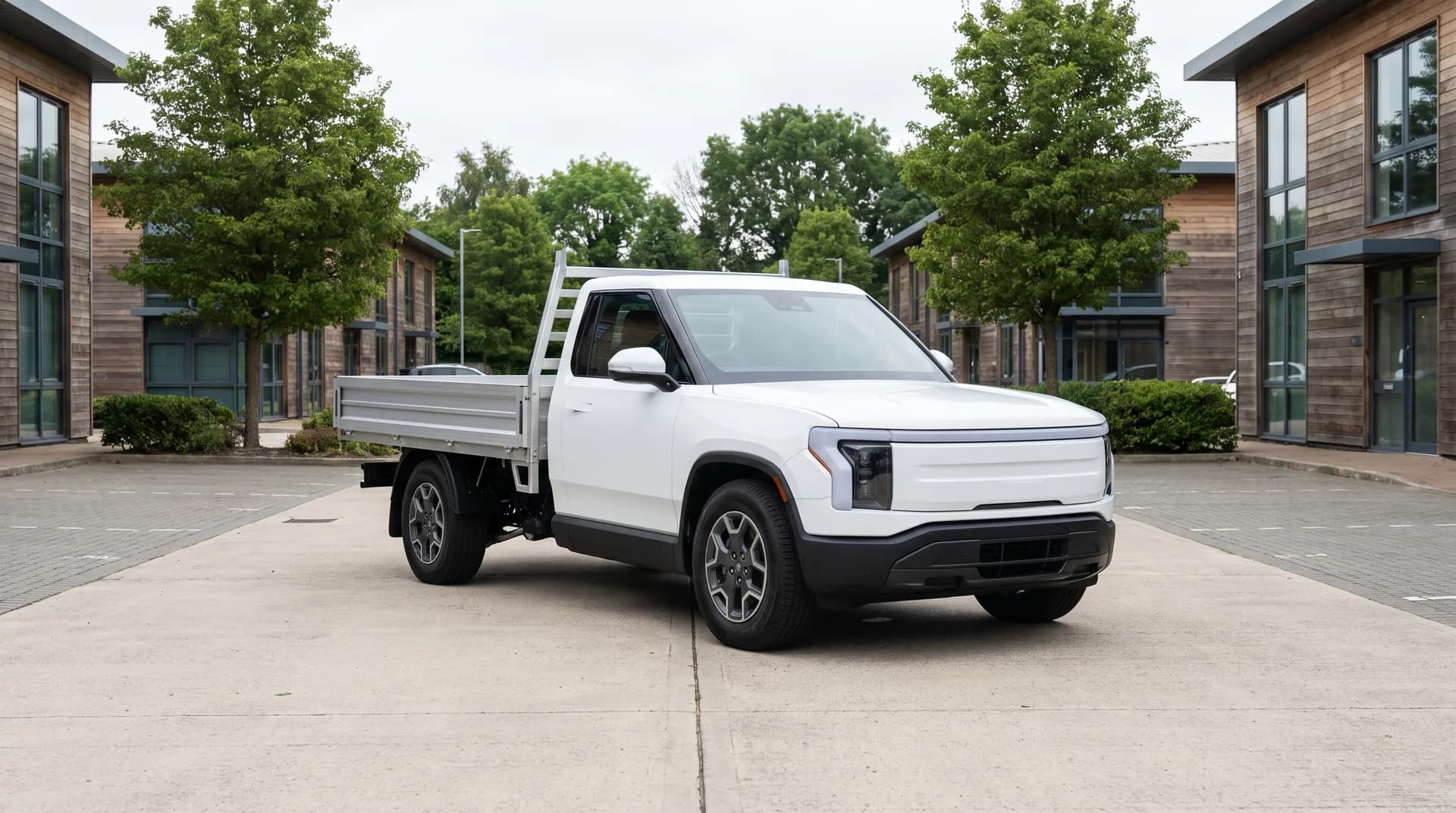
A pickup is really a road-registered utility vehicle: it has an open load bed but is designed to be taxed, insured and driven on public roads for longer trips. A site-focused utility vehicle or buggy is usually optimised for private land, where it can be smaller, lighter, cheaper to run and easier to manoeuvre, without the cost and compliance that come with a full road vehicle.
Where the golf buggy fits
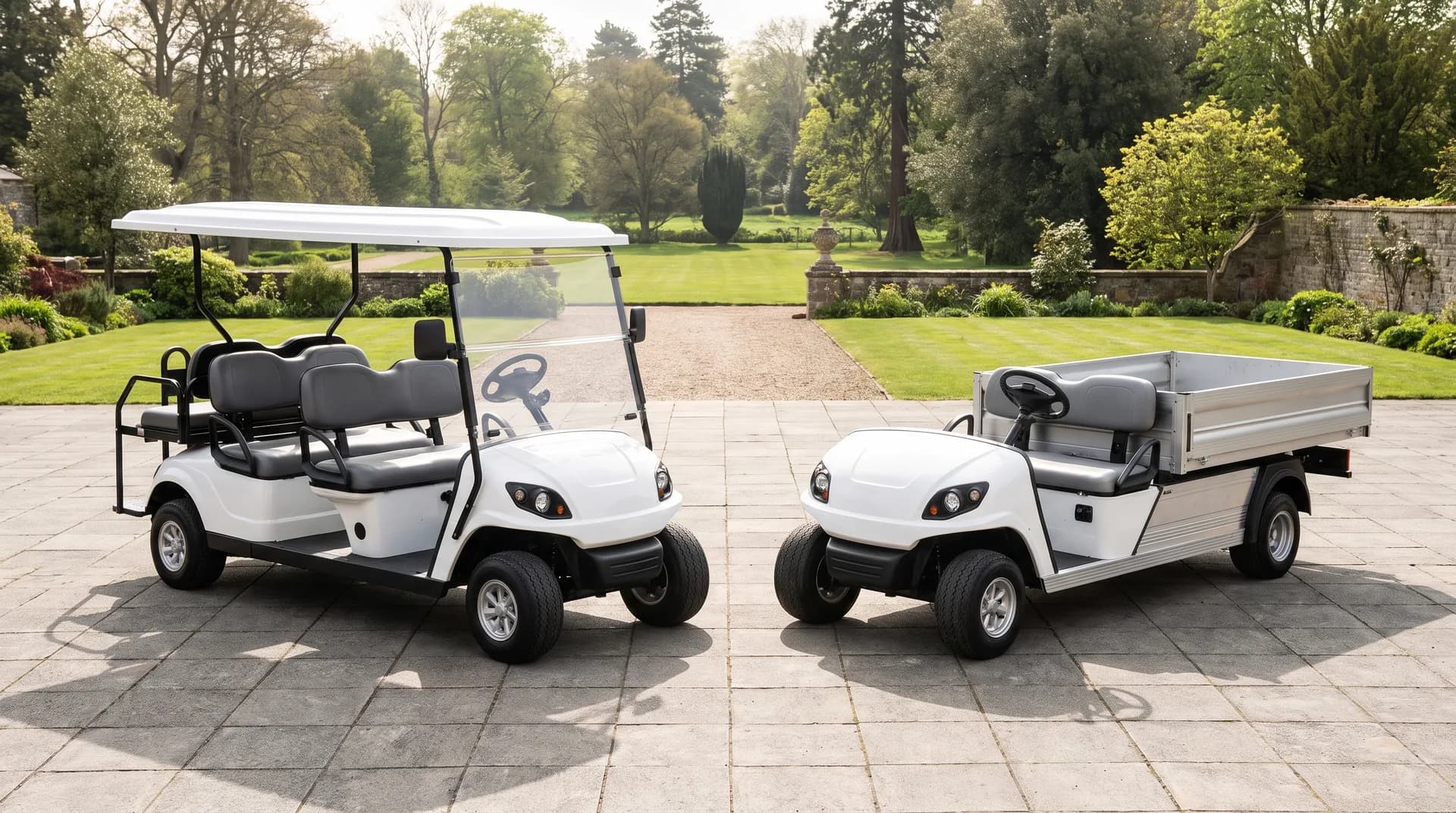
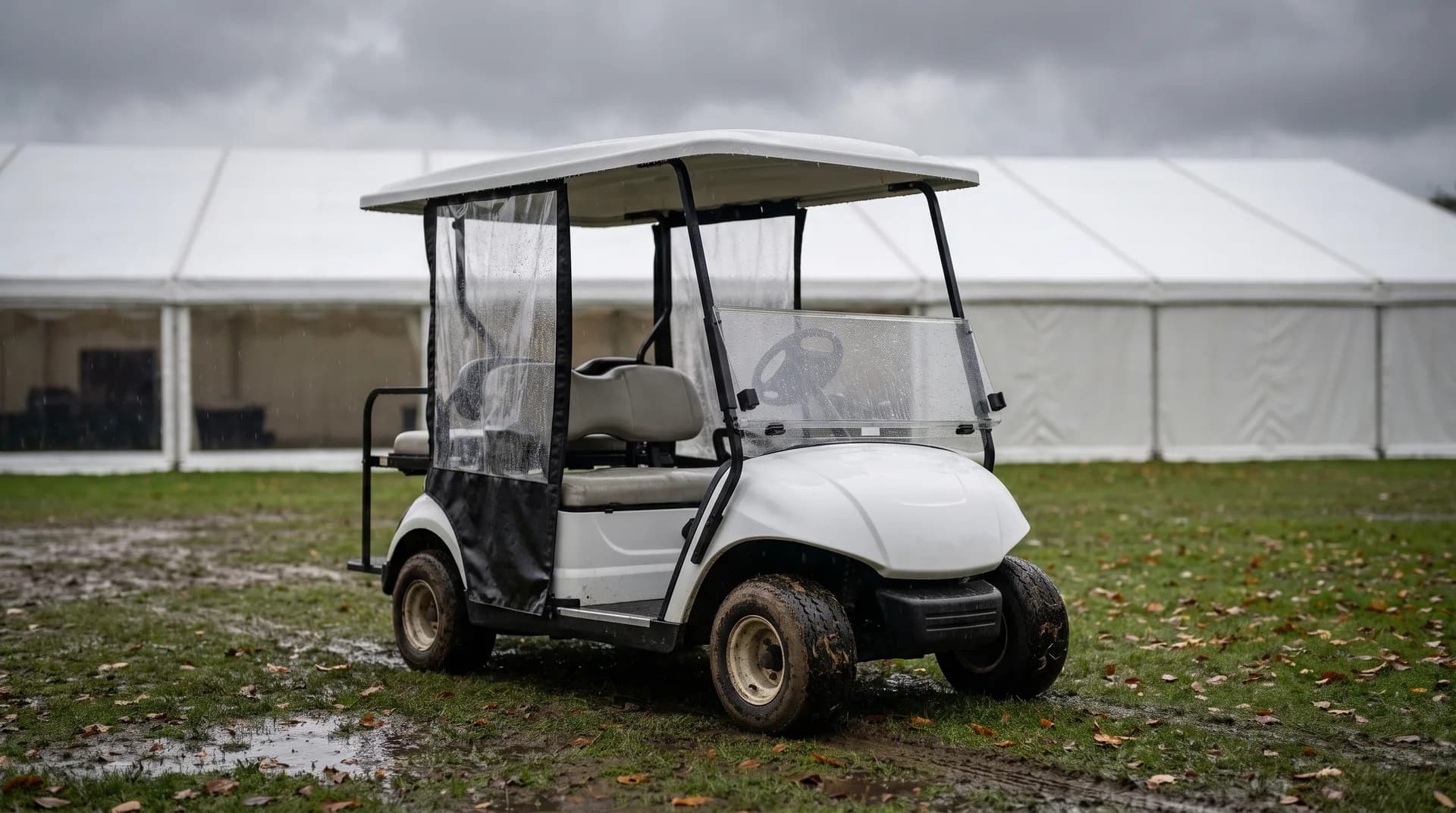
A standard golf buggy is a passenger vehicle, but the same platform becomes a utility vehicle the moment it gains a cargo box, tipping bed or extra seating for a work crew. That overlap is why estates and resorts so often run a mix of passenger buggies and utility versions of the same family, keeping servicing and familiarity simple.
Electric versus combustion utility vehicles
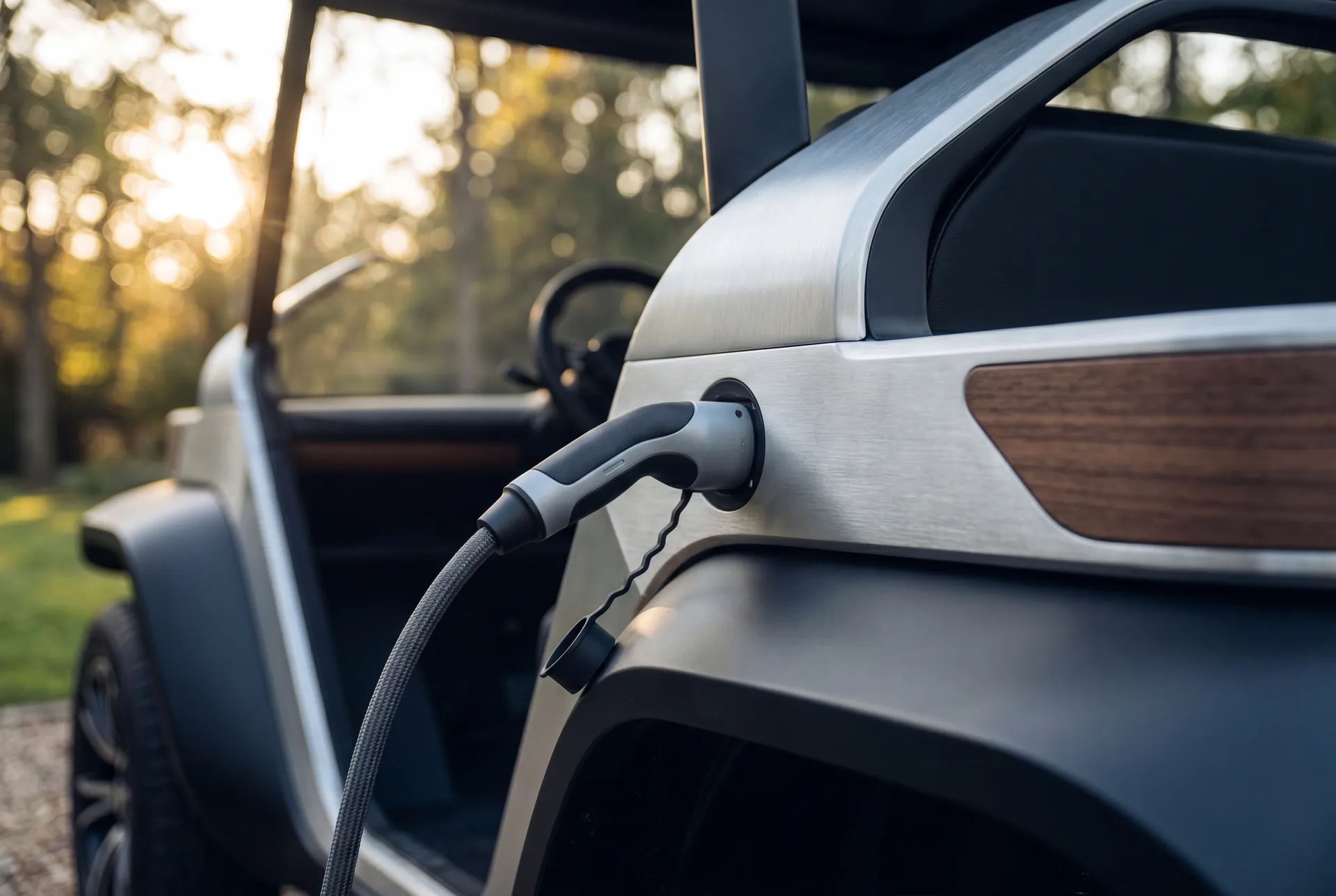
Traditionally these vehicles ran on petrol or diesel, and combustion still suits some long-range, remote or heavy-duty roles. But electric utility vehicles have become a genuine mainstream choice, especially anywhere the vehicle operates near people, indoors, or on land where noise, fumes and fuel handling are unwelcome.
- Electric
- Very quiet, suited to early mornings, indoors and public areas
- Petrol or diesel
- Louder, can be intrusive near guests, livestock or offices
- Electric
- No exhaust emissions at the point of use
- Petrol or diesel
- Exhaust emissions, so poorly suited to enclosed spaces
- Electric
- Generally low energy and maintenance cost, with fewer moving parts
- Petrol or diesel
- Fuel and servicing costs, plus more mechanical upkeep
- Electric
- Recharged from mains power, ideal for overnight top-ups
- Petrol or diesel
- Quick to refuel, useful for long, continuous shifts away from power
- Electric
- Estates, resorts, campuses, warehouses and grounds work
- Petrol or diesel
- Remote, high-mileage or very heavy-duty tasks far from a charger
| Electric | Petrol or diesel | |
|---|---|---|
| Noise | Very quiet, suited to early mornings, indoors and public areas | Louder, can be intrusive near guests, livestock or offices |
| Emissions | No exhaust emissions at the point of use | Exhaust emissions, so poorly suited to enclosed spaces |
| Running cost | Generally low energy and maintenance cost, with fewer moving parts | Fuel and servicing costs, plus more mechanical upkeep |
| Refuelling | Recharged from mains power, ideal for overnight top-ups | Quick to refuel, useful for long, continuous shifts away from power |
| Best fit | Estates, resorts, campuses, warehouses and grounds work | Remote, high-mileage or very heavy-duty tasks far from a charger |
Battery choice matters too. Lithium batteries are lighter, charge faster and cope well with frequent partial charging, which suits busy operations. Lead-acid remains a lower-cost option for lighter or more predictable duty cycles. The right answer depends on how many hours a day the vehicle works and how easily you can charge it.
Where utility vehicles are used
Because the category is so broad, utility vehicles turn up almost anywhere work happens across a large or awkward area. The common thread is distance, load and terrain that make walking slow and a full-size vehicle impractical.
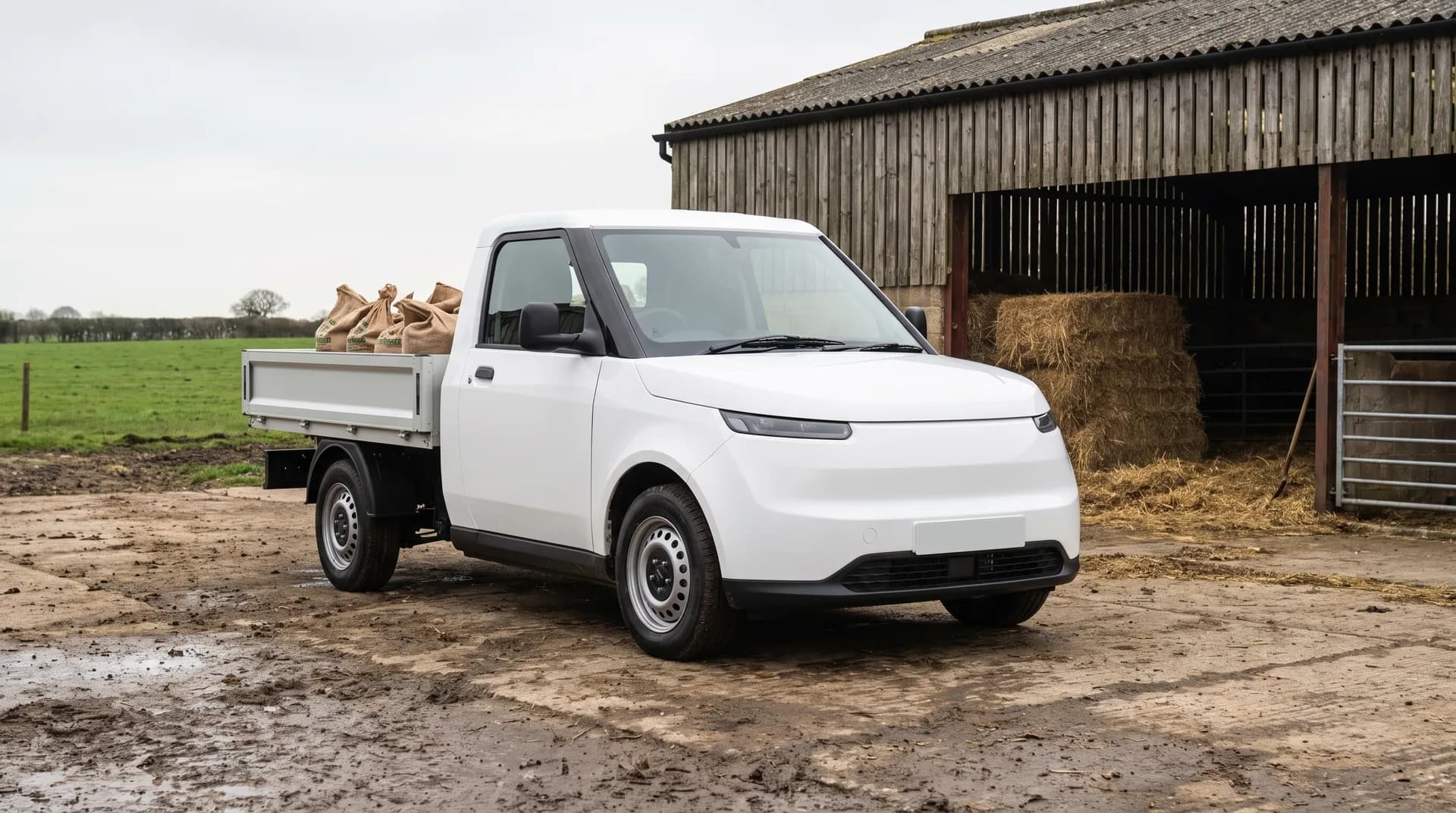
- Farms and rural estates: feed runs, fencing, moving tools and towing trailers.
- Parks, gardens and sports grounds: groundskeeping, waste collection and maintenance.
- Holiday parks, resorts and hotels: moving guests, luggage, linen and supplies.
- Factories, warehouses and depots: internal transport, order picking support and towing.
- Construction and industrial sites: carrying materials, tools and crews across the site.
- Campuses, hospitals and large venues: security patrols, deliveries and event logistics.
How to pick the right type
The best utility vehicle is the one matched to the real job, not the most powerful or the cheapest. Work through a few practical questions before you compare models, and the shortlist narrows quickly.
- 01
Define the load
Estimate your heaviest and most frequent payload, and whether it is people, materials or both. This sets the payload and body style, from personnel seating to a tipping bed.
- 02
Map the terrain
Flat yards and paths need far less than muddy fields or steep ground. Terrain drives the choice between a simple buggy, a rugged UTV and a heavier utility truck.
- 03
Count the seats
Decide how many people travel together. A single-operator carrier, a two-seat cab and a multi-seat personnel carrier are very different vehicles.
- 04
Check towing and tipping
If you tow trailers or tip loose loads, prioritise pulling power and a tipping bed rather than top speed.
- 05
Confirm where it runs
Private-land only, or public roads too? Road use changes the specification and the legal requirements significantly.
- 06
Plan charging or fuelling
For electric, check you can charge where and when the vehicle rests. For combustion, weigh the fuelling and servicing overhead.
See the electric utility range
Explore Hawke electric utility vehicles, from compact load-bed trucks to personnel carriers, all assembled in the UK and configured to your specification. Tell us the job and we will match the right model.

Built around your workload
The U1 and U2 utility trucks, S2 Pickup and S2 Tipper cover everything from light grounds work to a full tonne of payload. Browse the wider range to compare people-movers and buggies alongside.
Frequently asked questions
Frequently asked questions
What is a utility vehicle in simple terms?+
It is a compact, hard-wearing vehicle built to do work, carrying people, tools and cargo, and often towing or tipping, across ground where a car or van is impractical. It favours capability and low-speed pulling power over comfort and speed.
What is the difference between a UTV and an ATV?+
A UTV, or utility task vehicle, is something you sit inside with a steering wheel, seating and usually a cargo bed. An ATV, or quad, is a straddle-ridden four-wheeler for a single rider. A UTV carries more people and cargo, while an ATV is nimbler for solo access.
Is a golf buggy a utility vehicle?+
A standard golf buggy is a passenger vehicle, but it becomes a utility vehicle when fitted with a cargo box, tipping bed or crew seating. Many sites run passenger buggies and utility versions of the same platform side by side.
Are electric utility vehicles any good for heavy work?+
Yes. Electric models offer strong low-speed torque for towing and tipping, run quietly and cleanly, and cost little to run. With a lithium battery and the right specification they suit demanding daily duty, provided you can charge them when they rest.
Can you drive a utility vehicle on the road?+
It depends on the vehicle and on current UK rules. Many are designed for private land only, while road use may require registration, lighting, insurance and a suitable licence. Always check the latest legal requirements for your specific vehicle before using public roads.
Related solutions
Ready to explore what we build?
See the vehicles and the setting this applies to, or get a tailored quote built around your site.

Ready to find the right buggy?
Tell us how and where it will work and we will specify a vehicle and a tailored quote built around you. Every build comes with a 3-year warranty and a 24-hour priority call-out.
Our guides are written and reviewed by the Hawke Electric Vehicles team, the people who specify, build, deliver and support the vehicles. We focus on honest, practical advice and flag where a figure depends on the build rather than guessing.
More guides by Hawke