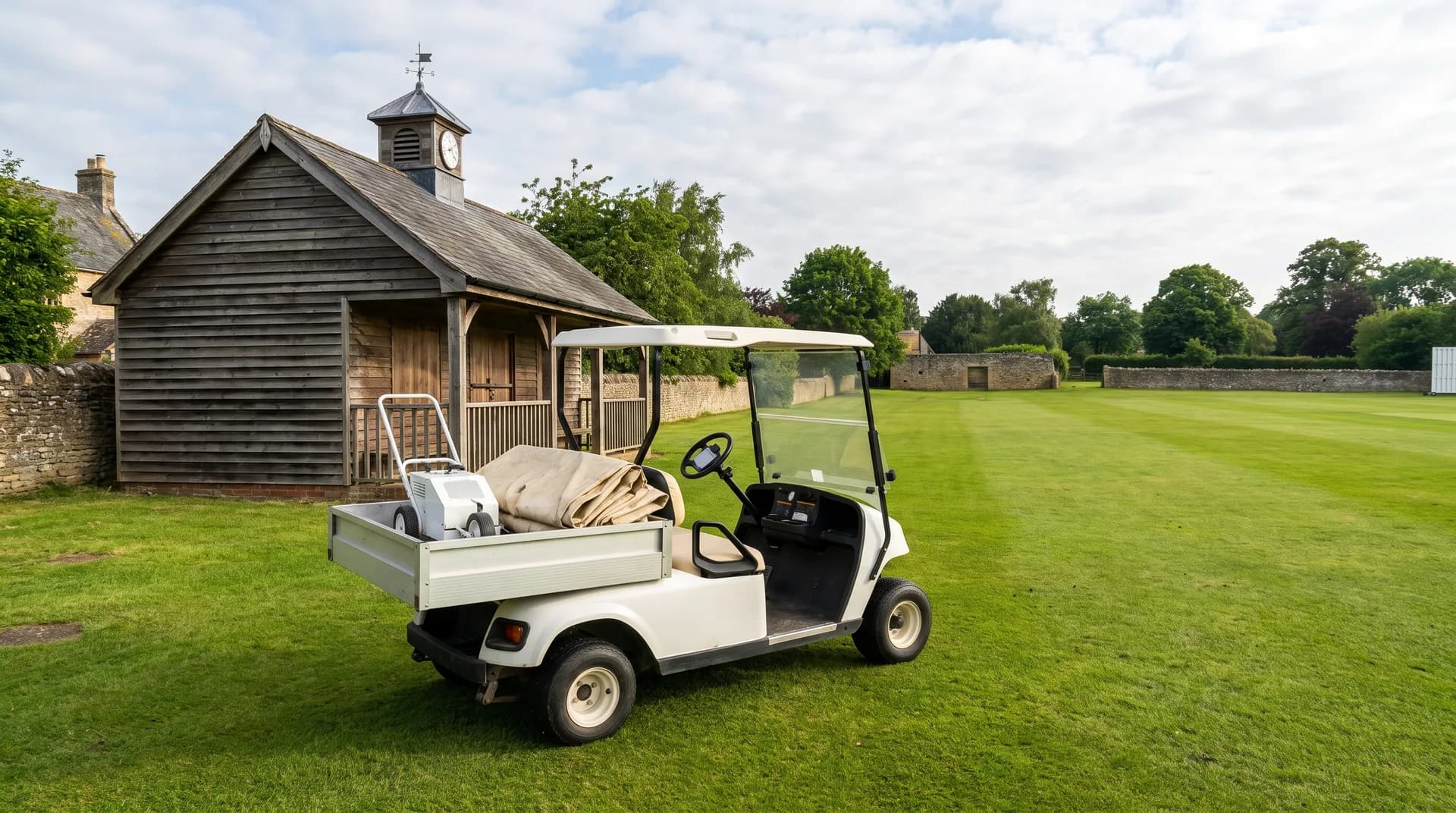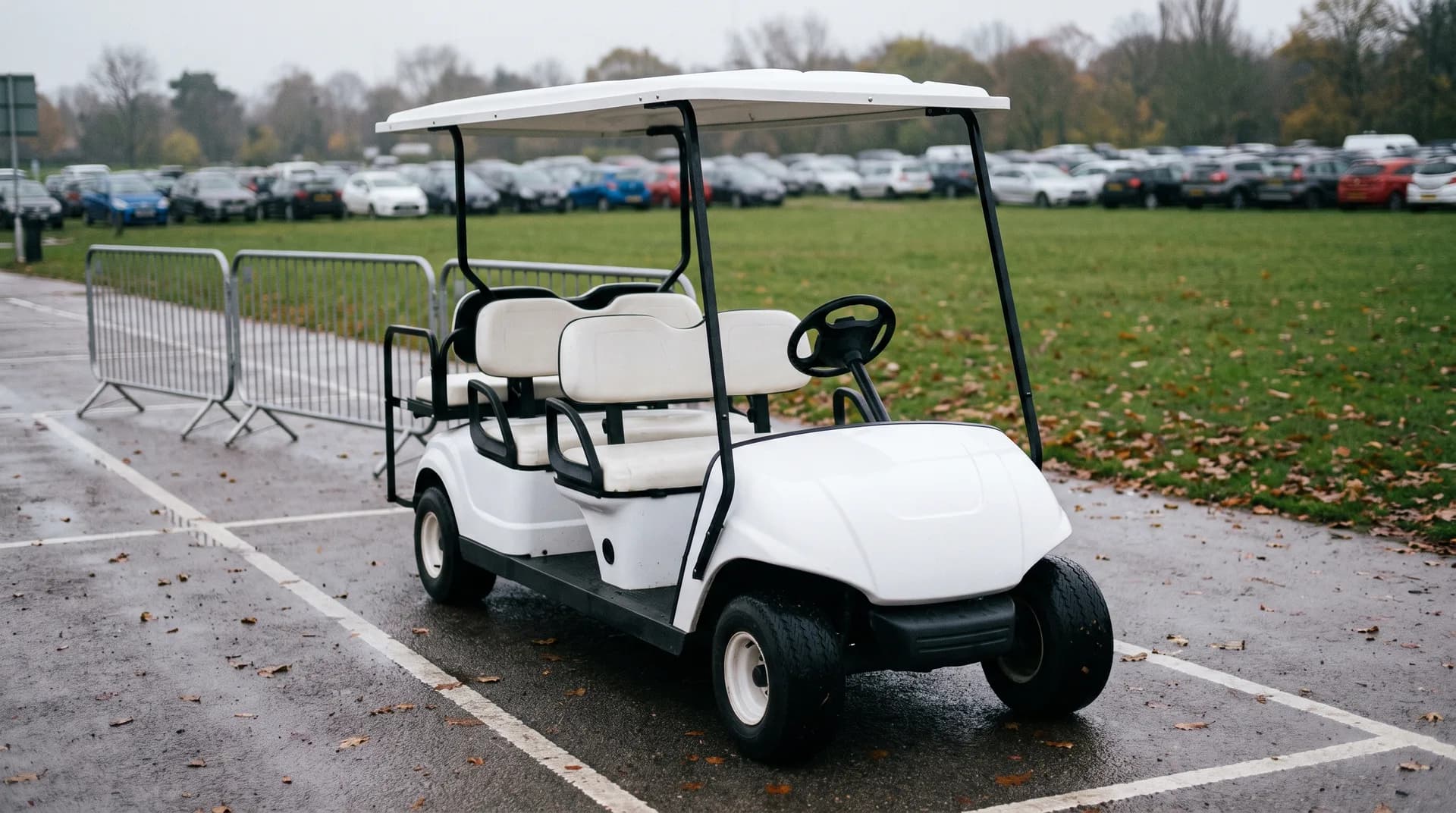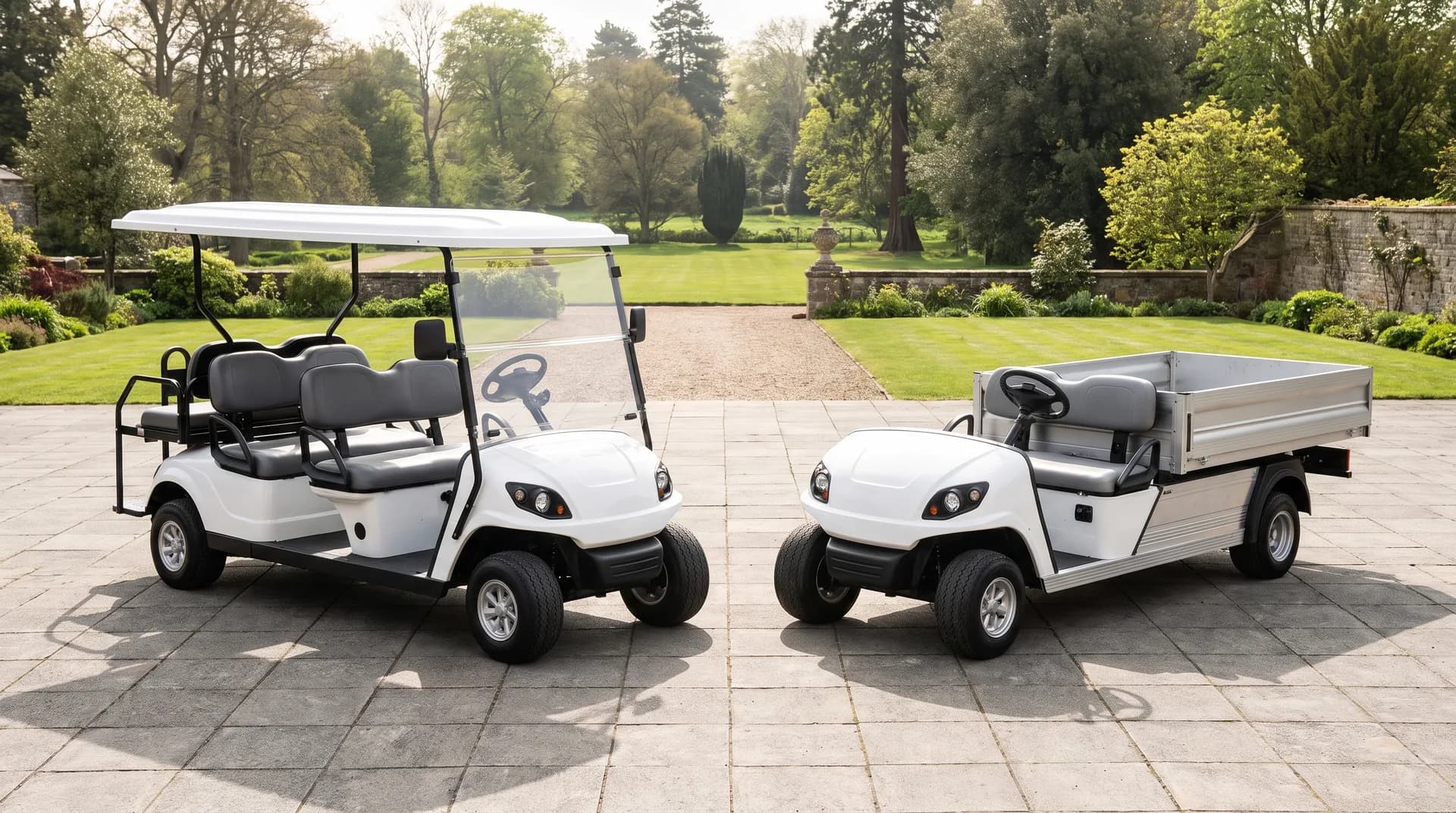
A golf buggy and an electric utility vehicle look similar and share a drivetrain, but they solve different problems. A buggy is built to carry people in comfort; a utility vehicle is built to carry loads and tow. Choosing between them, or deciding you need both, comes down to what your site actually does more of. This guide sets out the difference plainly, so you specify the right vehicle rather than compromise on one that half fits.
- A golf buggy is for carrying people; a utility vehicle is for carrying loads and towing.
- If most of the work is passenger transport, a buggy is the right base.
- If most of the work is moving materials, tools and waste, choose a utility vehicle.
- Many sites need both, and a small mixed fleet stops the two jobs competing.
- Some models blur the line, a buggy with a cargo bed, and we specify to your split.
The core difference
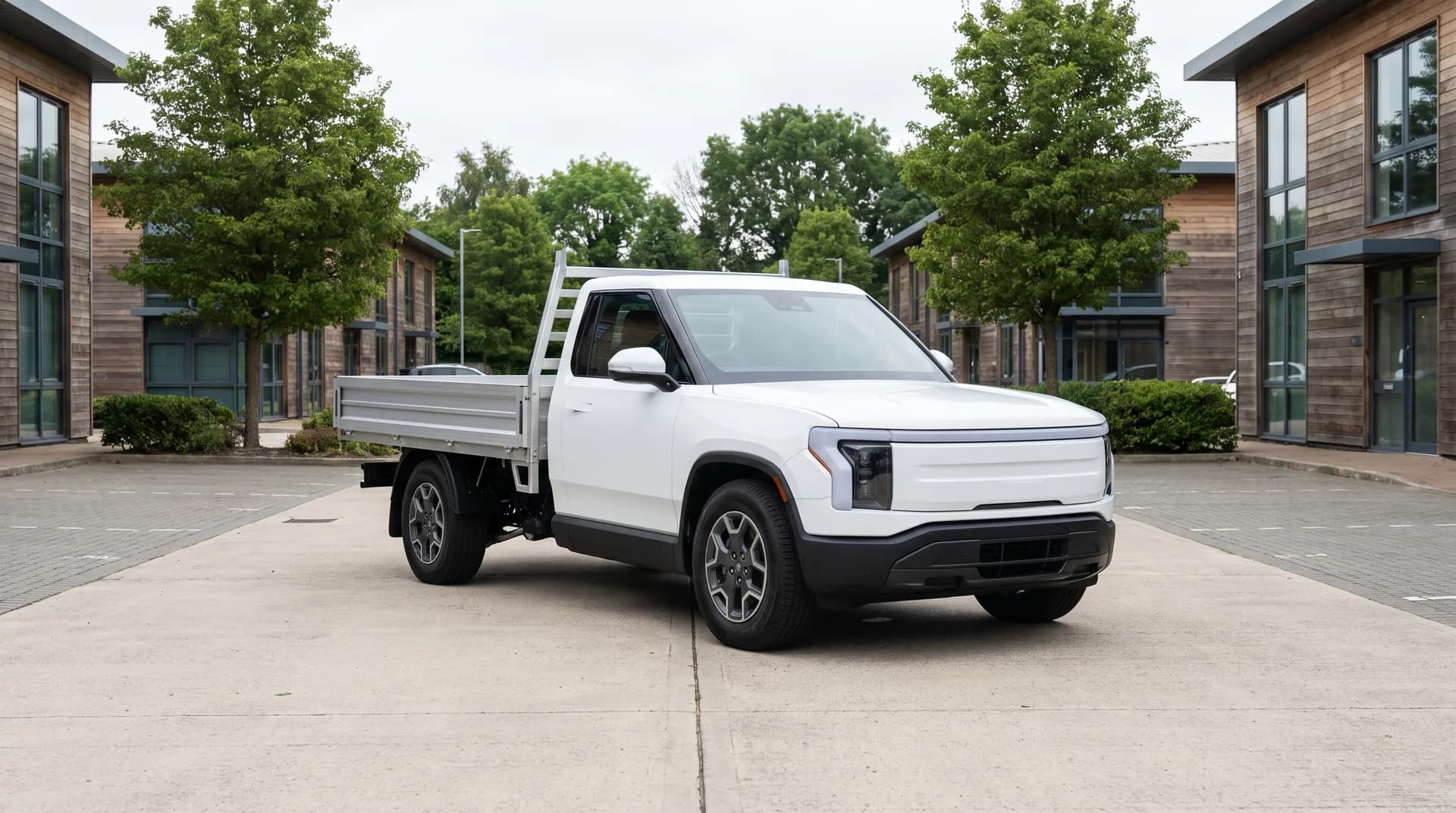
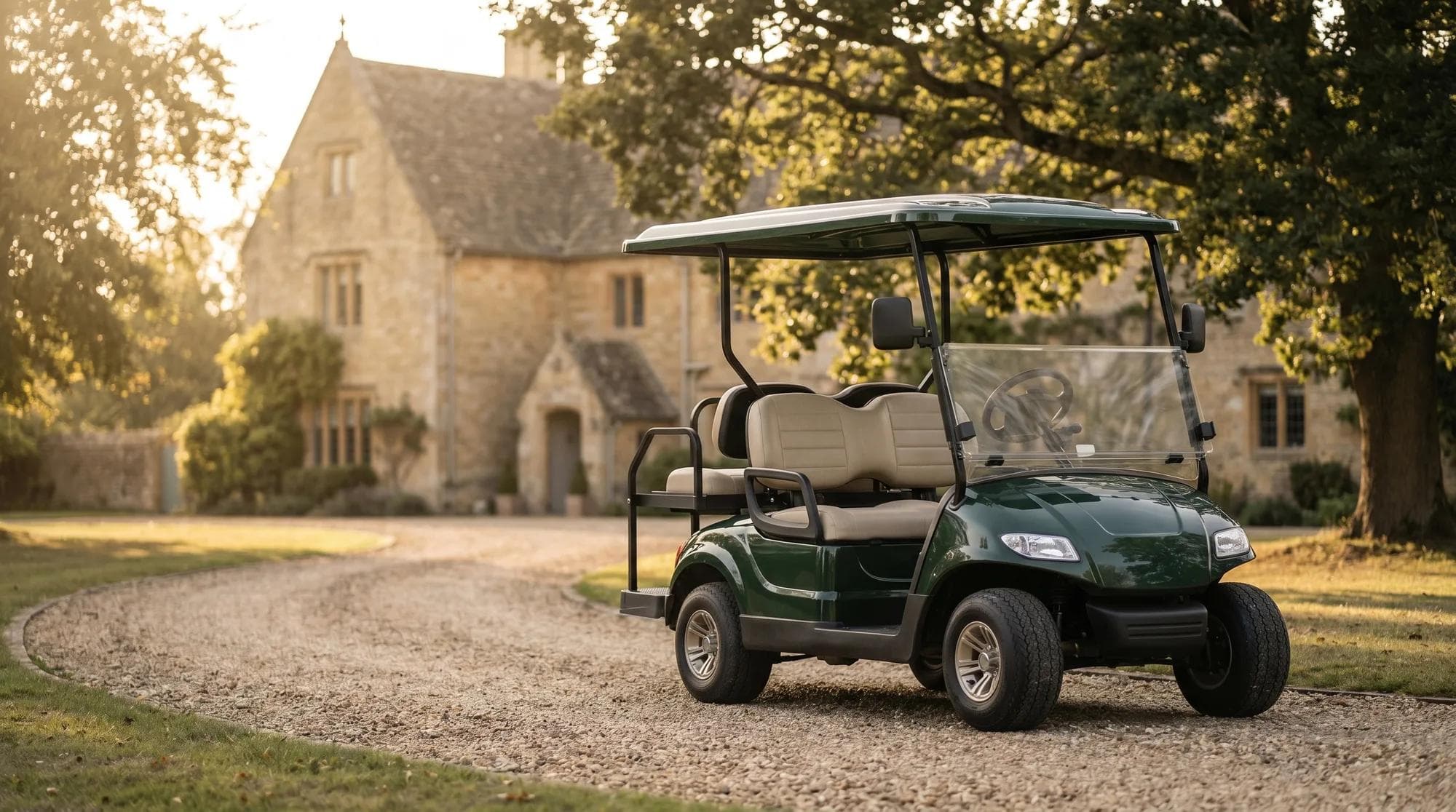
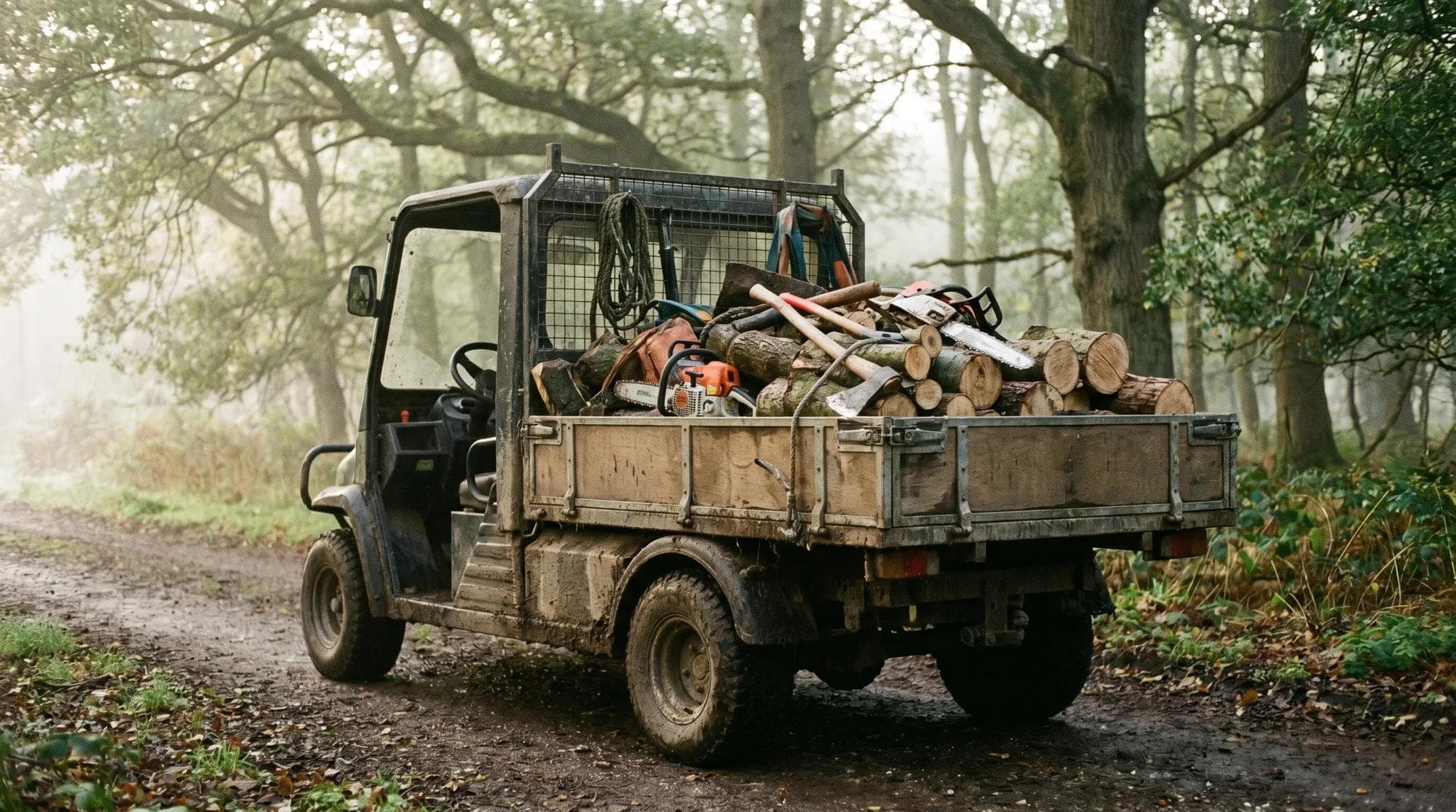
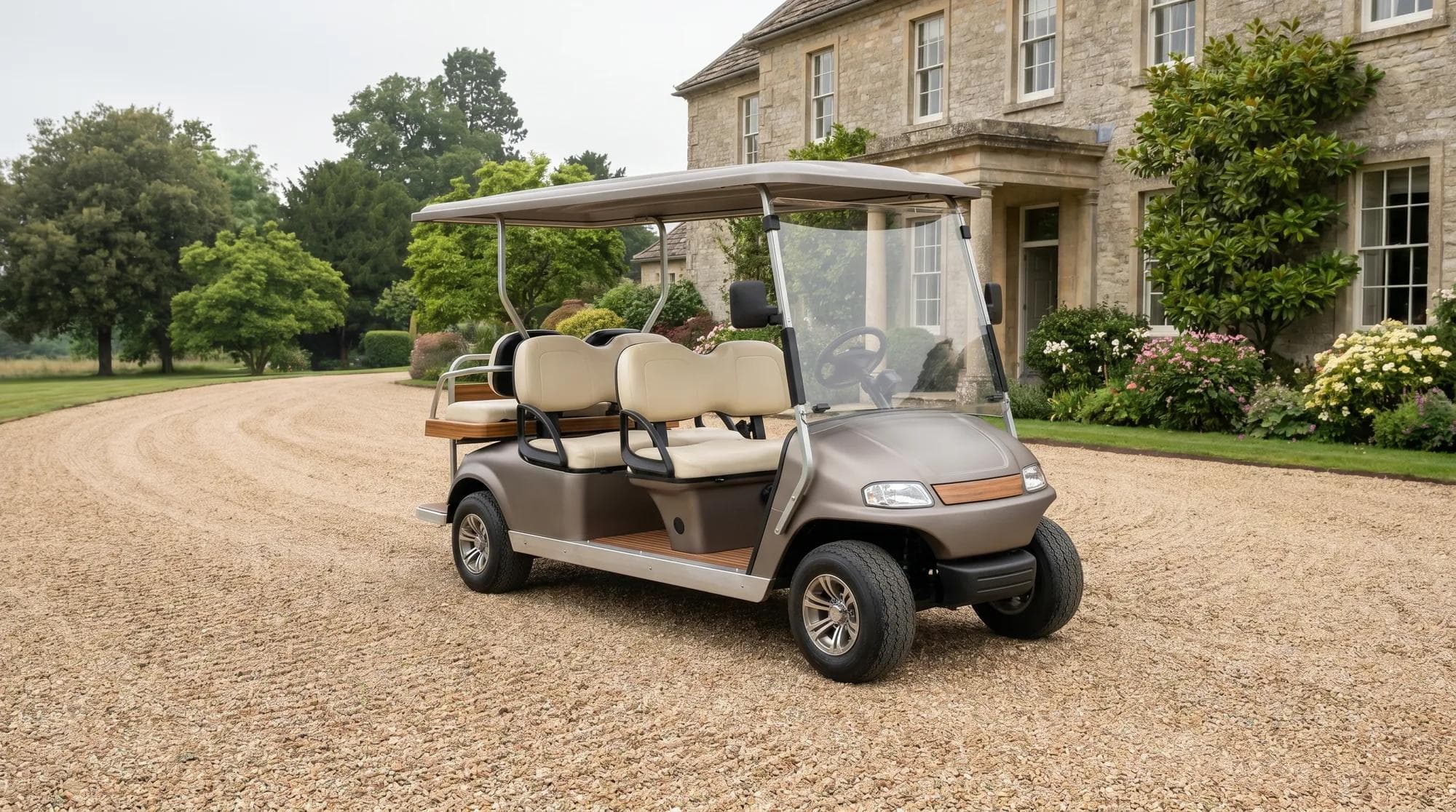
A passenger buggy prioritises seating, comfort and a smooth ride, sized from two seats up to a shuttle. A utility vehicle prioritises a load bed and towing capacity, with the platform, tyres and drive to carry real weight across a site. Both are electric, quiet and clean; the difference is what they are built to move. Naming it honestly at the start avoids buying a passenger buggy for a job that needs a load bed, or the reverse.
Choosing by what your site does most
The simplest test is to look at the majority of the work. If the buggy will mostly carry people, guests, staff, visitors, patients, a passenger model is the base, with our guest and visitor transport work as a guide. If it will mostly move materials, stores, tools and waste, a utility load carrier is the right choice. Where the split is genuinely even, that points to a mixed fleet.
When a site needs both
Many estates, resorts and work sites run a passenger buggy and a utility vehicle side by side, so guest movement and working duties never compete for the same vehicle. A small mixed fleet, sized to the busiest day, is often more effective than one vehicle asked to do both jobs badly. Our guide on choosing a utility vehicle for a country estate works through a typical mixed fleet.
Models that blur the line
Some models sit between the two, a compact buggy with a cargo bed, or a utility vehicle with a passenger row, so a single vehicle handles a modest amount of both. Where your split is light, one of these can be the neat answer. We specify to your actual mix rather than push you toward either extreme.
Frequently asked questions
What is the difference between a golf buggy and a utility vehicle?+
A golf buggy is built to carry people in comfort; a utility vehicle is built to carry loads and tow, with a load bed and the platform for real weight. Both are electric and quiet; the difference is what they are built to move.
Which do I need?+
Look at the majority of the work. Mostly carrying people points to a passenger buggy; mostly moving materials points to a utility vehicle. Where the split is even, a small mixed fleet usually serves better than one compromised vehicle.
Can one vehicle do both?+
To a degree. Some models blur the line, a buggy with a cargo bed or a utility with a passenger row, which suits a light amount of both. For heavy use of each, two vehicles work better than one asked to do both.
Is a utility vehicle more expensive than a buggy?+
It depends on the specification rather than the category. Payload, body and battery drive the price of a utility vehicle; seating and finish drive a buggy. Our cost guides cover what moves each.
How do I decide for a mixed site?+
We survey the split between passenger and load work and specify to it, whether that is one versatile vehicle or a small mixed fleet sized to your busiest day.
Choose the right vehicle
Tell us the split between carrying people and carrying loads on your site, and we will specify the right vehicle or fleet and prepare an honest quote.
Related solutions
Ready to explore what we build?
See the vehicles and the setting this applies to, or get a tailored quote built around your site.

Ready to find the right buggy?
Tell us how and where it will work and we will specify a vehicle and a tailored quote built around you. Every build comes with a 3-year warranty and a 24-hour priority call-out.
Our guides are written and reviewed by the Hawke Electric Vehicles team, the people who specify, build, deliver and support the vehicles. We focus on honest, practical advice and flag where a figure depends on the build rather than guessing.
More guides by Hawke