Every estate runs a working fleet that guests never see, and increasingly it's electric. Here's how to choose a utility vehicle that earns its keep across grounds, gardens and tracks, sized to the loads it carries, suited to the terrain, weatherproofed for year-round use and finished to the estate's standard. This guide works through the decisions that matter and ends with a short checklist to take into a quote.
- List the real jobs first: grounds, forestry, gamekeeping and deliveries each demand different things.
- Size payload and towing to the heaviest regular load, with headroom, not the average.
- Match the drivetrain and tyres to your wettest, steepest ground, not a dry day.
- Year-round use needs proper weather protection and a battery suited to the cold.
- Utility models are built to order and specified around your estate.
The jobs a utility vehicle does on an estate
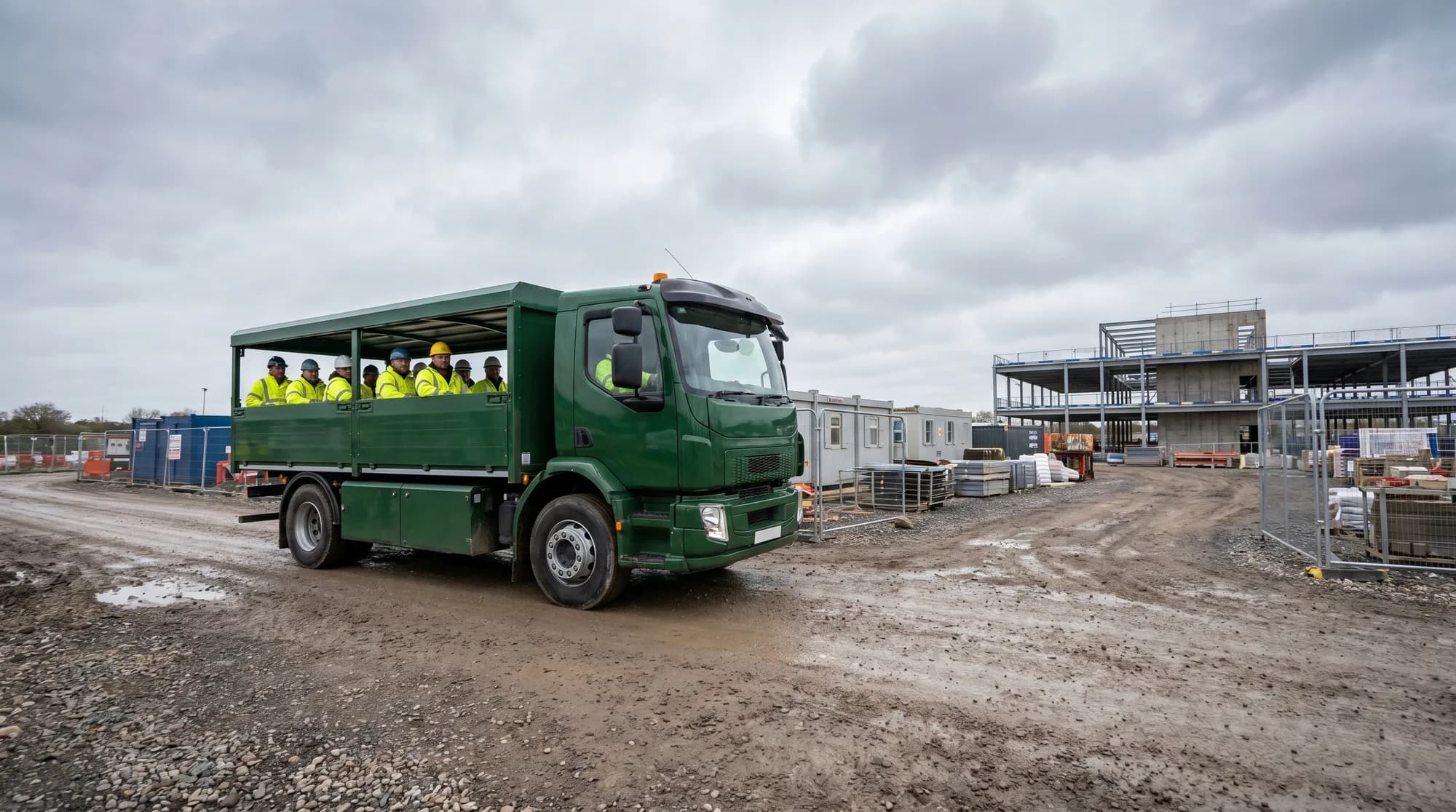
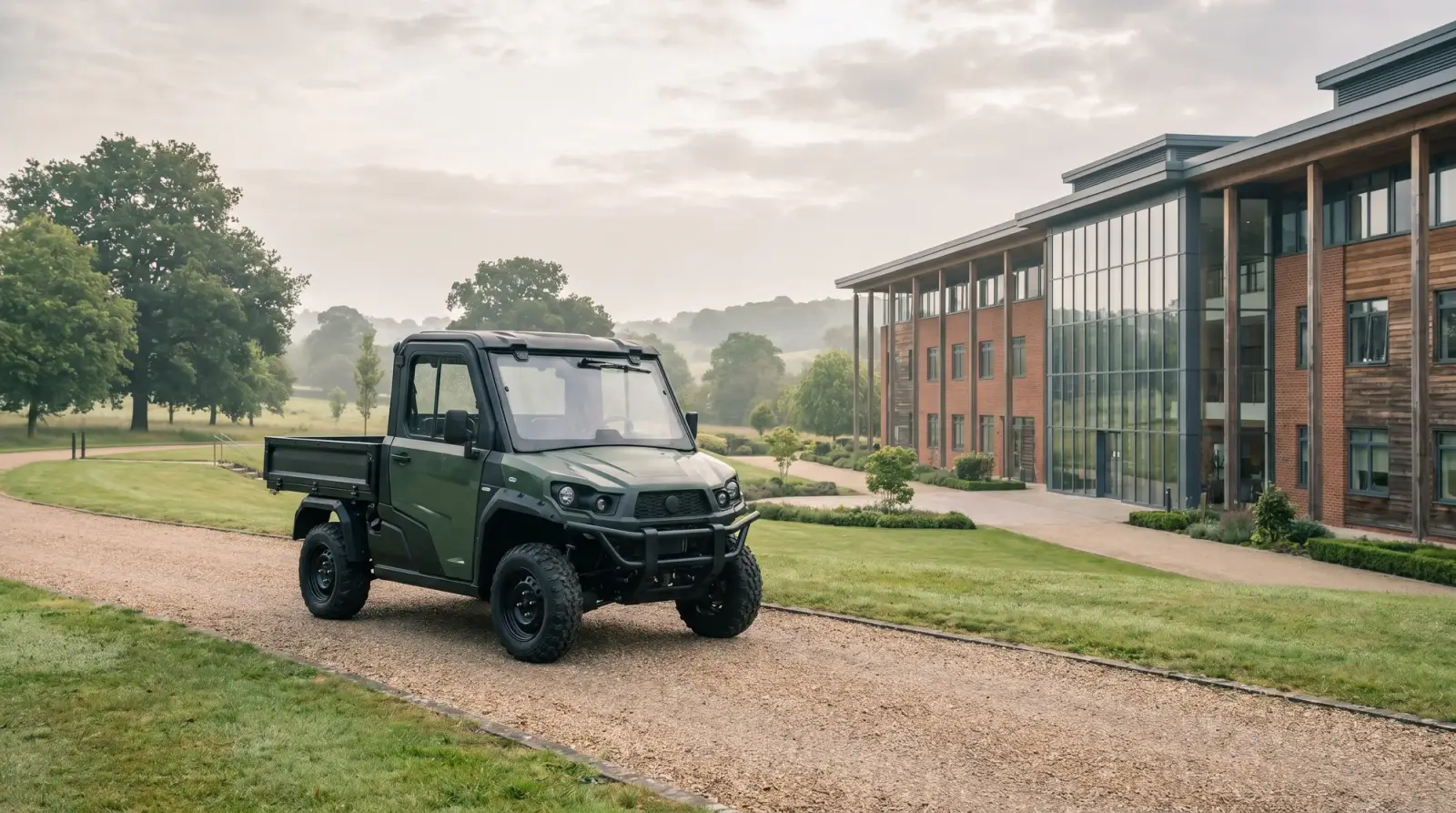
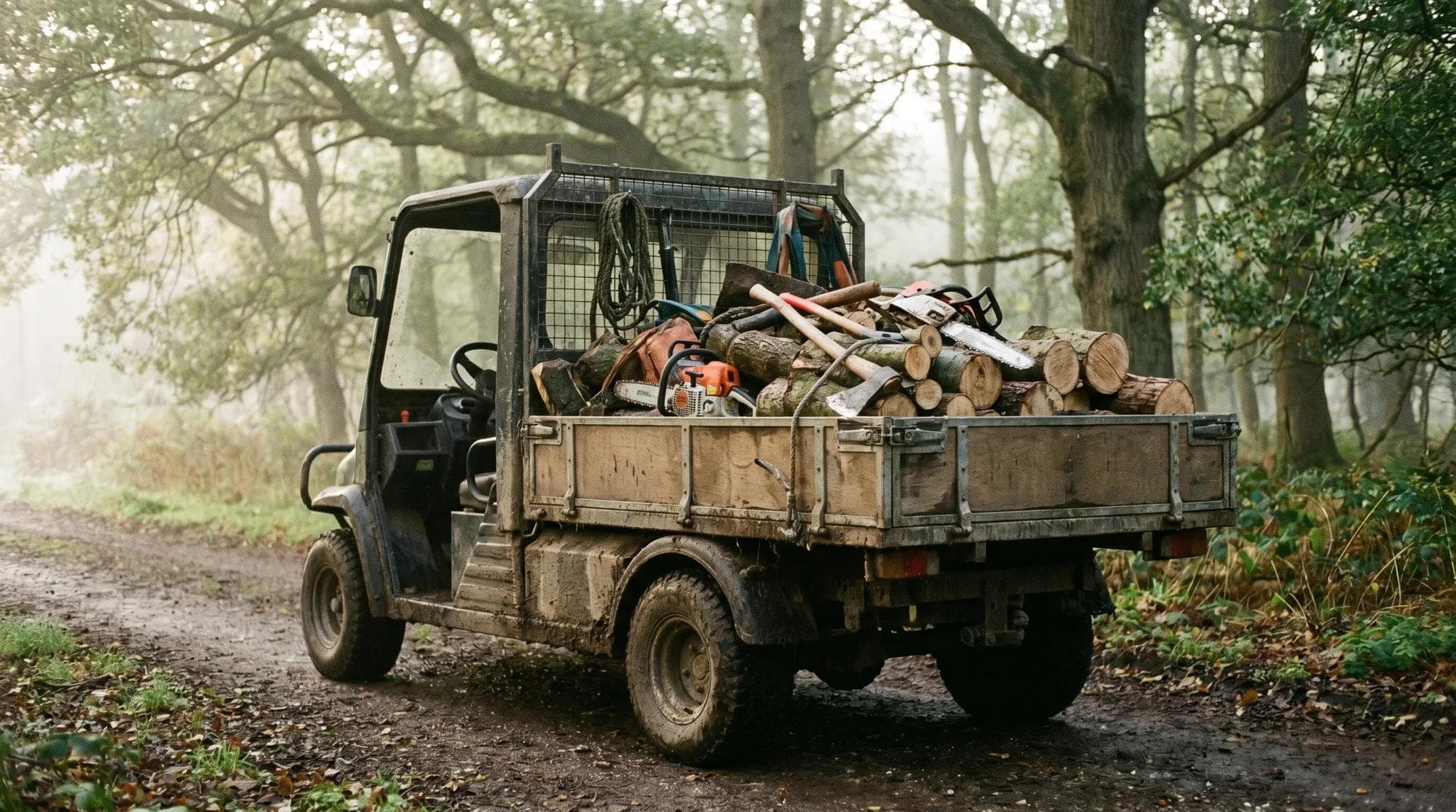
An estate utility vehicle rarely does one job. Across a year it might carry tools and materials for the grounds team, move timber and brash from forestry work, support gamekeeping with feed and equipment across rough ground, and handle deliveries between buildings and stores. Listing the real jobs first tells you what the vehicle needs, because a buggy that suits gentle grounds work may not cope with timber on a wet forestry track. The aim is one vehicle, or a small set, that covers the spread of work without being over- or under-specified for any of it.
Sizing payload and seats
Be realistic about loads, tools, timber, feed, equipment, and the ground you cross. A tipping cargo bed, adequate payload and the torque for grass and gravel matter more than top speed. Size the payload to the heaviest regular load rather than the average, with a little headroom, so the vehicle is not working at its limit every day. Think about seats too: a two-seat utility model with a generous cargo bed suits solo or pair work, while a crew needs seating for the team as well as space for their kit. Getting the balance of seats and bed right is what makes the vehicle genuinely useful rather than a compromise.
Terrain and weatherproofing
An estate vehicle works in all conditions, so terrain and weather matter as much as payload. Look for the torque and tyres to handle grass, gravel, mud and gradients without struggling, and the range to cover a full day of stop-start work on one overnight charge. Lithium makes this comfortably achievable and avoids the downtime of slow lead-acid charging, which suits a vehicle that has to be ready each morning. For weather, a roof or canopy is a sensible minimum, and a weather enclosure keeps a crew dry through winter, so the vehicle is used year-round rather than parked when conditions turn.
- Lighter grounds work
- Moderate
- Heavy estate and forestry
- High, with headroom
- Lighter grounds work
- Standard cargo bed
- Heavy estate and forestry
- Tipping bed
- Lighter grounds work
- Grass, gravel, paths
- Heavy estate and forestry
- Mud, gradients, rough ground
- Lighter grounds work
- Roof or canopy
- Heavy estate and forestry
- Full weather enclosure
| Lighter grounds work | Heavy estate and forestry | |
|---|---|---|
| Payload priority | Moderate | High, with headroom |
| Bed | Standard cargo bed | Tipping bed |
| Terrain | Grass, gravel, paths | Mud, gradients, rough ground |
| Weather kit | Roof or canopy | Full weather enclosure |
Finish, branding and the estate standard
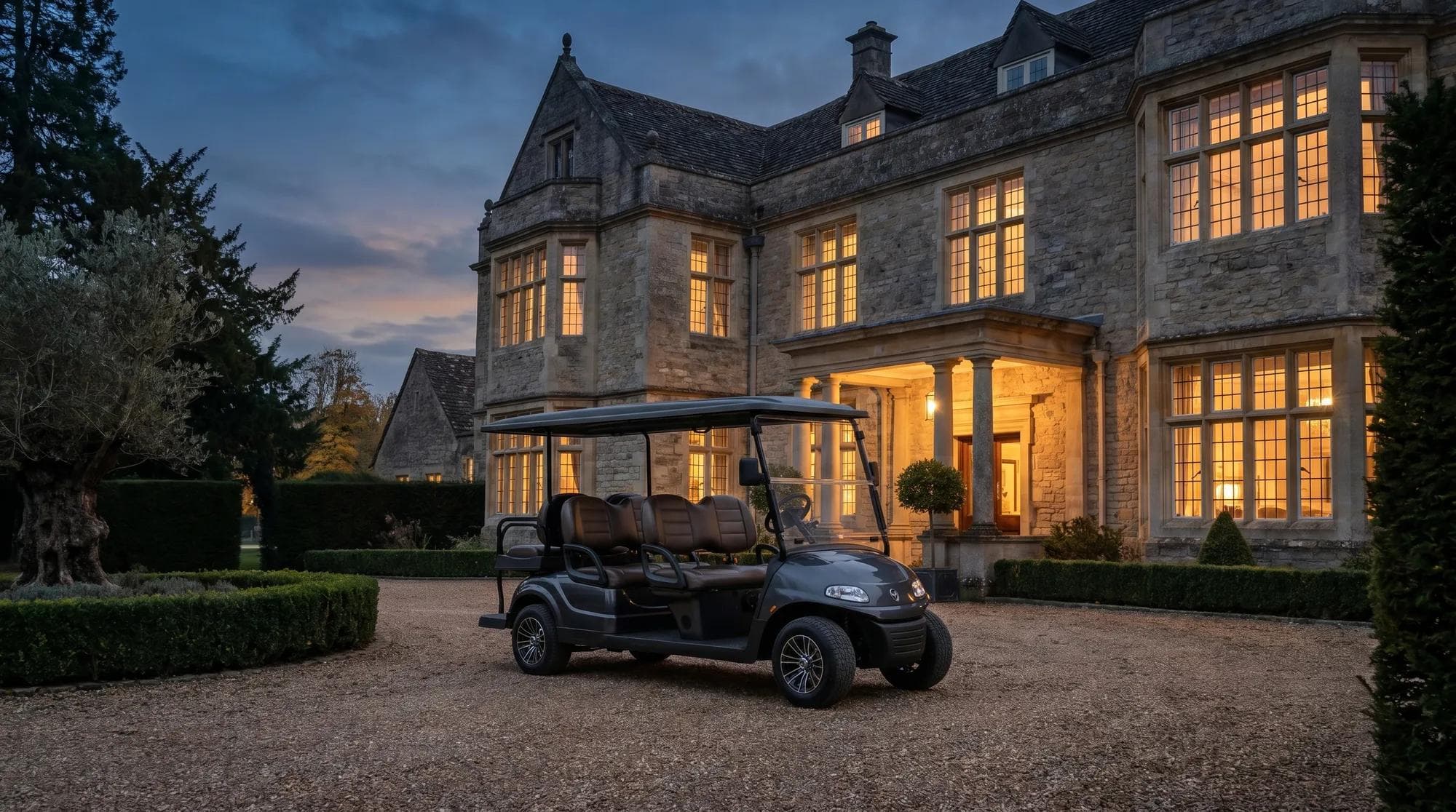
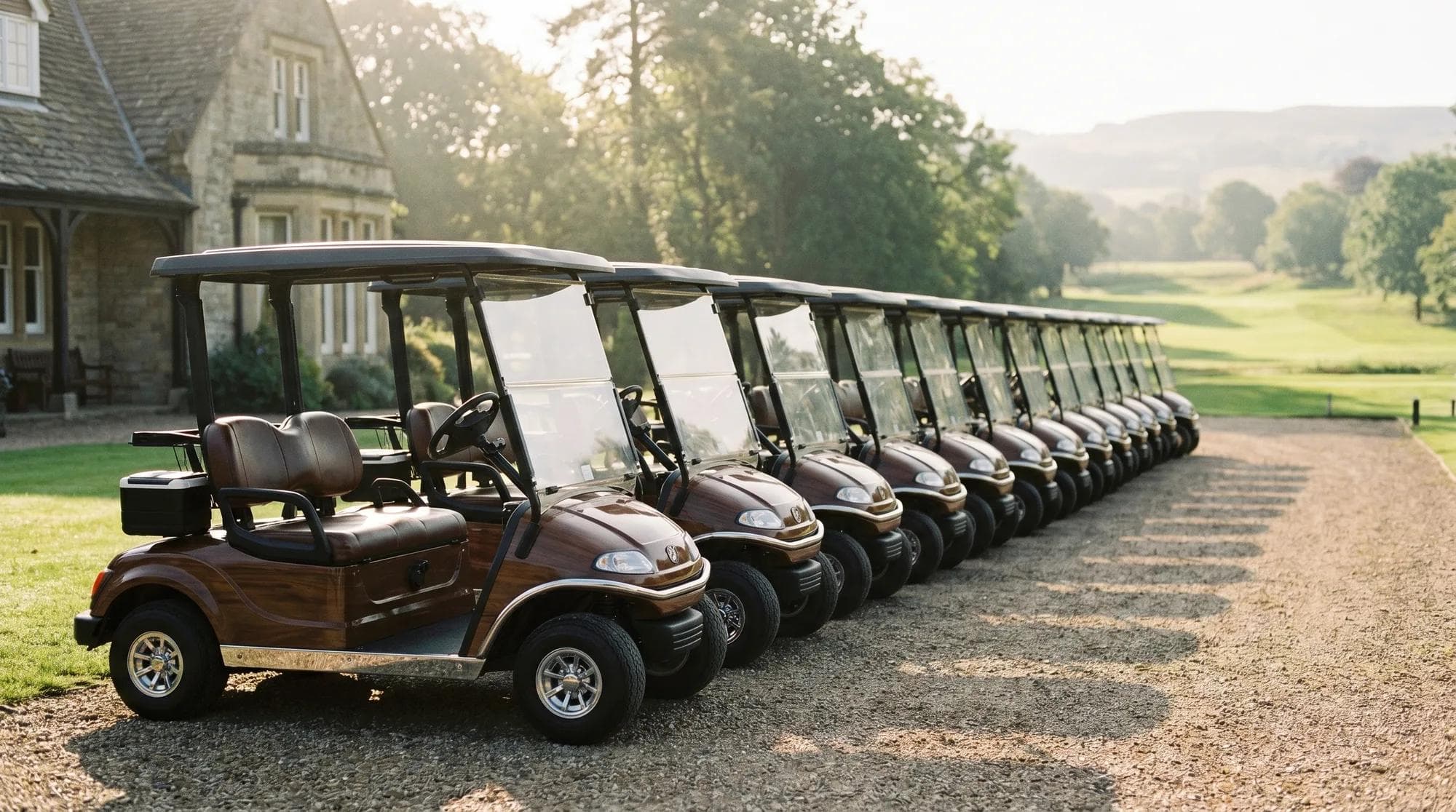
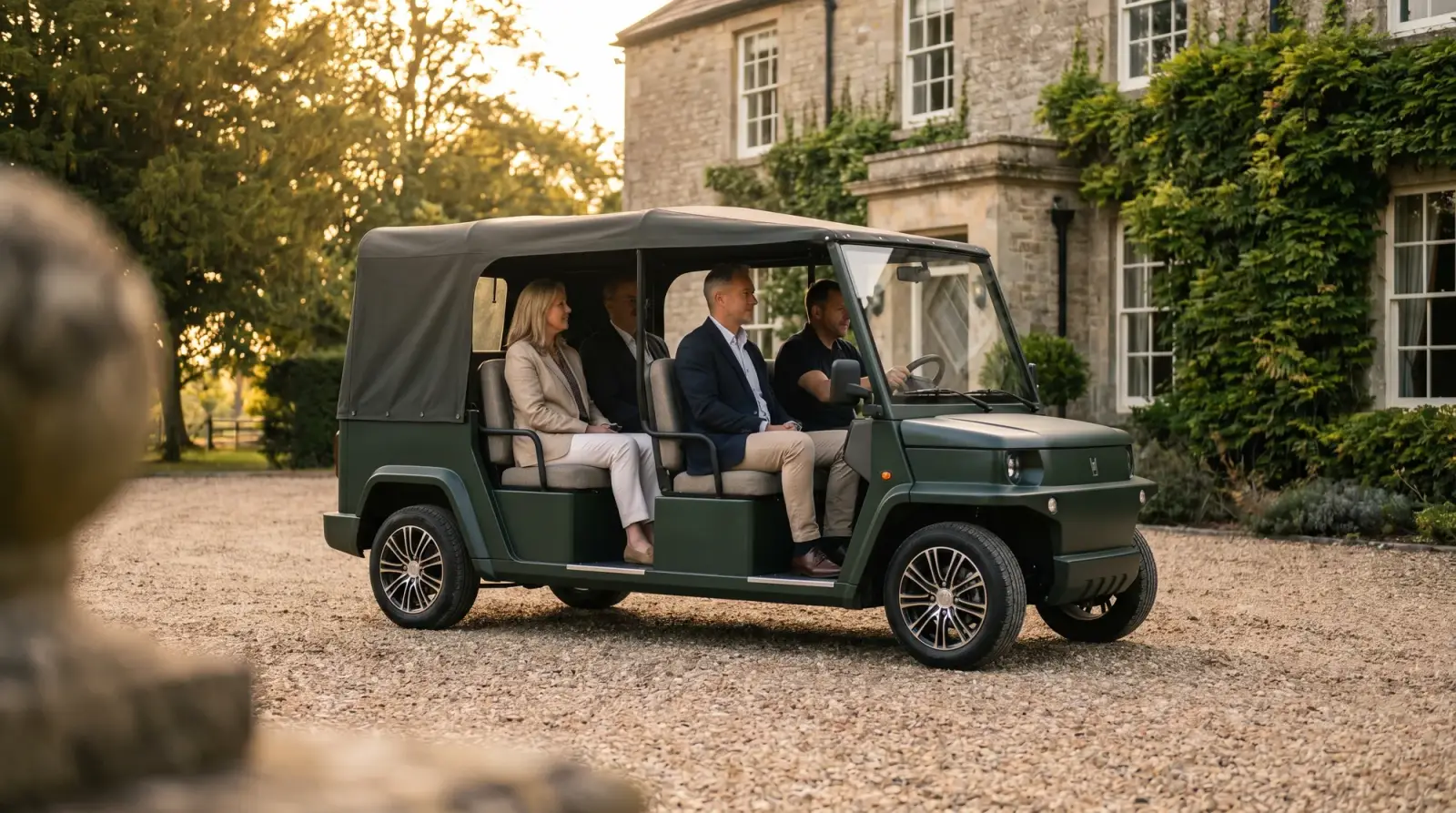
A working vehicle that shares the estate's standard of finish quietly raises the whole operation, and a utility buggy need not look agricultural to be hard-wearing. Bodywork colour, a crest and matched trim can be specified so the working fleet reads as part of the estate rather than a collection of borrowed machines, which matters where a utility vehicle is sometimes seen by guests. Electric running helps here too: quiet enough to work at dawn without disturbing guests or wildlife, and clean enough to use near buildings and animals without fumes.
How it works in practice
Two examples show the spread. A head gardener moving tools, compost and cuttings around formal grounds wants a manoeuvrable buggy with a standard cargo bed, a roof and the quiet running to work near guests. A gamekeeper crossing rough ground with feed and equipment needs more payload, a tipping bed, the torque and tyres for mud and gradients, and a weather enclosure for winter rounds. Both can be electric, both can be finished to the estate standard, but the specification follows the work each does.
A checklist before you order
- List the real jobs the vehicle must do across the year
- Size payload to the heaviest regular load, with headroom
- Confirm a tipping or standard cargo bed to suit the work
- Match seats to whether one person or a crew uses it
- Check torque, tyres and range for your terrain and a full day
- Choose weather protection, from a roof to a full enclosure
- Specify colour, crest and trim to the estate standard
- Plan overnight charging and a service plan to keep it ready
The best estate utility vehicle is sized for the hardest job it does regularly, not the easiest, and finished so it never looks out of place.
The clearest way to size a utility vehicle to your estate is to configure one and tell us the jobs it must do, and we will help you specify payload, terrain ability, weather protection and finish before you order.
Specify your estate vehicle
Configure a utility vehicle and tell us the work it must do, then carry the build into a tailored quote sized to your estate.
Frequently asked questions
What payload does an estate utility vehicle need?+
Size it to the heaviest load you carry regularly, with a little headroom, rather than the average. A tipping cargo bed suits grounds, forestry and feed work, and getting the payload right matters more than top speed.
Can an electric utility vehicle handle rough estate ground?+
Yes, when specified for it. Look for the torque, tyres and range to cope with grass, gravel, mud and gradients across a full working day, and lithium to charge overnight and avoid downtime.
Can a working vehicle be finished to the estate standard?+
Yes. Bodywork colour, a crest and matched trim can be specified so the utility fleet reads as part of the estate, while staying hard-wearing for daily work.
Related solutions
Ready to explore what we build?
See the vehicles and the setting this applies to, or get a tailored quote built around your site.
Ready to find the right buggy?
Tell us how and where it will work and we will specify a vehicle and a tailored quote built around you. Every build comes with a 3-year warranty and a 24-hour priority call-out.
Our guides are written and reviewed by the Hawke Electric Vehicles team, the people who specify, build, deliver and support the vehicles. We focus on honest, practical advice and flag where a figure depends on the build rather than guessing.
More guides by Hawke