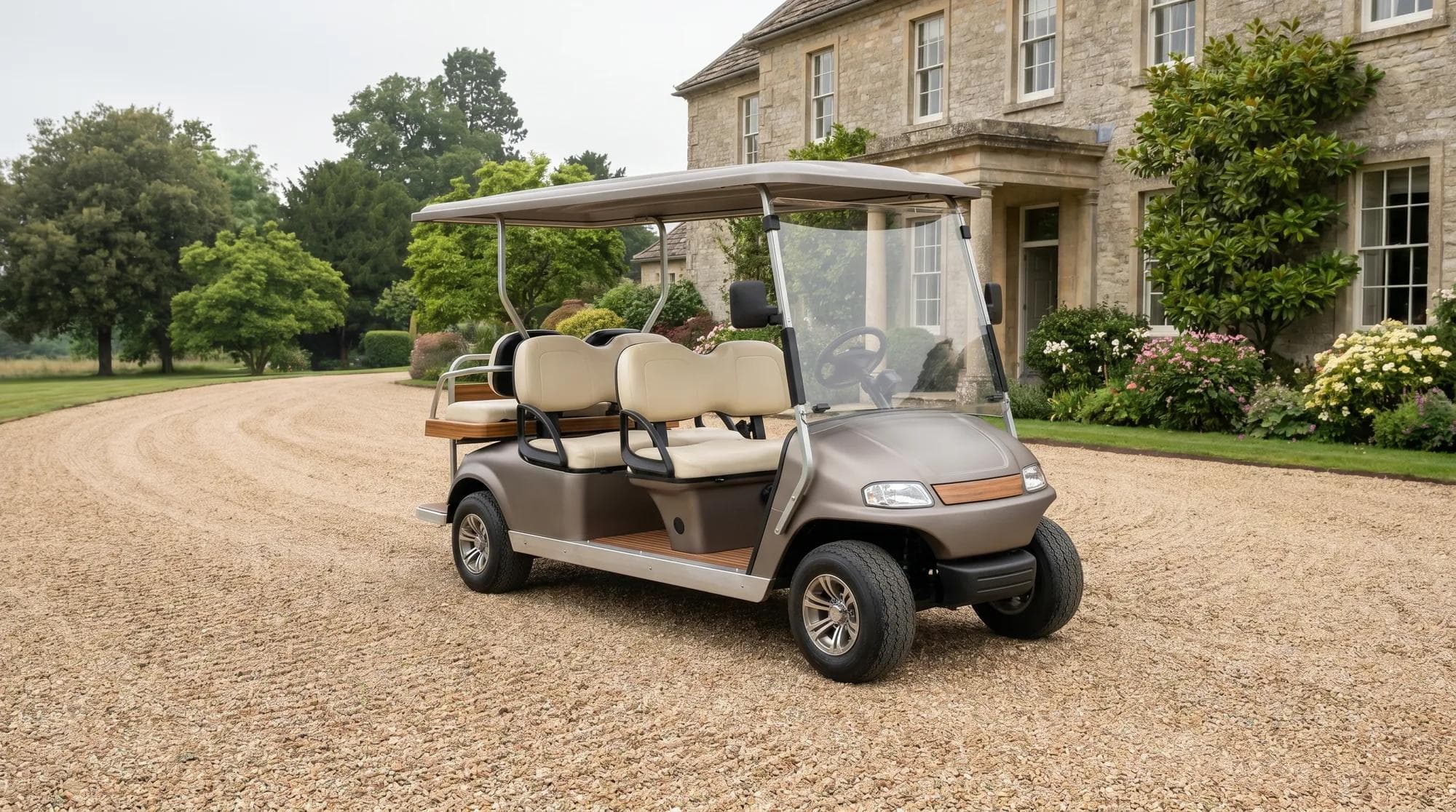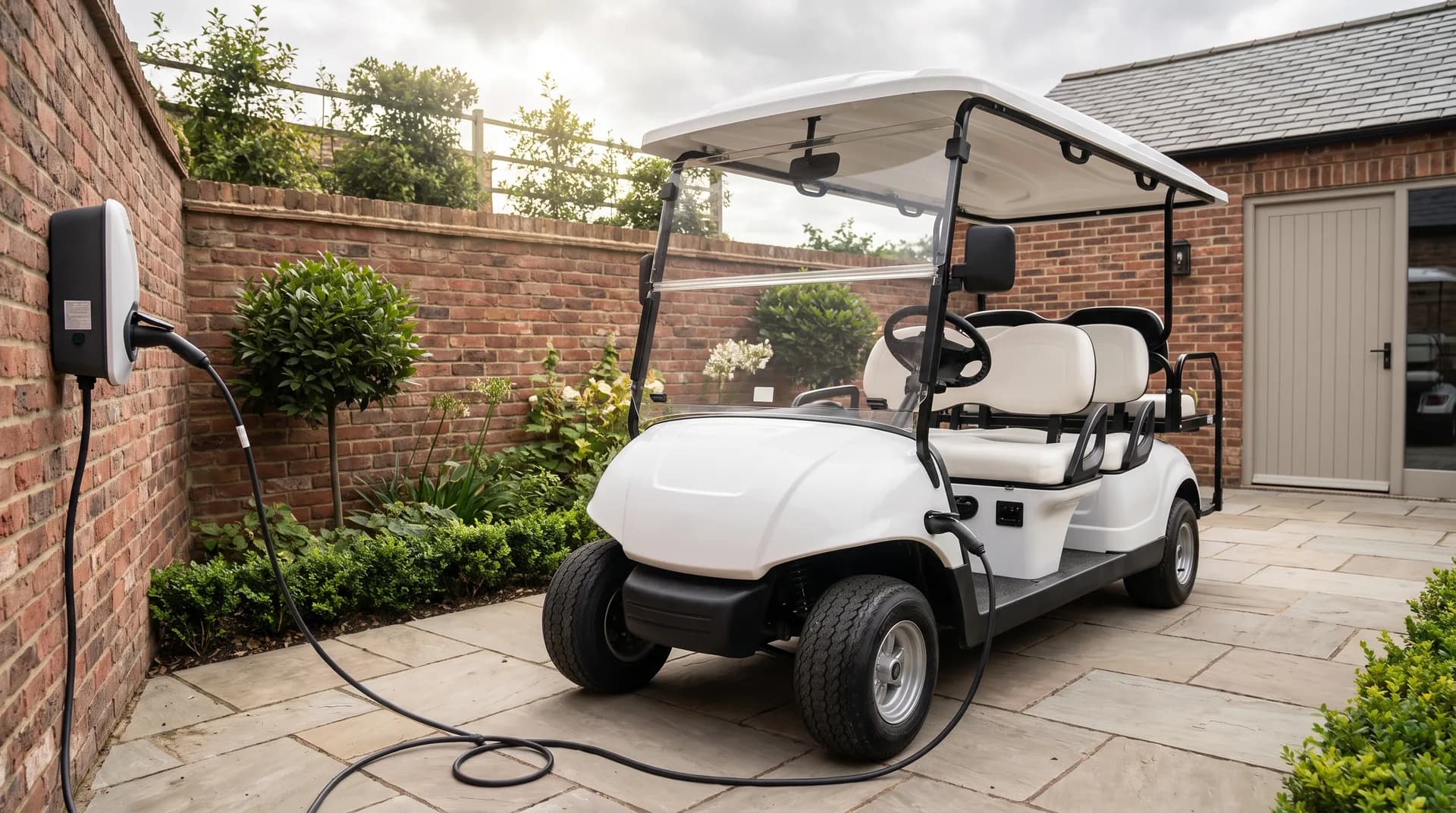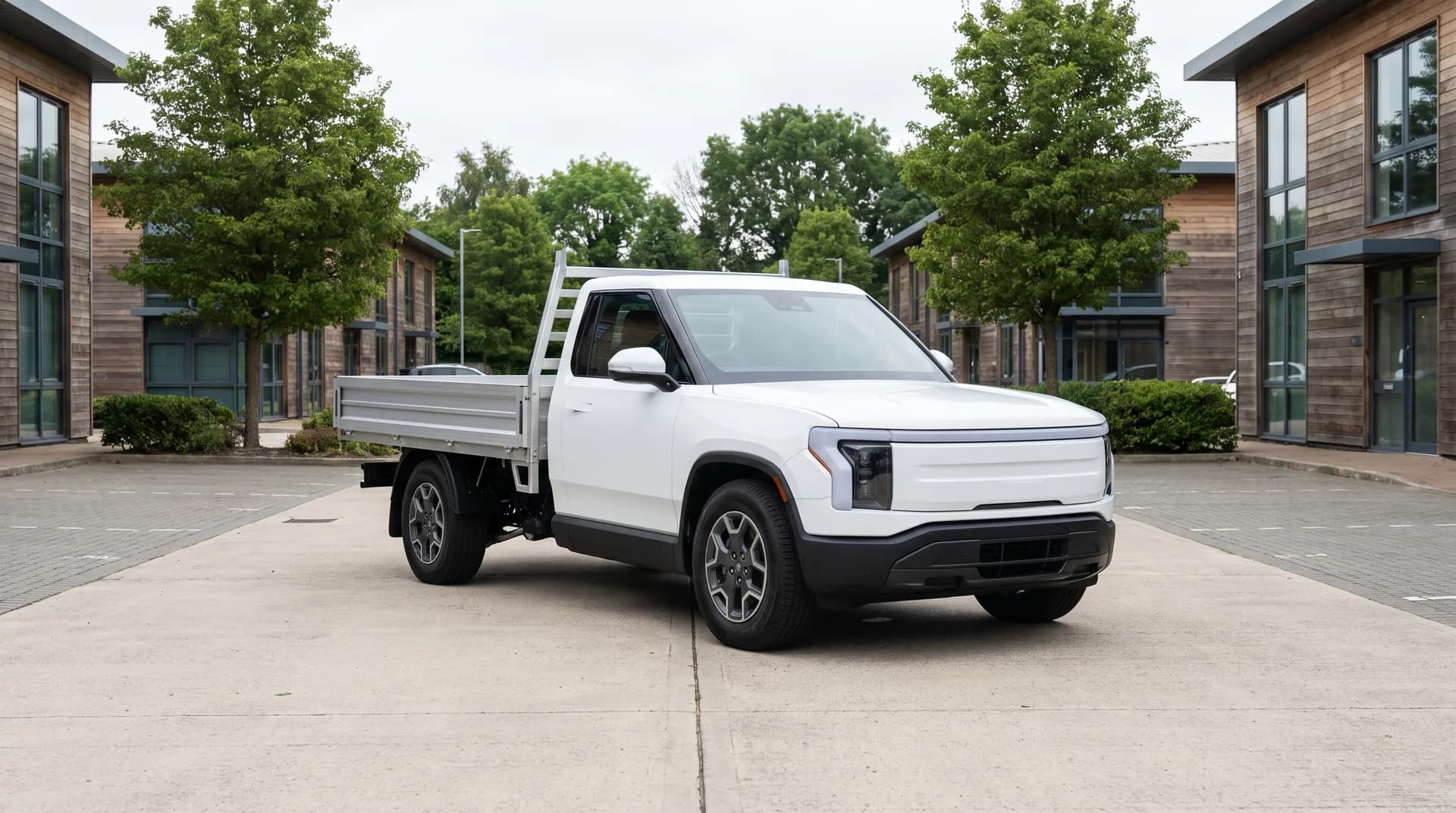
An electric utility vehicle here means a work vehicle for a site, estate, grounds or yard, a UTV that carries loads and tows within a rated capacity, not a road-going electric car. It does not have a single sticker price, because the same platform can be specified as a light 800 kilogram carrier or a one-tonne workhorse with an enclosed box or a tipping bed. The honest answer to what it costs is that it depends on what you need it to do. This guide sets out the things that actually move the price, so you can see where your specification sits and get a real figure quickly. Because every build is configured to specification, we quote rather than list, and this explains why.
- Price is driven by payload and platform size, battery, body type and fleet quantity.
- An enclosed box or a tipping bed costs more than an open load bed, for good reason.
- Lithium batteries cost more up front than lead-acid but usually less over their life.
- Running costs are low: electricity per mile is a fraction of petrol, with little to service.
- The fastest way to a real number is a tailored quote or the cost calculator.
What actually drives the price
The main variables are straightforward. Payload and platform size come first, a compact 800 kilogram carrier and a one-tonne truck are different vehicles. Battery chemistry and capacity are next, then the body: an open bed is the base, while an enclosed box for secure or weather-sensitive loads, or a tipping bed for loose material, add cost and capability. Beyond that, tyres and drive for your terrain, weather protection, livery and any bespoke fit-out all factor in, as does whether you are buying one vehicle or a branded fleet.
- Payload and platform size (compact vs one-tonne)
- Battery chemistry and capacity (lithium vs lead-acid)
- Body type (open bed, enclosed box, tipper)
- Tyres, drive and weather protection for your ground
- Livery, branding and bespoke fit-out
- One vehicle or a fleet
Battery is the variable that matters most over time
Lead-acid batteries are cheaper to buy but heavier, slower to charge and shorter-lived. Lithium costs more up front and usually delivers the better total cost of ownership on a vehicle used regularly, through more usable range, faster charging and a longer service life. Our guide on lithium versus lead-acid range and lifespan works through the trade-off in detail.
Running costs, not just the purchase
The purchase price is only part of the picture. Electric running costs sit well below petrol, charging overnight from a standard supply costs a fraction of fuel per mile, and an electric drivetrain has far less to service. For a vehicle worked hard across a site, those savings add up over the years of ownership, which is why the cheapest vehicle to buy is rarely the least expensive to own. Our guide on running costs per year sets out the ongoing side.
Getting a real figure
Because the specification drives the price, the quickest route to an accurate number is to tell us what the vehicle has to do, or to use the cost calculator for an indicative figure. For business buyers, finance and leasing spread the cost, which our finance and leasing guide covers, and we aim to beat any genuine like-for-like quote.
Frequently asked questions
Why is there no price list?+
Because every vehicle is configured to specification. Payload, battery, body, terrain fit-out and fleet size all move the figure, so a single list price would be misleading. We quote to your specification so the number is real, and we aim to beat any genuine like-for-like quote.
What makes an electric utility vehicle more or less expensive?+
Payload and platform size, battery chemistry and capacity, body type (open bed, box or tipper), tyres and drive for your terrain, weather protection, livery and whether you buy one vehicle or a fleet.
Is lithium worth the extra over lead-acid?+
For a vehicle used regularly, usually yes. Lithium costs more up front but delivers more usable range, faster charging and a longer life, which tends to make it the better total cost of ownership. For light, occasional use, lead-acid can still make sense.
How do running costs compare with petrol?+
Electric running costs are well below petrol: charging overnight costs a fraction of fuel per mile, and there is far less to service. Over years of use those savings are a real part of the total cost.
Can I spread the cost?+
Yes. Finance and leasing are available for business buyers, which can make a fleet more manageable. Our finance and leasing guide sets out the options.
Get a real figure for your vehicle
Tell us what the vehicle needs to carry and where it works, and we will specify it and price it to your specification, or try the cost calculator for an indicative figure.
Related solutions
Ready to explore what we build?
See the vehicles and the setting this applies to, or get a tailored quote built around your site.

Ready to find the right buggy?
Tell us how and where it will work and we will specify a vehicle and a tailored quote built around you. Every build comes with a 3-year warranty and a 24-hour priority call-out.
Our guides are written and reviewed by the Hawke Electric Vehicles team, the people who specify, build, deliver and support the vehicles. We focus on honest, practical advice and flag where a figure depends on the build rather than guessing.
More guides by Hawke