- A forklift lifts and stacks loads; a tow tractor, or tugger, pulls trailers of goods across the floor. They are different tools for different jobs.
- A burden carrier carries a load on its own bed, and a stock chaser is a quick runabout for staff covering long aisles. Both fill the gap a forklift leaves.
- Towing several trailers in one trip usually beats a string of single forklift runs for moving volume between two fixed points.
- There is a people-and-kit movement gap in most warehouses that no forklift solves, and that is where these vehicles earn their place.
- Electric versions run clean indoors with no fumes, charge overnight, and cost less to run than petrol or LPG equivalents.
Walk any large warehouse and you will see forklifts everywhere, doing what forklifts do well: lifting pallets, stacking racking and loading lorries. What you often do not see, because nobody planned it, is the right vehicle for the other half of the work. Moving a run of goods from one end of the building to the other. Getting a picker across a long site to the next zone. Shifting parts, tools and returns that never need lifting at all. That is the job of an electric tow tractor, a burden carrier or a stock chaser, and reaching for a forklift to do it is slow, expensive and usually unsafe.
This guide separates these vehicles from one another in plain terms, so you can match the machine to the work. The short version: a forklift is for lifting and stacking, and these other vehicles are for moving people and goods horizontally across the floor. Most warehouses need both, and confusing the two is what leaves staff walking miles a shift or a forty-thousand-pound forklift being used as a delivery cart.
What a forklift is actually for
A forklift is a lifting machine. Its whole design, the mast, the forks, the counterweight, exists to raise a heavy load and place it precisely, usually into racking or onto a vehicle. It is superb at that and poor at almost everything else. It is slow over distance, it has a tight turning circle that suits aisles rather than open floor, and a counterbalance forklift is one of the more hazardous vehicles on site. Using one to ferry goods or chase stock across the building wastes an expensive asset and puts a lifting machine into a moving role it was never built for.
Tow tractors, burden carriers and stock chasers: the family explained
These three get lumped together and they should not be. Each does a distinct job:
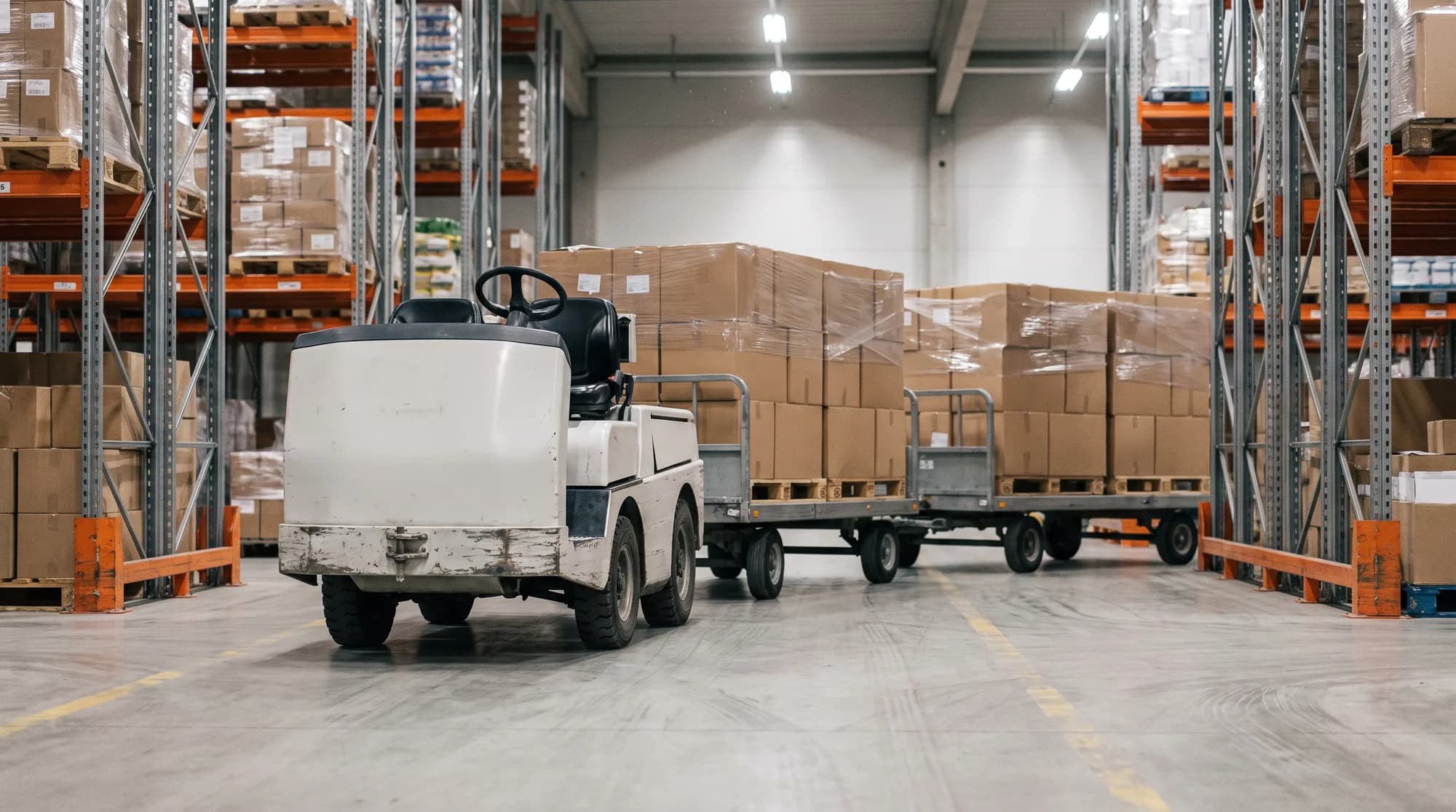
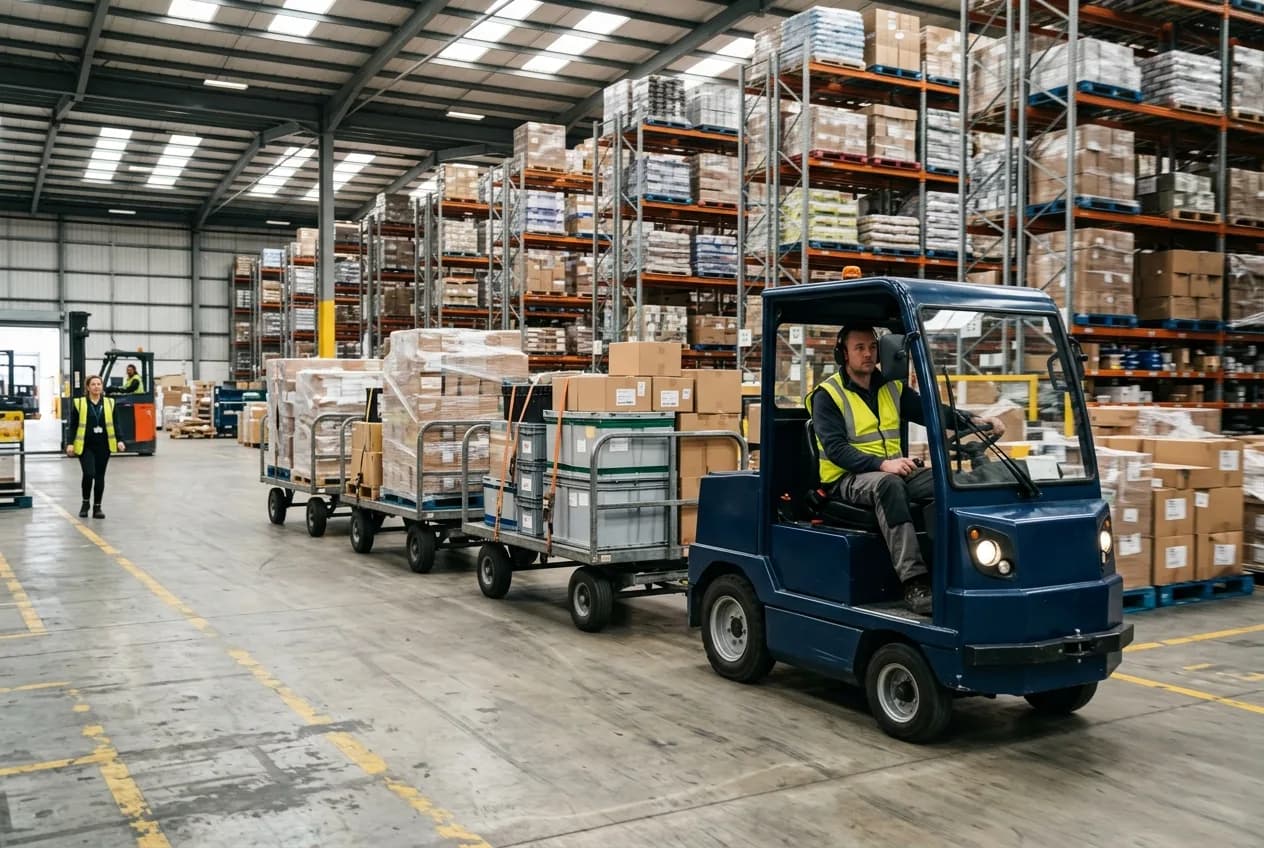
- Tow tractor (tugger): pulls a train of wheeled trailers behind it. The goods sit on the trailers, not the vehicle. Ideal for moving volume between two fixed points, such as goods-in to a pick face, in one trip instead of many.
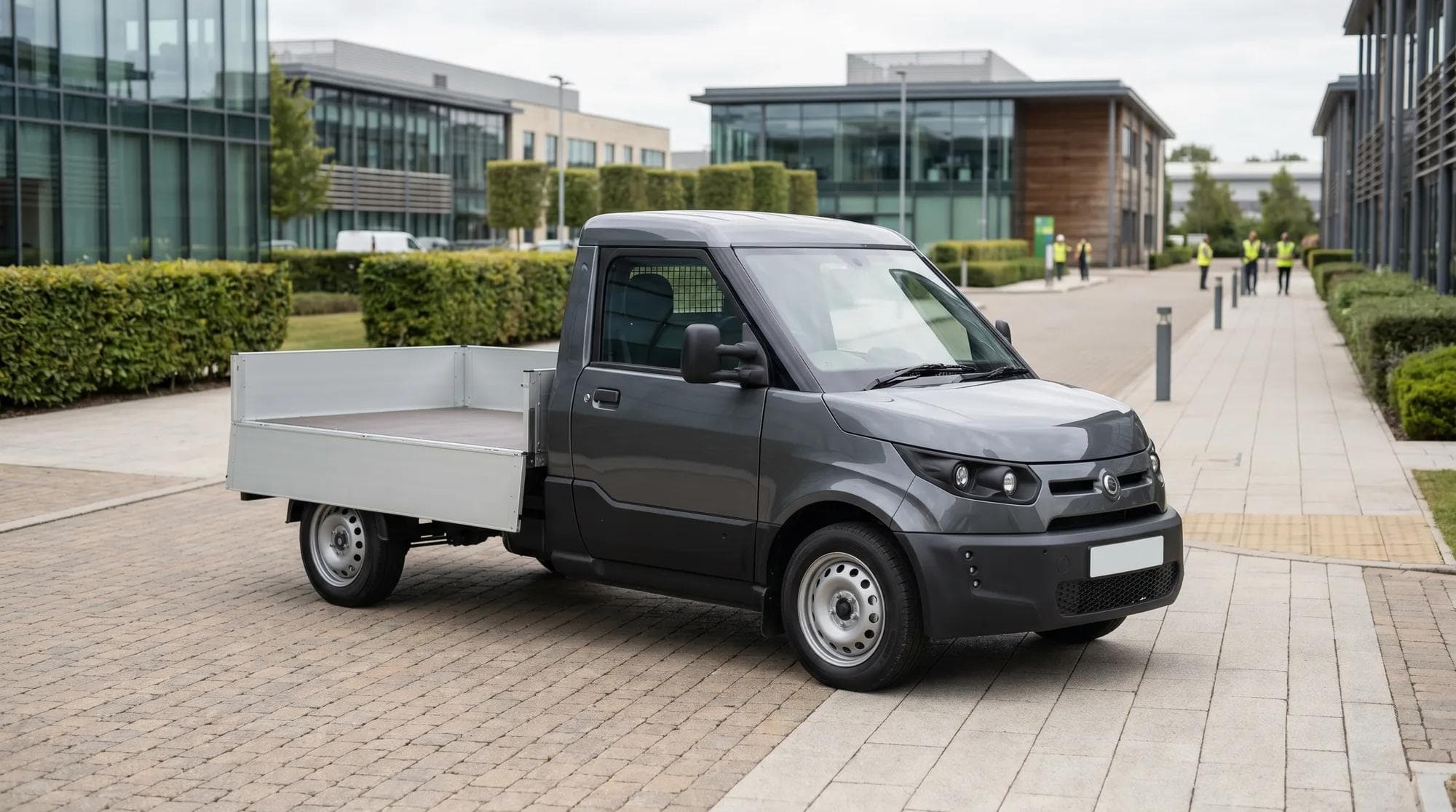
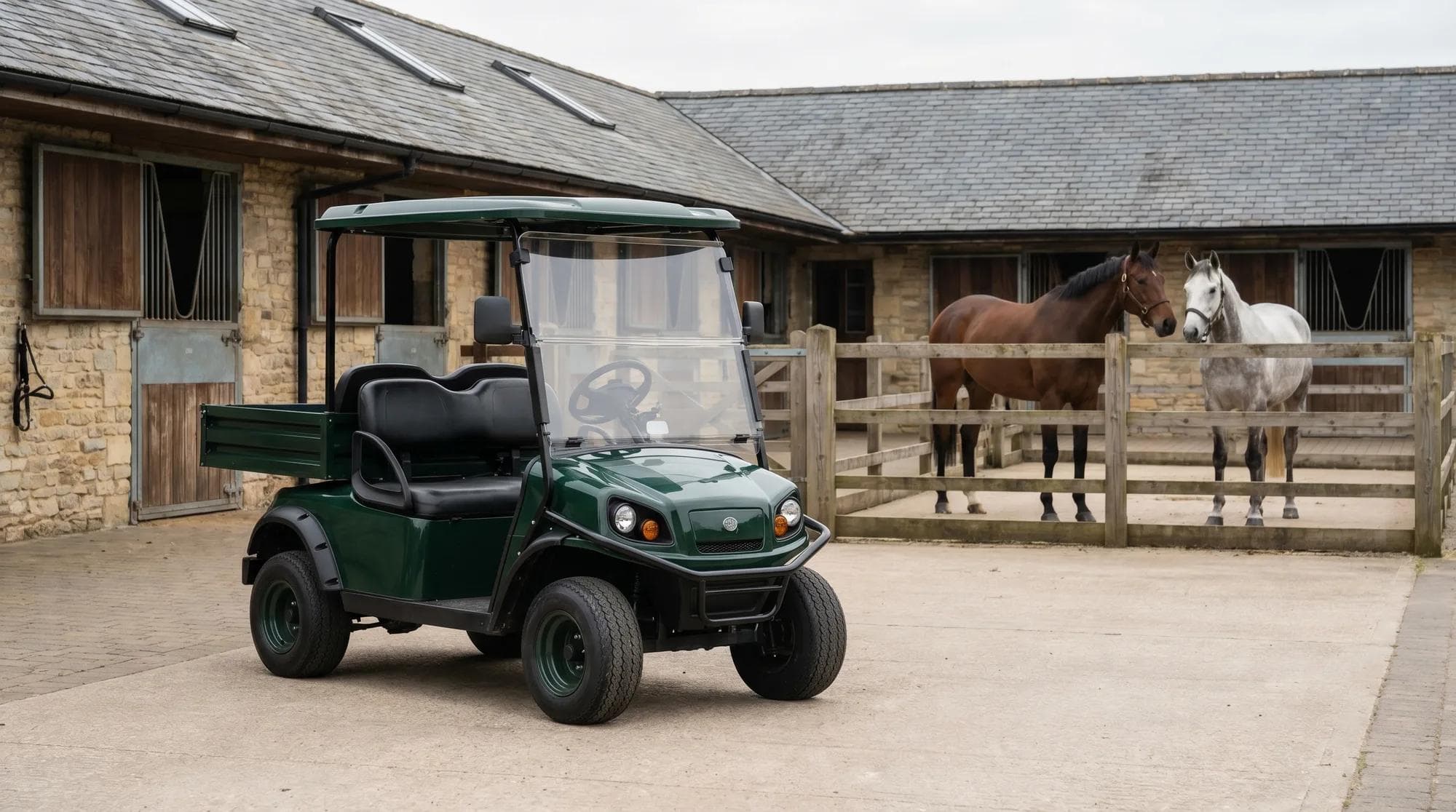
- Burden carrier: carries a load on its own flat bed or box body, like a small flatbed truck for indoors. Good for parts, returns, tools and mixed loads that need to travel but never need lifting.
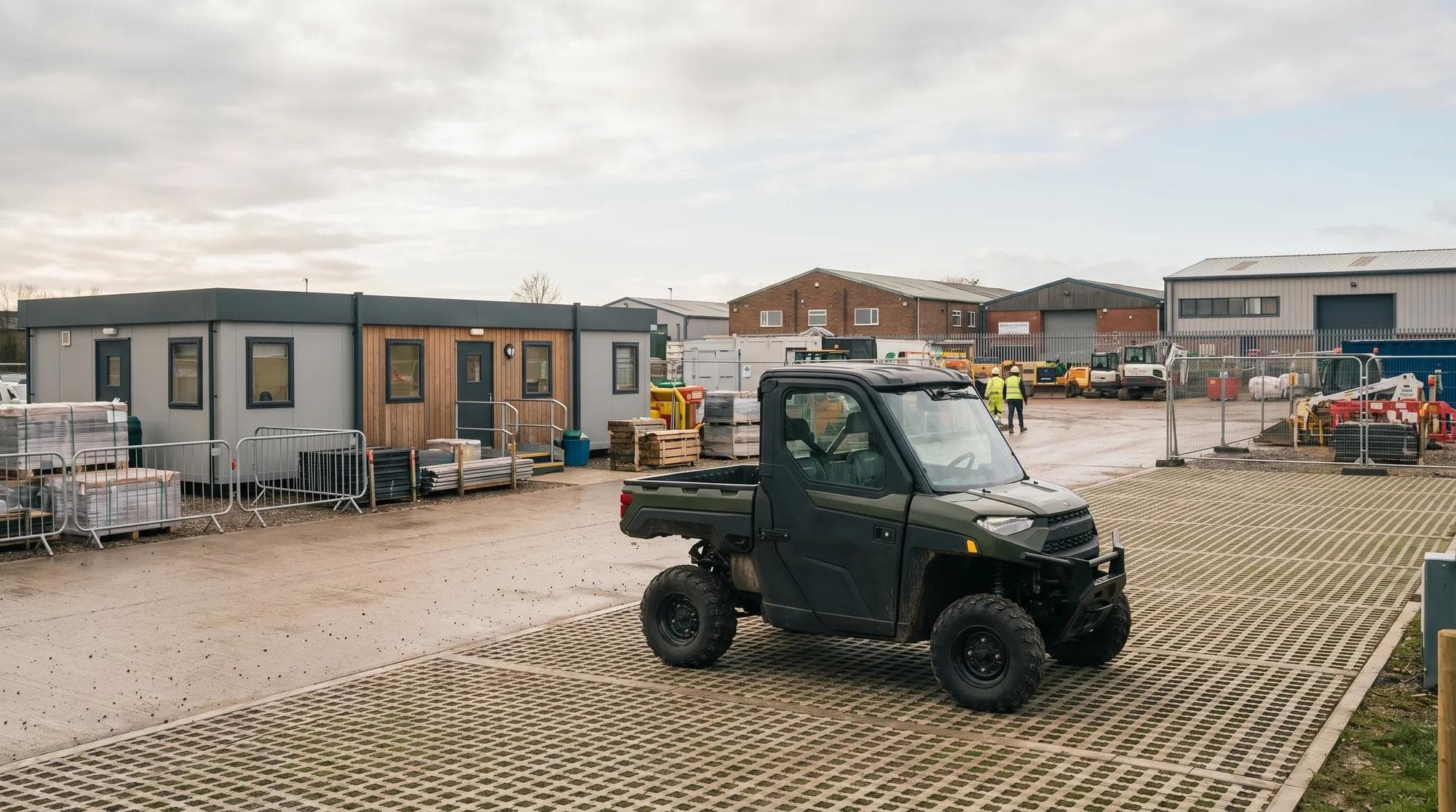
- Stock chaser: a light, quick runabout for a person, sometimes with a small parcel shelf. Built to get a supervisor, picker or engineer across a big site fast, then back again.
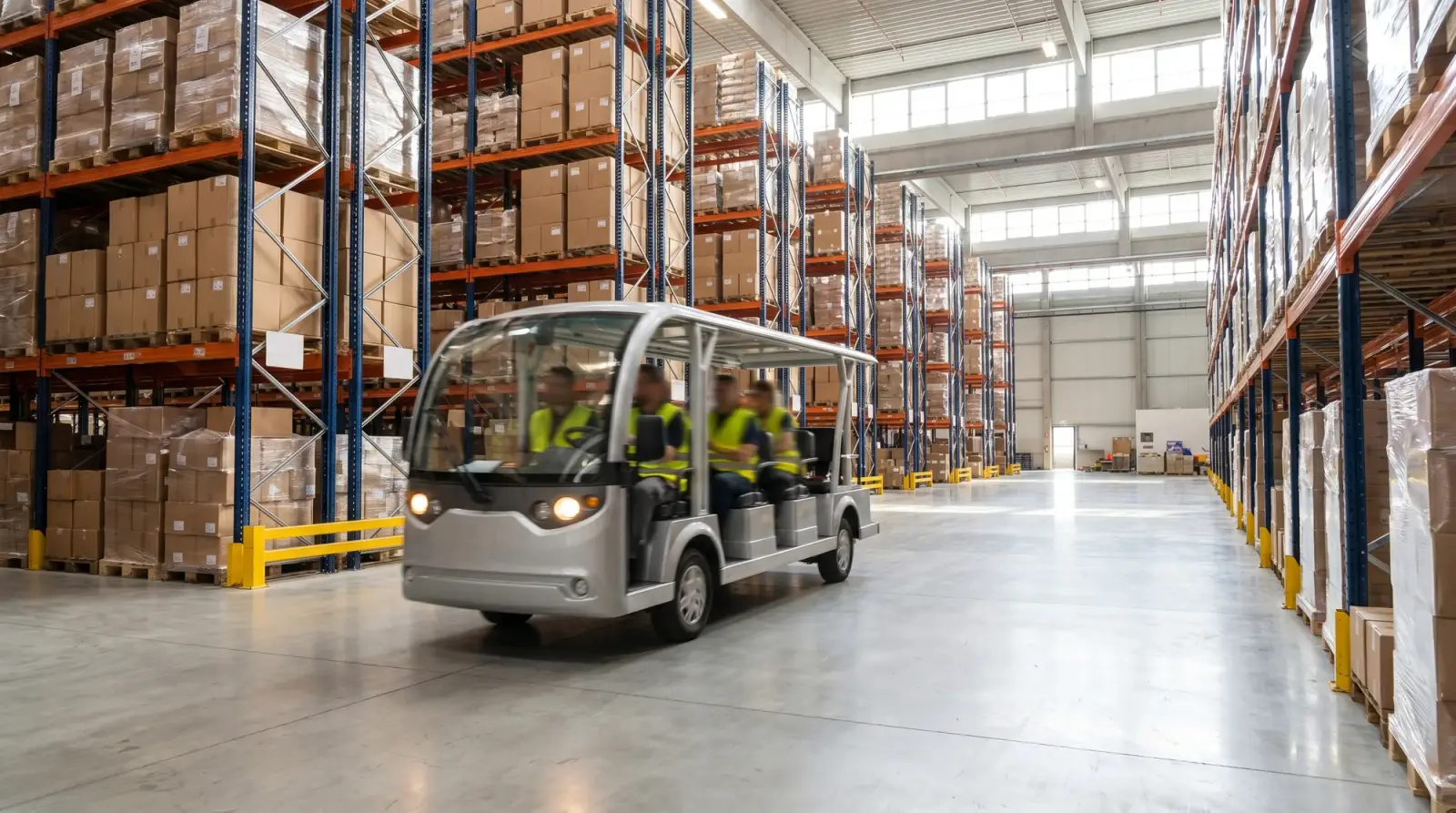
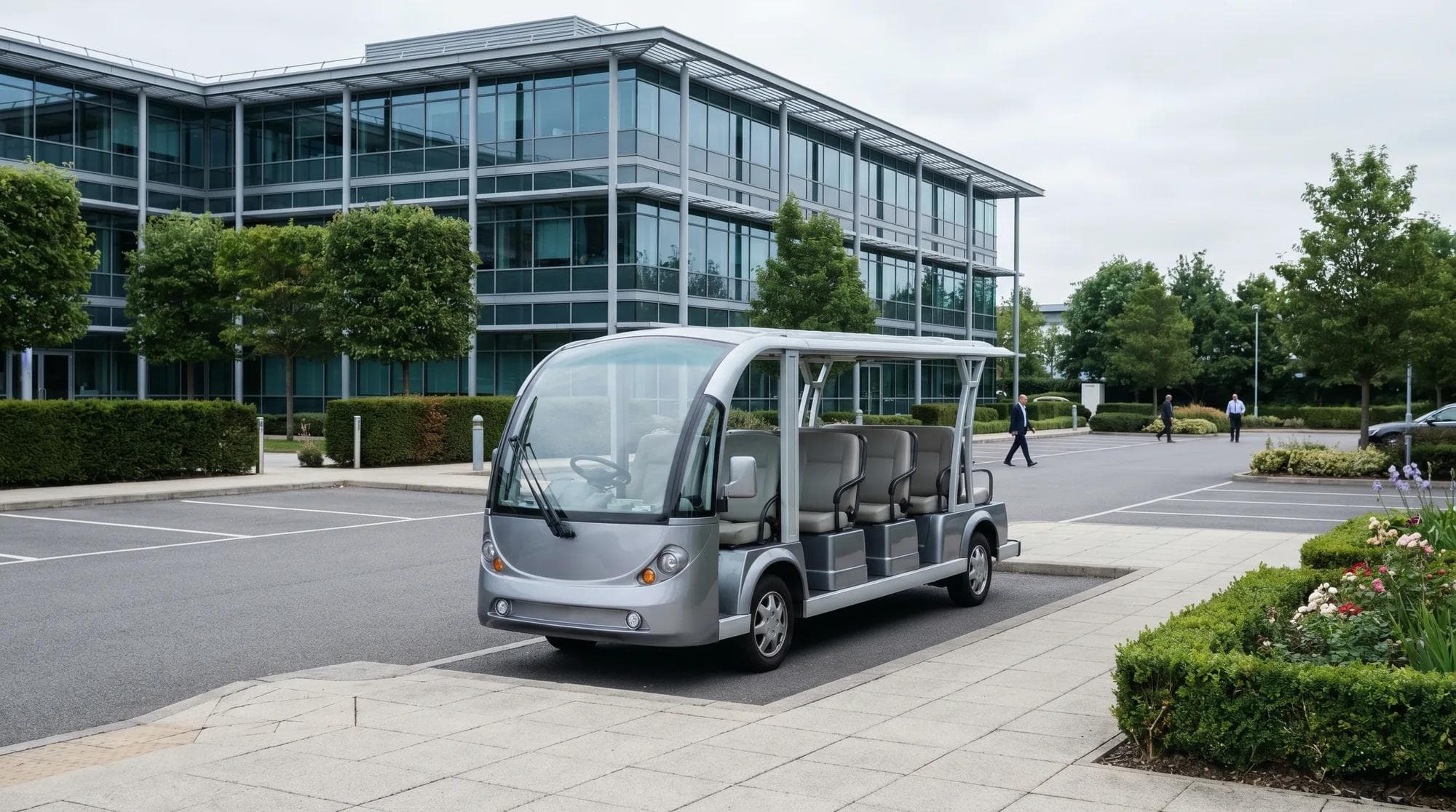
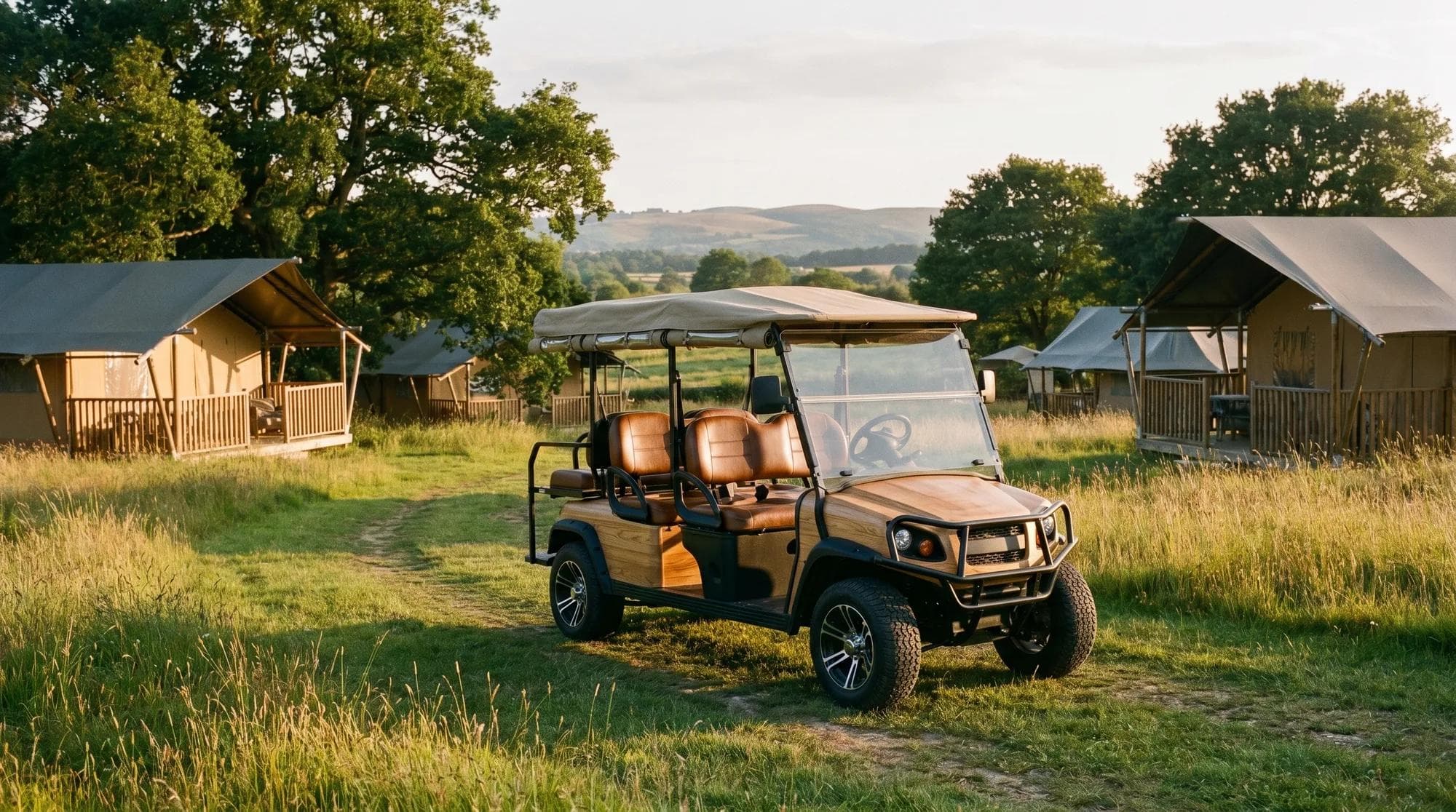
- People-mover: where staff move in groups across a large distribution campus, a multi-seat electric buggy does the job a single stock chaser cannot.
When towing trailers beats individual forklift trips
The clearest case for a tow tractor is repetitive movement of goods between two fixed points. Picture a forklift carrying one pallet at a time from goods-in across to the pick face, then driving back empty, over and over. A tow tractor hitched to four loaded trailers does that run once and delivers the lot. The forklift is freed to do the lifting it is built for, the aisles see fewer heavy machines, and the same goods move with far less driving. The longer the distance and the higher the volume, the more decisive the difference becomes. This is the principle behind milk-run logistics, and it scales well in any large building.
An honest comparison
No single vehicle wins outright, because they are built for different work. Set side by side, the trade-offs are clear, and the right answer depends entirely on the job in front of you. We cover the warehouse picture more fully in our guide to electric buggies for warehouses.
- Forklift
- Lift and stack loads
- Tow tractor / burden carrier
- Move people and goods across the floor
- Forklift
- Poor, slow and inefficient
- Tow tractor / burden carrier
- Strong, especially with trailers
- Forklift
- One load per trip
- Tow tractor / burden carrier
- Several trailers per trip
- Forklift
- Yes, its whole purpose
- Tow tractor / burden carrier
- No
- Forklift
- Higher risk, heavy machine
- Tow tractor / burden carrier
- Lighter, lower speed, simpler
| Forklift | Tow tractor / burden carrier | |
|---|---|---|
| Core job | Lift and stack loads | Move people and goods across the floor |
| Best over distance | Poor, slow and inefficient | Strong, especially with trailers |
| Moving volume | One load per trip | Several trailers per trip |
| Stacking into racking | Yes, its whole purpose | No |
| Safety on open floor | Higher risk, heavy machine | Lighter, lower speed, simpler |
The people-and-kit movement gap
There is a cost most warehouses never measure: staff walking. Pickers covering miles a shift, supervisors crossing the building to sort a query, engineers carrying tools to the far end of the site. None of that is lifting work, so a forklift cannot help, and most sites simply absorb the lost time. A stock chaser or a small people-mover closes that gap. It turns a ten-minute walk into a one-minute drive, keeps staff fresher across a shift, and lets a small team and their kit travel together. The same thinking applies to moving goods the last stretch to a dock, which overlaps with our notes on last-mile delivery vehicles.
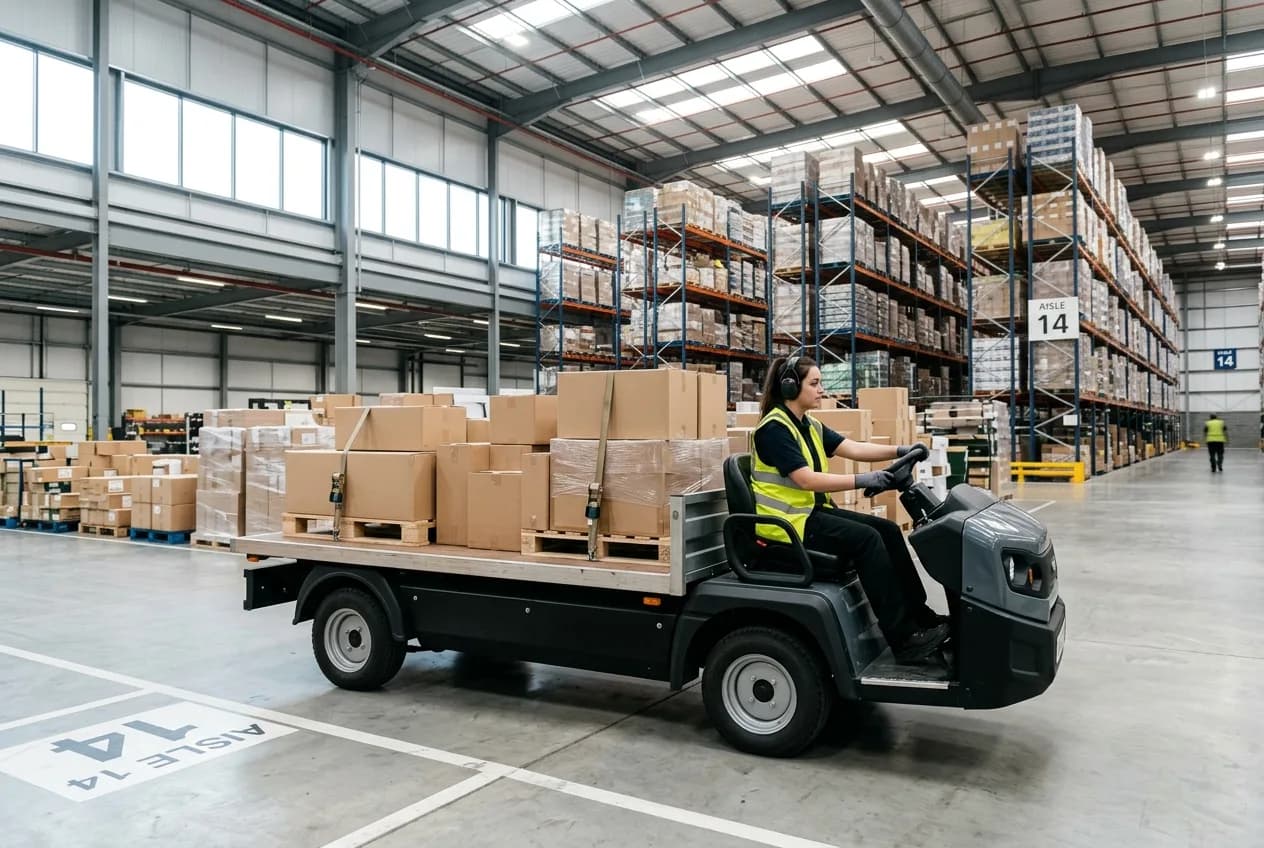
Tugger, carrier or runabout, built to order
Tow tractors, burden carriers, stock chasers and multi-seat people-movers, assembled and finished in the UK in your colours and supported by a 24-hour call-out.
Why electric is the obvious choice indoors
For vehicles working inside a building all day, electric is the sensible default. There are no exhaust fumes, which matters in an enclosed warehouse where air quality and staff health are real concerns. The drive is quiet, so it does not add to the noise of a busy floor. Running costs are lower than petrol or LPG, with no fuel to store or dispense and far less to service. And a battery sized to the daily distance runs the shift and charges overnight. For a vehicle covering the same loops hour after hour, electric is hard to argue against, and it is a clean way to take diesel and LPG out of an indoor space. You can request a quote and we will size the battery to your duty cycle.
Not sure which vehicle your floor needs?
Tell us the distances, the loads and how your goods and people actually move. We will recommend the right mix of tow tractors, carriers and runabouts, built and finished for your site.
Frequently asked questions
What is the difference between a tow tractor and a forklift?+
A forklift lifts and stacks loads using a mast and forks. A tow tractor, or tugger, has no lifting gear; it pulls a train of wheeled trailers across the floor. They do different jobs, and most sites need both.
What is a burden carrier used for?+
A burden carrier moves a load on its own bed or box body, like a small indoor flatbed. It suits parts, returns, tools and mixed loads that need to travel across a site but never need lifting.
When should I tow trailers instead of using a forklift?+
When you are moving goods repeatedly between two fixed points, especially in volume or over distance. A tugger delivers several trailers in one trip, while a forklift carries one load at a time and drives back empty.
Can these vehicles carry staff as well as goods?+
Yes. A stock chaser carries one person quickly across a big site, and a multi-seat people-mover moves a small team and their kit together. That covers the walking that no forklift can help with.
Are electric tow tractors powerful enough for warehouse work?+
Yes. Electric drivetrains give strong pull from a standstill, which suits towing loaded trailers. The key is sizing the battery to the daily distance so the vehicle lasts the shift and charges overnight.
Related solutions
Ready to explore what we build?
See the vehicles and the setting this applies to, or get a tailored quote built around your site.
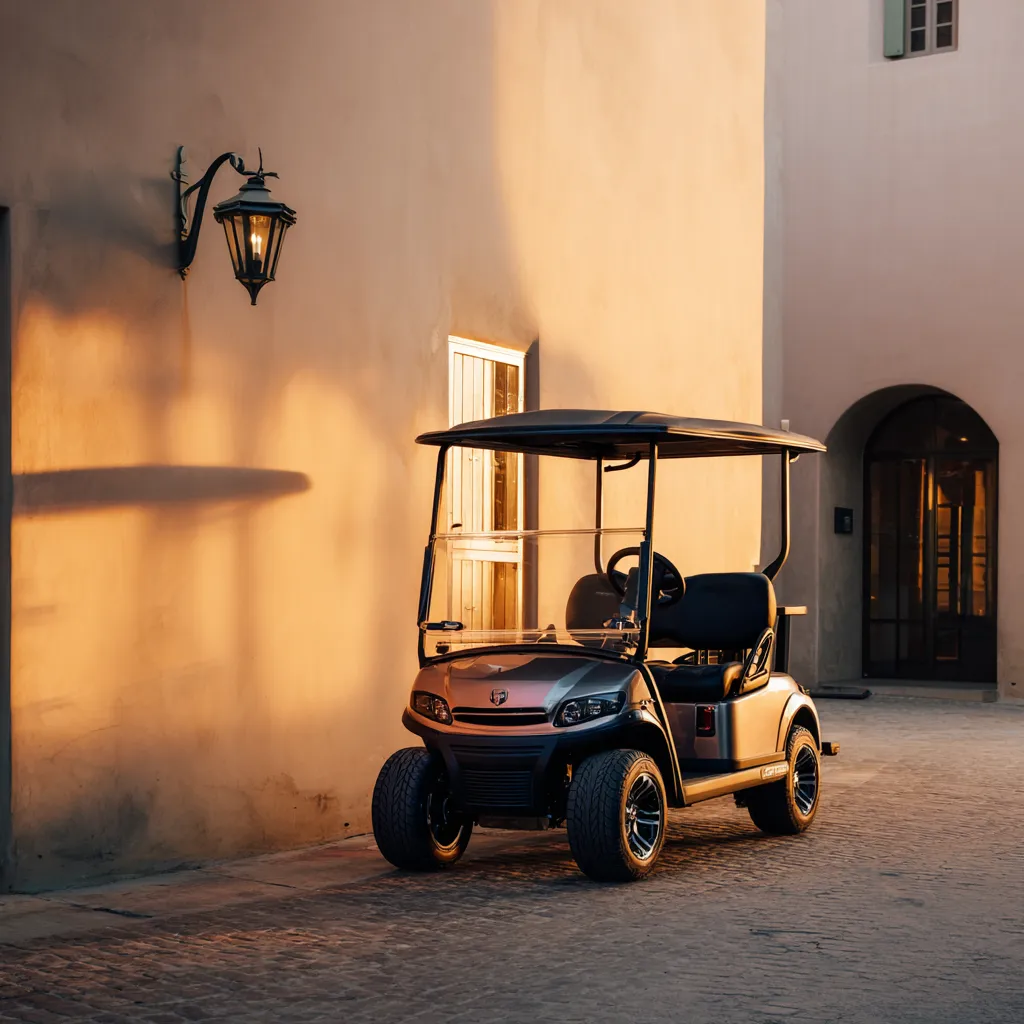
Ready to find the right buggy?
Tell us how and where it will work and we will specify a vehicle and a tailored quote built around you. Every build comes with a 3-year warranty and a 24-hour priority call-out.
Our guides are written and reviewed by the Hawke Electric Vehicles team, the people who specify, build, deliver and support the vehicles. We focus on honest, practical advice and flag where a figure depends on the build rather than guessing.
More guides by Hawke