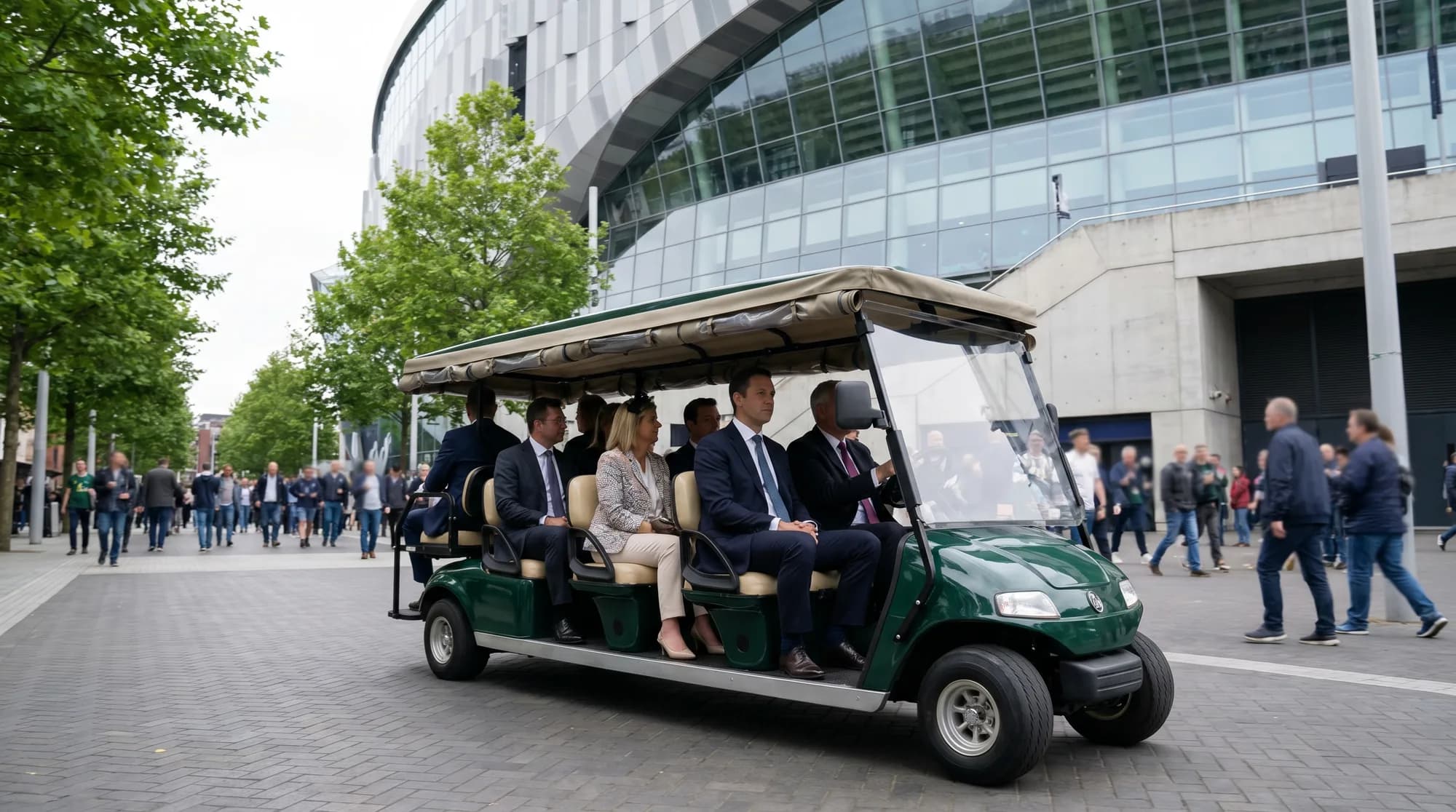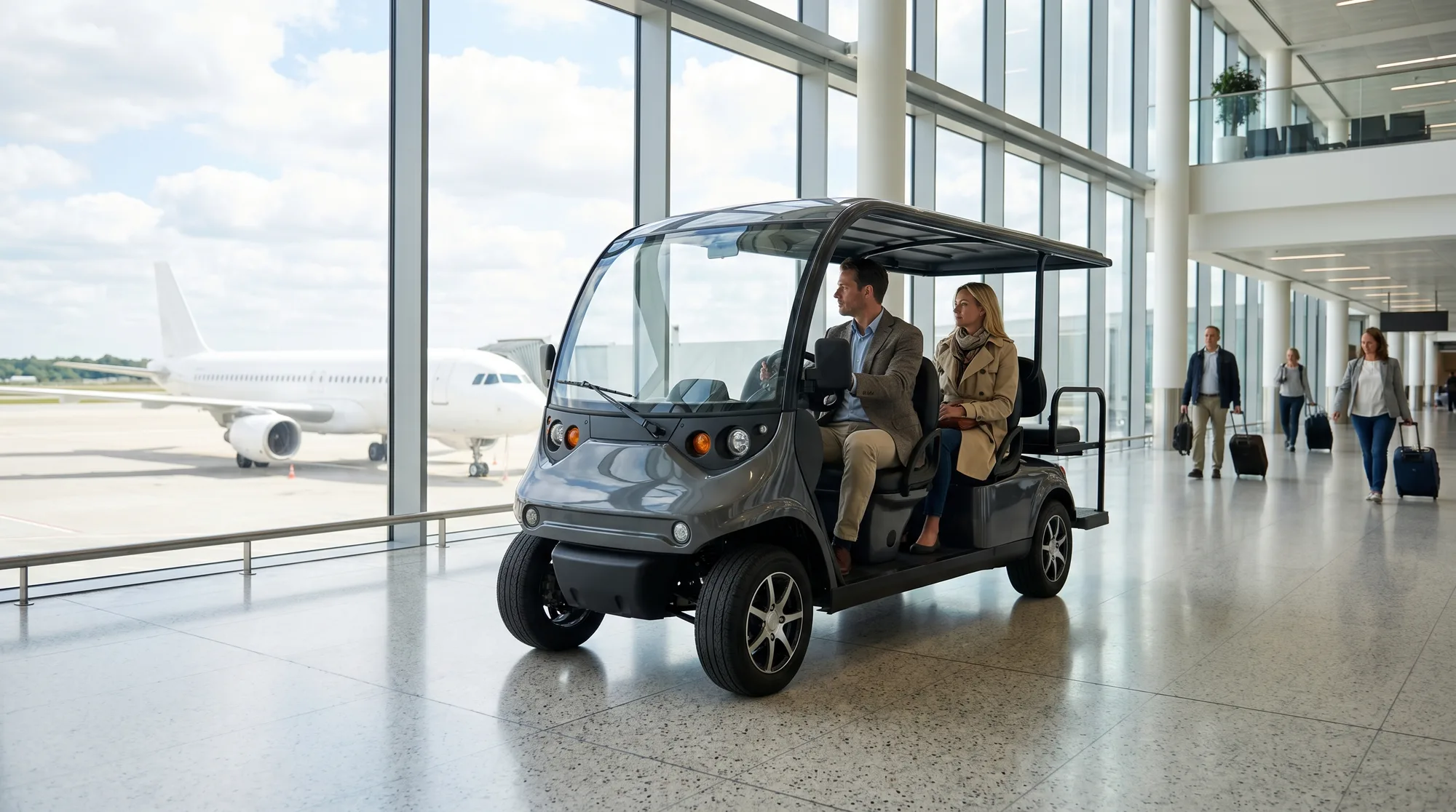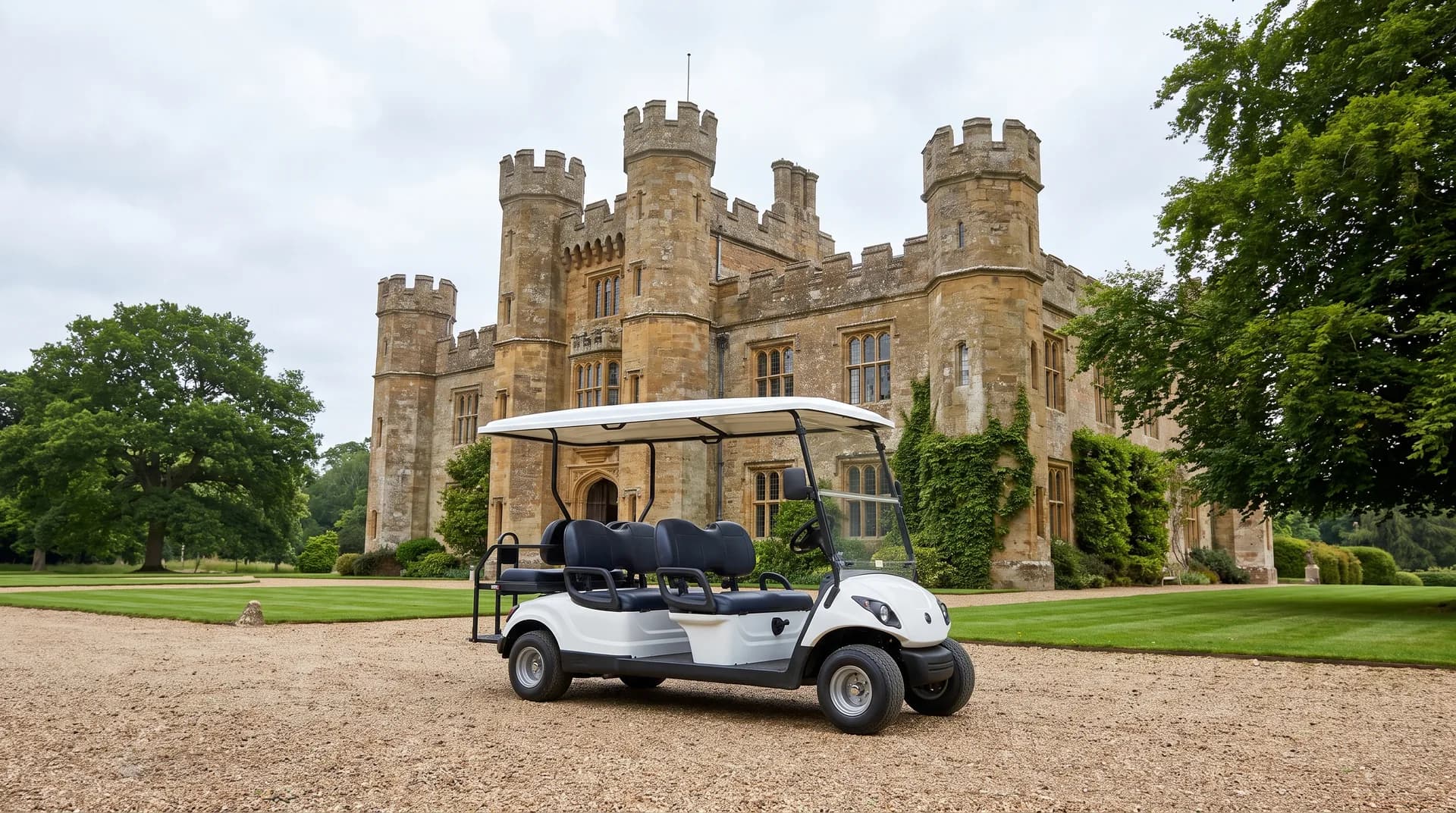
A castle or a palace is a large site built long before anyone thought about car parks, and moving people across it is a real problem: visitors who cannot manage the walk from the gate, staff crossing acres between buildings, and grounds that must not be marked, fumed or disturbed. An electric buggy answers all three at once, which is why heritage sites reach for them. This guide sets out how to choose one that serves the visitor and the staff without harming the place.
- An electric buggy moves visitors and staff across large heritage grounds quietly, with no exhaust near old stone or planting.
- Specified with the right tyres and weight, it protects gravel, lawns and historic surfaces rather than scarring them.
- A wheelchair-accessible configuration lets less mobile visitors travel with dignity, level and secured.
- Finished to suit the setting, it reads as part of the site rather than a piece of yard equipment.
- Standard vehicles are for private grounds; road use needs a separate type-approved specification, and we advise honestly on that.
Why electric, and why it matters at a heritage site
The whole appeal of a castle or palace is atmosphere: the quiet, the air, the sense of a place preserved. A petrol runabout works against every part of that, announcing itself across open ground and leaving fumes where visitors gather and old fabric weathers. An electric buggy runs near silently with zero tailpipe emissions, so it can pass a great hall, a formal garden or a queue of visitors without intruding. On grounds where conservation is the point, that is not a nicety, it is the reason to choose electric at all.
Protecting historic surfaces
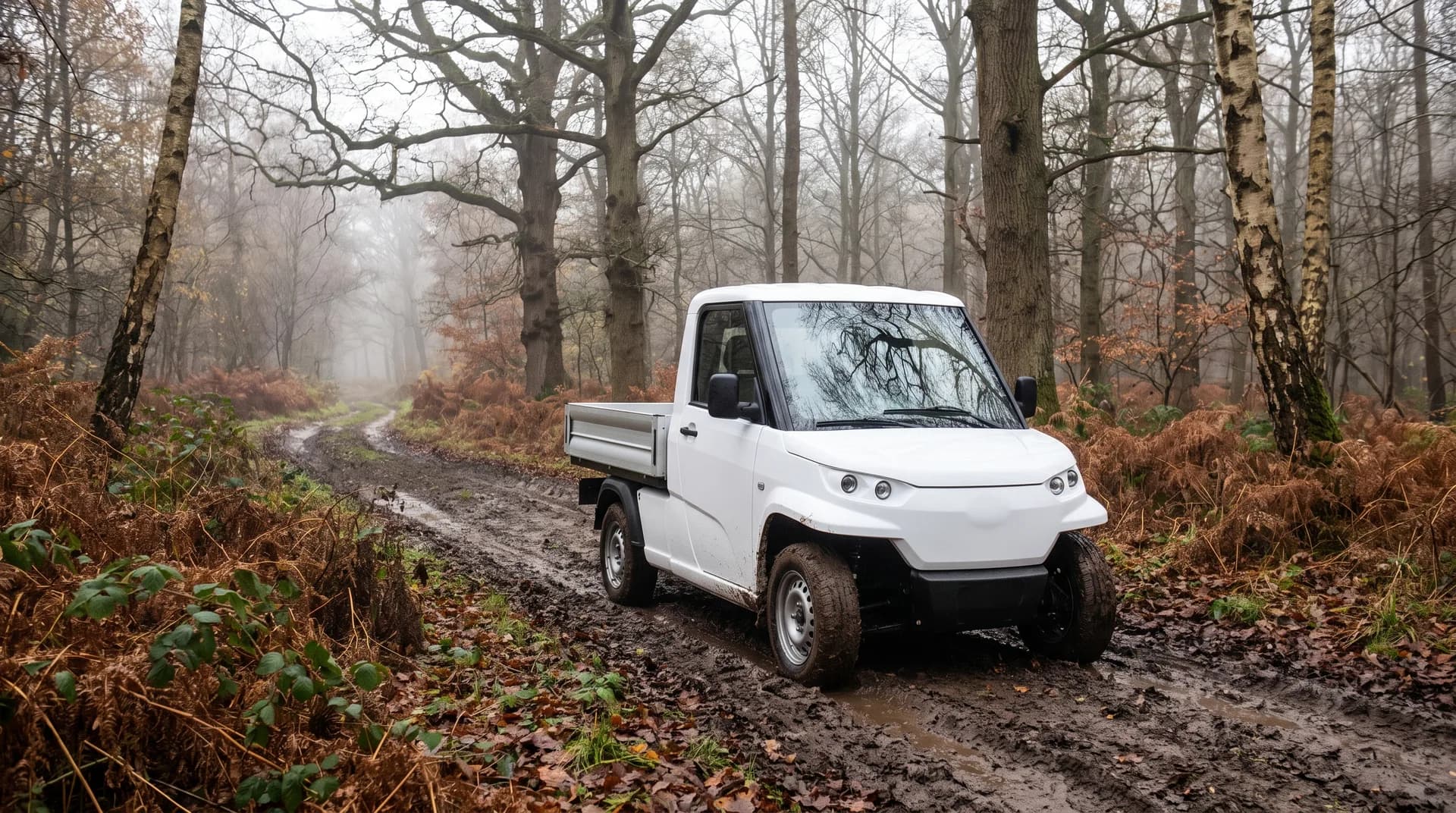
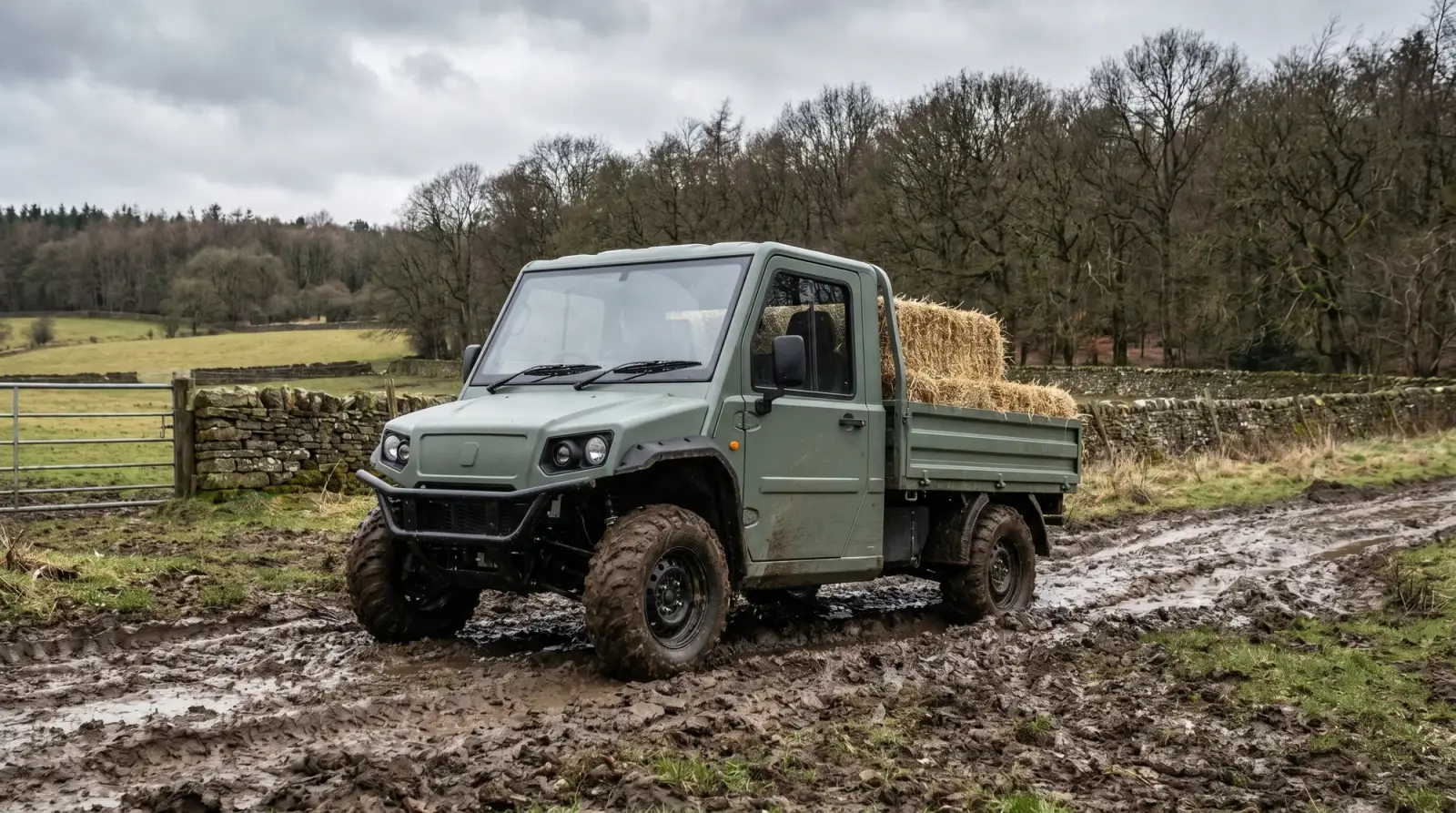
Marking comes from ground pressure, the combination of tyre choice and loaded weight, so a vehicle that is specified correctly protects a surface that the wrong one would scar within a season. We fit turf or all-terrain tyres and match the loaded weight to the gravel, lawn or path it will cross, so the buggy spreads its load rather than concentrating it. On especially soft or protected ground we advise on tyre pressures and routes as well. Our grounds and turf keeping work goes into how this is specified in practice.
Moving visitors, including those who cannot walk far
A heritage site draws visitors of every age and mobility, and the distance from the car park to the entrance can be the hardest part of their day. A passenger buggy carries them the part of the journey they cannot walk, in comfort, and a wheelchair-accessible configuration lets a visitor board by ramp and travel in their own chair, level and secured, without an undignified transfer. This is the same thinking as our passenger mobility and PRM work, applied to a heritage setting.
Finished to suit the setting
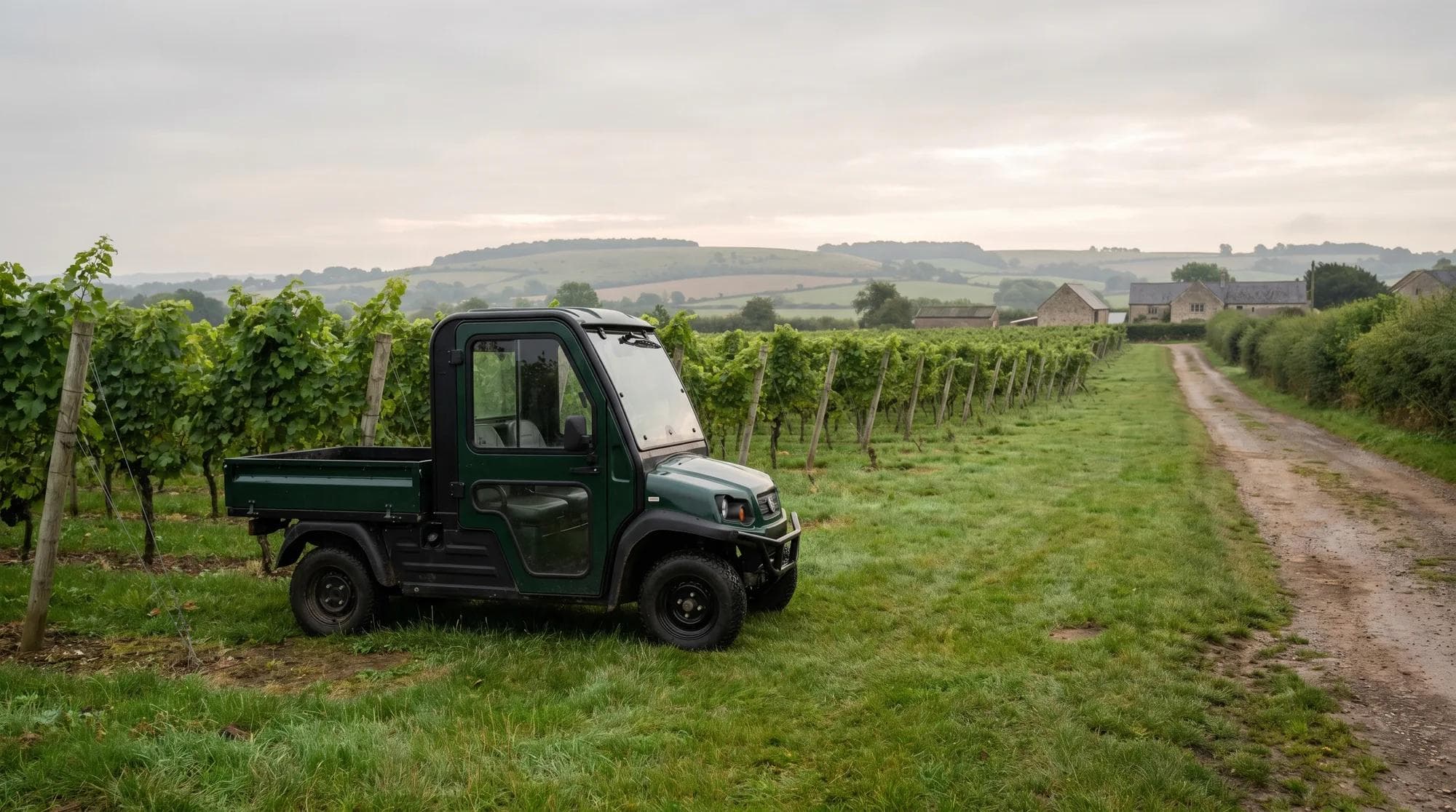
A vehicle that jars with a historic backdrop undoes the effort. Every Hawke build is bespoke, so liveries, seating and detailing are chosen to look right against old stone rather than against it, and your crest or branding is applied at build. As a British brand assembling in the UK, we treat the finish as part of the commission, not an afterthought, so transport complements the site.
How to specify one for your site
- Map the journeys: gate to entrance, between buildings, garden tours, and staff routes.
- Count the busiest realistic day, so the fleet is sized with headroom rather than queues.
- Note the surfaces and gradients each route crosses, so tyres and drive are specified correctly.
- Decide where accessibility matters, and specify a wheelchair-accessible configuration for it.
- Agree the finish, so the vehicle suits the setting from the first glance.
Frequently asked questions
Will an electric buggy damage lawns or gravel at a heritage site?+
Not when it is specified correctly. Marking comes from ground pressure, which is tyre choice and loaded weight together. We fit turf or all-terrain tyres and match the weight to the surface so the vehicle spreads its load. On protected or very soft ground we also advise on pressures and routes.
Can visitors with reduced mobility be carried?+
Yes. A wheelchair-accessible configuration lets a visitor board by ramp and travel in their own chair, level and secured, avoiding a transfer. Passenger buggies also carry those who tire over distance. We specify the mix for your visitor profile.
Is it quiet enough for a heritage setting?+
Yes. The vehicles are fully electric and near silent with no exhaust, so they preserve the calm and protect old fabric and planting, even at busy times.
Can it be finished to suit our site?+
Yes. Every build is bespoke, with liveries, seating and detailing chosen to look right against a historic backdrop, and your crest or branding applied at build.
Are these road legal between parts of the estate?+
Standard vehicles are built for private grounds. Where a vehicle must use a public road, that needs a separate type-approved specification, and we advise honestly on what is required rather than imply an ordinary buggy qualifies.
Tell us about your site
Tell us your grounds, your visitor numbers and the routes you need to cover, and we will help specify the right vehicle for a castle or palace and put a tailored quote together.
Related solutions
Ready to explore what we build?
See the vehicles and the setting this applies to, or get a tailored quote built around your site.
Ready to find the right buggy?
Tell us how and where it will work and we will specify a vehicle and a tailored quote built around you. Every build comes with a 3-year warranty and a 24-hour priority call-out.
Our guides are written and reviewed by the Hawke Electric Vehicles team, the people who specify, build, deliver and support the vehicles. We focus on honest, practical advice and flag where a figure depends on the build rather than guessing.
More guides by Hawke