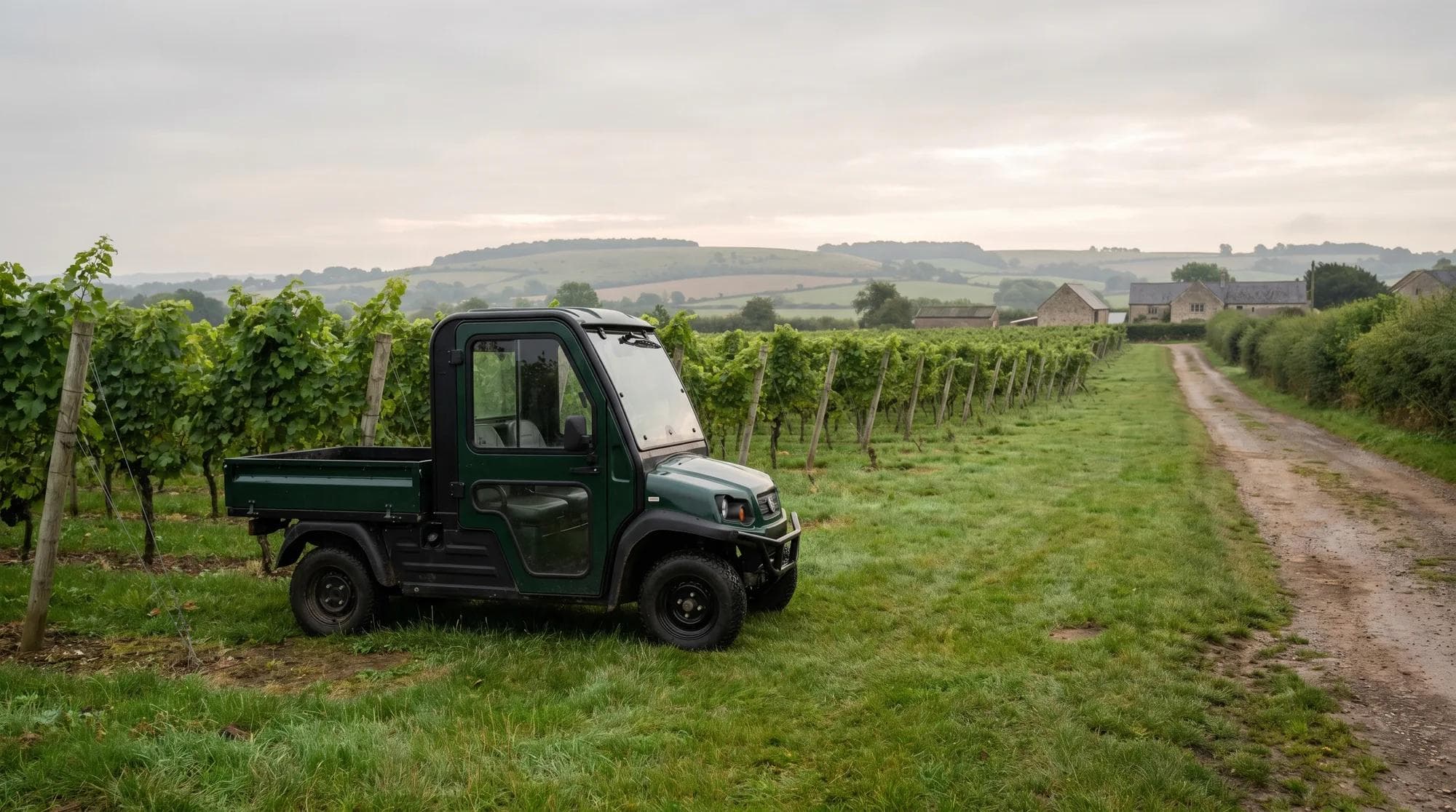
A vineyard is a long site with narrow, repeated work and a growing stream of visitors, and most of it gets covered on foot or on something noisy. A vineyard utility vehicle changes that. The right buggy runs the rows at pruning and harvest, carries tools, crates and people across the site without compacting the soil, and then takes guests on a quiet tour that ends at the tasting room. Electric drive is what makes all three jobs sit comfortably in one vehicle. This guide walks through how a working UK winery actually uses one.
Why a vineyard utility vehicle earns its keep
Vineyard work is repetitive and spread out. Someone is forever walking a tool, a tray of cuttings or a box of bottles from one end of a block to the other, and that walking adds up across a season. A buggy collapses those trips. It carries the pruning gear out in the morning, ferries pickers and crates at harvest, and moves stock and signage when the cellar door is busy. Because it's electric, it does all of it without an engine drone rolling down the rows or fumes drifting near the fruit. On a quiet morning among the vines, that silence is part of the point.
The best vineyard vehicle does the heavy weeks at harvest, then turns into the calm way to show visitors round.
Running the rows: transport between vines
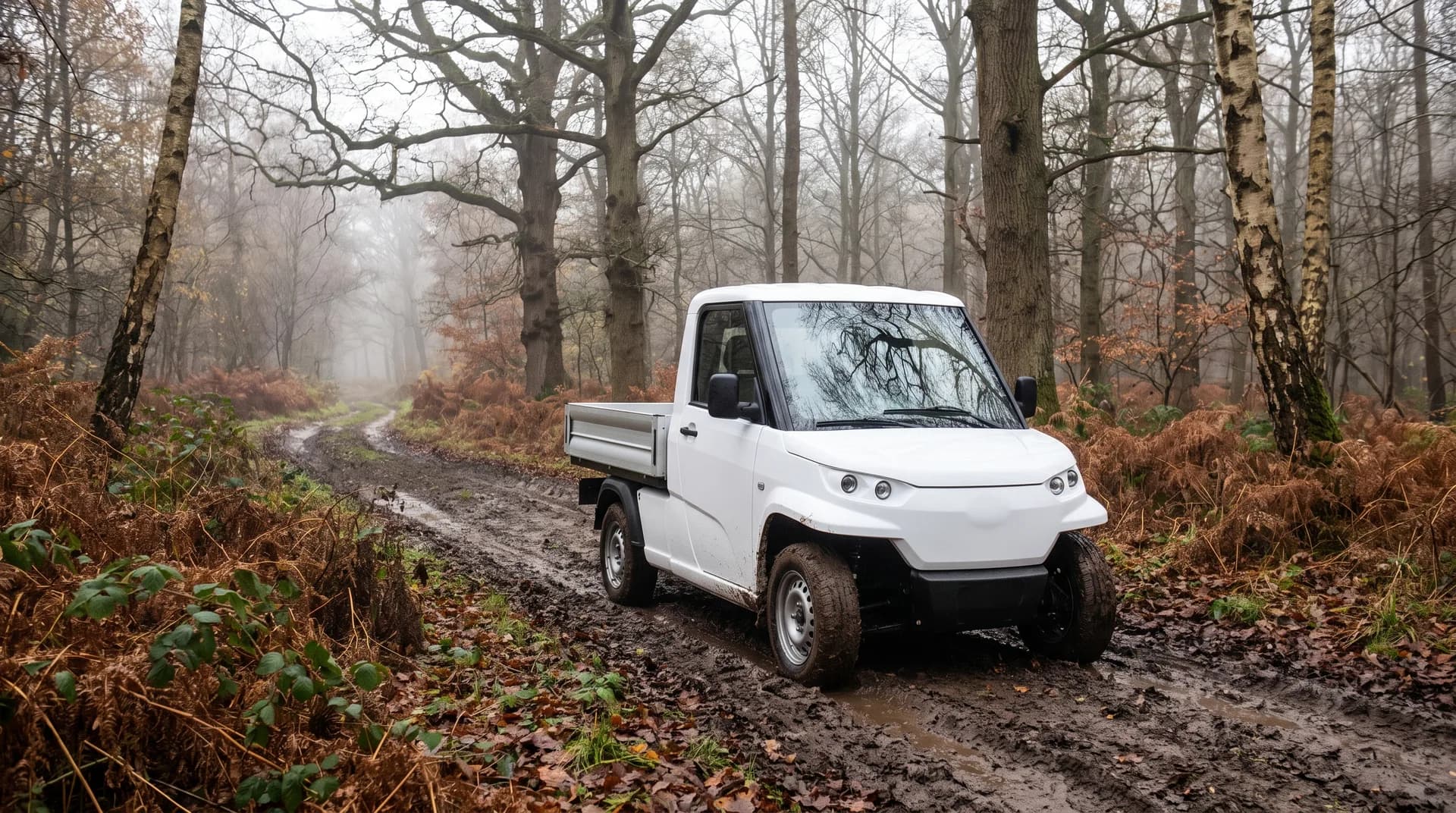
Most of a buggy's working life is the unglamorous bit: moving people and kit up and down the rows. Trellis spacing is the first thing to get right, since the vehicle has to fit comfortably down a headland and turn at the end without clipping posts or wires. A two seater (the Hawke S2) is nimble for a single worker checking blocks, while the utility model (the Hawke S2 Pickup) carries a real load of tools and trays for a team. At harvest a four seater (the Hawke S4) shifts pickers between blocks so nobody loses twenty minutes walking back for the next row.
If you also run an estate alongside the vines, or wider grounds beyond the planted blocks, the same vehicle handles both. Tell us the row width and the heaviest regular load and we'll specify a buggy that fits the gap and carries the work.
Low-impact, quiet operation: soil and vines
This is where electric genuinely matters for a vineyard, not just as a nice-to-have. Soil compaction is a real cost: repeated heavy passes squeeze the ground, hurt drainage and stress the root zone, which is the last thing you want in the rows you depend on. A buggy is far lighter than a tractor or a quad with a trailer, so it treads more gently, especially on wet spring ground. Specify the right tyres and you spread that weight further still. The honest caveat: a buggy won't replace a tractor for spraying or cultivation, but for the constant people-and-kit trips it carries the load with a much smaller footprint.
Noise is the other quiet win. Electric drive runs near-silent, so it doesn't disturb the calm of the rows, the neighbours, or wildlife, and it keeps the working day pleasant rather than droning. No exhaust near the fruit is a tidy bonus when you're trying to keep everything as clean as possible.
Load: tools, crates and harvest
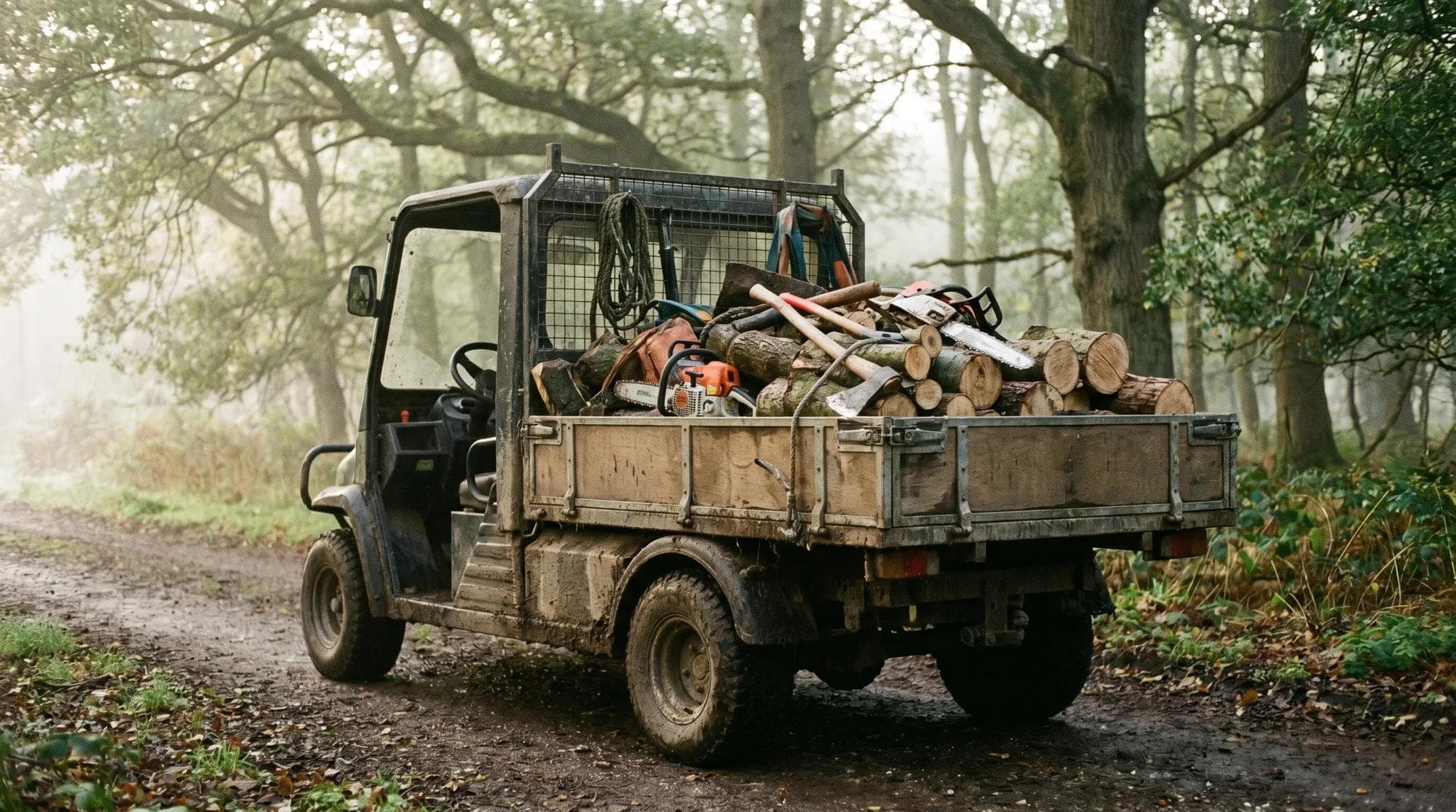
What you carry decides which vehicle you need more than anything else. For a quick row check it's secateurs, a notebook and a flask. At pruning it's loppers, ties and bins of cuttings. At harvest it's full picking crates, which get heavy fast, plus the pickers themselves. Be honest about the heaviest regular day, not the average one, because a buggy always working at its limit wears sooner and lets you down at the worst moment. The utility model (the Hawke S2 Pickup) is built for the carrying and the optional towing of a small trailer of crates.
- Best for
- A single worker checking blocks, nimble in the rows
- Best for
- Moving pickers between blocks at harvest
- Best for
- Tools, crates, towing and year-round work
- Best for
- Larger tour groups and busy tasting days
- Best for
- A vehicle built to your exact brief
| Best for | |
|---|---|
| Two seater (the Hawke S2) | A single worker checking blocks, nimble in the rows |
| Four seater (the Hawke S4) | Moving pickers between blocks at harvest |
| Utility (the Hawke S2 Pickup) | Tools, crates, towing and year-round work |
| Six seater (the Hawke S6) | Larger tour groups and busy tasting days |
| Bespoke | A vehicle built to your exact brief |

The visitor and tasting experience
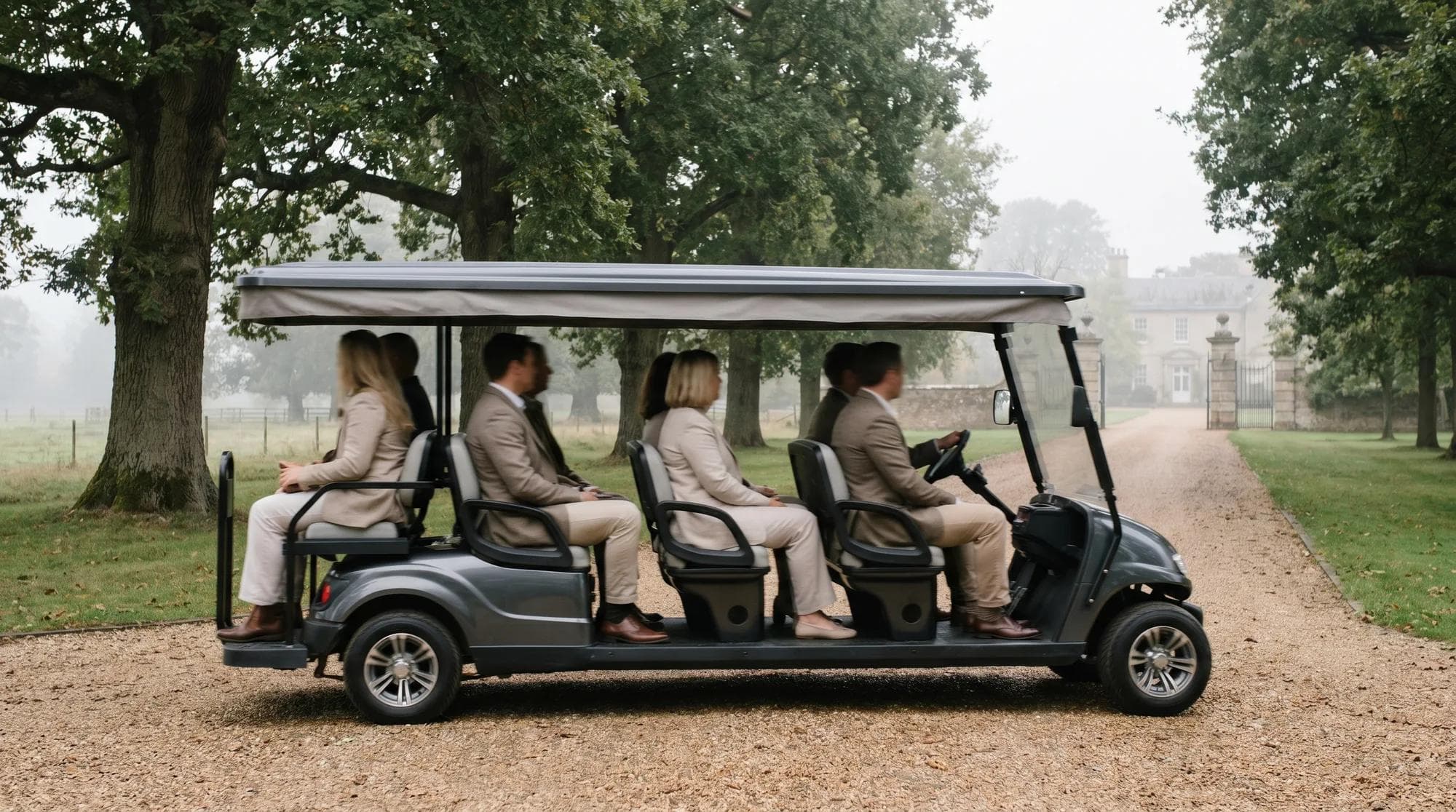
The UK wine sector is growing fast, and with it the number of vineyards opening their gates for tours, tastings and events. That's where a buggy stops being purely a work tool and starts earning its place at the front of house. A quiet, comfortable vehicle takes guests out among the vines without a long walk that puts older visitors off, and the near-silent ride means your guide can actually be heard talking through the blocks rather than shouting over an engine. Finish it nicely and arrive at the tasting room and the buggy becomes part of the experience, not just the way you got there.
For bigger tour groups or busy weekends, a six seater (the Hawke S6) moves a full party in one go, which keeps the timetable tight and the tasting room flowing. The same approach works for resorts and hotels running guest transport, and our guide to electric people movers and shuttles covers shuttling visitors in more detail if tours are a big part of your day.
A quiet buggy means your guide is heard and your guests arrive at the tasting fresh, not footsore.
A few practical things to get right
Most of these are easy if you plan them in, and a nuisance if you don't.
- Row and headland width. Measure the tightest gap and the turning space so the buggy fits everywhere without clipping trellis or fruit.
- Soil and tyres. Tell us how soft and wet the ground gets so the tyres spread the load and minimise rutting.
- Heaviest load. Spec to a full day of harvest crates or a full tour group, not the average trip.
- Keep it on private land. A standard buggy is built for the vineyard's own grounds, not the public road. If any route crosses a public road, flag it early, as that's a different vehicle entirely.
- Weather protection. A roof and screen turn a fair-weather vehicle into one that works through a British growing season and a damp autumn harvest.
Designing a bespoke vineyard buggy
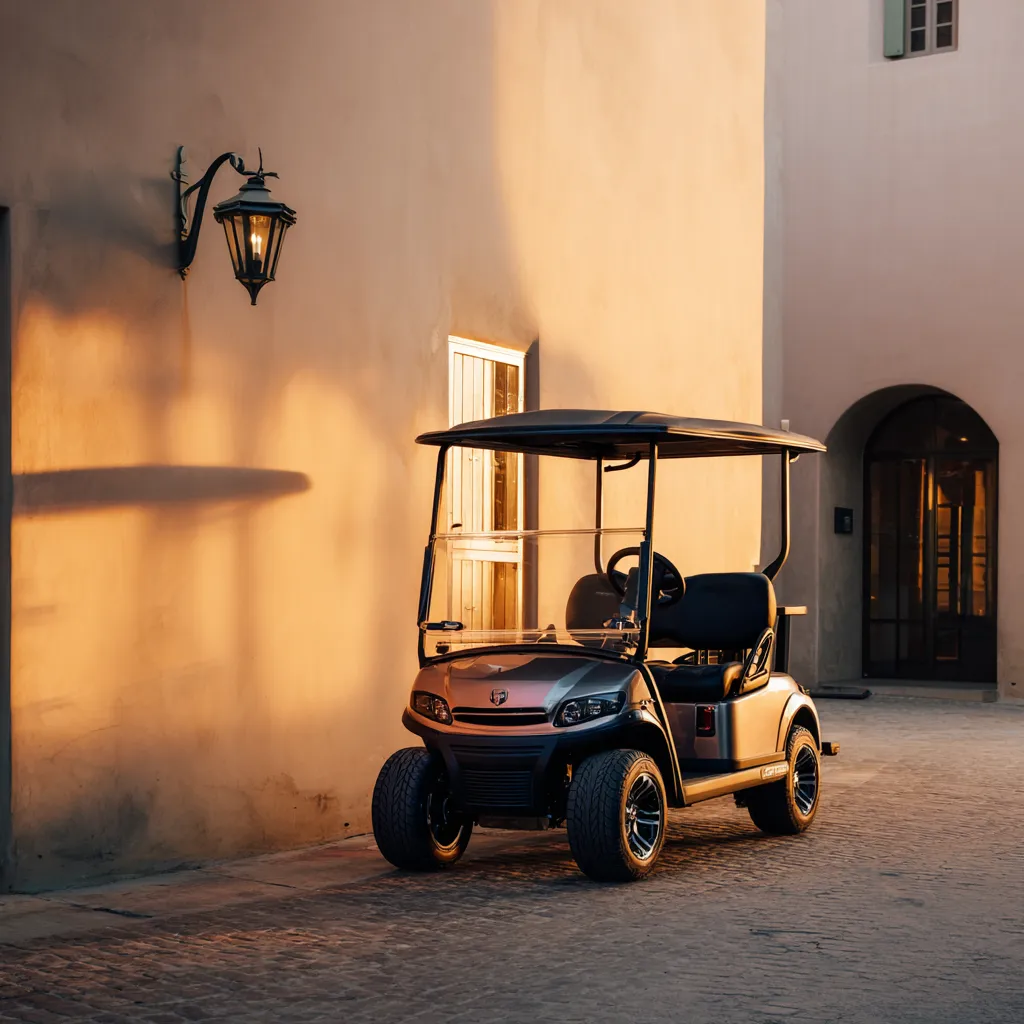
If you want one vehicle that does the rows and the tours properly, a buggy can be built to a brief: the load bed and towing for harvest, the seating and finish for visitors, the tyres for your soil, and the body in your vineyard's colours with a discreet crest. For a winery that takes its brand seriously, a bespoke build becomes the vehicle every guest remembers from the tour. Every build comes with a 3-year warranty and a 24-hour VIP call-out behind it, and the only real limit is your brief. You can see the working line-up on our utility model page, then tell us how you'll use it and we'll specify it and confirm a tailored price.
Specify a buggy for your vineyard
Tell us your row width, your soil and how you'll split the work between the rows and the tours, and we'll specify the right vehicle and a tailored quote built around your winery.
Frequently asked questions
What kind of vehicle is best for a vineyard?+
For the constant trips of people and kit, a vineyard utility vehicle suits better than a tractor or quad: it's lighter, quieter and gentler on the soil. The utility model carries tools and crates and tows a small trailer, while smaller buggies are nimble in the rows. A tractor is still needed for spraying and cultivation.
Will an electric buggy compact the vineyard soil?+
Far less than a tractor or a loaded quad, because it's much lighter. Repeated heavy passes are what cause compaction, and a buggy treads more gently, especially on wet spring ground. Specify wider or turf-friendly tyres for your soil and you spread that weight further and cut rutting.
Can a buggy fit down vineyard rows?+
Often yes, but it depends on your trellis spacing, so measure your narrowest row and turning headland first. A two seater is the most nimble for a single worker, and we size and specify the vehicle to fit the tightest gap so it never clips posts, wires or fruit.
Are vineyard buggies good for visitor tours?+
They're ideal. A near-silent electric buggy carries guests among the vines without a long walk, and the quiet means your guide is actually heard. A six seater moves a full tour group at once, and a smart finish makes the buggy part of the experience that ends at the tasting room.
How much does a vineyard buggy cost?+
Every buggy is built to order, so pricing is on request. Tyres, load bed, towing, weather protection and any bespoke branding move the figure. We confirm the price on a tailored quote.
Can a vineyard buggy be used on the road?+
A standard buggy is built for the vineyard's private grounds, not the public road, and that covers almost all vineyard work and tours. The moment any route touches a public road, even to cross it, the rules change and you need a different, road-registered vehicle, so flag any road use when you enquire.
Related solutions
Ready to explore what we build?
See the vehicles and the setting this applies to, or get a tailored quote built around your site.
Ready to find the right buggy?
Tell us how and where it will work and we will specify a vehicle and a tailored quote built around you. Every build comes with a 3-year warranty and a 24-hour priority call-out.
Our guides are written and reviewed by the Hawke Electric Vehicles team, the people who specify, build, deliver and support the vehicles. We focus on honest, practical advice and flag where a figure depends on the build rather than guessing.
More guides by Hawke