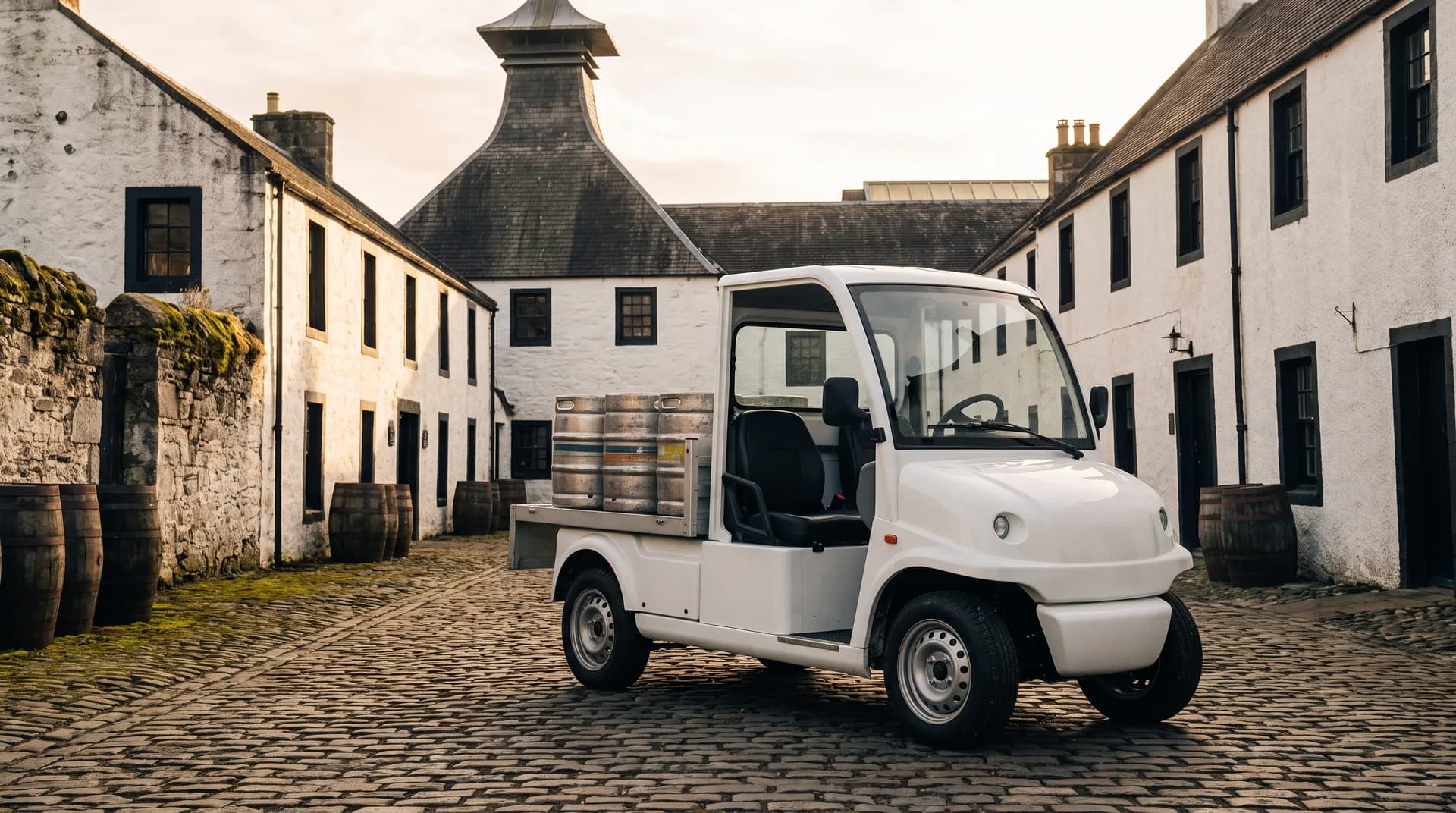
A distillery or brewery is two businesses on one site: a working production plant moving heavy, awkward loads all day, and, increasingly, a visitor attraction walking tourists through the story. An electric utility vehicle serves both halves well, within honest limits that this industry, which weighs everything it makes, will appreciate having stated plainly: our vehicles carry kegs, firkins, cases and tour guests admirably; they do not haul full whisky casks, which at several hundred kilograms apiece remain forklift and pallet-truck work. This guide covers what the vehicles genuinely do on a drinks site.
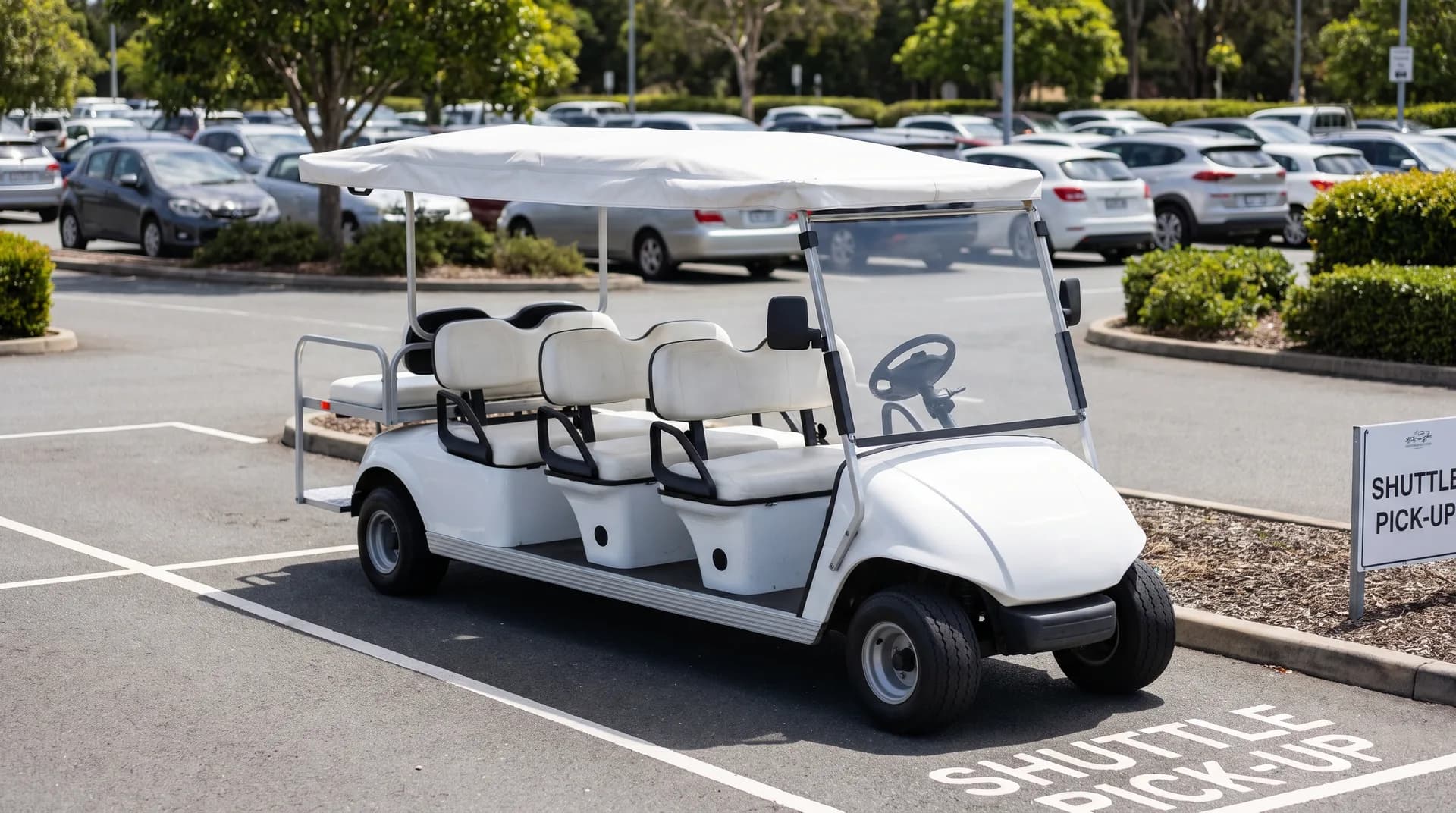
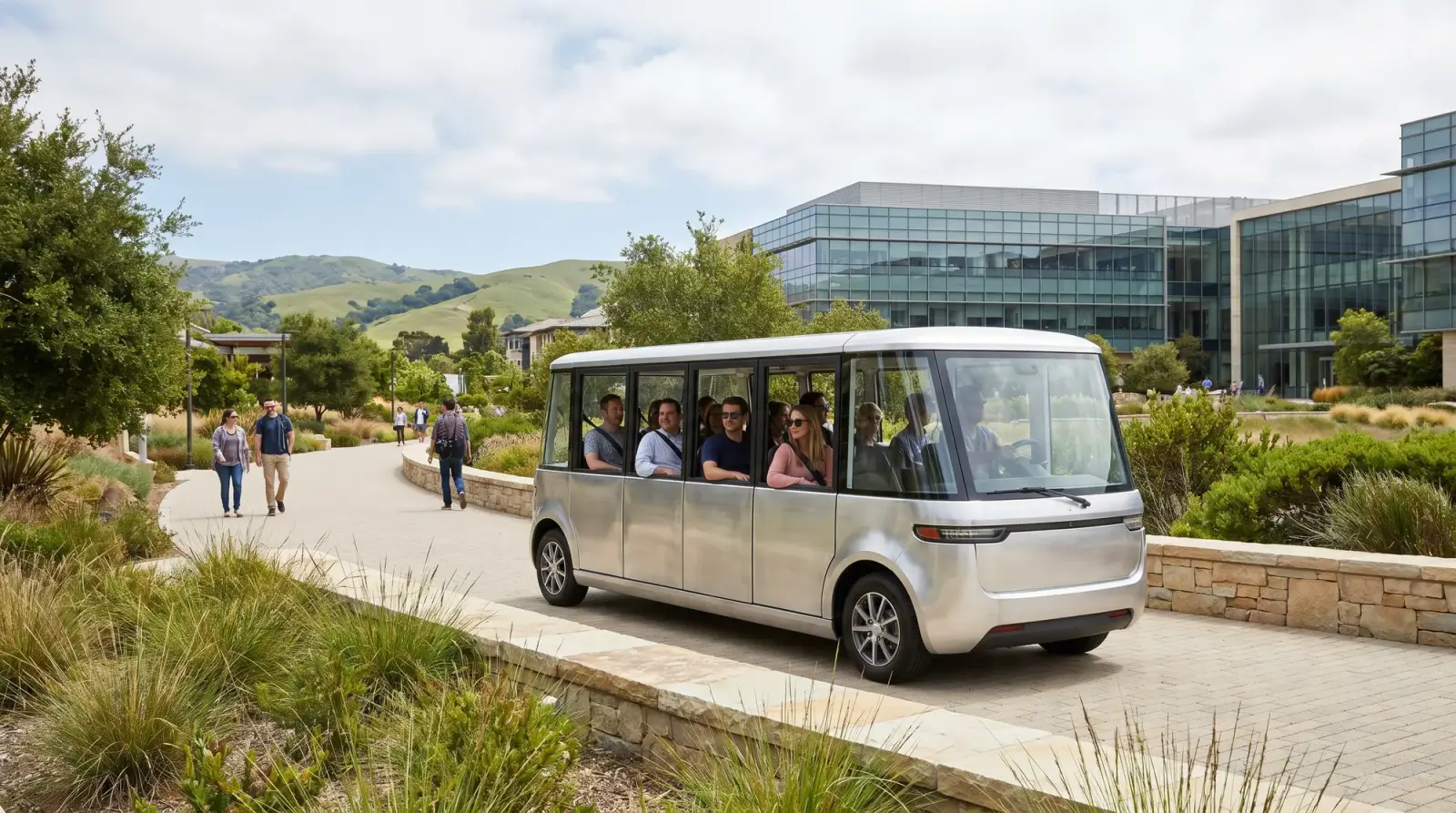
- Tour shuttles carry visitors between the still house, warehouses and shop.
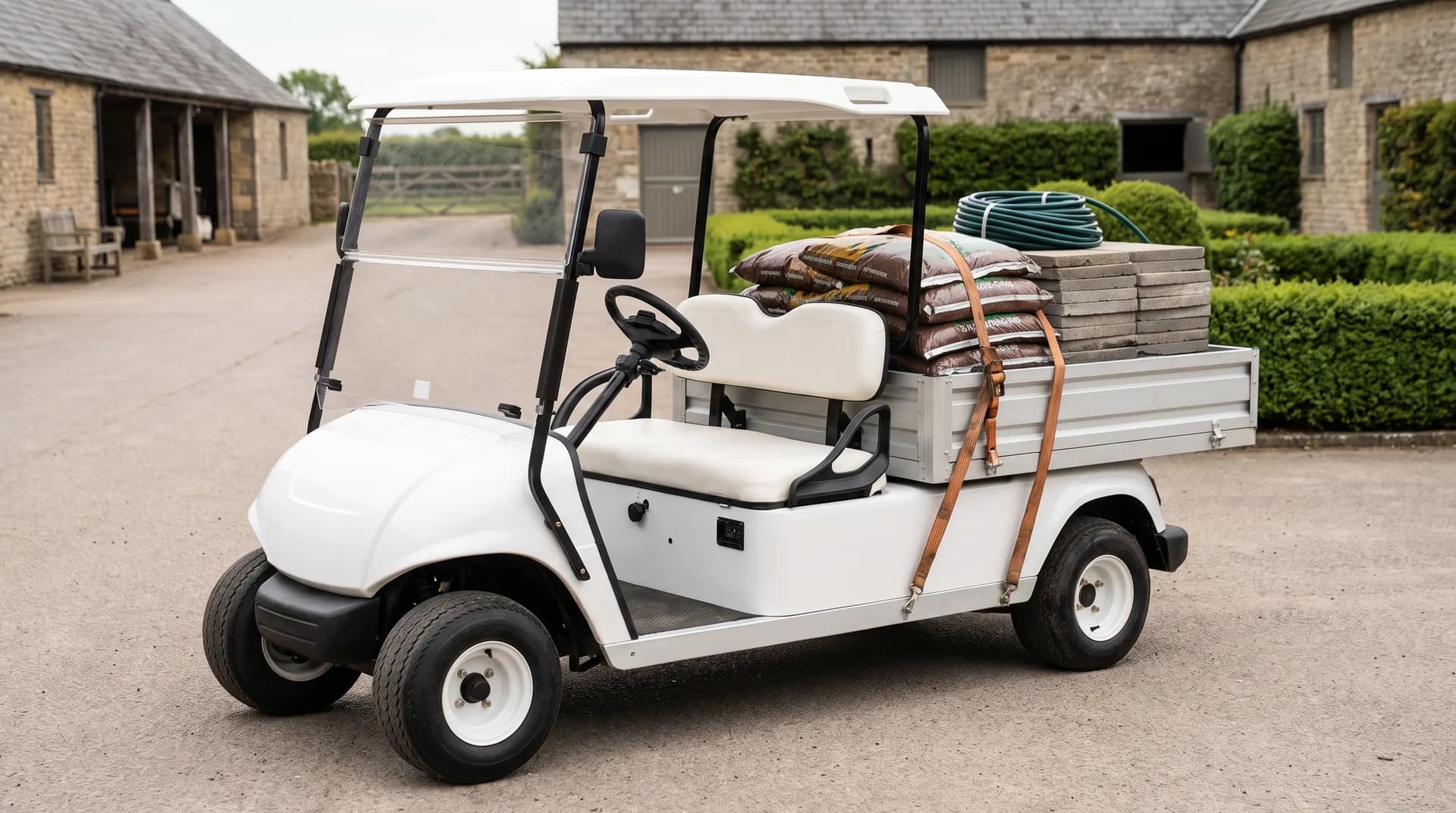
- Keg, firkin and case runs move stock across the site within honest payloads.
- Full casks are forklift work; we say so rather than overclaim.
- Quiet, fume-free running suits visitor areas and production spaces alike.
- One fleet serves the tourism half and the site-logistics half together.
The visitor half: tours that flow
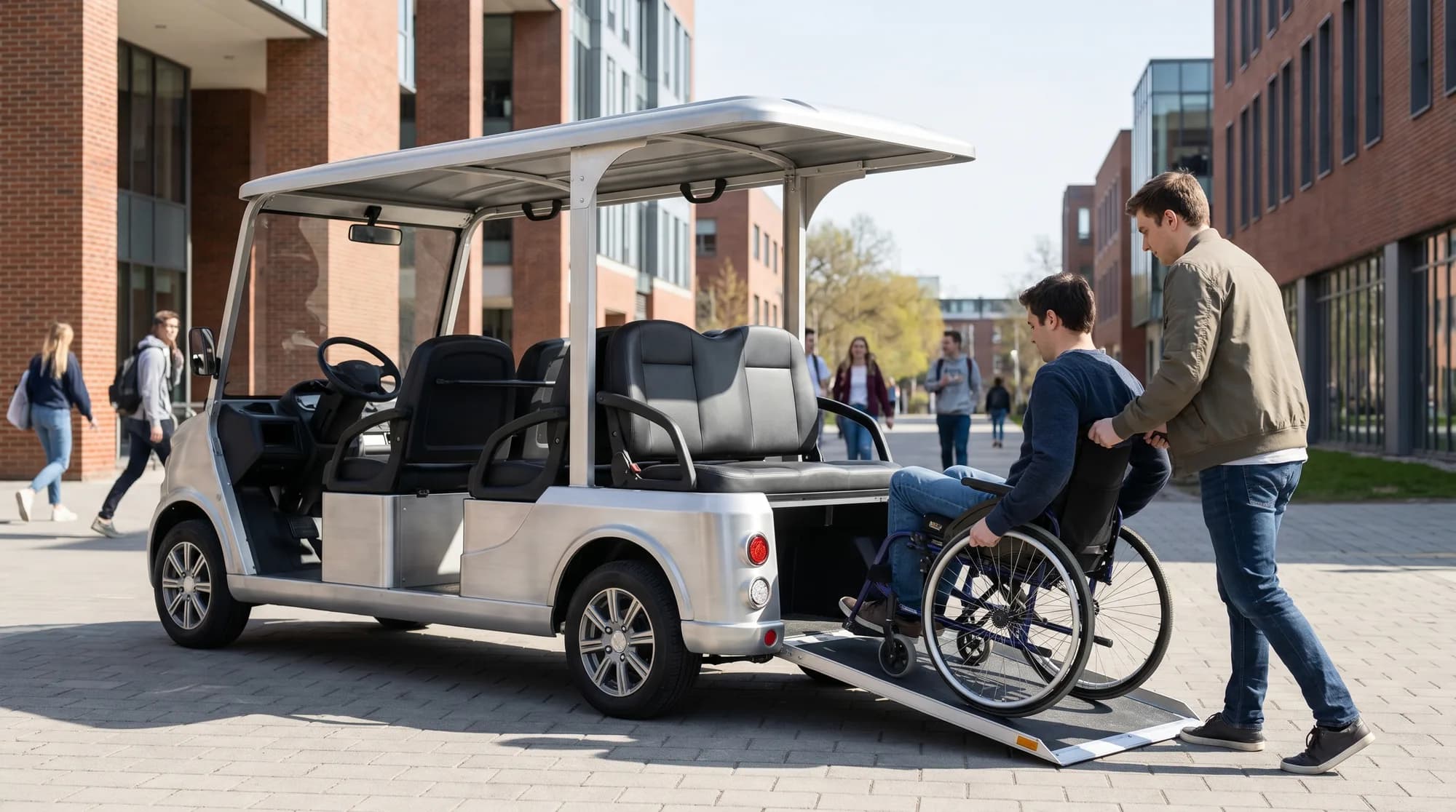
Distillery visitor centres have discovered what estates learned long ago: the walk between buildings is part of the experience, until it is too long, too wet or too much for a coach party of mixed mobility. A quiet shuttle carries visitors between the still house, the warehouses and the shop in comfort, keeps tour timings honest, and lets less mobile guests take the full tour rather than the abridged one, the same dignified access as our guest and visitor transport work. Electric matters doubly here: no engine note over the guide's commentary, and no exhaust drifting through spaces that trade on aroma.
The production half, honestly weighed
Now the plain arithmetic this industry respects. A brewery firkin runs around forty kilograms full, a standard keg sixty-odd: a utility bed moves those by the stack, along with cases, malt sacks, hoses, cleaning kit and the thousand errands of a working plant, all within the honest ratings our payload guide explains. A full whisky hogshead is another matter entirely, a quarter of a tonne or more of oak and spirit, and moving casks is and remains forklift and pallet-truck work. We would rather draw that line for you than have your warehouse team draw it after a bad purchase.
One fleet, both halves
The neat economics of a drinks site is that the two halves share a fleet: the shuttle that runs tours on summer afternoons runs cases to the shop in the morning, and the utility bed doing keg runs all week carries the maintenance team at the weekend. Sized to the busiest visitor day and specified for yards, cobbles and warehouse floors, a small fleet earns its keep across the whole operation, the fleet thinking of our fleet management guide applied to a site that smells better than most.
Frequently asked questions
What do distilleries use electric vehicles for?+
Two things: visitor tour shuttles between the still house, warehouses and shop, and site logistics, keg, firkin and case runs, maintenance and supplies. One quiet fleet usually serves both halves of the business.
Can the vehicles carry casks?+
Kegs, firkins and cases, yes, by the stack and within honest rated payloads. Full casks, no: a hogshead runs a quarter of a tonne or more, and cask movement is forklift and pallet-truck work. We state that plainly rather than overclaim to a payload-literate industry.
Why electric on a drinks site?+
No exhaust in visitor spaces or production areas that trade on aroma, no engine noise over a tour guide's commentary, and running costs of pennies across a site's endless errands. It suits both halves of the business at once.
Can less mobile visitors take the full tour?+
Yes, that is one of the quiet wins: a shuttle carries guests who cannot manage the distances between buildings, and an accessible configuration carries wheelchair users in their own chair, so the full tour stays open to everyone.
What does a distillery fleet look like?+
Typically a passenger shuttle sized to the busiest tour day plus a utility bed for the production half, specified for yards, cobbles and warehouse floors. We size it honestly against your visitor numbers and your stock movements.
Fleet your site, both halves
Tell us your tour numbers and your stock runs, and we will specify a fleet for the visitor half and the production half honestly, and prepare a site-specific quote.
Related solutions
Ready to explore what we build?
See the vehicles and the setting this applies to, or get a tailored quote built around your site.
Ready to find the right buggy?
Tell us how and where it will work and we will specify a vehicle and a tailored quote built around you. Every build comes with a 3-year warranty and a 24-hour priority call-out.
Our guides are written and reviewed by the Hawke Electric Vehicles team, the people who specify, build, deliver and support the vehicles. We focus on honest, practical advice and flag where a figure depends on the build rather than guessing.
More guides by Hawke