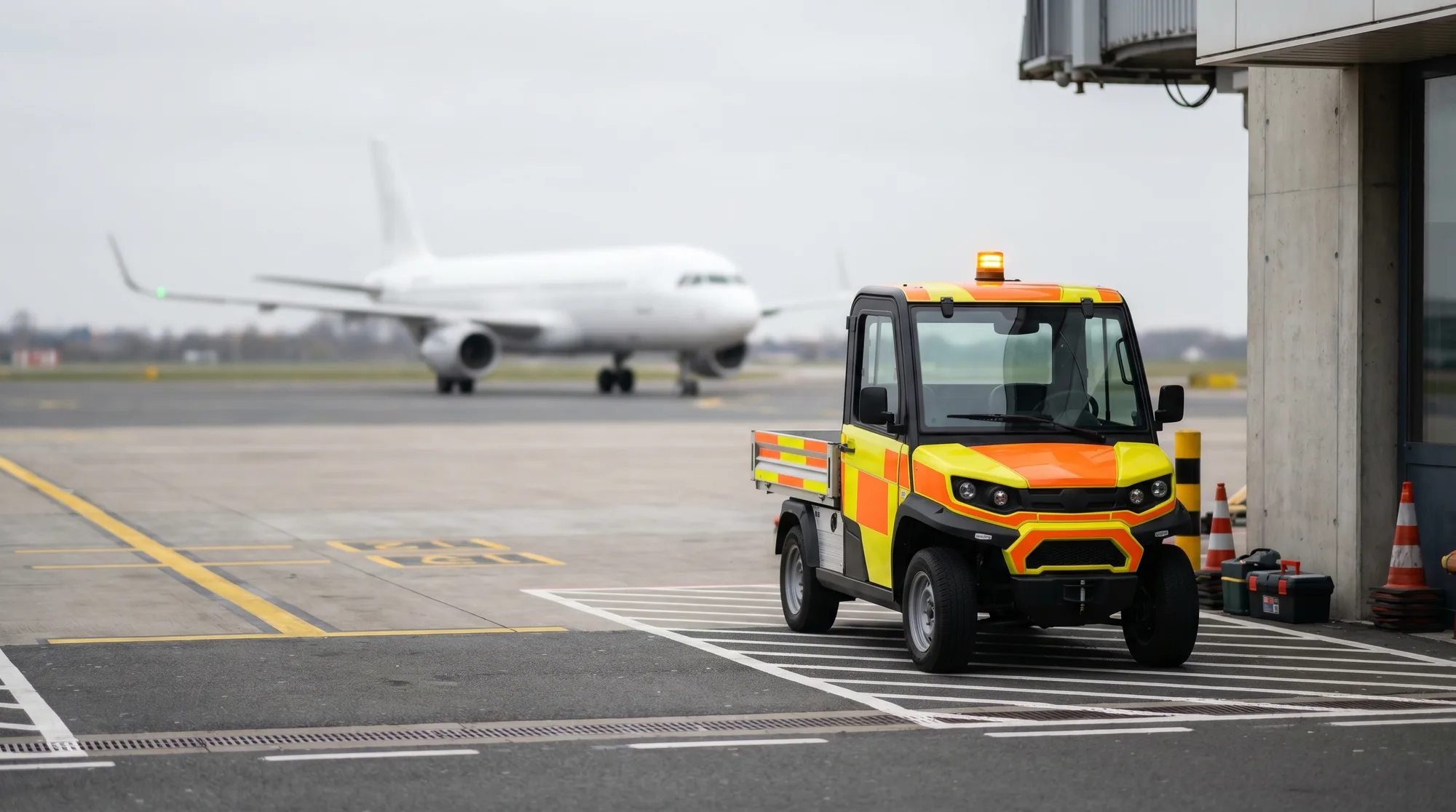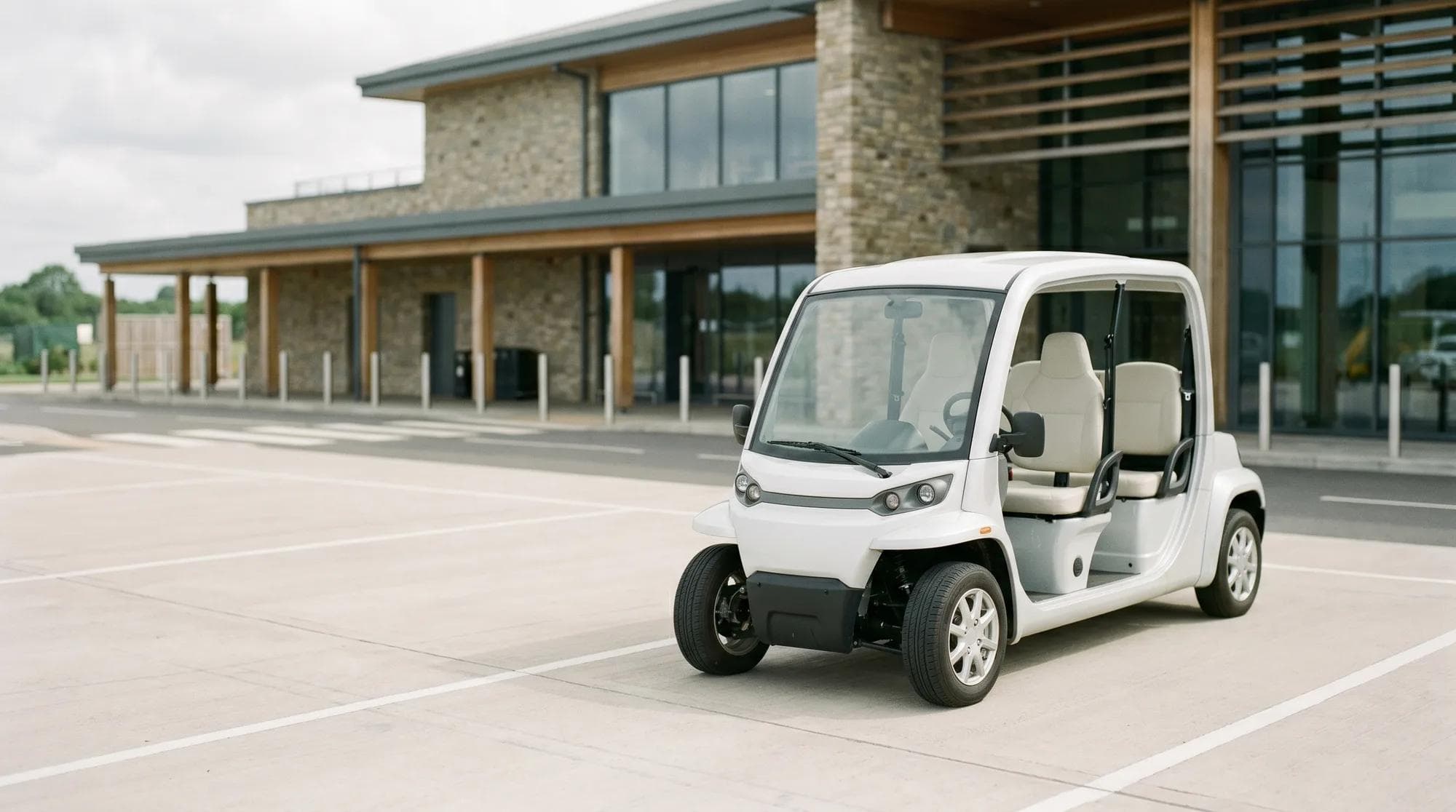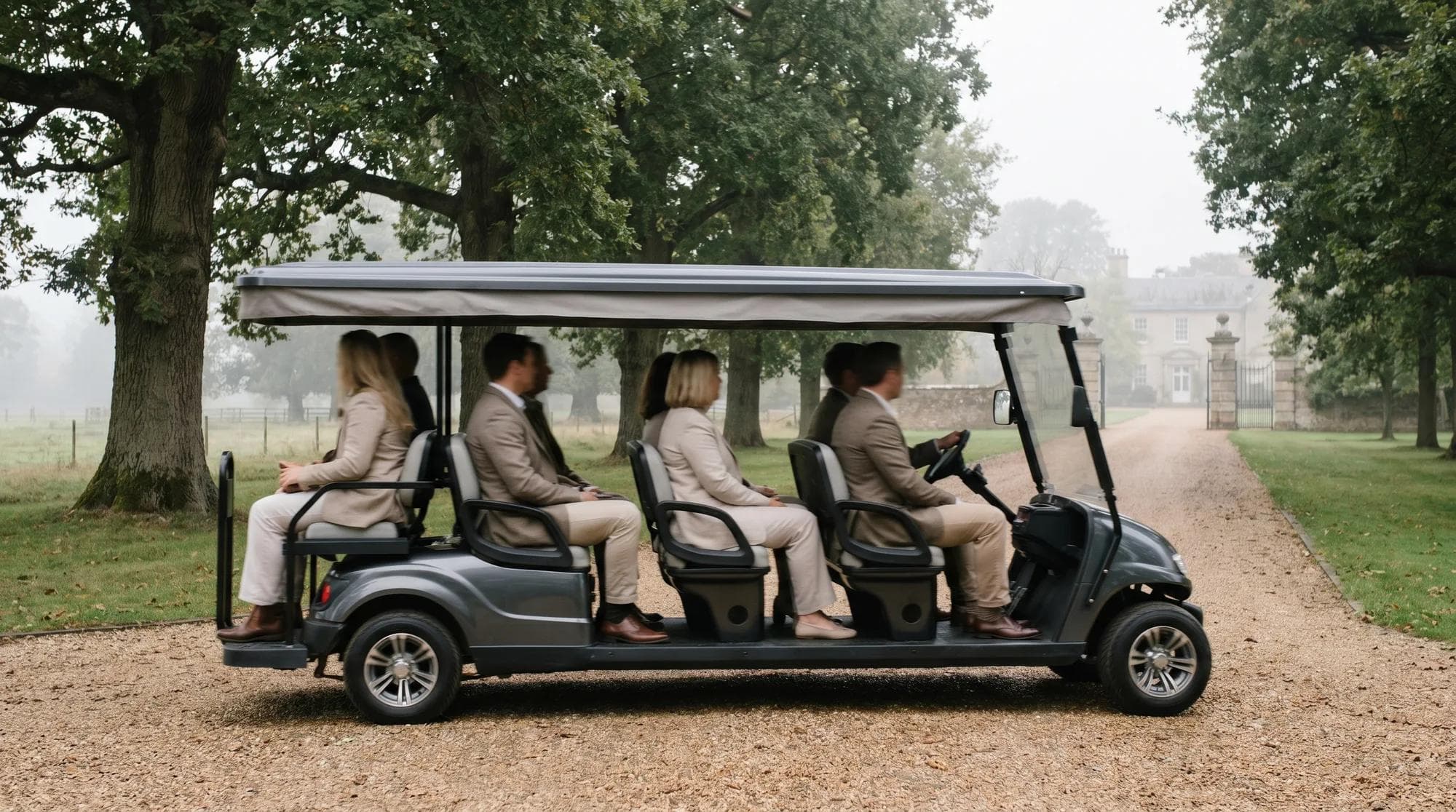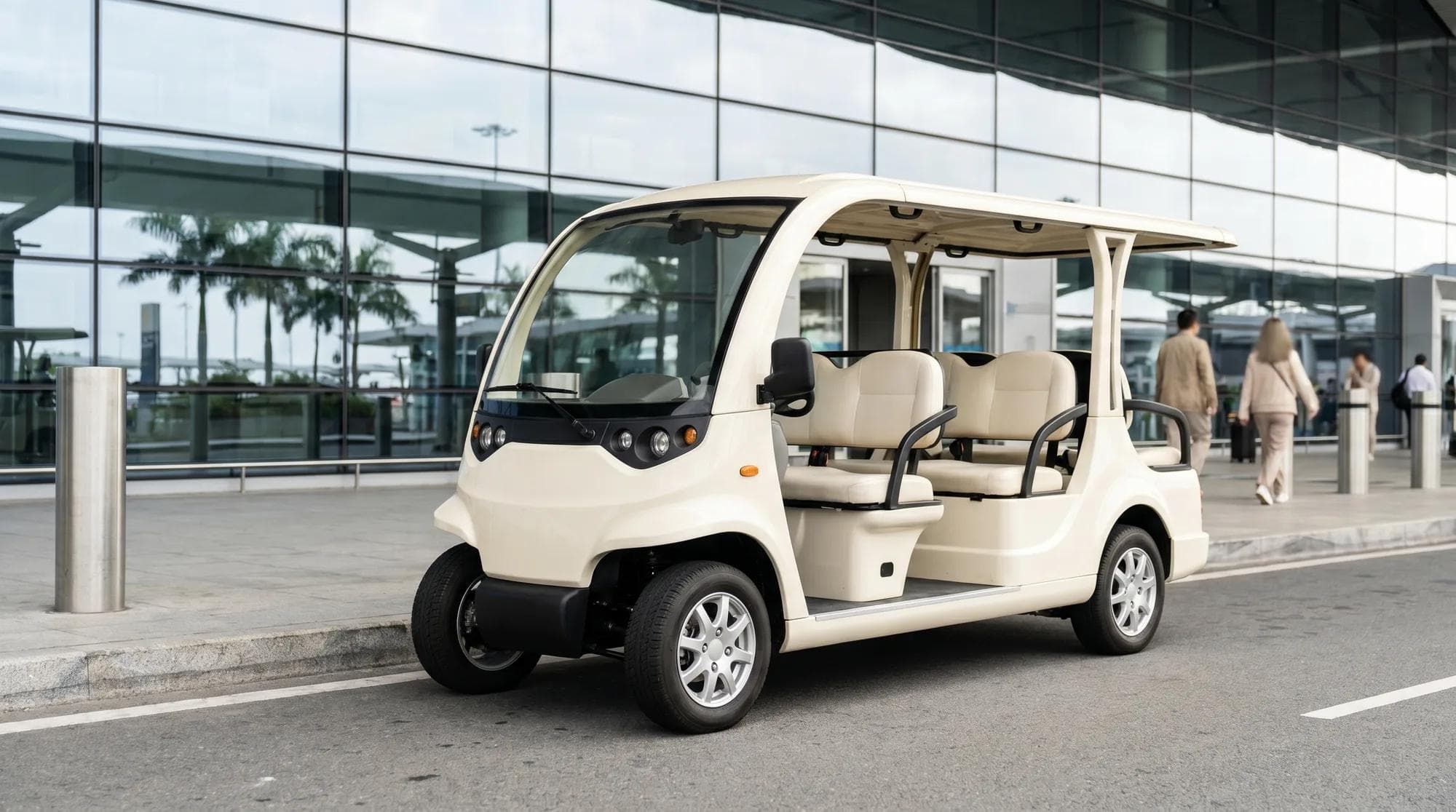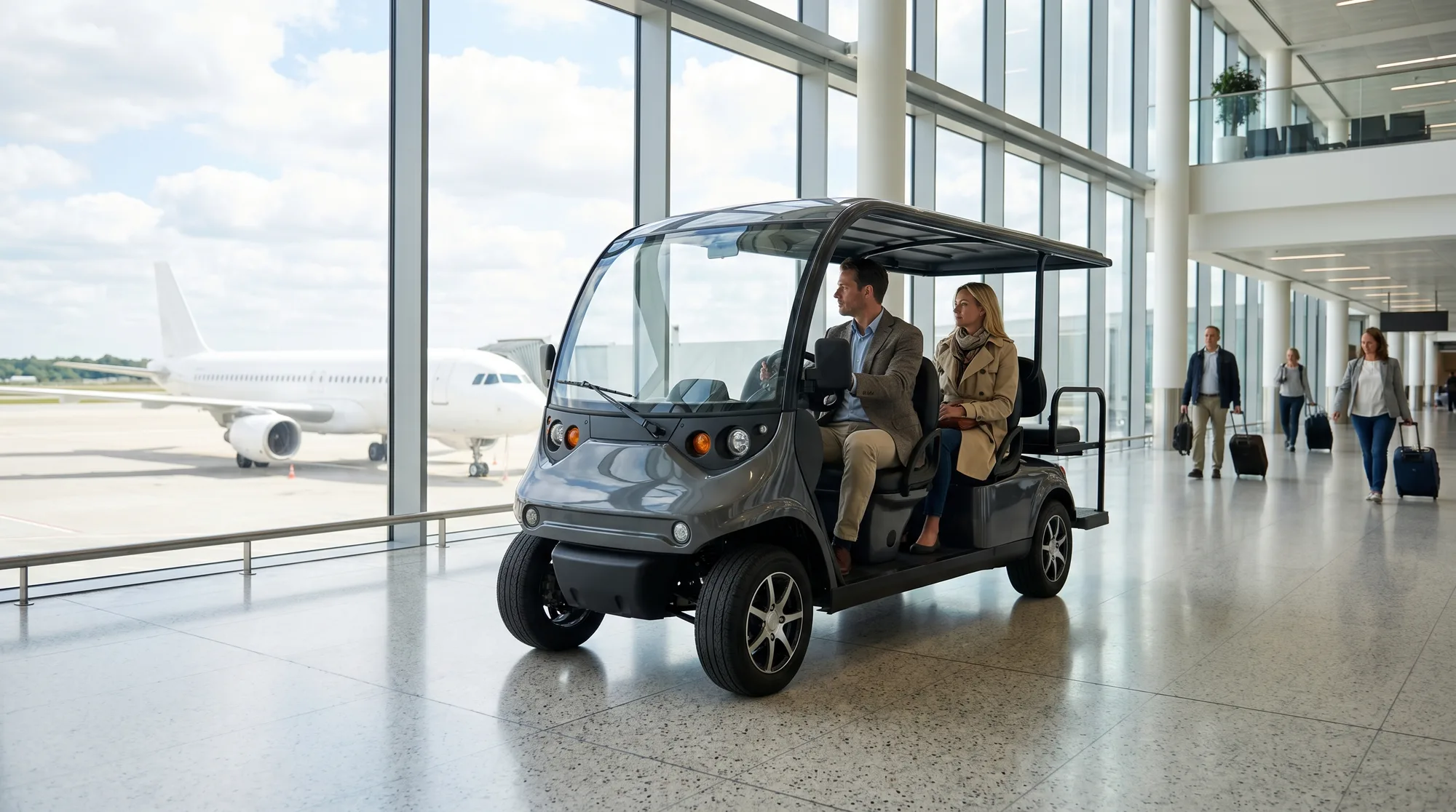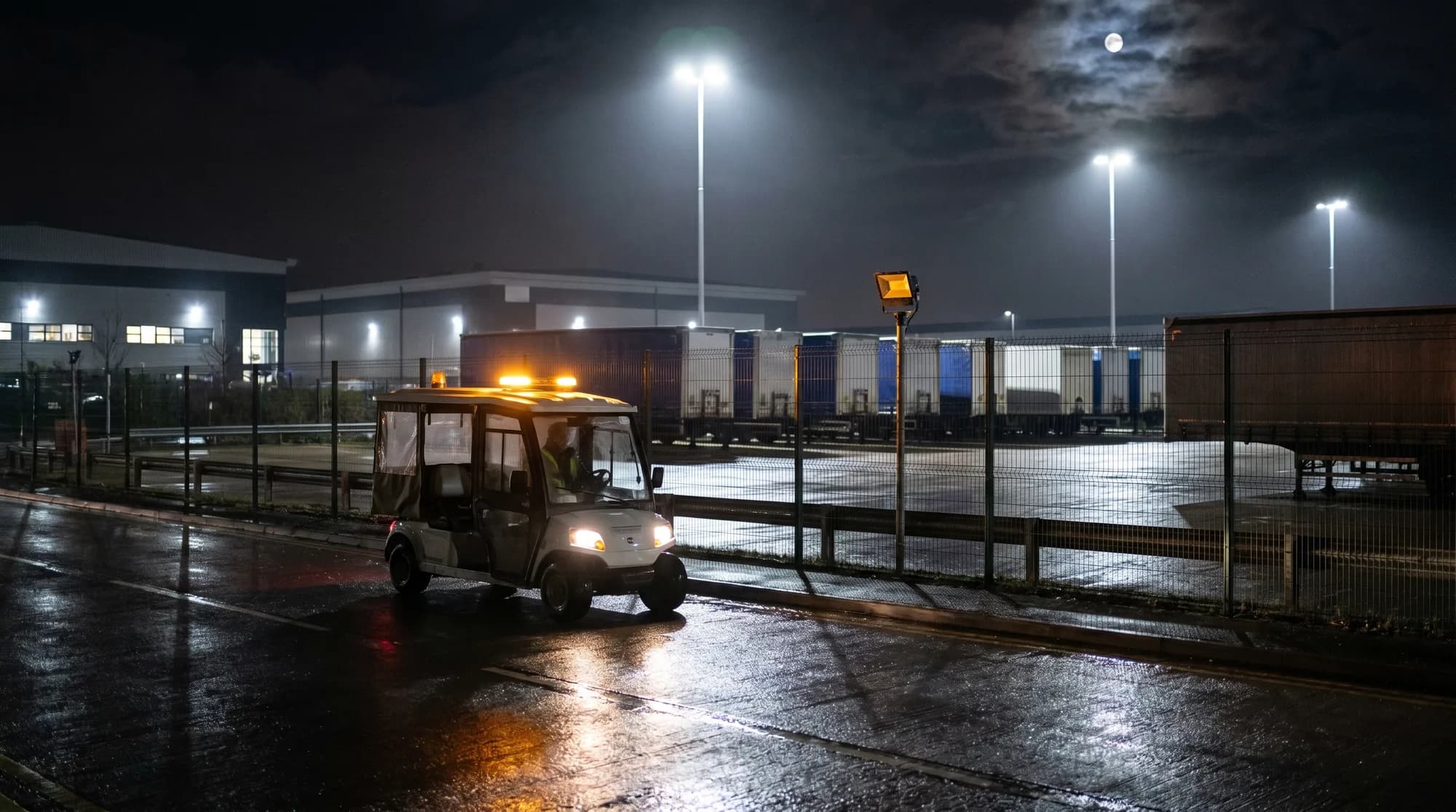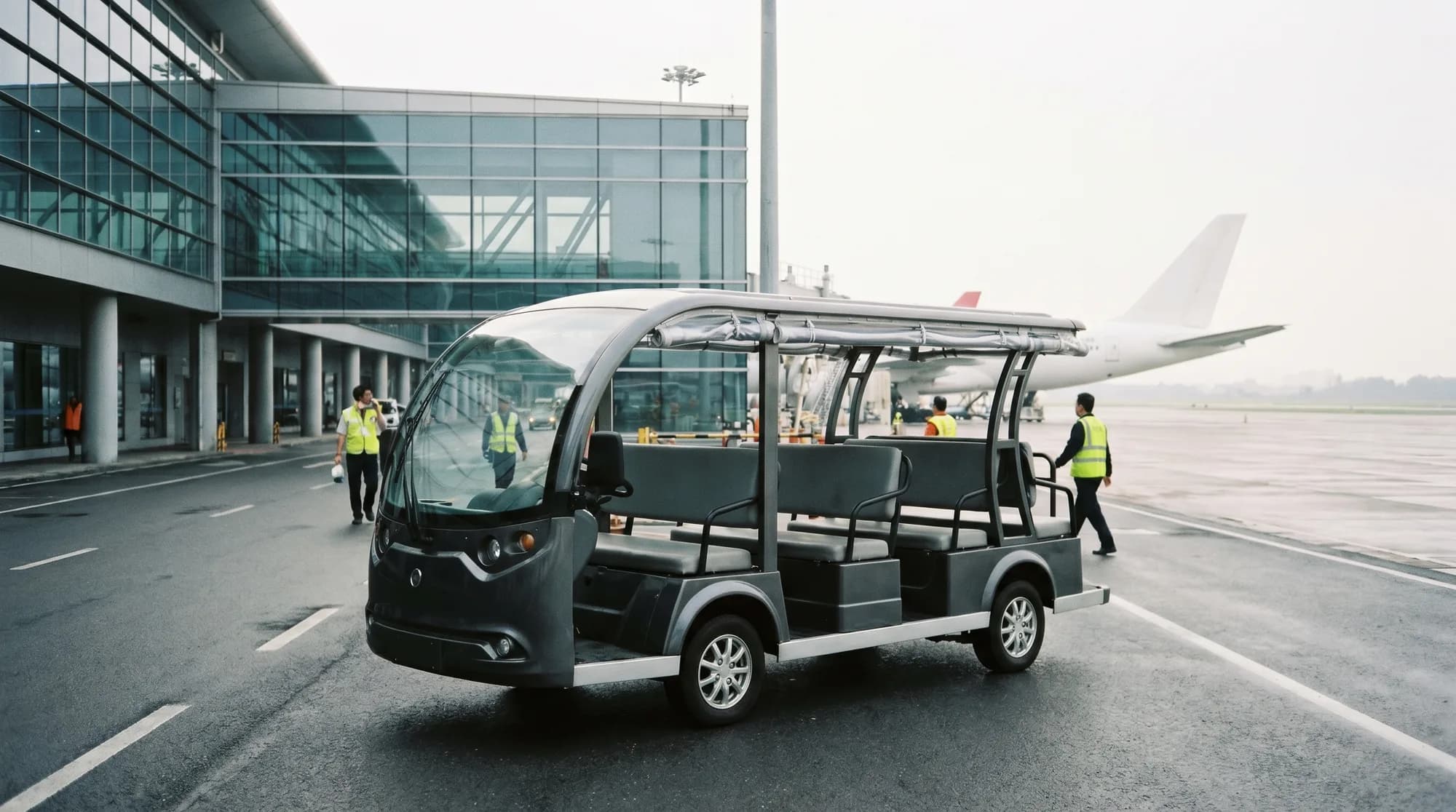
- Airside is the secure area beyond passport and security control, near the aircraft. Landside is the public area before it.
- The two have very different rules, so airside vs landside is the first question to settle before you spec any vehicle.
- Airside vehicles typically need a vehicle permit, conspicuity (high-vis livery and beacons) and drivers holding airside driving permits.
- Landside vehicles are governed more like ordinary site or road vehicles, with fewer airport-specific controls.
- Requirements vary by airport, so always confirm the detail with your airside operations team before building.
If you are choosing vehicles for an airport, the most useful thing you can do first is decide where they will work. Airside vs landside is not a small distinction. It is the line that decides which permits a vehicle needs, how it has to look, who is allowed to drive it, and in some cases whether it is allowed at all. Get the side right and the rest of the spec follows. Get it wrong and you can end up with a vehicle that cannot legally do the job you bought it for.
This guide explains the difference in plain terms and walks through what each environment asks of a vehicle. It is a general explainer rather than a rule book, because the exact requirements differ from airport to airport. Treat it as the questions to ask, then confirm the answers with your own airside operations team.
What airside and landside actually mean
Landside is the public part of an airport: the access roads, the car parks, the drop-off, the check-in hall and the public areas up to the security and passport checks. Anyone can be there. Airside is everything beyond those checks, the secure area that leads to the gates, the piers and the apron where the aircraft park. To get airside, people, vehicles and goods all pass through controls, and that is the whole reason airside has its own rule book.
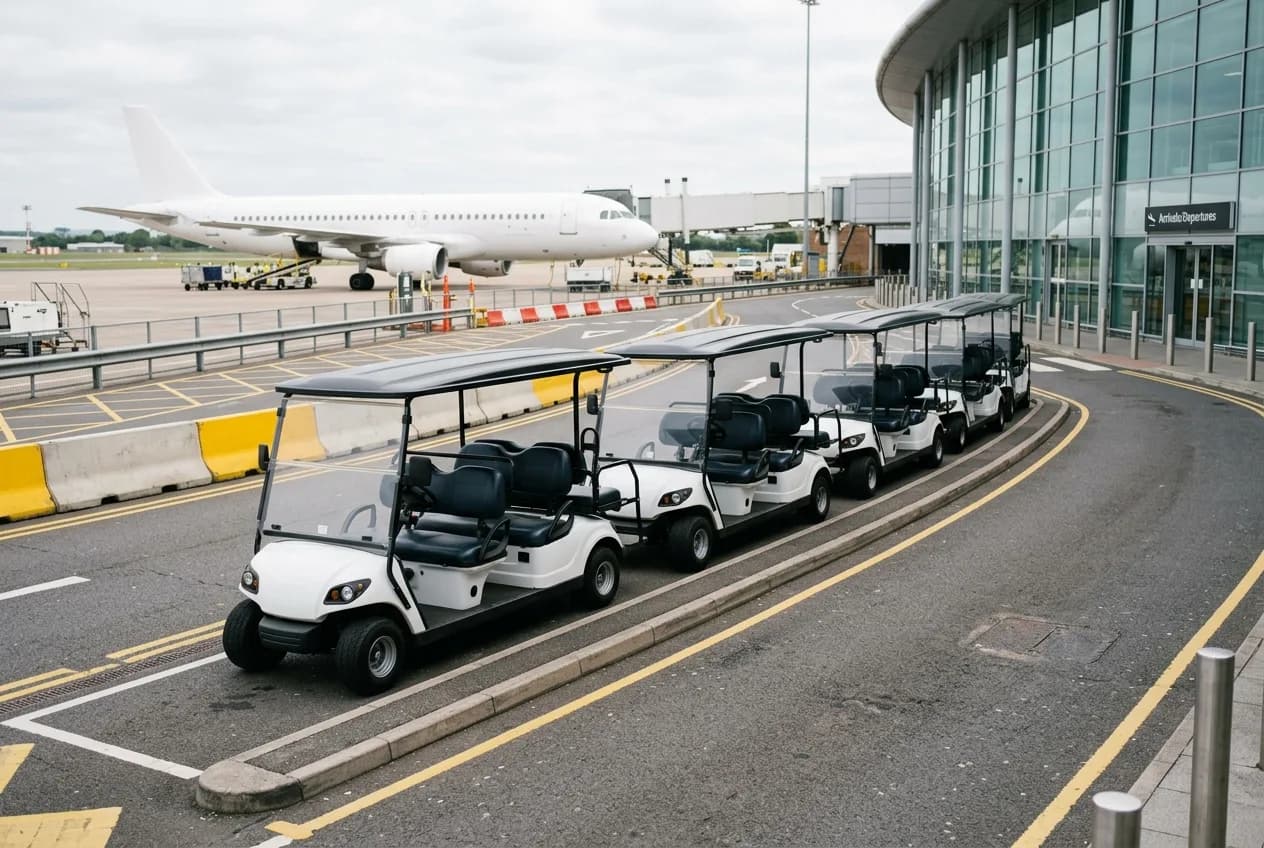
The practical upshot is simple. A vehicle that runs the car park shuttle is a landside vehicle. A buggy that crosses the apron to an aircraft is an airside vehicle. Some routes touch both, and those need careful thought, because a vehicle has to meet the rules of the strictest area it enters.
- Landside
- Public areas, car parks, forecourts
- Airside
- Secure area, piers, apron, near aircraft
- Landside
- Site or road rules apply
- Airside
- Airside vehicle permit usually required
- Landside
- Normal lighting
- Airside
- High-vis livery and beacons typically required
- Landside
- Standard licence or site authority
- Airside
- Airside driving permit usually required
| Landside | Airside | |
|---|---|---|
| Where it works | Public areas, car parks, forecourts | Secure area, piers, apron, near aircraft |
| Vehicle permit | Site or road rules apply | Airside vehicle permit usually required |
| Conspicuity | Normal lighting | High-vis livery and beacons typically required |
| Driver | Standard licence or site authority | Airside driving permit usually required |
What an airside vehicle has to meet
Airside is a busy, controlled environment shared with aircraft, ground crews and a lot of moving equipment, so the requirements are about being seen, being controlled and being safe. They usually fall into three groups: the vehicle's permit, how visible it is, and who is allowed to drive it. The specifics vary by airport, but the shape is consistent.
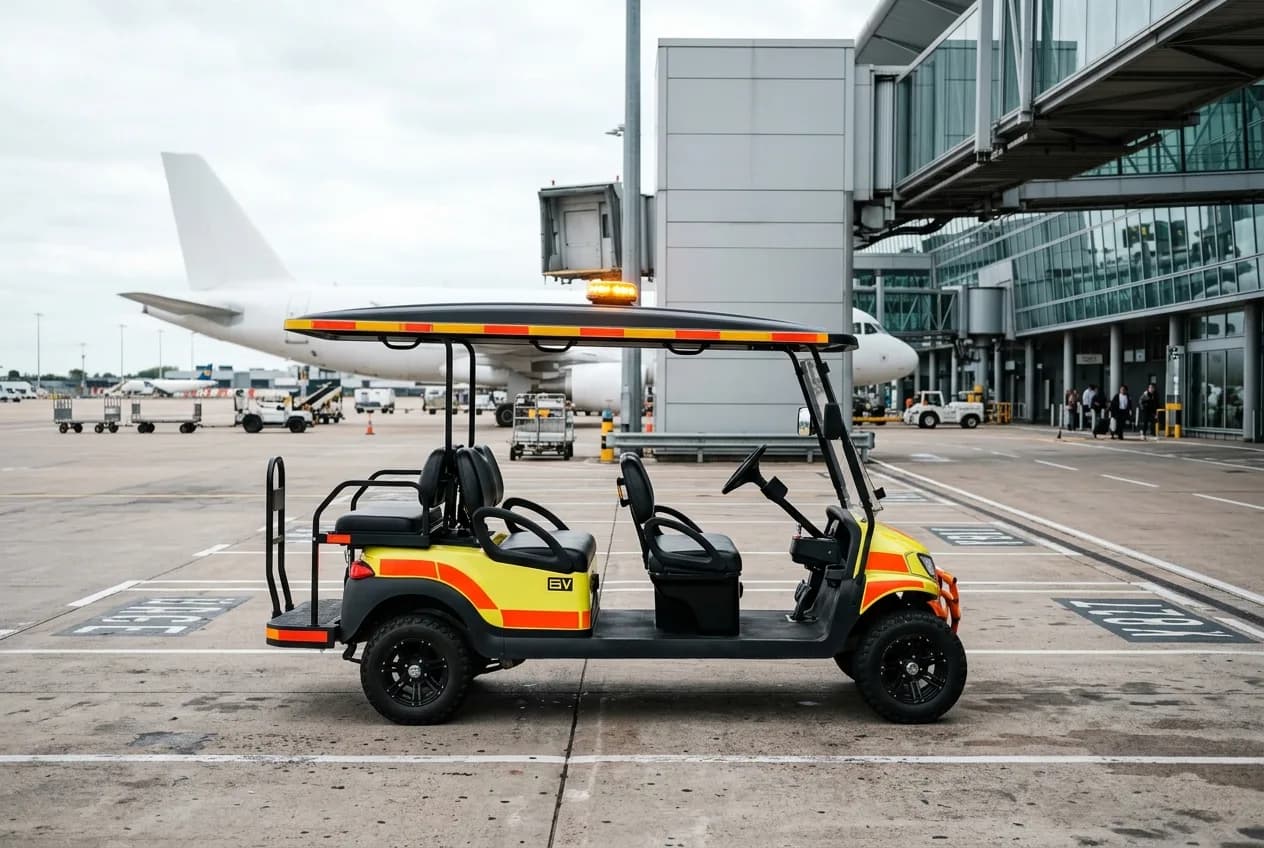
- An airside vehicle permit, confirming the vehicle is approved to operate in the secure area.
- Conspicuity: high-visibility livery, reflective markings and beacons so the vehicle is easy to see on the apron.
- Lighting appropriate to the area and the times it operates.
- Airside driving permits for the people who drive it, on top of an ordinary licence.
- A build that copes with the duty cycle, since apron work can be hard and continuous.
What a landside vehicle needs
Landside is closer to ordinary life. A car-park shuttle, a forecourt buggy or a vehicle moving people around the public areas is governed more like any other site or road vehicle. There is no airside permit to hold and no airside driving permit to gain, though the airport will still have its own rules about where vehicles can go, how fast and how they are marked. The emphasis here is usually comfort and capacity rather than apron conspicuity, since the job is moving the public smoothly.
That said, landside is not a free-for-all. Passenger vehicles still need to be safe, well lit and suitable for the crowds they move. Our guide to airport passenger transport buggies covers what makes a good landside people-mover, and our wider people-movers and shuttles guide goes into seating and capacity.
Vehicles that cross both sides
Some routes do not respect the line. A crew transfer or a special-assistance run might start landside and finish airside, or shuttle between the two. The rule of thumb is straightforward: a vehicle that ever goes airside has to meet airside requirements, full stop. There is no part-time airside vehicle. So if a route crosses the boundary, spec it as an airside vehicle from the start, with the permits, conspicuity and driver passes that implies. Trying to retrofit those later is slower and more expensive than building them in.
How to spec a vehicle for each side
Because we build to order, the same base vehicle can be finished for either environment. The decisions follow from the route, so map that first, then specify around it.
- 01
Map the route
Decide exactly where the vehicle goes. Mark anywhere it crosses into the secure area, even briefly.
- 02
Confirm the rules
Ask your airside operations team for the permit, conspicuity, lighting and driver requirements that apply to that route.
- 03
Specify conspicuity
For airside, design in high-vis livery, reflective markings and beacons. For landside, focus on comfort, capacity and clear lighting.
- 04
Match the duty cycle
Size the battery and build to the hours and distance the vehicle works, so it lasts the shift on either side.
Built for either side of the line
Passenger, crew, accessible and utility vehicles, built to order, assembled and finished in the UK and finished to meet airside conspicuity rules or landside comfort, liveried as your own.
A note on going electric on both sides
Whichever side a vehicle works, electric increasingly makes sense. England has a proposed 2040 target for zero-emission airport operations covering the emissions airports directly control, and the ground fleet is among the easiest parts to switch. Airside, an electric drivetrain is quiet and fume-free next to aircraft and crews. Landside, it is clean and cheap to run on continuous loops. We cover the wider picture in our guide to electric airside vehicles for UK airports.
Not sure which side your vehicle needs to meet?
Tell us the routes and we will help you work through airside and landside requirements, then spec a vehicle that is right for each, built to order and liveried to your airport.
Frequently asked questions
What is the difference between airside and landside?+
Landside is the public part of an airport before security and passport control. Airside is the secure area beyond it, leading to the gates and the apron where aircraft park. Each has its own rules for vehicles and drivers.
Do airside vehicles need a special permit?+
Usually yes. Airside vehicles typically need an airside vehicle permit, conspicuity such as high-vis livery and beacons, and drivers holding airside driving permits. The exact requirements vary by airport, so confirm with your airside operations team.
Can a landside vehicle be used airside?+
Not unless it meets airside requirements. A vehicle that ever goes airside has to be specified as an airside vehicle, with the permits, conspicuity and driver passes that involves. There is no part-time airside vehicle.
Does a car-park shuttle count as airside?+
No. A shuttle running between car parks and the terminal stays in the public, landside area, so it is governed more like an ordinary site or road vehicle rather than under airside rules.
Can you build vehicles for both sides?+
Yes. Because we build to order, the same base vehicle can be finished for airside conspicuity and permit compliance or for landside comfort and capacity. Tell us the route and we will spec it correctly.
Related solutions
Ready to explore what we build?
See the vehicles and the setting this applies to, or get a tailored quote built around your site.

Ready to find the right buggy?
Tell us how and where it will work and we will specify a vehicle and a tailored quote built around you. Every build comes with a 3-year warranty and a 24-hour priority call-out.
Our guides are written and reviewed by the Hawke Electric Vehicles team, the people who specify, build, deliver and support the vehicles. We focus on honest, practical advice and flag where a figure depends on the build rather than guessing.
More guides by Hawke