- Every large attraction runs a second, invisible transport network behind the guest areas, and staff transport buggies are the backbone of it.
- Back of house moves people and things: thousands of staff on shift, maintenance, cleaning, waste and deliveries, all across a big site.
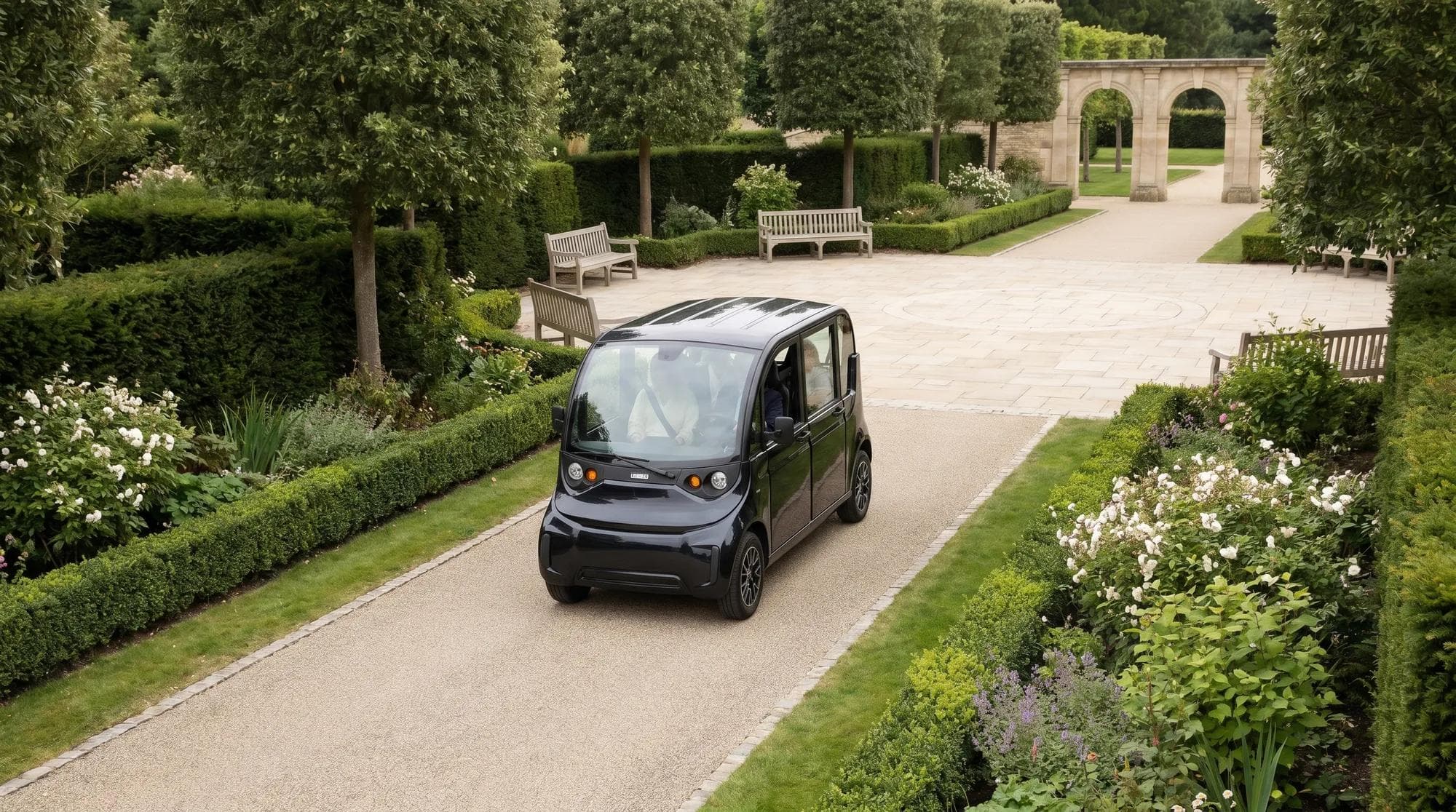
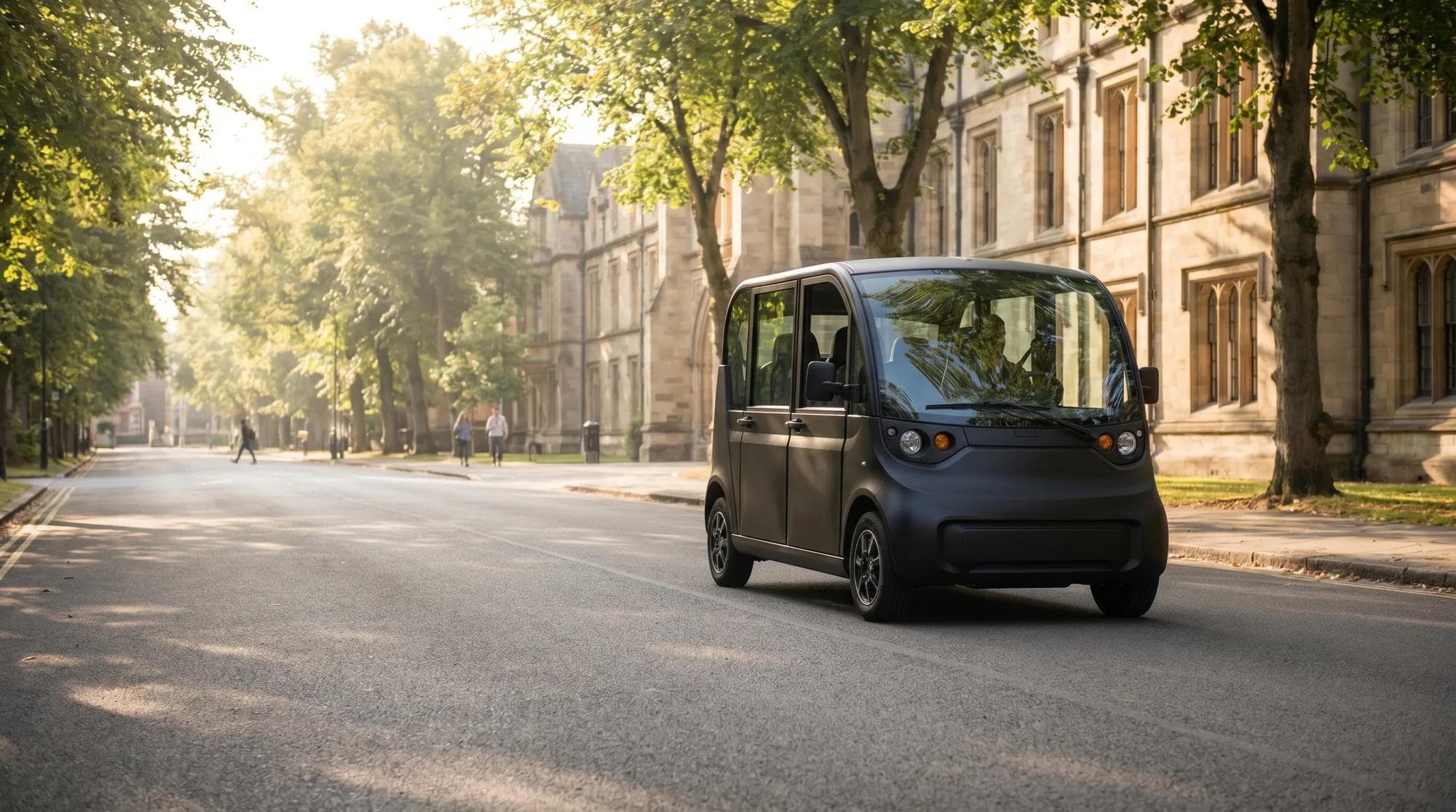
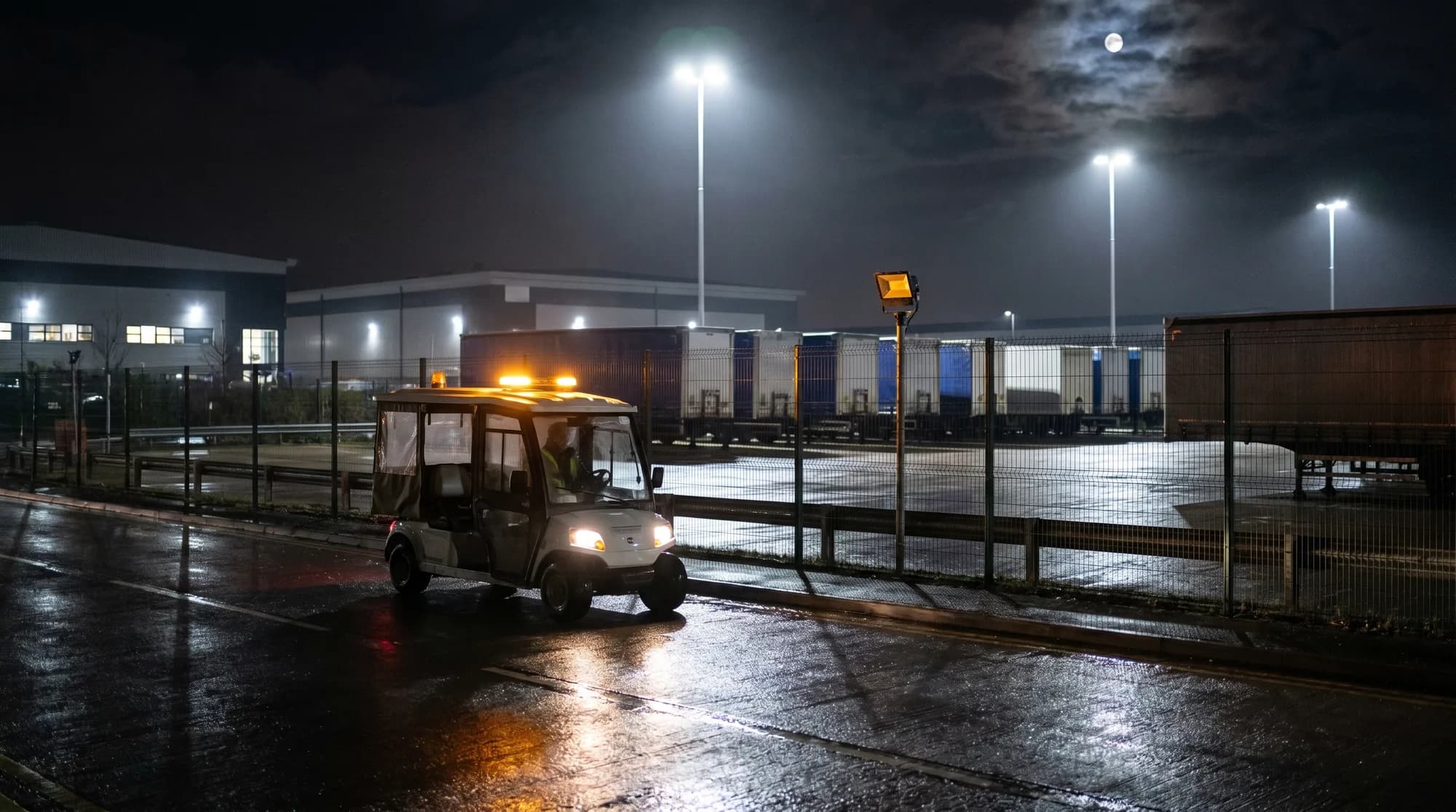
- Quiet electric utility vehicles and people-movers do the job without diesel fumes or noise near guests, and charge overnight.
- Size the fleet to the shift pattern, not the guest count: shift-change peaks, distances per loop, and how long each job takes.
- Build to order so the same fleet covers passenger transfers, flat-bed payload and waste, liveried as part of the operation.
Behind every big attraction is a fleet the public never sees. While guests watch the rides, a second transport network keeps the place running: staff transport buggies carrying workers to their posts, utility vehicles hauling tools and parts, cleaning crews on constant loops, waste being moved out of sight, and deliveries running from a service yard to dozens of outlets. None of that happens on foot at any sensible pace across a site measured in hundreds of acres.
Britain's newest attractions make the point clearly. The major resort approved near Bedford is reported to need something like 8,000 permanent operational staff across a site of several hundred acres. We are not connected to that project; we are simply noting the publicly reported scale because it shows what back of house has to cope with. This guide looks at the invisible operational fleet, the jobs it does, and how to size and power it so it keeps a huge site moving without anyone noticing.
The fleet guests never see
Front of house gets the attention: people-movers and land trains carrying guests from the car park to the gate. Back of house is quieter and, in operational terms, just as important. With thousands of staff on shift, supervisors need to cross the site quickly, maintenance teams carry kit to wherever a fault is, cleaning and waste crews work continuous loops, and goods move from the yard to the outlets that sell them. Lose ten minutes on each of those trips, several times a shift, across a few thousand staff, and the lost hours add up fast.
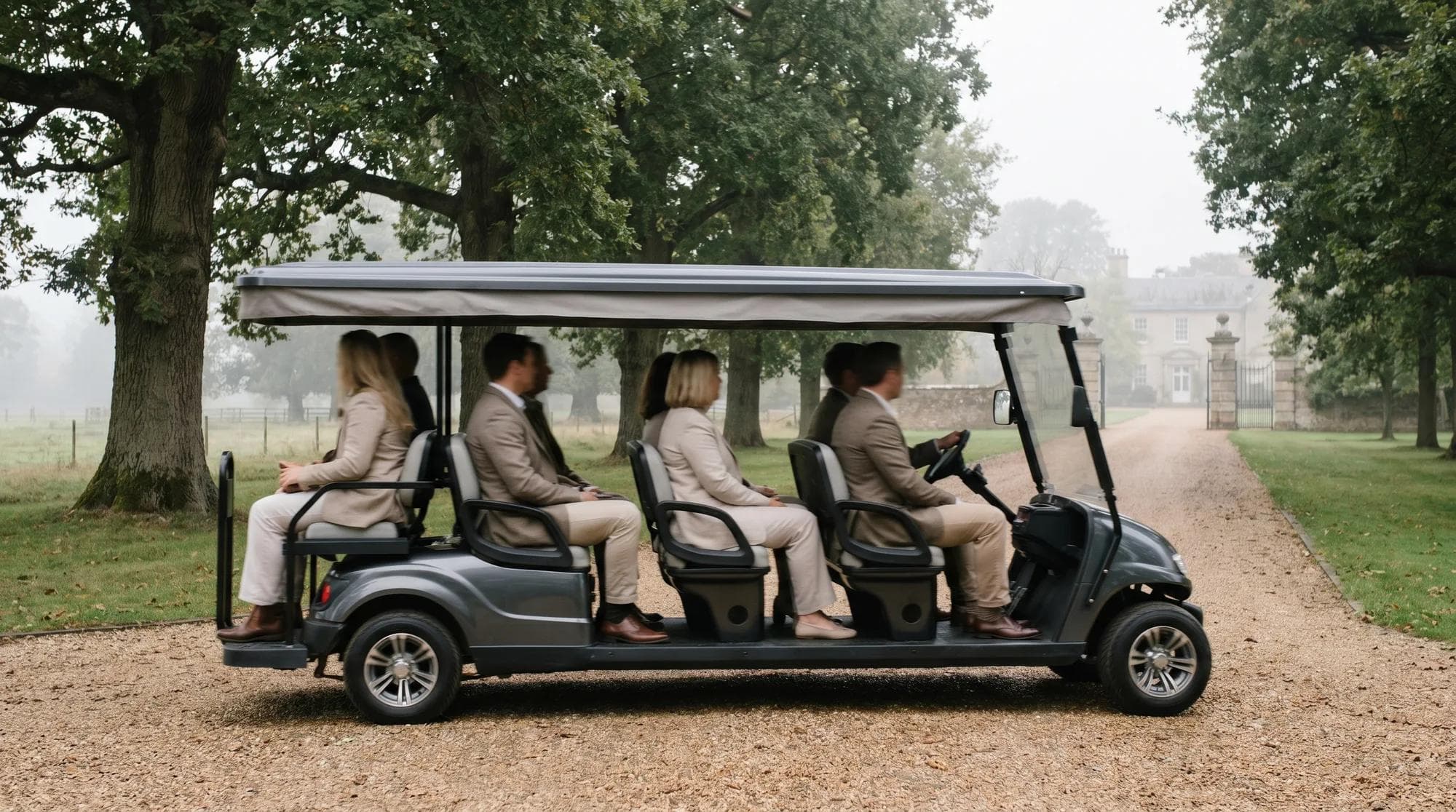
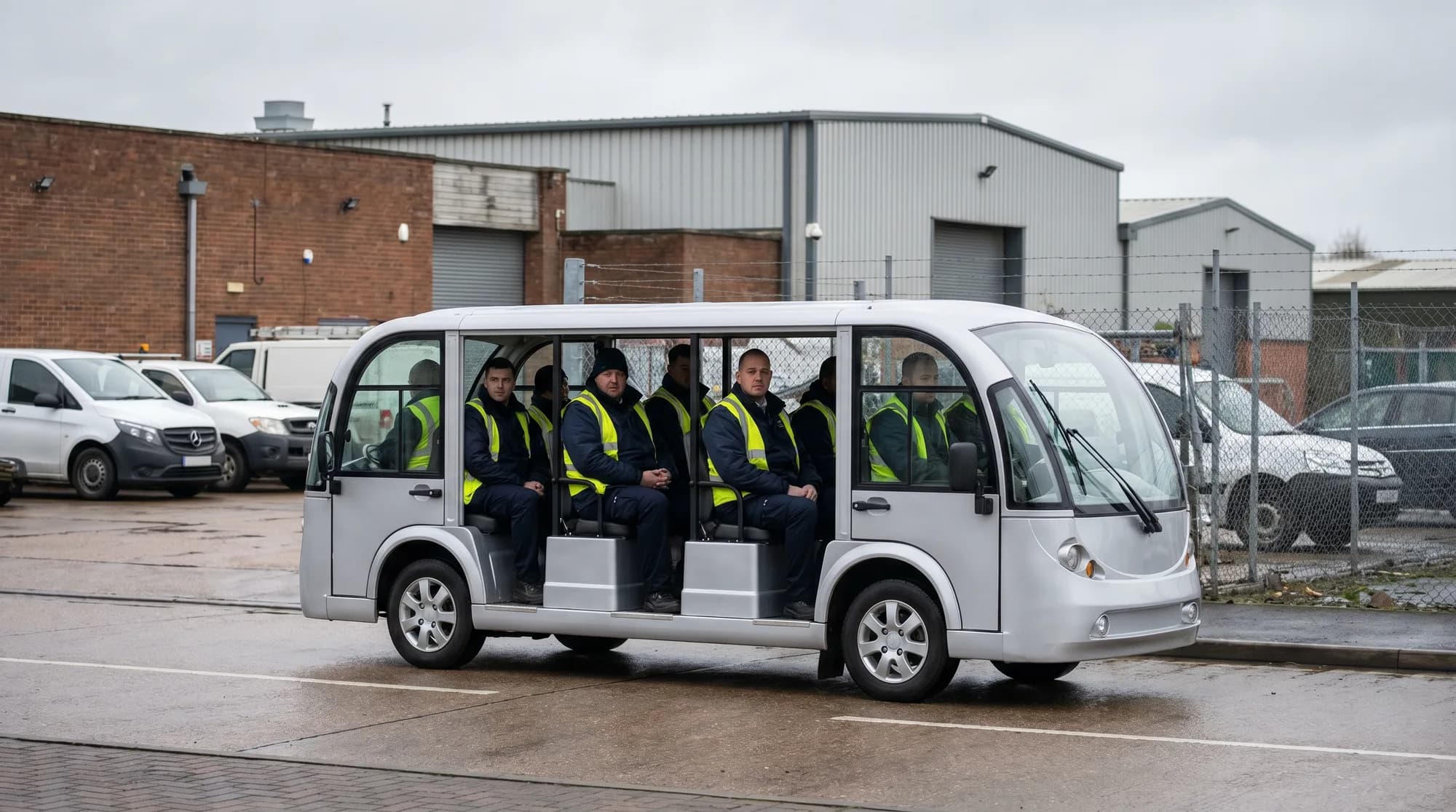
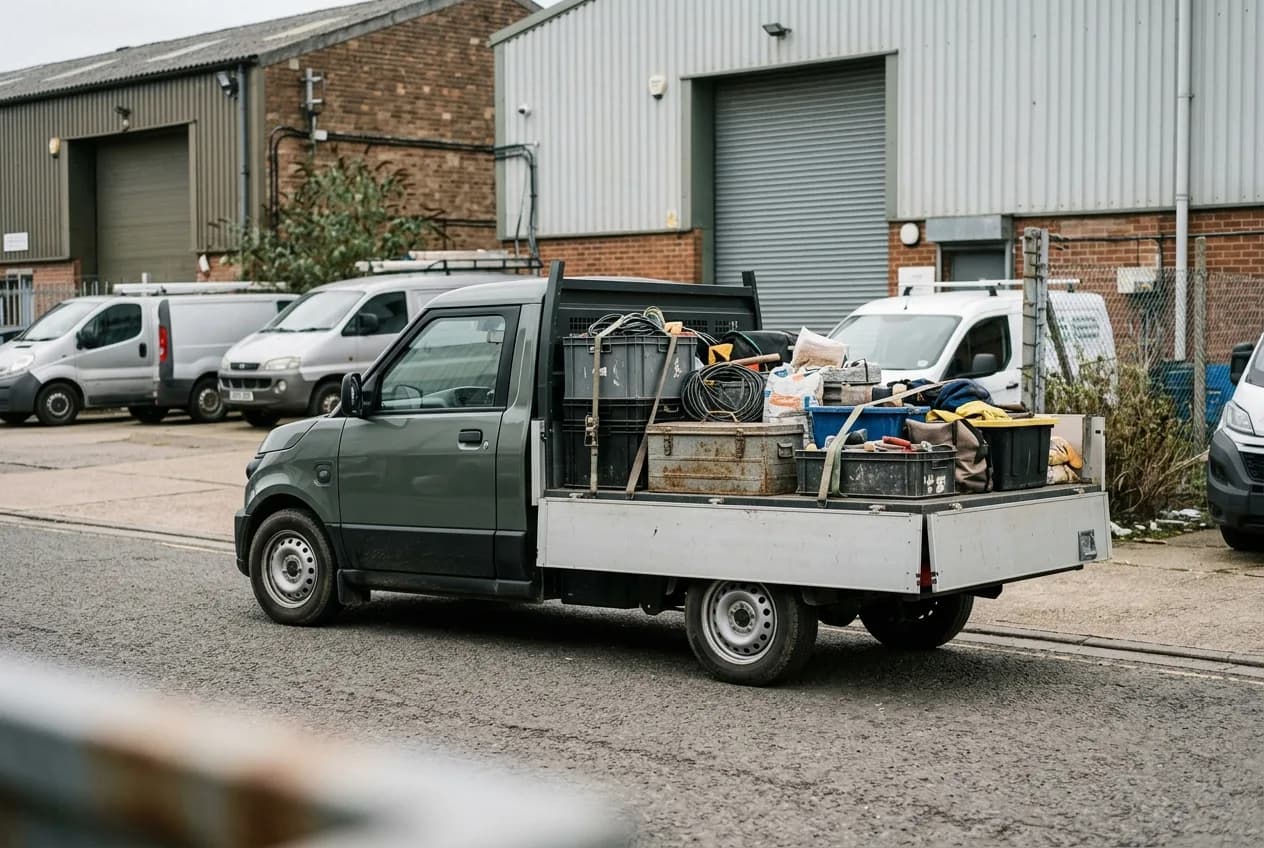
The honest way to think about it is as two jobs rolled together: moving staff, and moving things. Sometimes the same vehicle does both. Often it pays to split them, with passenger people-movers for staff transfers and flat-bed utility vehicles for kit, waste and deliveries. Our people-movers and shuttles guide covers the passenger side; this one leans into the operational fleet around it.
The jobs back of house actually has to do
It helps to break the work down, because the right vehicle is different for each job. A single spec rarely covers everything, which is why large sites run a small mix rather than one type of buggy.
- Staff transfers: getting rostered workers from a back gate or staff car park to their post across a large site, on time.
- Maintenance and engineering: carrying tools, parts and ladders to wherever a fault is, with real payload.
- Cleaning and housekeeping: continuous loops with kit and supplies, often through quieter back routes.
- Waste and recycling: moving bins and bags from outlets to a central point without crossing guest areas where possible.
- Deliveries and stock: running goods from a service yard to dozens of food, retail and operational points.
Why quiet, electric vehicles earn their keep
Back of house and front of house are rarely fully separate. Service roads run close to queues, deliveries arrive while guests are on site, and cleaning happens through the day, not just overnight. That is exactly where electric pays off. An electric drivetrain is near-silent, so a vehicle can work close to guests and outdoor dining without intruding. It produces no local emissions, which matters when a service road passes a queue or an enclosed loading area. And it is cheaper and simpler to run, with no fuel to store on a busy public site and far less to service.
The same site can run passenger people-movers out front and a fleet of utility vehicles out back, all electric, all charged overnight. That keeps the operation consistent: one supplier, one charging setup, one livery, and a fleet that looks part of the operation rather than a collection of hire equipment. You can see the range of passenger and utility builds, or request a quote once you know the jobs you need to cover.
Sizing the fleet to the shift pattern
The common mistake is to size the operational fleet on guest numbers. Back of house does not follow the guest curve. It peaks at shift changes, runs through the night for cleaning and restock, and surges when there is a fault or an event. The right way round is to map the work: how many staff move in the busiest fifteen minutes of a shift change, the distance of each loop, and how long the main jobs take including loading. From there you size passenger and utility vehicles together.
- 01
List the back-of-house jobs
staff transfers, maintenance, cleaning, waste, deliveries.
- 02
Find the real peaks
shift changes and overnight loops, not the guest day.
- 03
Measure the loops
distances and round-trip times, including loading and unloading.
- 04
Split passenger from payload
people-movers for staff, flat-bed utility for kit and waste.
- 05
Plan charging around the shift pattern so vehicles run their hours and charge in the gaps
One fleet, front and back
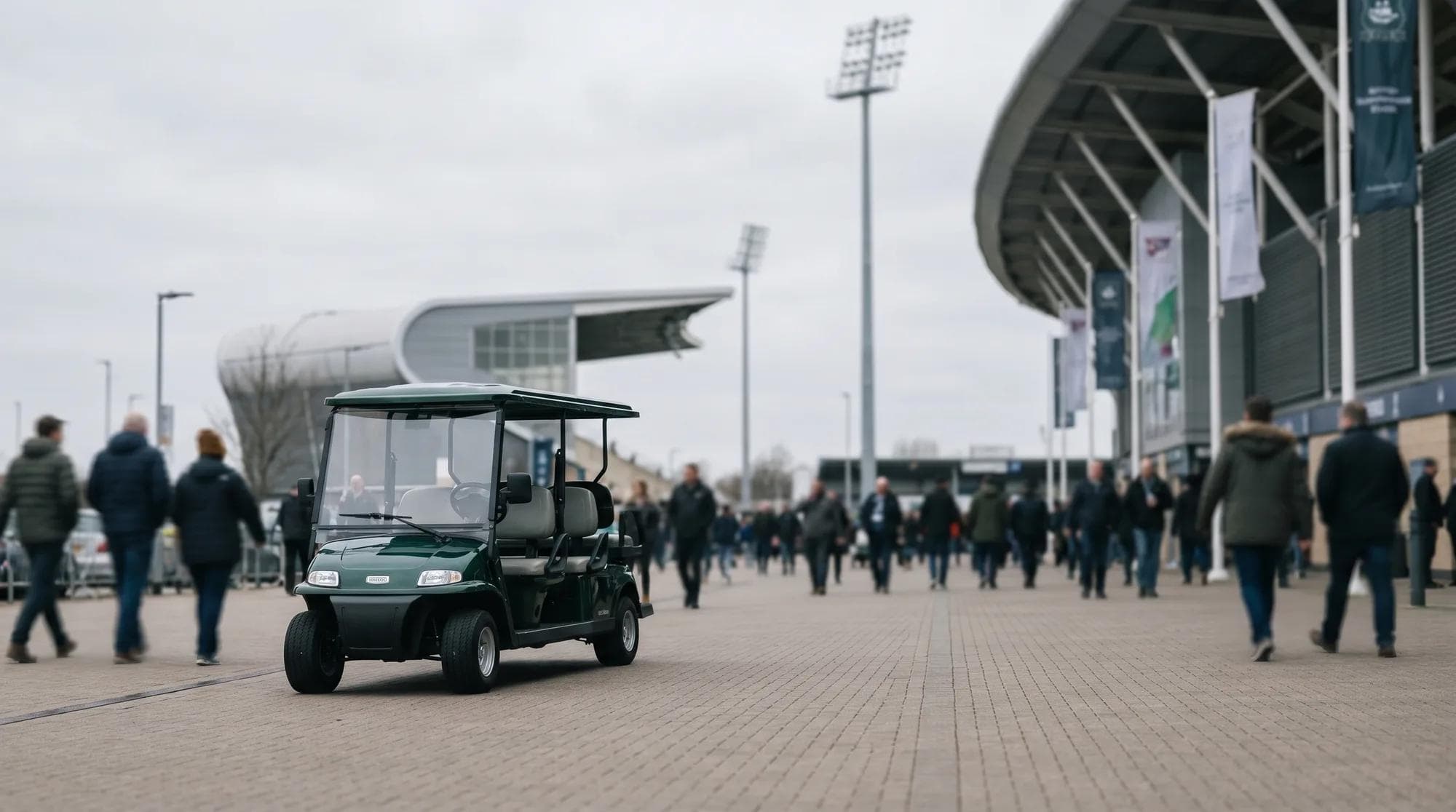
There is a real advantage in keeping the whole operation with one supplier. The vehicles share charging, support and livery, and the same team that specs your guest people-movers can spec the utility fleet behind them. The thinking that applies to a stadium concourse or a holiday park applies here too: any large site that moves people and kit over distance benefits from a quiet, electric, made-to-order fleet. Our stadium transport guide shows how the same approach works in a venue setting.
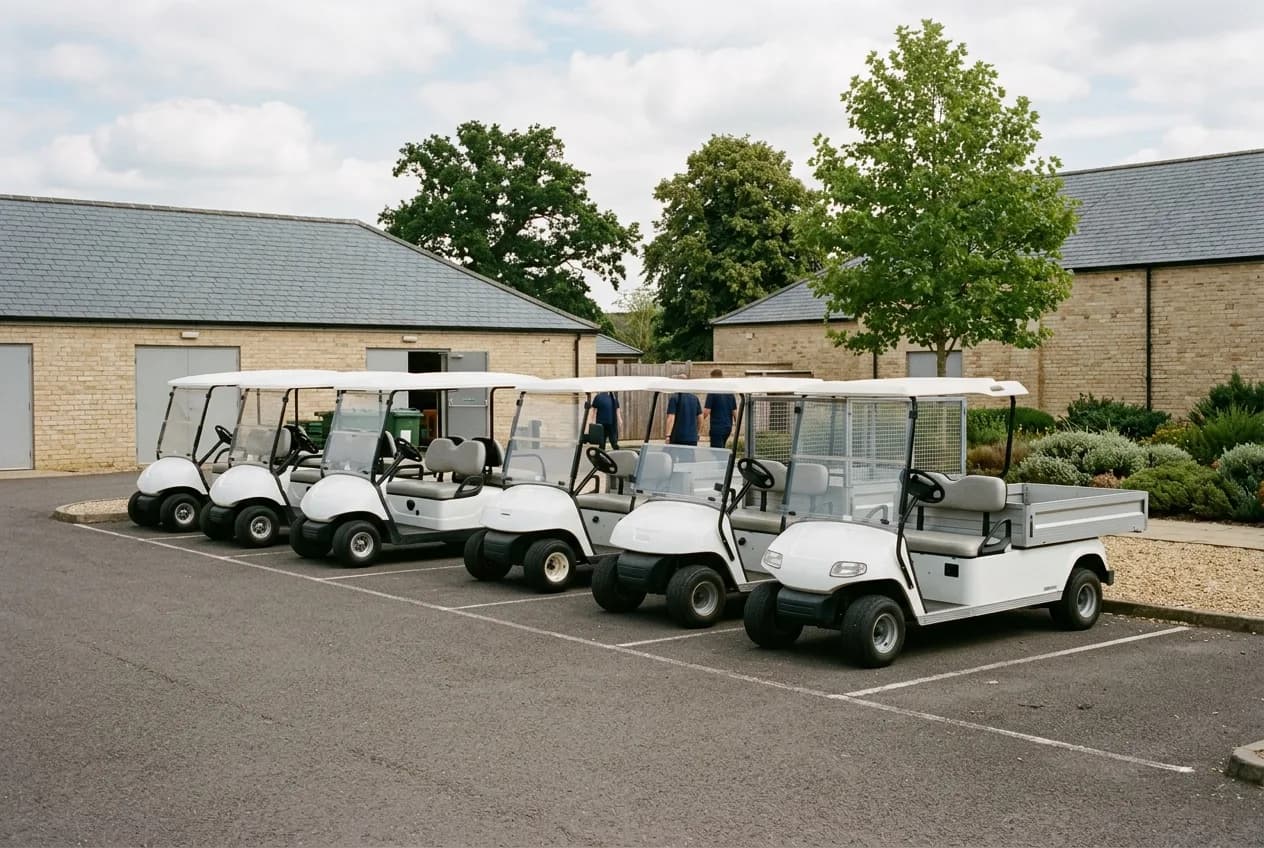
The fleet that keeps the site running
From staff people-movers to flat-bed utility vehicles, every build is made to order, assembled and finished in the UK and liveried as your own, so back of house runs quietly and cleanly alongside the guest areas.
Planning a back-of-house fleet?
Tell us the site, the shift pattern and the jobs you need to cover. We will recommend the right mix of staff transport and utility vehicles, branded as your own and built to order, assembled and finished in the UK.
Frequently asked questions
What are staff transport buggies at a theme park?+
They are passenger people-movers used behind the guest areas to carry rostered staff from a back gate or staff car park to their posts across a large site. They are closely related to the guest vehicles: a chassis, seats and an electric drivetrain, liveried for the operation.
Do I need different vehicles for staff and for kit?+
Often yes. Staff transfers suit a multi-seat people-mover, while maintenance, cleaning, waste and deliveries suit a flat-bed utility vehicle with real payload. Many sites run a small mix rather than one type, all from the same supplier.
How do I size a back-of-house fleet?+
Size it to the shift pattern, not the guest count. Map the busiest shift-change peak, the loop distances and how long the main jobs take, then size passenger and utility vehicles together. We will run those numbers with your operations team.
Is electric practical when back of house runs through the night?+
Yes, with the charging planned around the shift pattern. Tell us the hours and distances and we will size the battery and chargers so vehicles run their loops and charge in the gaps, even overnight.
Can the operational fleet match the guest vehicles?+
Yes. Because every vehicle is built to order, the utility and staff fleet can share the same colours and livery as the guest people-movers, so the whole operation looks consistent.
Related solutions
Ready to explore what we build?
See the vehicles and the setting this applies to, or get a tailored quote built around your site.
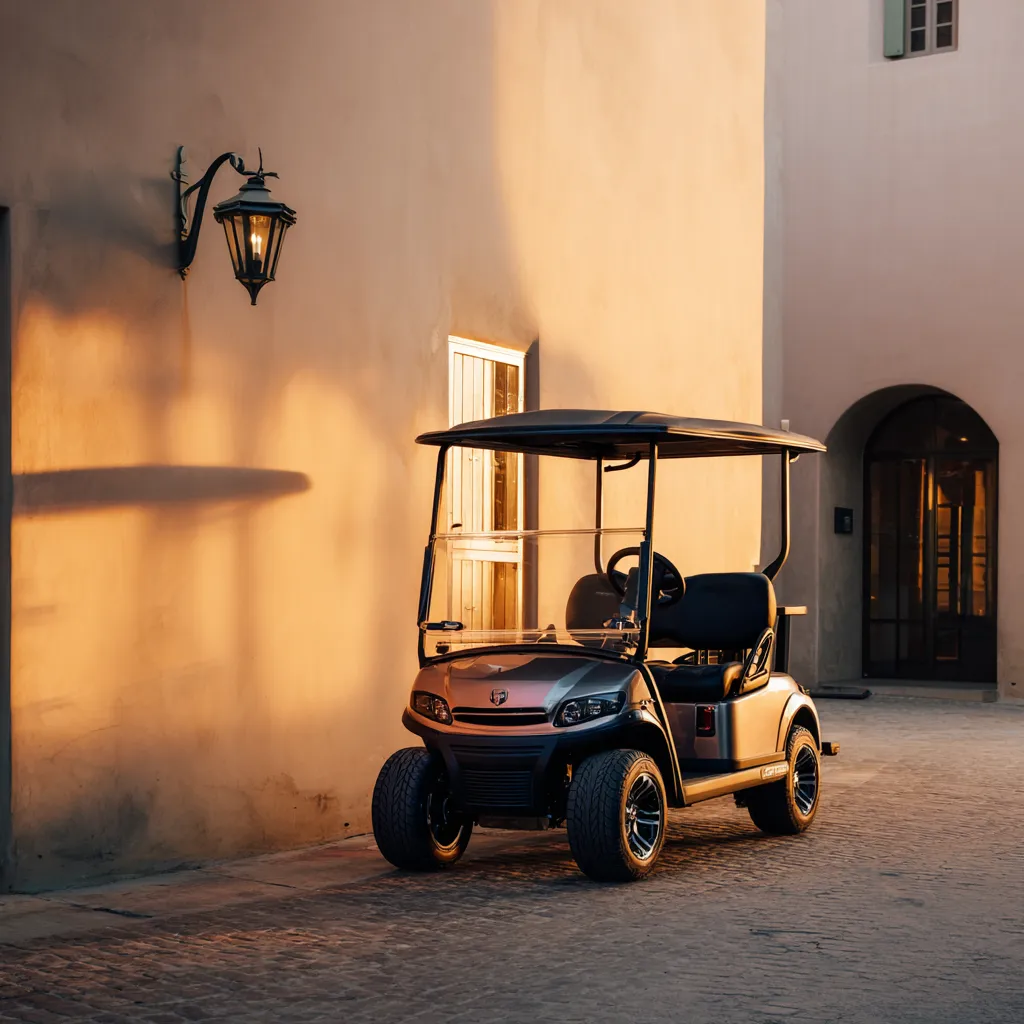
Ready to find the right buggy?
Tell us how and where it will work and we will specify a vehicle and a tailored quote built around you. Every build comes with a 3-year warranty and a 24-hour priority call-out.
Our guides are written and reviewed by the Hawke Electric Vehicles team, the people who specify, build, deliver and support the vehicles. We focus on honest, practical advice and flag where a figure depends on the build rather than guessing.
More guides by Hawke