- In a typical order-picking operation, travel and walking can account for a large share of the picker's time, often more than the picking itself.
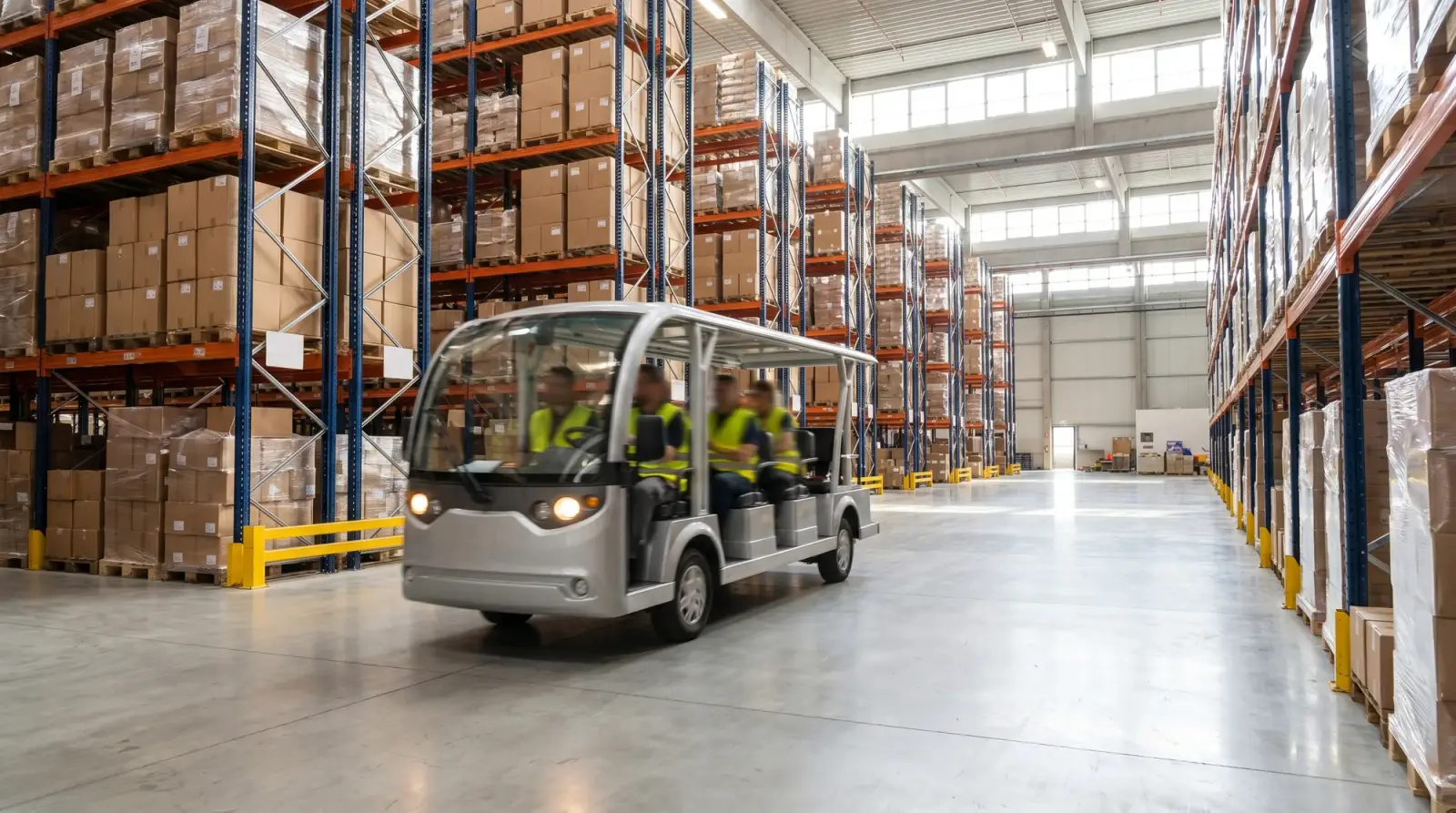
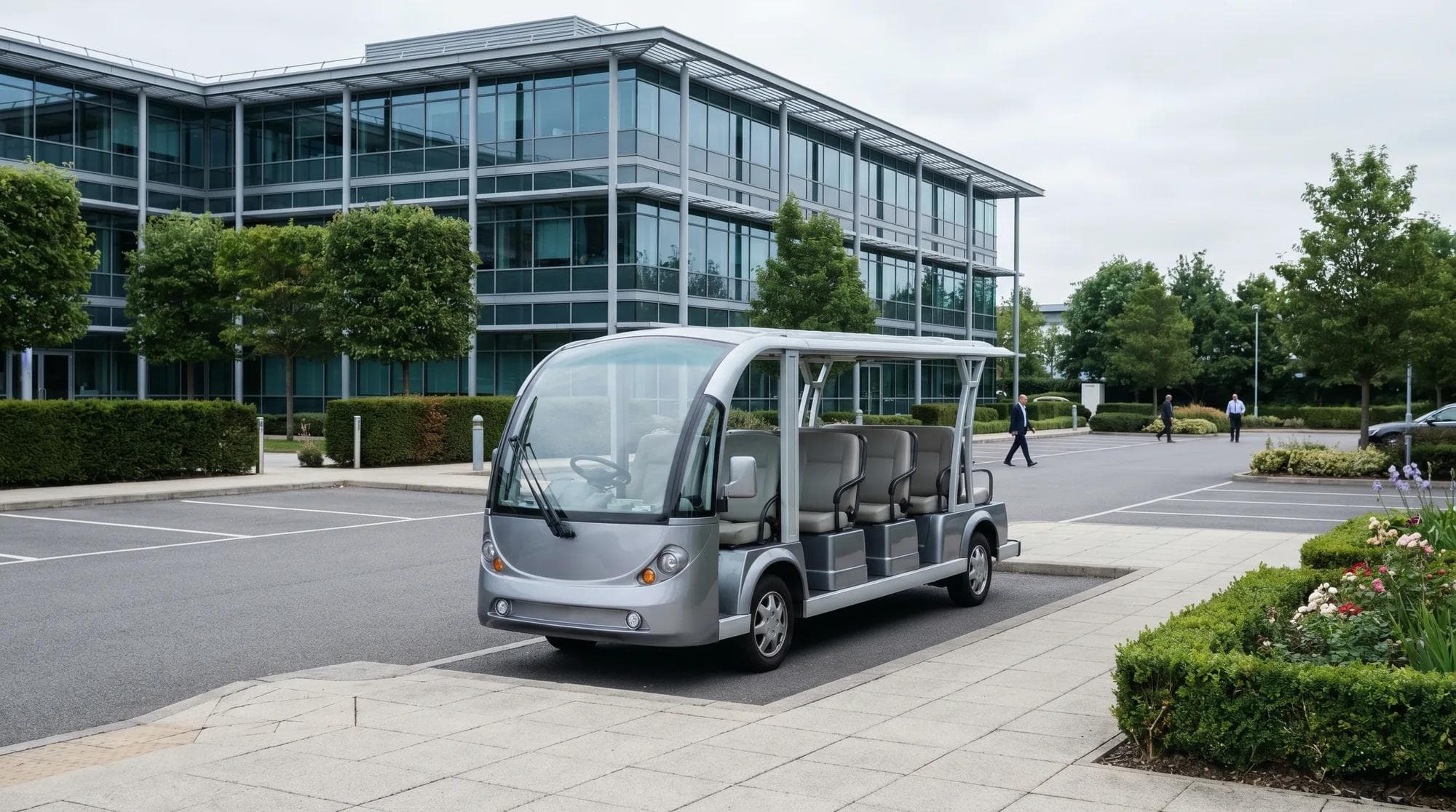
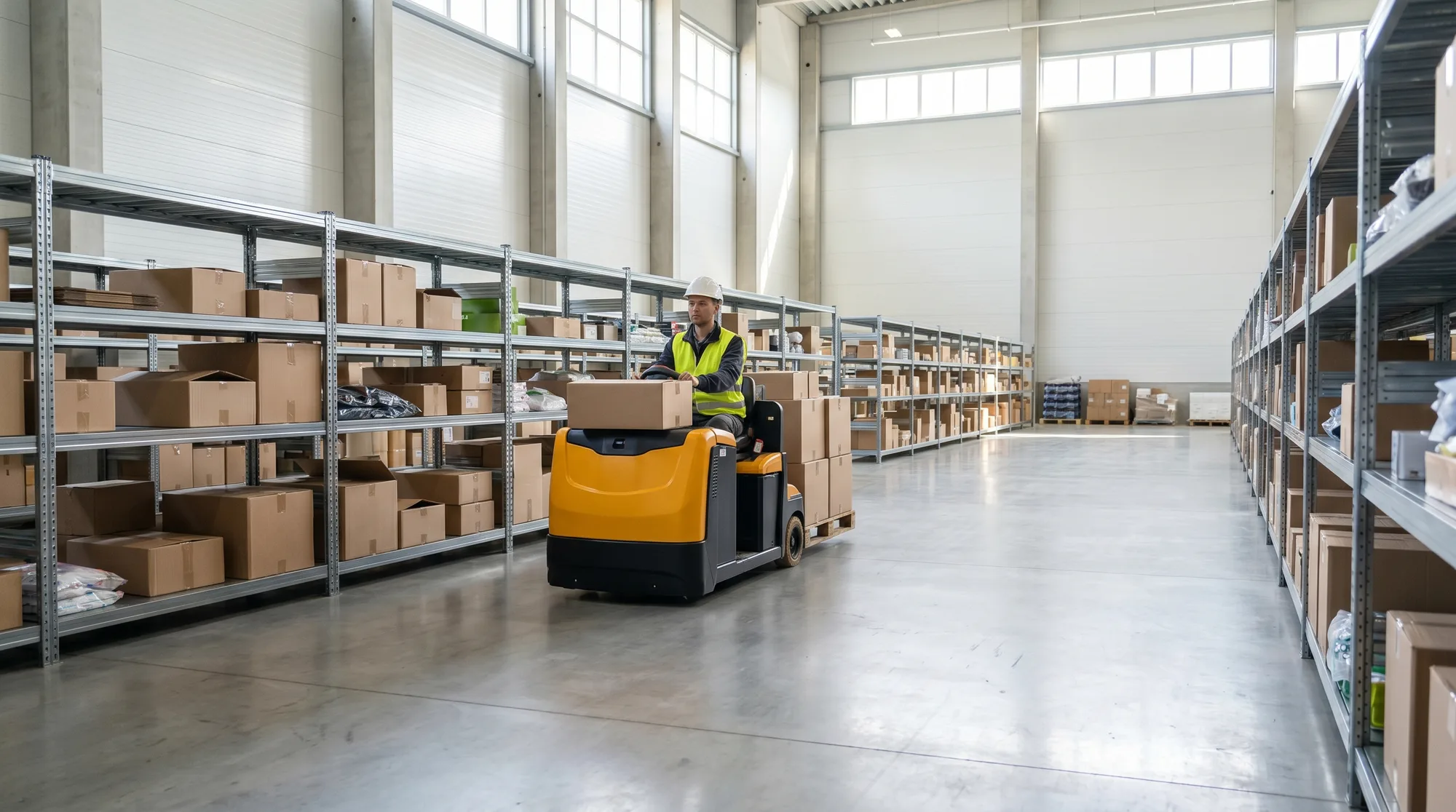
- An order-picking buggy carries the picker and their pick to the next location, so they ride the long legs of a route instead of walking them.
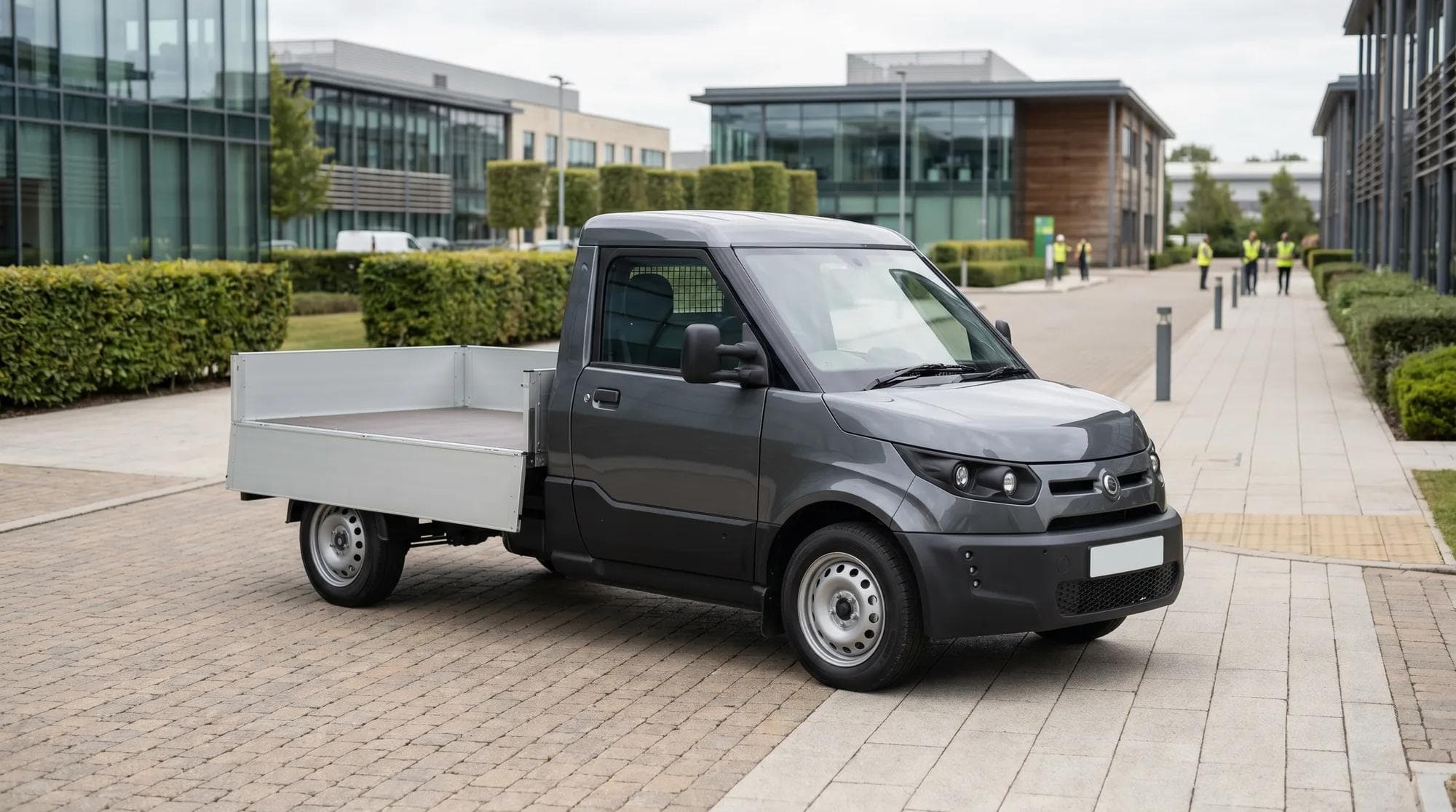
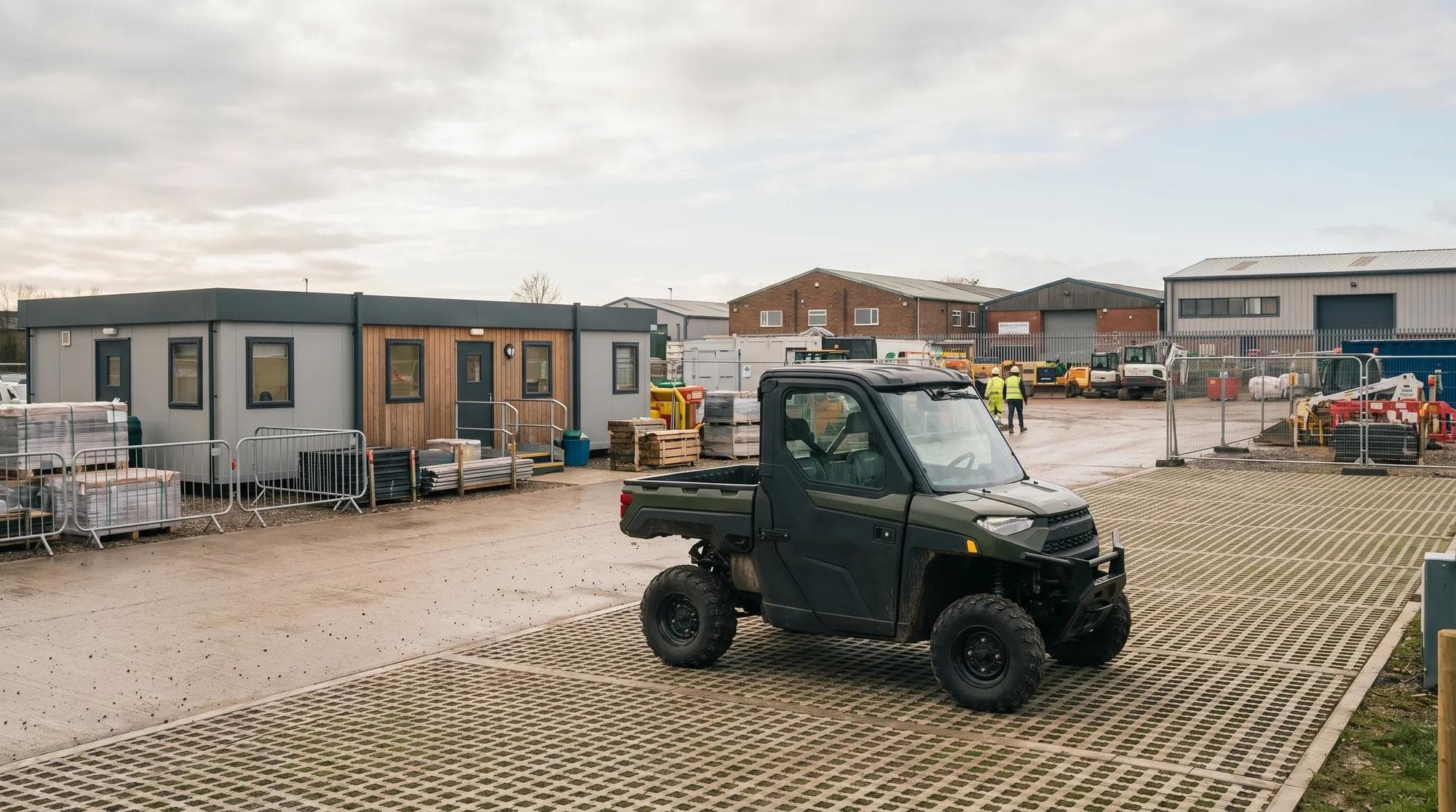
- A stock chaser does the quick errands: chasing stock, moving small loads and getting staff across the floor without a full lift truck.
- Neither is a forklift or a tow tractor; they sit below those in cost and complexity and do a different job entirely.
- The return comes from pick rate, so size the case on the journeys you actually make today, not a headline figure.
Ask anyone who runs a pick operation where the time goes and you will get the same answer: walking. In most warehouses, getting to the location takes more of the picker's day than the act of picking. The pick itself is quick. It is the journey to the next bin, and the next, and the long haul back to despatch, that quietly soaks up the hours. That travel is the largest cost most pick lines never put a number on.
An order-picking buggy attacks that cost directly. Instead of walking the floor, the picker rides the long legs of a route and stops only where there is a pick to make. A stock chaser does a related job, the quick errands that keep a floor moving. This guide explains both, how they differ from the trucks you already run, and how to size the case honestly.
Walking is the cost you are not measuring
Pick rate is usually reported as lines or units per hour, and it is treated as a single number. Underneath it sits a split that most operations rarely separate out: time spent travelling versus time spent actually handling stock. On a spread-out floor with low pick density, travel can be the bigger half. Every step a picker takes to reach the next location is paid for in the same wage as the productive picking, but it puts nothing in the box.
Because it is buried inside the pick rate, this travel cost is easy to ignore and hard to fix with more effort. You cannot ask people to walk faster for long. What you can do is take the walking out of the long legs of the route, which is exactly what a picking buggy is for.
What an order-picking buggy actually does
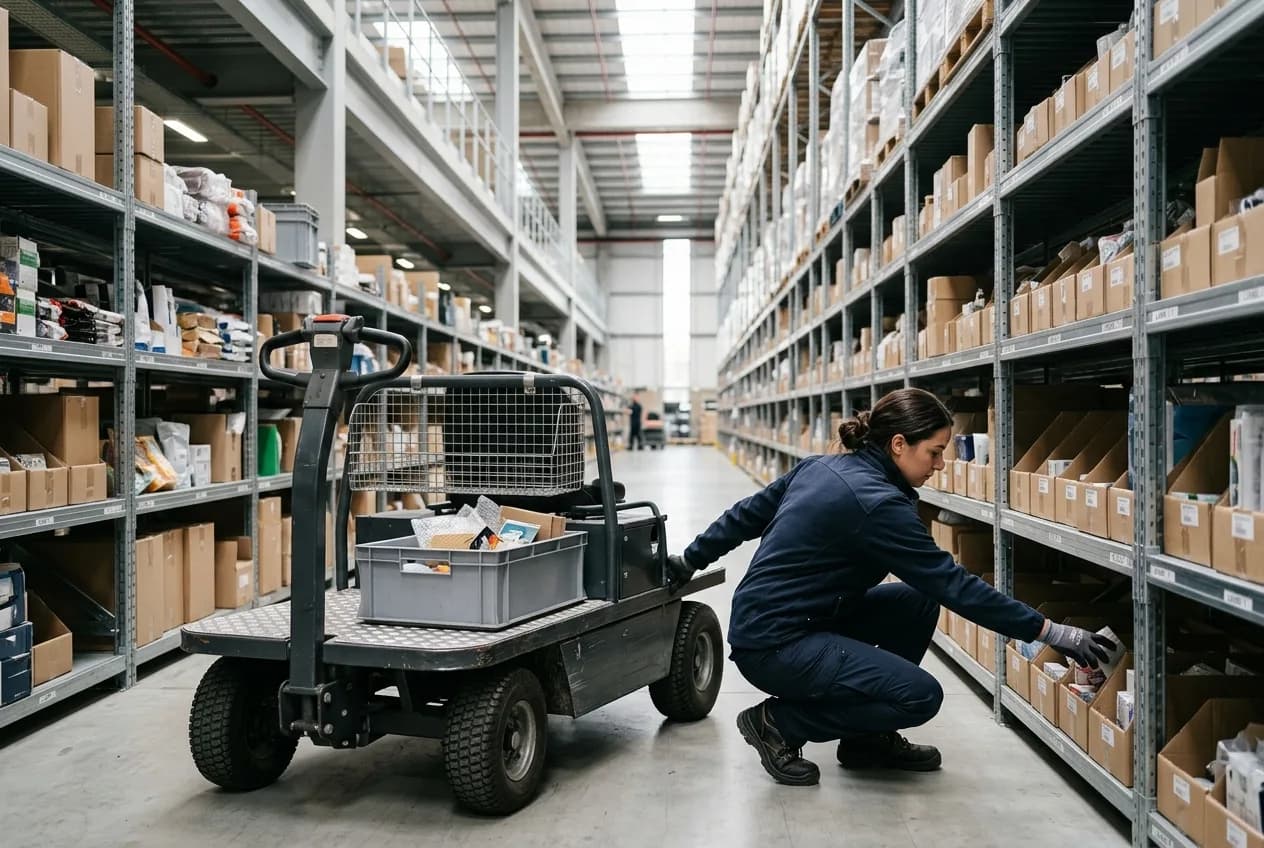
A low-level order-picking buggy carries the picker and the order with them along the route. The picker rides between locations, steps off to make a pick, places it on the buggy and rides on to the next. The win is simple: the long, low-value travel between picks is done seated and at speed rather than on foot. It suits ground-level and low-level picking, where the goods are within easy reach rather than high up in the racking.
- Carries the picker and the pick together, so the order travels with the person.
- Best suited to ground-level and low-level picking across a spread-out floor.
- Turns the long legs of a route into seconds rather than minutes on foot.
- Quiet and clean, so it runs indoors past racking and people all shift.
And what a stock chaser is for
A stock chaser is the floor's general runabout. It carries one or two people and a small load, and its job is the quick errand: chasing a missing line, ferrying a short pick to despatch, taking a supervisor to the far end of the building, or moving tools and parts without tying up a full lift truck. Where a picking buggy is built around the pick route, a stock chaser is built around flexibility, the dozens of small movements a busy floor needs every hour that would otherwise be done on foot.
How they differ from forklifts and tow tractors
It is worth being clear about where these vehicles sit, because the labels get muddled. A forklift lifts and stacks loads, often to height, and is a substantial, regulated machine. A tow tractor pulls trains of loaded trolleys around the building. A picking buggy and a stock chaser sit below both: they do not lift to height and they do not haul heavy trains. They move people and light loads quickly across the floor. That makes them cheaper, simpler and easier to deploy, and it means they complement your trucks rather than replace them.
- Main job
- Carry the picker and the order along the route
- Typical load
- Picker plus a part-filled order
- Main job
- Quick errands and moving staff across the floor
- Typical load
- One or two people plus a small load
- Main job
- Pull trains of loaded trolleys
- Typical load
- Multiple linked, loaded trolleys
- Main job
- Lift and stack loads, often to height
- Typical load
- Full pallets, lifted into racking
| Vehicle | Main job | Typical load |
|---|---|---|
| Order-picking buggy | Carry the picker and the order along the route | Picker plus a part-filled order |
| Stock chaser | Quick errands and moving staff across the floor | One or two people plus a small load |
| Tow tractor | Pull trains of loaded trolleys | Multiple linked, loaded trolleys |
| Forklift | Lift and stack loads, often to height | Full pallets, lifted into racking |
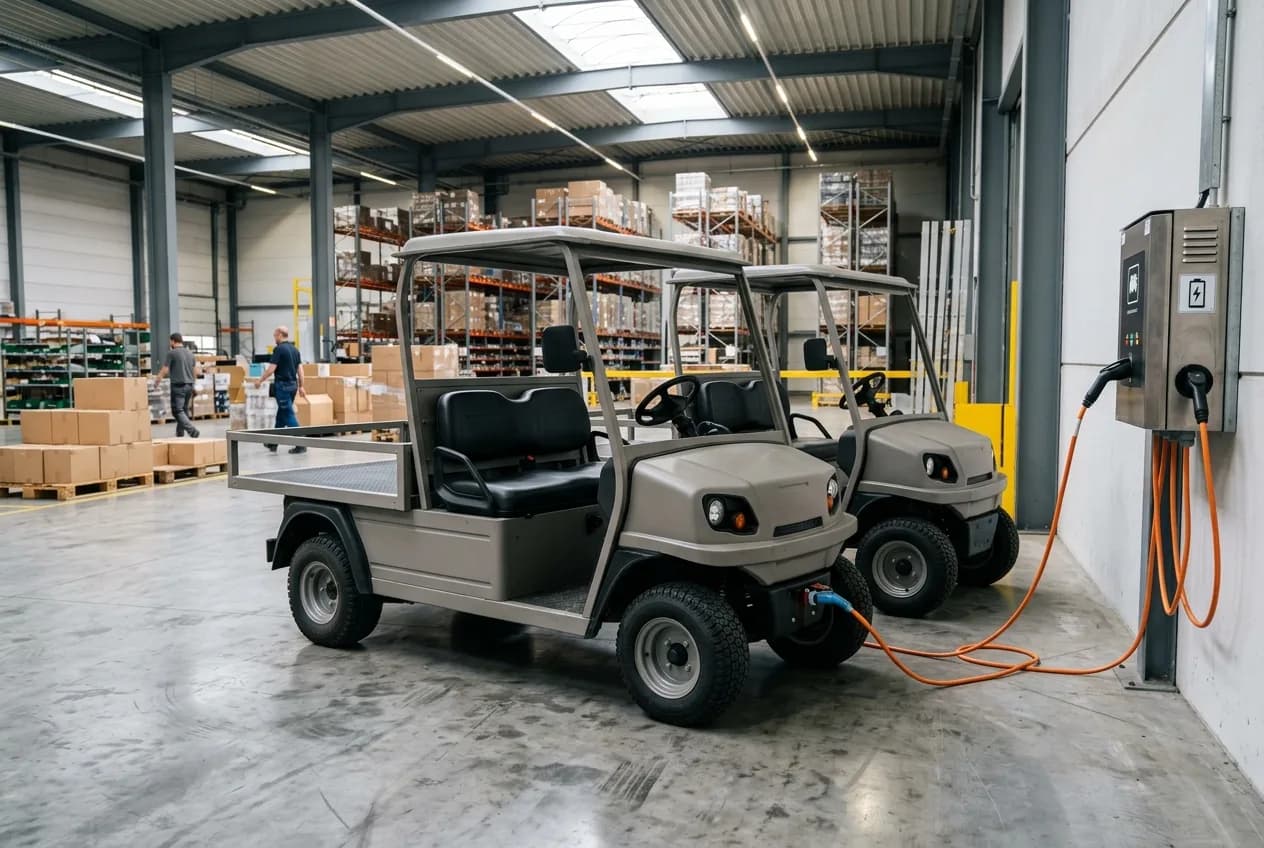
Picking buggies and stock chasers, built to order
Choose the load bed, footprint and finish to suit your floor, branded as your own and supported by a 24-hour call-out so picking never stops.
Sizing the ROI honestly
The return on a picking buggy is a pick-rate story, and the honest way to build it is from your own numbers. Start by separating travel time from handling time on a sample of routes. If travel is a large share, taking the long legs off foot and onto a buggy lifts the lines a picker completes per shift. Multiply that uplift across pickers and shifts and you have a real figure, grounded in your floor rather than a vendor's claim.
- 01
Split travel from picking
Measure how much of a picker's time is spent travelling versus handling stock on a sample of real routes.
- 02
Find the long legs
Identify the routes and the haul to despatch where most of that travel happens, which is where a buggy helps most.
- 03
Estimate the uplift
Work out how many more lines a picker could complete if those long legs were ridden, not walked.
- 04
Scale and check
Multiply across pickers and shifts, then sense-check it against a short trial before you commit to a fleet.
Be wary of any case built on a single headline percentage. Floors differ enormously: a dense, compact pick face will see less benefit than a spread-out one with long travel legs. The right number is yours, and we are happy to help you work it out rather than hand you a guess. For the wider picture of moving people and light loads on site, our guide to electric buggies for warehouses is a good companion, and you can request a quote when you want to talk specifics.
Take the walk out of the pick
Tell us your floor, your pick routes and your pick-rate targets. We will recommend the right order-picking buggies and stock chasers, built to order and branded as your own.
Frequently asked questions
Is an order-picking buggy the same as a forklift?+
No. A forklift lifts and stacks loads, often to height, and is a substantial regulated machine. A picking buggy carries the picker and the order along the route at floor level. They do different jobs and usually work alongside each other.
What is the difference between a picking buggy and a stock chaser?+
A picking buggy is built around a pick route, carrying the picker and their order. A stock chaser is a general floor runabout for quick errands, chasing stock and moving staff and small loads. Many sites run some of each.
How much walk time can it actually save?+
It depends entirely on your floor. On a spread-out site with long travel legs the saving is significant; on a dense, compact pick face it is smaller. The honest figure comes from measuring your own routes, which we are happy to help with.
Can these run indoors all shift?+
Yes. They are electric with no exhaust at the point of use, so they run safely indoors past racking and people, and the battery is sized to cover the operating day and charge overnight.
Can they be branded and built to our spec?+
Yes. Every vehicle is built to order, so the load bed, footprint, finish and livery are all specified into the build to suit your floor.
Related solutions
Ready to explore what we build?
See the vehicles and the setting this applies to, or get a tailored quote built around your site.

Ready to find the right buggy?
Tell us how and where it will work and we will specify a vehicle and a tailored quote built around you. Every build comes with a 3-year warranty and a 24-hour priority call-out.
Our guides are written and reviewed by the Hawke Electric Vehicles team, the people who specify, build, deliver and support the vehicles. We focus on honest, practical advice and flag where a figure depends on the build rather than guessing.
More guides by Hawke