A yard never really stops. Feed to the stables at dawn, muck out, tack carried across to the school, jumps moved before a lesson, hay and shavings hauled in from the barn. Most of that still gets done with a wheelbarrow and a tired old quad. There's a calmer, cleaner way to do it. This guide is for stable yards, equestrian estates and polo grounds weighing up an equestrian utility vehicle, and it's honest about where electric fits and what to check before you buy.
Why electric makes sense around horses
The biggest reason is the one you'd guess: noise. Horses are prey animals, and a revving petrol engine or a clattering diesel near the stables puts them on edge. An electric buggy runs close to silent. You can drive past a row of boxes, along a polo line or up to a nervy youngster without the engine note that makes ears go back and feet start moving. That calm isn't a gimmick. On a busy yard it's a genuine safety advantage, for the horses and the people handling them.
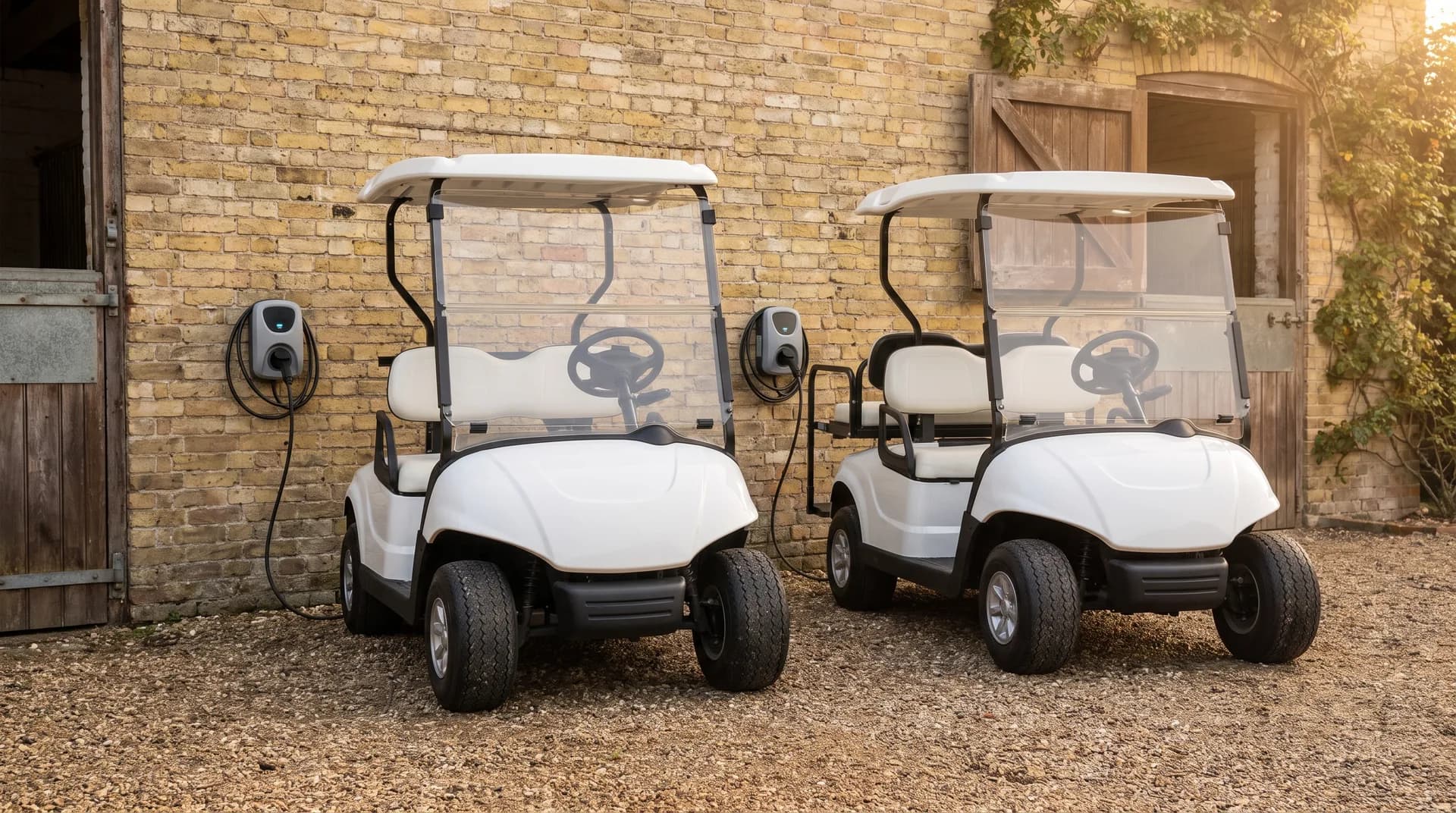
Quiet running is only half of it. No engine means no exhaust fumes drifting through a barn or down a stable block, which matters in enclosed spaces where horses spend hours. There's far less to service, no cold-start sulk on a frosty morning, and you charge it overnight off a standard socket so it's ready before the first feed. For short, repeated runs all day, a battery suits the work far better than a fuel tank.
Can it carry and tow what a yard needs?
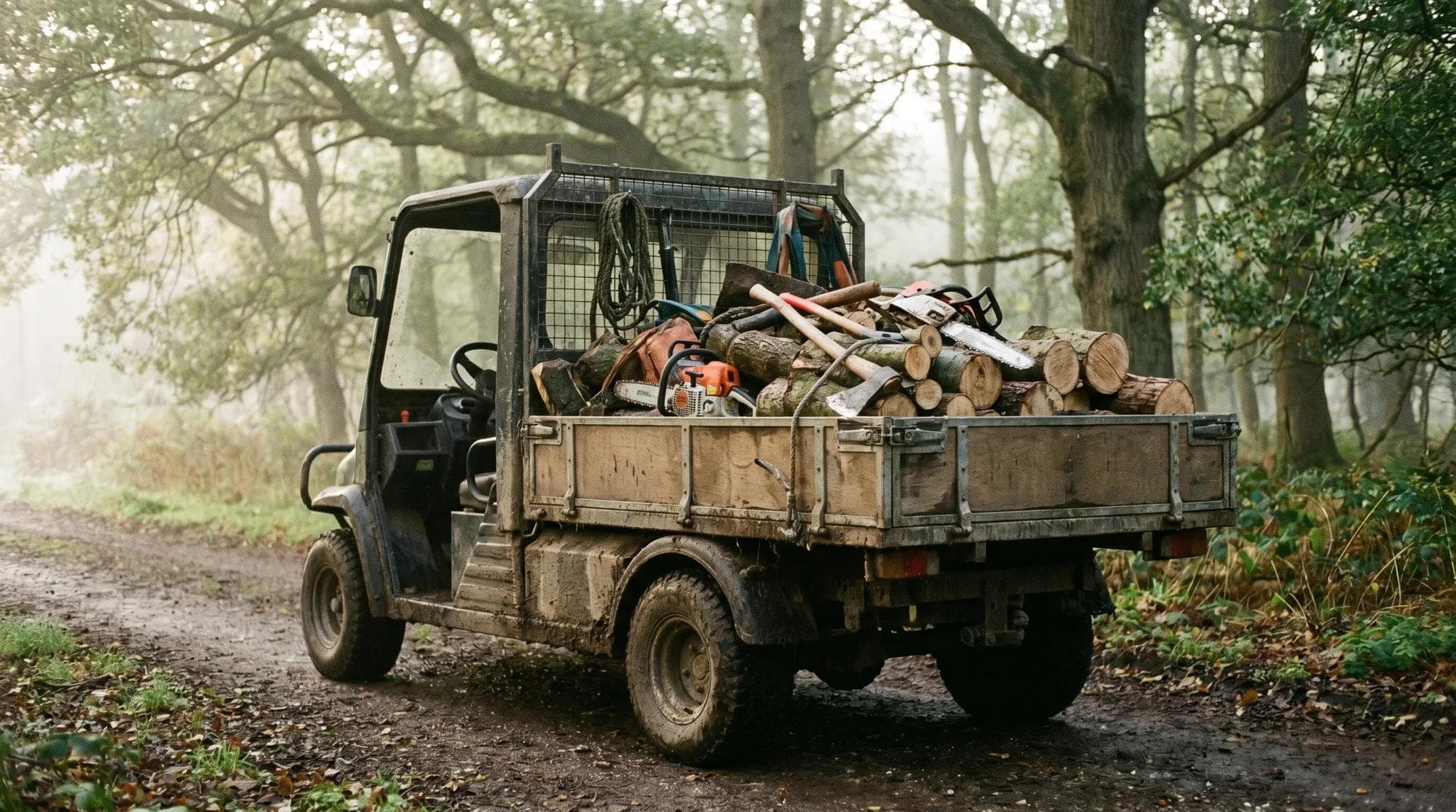
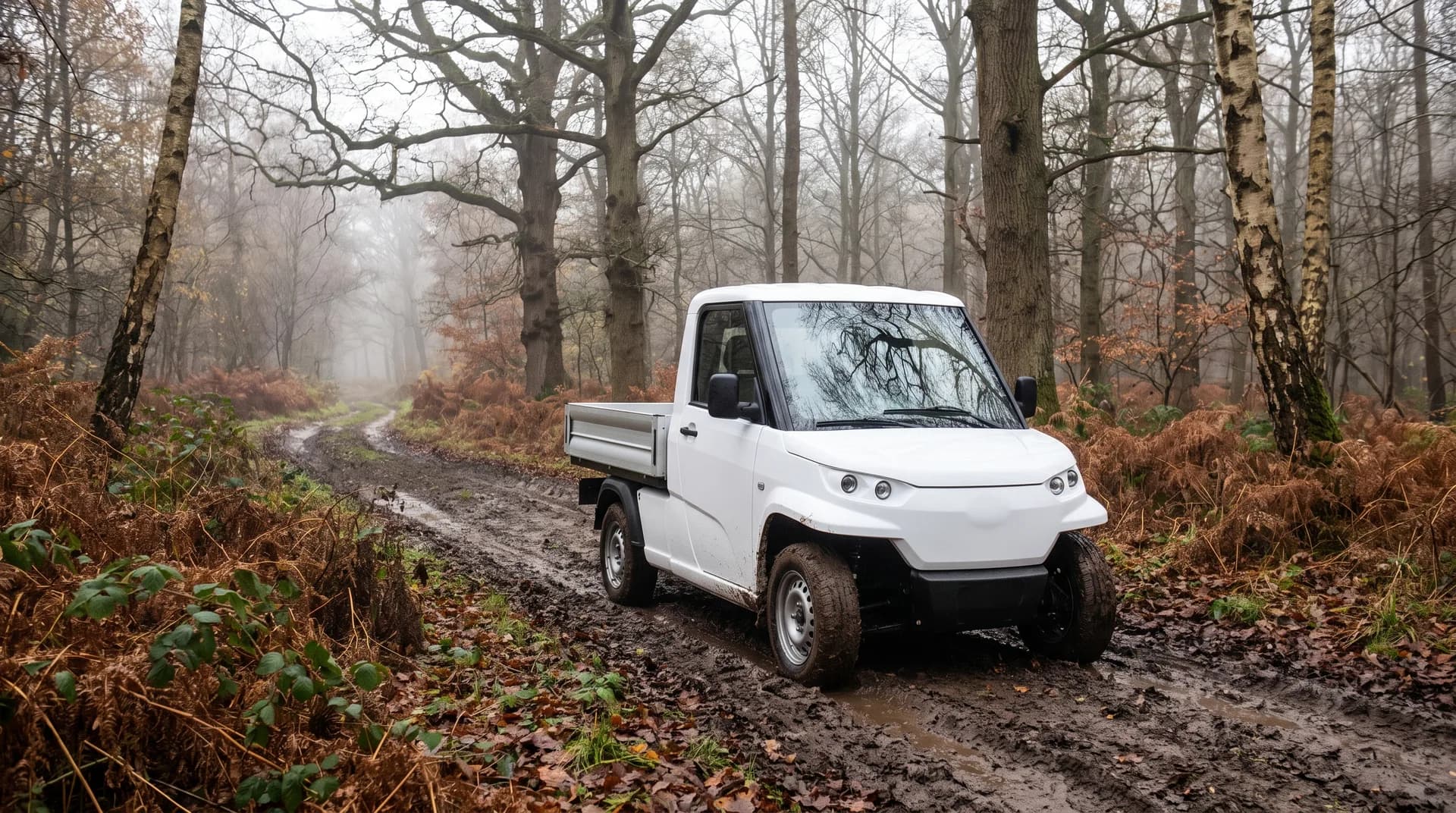
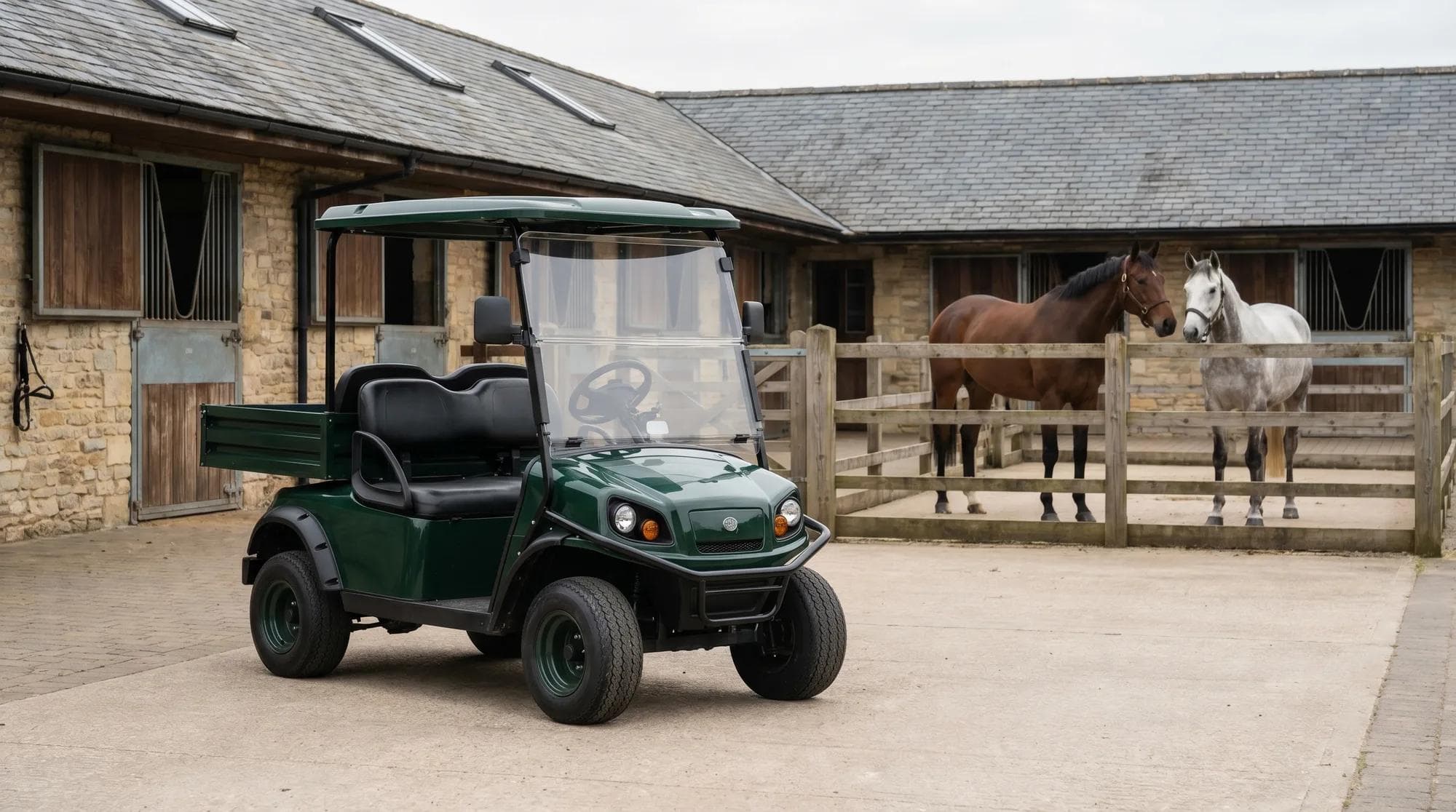
A yard vehicle is a workhorse first. On a normal morning it might shift feed sacks and water, then tack and rugs across to the school, then a load of mucking-out kit, then bedding from the barn. So payload and a proper load bed matter more than seats. The Hawke S2 Pickup utility model is built around exactly that: a flat, tough cargo area you can hose down, with room for sacks and crates rather than a token shelf.

Towing is the other half of the job. A muck trailer to the heap, a water bowser out to a field, a trailer of jumps round the cross-country course, or poles and wings to the arena. An electric utility build can be specified to tow, and the instant torque makes pulling a loaded trailer away from a standstill smoother than you'd expect. Be specific about what you'll pull and how heavy, because towing eats into range and the spec needs to allow for it. We'll work the figures with you rather than leave you guessing.
Will it handle the yard and the fields?
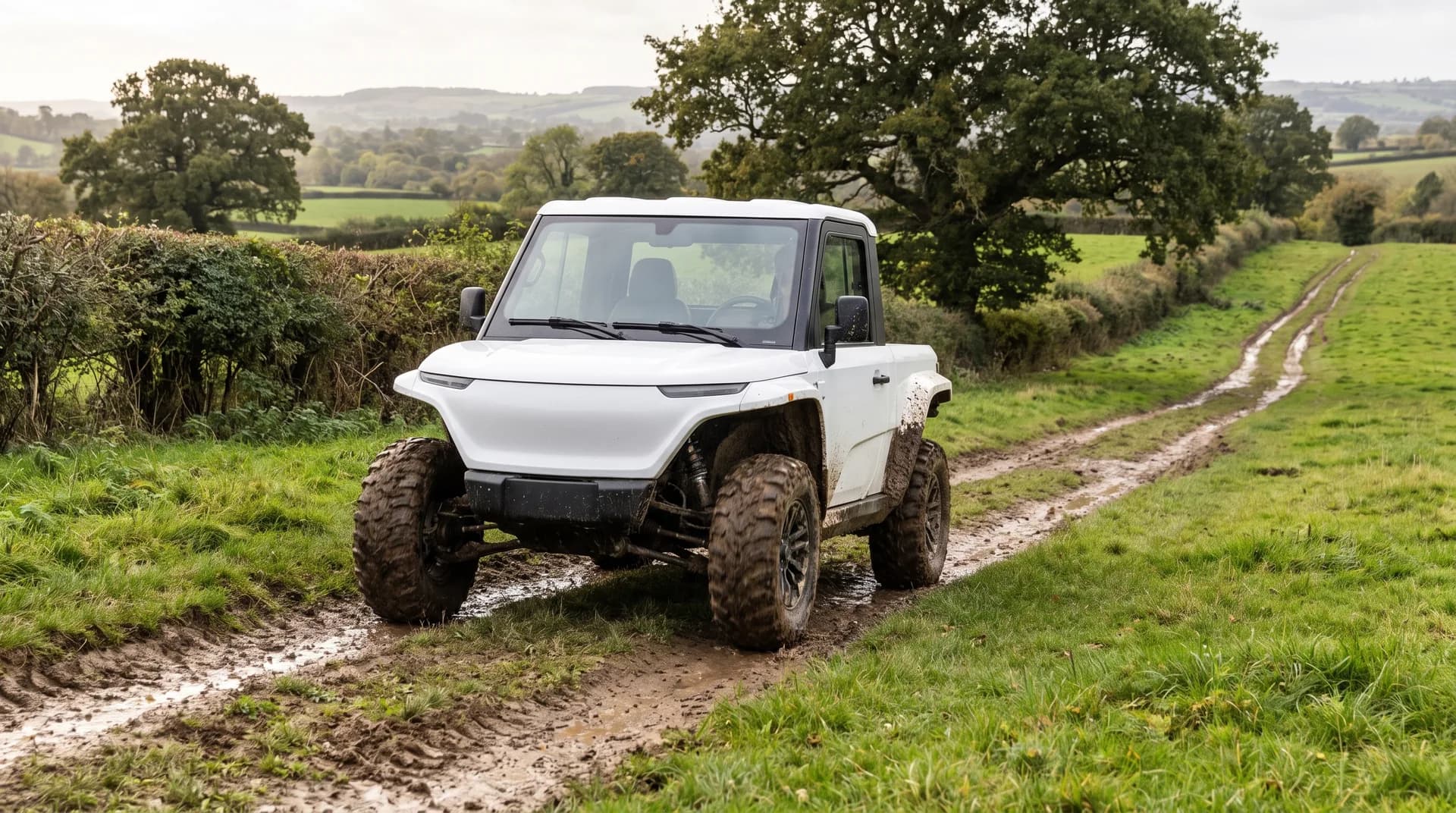
This is the fair question, because equestrian ground varies wildly. A swept concrete yard one minute, then a churned gateway, a wet hack track or a polo field after rain the next. The honest answer is that the right electric vehicle copes well, but you specify it for the work rather than buy the smartest-looking one in the brochure. Ground clearance, tyres and drive matter far more here than on a flat resort path.
Electric motors have a useful trick on soft going: full torque from a standstill, so a strong, controlled pull away on a muddy slope without the slip and rev of a petrol engine fighting for grip. Turf-friendly tyres are worth asking about too, because the last thing you want is a vehicle that cuts up a polo ground or a manicured arena surround. For the wettest fields and steepest tracks, a four-wheel-drive utility build with proper clearance is the one to look at.
How the utility model fits the range
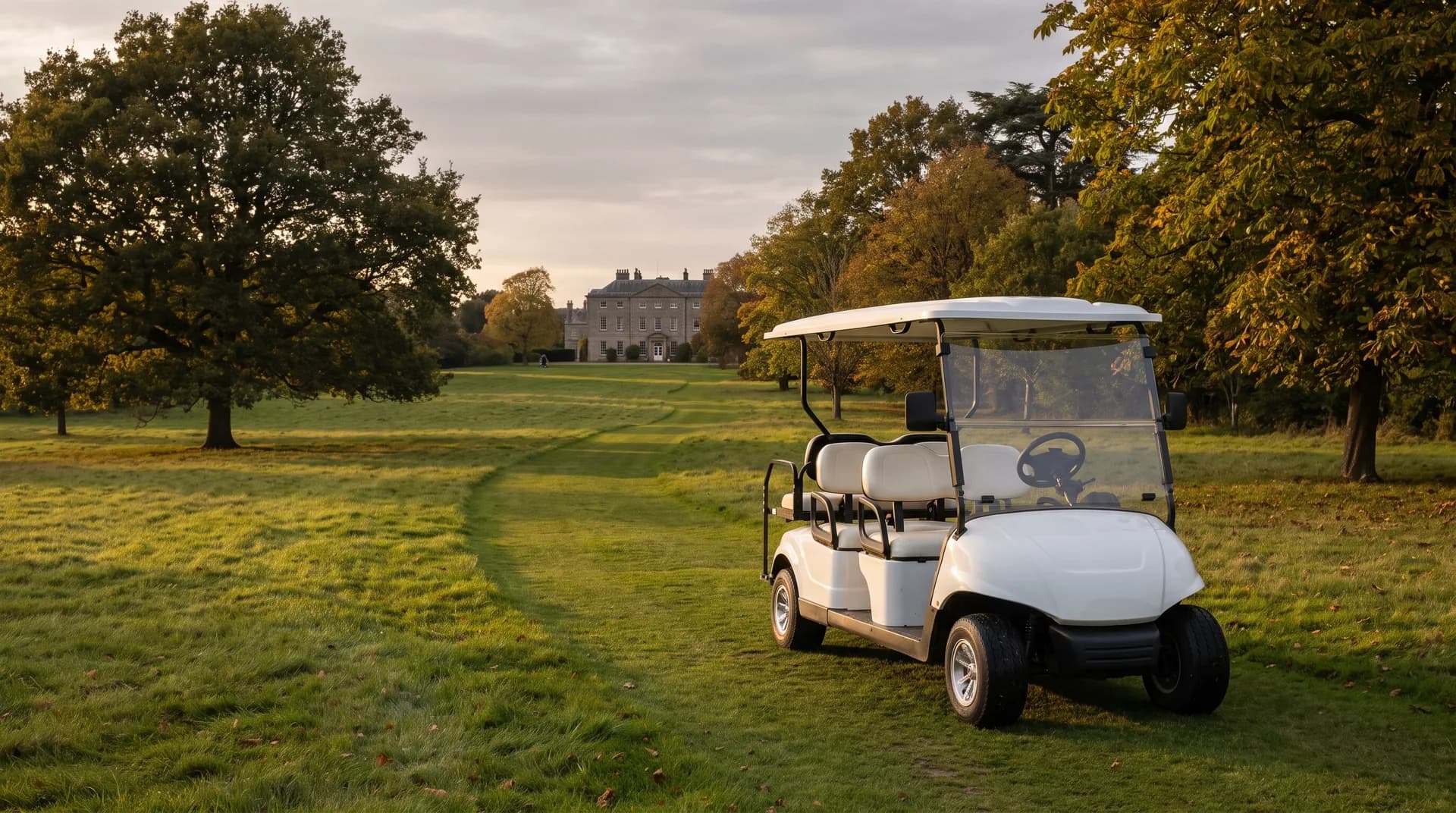
Most yards land on the utility build, but it helps to see where it sits. A two seater suits a single groom or yard manager getting about. A four or six seater shifts staff, clients or a polo team between fields. The utility is the one that carries and tows. Here's the line-up.
- Best for
- A single groom or yard manager getting about
- Best for
- Moving staff, clients or a small team
- Best for
- Feed, tack, jumps, towing and year-round work
- Best for
- Larger teams, owners or polo crews
- Best for
- Combined crew and cargo, branded, anything you specify
| Best for | |
|---|---|
| Two seater (the Hawke S2) | A single groom or yard manager getting about |
| Four seater (the Hawke S4) | Moving staff, clients or a small team |
| Utility (the Hawke S2 Pickup) | Feed, tack, jumps, towing and year-round work |
| Six seater (the Hawke S6) | Larger teams, owners or polo crews |
| Bespoke | Combined crew and cargo, branded, anything you specify |
If you can't decide between a passenger build and the utility, a bespoke vehicle can do both: a crew bench up front and a proper load bed behind. Plenty of estates want exactly that, one vehicle that takes the team out and brings the kit back. You can compare the standard builds on our range page, and for a deeper look at matching a vehicle to estate work, read our guide to choosing an electric utility vehicle for a country estate.
Will it last on a working yard?
A yard vehicle takes a daily battering, so durability isn't optional. Look for a strong frame, sealed electrics that won't mind a jet-wash, good brakes for loaded runs, and a load bed and seats you can actually clean after a muddy morning. An electric drivetrain helps here too: fewer moving parts than a petrol engine means less to go wrong and less to service, which matters when the yard runs seven days a week and there's no slack for a vehicle off the road.
Every vehicle we build comes with a 3-year warranty and a 24-hour VIP call-out, which is the cover that actually counts on a yard that can't pause. Battery choice matters for longevity too: lithium handles the daily charge cycle of yard work better than lead-acid and lasts far longer, which our lithium versus lead-acid guide sets out in full.
A yard vehicle that's silent past the boxes and ready every cold morning earns its keep before the first feed's even done.
It works the whole calendar
A vehicle that only earns its keep at competition time is hard to justify. A utility buggy works every day of the year instead. Feed and water runs in all weathers, mucking out, moving jumps and poles, hauling bedding and hay, ferrying farriers, vets and clients round the yard, dragging the polo field, even general tidying. On a busy day it saves a dozen barrow trips and a lot of legs. That daily use is what turns the spend from a luxury into a tool that pays for itself, and it's why so many country estates run one whatever they first bought it for.
If your estate also runs a shoot, lets or a private household, the same vehicle stretches further still. Our guides on electric buggies for shooting estates and for private estates cover that wider, multi-use picture, where the quiet running is just as welcome around game and guests as it is around horses.
How to spec one for your yard
Because every vehicle is built to order, getting the spec right is the whole job. Before you enquire, it helps to have a clear picture of the work in your head. The questions below are the ones we'll ask, so having the answers ready means we can specify a vehicle that fits your yard from day one.
- How rough is the worst ground, and how wet do the gateways and fields get in winter?
- What's the heaviest regular load, feed, bedding, water, tack, all at once?
- Will it tow, and what trailer and weight: muck, jumps, a bowser?
- How much ground do you cover on a typical day round the yard and fields?
- Crew, cargo or both, which decides between a passenger build and the utility or a bespoke mix?
- Do you want turf-friendly tyres for arenas and polo grounds, and the yard's colours or branding?
Specify a yard vehicle that's calm and capable
Tell us about your ground, your loads and your day-to-day, and we'll specify an electric utility vehicle built around the work, with a tailored quote.
Frequently asked questions
What's the best vehicle for a stable yard or polo estate?+
For most yards, an electric utility build is the strongest all-rounder. It runs near silently so it stays calm around horses, carries feed, tack, bedding and jumps, tows trailers and works year-round. Ask for turf-friendly tyres if you're moving across arenas or polo grounds, and a four-wheel-drive build if your fields get wet and steep.
Are electric buggies quiet enough around horses?+
Yes, and it's the main reason yards switch. An electric vehicle runs close to silent compared with a petrol or diesel engine, so you can drive past the boxes, along a polo line or up to a nervy horse without the engine note that puts animals on edge. On a busy yard that calm is a real safety benefit.
Can it carry feed, tack and jumps?+
The utility model is built around a tough, hose-out load bed sized for feed sacks, bedding, tack and kit, and it can be specified to tow poles, wings and a jump trailer to the arena. Be specific about your heaviest loads, because they shape the payload and battery spec.
Can an electric buggy tow a muck trailer or water bowser?+
Yes, an electric utility build can be specified to tow, and the instant torque pulls a loaded trailer away from a standstill smoothly. Tell us the trailer and weight, whether it's muck, water or jumps, because towing affects range and we size the vehicle to suit.
Will it cope with a wet, muddy yard and fields?+
A vehicle specified for the work copes well. Electric motors give full torque from a standstill, which helps on muddy slopes, and a four-wheel-drive build with proper clearance handles wet gateways and fields. Sealed electrics mean a jet-wash and winter mud aren't a problem.
How long does the battery last on a yard day?+
Range depends on the load, the ground and the weather, and towing or wet fields will shorten it. A lithium battery suits the short, repeated runs of a yard day and recharges overnight off a standard socket. Tell us your typical day and we'll specify a battery with headroom to cover it.
Related solutions
Ready to explore what we build?
See the vehicles and the setting this applies to, or get a tailored quote built around your site.
Ready to find the right buggy?
Tell us how and where it will work and we will specify a vehicle and a tailored quote built around you. Every build comes with a 3-year warranty and a 24-hour priority call-out.
Our guides are written and reviewed by the Hawke Electric Vehicles team, the people who specify, build, deliver and support the vehicles. We focus on honest, practical advice and flag where a figure depends on the build rather than guessing.
More guides by Hawke