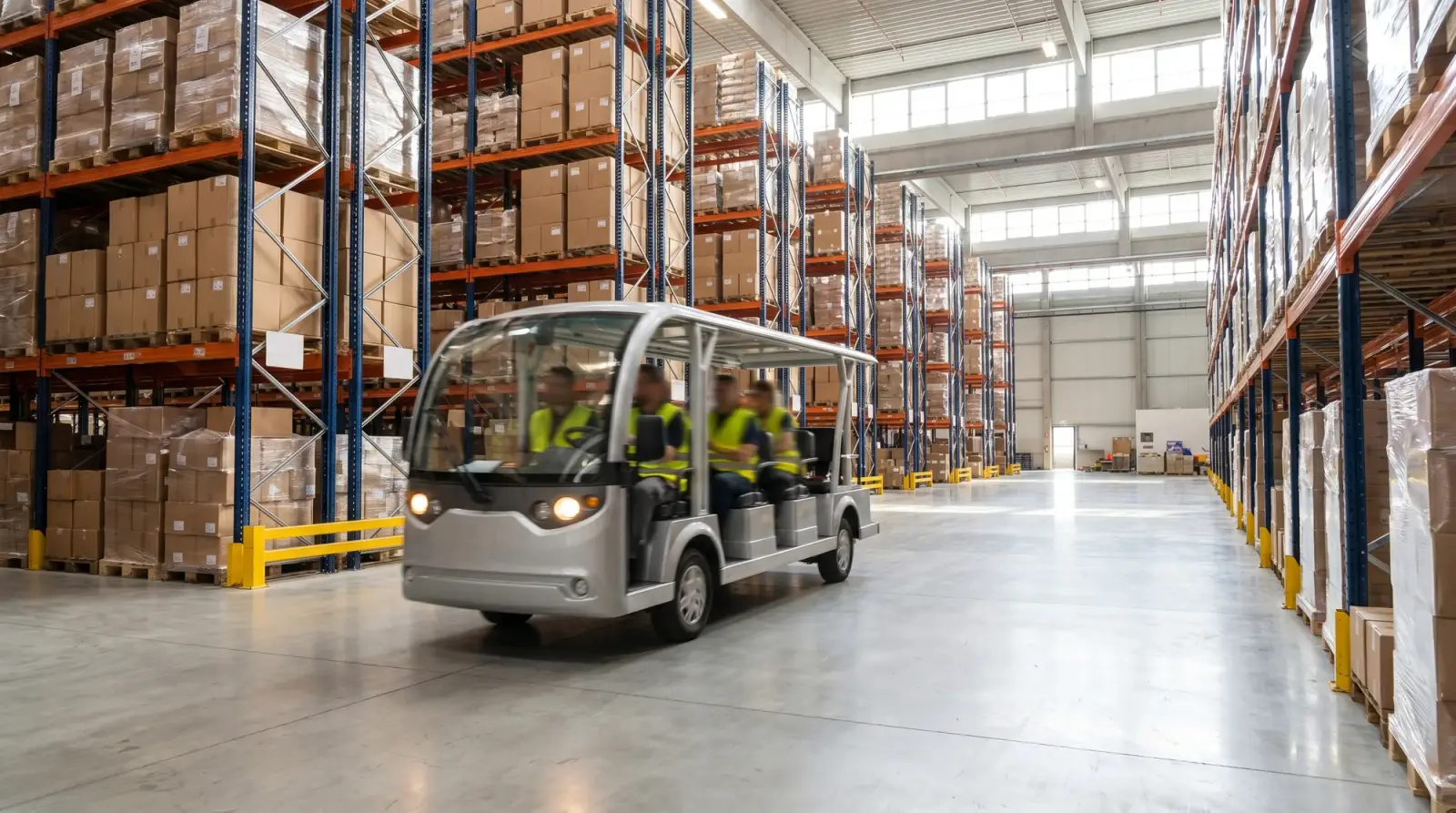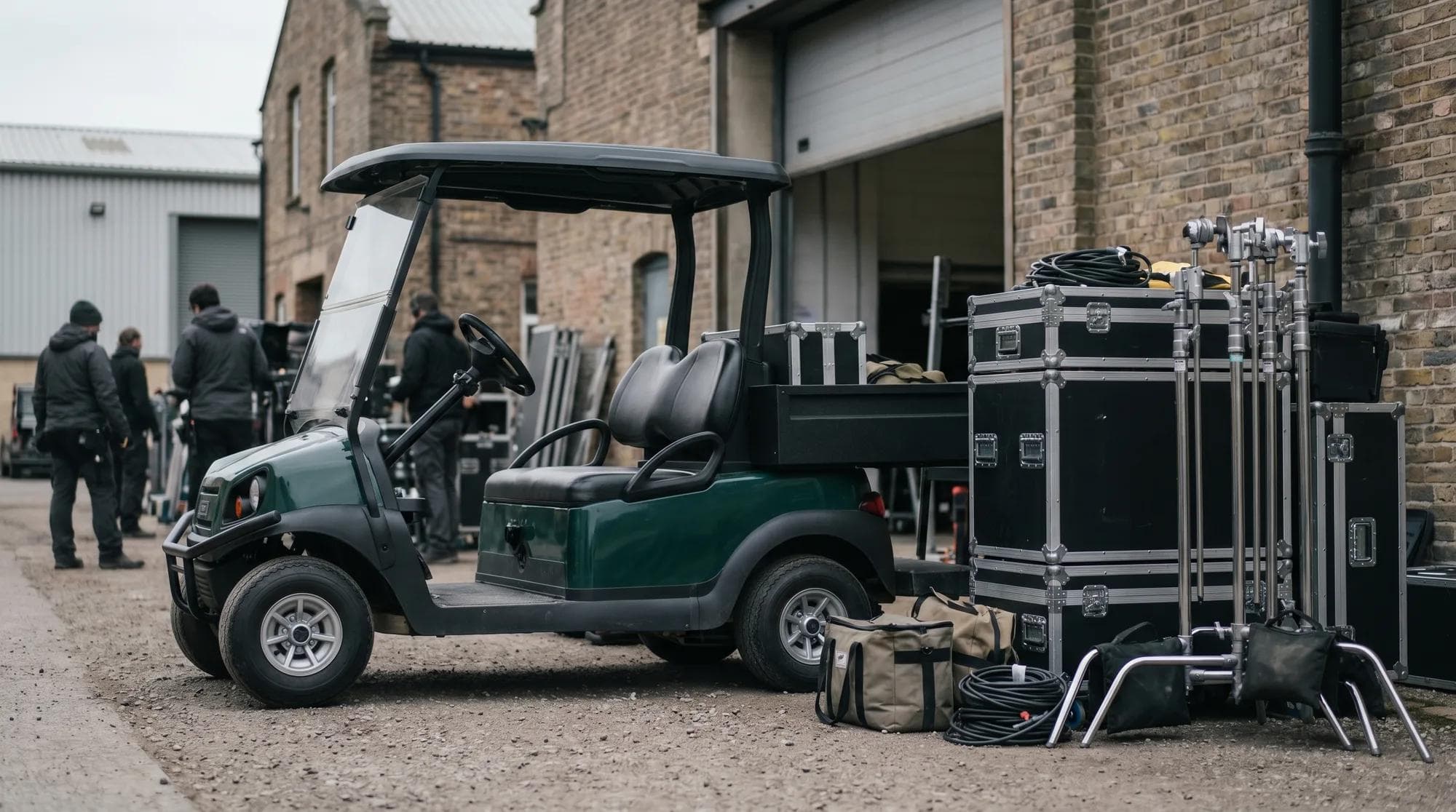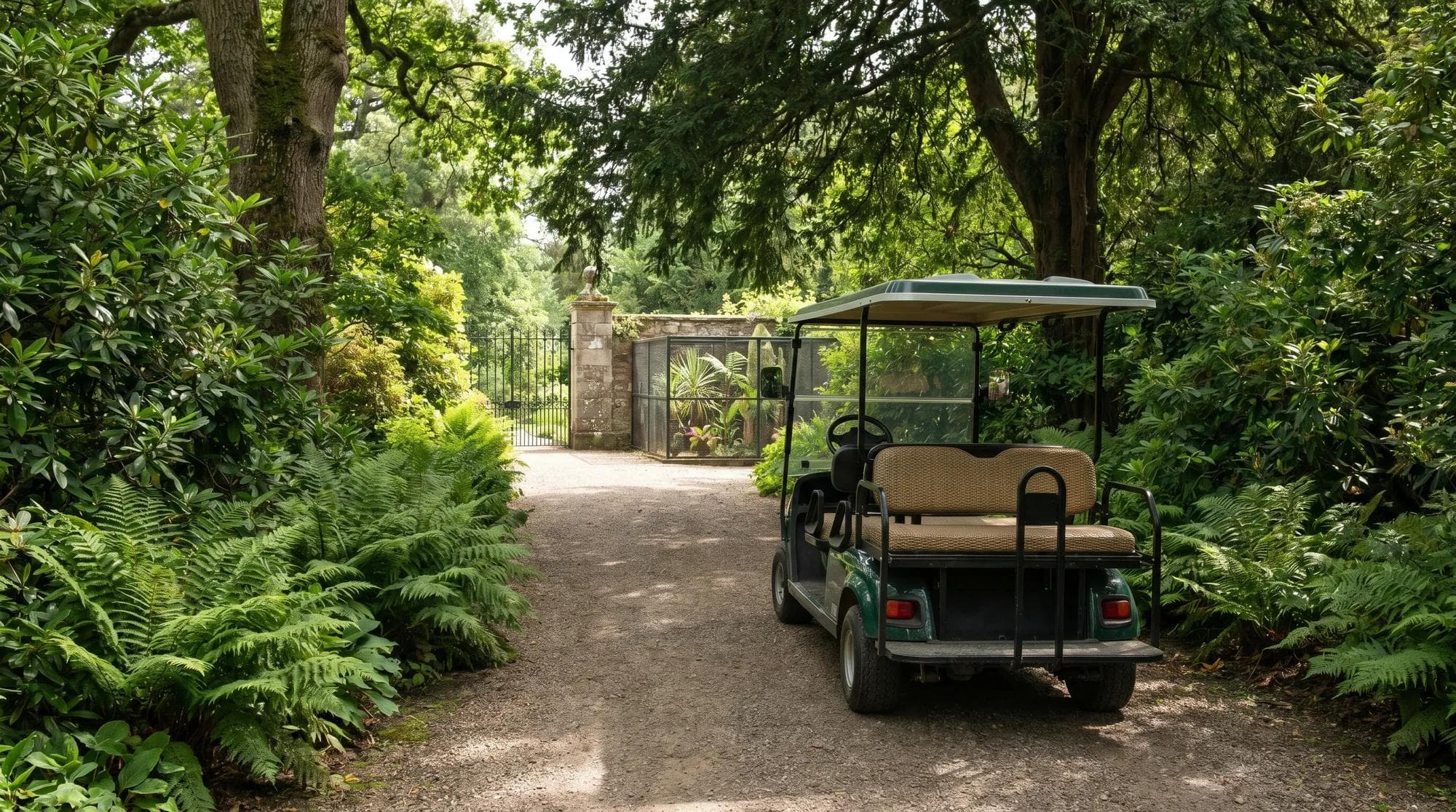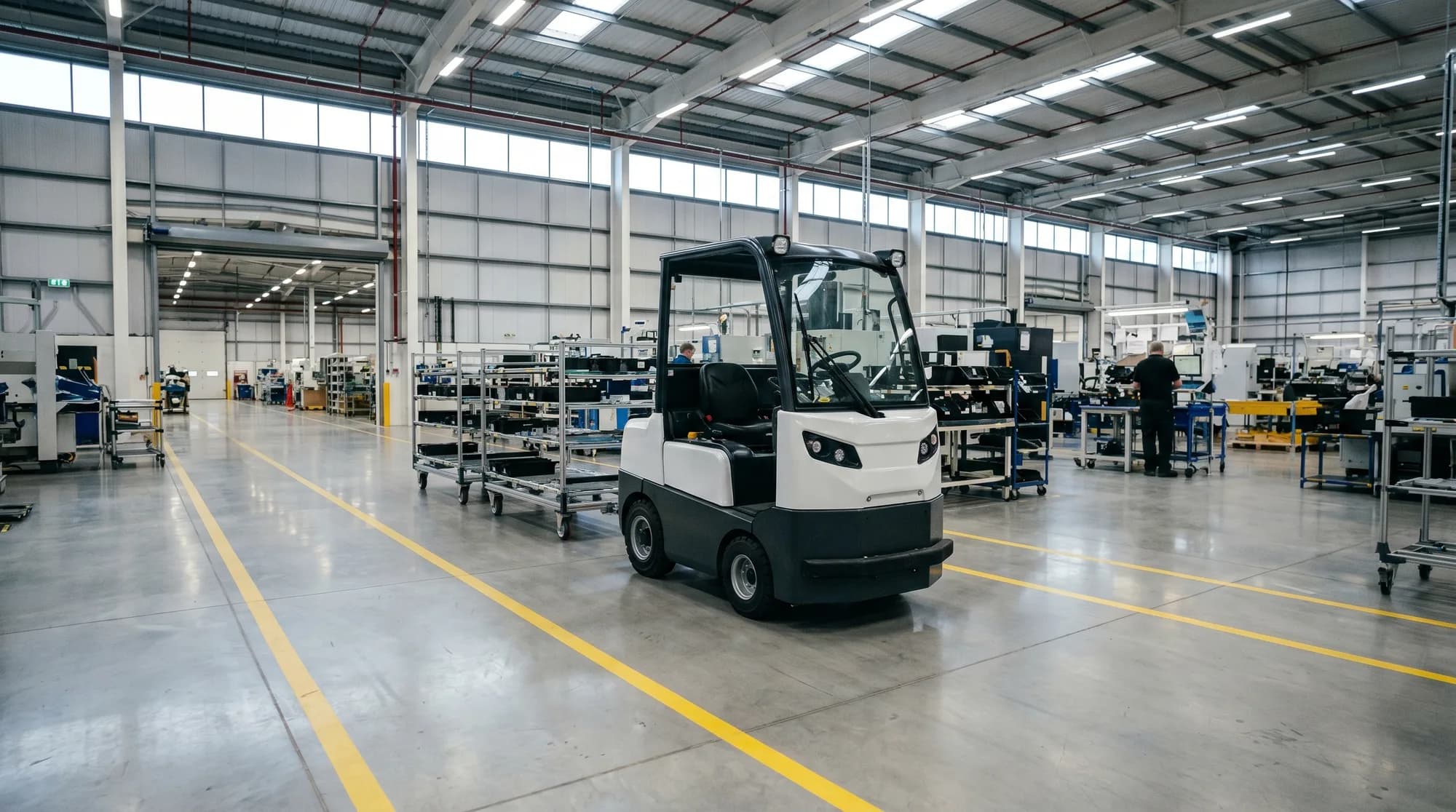
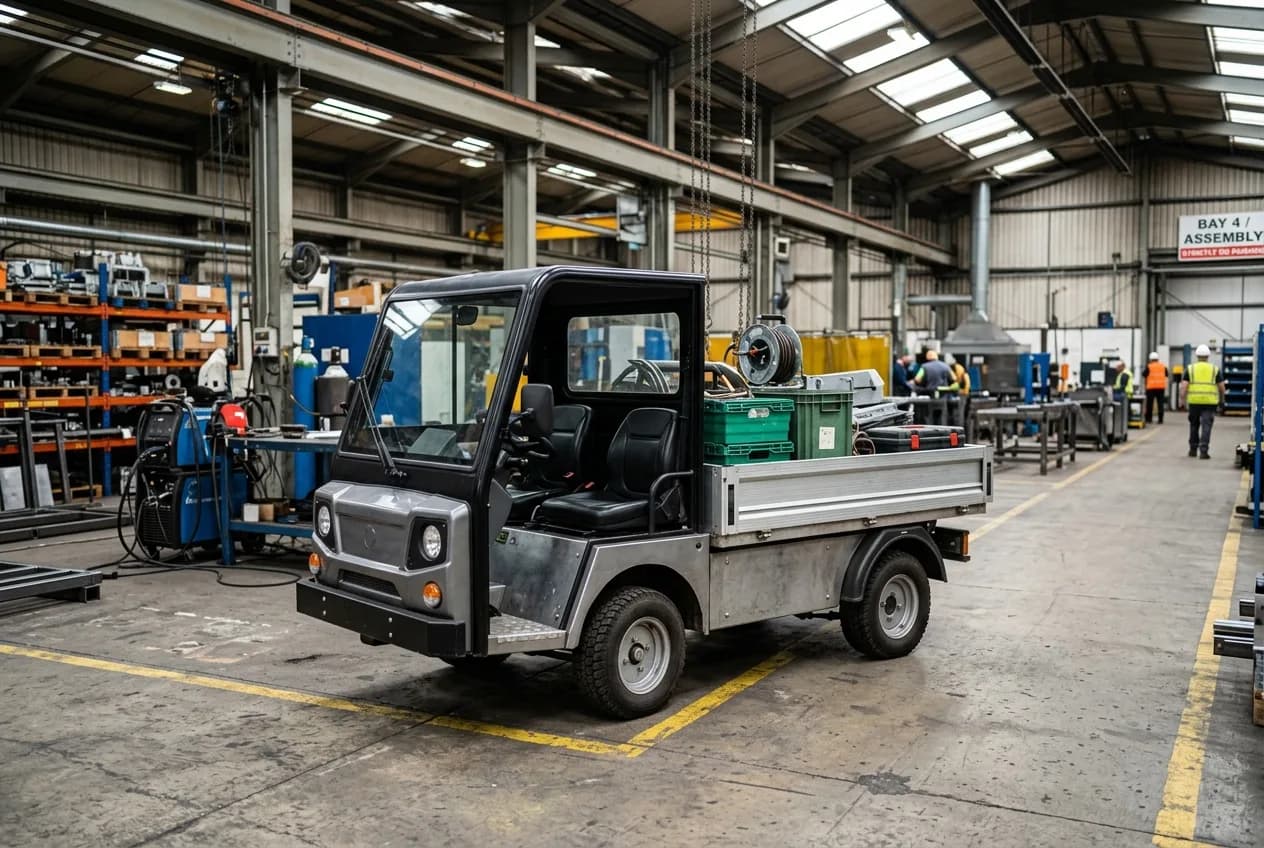
- A manufacturing plant electric transport vehicle handles the everyday movements a big plant runs on: parts to the line, staff across the floor, finished goods to despatch.
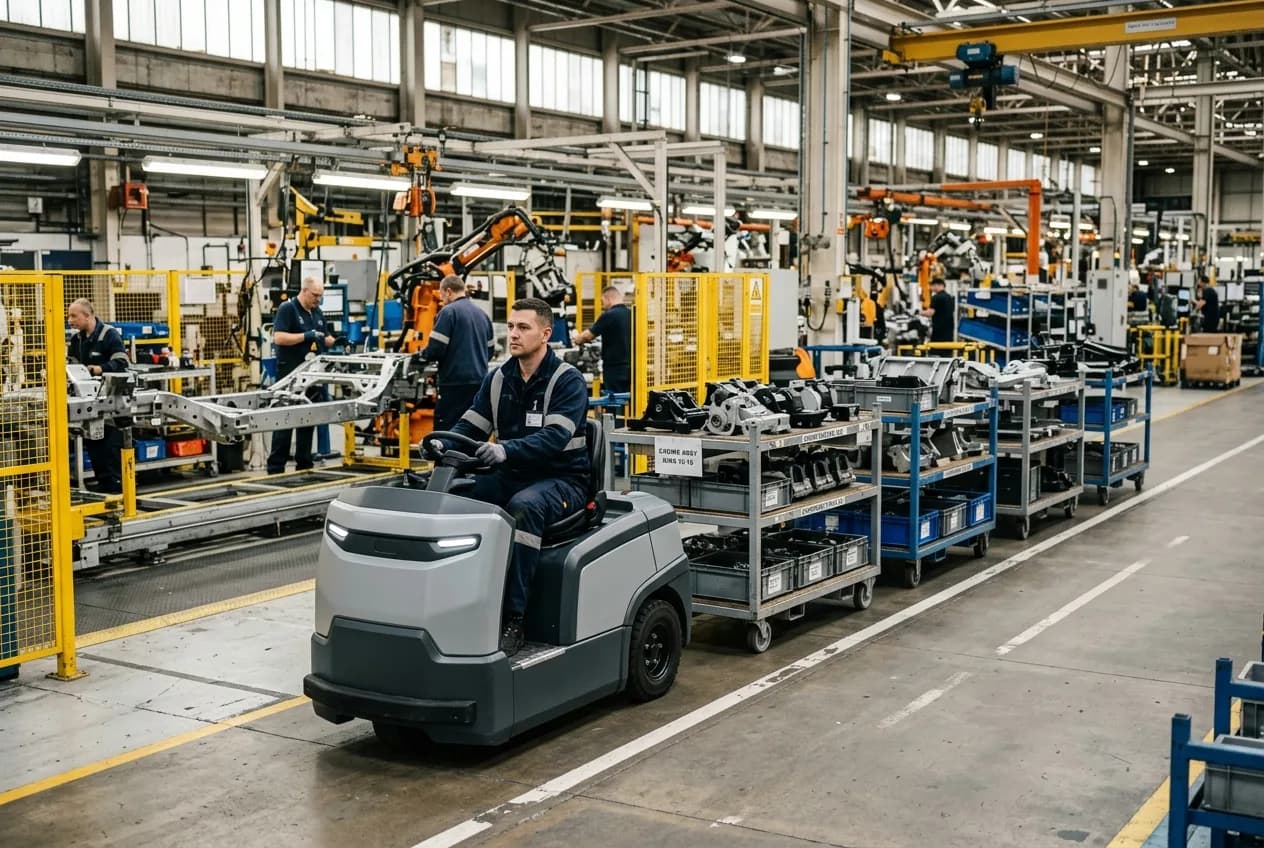
- Electric tugs pull a train of trolleys on a milk run, replenishing line-side stock to a fixed timetable instead of forklifts darting about.
- Indoors, the case is simple: no exhaust fumes near people and product, and far less noise on the floor.
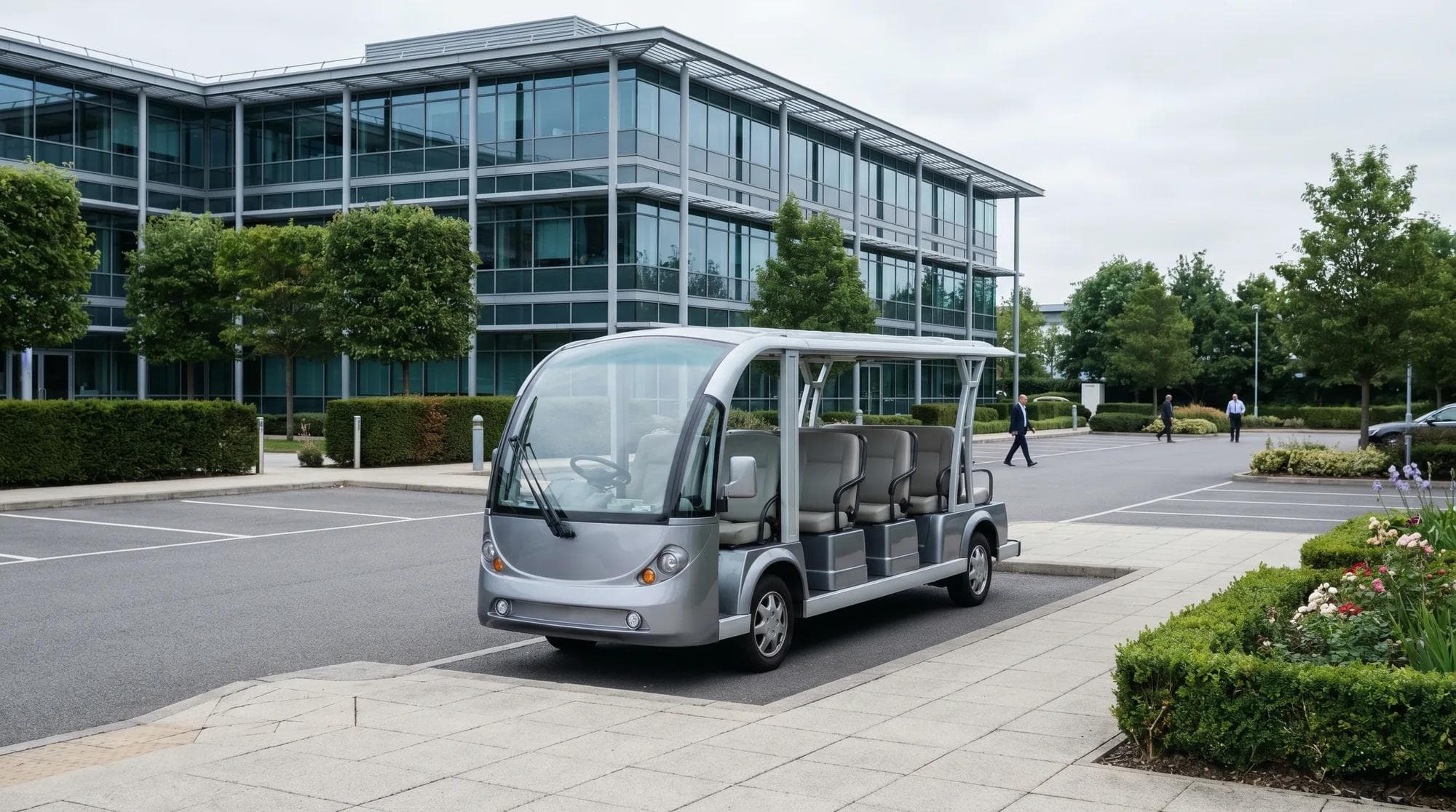
- Personnel carriers cover the long internal distances that big sites create, so staff spend less of the shift walking.
- Spec around the real job: tow load, gradients, aisle width and the duty cycle, then size the battery to the shift.
Walk a large manufacturing plant and you notice how much of the day is movement. Components come off goods-in and need to reach a dozen line-side locations. Sub-assemblies travel between cells. Finished units head for despatch. Staff cross the floor to a meeting, a tool store or the canteen, and on a big site that walk is long. None of it makes the product, but all of it has to happen, and how you do it shapes how smoothly the line runs.
For years that work has leaned on diesel and gas forklifts and the odd tired van. Indoors, that brings fumes, noise and a constant low-level safety worry. Electric tugs, tow tractors and personnel carriers do the same jobs more cleanly and, in most plants, more cheaply. This guide covers where they earn their place and how to spec them so they fit the way your floor actually works.
The two jobs that matter most
Plant-floor transport splits into two broad tasks. One is moving material: getting parts and product where they need to be, on time, without clogging the aisles. The other is moving people: covering the internal distances a big plant creates so staff are not losing minutes walking from one end to the other. Different vehicles suit each, and the mistake is trying to force one to do both.
- Material movement: line-side replenishment, inter-cell transfers, and the run from goods-in to the line and out to despatch.
- Personnel movement: getting staff, supervisors and visitors across a spread-out site quickly and safely.
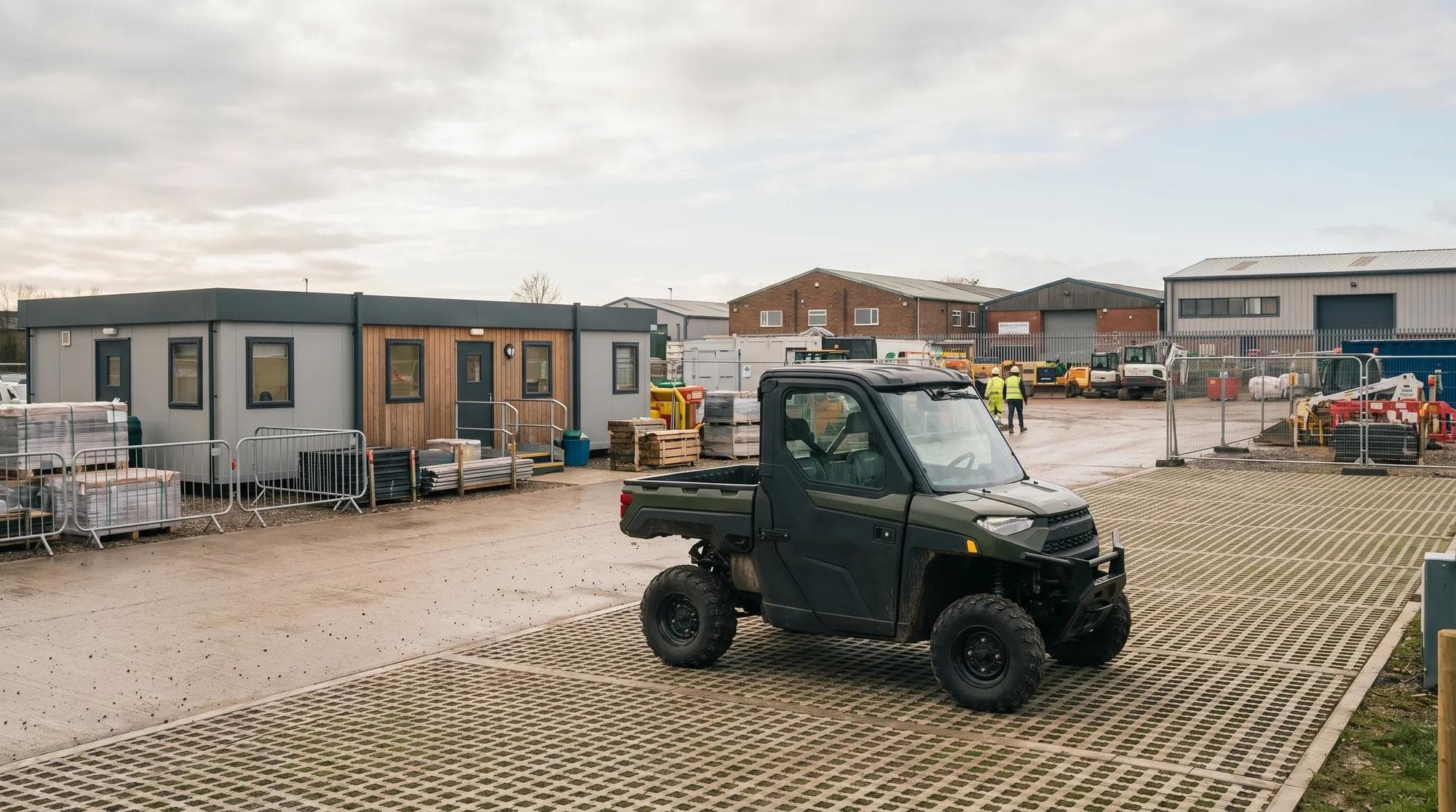
- Mixed duty: a utility vehicle with a load bed that carries tools, parts and a person on shorter ad-hoc trips.
Line-side replenishment: the milk run
The cleanest way to feed a line is a milk run. Instead of forklifts making single trips on demand, an electric tug tows a train of trolleys on a fixed loop, dropping full bins and collecting empties to a set timetable. The line gets a steady, predictable supply, aisle traffic drops, and you replace several point-to-point forklift journeys with one planned circuit. It is the logic that runs warehouses too, and our guide to electric buggies for warehouses covers the towing and load side in more depth.
Why electric makes sense indoors
Indoors is where electric pulls clearly ahead. There is no exhaust at the point of use, which matters for air quality on a floor full of people and, in some plants, sensitive product or food. The drivetrain is quiet, so you lose a constant source of noise. And torque is available from a standstill, which suits stop-start towing and short hops with a load. Add lower running costs, no fuel to store and dispense, and far less servicing, and for most indoor duty cycles electric is the sensible default rather than the brave choice.
Moving staff across a big site
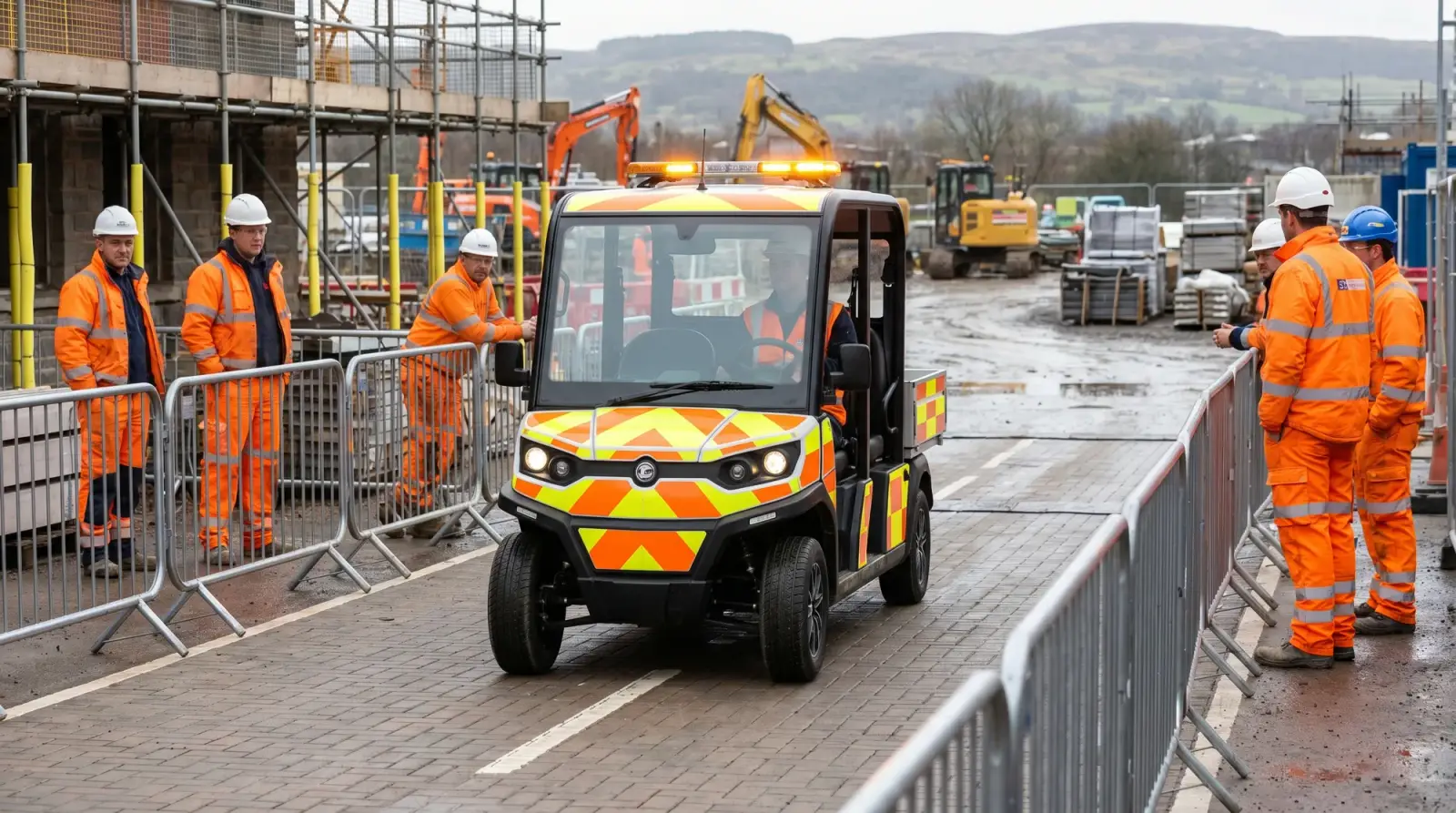
On a large plant the distances between buildings, gates and amenities add up. A personnel carrier turns a ten-minute walk into a short ride, which is worth far more than it looks once you multiply it across a shift and a workforce. It also helps with visitors, audits and anyone who cannot manage the distance on foot. The same thinking applies on any large worksite, which we cover for corporate campuses and for construction sites.
Explore the range
Electric tugs, utility vehicles with a load bed, and personnel carriers, built to order, assembled and finished in the UK and finished in your plant's colours.
Spec it around the work, not the brochure
The right vehicle falls out of the job once you describe it properly. Get the duty cycle and the constraints down first, then choose the vehicle and size the battery to suit. The questions that matter most are straightforward.
- 01
Map the routes and loads
List the regular journeys, the tow weight or payload on each, and the distance per loop. This sets the pulling power and the running gear.
- 02
Check the floor
Note aisle widths, turning circles, ramps and any gradients. These decide the size of vehicle and whether you need a tighter turning model.
- 03
Pin down the duty cycle
How many hours a day, how continuous, and when there is downtime to charge. This sizes the battery so the vehicle lasts the shift.
- 04
Add the safety spec
Speed limiting, lighting, beacons, audible warning and seat belts to match your on-site rules and any pedestrian-segregation requirements.
Tugs against forklifts: a quick comparison
A tug does not replace a forklift for stacking and racking, but for moving material around the floor it usually does the job better.
- Electric tug on a milk run
- Fewer, planned journeys
- Forklift on demand
- Many single trips
- Electric tug on a milk run
- Steady, timetabled
- Forklift on demand
- Variable, on request
- Electric tug on a milk run
- A train of trolleys
- Forklift on demand
- One pallet
- Electric tug on a milk run
- None at point of use
- Forklift on demand
- None if electric, fumes if gas or diesel
| Factor | Electric tug on a milk run | Forklift on demand |
|---|---|---|
| Aisle traffic | Fewer, planned journeys | Many single trips |
| Line-side supply | Steady, timetabled | Variable, on request |
| Load handled per trip | A train of trolleys | One pallet |
| Indoor emissions | None at point of use | None if electric, fumes if gas or diesel |
Planning transport for your plant floor?
Tell us the routes, the loads and the shift pattern. We will recommend the right tugs, carriers or utility vehicles, sized to the duty cycle and finished in your colours.
Frequently asked questions
Are electric tugs strong enough to tow a loaded trolley train?+
Yes, when sized correctly. Electric drivetrains give strong torque from a standstill, which suits towing. We match the pulling power to the heaviest load on your route so the tug handles a full train without struggling.
Can these vehicles run a full shift without stopping to charge?+
Sized to your duty cycle, yes. We work out the daily distance and running hours, then match the battery so the vehicle covers the shift and charges in downtime or overnight.
Are they suitable for food or clean manufacturing areas?+
Often, yes. With no exhaust at the point of use and the right wash-down and finish specified, electric vehicles suit sensitive environments far better than gas or diesel. Tell us the area and we will spec accordingly.
Can one vehicle carry parts and a person?+
Yes. A utility vehicle with a load bed and a seat suits shorter ad-hoc trips where someone needs to carry tools or parts and travel at the same time.
Can the vehicles be branded for our plant?+
Yes. Every vehicle is built to order, so your colours, livery and any required safety markings are specified into the build.
Related solutions
Ready to explore what we build?
See the vehicles and the setting this applies to, or get a tailored quote built around your site.
Ready to find the right buggy?
Tell us how and where it will work and we will specify a vehicle and a tailored quote built around you. Every build comes with a 3-year warranty and a 24-hour priority call-out.
Our guides are written and reviewed by the Hawke Electric Vehicles team, the people who specify, build, deliver and support the vehicles. We focus on honest, practical advice and flag where a figure depends on the build rather than guessing.
More guides by Hawke