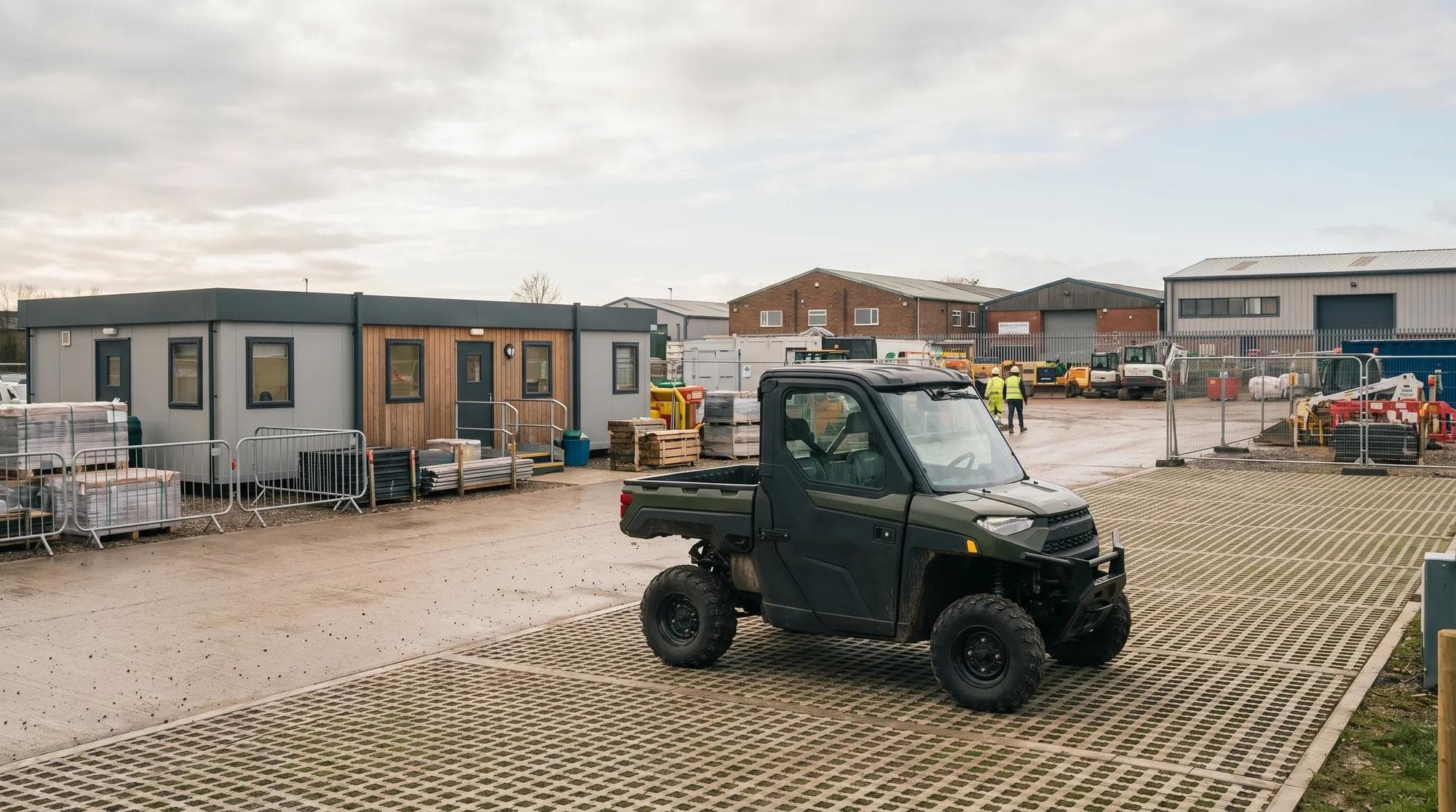
- On large, spread-out projects, simply getting crews from welfare to the work face and back eats real time across a shift.
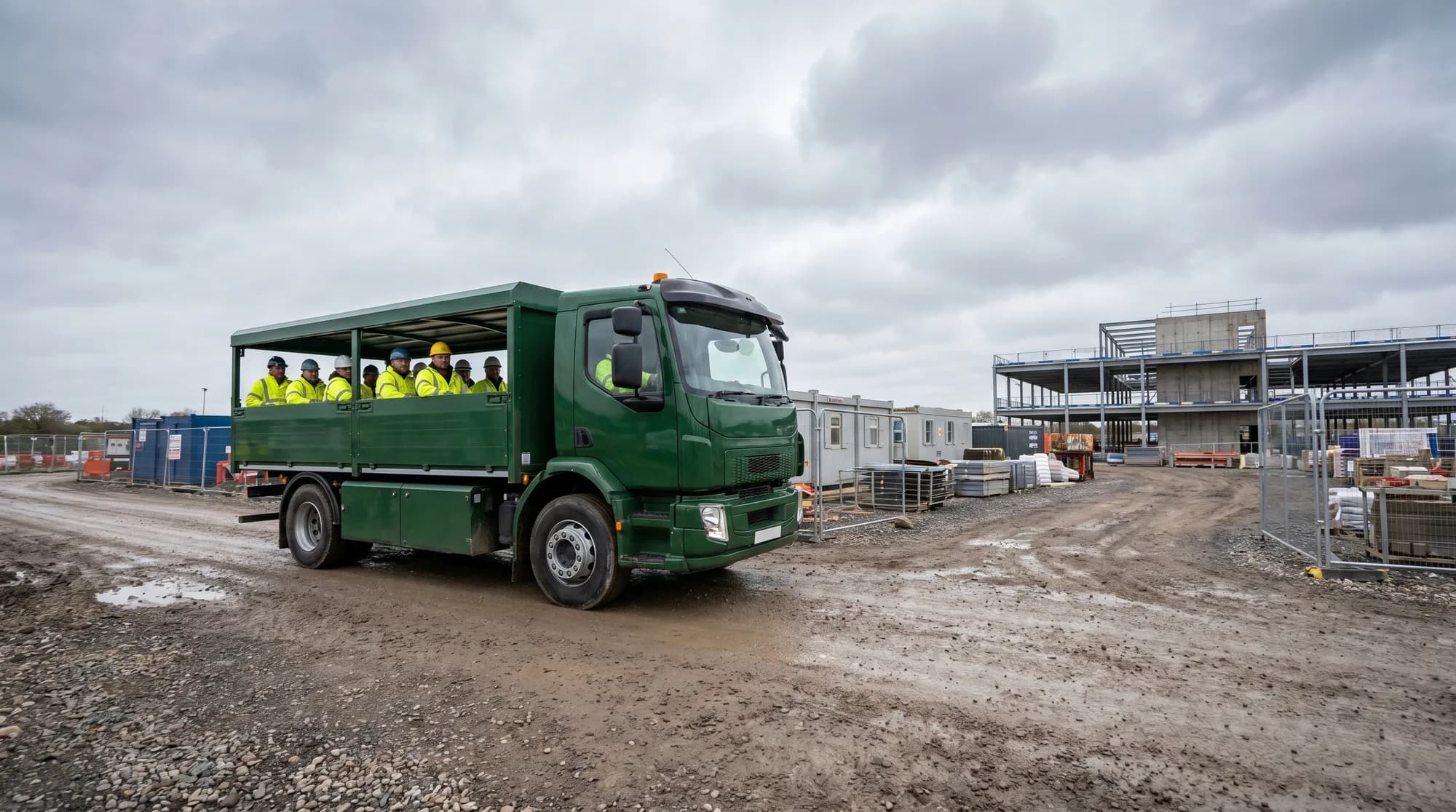
- A construction site personnel carrier moves people rather than cargo, and the right one helps keep workers off the routes used by plant and heavy vehicles.
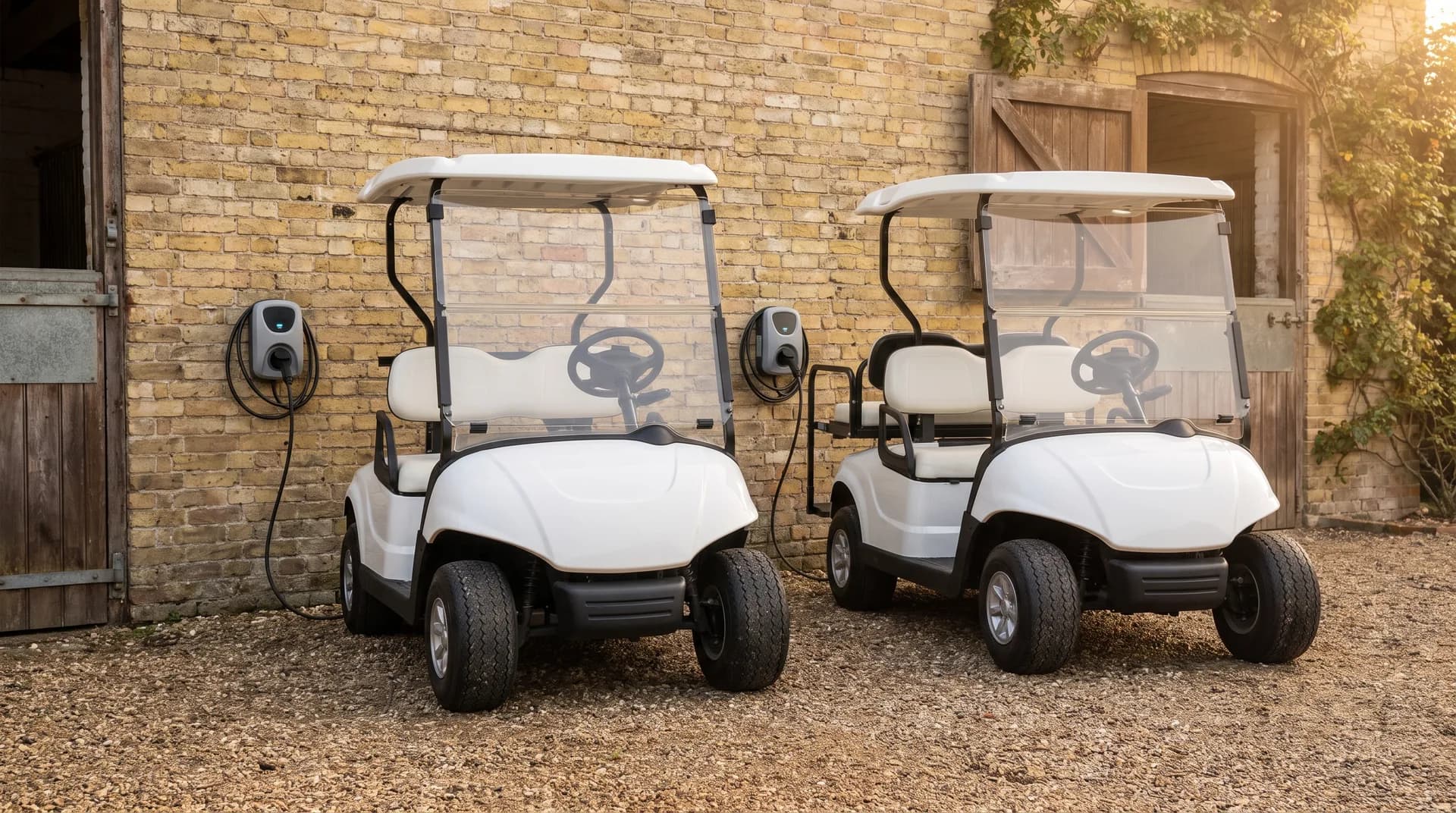
- Electric suits the job: quieter on a noise-managed site, no fumes around standing crews, and lower ground pressure than a heavy 4x4.
- Spec for the ground and the group: enough seats, the right tyres and clearance, and range to cover the site across a full shift.
- Built to order means the carrier matches your site layout, your welfare points and your traffic management plan.
On a small site, everyone walks. On a large one, walking stops being a detail and starts being a problem. A linear job like a road, a rail upgrade or a pipeline can run for miles. A big build can spread welfare, parking, the stores and the work face across a site that takes a quarter of an hour to cross on foot. Multiply that walk across a full crew, several times a shift, for tea breaks, briefings, deliveries and the move to a new work area, and it adds up to a serious amount of paid time spent getting people from one place to another.
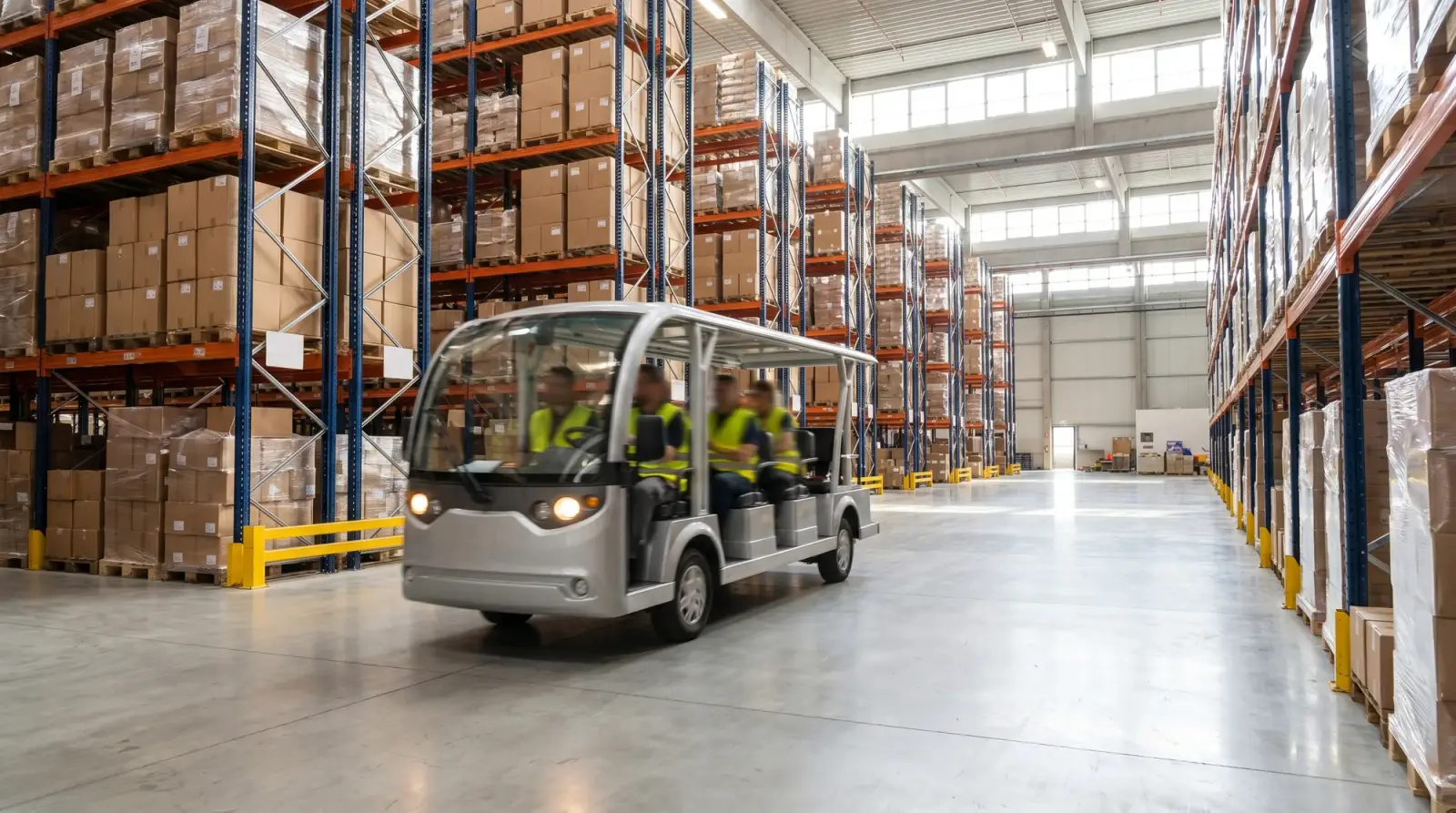
A construction site personnel carrier electric buggy is built for that. This is about moving people and their kit, not cargo, and the goal is simple: get crews to where the work is and back to welfare quickly, safely and without adding to the noise and fumes on a site that is already managing both. Done well it saves time and, more importantly, it helps keep people apart from the plant.
The real cost of walking a big site
The lost time is the obvious cost, and it is larger than it looks once you tally a whole crew crossing the site several times a day. But the bigger issue is what those walks cross. On a busy site the routes between welfare and the work face often run alongside, or straight across, the routes used by dumpers, telehandlers, deliveries and muck-away. Every person on foot in a plant area is a risk that has to be managed. Cutting the number of foot journeys, and keeping the ones that remain on a planned vehicle route, is a direct contribution to site safety.
A people-mover, not a load-carrier
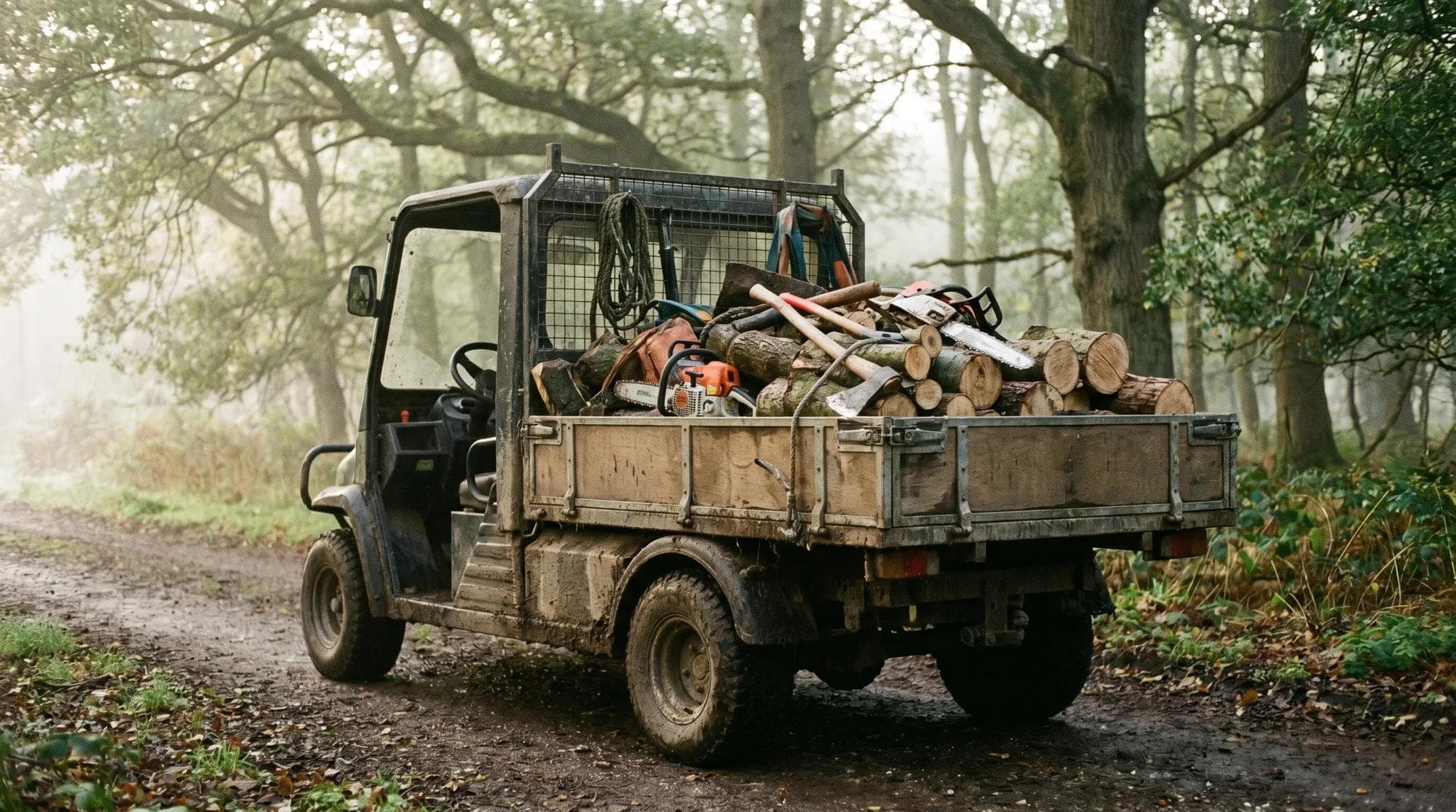
It is worth being clear about the brief, because it is not the same as a site utility vehicle. A cargo buggy is built around a load bed for materials and tools. A personnel carrier is built around seats: getting a gang of operatives, with their bags and PPE, across the site comfortably and safely. The two jobs overlap, but if the main task is moving people you want the vehicle designed for that, with proper seating, grab points and a stable, steady ride over rough ground rather than a flatbed with people perched on it.
If your need is more about moving materials and equipment than people, our guide to electric buggies for construction sites covers the cargo and utility side. This one is about the crews.
Why electric makes sense on site
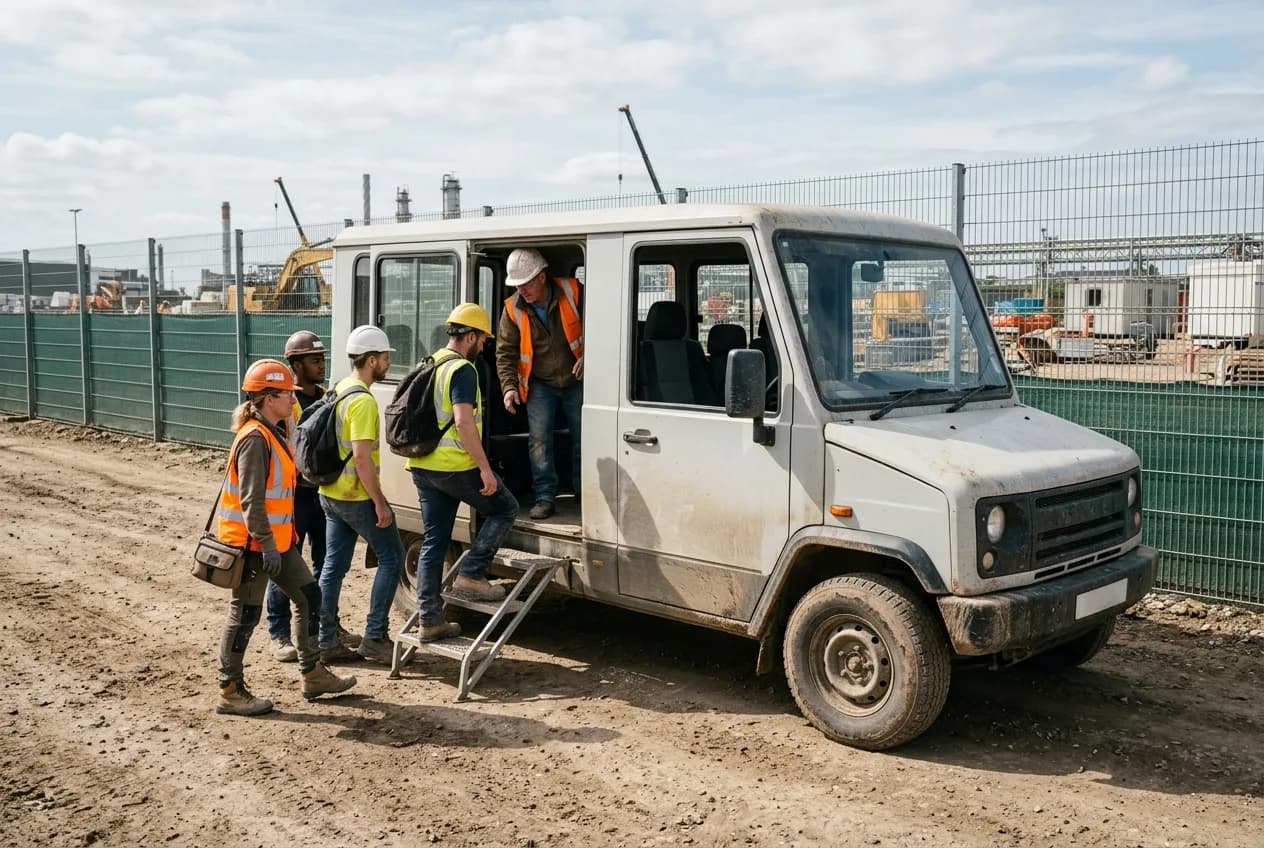
Construction is not the first place people picture an electric vehicle, but the fit is good. Three things in particular line up with how modern sites are run:
- Noise: sites work to noise limits, near neighbours and to protect their own crews. An electric carrier is near-silent, which helps on both counts, especially on early starts and in residential areas.
- Local air quality: there are no exhaust fumes at the point of use, which matters where crews stand, queue and gather, and where city sites face clean-air rules.
- Ground pressure: a purpose-built carrier is far lighter than a heavy 4x4, so it does less damage to temporary roads, compounds and reinstated ground.
- Running cost: short, repeated trips all shift are cheap on electric, with an overnight charge in the compound covering the day.
None of that asks the site to compromise on capability. It is the same job a diesel buggy or a crew-cab pickup would do, with less noise, no local fumes and a lighter footprint.
Spec for the ground and the group
A construction site is harder on a vehicle than a campus, so the spec has to respect that. Two things drive it: the ground and the group. The ground sets the tyres, the clearance and how rugged the build needs to be, because a rutted haul road in winter is a different world from a finished car park. The group sets the seat count and layout, because there is no point in a four-seater if your gangs move six at a time.
Range matters too, but on most sites the trips are short and frequent rather than long, so a battery sized to the daily distance, charged overnight in the compound, keeps the carrier working all shift. Tell us the ground, the gang size and the layout and we size all three together.
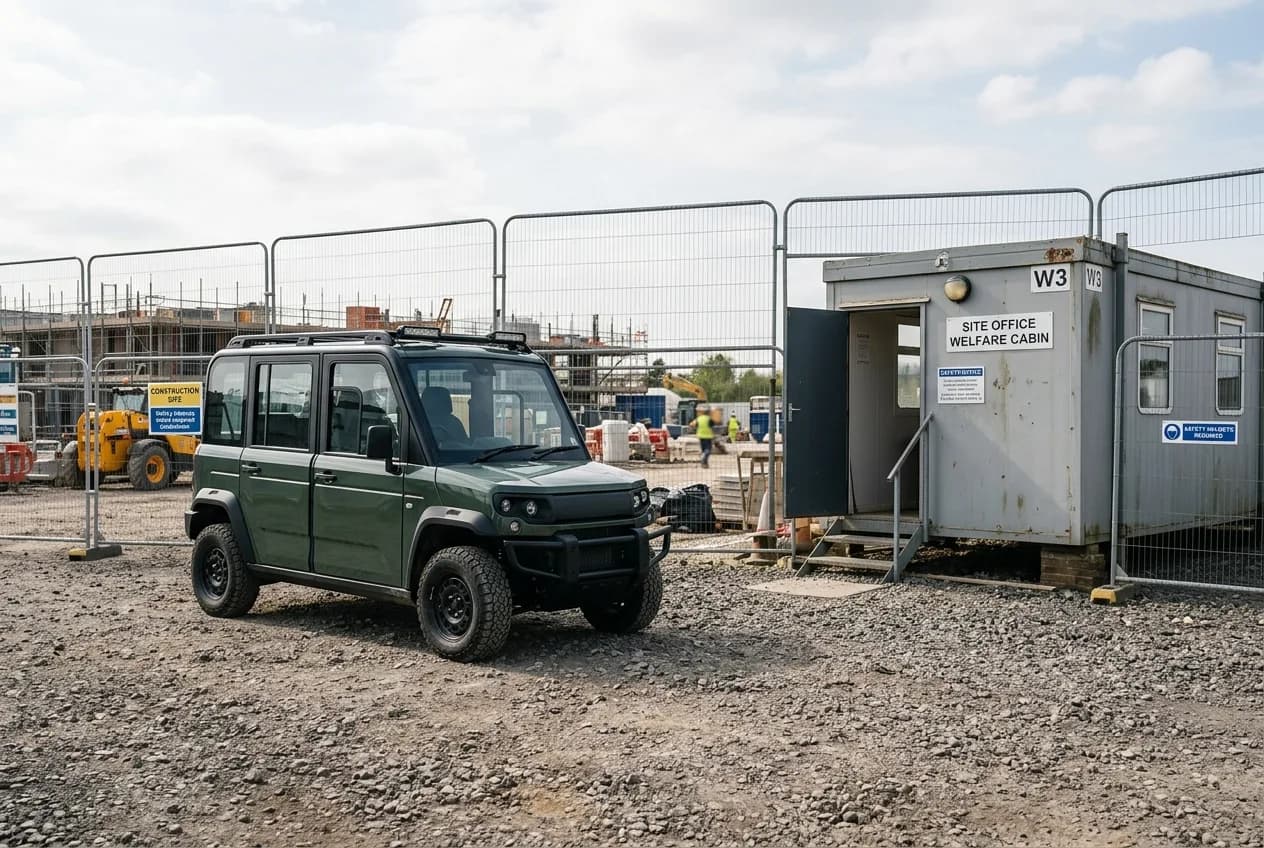
Rugged electric carriers for site crews
Multi-seat personnel carriers built for rough ground, sized to your gangs and finished in your colours, made to order, assembled and finished in the UK.
Fitting it into the traffic management plan
A personnel carrier only delivers the safety benefit if it runs on a planned route, so it belongs in the site traffic management plan rather than wandering wherever it likes. The practical steps are simple:
- 01
Map the people routes
Plot the regular journeys between welfare, parking, stores and the work faces, and keep them separate from plant and delivery routes wherever the layout allows.
- 02
Set pick-up and drop points
Fix sensible stops at welfare and the work areas so crews wait in safe places, not in the working zone.
- 03
Match the vehicle to the worst ground
Spec the tyres, clearance and build for the toughest part of the route in the worst weather, so it copes year round.
- 04
Plan the charge
Site the charger in the compound and base the battery on the daily distance, so the carrier is ready at the start of each shift.
Built to order for the project
Because every vehicle is built to order, the carrier can be matched to the project rather than bought off a shelf and made to fit. Seat count, layout, tyres, clearance, lighting and any site-specific features go into the build, and your contractor livery or project branding with them. When the project ends the vehicle moves to the next one, specified the same way. If you also move materials and small plant, pairing the personnel carrier with a utility buggy from the same range keeps people and cargo on the right vehicle for each job.
Moving crews across a large site?
Tell us the site layout, the ground conditions and how many people move at once. We will recommend the right personnel carrier, built for your conditions and finished in your colours.
Frequently asked questions
Is a personnel carrier different from a site utility buggy?+
Yes. A utility buggy is built around a load bed for materials and tools. A personnel carrier is built around seats, grab points and a steady ride, because the job is moving crews and their kit, not cargo.
How does it help with site safety?+
By moving people on a planned vehicle route instead of on foot across the working area, it helps separate crews from dumpers, telehandlers and deliveries, which reduces the foot journeys through plant zones that have to be managed.
Can an electric buggy handle rough site ground?+
Yes, if it is specified for it. We build the tyres, clearance and ruggedness to suit the worst part of your route in the worst weather, so it copes year round.
Will the battery last a full shift?+
Sized correctly, yes. Most site trips are short and frequent, so a battery matched to the daily distance, charged overnight in the compound, keeps the carrier working all shift.
Can it carry our contractor or project branding?+
Yes. Every vehicle is built to order, so your livery, colours and any project signage are specified into the build, and it can move to the next project afterwards.
Related solutions
Ready to explore what we build?
See the vehicles and the setting this applies to, or get a tailored quote built around your site.

Ready to find the right buggy?
Tell us how and where it will work and we will specify a vehicle and a tailored quote built around you. Every build comes with a 3-year warranty and a 24-hour priority call-out.
Our guides are written and reviewed by the Hawke Electric Vehicles team, the people who specify, build, deliver and support the vehicles. We focus on honest, practical advice and flag where a figure depends on the build rather than guessing.
More guides by Hawke