- Estates and grounds crews on big sites cover real distance every day, often in a vehicle that is too big, too loud or the wrong shape for the job.
- One electric utility buggy with a load bed can serve grounds, maintenance, post and FM teams across an NHS, university or corporate site.
- Near buildings the quiet matters: there are no fumes by ward windows, lecture theatres or office entrances, and far less noise early or late.
- The spec that counts is payload, bed size and range, not seat count, because this is a working vehicle rather than a passenger one.
- Built to order means you match the vehicle to your real loads and routes, and put your own livery on it.
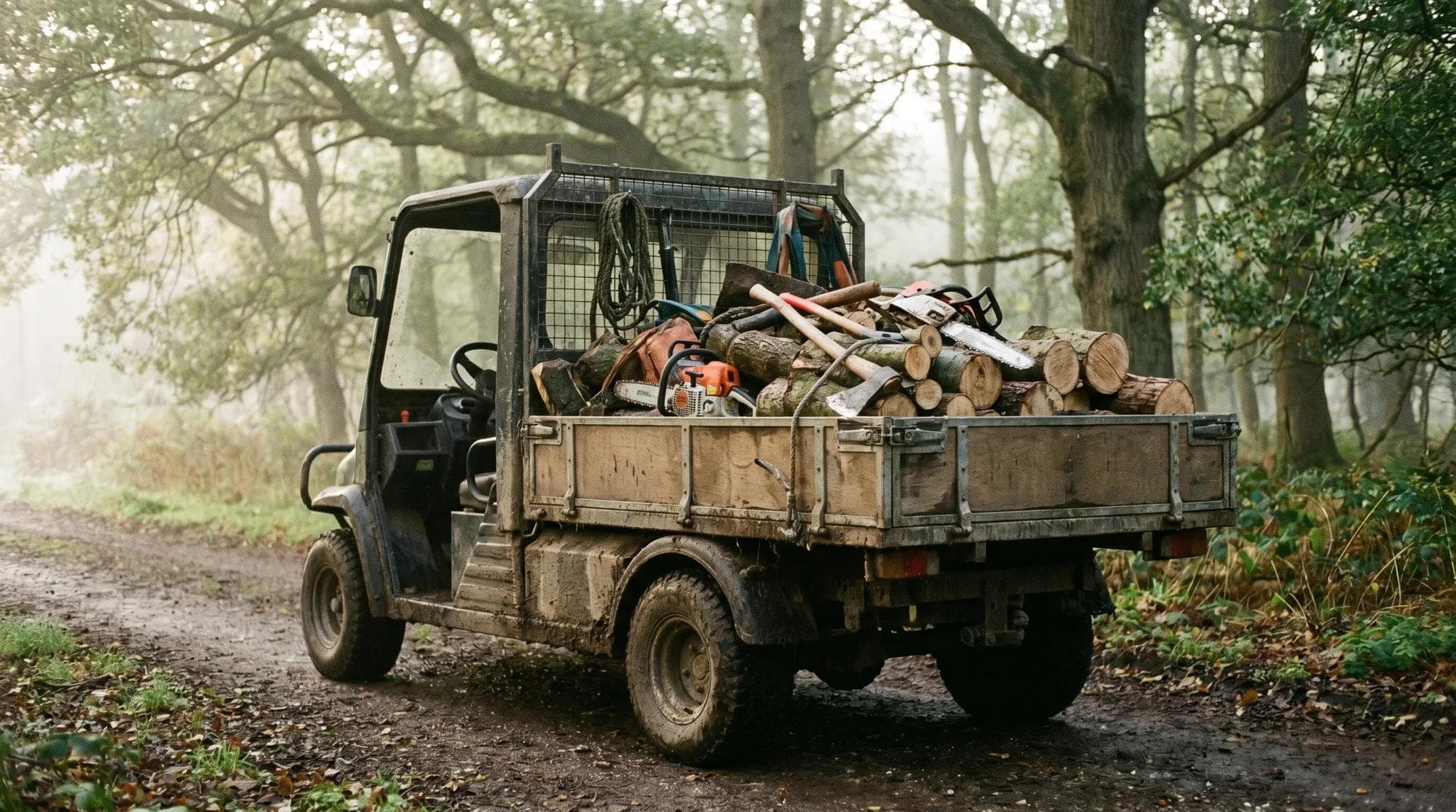
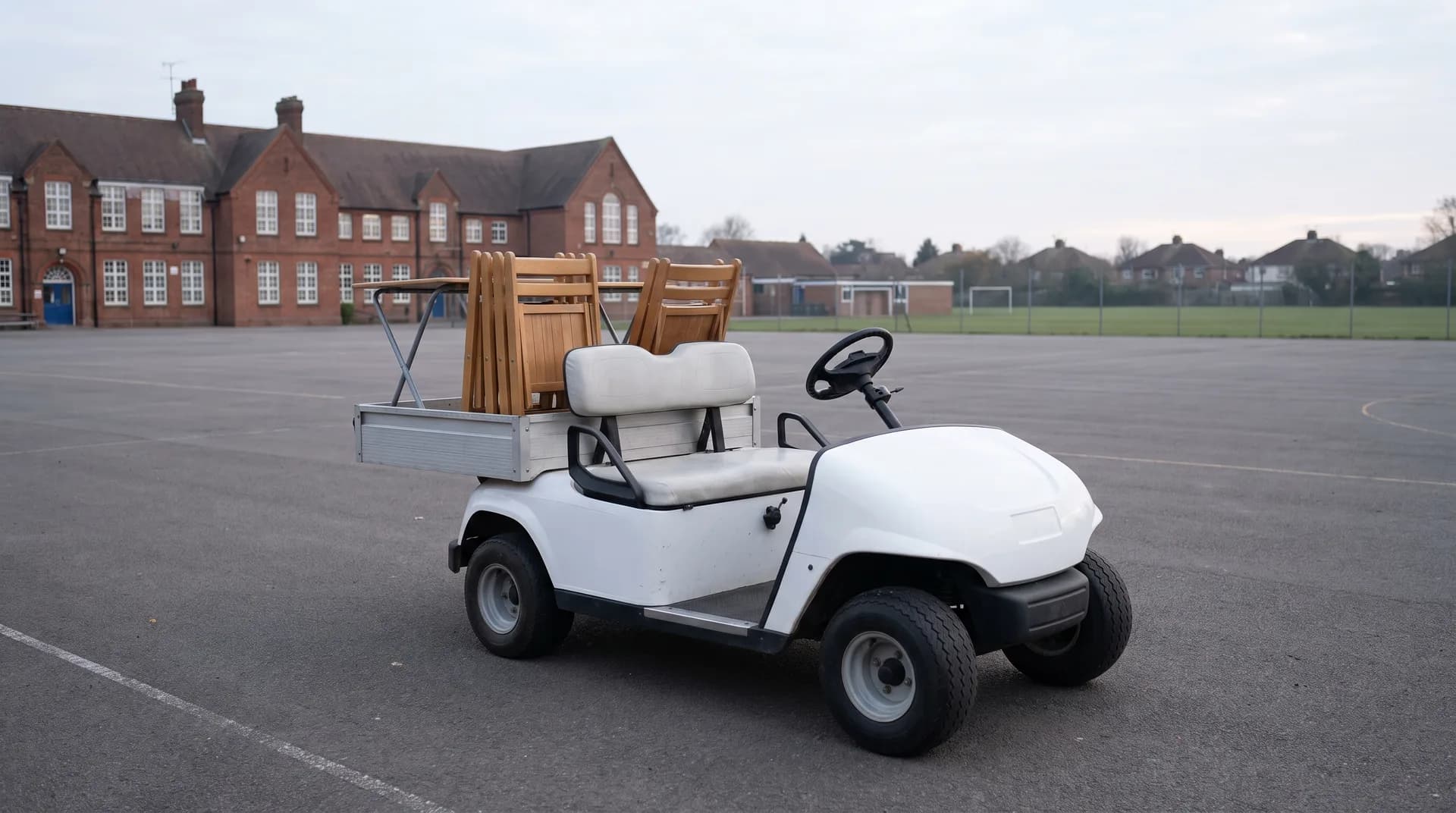
Walk round any large hospital, campus or business park and you will see the estates team at work, usually in something that does not quite fit. A flatbed van that is too big for the paths and too thirsty for short hops. A petrol gator that wakes people at six in the morning. A tired pickup that does the rounds because it is what there is. The work itself is steady and unglamorous: cutting grass, clearing leaves, moving bins, carrying tools to a job, dropping post between buildings, fixing the thing that broke overnight. It just needs the right vehicle.
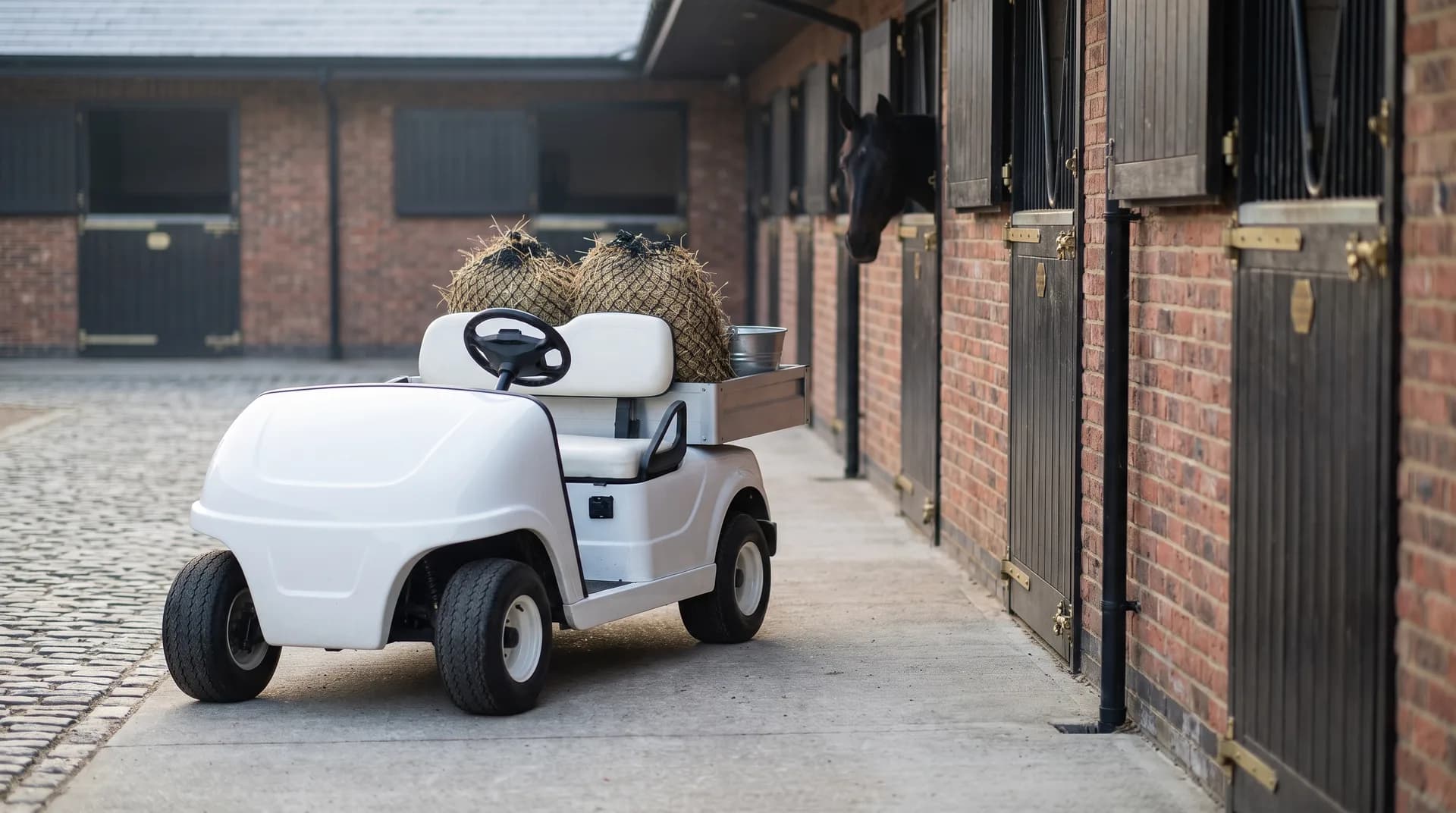
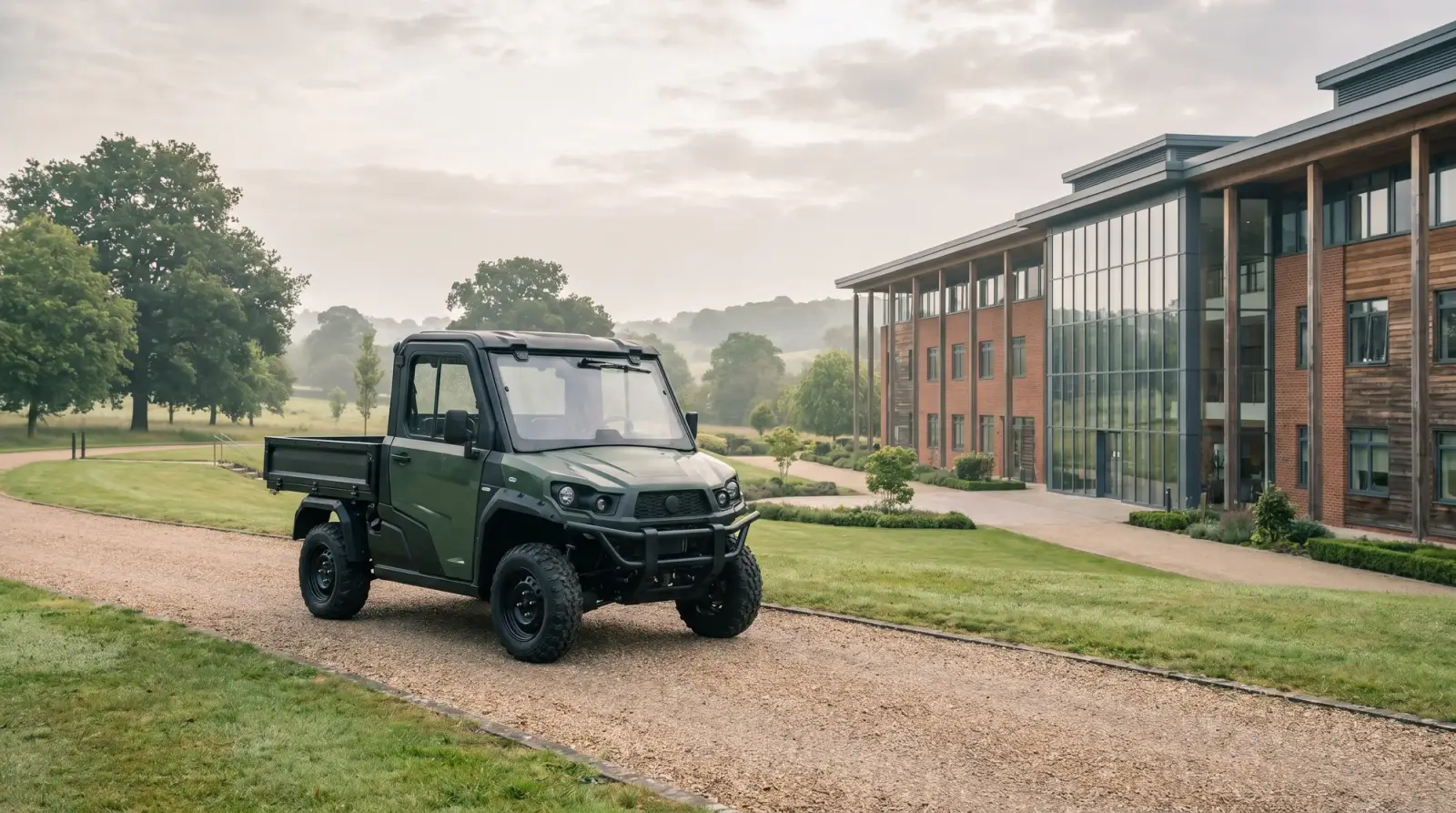
An estates grounds maintenance electric vehicle is built for exactly this. It is a compact utility buggy with a proper load bed, sized to carry the kit and the materials your crews move every day, quiet enough to use right next to buildings, and cheap to run on the short, repeated trips that make up most of the work. This is the facilities side of the fleet, not the passenger side, and the brief is different.
The estates problem is distance plus load, not passengers
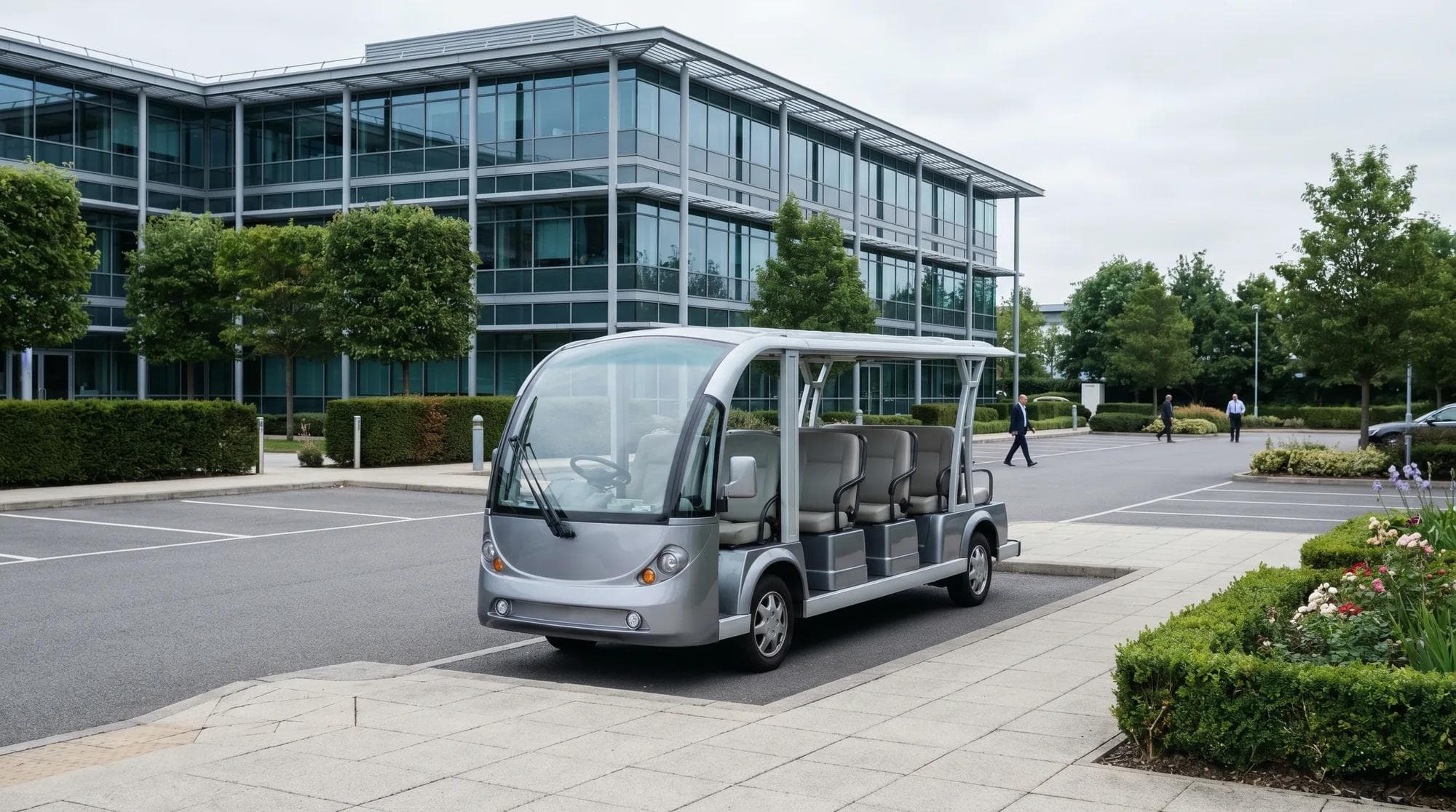
Passenger transport gets the attention on big sites, the shuttle between buildings and the visitor lift from the car park. Estates work is the other half of the same problem, and it is about moving things as much as people. A grounds team needs to get a mower, a strimmer, fuel and bags of clippings to the far corner and back. A maintenance fitter needs tools, a ladder and a few parts at the job. The post run needs trays of mail and parcels dropped at a dozen doors. None of that wants a minibus, and most of it is wasted on a full-sized van.
The right tool sits in between: a buggy you can sit two or three in the cab, with a tipping or flat bed behind for the load. It threads the paths and service yards that a van cannot, parks anywhere, and does the short hops all day without the fuel cost or the noise.
One vehicle, several teams
The case for an electric utility buggy gets stronger when you stop thinking of it as one team's vehicle. On most large sites the same buggy can serve several crews across the week, which is how it earns its keep:
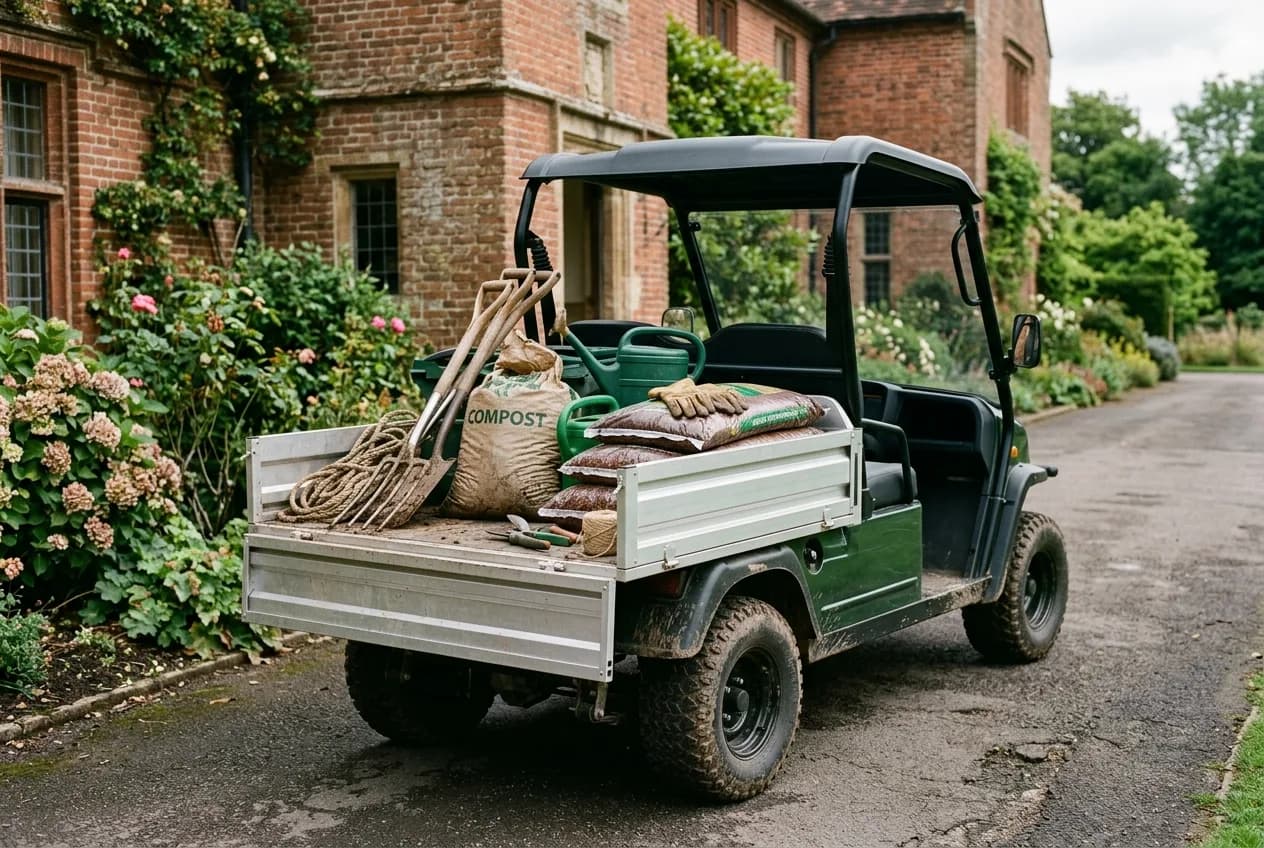
- Grounds and landscaping: carrying mowers, tools, compost and clippings around the gardens and verges.
- Maintenance and trades: getting a fitter, their tools and a few parts to a job anywhere on site.
- Post and internal logistics: dropping mail, parcels and consumables building to building.
- Facilities and cleaning: moving bins, salt, signage and equipment where a trolley is too slow and a van too much.
Specify it with the heaviest of those jobs in mind and the lighter ones look after themselves. Our guide to the electric utility vehicle for a country estate covers the same logic on private land, where one machine does the work of several.
Why quiet matters more than you would think
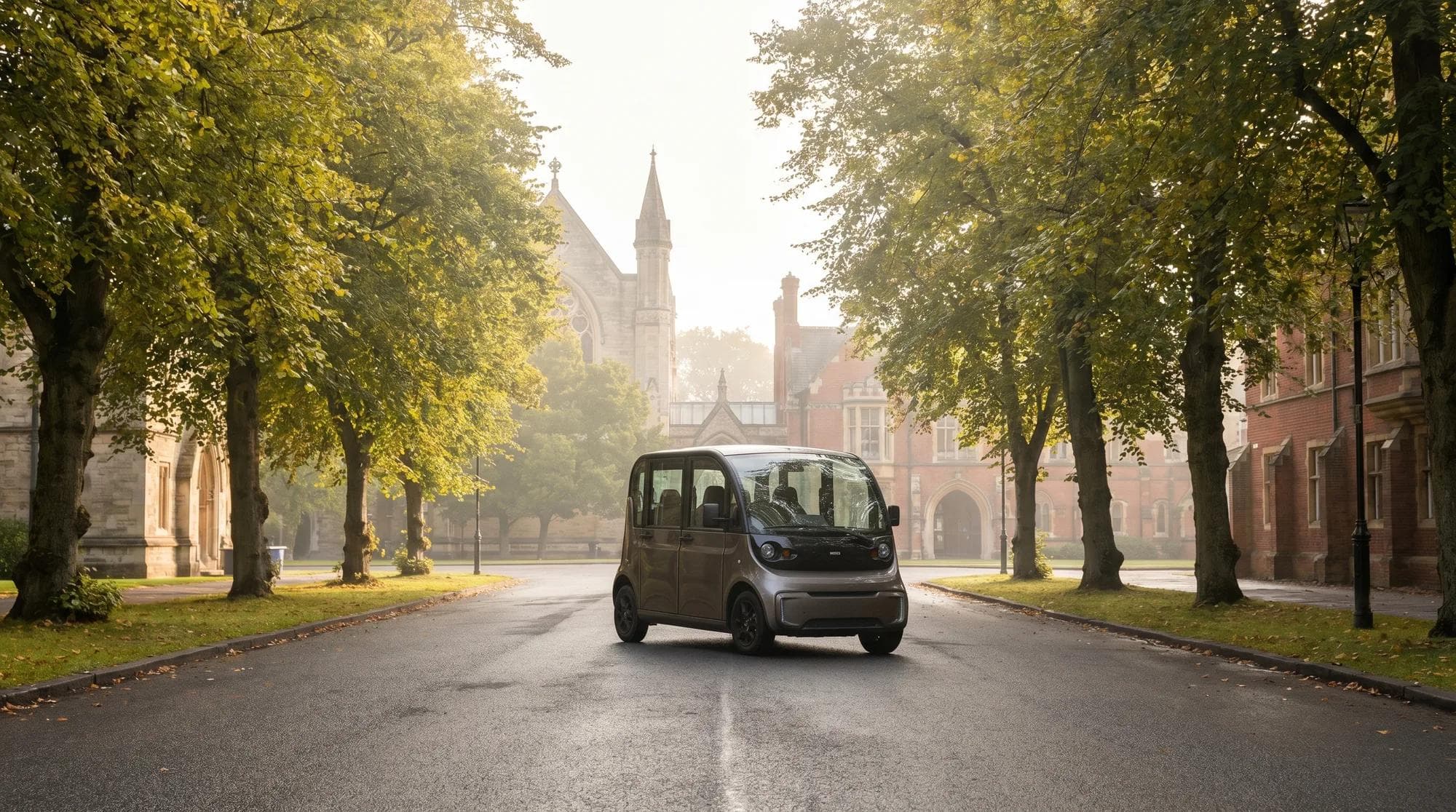
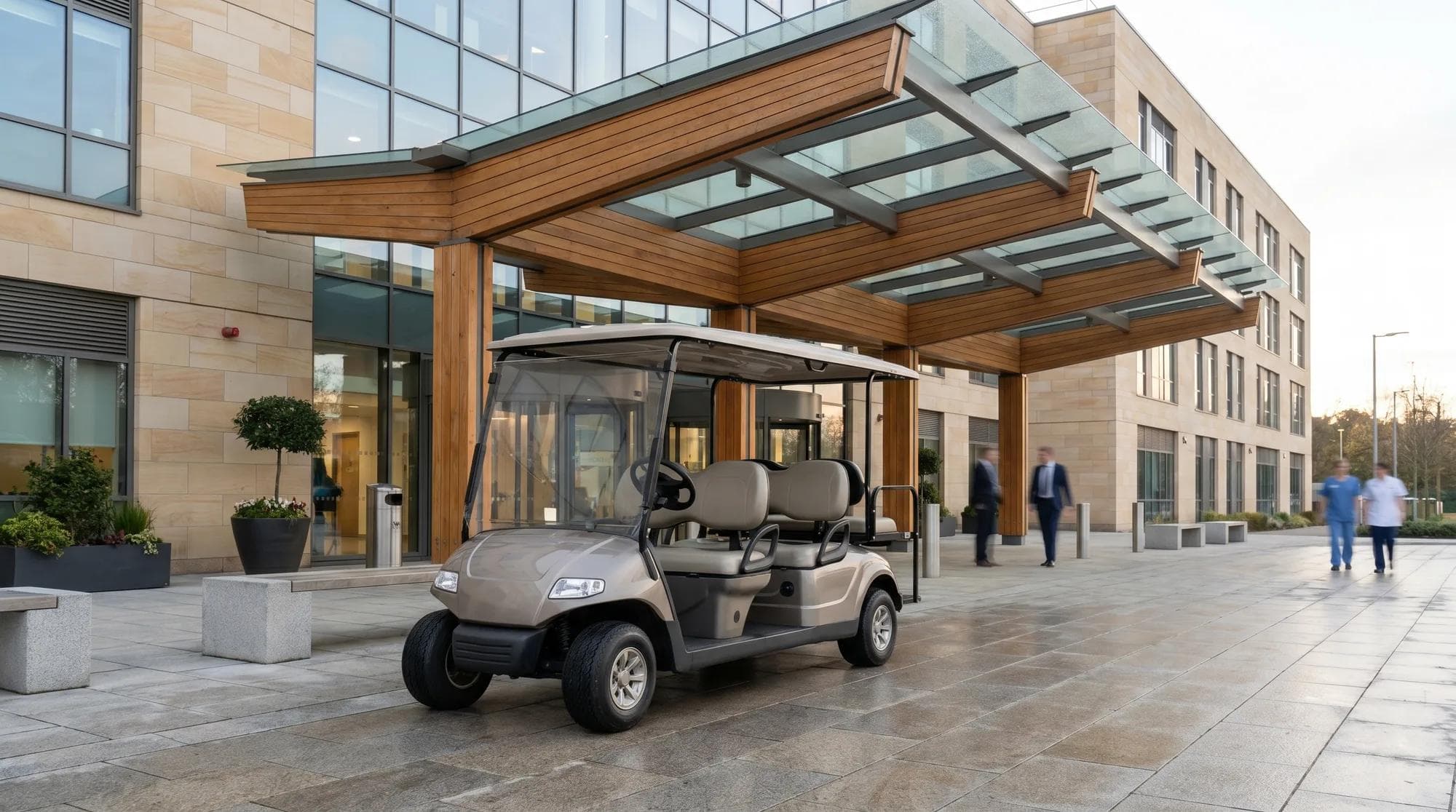
On a site full of people, noise is not a small thing. A hospital has wards where patients are trying to rest, often with windows that open onto the very grounds the team is maintaining. A university has lectures, exams and study spaces a few metres from the paths. An office campus has meetings and calls behind glass that opens onto the car park and the lawns. A petrol or diesel utility vehicle drags an engine note round all of that, and the early starts that grounds work often needs make it worse.
An electric drivetrain is close to silent, with no exhaust at the point of use. That means no fumes drifting past a ward window or an air intake, and no engine note under a lecture theatre. For sites with their own clean-air or net-zero commitments, swapping a petrol utility vehicle for an electric one is a small, visible, easily-measured change in the right direction.
Spec for the work: payload, bed and range
Because this is a working vehicle, the numbers that matter are not the ones you would chase on a passenger buggy. Start with the load. How heavy is the heaviest thing the crew moves, and how often? That sets the payload and the bed size. Then the route: how far across the site, how many trips, how much downtime to charge. That sets the battery. Seat count comes last, because most estates jobs are one or two people plus a load.
Get those three right and the vehicle disappears into the job, which is what you want. Get them wrong and you are back to a buggy that cannot carry the mower or runs flat by lunch.
How to scope it for your site
You do not need a full survey to start. A short, honest look at what the crews actually do gets you most of the way:
- 01
List the real loads
Write down the heaviest and bulkiest things the teams move in a normal week, from mowers to mail trays, so the bed and payload are sized to the worst case.
- 02
Map the routes
Note the longest run across site and roughly how many trips a day, so the range and charging fit the real pattern rather than a guess.
- 03
Mark the sensitive spots
Flag where quiet and clean air matter most, near wards, halls or entrances, so the case for electric is grounded in your own site.
- 04
Decide who shares it
Work out which teams the one vehicle will serve across the week, which usually changes the spec and improves the value.
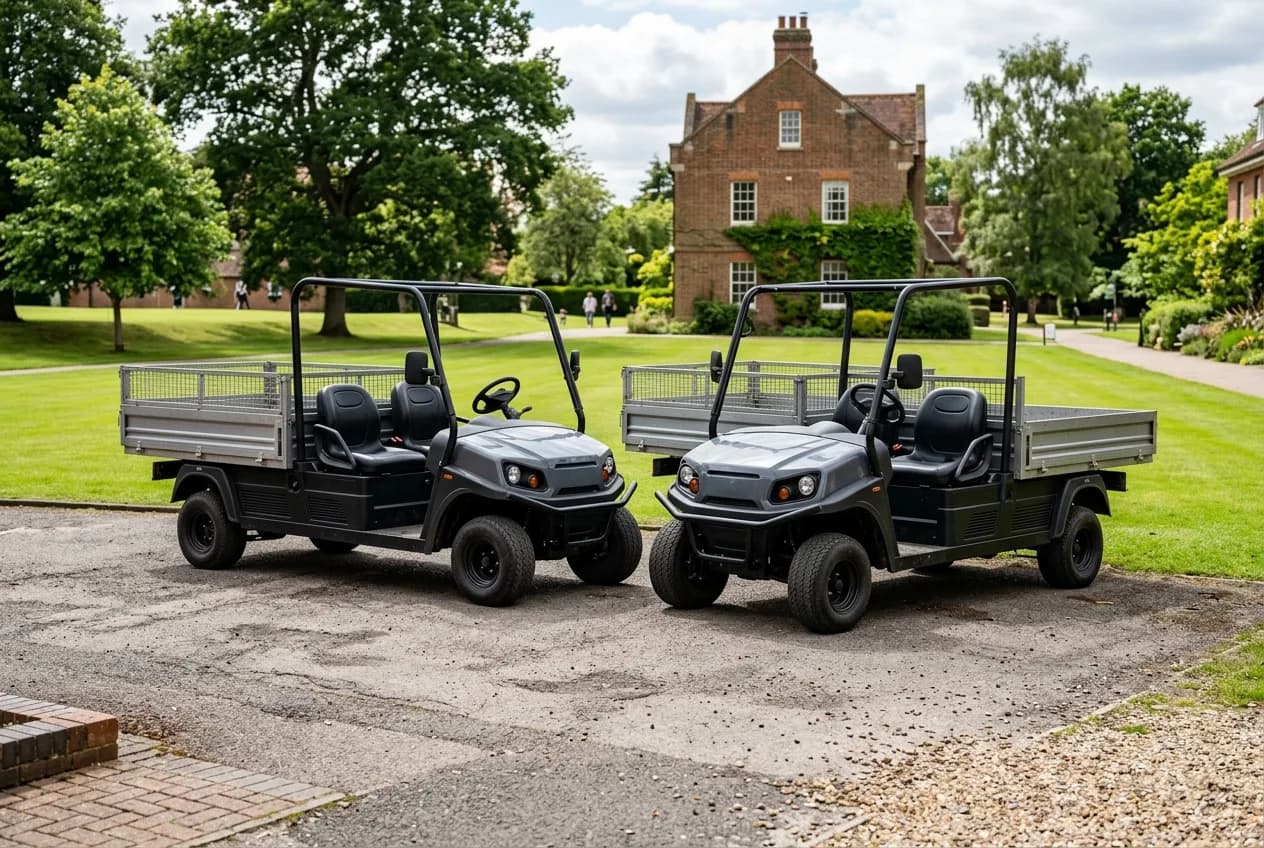
Utility buggies built for estates work
Load beds, real payload and the range to cover a large site, built to order, assembled and finished in the UK and finished in your own livery.
Built to order, finished as your own
Every vehicle we build is made to order, which suits estates work because no two sites carry the same loads or run the same routes. You choose the bed type, the payload, the cab and the range, and we build to that. Livery is part of the build too, so the buggy carries your Trust, university or company colours and looks like part of the estate rather than a hire-in. If you want to see how the same vehicles serve the passenger and campus side, our guides to university campuses and hospitals and healthcare cover that ground.
Sizing a vehicle for your estates team?
Tell us the loads your crews move, the distances across your site and where quiet matters most. We will recommend the right utility buggy, with the bed and range to suit, finished in your livery.
Frequently asked questions
Is this a passenger vehicle or a utility one?+
A utility one. It is built around a load bed and payload for grounds, maintenance, post and FM work, with seating for the one or two people doing the job, not for moving groups of passengers.
Can one buggy serve several teams?+
Yes, and that is often the point. On most large sites a single vehicle can serve grounds, maintenance, post and facilities across the week. We spec it to the heaviest job so the lighter ones are covered too.
Will it carry a mower and equipment?+
Yes, if you spec it that way. Tell us the heaviest and bulkiest things your crews move and we size the bed and payload to suit, with a tipping or flat bed as you prefer.
Is an electric utility vehicle quiet enough for near wards?+
Yes. The drivetrain is close to silent with no exhaust at the point of use, which is why it suits work near hospital wards, lecture theatres and office windows, including early starts.
Can it be branded for our site?+
Yes. Every vehicle is built to order, so your Trust, university or company colours, livery and signage are specified into the build.
Related solutions
Ready to explore what we build?
See the vehicles and the setting this applies to, or get a tailored quote built around your site.

Ready to find the right buggy?
Tell us how and where it will work and we will specify a vehicle and a tailored quote built around you. Every build comes with a 3-year warranty and a 24-hour priority call-out.
Our guides are written and reviewed by the Hawke Electric Vehicles team, the people who specify, build, deliver and support the vehicles. We focus on honest, practical advice and flag where a figure depends on the build rather than guessing.
More guides by Hawke