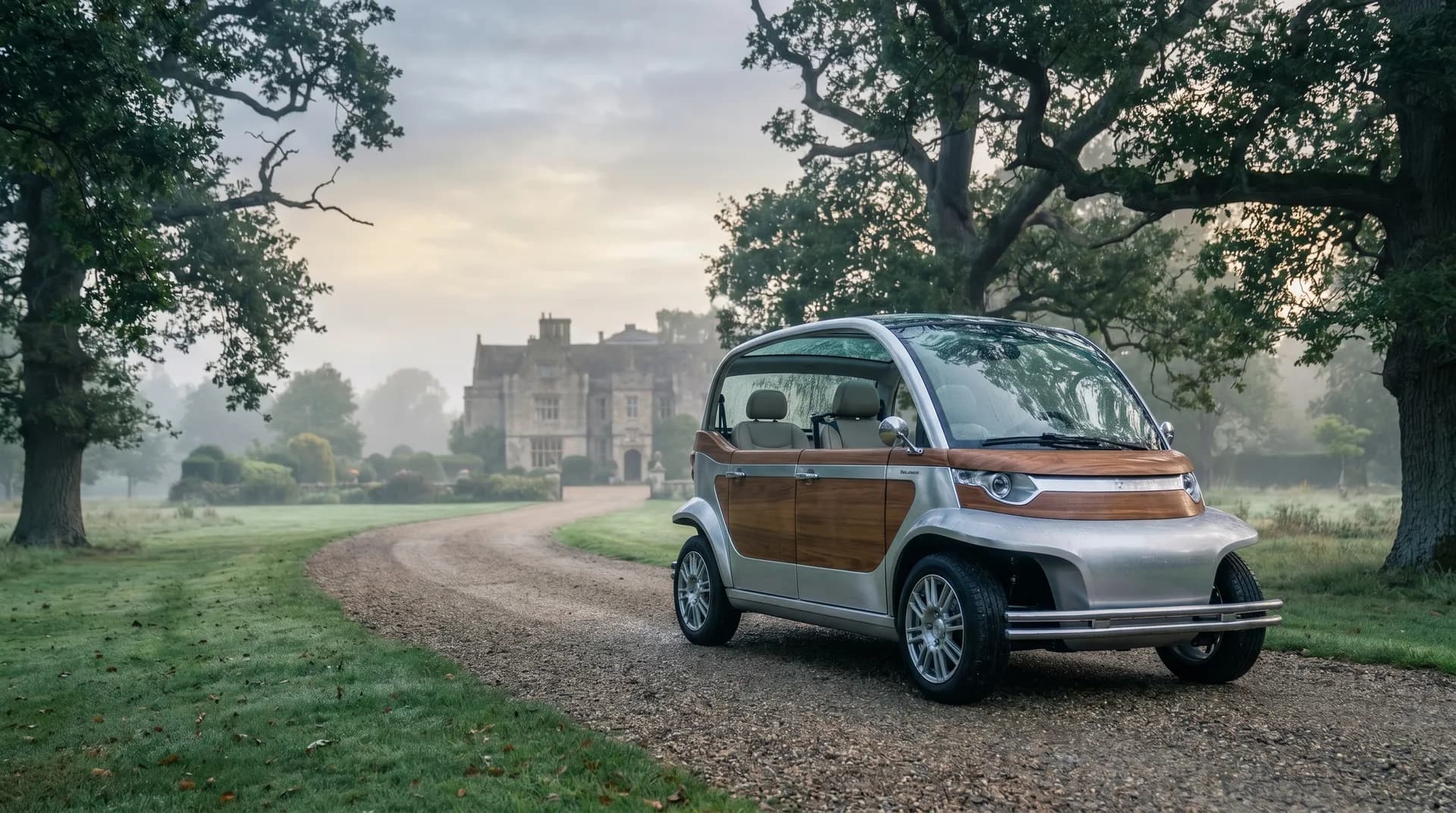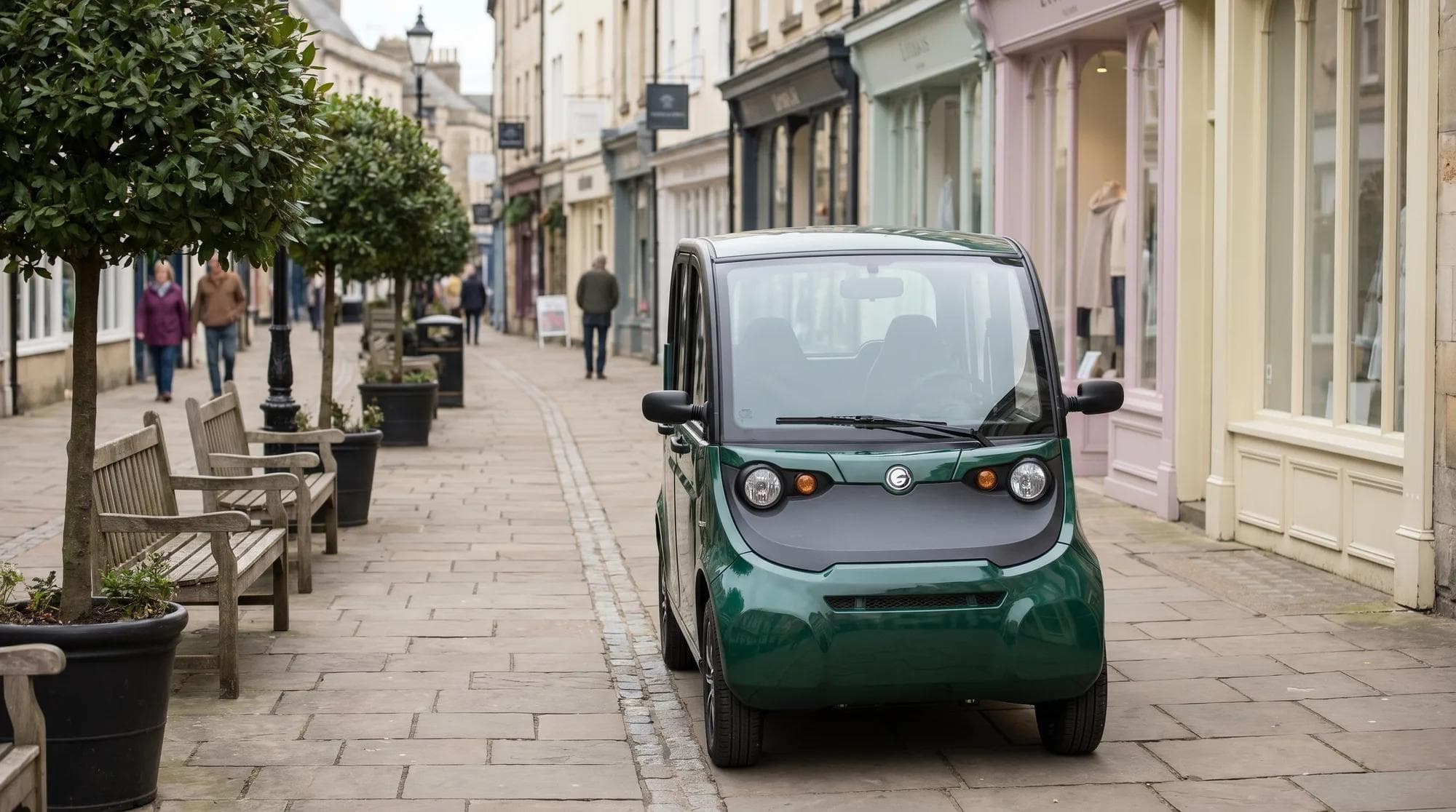
Town centres are busy, pedestrian-first places, and that makes them an awkward fit for a diesel van. BID and town-centre teams need to cover ground, carry kit and keep a visible presence, all without fumes, engine noise or a vehicle that feels out of place among shoppers. A BID vehicle solves that. It's a quiet, clean, electric platform that moves your ambassadors, your cleaning support and your event crew through the public realm without spoiling it. This guide covers what these vehicles do, how to brand them, and the sustainability and air-quality case for putting one on your high street.
What a BID vehicle actually does
Most BIDs and town-centre management teams run a handful of front-line services, and a single electric buggy can support nearly all of them. Ambassadors and street wardens patrol the centre, give directions and report problems. Cleaning crews tackle litter, fly-tipping, gum and graffiti. Events teams set up markets, late-night shopping, Christmas lights and seasonal trails. Each of those means moving people and kit around a place where a van is too big, too slow and too unwelcome. A buggy fits the gap exactly.
The point of a town centre electric vehicle is that it works with the public realm rather than against it. It's narrow enough for pedestrianised streets, quiet enough not to interrupt a busker or a cafe terrace, and clean enough that nobody walks through exhaust to reach a shop. For a team whose whole job is to make the centre pleasant, the vehicle doing the work shouldn't undermine the message.

Ambassador and patrol use
Ambassadors and street wardens are the friendly, visible face of a town centre, and most of their day is spent on foot. A buggy doesn't replace that, it extends it. It lets a small team cover a larger footprint, reach the far end of the centre quickly when there's an incident, and carry the bits they'd otherwise leave behind: first-aid kit, maps and leaflets, a radio, water on a hot day. Park it at a busy spot and it becomes a mobile information point too.
There's a reassurance angle as well. A clearly branded vehicle on the high street tells shoppers and traders that someone is looking after the place. It's a visible signal of the BID's presence, the kind businesses notice when they're asked whether the levy is worth paying. An electric buggy can move through a crowd at walking pace without the engine noise that makes a vehicle feel like it doesn't belong.
Cleaning support and rapid response
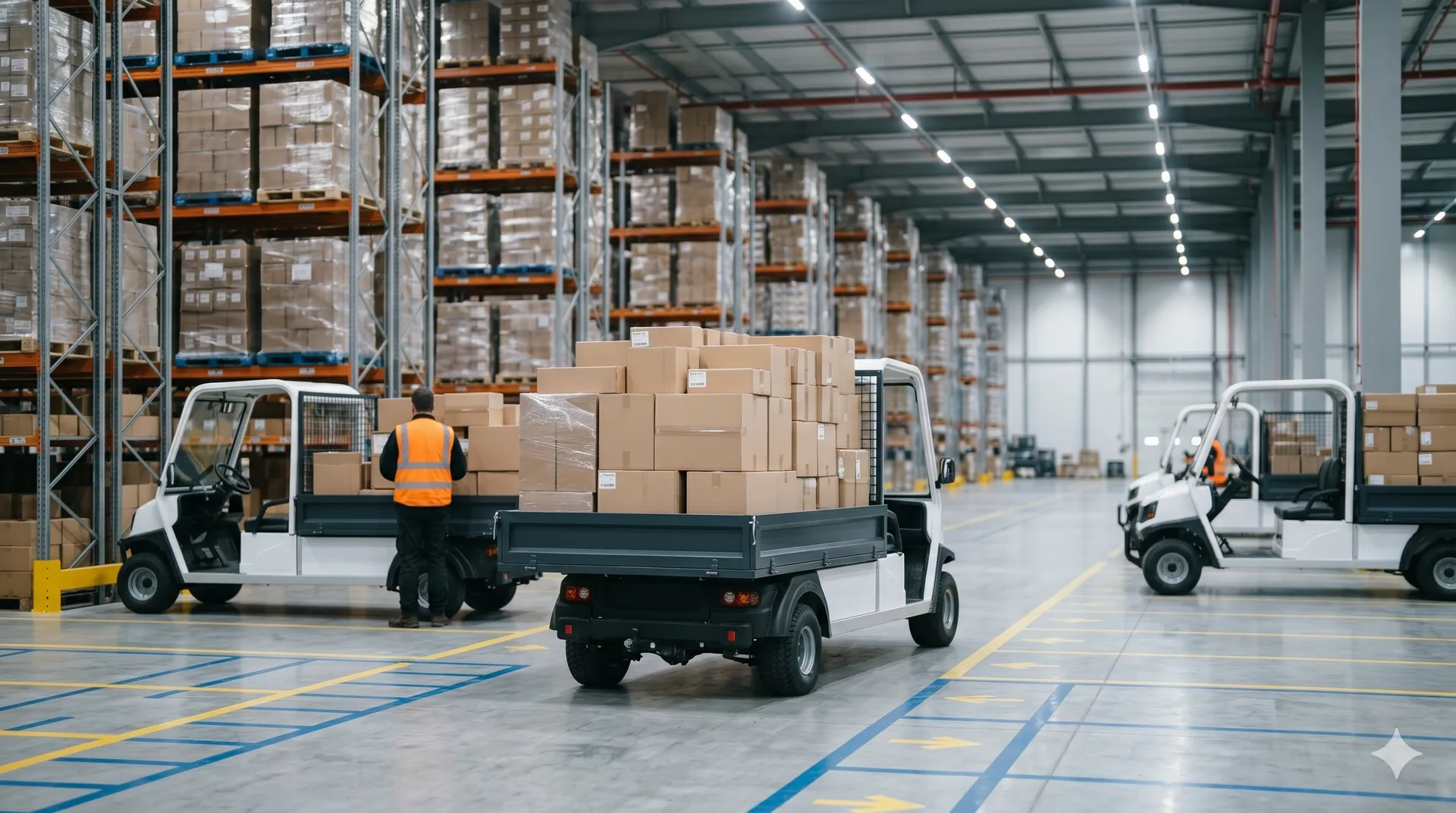
Cleaning is where a town centre electric vehicle earns its keep fastest. A cleaning operative on foot with a barrow can only carry so much and move so quickly. Give the same crew a buggy with a cargo bed and they can stock more kit, reach a reported problem across the centre in minutes, and clear it without a trip back to the depot. Fly-tipping, an overflowing bin, broken glass, a spillage near a cafe: all faster to fix when the kit travels with the crew.
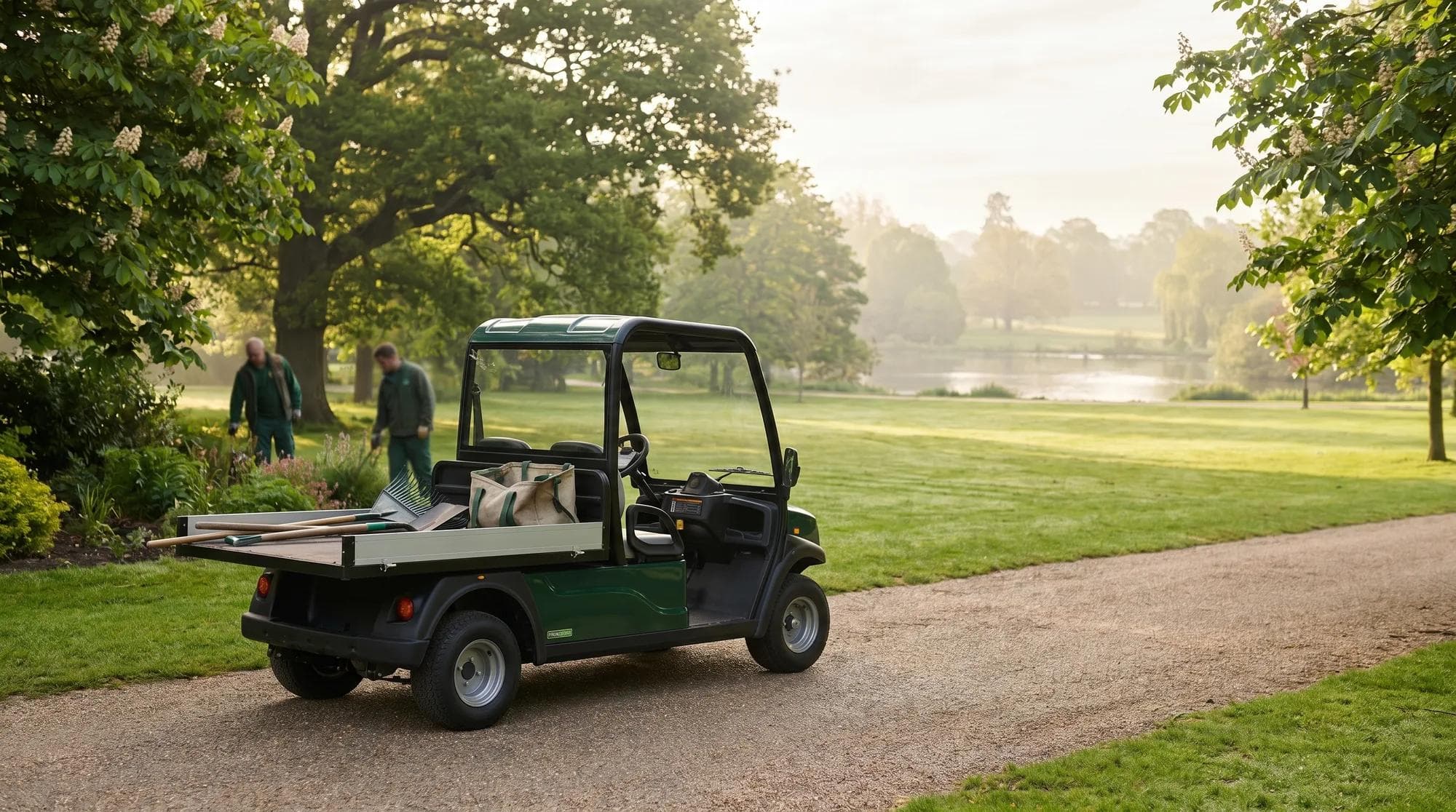
A utility platform also handles the heavier jobs: carrying a pressure washer for gum and graffiti, hauling bagged waste back to a collection point, and moving barriers and signage when a street needs closing for cleaning. Because it's electric, the crew working alongside it all day isn't breathing exhaust or shouting over an engine. For the load-carrying work, our purpose-built Hawke S2 Pickup utility model is the natural starting point, specified with the bed and storage your rounds actually need.
Events and the public realm
Events are the other half of the modern BID brief, and they generate a lot of fetching and carrying. Setting up a Christmas market, a food festival or a late-night shopping evening means moving stalls, barriers, bunting, signage and staff around the centre, often early in the morning or late at night. A buggy does that quietly, which matters when you're working near homes and hotels at unsociable hours, and without driving a van through a pedestrian zone.
During the event the same vehicle keeps working: shuttling crew, restocking traders, collecting waste and acting as a roving help point. A people-carrying buggy can also move performers the short distance across a closed street. The public realm is the stage for all of this, and a clean, quiet vehicle keeps the focus on the event rather than the logistics behind it.
A clean, quiet buggy keeps the focus on the event, not on the logistics moving behind it.
Branding: a moving advert for the BID
A town-centre buggy is seen by thousands of people a week, so it's worth treating as a piece of communication, not just a tool. Wrap it in the BID's livery, add the place brand and a short line about what the team does, and you've got a moving advert that builds recognition every time it's out. It tells shoppers who's looking after the centre and reminds levy-paying businesses where their money goes.
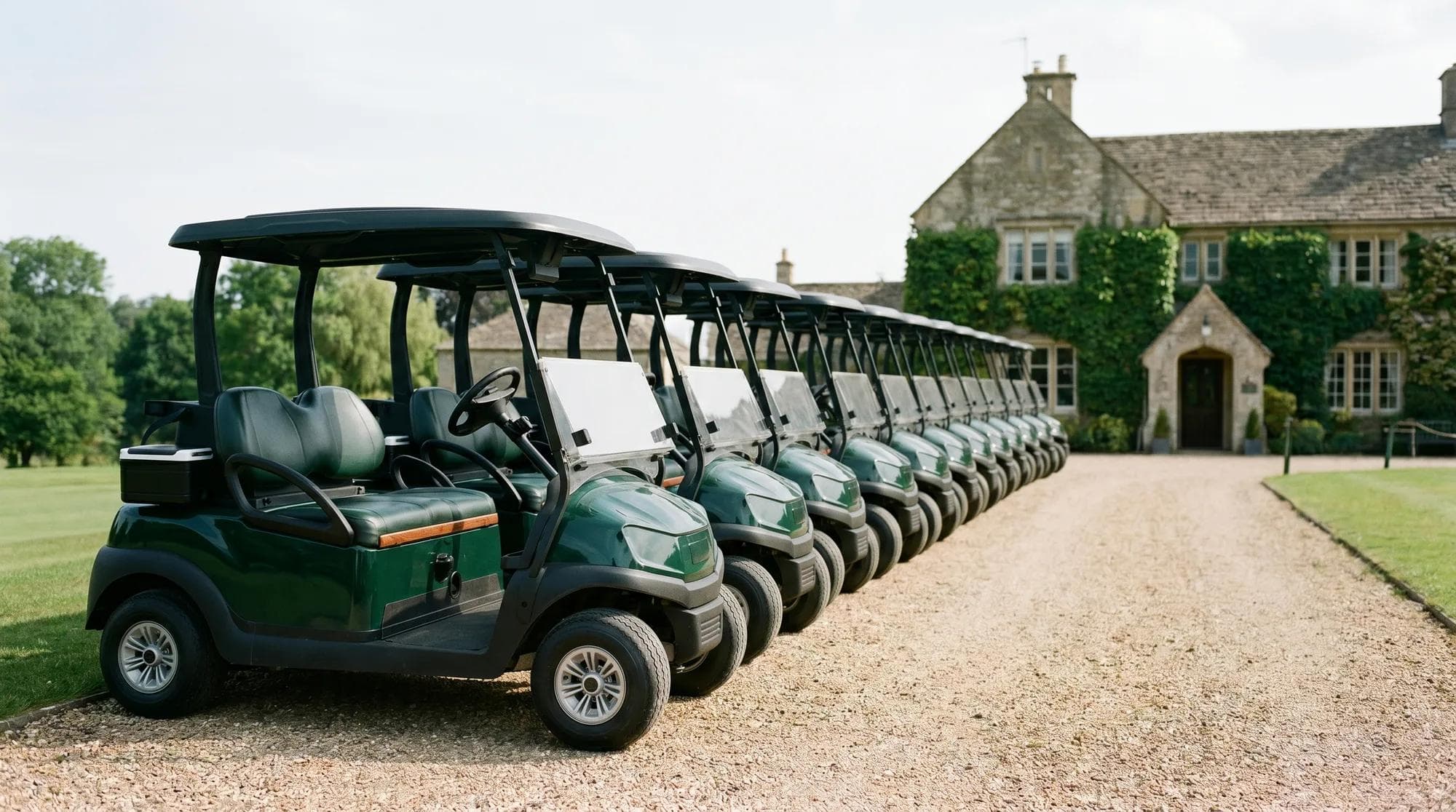
We build every vehicle to order, so branding isn't an afterthought stuck on at the end. Colour, livery, signage and finish are specified as part of the build, which keeps everything sharp and consistent across a fleet if you run more than one. Our custom fleet branding guide walks through what's possible and how to keep the look on brand. For a public-facing vehicle, getting that right is the difference between a smart asset and a scruffy one.
Sustainability and air quality on the high street
Town centres are exactly where air quality and noise matter most, because that's where people gather. Many high streets sit inside or beside an Air Quality Management Area, and most local partners now have net-zero or clean-air commitments to show progress against. Running the BID's own front-line vehicle on electric removes a visible source of on-street emissions and noise, and keeps the team's actions consistent with the message it gives traders and visitors.
It's also the kind of tangible, easy-to-explain action that reads well in a BID's annual report and at renewal time. No fumes by the cafe terrace, no engine idling outside a shop, no diesel rattle through a quiet morning. For the honest, defensible version of the environmental argument, our environmental benefits guide sets out what you can and can't credibly claim.
- Electric buggy
- Narrow, slow, unobtrusive
- Diesel van
- Too big and out of place
- Electric buggy
- None where it's driven
- Diesel van
- Exhaust and particulates
- Electric buggy
- Near silent
- Diesel van
- Loud, worst at idle
- Electric buggy
- Low, mains electricity
- Diesel van
- Higher, pump diesel
- Electric buggy
- Light, few moving parts
- Diesel van
- Engine, oil, filters, belts
- Electric buggy
- Strong, seen at walking pace
- Diesel van
- Generic, often unmarked
- Electric buggy
- Supports the commitment
- Diesel van
- Works against it
| Electric buggy | Diesel van | |
|---|---|---|
| Fit for pedestrian streets | Narrow, slow, unobtrusive | Too big and out of place |
| On-street emissions | None where it's driven | Exhaust and particulates |
| Noise near shops | Near silent | Loud, worst at idle |
| Running cost | Low, mains electricity | Higher, pump diesel |
| Servicing | Light, few moving parts | Engine, oil, filters, belts |
| Branding presence | Strong, seen at walking pace | Generic, often unmarked |
| Clean-air fit | Supports the commitment | Works against it |
Specifying the right vehicle for your centre
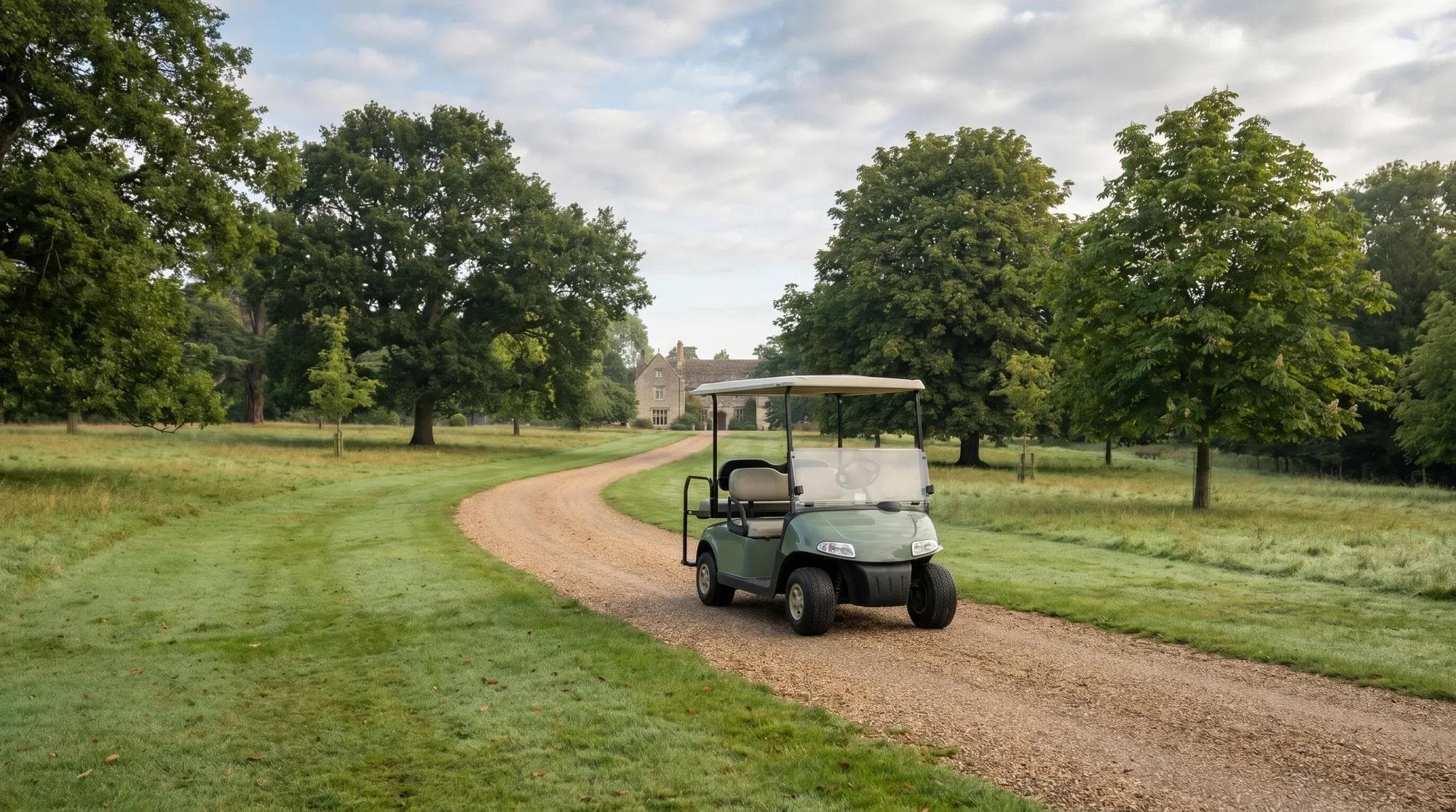
Start with how the buggy will actually be used in a normal week. If it's mostly ambassador patrols and a help-point presence, a tidy four-seater (the Hawke S4) carries a team and looks the part. If cleaning support and event load-carrying dominate, the utility platform with a cargo bed makes more sense. Many BIDs want both, which is where a single, cleverly specified vehicle pays off. Think about seating, the bed or storage, branding and where it will charge. Our work across parks and public spaces covers the same public-realm thinking and how we specify and brand a vehicle for a town-centre setting.
Specify a BID vehicle built around your town centre
Tell us how your ambassadors, cleaning crews and events teams actually work and we'll specify a vehicle in your BID livery with a tailored quote. Every vehicle is built to order, with a 3-year warranty and a 24-hour VIP call-out.
Frequently asked questions
What is a BID vehicle used for?+
It supports a business improvement district's front-line services in the town centre. That means ambassador and warden patrols, cleaning and rapid response to litter or fly-tipping, and setting up and running events in the public realm. A single electric buggy can carry the people and kit for all three, while wearing the BID's branding.
Are electric buggies allowed in pedestrianised town centres?+
They're well suited to pedestrian areas because they're narrow, slow and quiet, but access depends on local rules set by the council and any pedestrian-zone restrictions. Confirm the access arrangements for your specific streets with the local authority, and we'll help you specify a vehicle that fits the setting.
How does a town-centre electric vehicle help with air quality?+
It removes a visible source of on-street emissions and noise from the high street, which matters most where people gather and where Air Quality Management Areas often apply. Running the BID's own vehicle on electric keeps the team's actions consistent with its clean-air message to traders and visitors.
Can a BID buggy be branded in our livery?+
Yes. Because every vehicle is built to order, branding is part of the build rather than an add-on. Colour, livery, place brand and signage are specified up front and kept consistent across a fleet, turning the vehicle into a moving advert for the BID seen by thousands of people a week.
How much does a town-centre electric buggy cost?+
Pricing is on request, with branding, the bed or storage and any bespoke options setting the figure. Every build includes a 3-year warranty and a 24-hour VIP call-out. Tell us how you'll use it and we'll confirm a tailored price.
Ready to find the right buggy?
Tell us how and where it will work and we will specify a vehicle and a tailored quote built around you. Every build comes with a 3-year warranty and a 24-hour priority call-out.
Our guides are written and reviewed by the Hawke Electric Vehicles team, the people who specify, build, deliver and support the vehicles. We focus on honest, practical advice and flag where a figure depends on the build rather than guessing.
More guides by Hawke