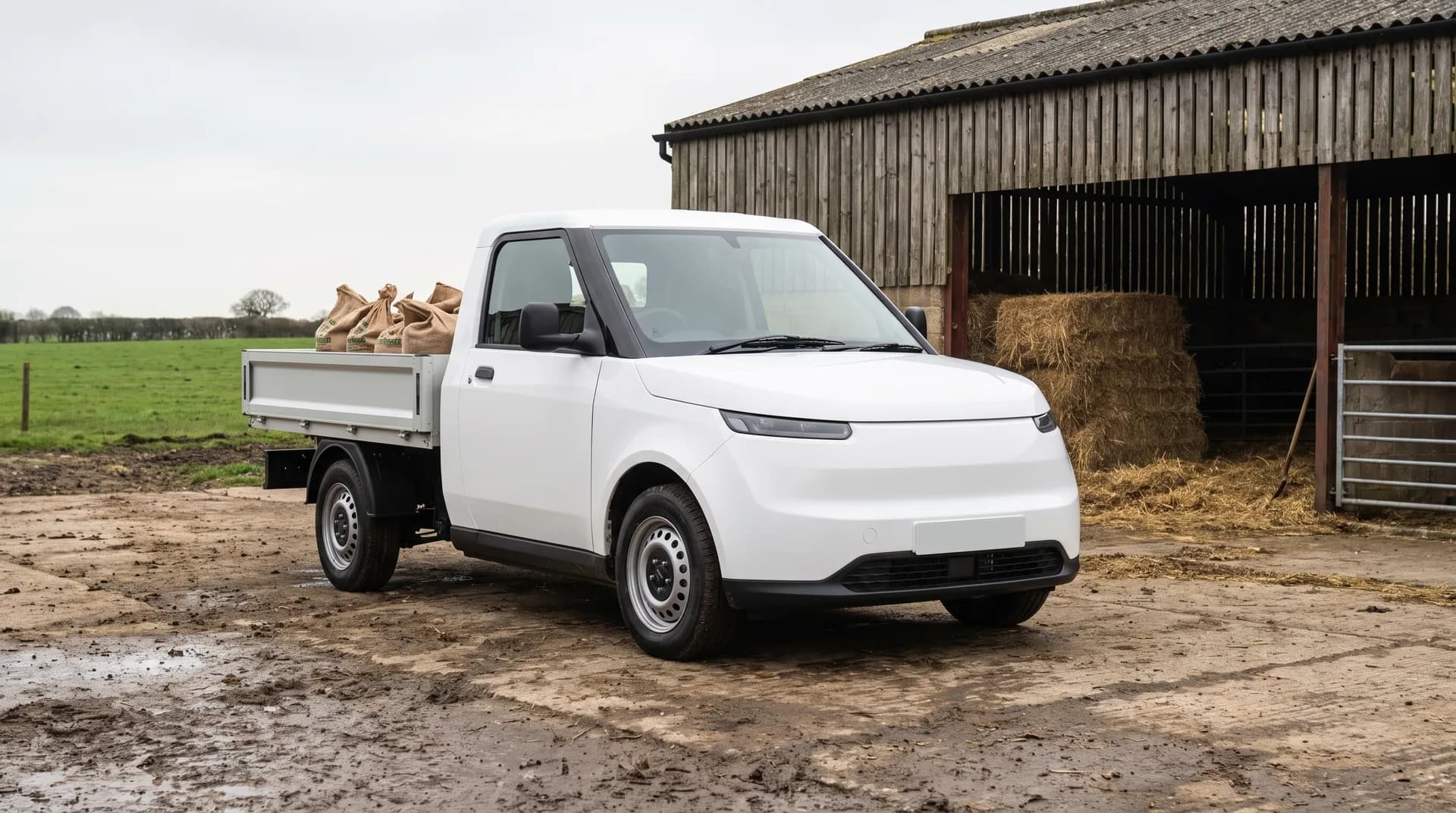
A farm or smallholding runs on moving things: feed to the animals, tools to the job, produce to the store, people to the far field. Much of that is short-haul work an electric utility buggy does well, quietly and cheaply, without the fuel and noise of a quad or a pickup for every small run. It is not a replacement for a tractor on heavy field work, and we are honest about that, but for the daily yard-and-track carrying that fills a farming day, it earns its place. This guide sets out where it fits.
- Ideal for daily yard-and-track work: feed, tools, produce and people.
- Quiet and clean, with no fuel to buy or store for short runs.
- Honest limits: not a tractor substitute for heavy field cultivation or towing.
- Specified with the right tyres and load for your ground and jobs.
- Low running cost and little to service suit a working farm budget.
The daily carrying a farm runs on
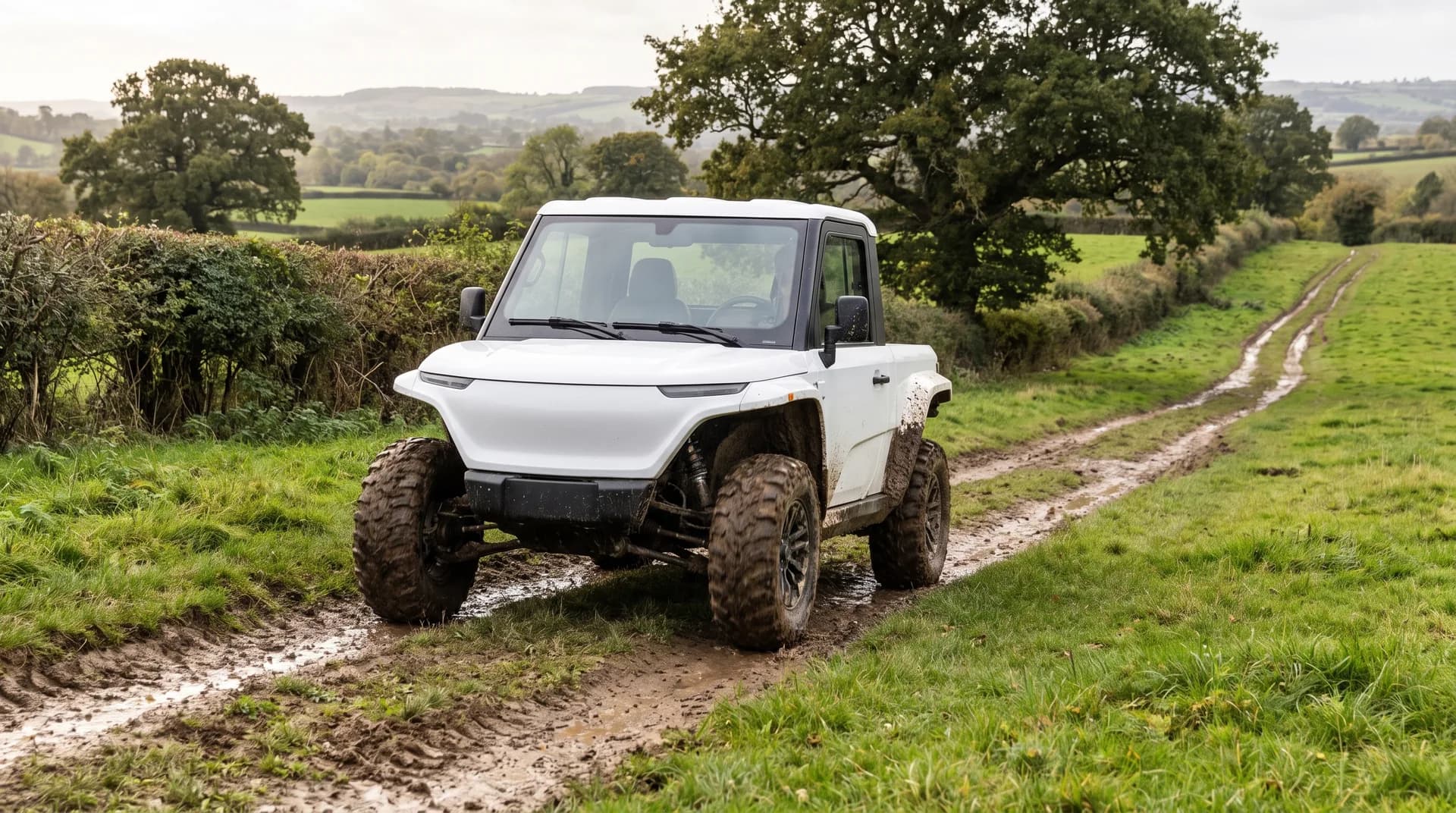
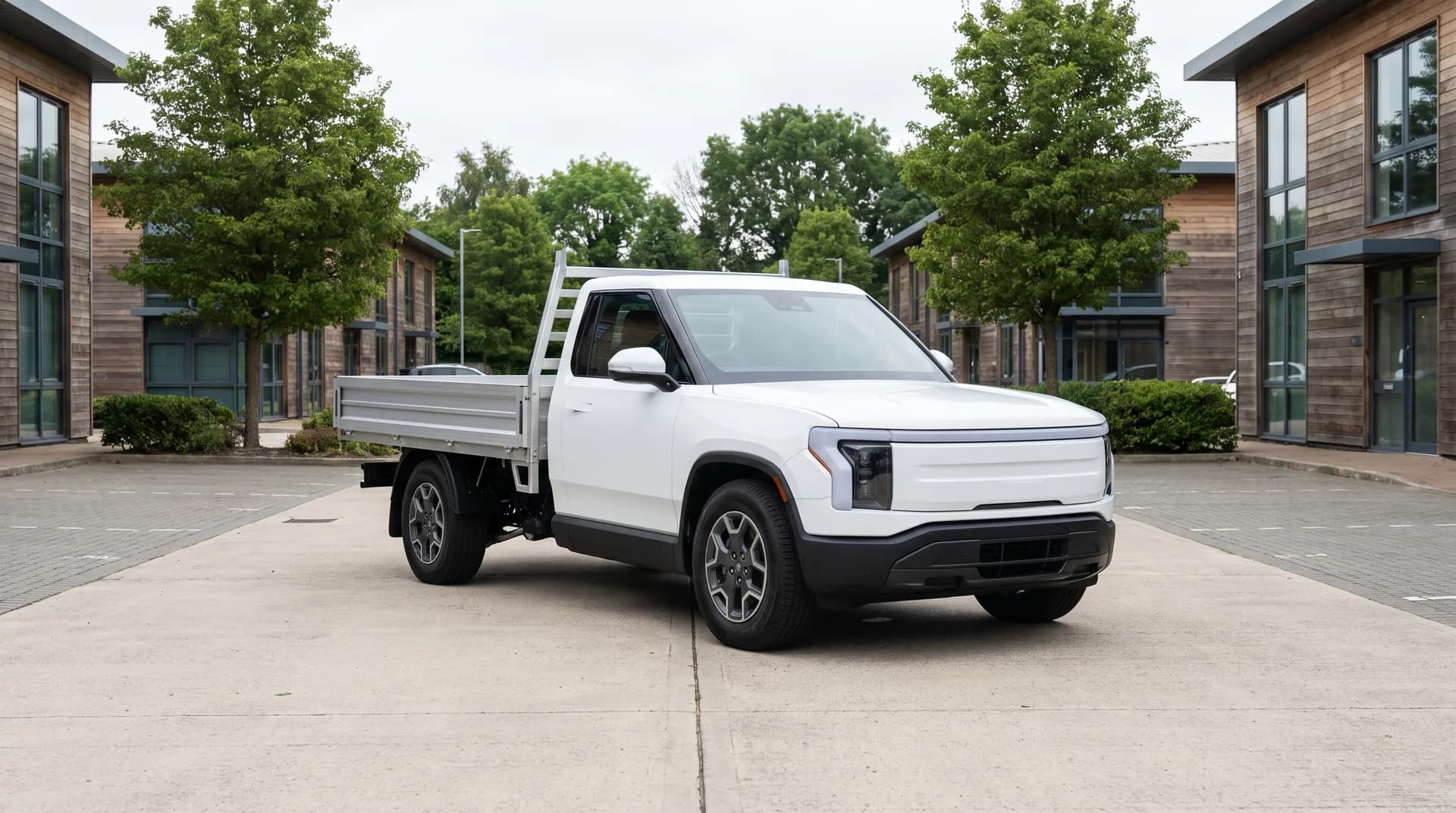
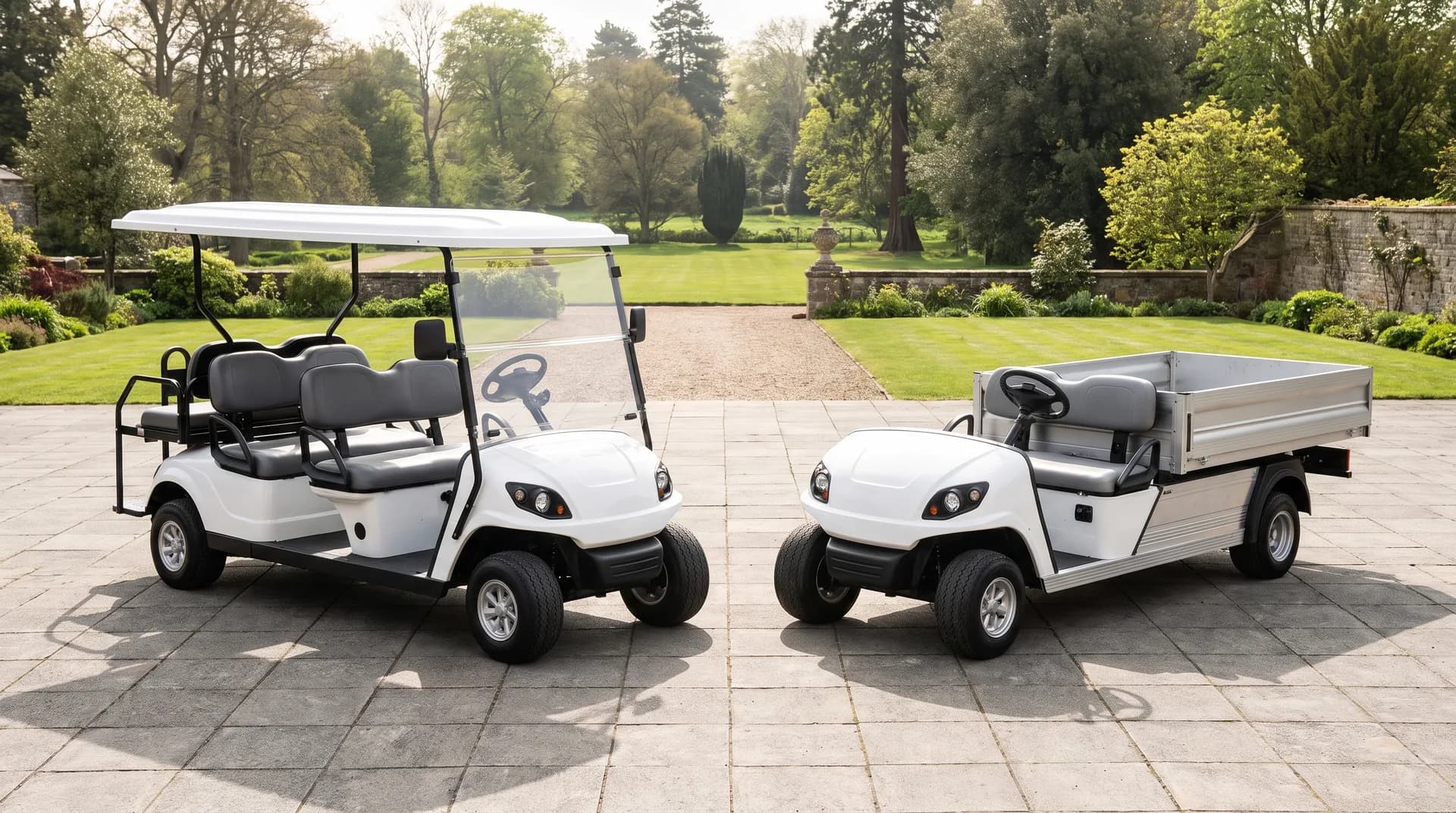
Most of a farming day is not heavy field work; it is the constant short runs: carrying feed to stock, tools to a repair, bags and boxes to the store, and moving between yard, barns and near fields. An electric utility buggy with a load bed does that quietly and cheaply, and being electric there is no fuel to buy or store for the dozen small runs a day. It is the same honest load-carrying as our materials and equipment carrying work, on a farm.
Honest about the limits
We would rather be clear than oversell. An electric utility buggy is not a tractor: it will not plough, cultivate or tow multi-tonne trailers across heavy ground, and we will not pretend otherwise. What it does is the light-to-medium carrying and the yard-and-track transport, within an honestly rated load and towing capacity, where a tractor is overkill and a pickup is thirsty. For the heavy work, keep the tractor; for everything else, the buggy is cheaper and quieter.
Specified for your ground
Farm ground is rarely kind, so we specify tyres and drive for the mix of yard, track and field margin you cover, and match the load bed and towing to your real jobs, rated honestly. Where the ground is genuinely rough or steep beyond the vehicle, we say so. Our guide on utility vehicles for estate terrain covers how terrain is specified in practice.
Frequently asked questions
Can an electric buggy replace a farm quad or pickup?+
For the daily short-haul yard-and-track work, often yes, and more cheaply and quietly. For heavy field work, towing multi-tonne trailers or long fast road runs, it is not a substitute, and we are honest about that.
Is it a tractor replacement?+
No. It will not plough, cultivate or tow heavy trailers across rough ground. It handles the light-to-medium carrying and transport that fills a farming day, where a tractor is overkill.
Will it cope with farm ground?+
Within its limits, yes. We specify tyres and drive for your mix of yard, track and field margin, and are clear about ground and gradients it is not built for.
How much can it carry and tow?+
From several hundred kilograms to a tonne or more in the bed depending on the model, with towing rated separately. We quote the real figures for the model we recommend.
Is it cheaper to run than a petrol or diesel vehicle?+
For short farm runs, yes. Charging costs a fraction of fuel, there is no fuel to buy or store, and there is far less to service, which suits a working farm budget.
Specify a buggy for your farm
Tell us your yard, your ground and the loads you move, and we will specify a utility buggy sized to the real work, honestly, and quote to your setting.

Ready to find the right buggy?
Tell us how and where it will work and we will specify a vehicle and a tailored quote built around you. Every build comes with a 3-year warranty and a 24-hour priority call-out.
Our guides are written and reviewed by the Hawke Electric Vehicles team, the people who specify, build, deliver and support the vehicles. We focus on honest, practical advice and flag where a figure depends on the build rather than guessing.
More guides by Hawke