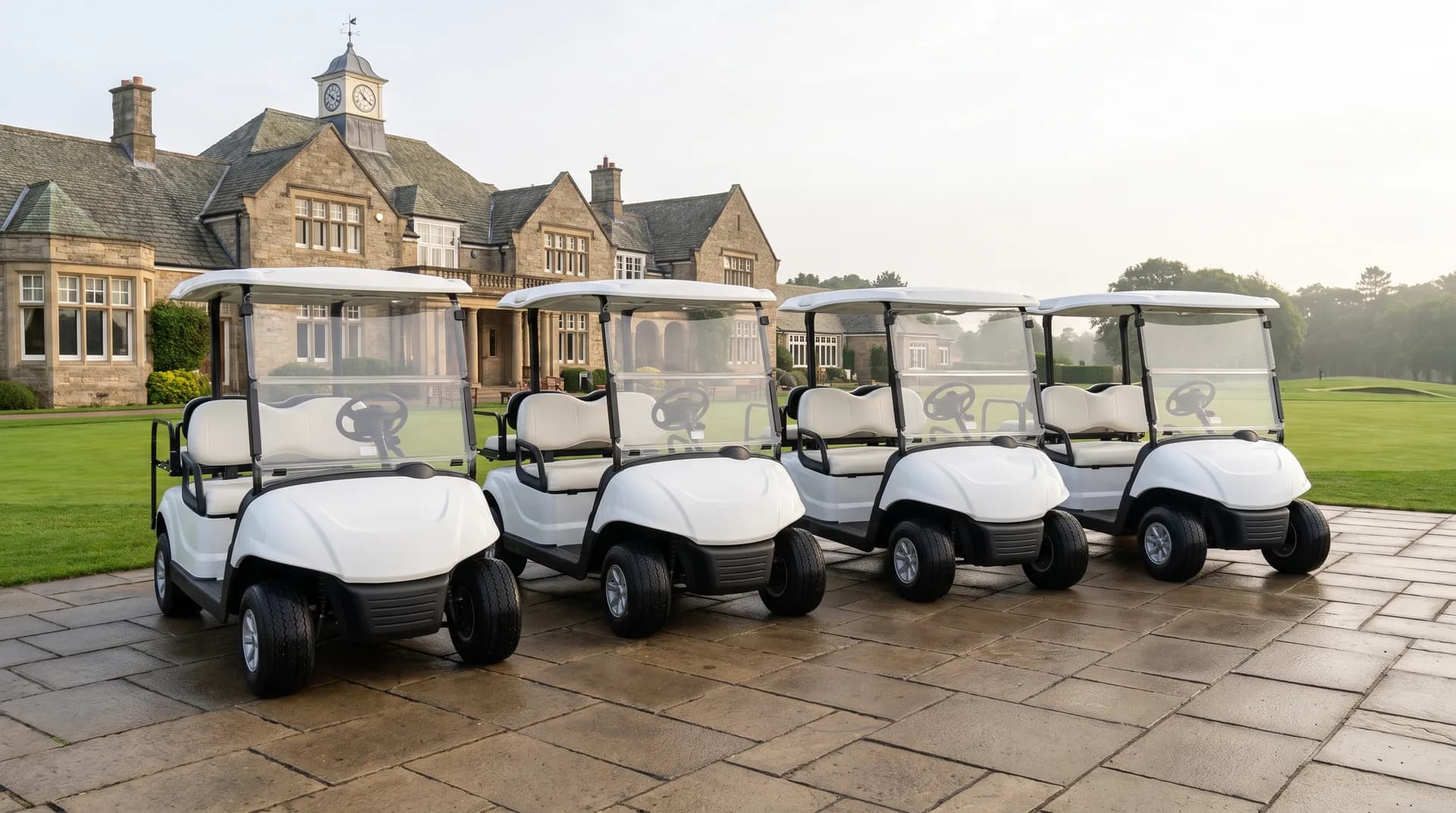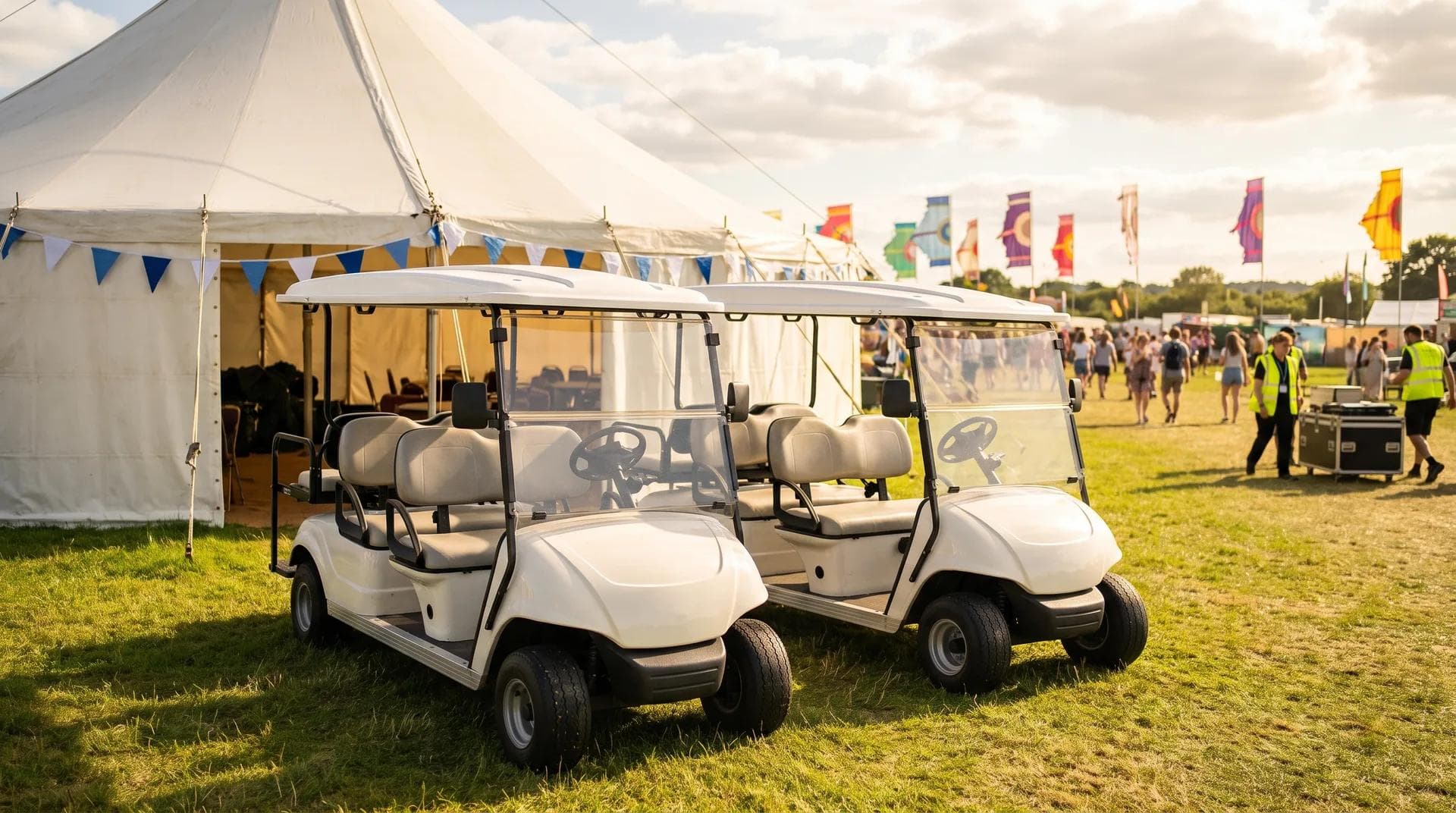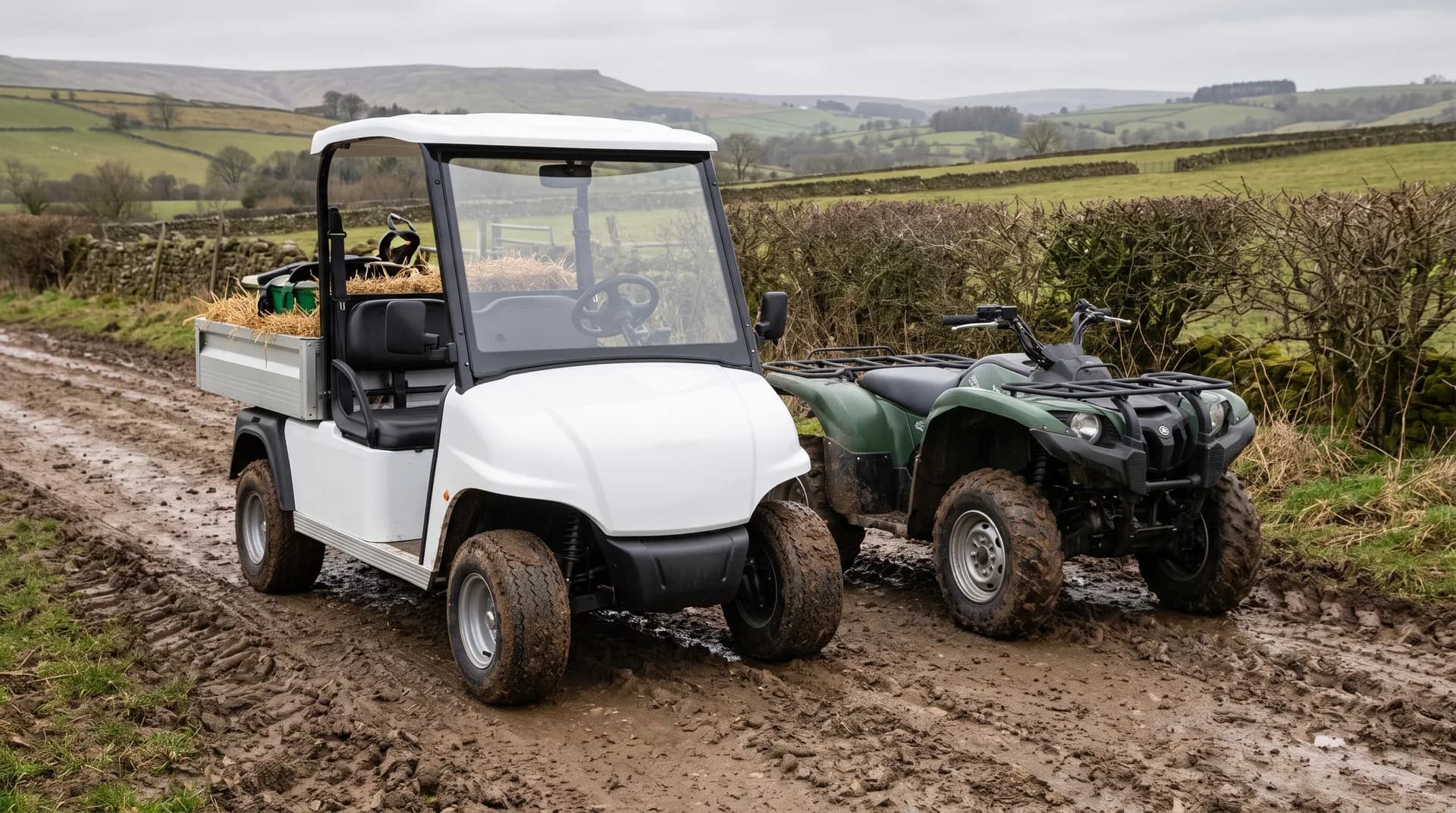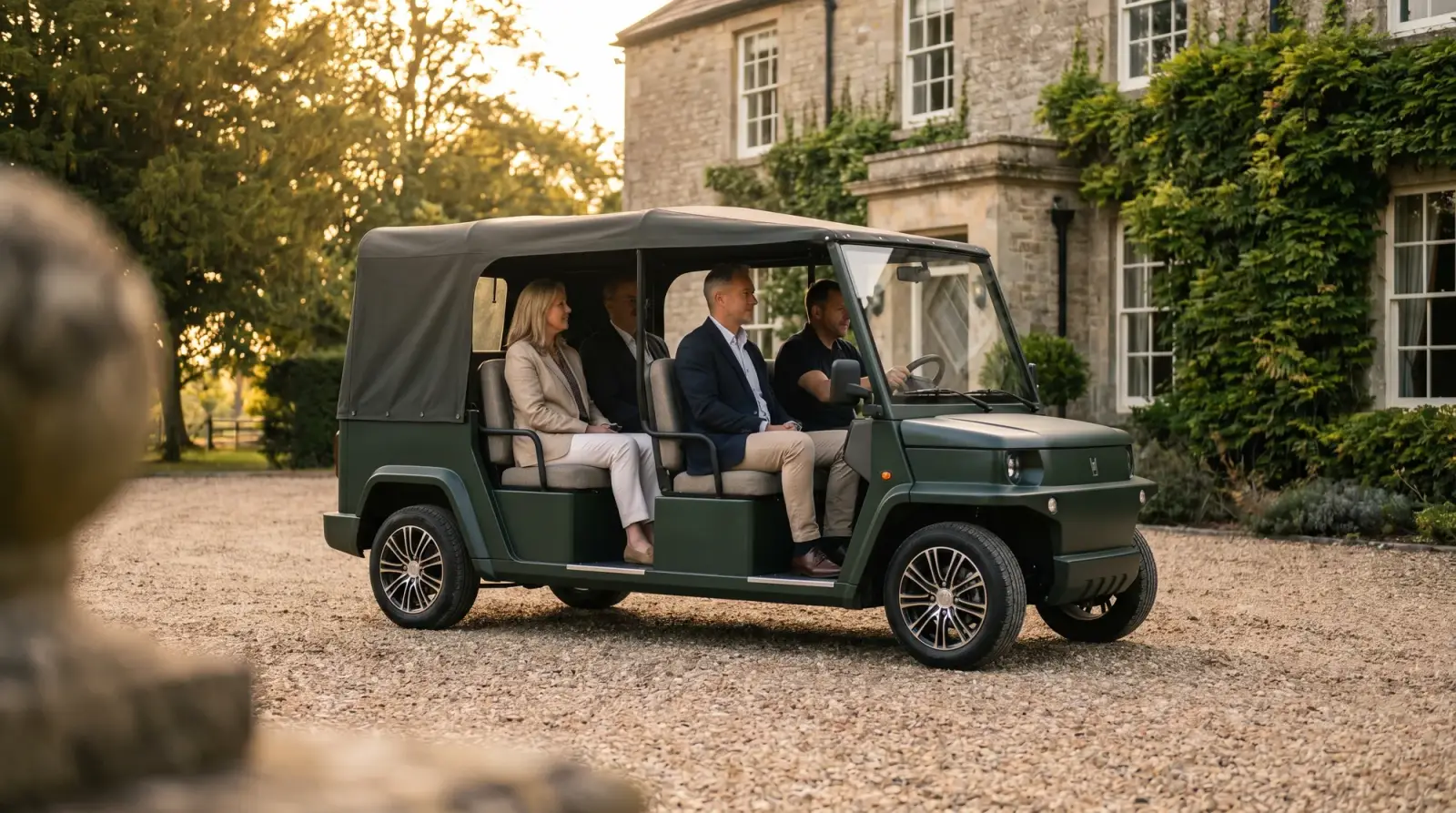
A permanent showground lives two lives. For a handful of weeks a year it is one of the busiest venues in the county: build-up convoys, trade stands, livestock lines, arenas and tens of thousands of visitors. For the other forty-odd weeks it is a large grounds estate to mow, mend, and hire out for weddings, auctions and caravan rallies. This guide is for the operators who own that double life, and the electric fleet that serves both halves. If you are an event organiser needing vehicles for a single show, that is a hire job, and our event hire cost guide and hire fleet are the right doors.
- One owned fleet serves show weeks and the forty quiet weeks alike.
- Build-up and breakdown are logistics marathons a load bed shortens.
- Quiet running works among livestock, exhibitors and crowds.
- Off-season, the same fleet is the grounds and maintenance workhorse.
- Own the baseline fleet; hire in the peak-week surplus.
Show weeks: the venue at full stretch
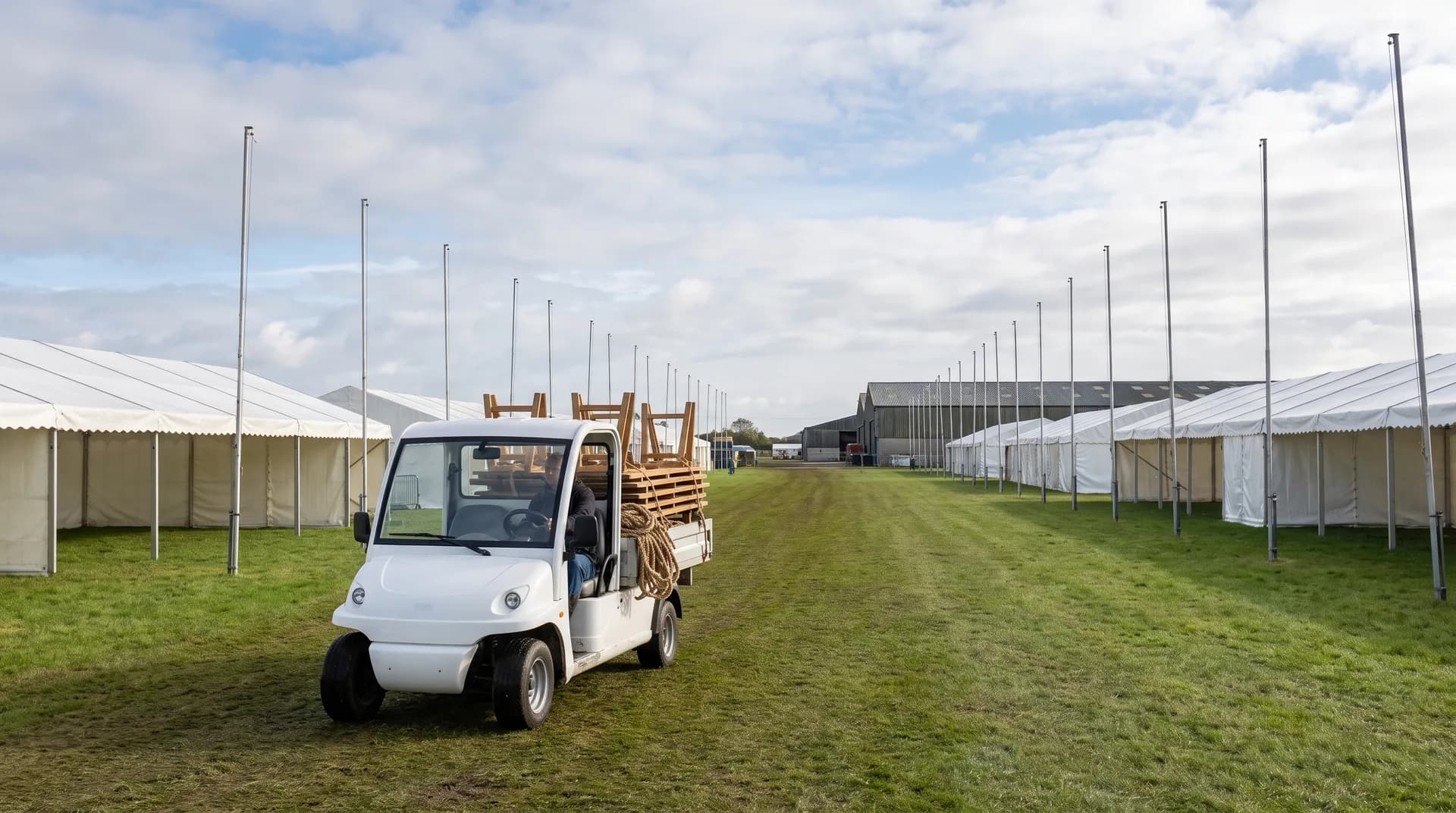
In build-up week a showground moves more material than most sites shift in a year: trackway, staging, signage, straw, water and traders' kit, all on a deadline. Electric utility vehicles run those errands endlessly without filling the avenues with diesel fumes, and during show days they resupply catering, clear waste, carry officials and first-aiders, and move quietly among livestock that petrol engines would rattle, the same animal-calm logic as our zoos and wildlife parks work. After the last visitor leaves, the whole ballet runs in reverse.
The forty quiet weeks
The showground's secret is that the quiet weeks are the working majority: acres of grass to mow and mend, fences, drains and buildings to maintain, and a steady calendar of smaller lettings, weddings, auctions, rallies, each with its own setup. The same fleet that ran the show serves all of it, which is what separates owning from hiring: a hire fleet vanishes with the show, while an owned fleet earns its keep every week, the arithmetic our fleet management guide works through.
Own the baseline, hire the peak
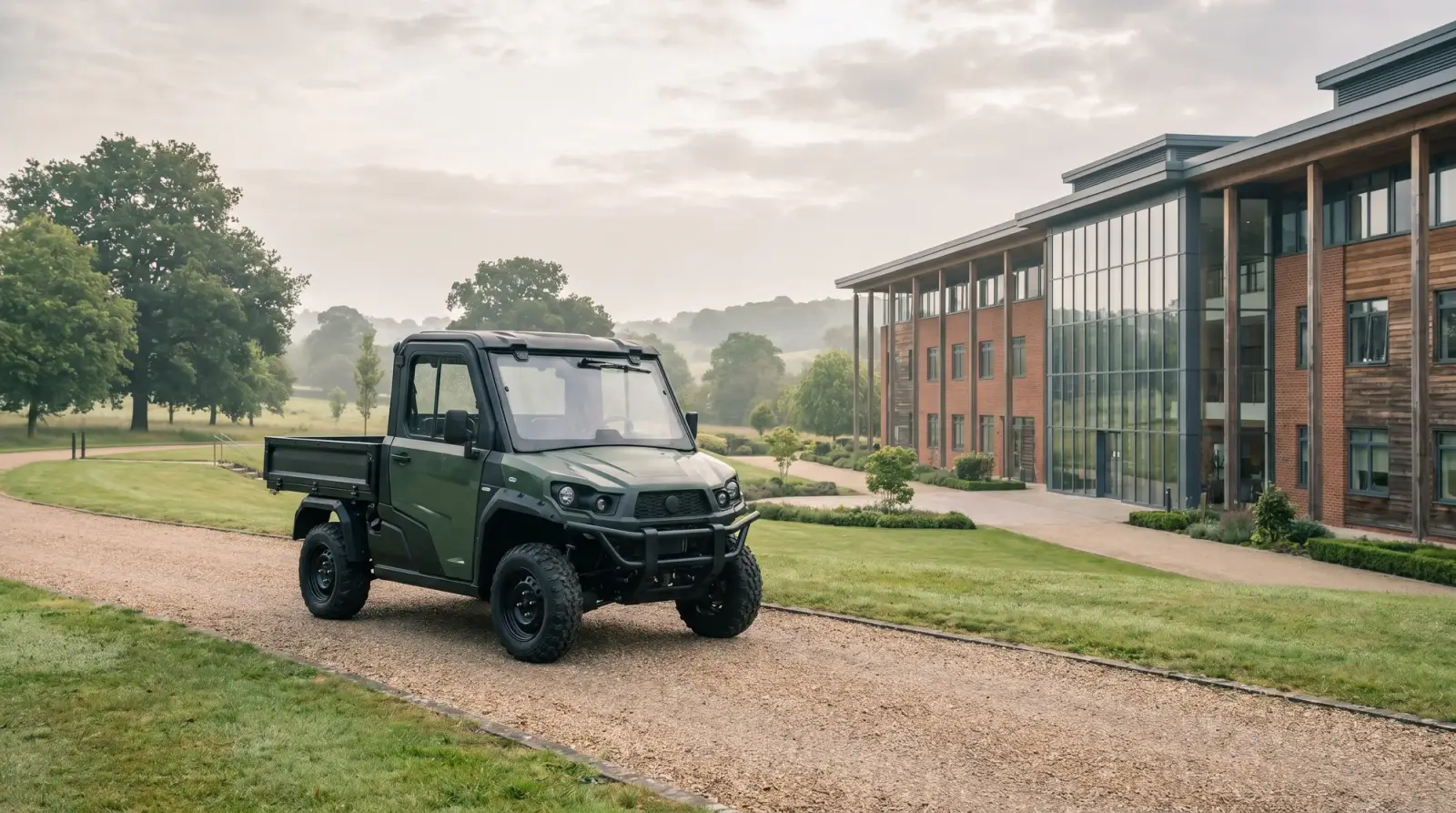
The sensible showground fleet strategy is a split: own the two or three vehicles the site uses every week of the year, specified for your ground and jobs, and hire in the extra passenger shuttles and runabouts for the big show fortnight rather than garaging them for fifty weeks. That keeps capital working and show weeks covered. We supply both halves, and will size the owned baseline honestly against your real calendar rather than sell you the peak.
Frequently asked questions
What vehicles does a permanent showground need?+
A small owned baseline, typically utility vehicles with load beds for year-round grounds and maintenance work, sized up during show weeks with hired-in passenger shuttles and extra runabouts. Own what works weekly; hire the peak.
Why electric for a showground?+
Quiet running among livestock, exhibitors and crowds, no fumes along packed avenues, and pennies-per-mile running across the endless build-up errands. Off-season it is the cheapest grounds workhorse the estate can run.
Can the same fleet handle shows and off-season work?+
Yes, that is the point of owning: the vehicles that resupply the show also mow-support, fence and ferry for weddings and rallies the rest of the year, so the fleet earns its keep every week rather than a fortnight.
Should a showground buy or hire its vehicles?+
Both, in the right split: own the baseline the site uses all year, hire the surplus for show weeks. We supply both and will size the split honestly against your calendar.
Is this different from event organiser hire?+
Yes. An organiser bringing an event to a venue hires vehicles for the dates, our event hire cost guide covers that. This guide is for the venue operator who owns the ground and needs a fleet that lives there.
Fleet your showground properly
Tell us your show calendar and your quiet-season workload, and we will size the owned baseline and the hired peak honestly, and cost it honestly.
Related solutions
Ready to explore what we build?
See the vehicles and the setting this applies to, or get a tailored quote built around your site.
Ready to find the right buggy?
Tell us how and where it will work and we will specify a vehicle and a tailored quote built around you. Every build comes with a 3-year warranty and a 24-hour priority call-out.
Our guides are written and reviewed by the Hawke Electric Vehicles team, the people who specify, build, deliver and support the vehicles. We focus on honest, practical advice and flag where a figure depends on the build rather than guessing.
More guides by Hawke