- Airport net-zero plans split into the emissions an airport controls directly and the much larger ones it does not, chiefly the aircraft.
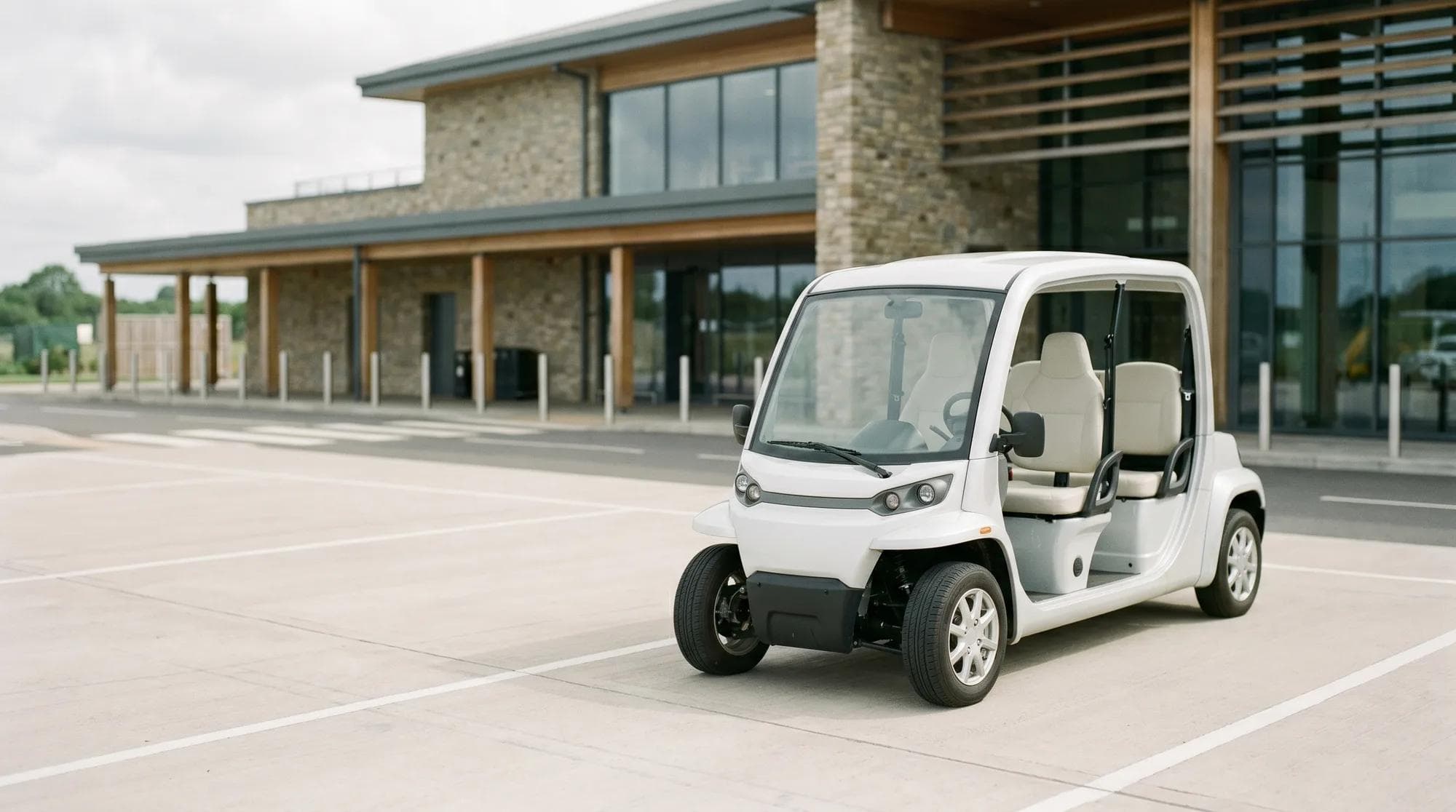
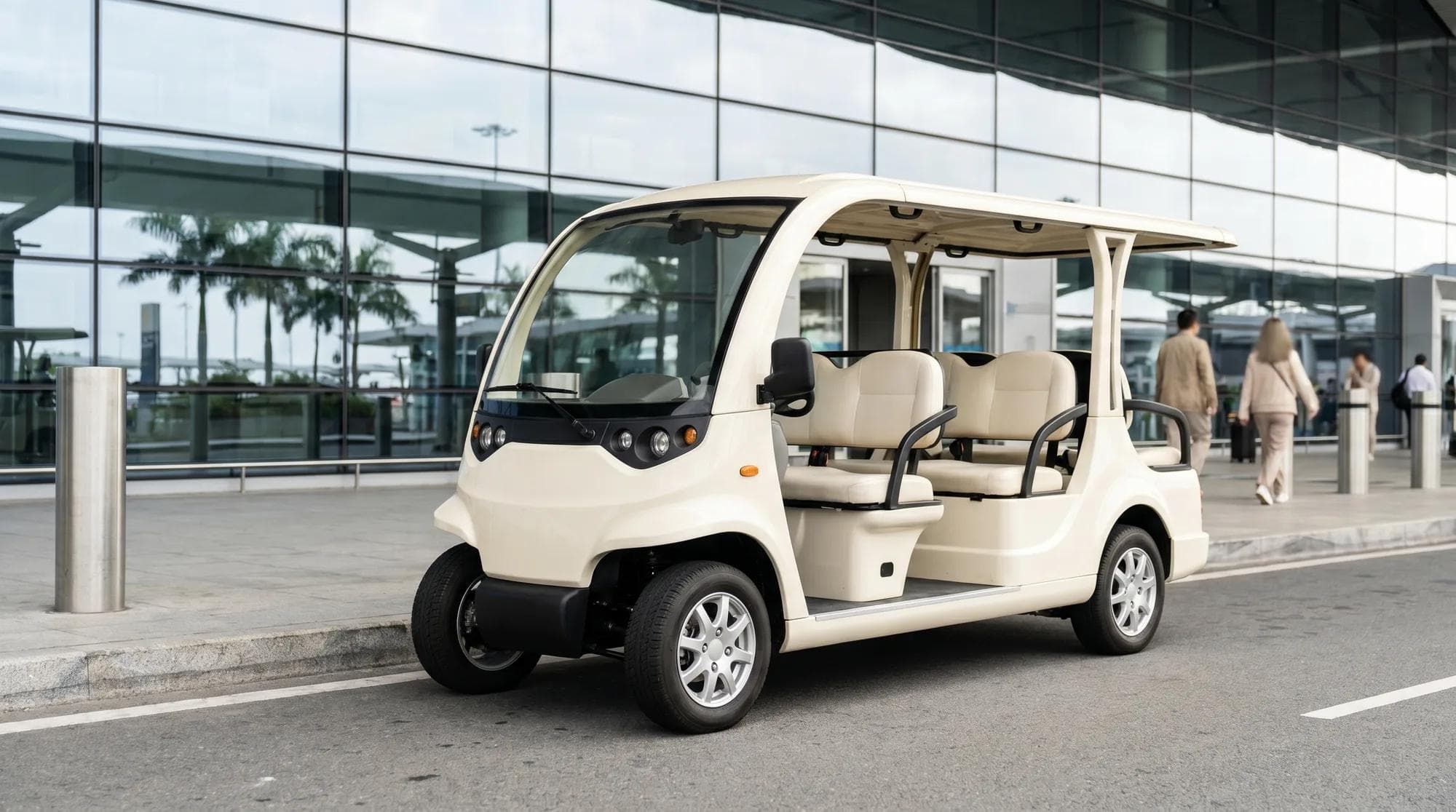
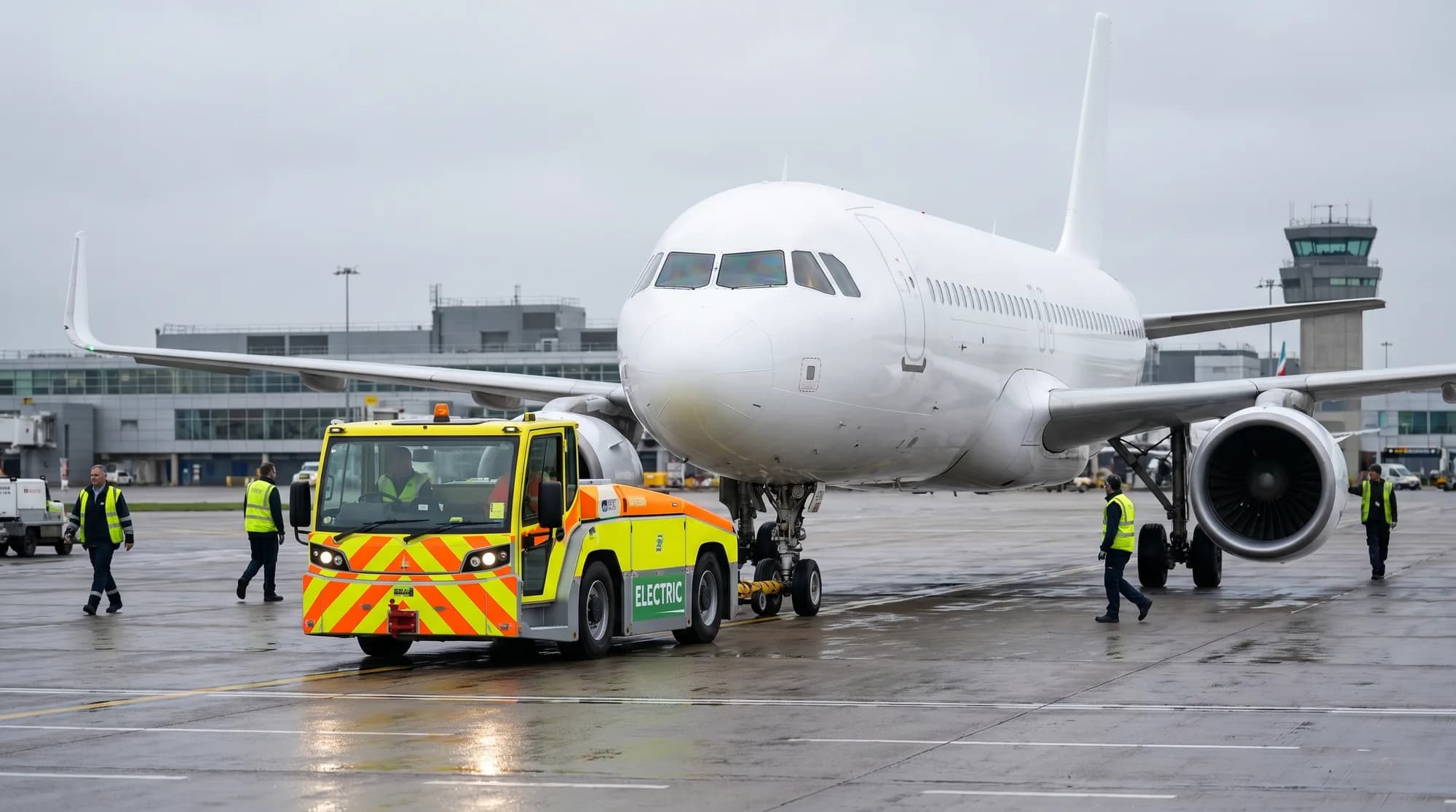
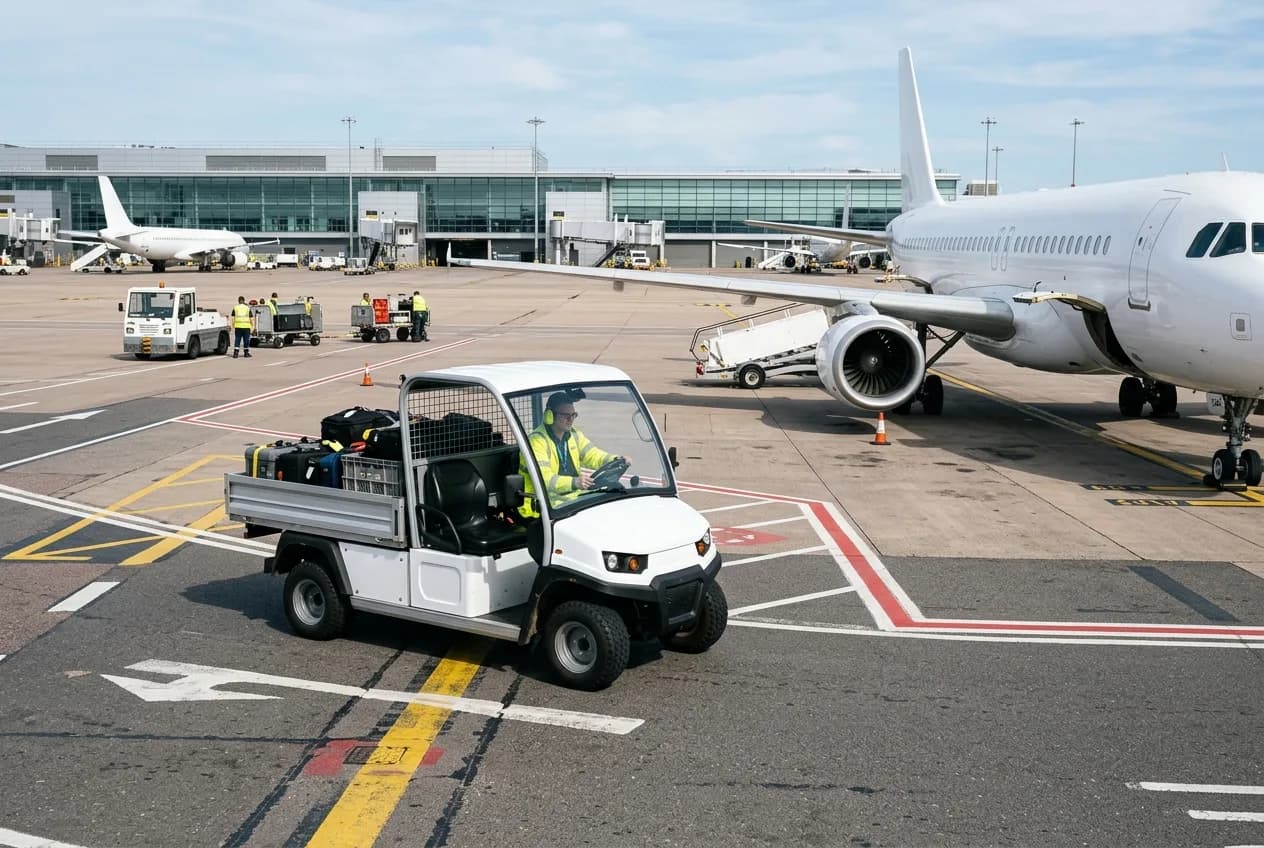
- Ground vehicles, the buggies and carts working the apron and terminals, sit in the part the airport does control, which makes them a practical place to act.
- Switching those vehicles to electric cuts Scope 1 fuel-burn emissions on site and is one of the simpler, faster moves in a decarbonisation plan.
- The Government has consulted on a 2040 zero-emission target for England's airport operations, alongside the wider Jet Zero ambition for aviation.
- Confirm the specifics, including timelines and what counts, with your own operations team and the CAA, as policy detail can change.
Airport net-zero vehicles are one of the more straightforward parts of a decarbonisation plan, which is exactly why they are worth getting on with. Most of an airport's carbon story is bound up in things it does not directly control, above all the aircraft and the fuel they burn. That is the genuinely hard part. The emissions an airport does control, including the fleet of buggies, carts and people-movers working the ground, are smaller but far more actionable. They are where a plan can show real progress early.
This guide looks at where electric ground vehicles fit in an airport's net-zero plan: which emissions they address, why they count as a quick win, and how the wider policy backdrop, including the proposed 2040 target for England's airports, frames the decision. We will be clear about where the policy detail sits and where you should confirm specifics with the airport and the CAA rather than take our word for it.
Scope 1, Scope 2 and what an airport controls
Carbon accounting usually splits emissions into three scopes. Scope 1 is the emissions from sources the organisation owns or controls directly, such as fuel burned in its own vehicles and equipment. Scope 2 is the emissions from the energy it buys, mainly electricity. Scope 3 is everything else up and down the chain, which at an airport includes the aircraft and a great deal more.
Ground vehicles sit squarely in Scope 1 while they run on petrol or diesel. Switch them to electric and that on-site fuel burn goes to zero. The electricity to charge them moves into Scope 2, and that footprint shrinks as the grid gets cleaner or where an airport buys or generates renewable power. In plain terms, electrifying the ground fleet turns a direct, on-site emission into a much smaller and steadily falling indirect one.
Why electric ground vehicles are a quick win
A few things make the ground fleet an early move rather than a long project. The technology is proven and available now, so there is no waiting on something still being developed. The duty cycles suit a battery, with predictable routes and downtime to charge. And the change is self-contained: you are replacing vehicles you already run, not re-engineering an aircraft or an airfield. Set against the scale of aviation's harder problems, the ground fleet is a place where a plan can act this year.
- Available now, with no dependence on technology still in development.
- Suited to a battery, with predictable routes and charging downtime.
- Self-contained, replacing vehicles you already operate.
- Lower running cost, with no fuel to store and far less servicing.
There is a side benefit worth naming. Electric ground vehicles are quiet and produce no fumes at the point of use, which is a real improvement in enclosed piers and busy apron areas where people and aircraft are close together. Our note on the environmental benefits of electric buggies goes into the running-cost and air-quality case in more detail.
The policy backdrop, in plain terms
The direction of travel matters because it shapes what airports are planning for. In our understanding, the Government has consulted on a target for England's airports to reach zero-emission operations, for the emissions they directly control, by 2040. That sits alongside the broader Jet Zero ambition for net-zero aviation, which looks much further out and leans heavily on cleaner fuels and future aircraft. The ground-operations side is the nearer, more tractable piece, and electrifying vehicles is a clear part of it.
We are a vehicle maker, not a policy authority, so we will not pretend to read the regulations for you. What we can say plainly is that the trend is one way, and that the ground fleet is among the easiest parts to move. Acting early on it tends to look sensible whatever the precise wording of a final target.
Charging and the cost case
Electrifying the ground fleet also tends to pay back, which helps the case stand up beyond carbon alone. There is no fuel to buy, store or dispense on site, and far less to service, so the running cost usually drops. The flip side is planning the charging properly. The right approach is to map the duty cycle first, how long each vehicle works and where the gaps fall, then size battery and chargers to suit. Get that right and a fleet runs the day without queueing for a charger.
Charging electricity sits in Scope 2, and that footprint falls as the grid decarbonises or where an airport buys or generates renewable power. So the carbon benefit of an electric ground fleet tends to improve over time, without any further change to the vehicles themselves.
Where electric vehicles fit in the plan
In practice, electrifying the ground fleet usually slots in as an early phase of a wider decarbonisation plan, ahead of the harder energy and infrastructure work. The vehicles that move passengers, crew and equipment are visible, replaceable and run on routes you already understand. Tackling them first builds momentum and frees attention for the longer-term challenges. Our overview of electric people-movers and shuttles covers the vehicle side, and our guide to passenger transport buggies the passenger-facing fleet.
- 01
Account for what you run
List the petrol and diesel ground vehicles and the fuel they burn. That is your Scope 1 ground-fleet baseline.
- 02
Replace in phases
Switch vehicles as they come up for renewal or where the case is clearest, rather than all at once.
- 03
Plan the charging
Size charging to the duty cycle so the fleet runs the operating day, and factor in cleaner electricity over time.
- 04
Track and report
Record the fall in on-site fuel use so the change shows up clearly against your targets and reporting.
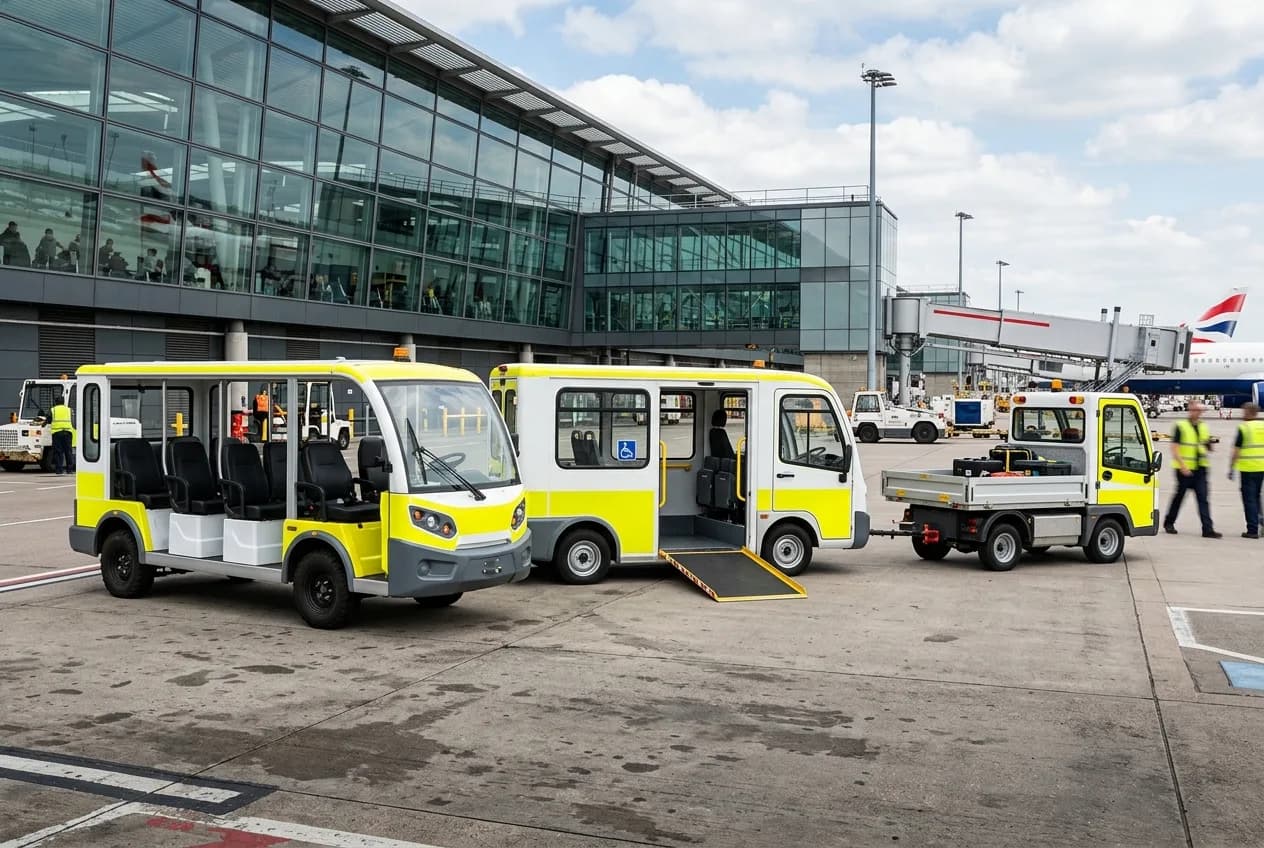
Ground fleets for net-zero plans
Passenger, crew, assistance and utility vehicles, built to order, liveried as your own and specified for airside use, so the ground fleet does its part in your decarbonisation plan.
Bringing the ground fleet into your net-zero plan?
Tell us the vehicles you run, the routes and your airside requirements, and we will recommend electric replacements that cut apron emissions and suit the duty cycle.
Frequently asked questions
Which emissions do electric ground vehicles actually cut?+
They remove the Scope 1 fuel burn from petrol and diesel vehicles on site. The charging electricity sits in Scope 2, which is smaller and falls as the grid gets cleaner or where an airport buys renewable power.
Is there really a 2040 target for airports?+
In our understanding the Government has consulted on a 2040 zero-emission target for England's larger airport operations, alongside the wider Jet Zero ambition. Policy detail can change, so confirm the current position with your operations team and the CAA.
Why are ground vehicles called a quick win?+
The technology is available now, the duty cycles suit a battery, and you are replacing vehicles you already run rather than re-engineering aircraft or airfield. That makes them one of the more actionable parts of a plan.
Do we have to electrify the whole fleet at once?+
No. Most airports phase it, replacing vehicles as they come up for renewal or where the case is clearest. Built-to-order vehicles let later batches match the first.
Can the vehicles still meet airside requirements?+
Yes. Permit, high-visibility livery, lighting and duty-cycle features are specified into the build. Confirm the exact requirements with your airside operations team so the spec is right first time.
Related solutions
Ready to explore what we build?
See the vehicles and the setting this applies to, or get a tailored quote built around your site.

Ready to find the right buggy?
Tell us how and where it will work and we will specify a vehicle and a tailored quote built around you. Every build comes with a 3-year warranty and a 24-hour priority call-out.
Our guides are written and reviewed by the Hawke Electric Vehicles team, the people who specify, build, deliver and support the vehicles. We focus on honest, practical advice and flag where a figure depends on the build rather than guessing.
More guides by Hawke