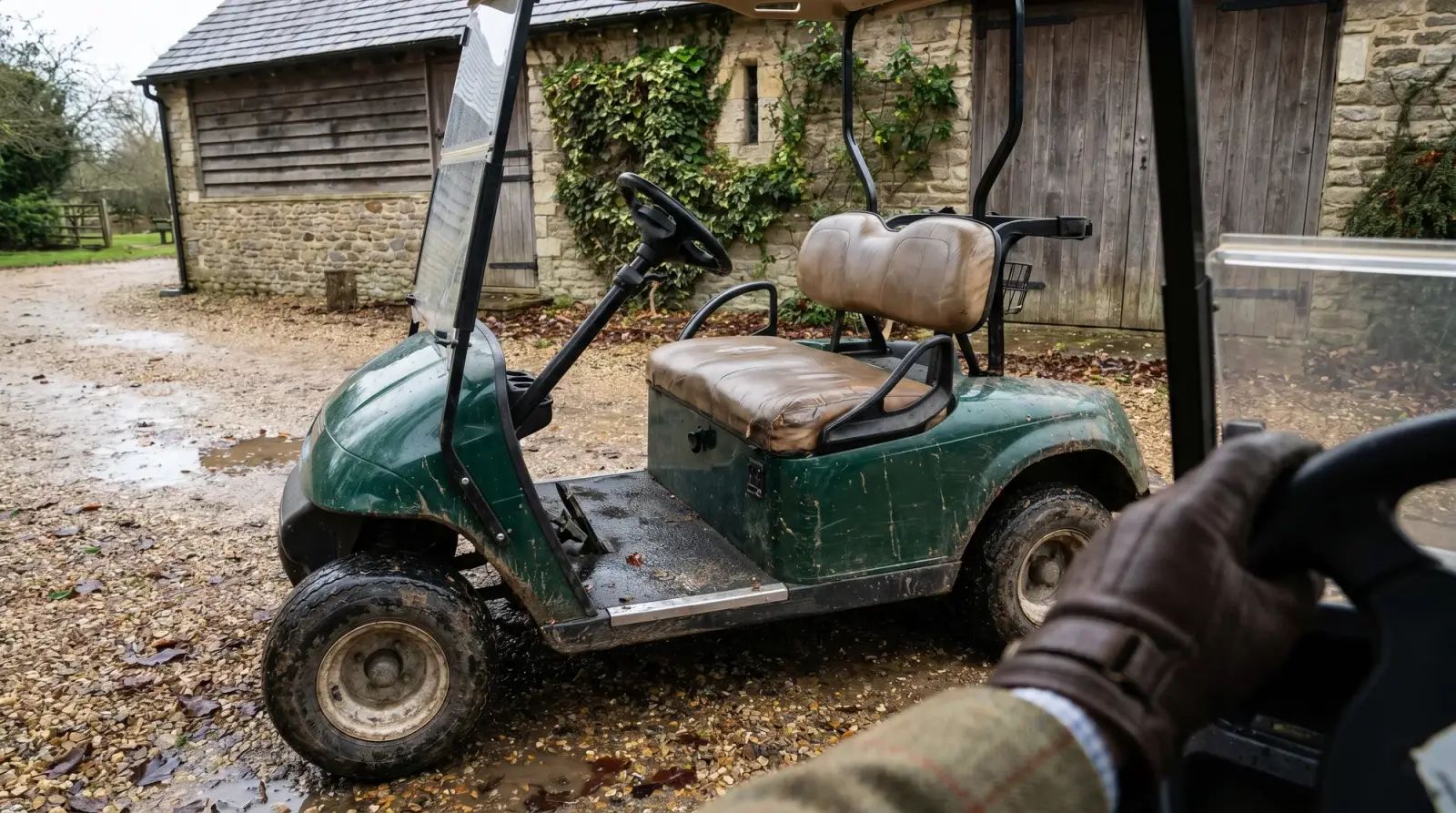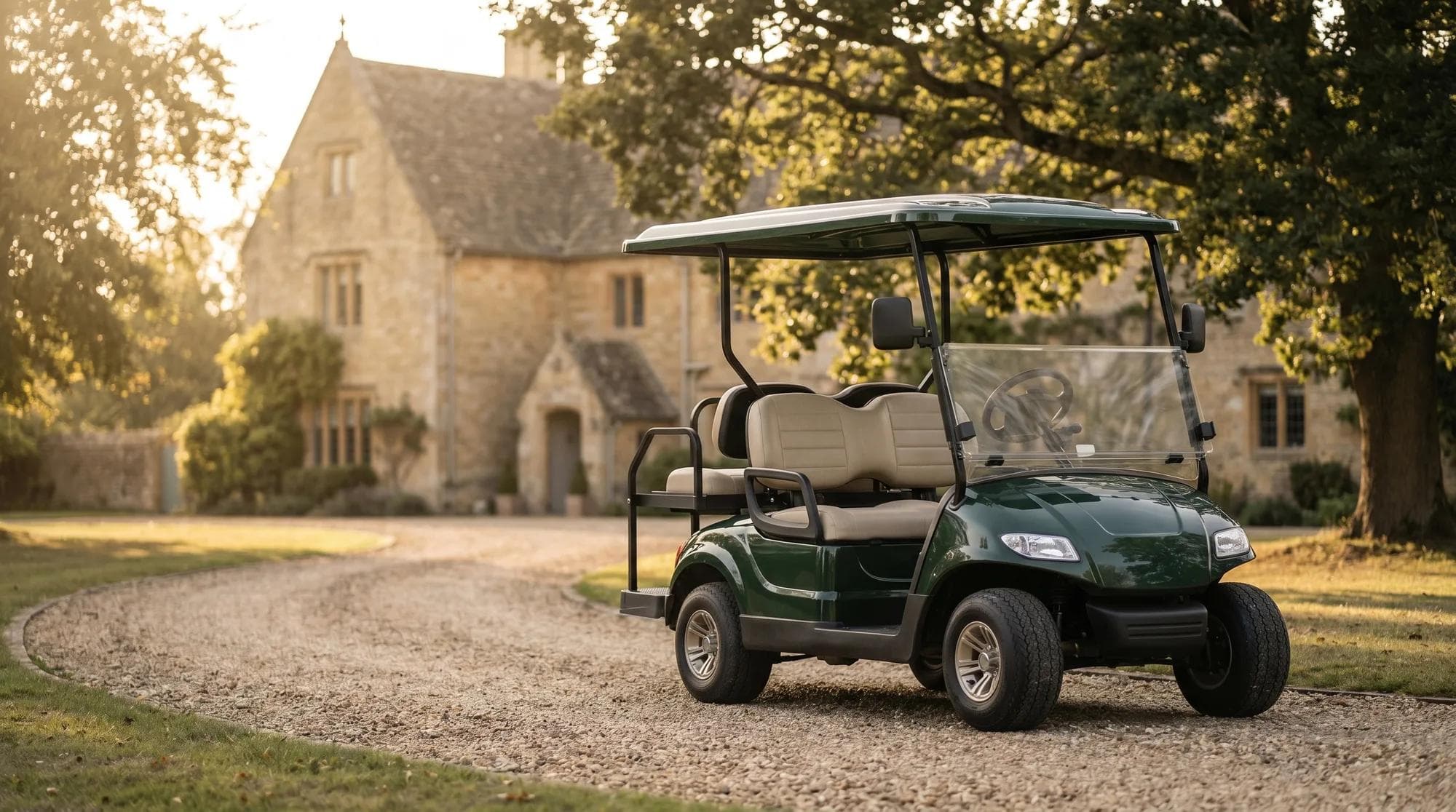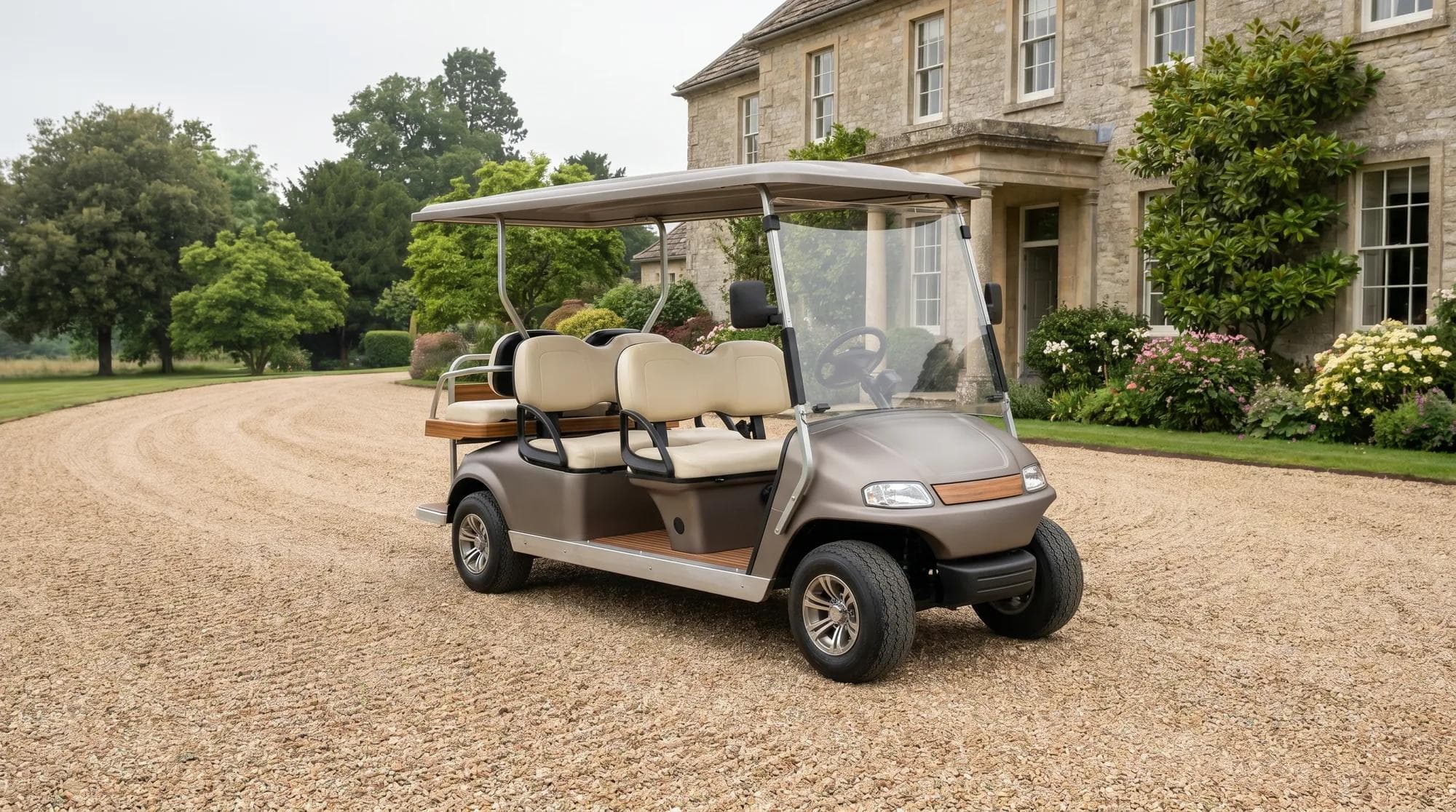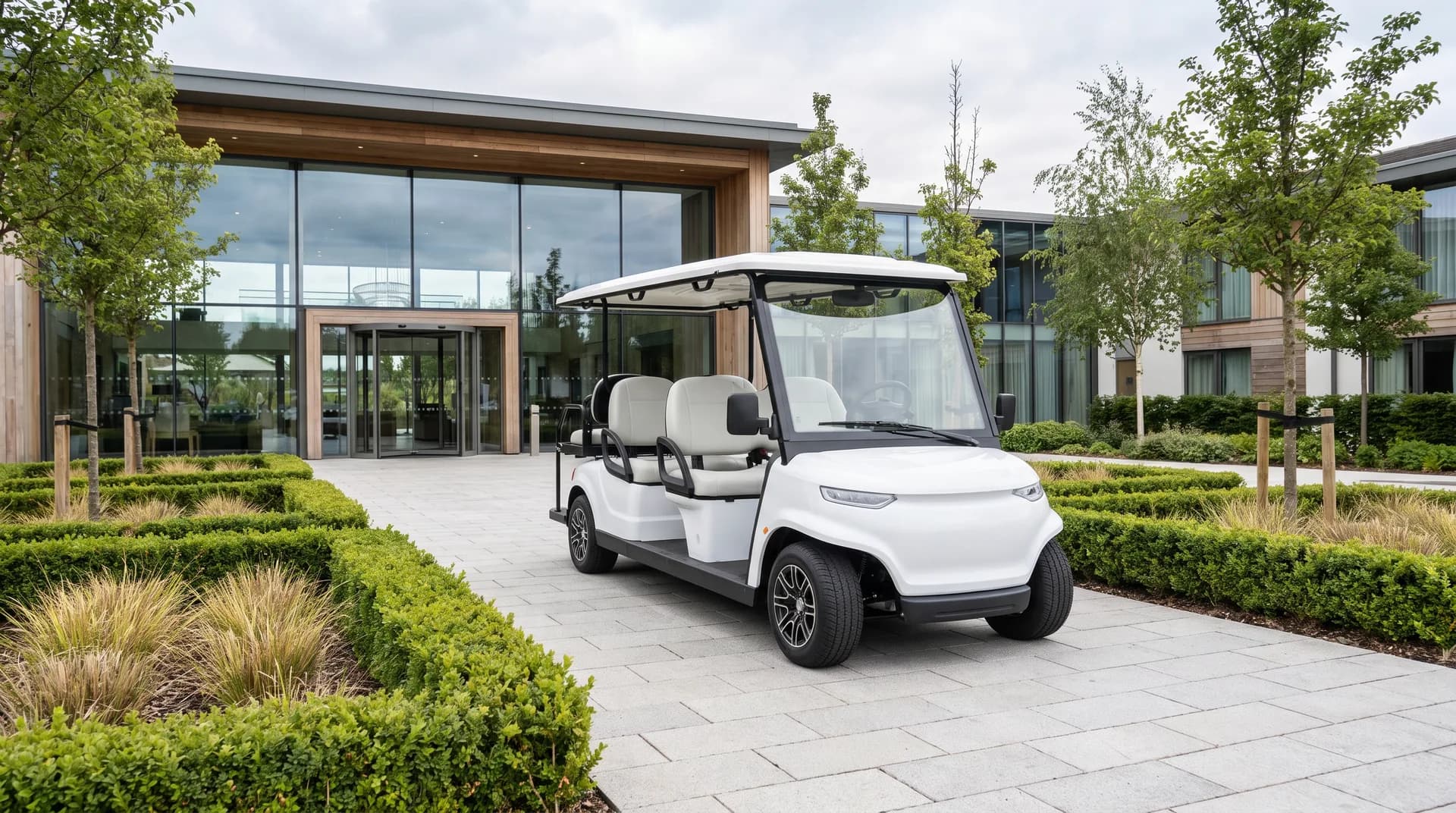
It's a fair question, and the answer isn't always new. A used buggy can save you real money, and an electric drivetrain has little to go wrong. But the part that decides the deal, the battery, is the part you can't see, so the risk sits in a different place from a used car. This guide weighs the two honestly: cost, depreciation, warranty and risk, and who each one suits.
The quick answer
If the buggy will be used most days, or it's a vehicle you'll keep for years, new usually works out better once you count battery life and warranty. If it'll be used lightly or occasionally, and you can inspect it properly, a good used buggy can be the smarter spend. The deciding factor is almost always the battery: a used bargain with a tired pack can cost more than a new buggy once you've replaced it.
- New
- Higher
- Used
- Lower
- New
- Known, fresh, on warranty
- Used
- Unknown age and condition
- New
- Full (3-year)
- Used
- Often none, or short
- New
- Built to your exact use
- Used
- Whatever it came as
- New
- You take the first drop
- Used
- Already absorbed by the seller
- New
- Regular, long-term use
- Used
- Light or occasional use
| New | Used | |
|---|---|---|
| Up-front cost | Higher | Lower |
| Battery | Known, fresh, on warranty | Unknown age and condition |
| Warranty | Full (3-year) | Often none, or short |
| Specification | Built to your exact use | Whatever it came as |
| Depreciation | You take the first drop | Already absorbed by the seller |
| Best for | Regular, long-term use | Light or occasional use |

Why the battery decides it
On any electric buggy the battery is the most expensive single component, and replacing a worn pack can run into four figures. That's why a cheap used buggy isn't automatically a cheap buy. Lead-acid packs typically last only a few years; lithium lasts far longer. So a used buggy with an ageing lead-acid pack may be close to a bill you'll soon be paying, while the same money on a new buggy buys a fresh battery under warranty. If you're comparing chemistries, our lithium versus lead-acid guide explains what each means for life and cost.
What new gives you that used can't
Three things, mainly. A known, fresh battery you're not gambling on. A full warranty, ours runs to three years, plus a 24-hour VIP call-out if anything goes wrong. And a build specified for your exact use, the right seats, roof, battery and finish, rather than living with whatever the previous owner chose. For a vehicle you'll keep and rely on, that certainty is worth paying for.
When used makes more sense
Used isn't the poor relation. If your use is light, your budget is tight, or you simply want to dip a toe in before committing, a well-kept used buggy can be a sound, sensible buy. The key is to buy with your eyes open: inspect the battery first, prefer a dealer with a warranty over a private sale, and factor a likely battery replacement into the price. Our used buying checklist walks through exactly what to check, in order of how much it can cost you.
So which should you buy?
Be honest about how hard the buggy will work and how long you'll keep it. Hard and long, buy new and let the warranty and fresh battery do their job. Light and short, a checked used buggy can save you money. And if the sums are close, remember that a used price plus a likely battery replacement often lands near the new price, at which point new is the better buy. If you'd like to weigh a specific used buggy against a new one specified for you, we're happy to help you compare.
Compare new against used for your use
Tell us how you'll use the buggy and we'll help you weigh a new, specified build against a used option, honestly. Start with a tailored quote.
Frequently asked questions
Is it worth buying a used golf buggy?+
It can be, for light or occasional use and if you inspect it properly. The risk sits in the battery, which is the most expensive part and the hardest to judge. Buy from a dealer with a warranty where you can, and factor a possible battery replacement into the price.
How much does a used golf buggy cost compared to new?+
A used buggy costs less up front, with the gap depending on age, battery condition and use. But if the pack is near the end of its life, the cost of a replacement can close that gap quickly, so compare the used price plus a likely battery replacement against the new price before deciding.
Do used golf buggies come with a warranty?+
Often not, or only a short one, especially on a private sale. Buying new gives you a full warranty (ours is three years) and a 24-hour VIP call-out. A reputable dealer may offer a warranty on a checked used buggy, which is worth paying a little more for.
Should I buy a new or used electric golf buggy?+
For regular, long-term use, new usually wins once you count battery life and warranty. For light or occasional use, a well-kept used buggy can be the sensible buy. The battery is the deciding factor in almost every case.
Related solutions
Ready to explore what we build?
See the vehicles and the setting this applies to, or get a tailored quote built around your site.
Ready to find the right buggy?
Tell us how and where it will work and we will specify a vehicle and a tailored quote built around you. Every build comes with a 3-year warranty and a 24-hour priority call-out.
Our guides are written and reviewed by the Hawke Electric Vehicles team, the people who specify, build, deliver and support the vehicles. We focus on honest, practical advice and flag where a figure depends on the build rather than guessing.
More guides by Hawke