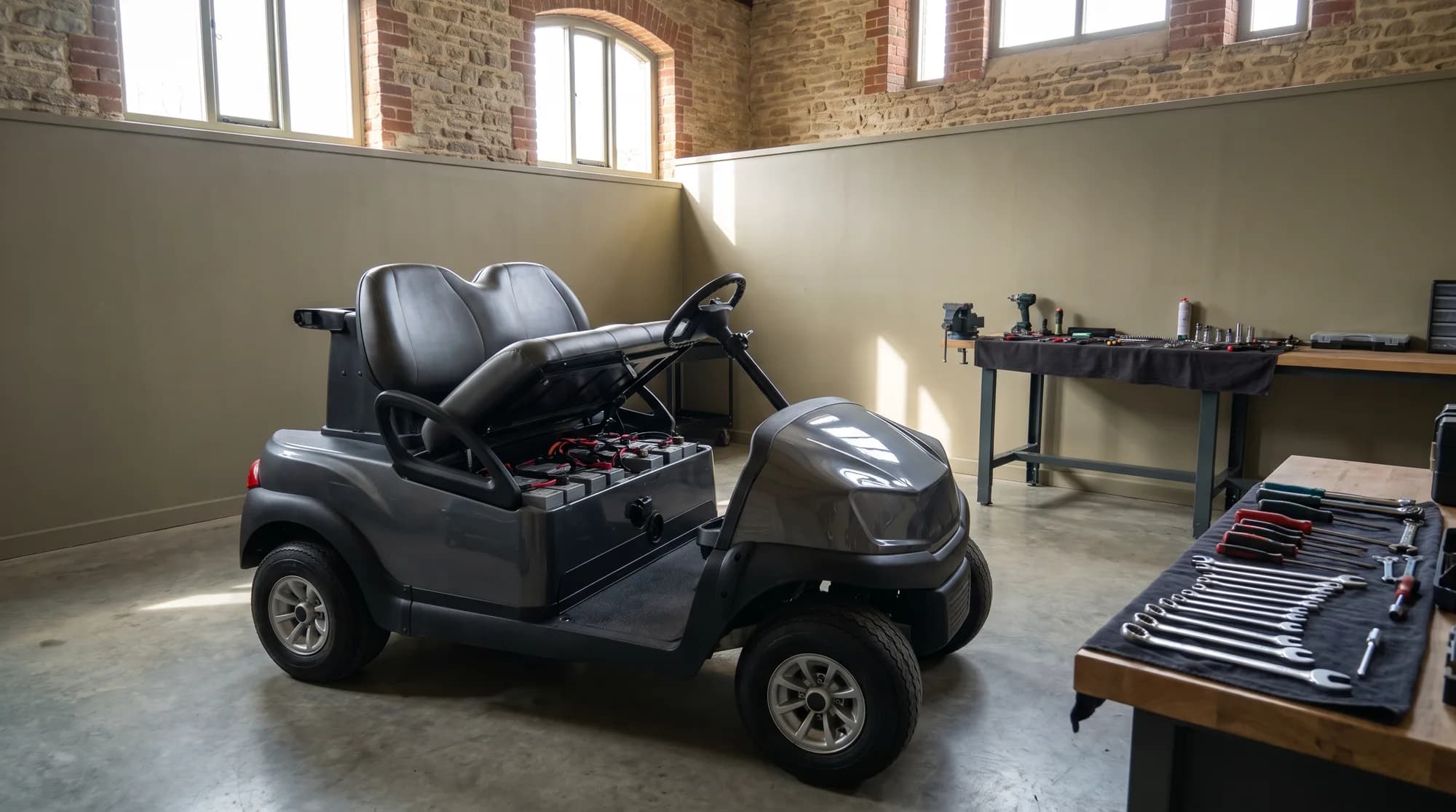
- Lithium is the modern standard: lighter, faster to charge, longer-lived and steadier than lead-acid.
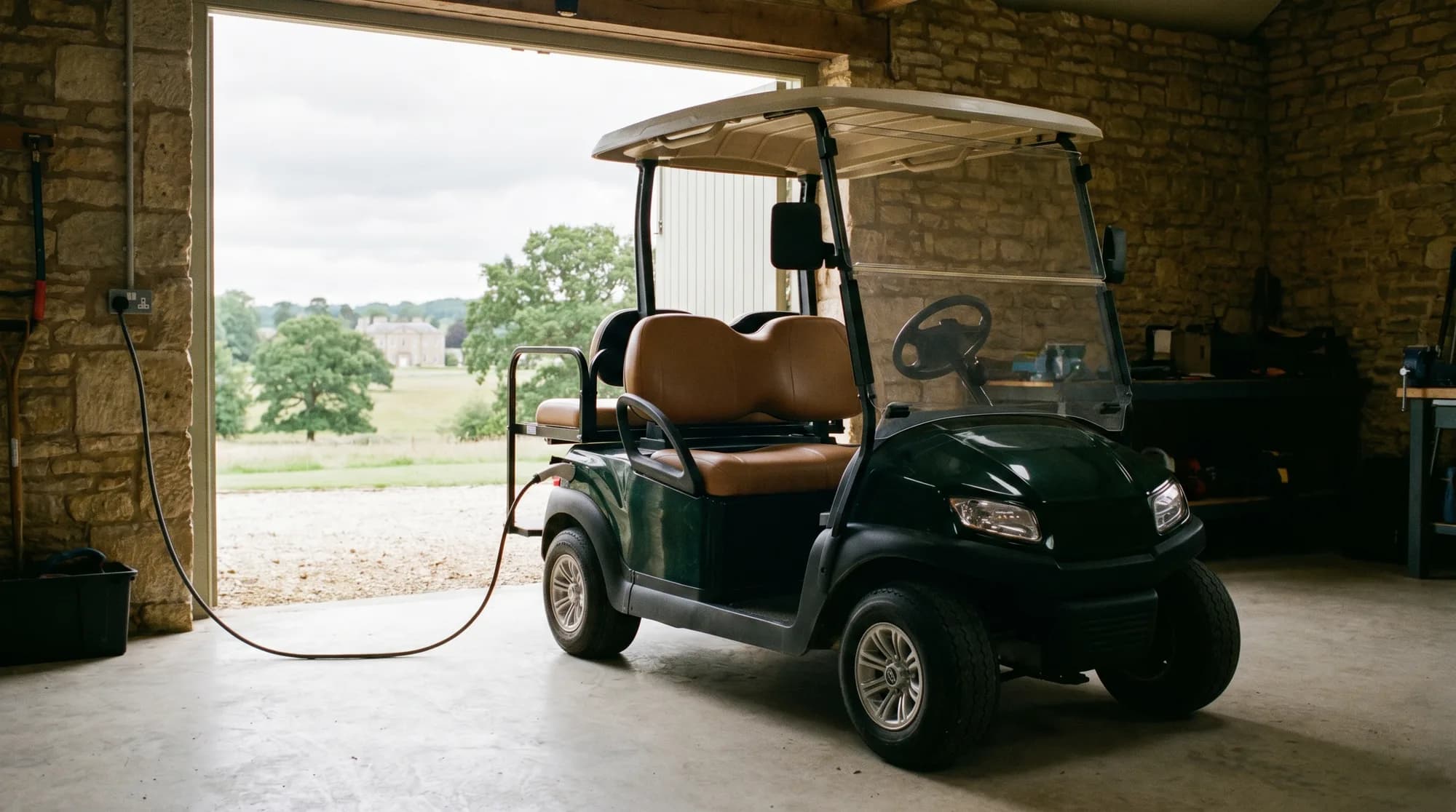
- Charge from a normal domestic supply with the correct charger; routine matters more than power.
- Charge regularly and correctly rather than running flat and leaving it, which shortens any battery's life.
- Cold British winters reduce range and need a sensible storage and charging routine.
- On a used buggy, battery health is the single biggest unknown, so always test it.
How do you charge and look after a golf buggy battery in the UK? With the correct charger from an ordinary domestic supply, a regular charging routine and a little extra care through winter. The battery is the heart of an electric buggy, the most expensive part and the one that most affects day-to-day reliability, so it pays to understand it. This guide covers lithium versus lead-acid, charging at home and looking after the battery through the seasons. For the wider buying decision see the electric golf buggy buyer's guide, and browse the range for the buggies themselves.
Lithium versus lead-acid
There are two main battery types in golf buggies, and the difference is significant. Lead-acid is the older technology: cheaper to make but heavy, slower to charge and shorter-lived, with performance that sags as it drains. Lithium is the modern standard, and it is what we build with, because it is lighter, charges faster, holds steady performance through the charge and lasts considerably longer.
- Lithium
- Lighter
- Lead-acid
- Heavier
- Lithium
- Faster
- Lead-acid
- Slower
- Lithium
- Steady
- Lead-acid
- Tails off
- Lithium
- Longer
- Lead-acid
- Shorter
- Lithium
- Low
- Lead-acid
- More involved
| Factor | Lithium | Lead-acid |
|---|---|---|
| Weight | Lighter | Heavier |
| Charging speed | Faster | Slower |
| Performance as it drains | Steady | Tails off |
| Lifespan | Longer | Shorter |
| Maintenance | Low | More involved |
Charging at home
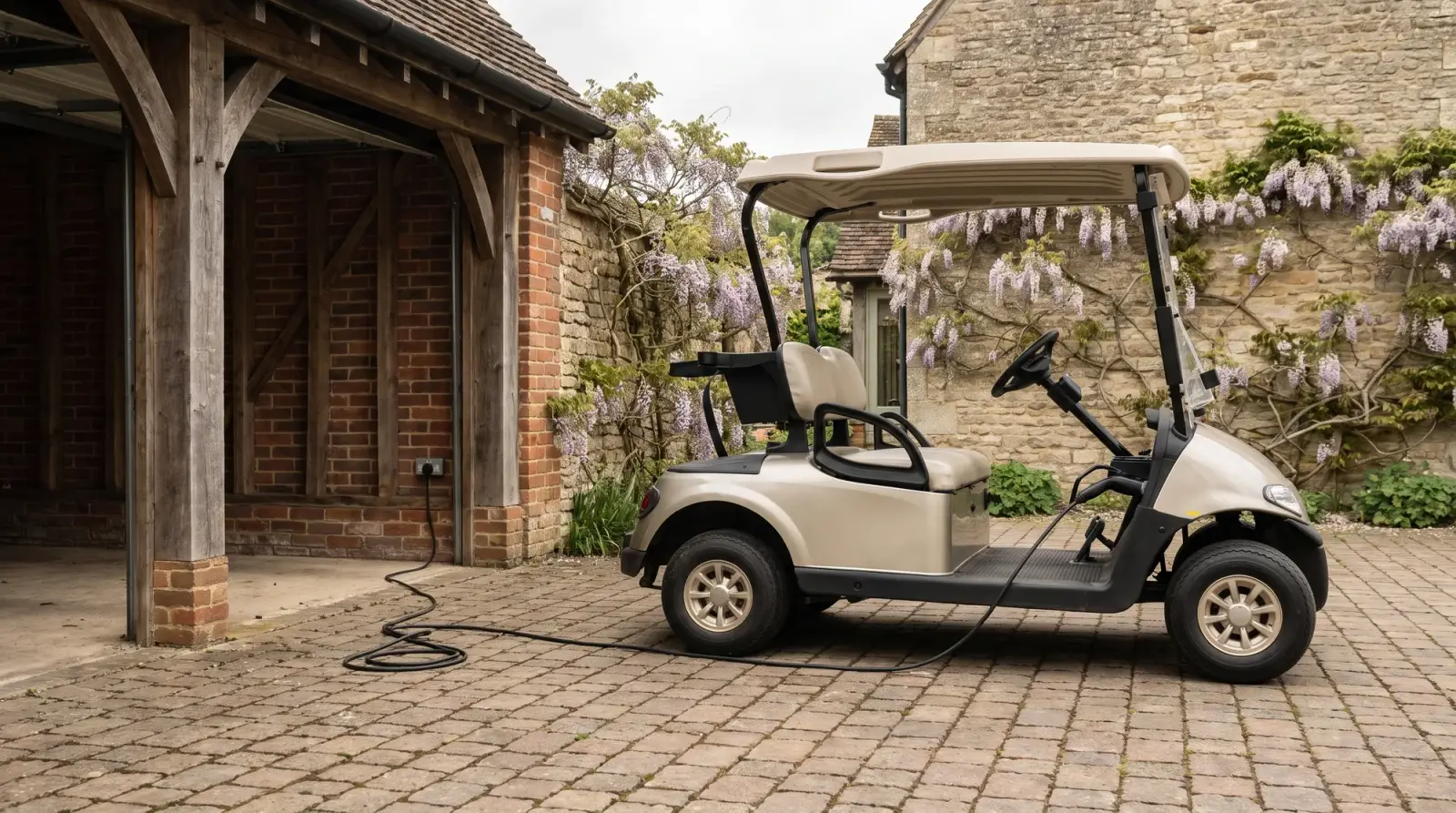
Charging a golf buggy is straightforward and works from a normal domestic supply. You do not need an industrial installation for a single buggy; you need somewhere dry to park it, a socket within reach and the correct charger for your battery. The habit matters more than the hardware.
- 01
Park somewhere dry
Charge under cover, in a garage or outbuilding, away from rain and standing water.
- 02
Use the correct charger
Always use the charger matched to your battery type. The wrong charger can damage the battery.
- 03
Charge after use
Get into the habit of charging after a day's use rather than waiting until it is flat.
- 04
Don't leave it flat
Leaving a battery discharged for long periods harms its health. Keep it topped up between uses.
For a club or estate running several buggies, charging becomes a logistics question of points, power and overnight space, which we touch on in our guide to golf club fleets.
Not sure which battery suits your use?
Tell us your typical day, your terrain and where you will charge, and we will recommend the right battery and put together a quote built around it.
Winter and the British weather
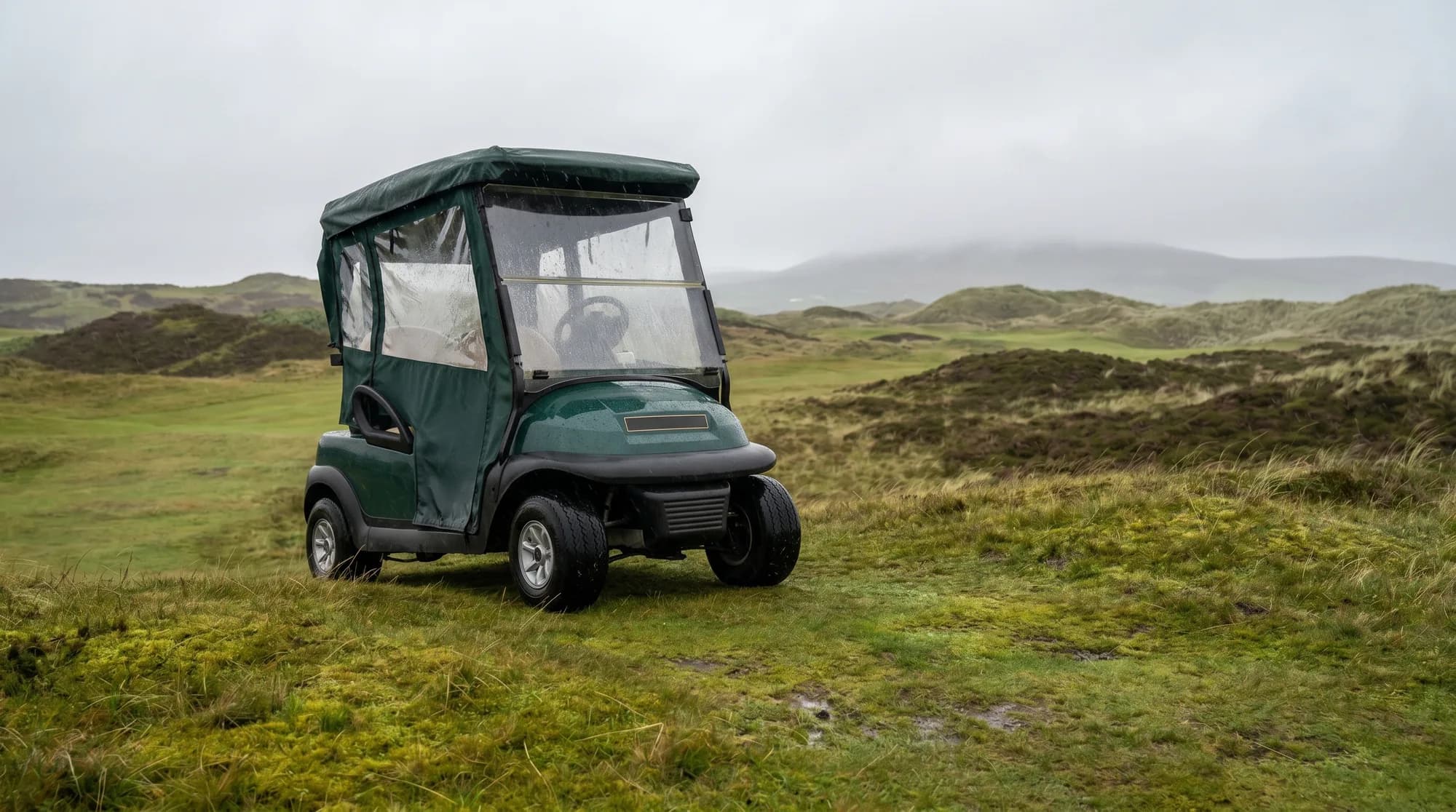
Cold weather affects every battery, reducing the range you get on a charge, so a buggy that easily covers your day in July may need watching in January. Winter is also when buggies sit unused for longer, and a battery left flat and cold over the off-season is a battery you are shortening. A simple seasonal routine avoids that.
- Expect reduced range in cold weather and plan days accordingly.
- Store the buggy somewhere dry and, ideally, sheltered from hard frost.
- Keep the battery charged over the off-season rather than leaving it flat.
- Follow the maker's guidance for your specific battery on long-term storage.
Reading range honestly
Any range figure is a guide, not a guarantee, because so much depends on how the buggy is used. The same battery will go further on a flat, dry day with a light load than up and down wet slopes carrying four people and kit, and cold weather trims it further. That is not a flaw; it is simply physics, and it is why we always talk about real-world range for your site rather than a single headline number.
- Terrain: hills and soft ground use noticeably more charge than flat, firm paths.
- Load: more passengers and kit mean more work for the battery.
- Weather: cold reduces range, and so does driving into wind or rain.
- Driving style: steady use is kinder to range than constant hard acceleration.
The practical lesson is to specify range with headroom for your demanding days, not your easiest ones. Our guide to the best buggies for hills and wet weather goes into how terrain and conditions shape both range and the rest of the spec.
Getting the longest life
A battery looked after well lasts well, and the habits are simple. Charge regularly and correctly, avoid running it flat and leaving it, store it dry and warm enough over winter, and use the right charger every time. Do that and a quality lithium battery rewards you with years of steady service.
None of this is onerous. For most owners it amounts to plugging in after use, keeping the buggy somewhere dry and giving it a thought over winter rather than forgetting it in a cold shed until spring. Those few habits are the difference between a battery that fades early and one that gives its full life, and they cost nothing but attention. If you run several buggies, building the same routine into your daily and seasonal checks keeps the whole fleet reliable.
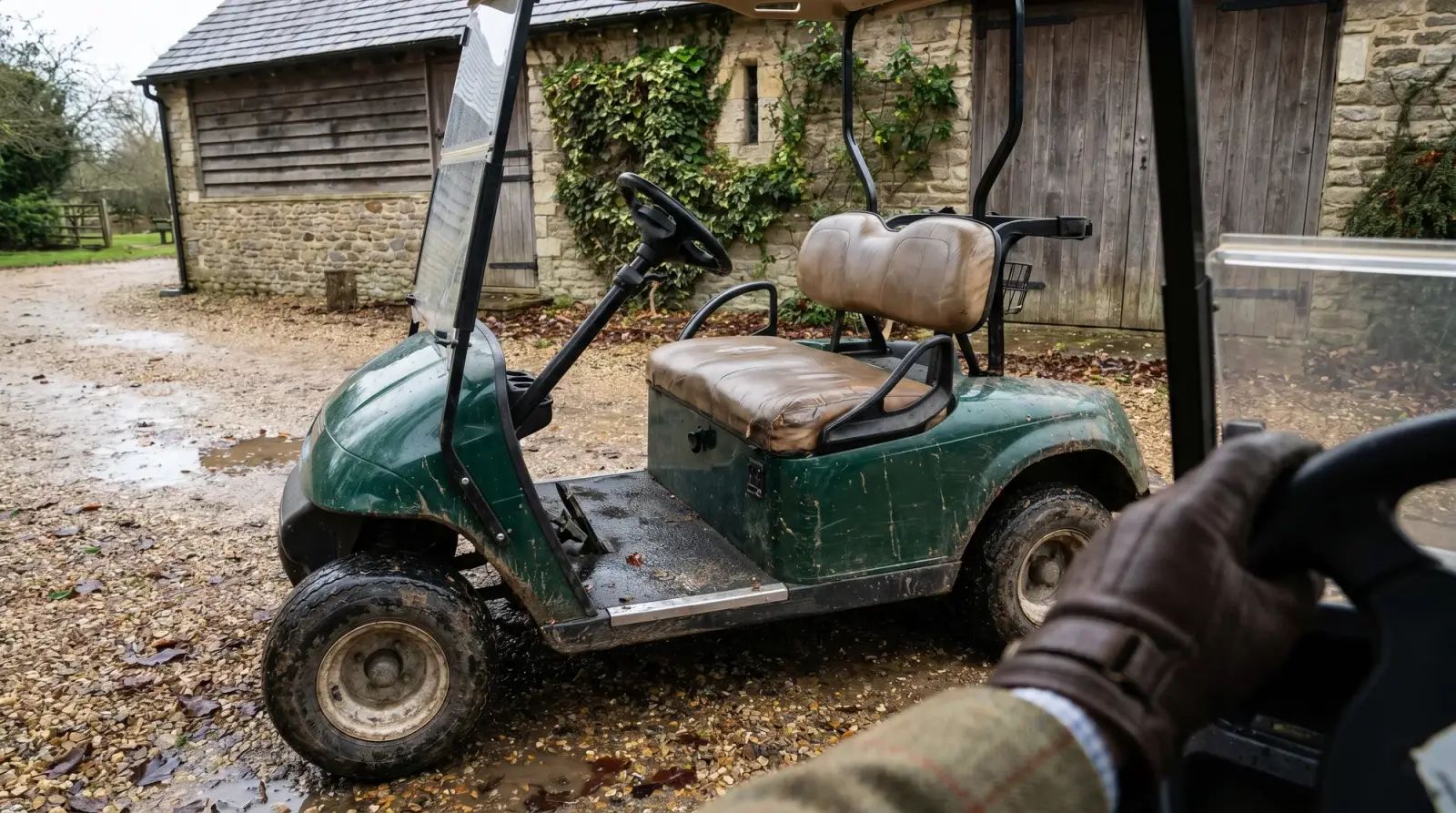
If you are buying used, remember the battery is the biggest unknown and the costliest to replace, so test it properly. Our checklist for buying a used golf buggy shows exactly how, and the rest of our guides cover the wider decisions.
Frequently asked questions
Is lithium better than lead-acid for a golf buggy?+
For most owners, yes. Lithium is lighter, charges faster, holds steady performance as it drains and lasts longer. It costs more upfront but is usually cheaper to live with over time.
Can I charge a golf buggy at home?+
Yes. A single buggy charges from a normal domestic supply. You need a dry place to park, a socket within reach and the correct charger for your battery type.
How do I make the battery last?+
Charge regularly and correctly with the right charger, avoid running it flat and leaving it, and store it dry and charged over winter. Good habits add years of reliable life.
Does cold weather affect the battery?+
Yes. Cold reduces the range you get on a charge, so plan winter days accordingly, store the buggy somewhere dry and sheltered from hard frost, and keep the battery charged through the off-season.
How do I check a used buggy's battery?+
Test it under load over a meaningful distance, ideally up an incline, and watch how fast the charge drops. If the seller won't let you test it, treat that as a warning sign.
Related solutions
Ready to explore what we build?
See the vehicles and the setting this applies to, or get a tailored quote built around your site.

Ready to find the right buggy?
Tell us how and where it will work and we will specify a vehicle and a tailored quote built around you. Every build comes with a 3-year warranty and a 24-hour priority call-out.
Our guides are written and reviewed by the Hawke Electric Vehicles team, the people who specify, build, deliver and support the vehicles. We focus on honest, practical advice and flag where a figure depends on the build rather than guessing.
More guides by Hawke