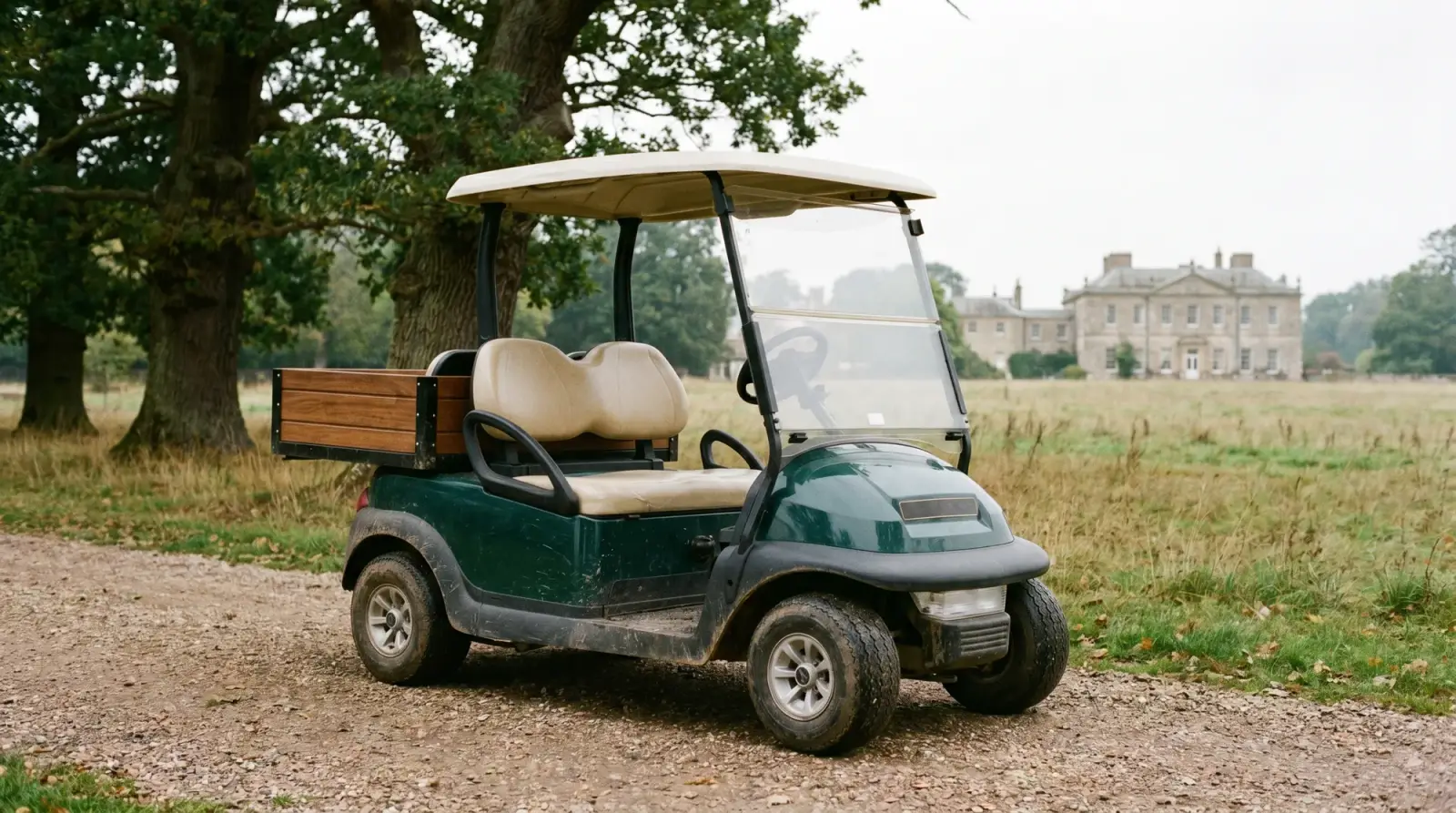
- On an estate a buggy is a working vehicle, so start from the job, not the seat count.
- Decide between passenger, utility or a mix, depending on whether you move people, kit or both.
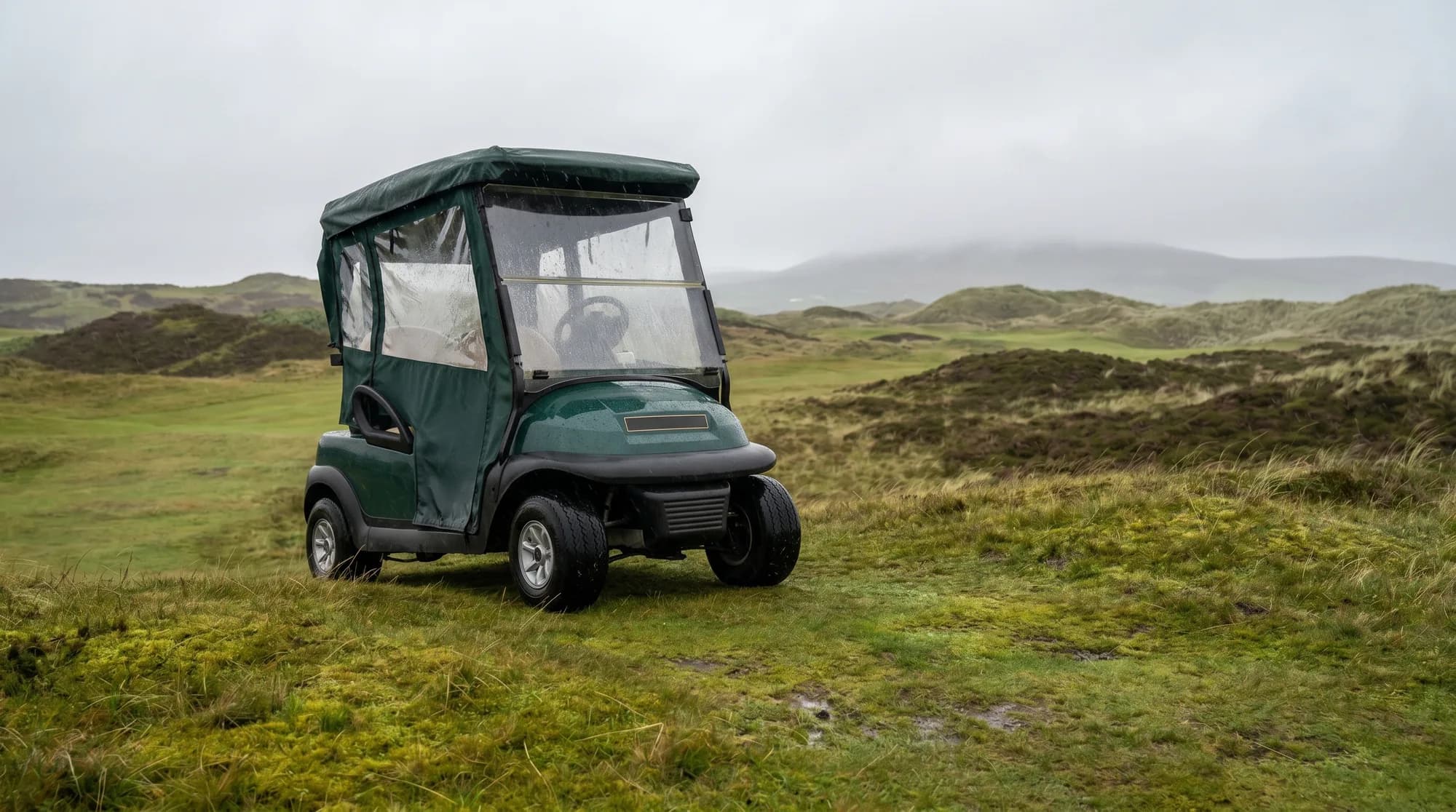
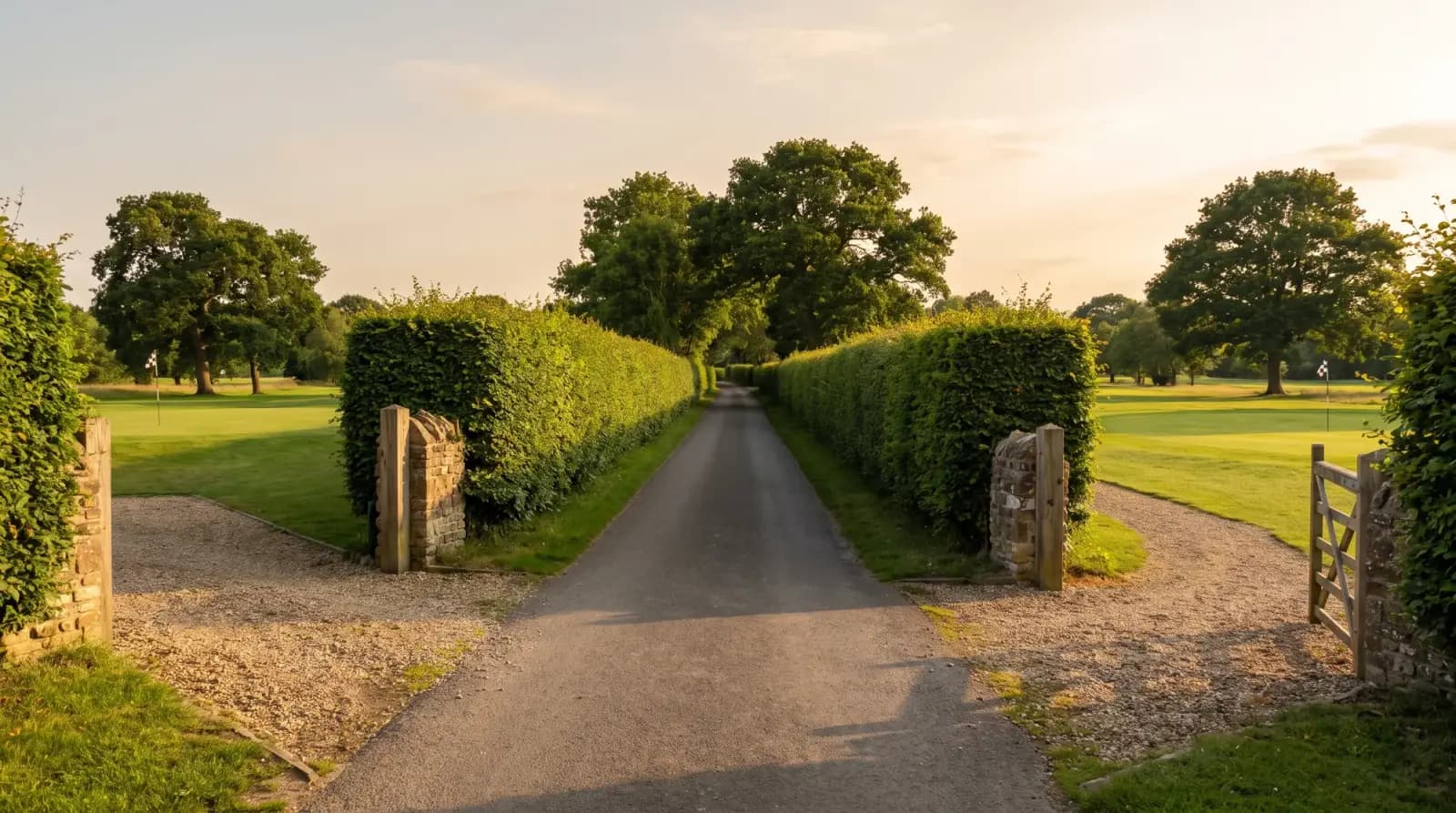
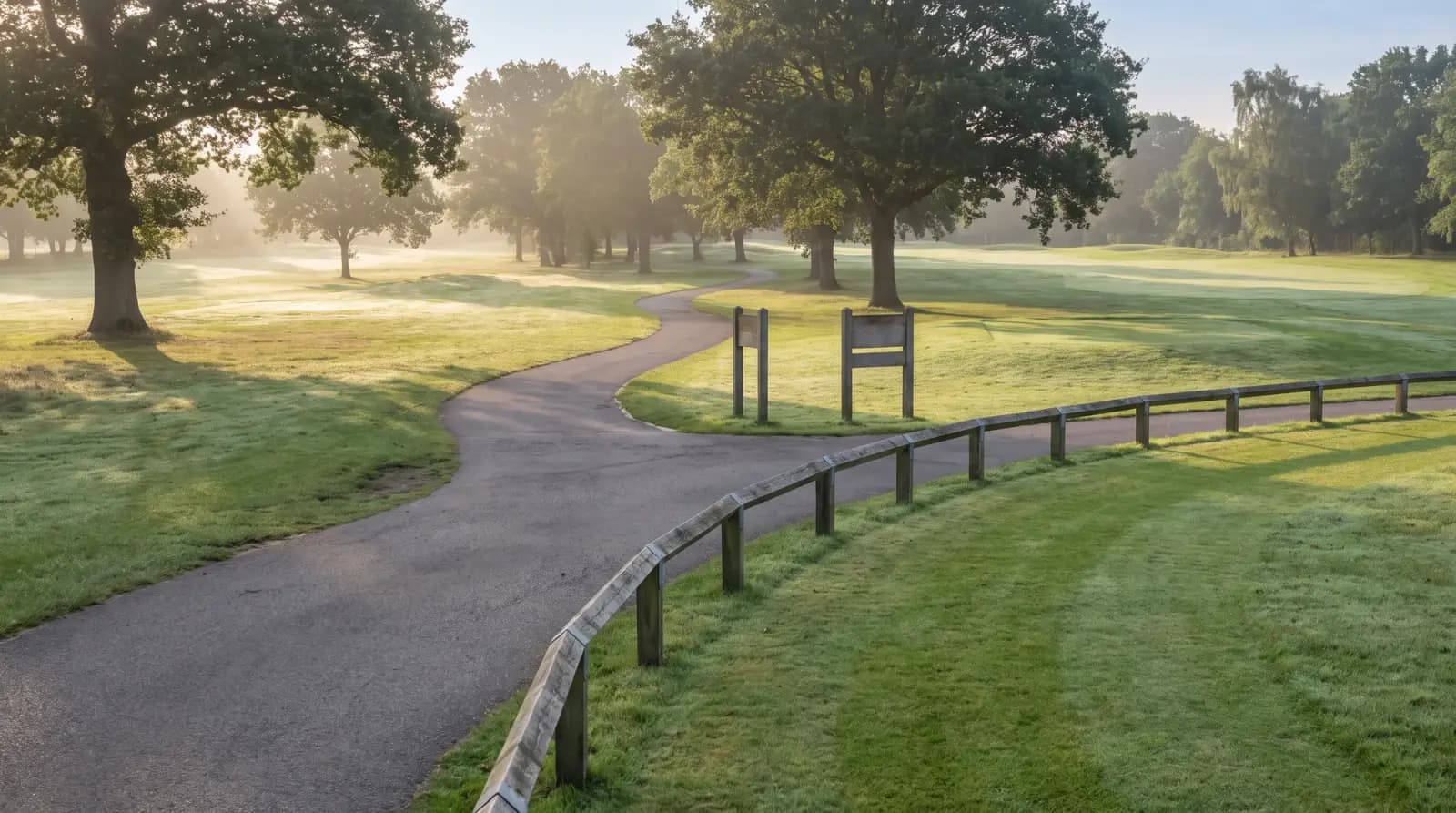
- Terrain and weather drive the spec: British estates mean mud, slopes and rain.
- Quiet electric running suits estates where guests and wildlife are nearby.
- Finish and branding still matter where guests and visitors see the buggy.
What is the right golf buggy for a country estate or grounds team? Whichever one matches the work, because on an estate a buggy is a working vehicle first. It might carry the head gardener and tools to the far paddock one hour and ferry guests from the car park the next. So the choice starts with the job, then the terrain and weather, then how it presents to anyone who sees it. This guide works through those in order. You can see the options across the range and dig into the detail in our guides.
Passenger, utility or both
The first decision is what the buggy mostly carries. Estates vary, and so should the buggy. Be honest about the dominant job, because a passenger buggy pressed into hauling, or a utility buggy used mostly to carry guests, will frustrate either way.
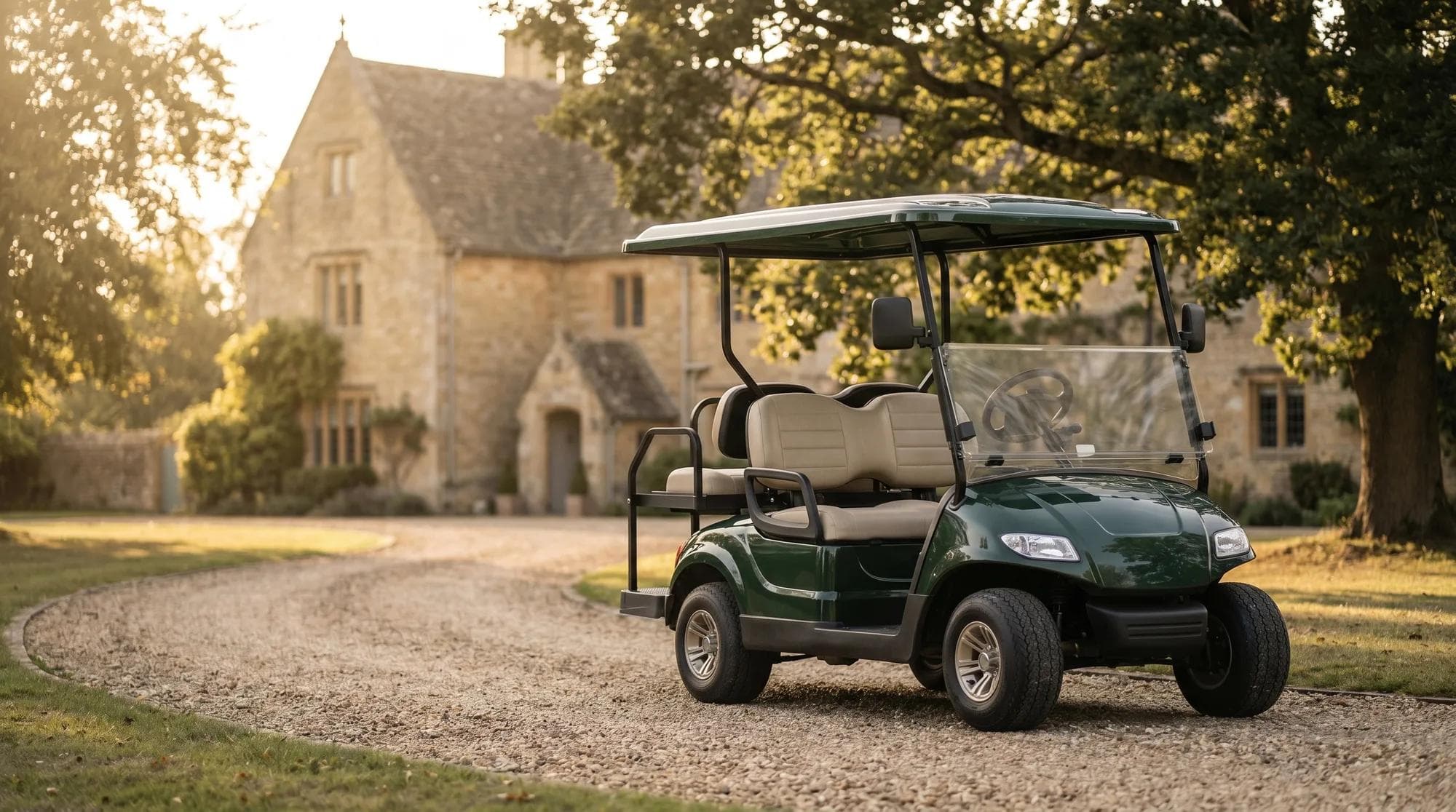
- Passenger: moving people across the grounds, ideal for guests, tours and staff transport.
- Utility: carrying tools, supplies, timber, feed or equipment for the grounds team.
- Mixed use: a buggy that does both, with seats and a cargo area, for smaller teams.
- Larger transport: six to eight seats where you move groups around a bigger estate.
Terrain and weather on a British estate
British estates are not flat, dry and tidy all year. They have slopes, soft ground, muddy tracks and plenty of rain, and the buggy has to cope with all of it to be useful rather than seasonal. This is where specification really matters, because a buggy that struggles on a wet slope or bogs down in mud is a buggy left in the shed.
- Grip and tyres suited to grass, mud and loose tracks, not just smooth paths.
- Enough power and range for slopes and a full working load.
- Weather protection so the team will actually use it in poor conditions.
- Robust build to handle daily working use across rough ground.
Terrain is important enough that we cover it in its own guide, the best golf buggies for hills and wet weather. If your estate is hilly or your ground stays wet, read that alongside this one before you specify.
Quiet, clean electric running
Electric power suits estates particularly well. A quiet buggy does not disturb guests, shooting parties, livestock or wildlife the way a petrol engine does, and there are no fumes around the gardens or near the house. For a setting where atmosphere matters, that quietness is a genuine advantage rather than just a green credential.
On an estate, quiet running is not a luxury. It is what lets the buggy work near guests, livestock and wildlife without intruding.
Spec a buggy for your estate
Tell us the work it will do, the terrain it will cross and how it should look for guests, and we will spec the right buggy and price it to that brief.
Durability for daily working life
An estate buggy rarely gets an easy life. It is out in all weathers, loaded and unloaded daily, driven over rough tracks and pressed into jobs nobody planned for. That makes durability a real part of the specification, not an afterthought. A buggy built to be worked, with a robust chassis, sensible ground clearance and a finish that takes knocks and mud without looking ruined, will repay you for years where a flimsier vehicle would be in for repair.
- A robust chassis and body that cope with daily loading and rough ground.
- Sensible ground clearance for tracks, ruts and uneven lawns.
- Easy cleaning, because an estate buggy gets muddy and needs to come back smart.
- A battery and motor specified for repeated working days, not occasional outings.
Presentation and branding
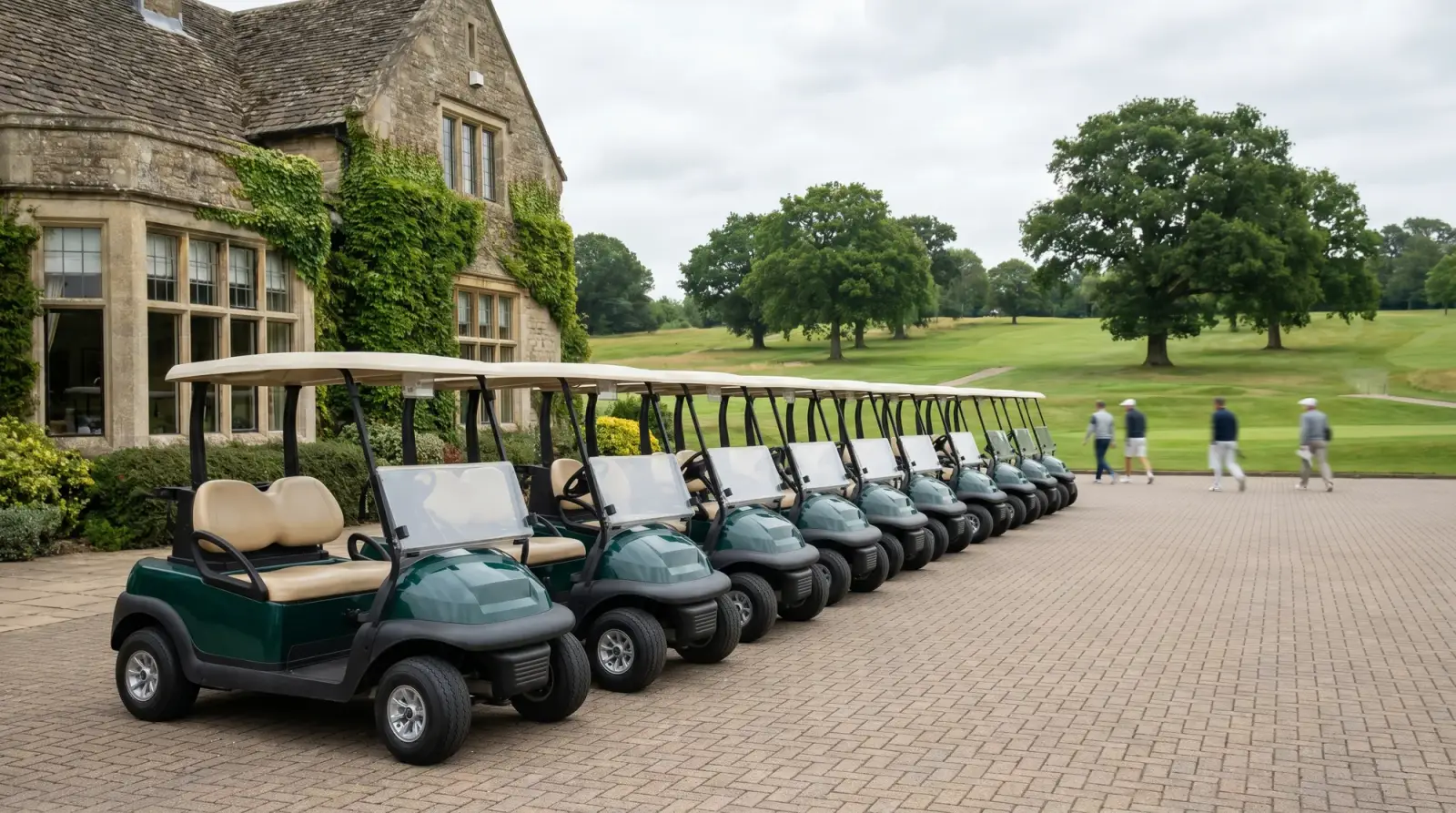
On an estate that hosts guests, weddings, shoots or visitors, the buggy is part of the impression. A scruffy, mismatched runabout undercuts an otherwise immaculate setting, while a well-finished buggy in the estate's colours fits in. As each one is made to order, finish and livery can be matched to the estate, and a small matched set can be ordered together where more than one is needed.
- Lean towards
- Passenger
- Key spec
- Seats, comfort, finish
- Lean towards
- Utility
- Key spec
- Cargo, load capacity
- Lean towards
- Mixed
- Key spec
- Seats plus cargo area
- Lean towards
- All
- Key spec
- Grip, power, weather kit
| If you mostly | Lean towards | Key spec |
|---|---|---|
| Move guests | Passenger | Seats, comfort, finish |
| Haul kit | Utility | Cargo, load capacity |
| Do both | Mixed | Seats plus cargo area |
| Cross rough ground | All | Grip, power, weather kit |
If your estate runs several buggies, the points in our guide to golf club fleets about matched sets, storage and charging apply just as well to estate grounds, and the buyer's guide covers the core spec choices.
Frequently asked questions
What golf buggy is best for a country estate?+
The one that matches the work. Decide first whether it mostly carries people, kit or both, then spec for the estate's terrain and weather, then for how it should present to guests.
Should I choose passenger or utility?+
Choose by the dominant job. Passenger for moving people, utility for hauling tools and supplies, or a mixed buggy with seats and a cargo area for teams that genuinely do both every day.
Will a buggy cope with muddy, hilly ground?+
A properly specified one will, with suitable tyres, enough power and range for slopes and load, and weather protection. Our hills and wet weather guide covers what to look for.
Why electric for an estate?+
Quiet, clean running does not disturb guests, livestock or wildlife and leaves no fumes around the gardens or house. On a setting where atmosphere matters, that is a real advantage.
Can estate buggies be branded?+
Yes. Because they are made to order, finish and livery can be matched to the estate, and a small matched set can be ordered together where more than one buggy is needed.
Related solutions
Ready to explore what we build?
See the vehicles and the setting this applies to, or get a tailored quote built around your site.
Ready to find the right buggy?
Tell us how and where it will work and we will specify a vehicle and a tailored quote built around you. Every build comes with a 3-year warranty and a 24-hour priority call-out.
Our guides are written and reviewed by the Hawke Electric Vehicles team, the people who specify, build, deliver and support the vehicles. We focus on honest, practical advice and flag where a figure depends on the build rather than guessing.
More guides by Hawke