For a fleet that runs every day, the purchase price is only part of the story. Running cost is where electric pulls ahead, and over the years the gap widens. This guide walks through the cost of ownership in practice, energy against fuel, servicing, parts and downtime, then the environmental and noise benefits and the situations where electric clearly wins.
- Electricity per mile is a fraction of petrol, and there is far less to service.
- No engine oil, filters, belts or fuel storage to maintain.
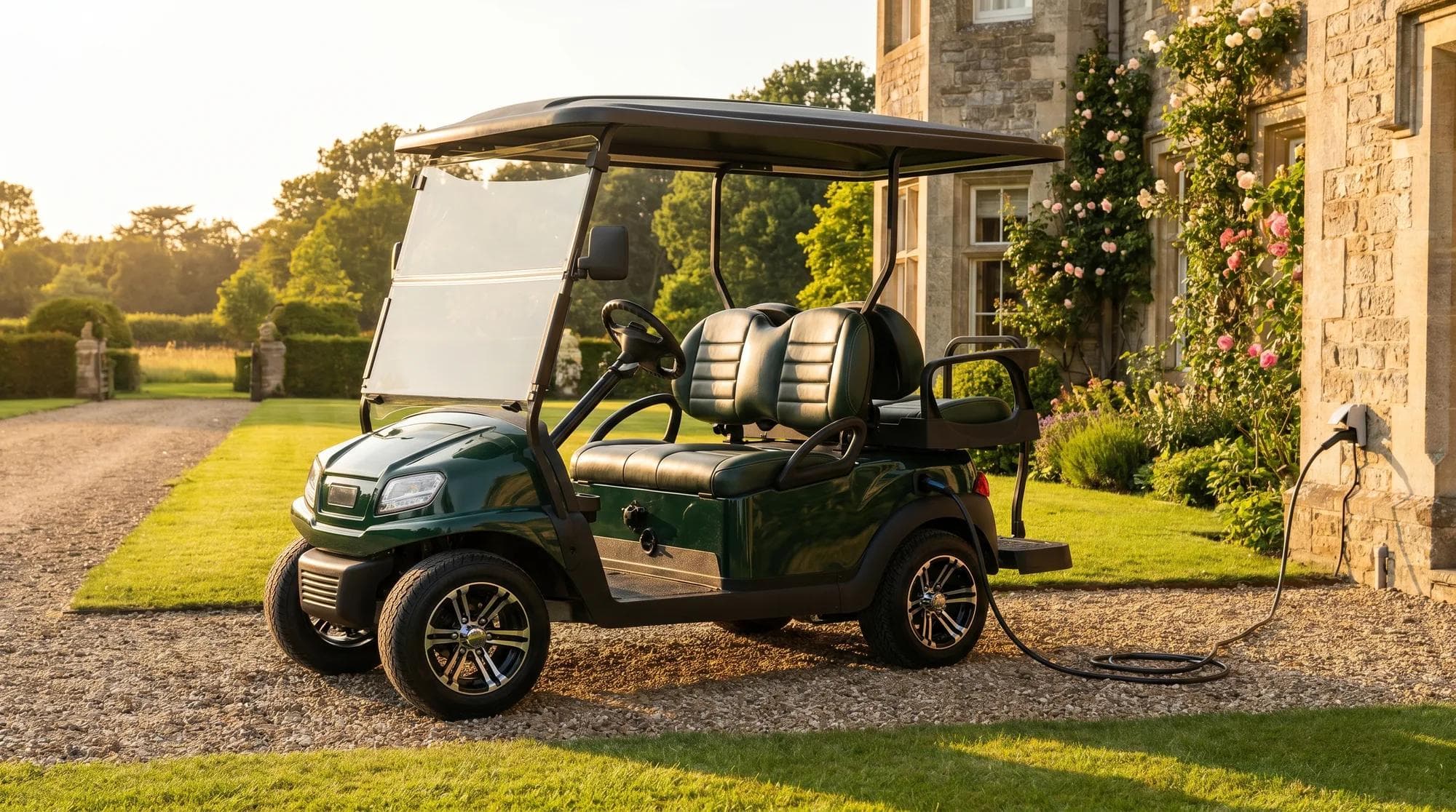
- Electric runs quietly with no fumes, which suits guests, grounds and wildlife.
- Lithium lowers the long-run cost further through longer life and faster charging.
- Over the years, electric almost always costs less to run than petrol.
Energy against fuel
Charging from the grid costs a fraction of running a petrol engine, and electricity prices are far steadier than fuel at the pump. The per-use difference looks small on a single buggy, but across a busy fleet making dozens of trips a day it compounds quickly. There is also no fuel to buy, store, secure or account for, which removes a recurring cost and a safety consideration from the operation entirely. Over a year of regular use the saving on energy alone is usually the largest single line in the comparison.
Servicing, parts and downtime
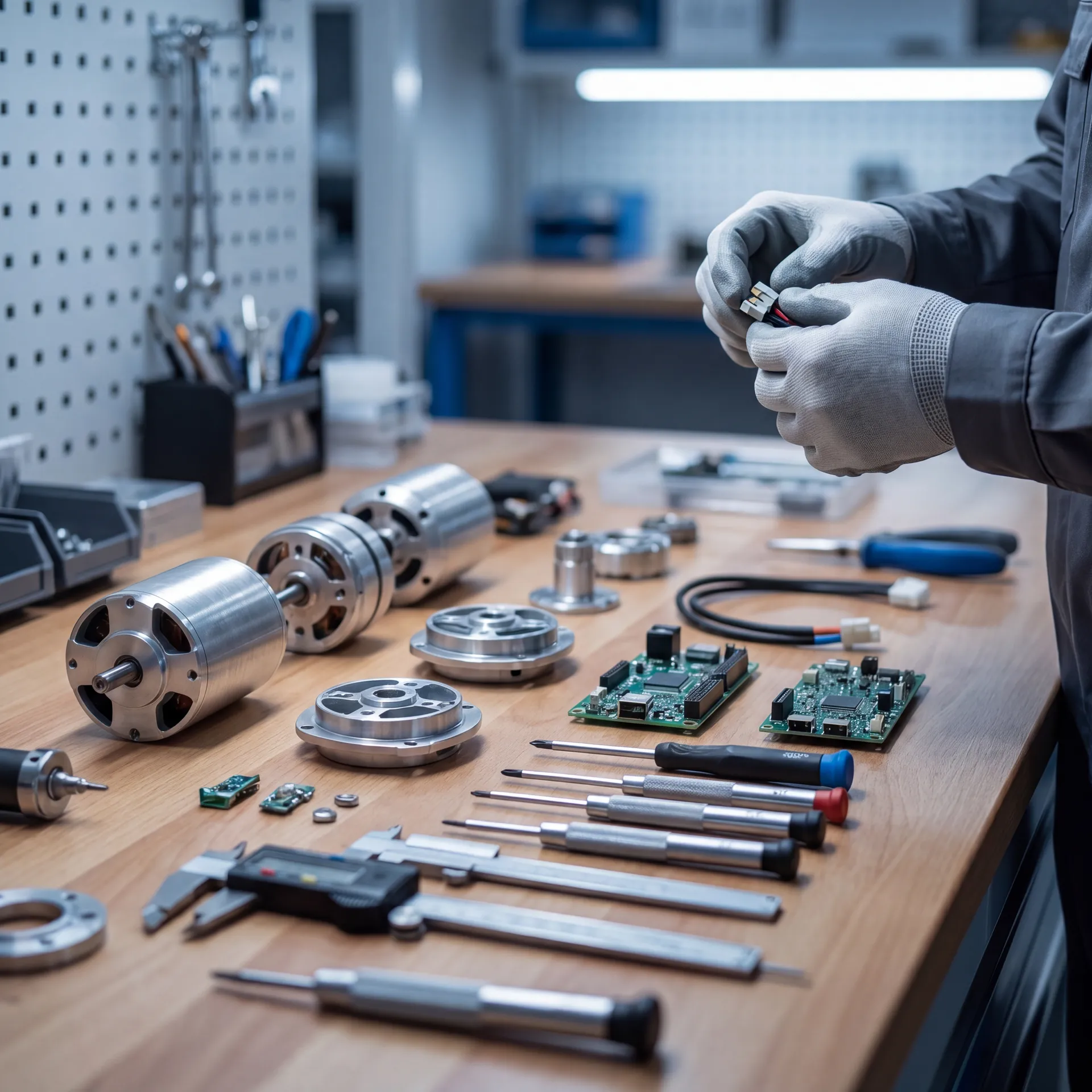
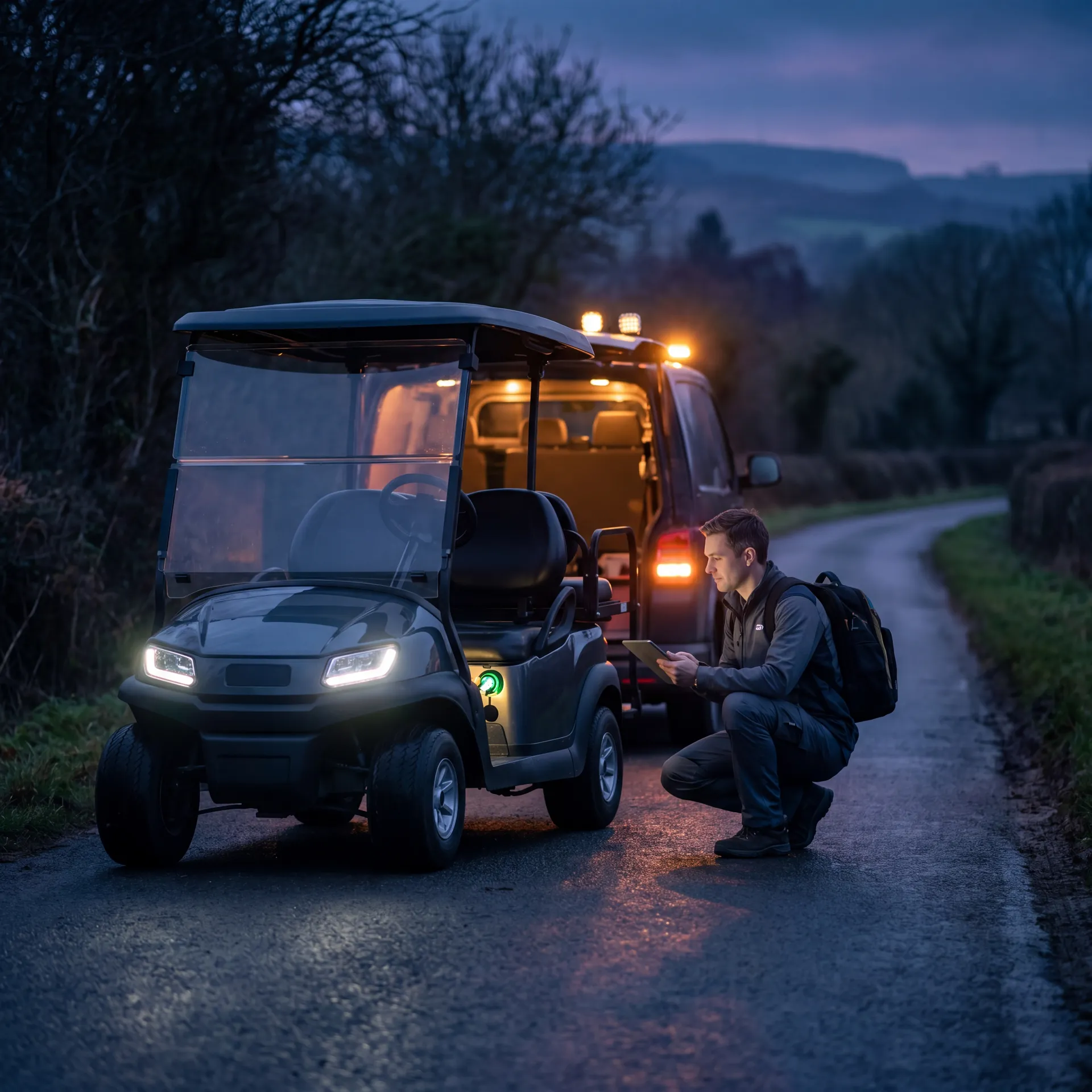
Electric drivetrains have far fewer moving parts than petrol engines, so there is simply less to go wrong and less to service. No oil changes, no filters, no spark plugs, no exhaust, no fuel system: servicing is lighter, cheaper and more predictable, and the parts that do wear (tyres, brakes, the battery in time) are familiar and straightforward. Fewer parts also means fewer breakdowns, and downtime is the cost owners most often underestimate, because a vehicle off the road is a vehicle not earning or not serving guests. With our 3-year warranty and 24-hour VIP call-out behind the fleet, a fault is covered and attended to quickly rather than left to mount up.
- Petrol
- Higher, volatile
- Electric
- Lower, steadier
- Petrol
- Oil, filters, plugs, exhaust
- Electric
- Lighter, fewer parts
- Petrol
- Many
- Electric
- Few
- Petrol
- Loud
- Electric
- Near-silent
- Petrol
- Yes
- Electric
- None
| Petrol | Electric | |
|---|---|---|
| Energy per use | Higher, volatile | Lower, steadier |
| Servicing | Oil, filters, plugs, exhaust | Lighter, fewer parts |
| Moving parts | Many | Few |
| Noise | Loud | Near-silent |
| Local emissions | Yes | None |
A worked example over the years
Take a buggy in daily service. The petrol version costs more to fuel every week, needs regular engine servicing with its oil, filters and plugs, and carries more parts that can fail and take it off the road. The electric equivalent charges overnight for a fraction of the fuel cost, needs far lighter servicing, and runs more reliably. Over several years the fuel saving and the lower servicing bill together usually outweigh any difference in purchase price, and the electric vehicle spends more of its life available rather than in the workshop. As a guide, the heavier and more frequent the use, the sooner electric repays the difference.
Environmental and noise benefits
Silent running and zero local emissions are not just nice to have. Near-silent operation lets you run early in the morning or late at night near rooms and homes without complaint, and work indoors or in enclosed spaces where engine fumes would be unacceptable. Zero local emissions matter on a resort, a golf course or an estate where air quality is part of the experience, and they position a fleet well for tightening rules and guest expectations around clean operation. Quiet, clean vehicles also simply feel more in keeping with a premium setting than a petrol engine.
Where electric clearly wins
Some uses make the case obvious. A resort moving guests from early until late benefits from silent, clean transfers near rooms. A golf club running a fleet across the course every day gains from the lower energy and servicing costs at scale. An estate working grounds at dawn can do so without waking guests or disturbing wildlife. Anywhere vehicles operate indoors, near people, or for long hours, electric wins not only on cost but on how the operation feels to be around.
Cheaper to run, quieter to live with, and ready for where the rules are heading.
The clearest way to see the numbers for your operation is to tell us how and where you run vehicles, and we will set the running-cost case out honestly against what you have now.
See the running-cost case for your fleet
Tell us how and where you operate and we will set out the cost of ownership honestly. Configure a vehicle or request a tailored quote.
Frequently asked questions
Are electric buggies really cheaper to run than petrol?+
Yes. Electricity per use is a fraction of petrol, servicing is lighter with far fewer parts, and there is no fuel to buy or store. For regular use the fuel and servicing savings usually outweigh any difference in purchase price over the years.
Do electric buggies need much servicing?+
Less than petrol. With no oil, filters, plugs or exhaust, servicing is lighter and more predictable. The main wear items are tyres, brakes and, in time, the battery, all of which are straightforward.
Why does noise and emissions matter for a buggy?+
Near-silent, zero-emission running lets you operate early, late, indoors and near guests without complaint, which suits resorts, golf courses and estates where air quality and quiet are part of the experience.
Related solutions
Ready to explore what we build?
See the vehicles and the setting this applies to, or get a tailored quote built around your site.

Ready to find the right buggy?
Tell us how and where it will work and we will specify a vehicle and a tailored quote built around you. Every build comes with a 3-year warranty and a 24-hour priority call-out.
Our guides are written and reviewed by the Hawke Electric Vehicles team, the people who specify, build, deliver and support the vehicles. We focus on honest, practical advice and flag where a figure depends on the build rather than guessing.
More guides by Hawke