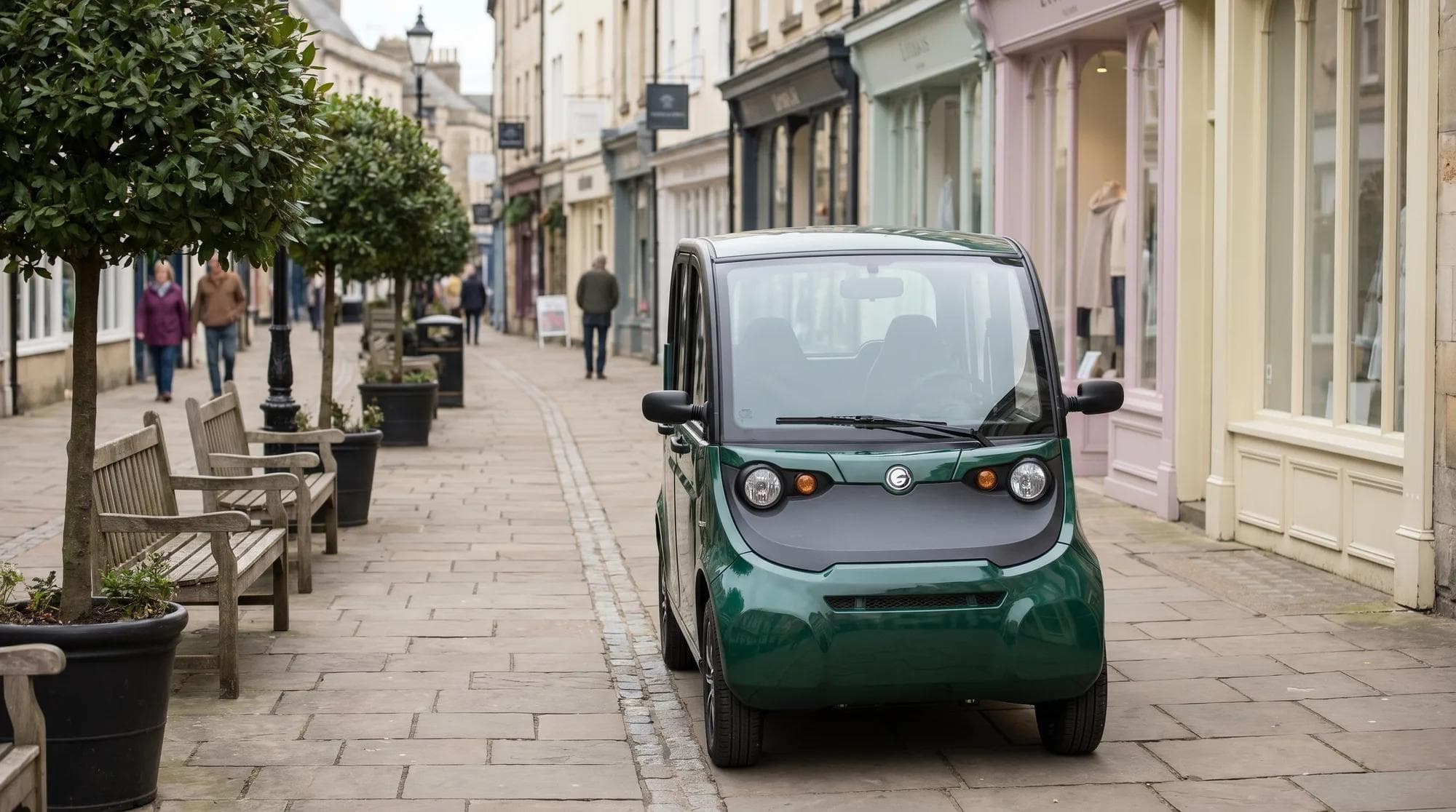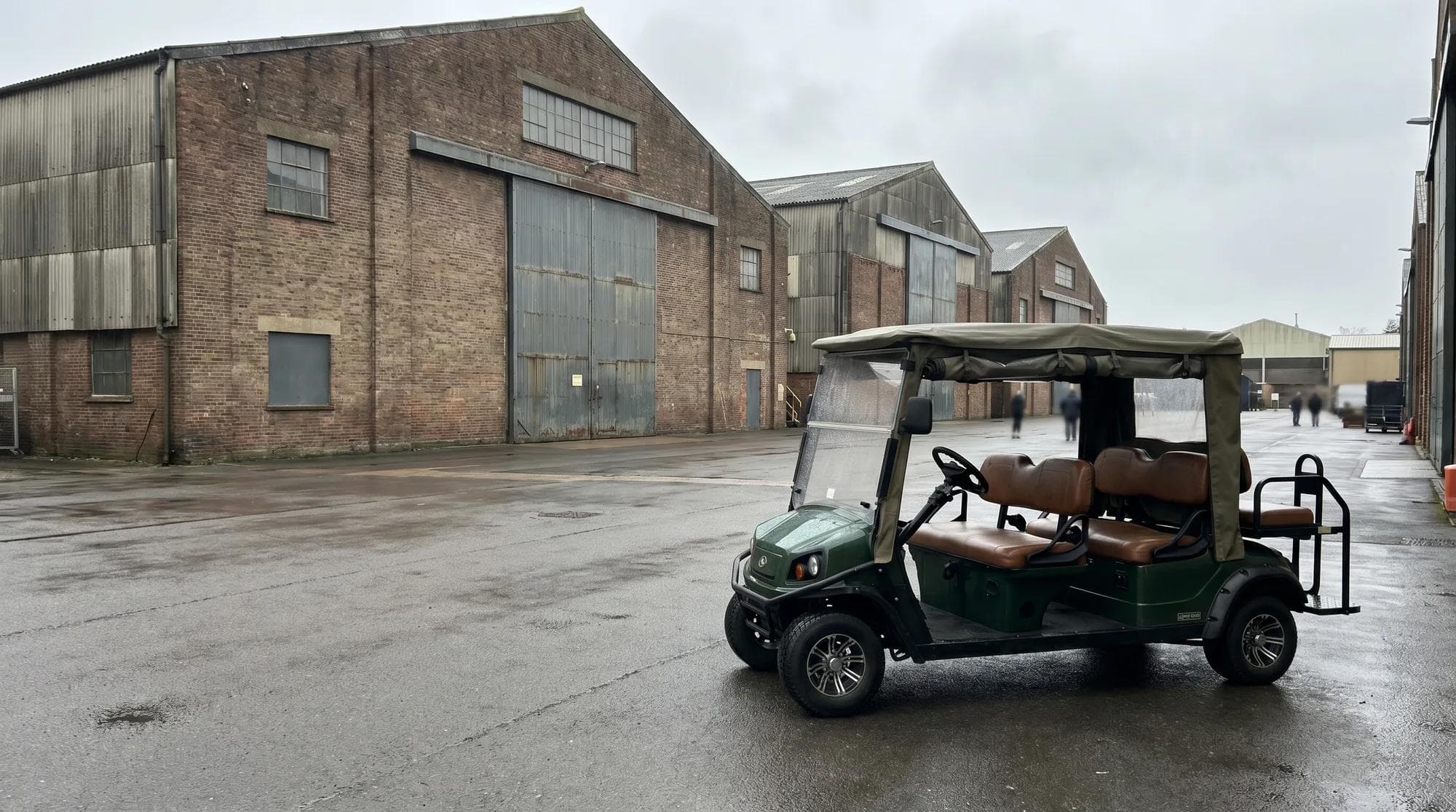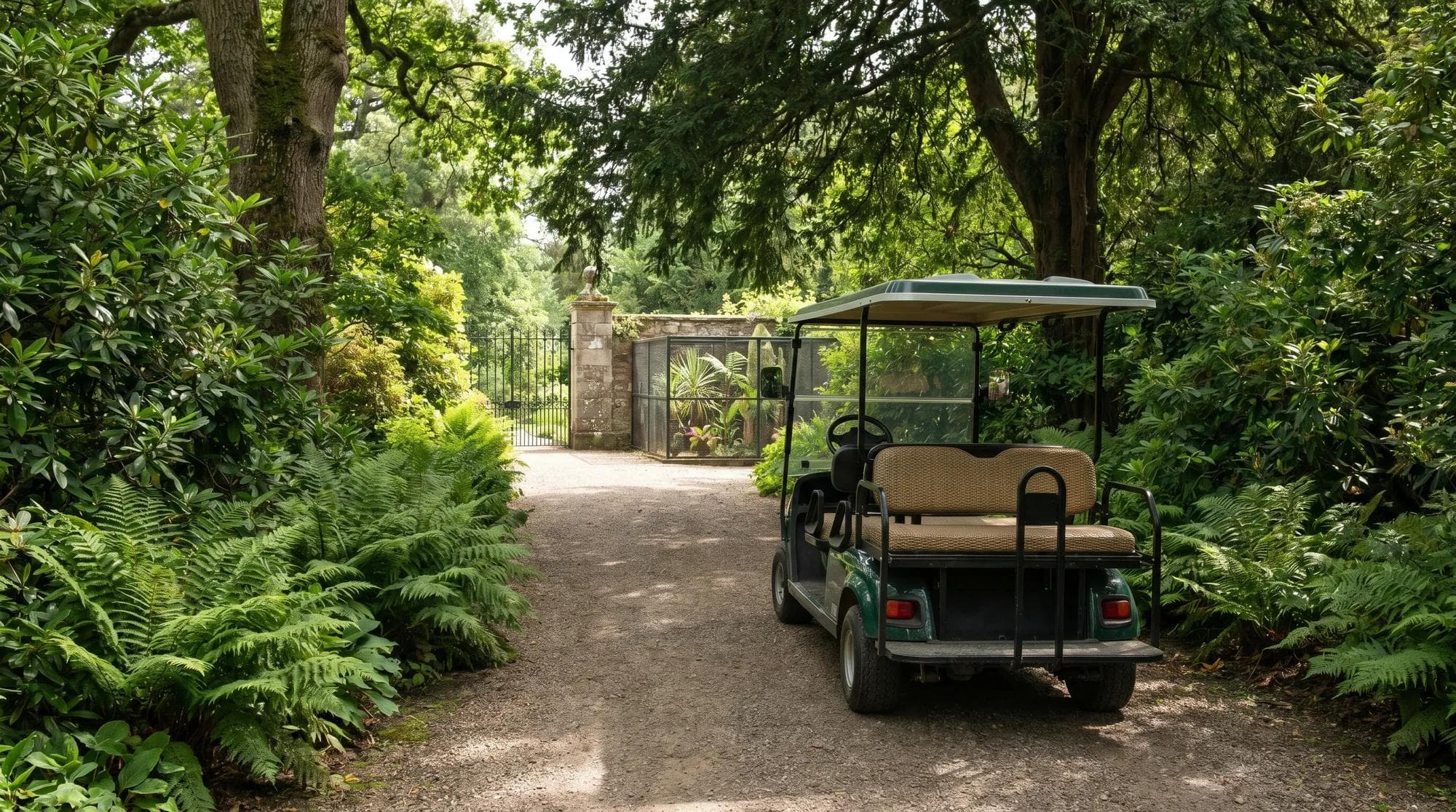
Zoos, safari parks and botanical gardens share an awkward truth: they're large sites, and almost everyone has to get across them. Visitors with tired legs or limited mobility, keepers carrying feed and tools to the far enclosure, gardeners moving plants and compost between beds. The vehicle that does all that work runs through spaces built around quiet and calm, near animals that startle and visitors who came for the peace. A zoo buggy that runs on electricity solves the problem that a petrol or diesel one creates. This guide covers visitor and keeper transport, the real animal-welfare advantage of quiet running, accessibility, and the sustainability case.
Why quiet running matters here more than anywhere
This is the point where electric stops being a nice-to-have and becomes the right tool. Animals are sensitive to engine noise and vibration in a way humans forget. A diesel utility vehicle rattling past an enclosure raises stress, disturbs breeding behaviour and can undo a lot of the careful work that goes into keeping animals settled. An electric buggy runs near-silent. The keeper still gets where they need to be with a full load, but the animals barely register it. For a collection that takes welfare seriously, and they all do, that's a genuine reason to choose electric rather than a marketing line.
It works the same way for visitors. A botanical garden sells calm. People come to walk slowly among the planting and hear birdsong, not an engine. A vehicle that hums quietly past doesn't break that spell. The same is true of a safari park's quieter zones and a zoo's nocturnal house or aviary, where a sudden engine note carries a long way and ruins the experience for everyone within earshot.
Animals barely register a near-silent buggy. A diesel one passing the enclosure is a different story entirely.

Keeper and grounds transport
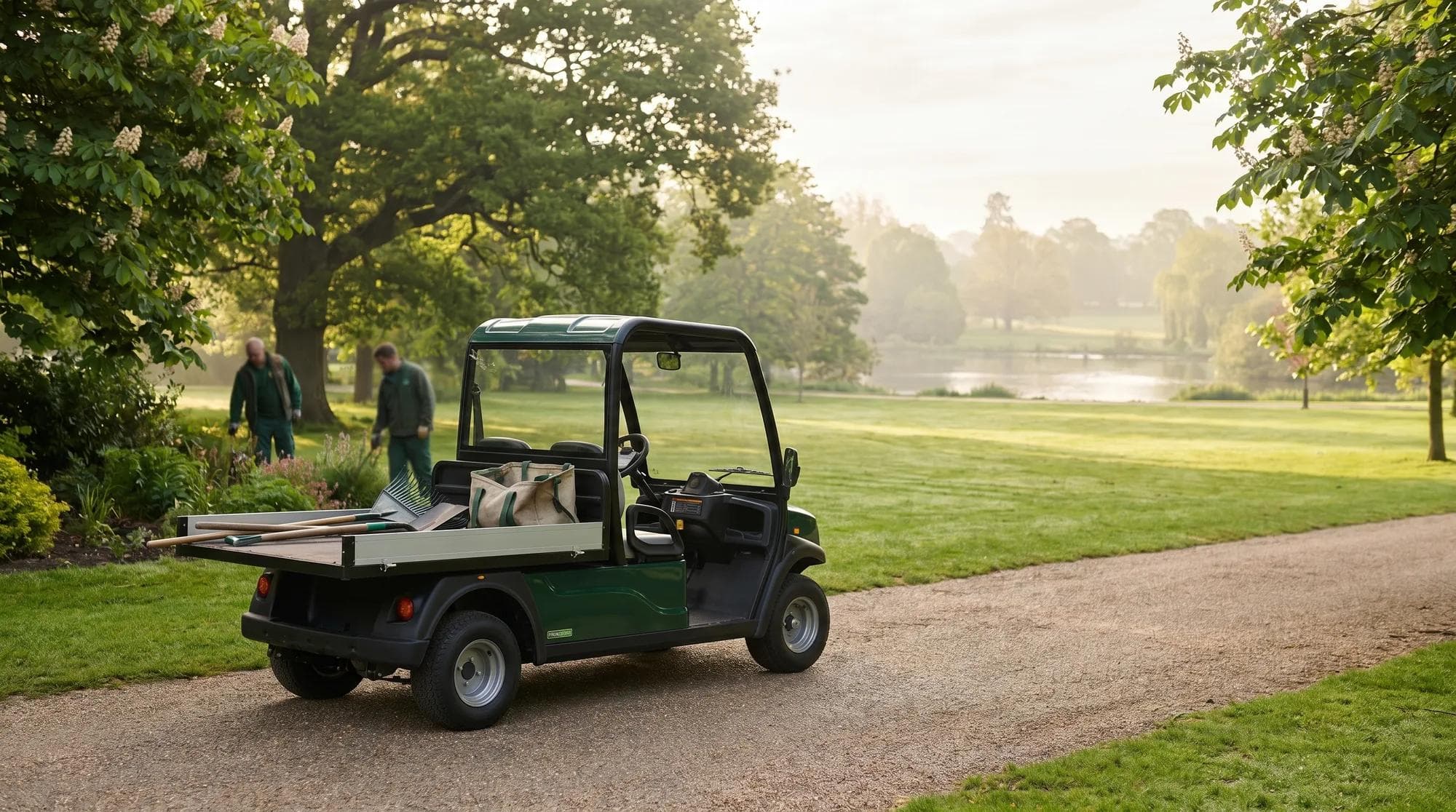
Behind the public paths, these sites run on logistics. Feed has to reach every enclosure, often several times a day. Bedding, tools, veterinary kit, water and waste all move around constantly. In a botanical garden it's plants, pots, compost, mulch and machinery instead. An electric utility platform does the lugging with a flat or tipping bed, then carries staff between jobs when the load is off. Because it's near-silent and fume-free, it can work close to the animals and inside glasshouses and polytunnels where a combustion engine simply can't.
Spec the body around the heaviest regular task, not the average one. Feed runs and compost hauls are weighty, and the worst day usually involves a wet bank or a soft path. A utility model built for that won't struggle on the easy days. Our purpose-built Hawke S2 Pickup utility model is the natural starting point for keeper and grounds work, and it can be specified with the bed type and seating your site actually needs.
Visitor transport and accessibility
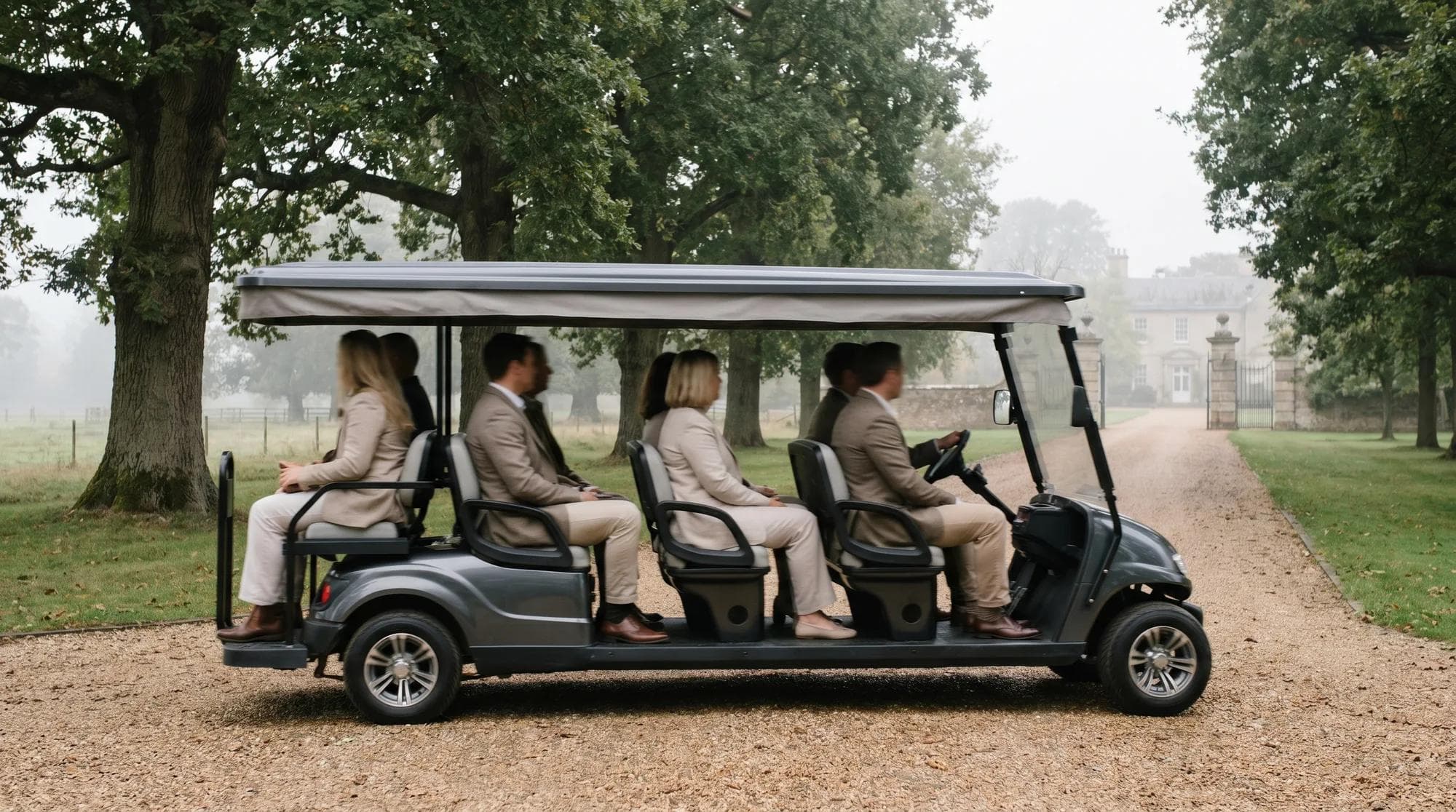
Distance is a barrier, and at a large site it's the barrier that quietly shuts people out. A safari park can be miles end to end. A zoo or a botanical garden spread over many acres leaves the far enclosures and the best planting out of reach for older visitors, families with small children, and anyone with limited mobility. A people-carrying buggy turns a long, tiring walk into a short ride, which means more of the site is open to more of your visitors. That's an accessibility measure first and a transport one second, and it reads well against the duty an attraction has to make its site usable by everyone.
Seat count follows the run. A small shuttle ferrying a few visitors at a time suits a garden, while a larger people mover earns its place on a safari park's longer loops. If a visitor shuttle is part of your plan, our people-mover and shuttle guide walks through seat counts, how to run them and what to specify. For a quieter day, a smaller buggy on call is often more flexible than a fixed timetable.
The sustainability case
Zoos and botanical gardens are, by their nature, in the conservation business. A diesel fleet sits oddly against that mission, and visitors notice. Swapping combustion vehicles for electric removes a clear source of on-site emissions and noise, which is exactly the kind of tangible action a sustainability strategy needs and the kind a visitor can see for themselves. It also keeps your own vehicles consistent with the message you give about climate and habitat. For the honest, defensible version of that argument, our environmental benefits guide sets out what you can and can't credibly claim.
- Electric
- Near silent
- Diesel
- Loud, raises stress
- Electric
- None where it's driven
- Diesel
- Exhaust fumes and particulates
- Electric
- Glasshouses and night houses fine
- Diesel
- Fumes rule it out
- Electric
- Low, mains electricity
- Diesel
- Higher, pump diesel
- Electric
- Light, few moving parts
- Diesel
- Engine, oil, filters, belts
- Electric
- Supports the mission
- Diesel
- Works against it
| Electric | Diesel | |
|---|---|---|
| Noise near animals | Near silent | Loud, raises stress |
| On-site emissions | None where it's driven | Exhaust fumes and particulates |
| Works indoors | Glasshouses and night houses fine | Fumes rule it out |
| Energy cost per year | Low, mains electricity | Higher, pump diesel |
| Servicing | Light, few moving parts | Engine, oil, filters, belts |
| Sustainability fit | Supports the mission | Works against it |
The running cost stacks up the same way it does for any electric fleet. Electricity to charge a buggy costs far less than the equivalent diesel, there's no fuel to store or secure on a public site, and servicing is lighter because there's no engine, oil, filters or belts to maintain. The trade-off is a higher up-front price and the need to plan charging, so the case is strongest where the vehicle works most days, which at a zoo or garden it does.
Specifying the right zoo buggy for your site
Start with the hardest job the vehicle will do, then work back. For keeper and grounds work, that means the heaviest load on the worst path, so spec the bed type, payload and terrain around that. For visitor transport, it means the busiest run, so size the seats to a full shuttle, not a quiet Tuesday. Think about charging now rather than later: a buggy that can't recharge between shifts isn't one you can rely on through a full open day. And remember the mixed surfaces a single site throws up, from tarmac paths to gravel, grass and the odd wet bank.
Every vehicle we build is made to order, so it's specified to your duty cycle rather than forced to fit a stock model. That matters at a site as varied as a zoo or a botanical garden, where no two jobs look quite the same. We can also brand a fleet in your livery, which keeps the vehicles looking part of the place rather than bolted on. Our parks and public spaces work explains how we approach sites like yours, and the utility model is where most keeper and grounds fleets begin.
Specify a quiet buggy built around your site
Tell us how your keeper, grounds and visitor work actually runs and we'll build a detailed quote with whole-life cost figures and your livery. Every vehicle is built to order, with a 3-year warranty and a 24-hour VIP call-out.
Frequently asked questions
Why use an electric buggy at a zoo or safari park?+
The big reason is noise. Animals are sensitive to engine noise and vibration, which raise stress and disturb behaviour. An electric buggy runs near-silent, so keepers can carry feed and tools close to enclosures without unsettling the animals. It's also fume-free, which matters in night houses and glasshouses, and it supports the conservation mission a collection stands for.
Are electric buggies quiet enough for animals?+
Yes. An electric drivetrain has no combustion engine, so it runs near-silent with very little vibration. That's a real welfare advantage over a petrol or diesel vehicle, which raises stress in animals and disturbs breeding behaviour as it passes enclosures. The quiet running is one of the main reasons zoos and safari parks choose electric.
Can a botanical garden buggy carry both plants and visitors?+
Yes. A utility platform can be specified with a convertible rear so it runs grounds work, moving plants, compost and tools, on weekday mornings, then carries visitors at busy weekends. For a garden watching the budget, one vehicle doing both is usually better value than two single-purpose ones.
How do electric buggies help accessibility at large attractions?+
Distance shuts out older visitors, families with small children and anyone with limited mobility. A people-carrying buggy turns a long walk into a short ride, opening up the far enclosures and the best planting to more of your visitors. It's an accessibility measure as much as a transport one, and it helps an attraction meet its duty to make the site usable by everyone.
What does an electric utility buggy cost for a zoo or garden?+
Our utility models are priced on request, with the final figure depending on the bed type, seating, battery and any fleet branding. Because every vehicle is built to order, it's specified to your duty cycle. Tell us how your site runs and we'll confirm a tailored price with whole-life cost figures.
Ready to find the right buggy?
Tell us how and where it will work and we will specify a vehicle and a tailored quote built around you. Every build comes with a 3-year warranty and a 24-hour priority call-out.
Our guides are written and reviewed by the Hawke Electric Vehicles team, the people who specify, build, deliver and support the vehicles. We focus on honest, practical advice and flag where a figure depends on the build rather than guessing.
More guides by Hawke