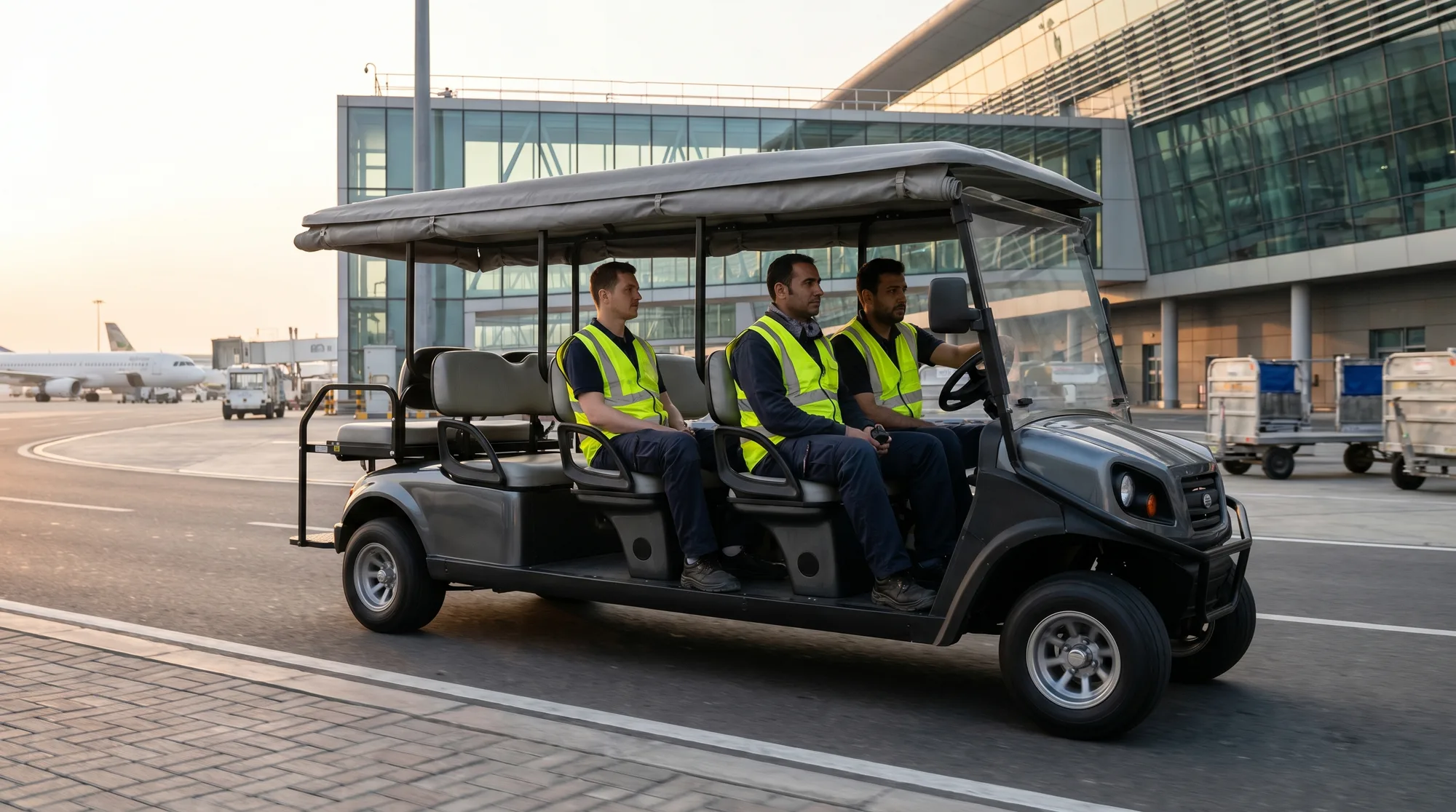
- Crew transport is the quiet logistics problem at every large airport: moving rostered staff across a big site between duties, on time.
- Delays to crew movement ripple straight into delays to flights, so the vehicles need to be reliable and quick.
- Electric people-movers suit the job: comfortable, quiet, and able to run continuous loops all day on an overnight charge.
- Spec for the real pattern: group sizes, shift-change peaks, and whether the route is airside, landside or both.
When people picture airport transport they think of passengers. But there is a second, constant flow that the public never sees: crew. Pilots and cabin crew moving between the crew room and the aircraft, ground staff crossing between stands and terminals, engineers getting to a job at the far end of the apron. At a big airport those distances are long, and every minute lost moving people is a minute that can push a departure back.
Crew transport rarely gets a dedicated plan, which is exactly why it is worth one. Get it right and shifts change smoothly and aircraft turn round on time. Get it wrong and you have crews walking long distances or waiting for a lift, with knock-on delays that cost far more than the vehicles ever would.
What makes a good crew transport vehicle
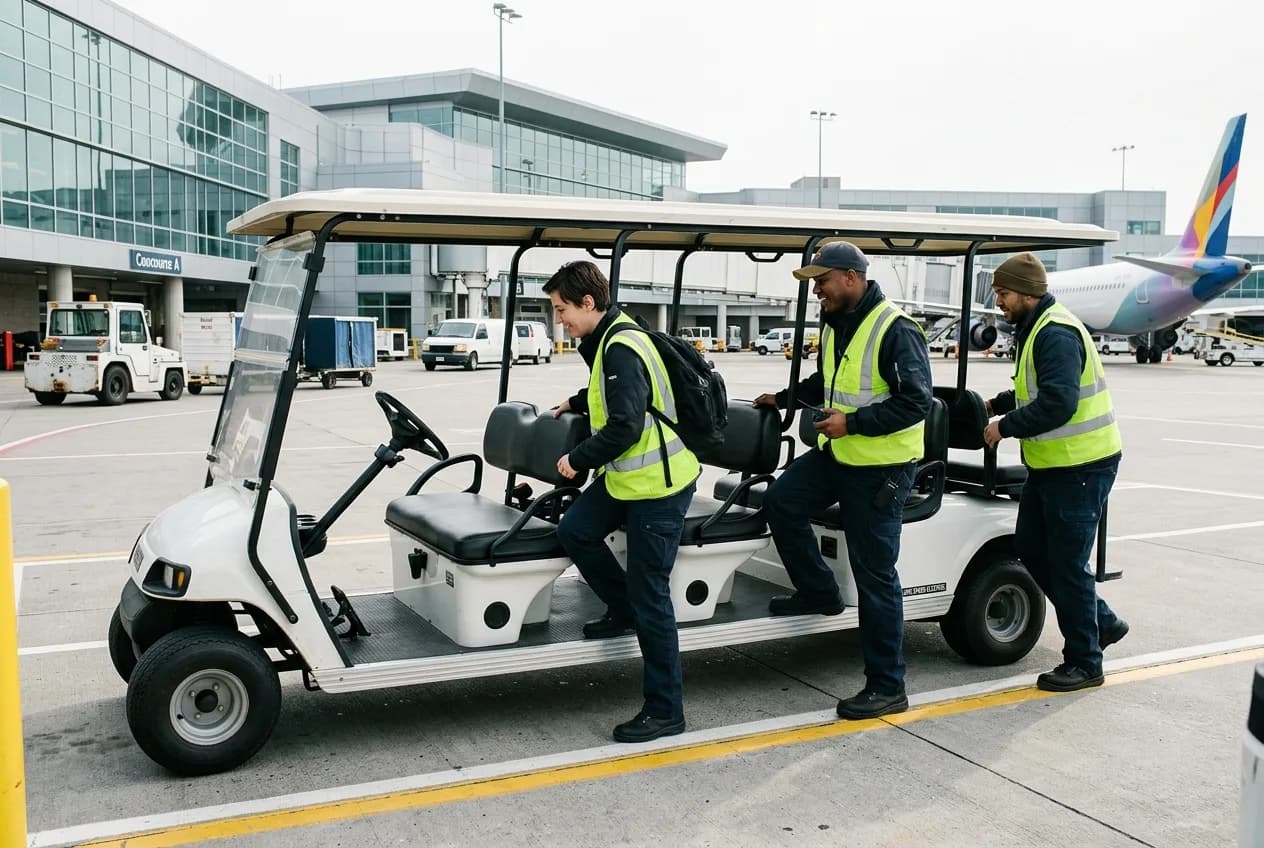
It is a slightly different brief from passenger transport. Crew vehicles need to carry a small team and their bags quickly and comfortably, run reliably across long shifts, and cope with the route they actually work, which may be airside, landside or cross both. Because crew movement peaks sharply at shift changes, you want enough vehicles to clear those peaks without a fleet sitting idle the rest of the day.
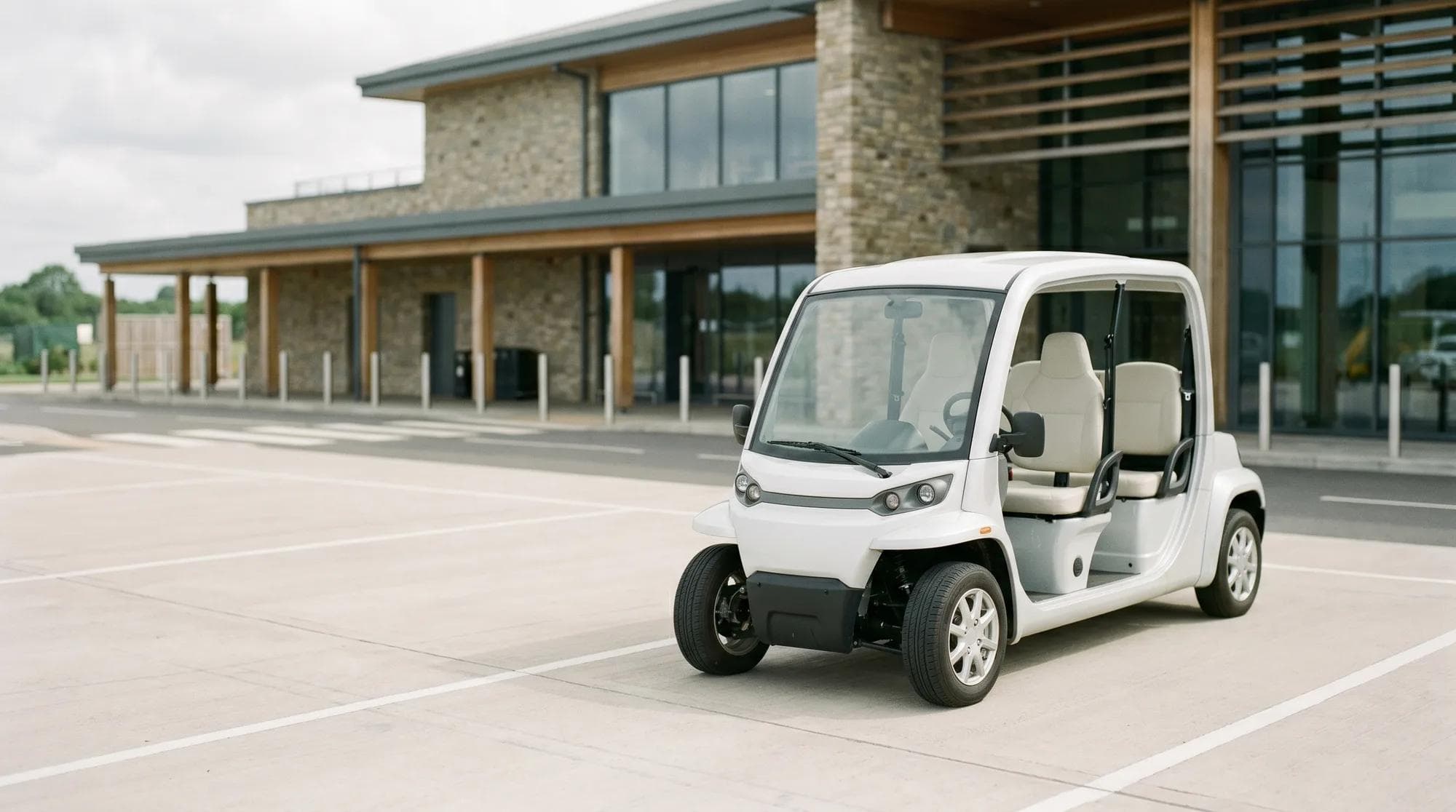
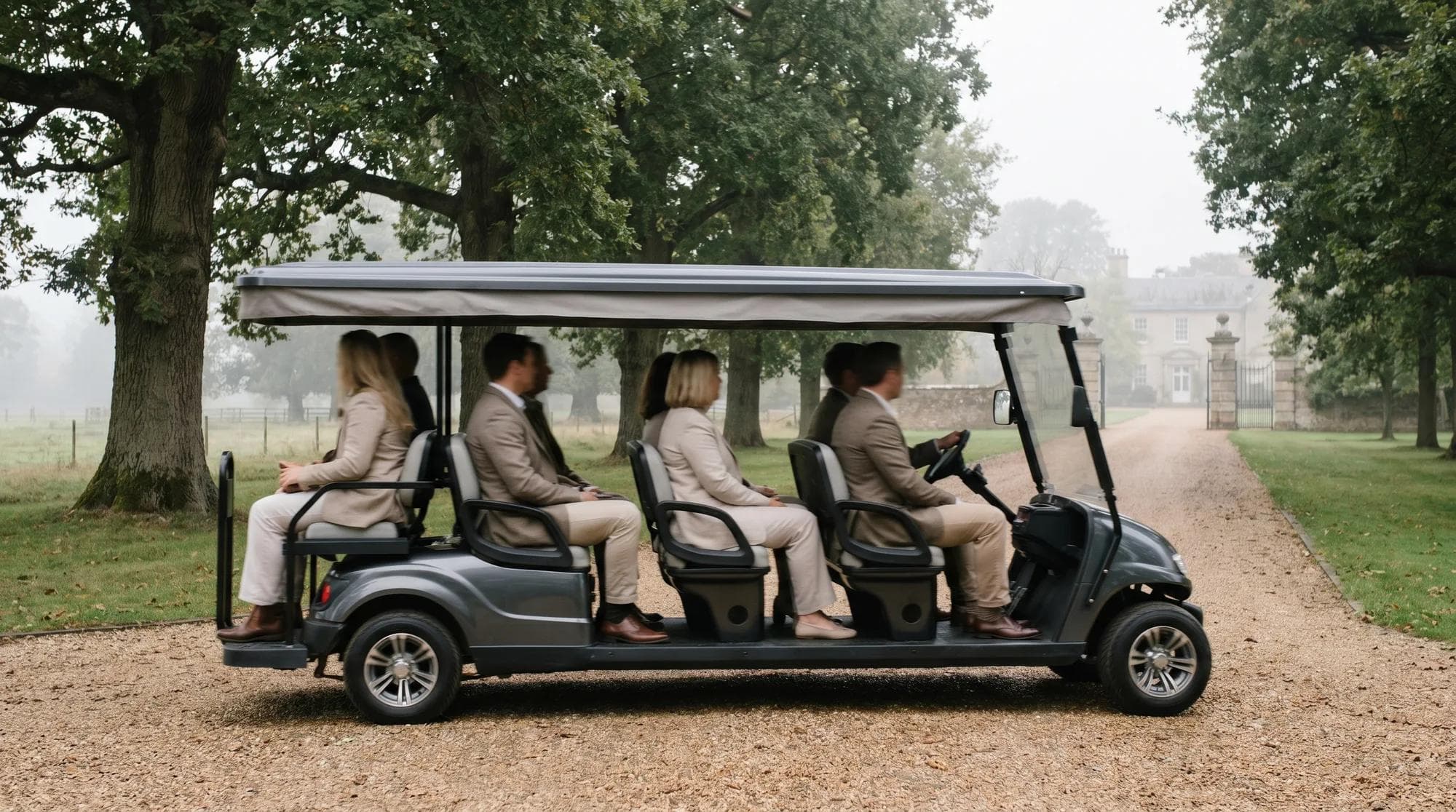
- Comfortable seating for a crew plus cabin bags.
- A quiet, steady ride that suits frequent, short transfers.
- Reliability and range to run all day between charges.
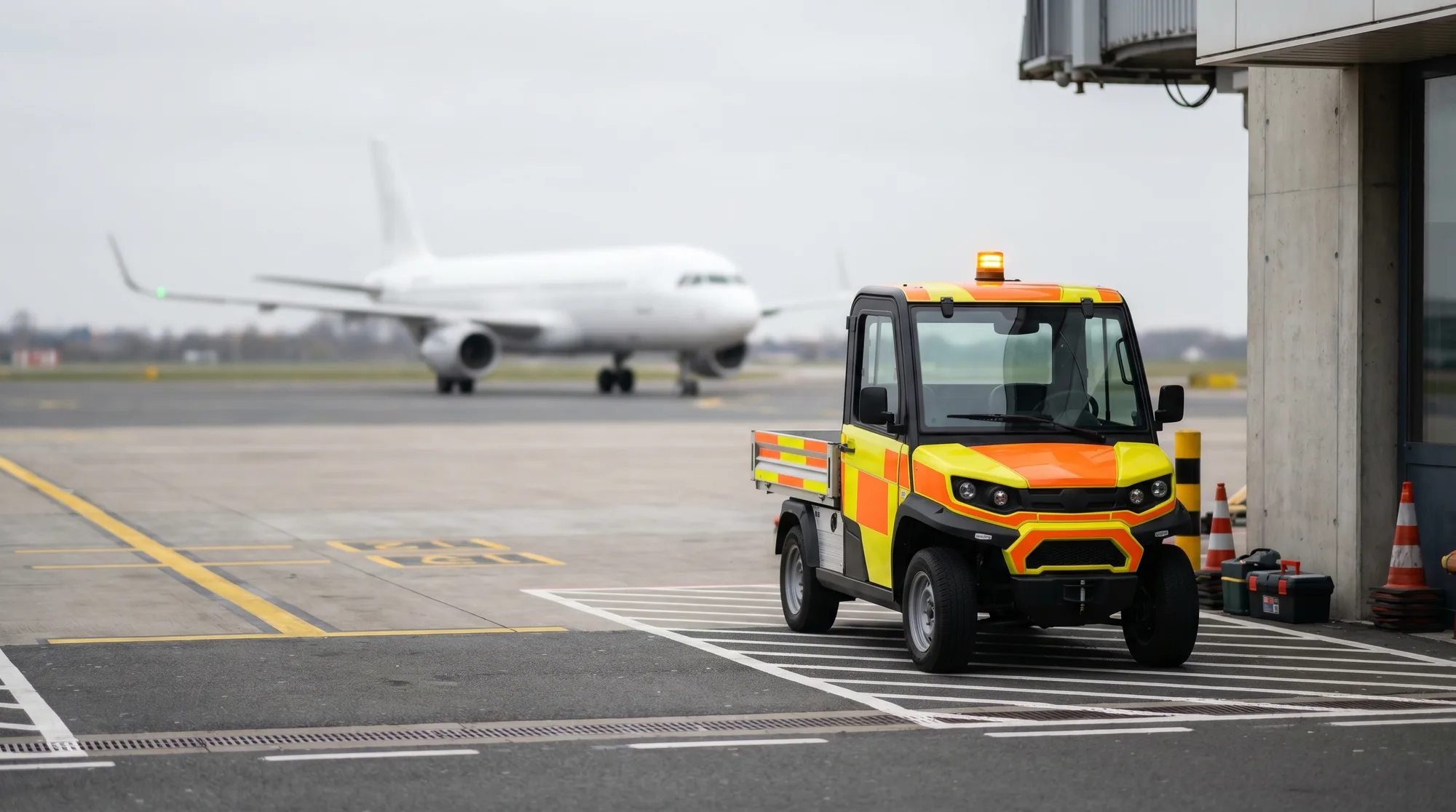
- The right spec for airside use, where the route requires it.
Why electric works for crew movement
The same logic that makes electric a fit airside makes it a fit for crew transport. The vehicles are quiet, which matters around aircraft and at unsocial hours. They have no local emissions, which matters in enclosed areas. And they are cheap to run on continuous daily loops, with an overnight charge covering a full operating day. For a route that runs the same loop hour after hour, electric is hard to beat.
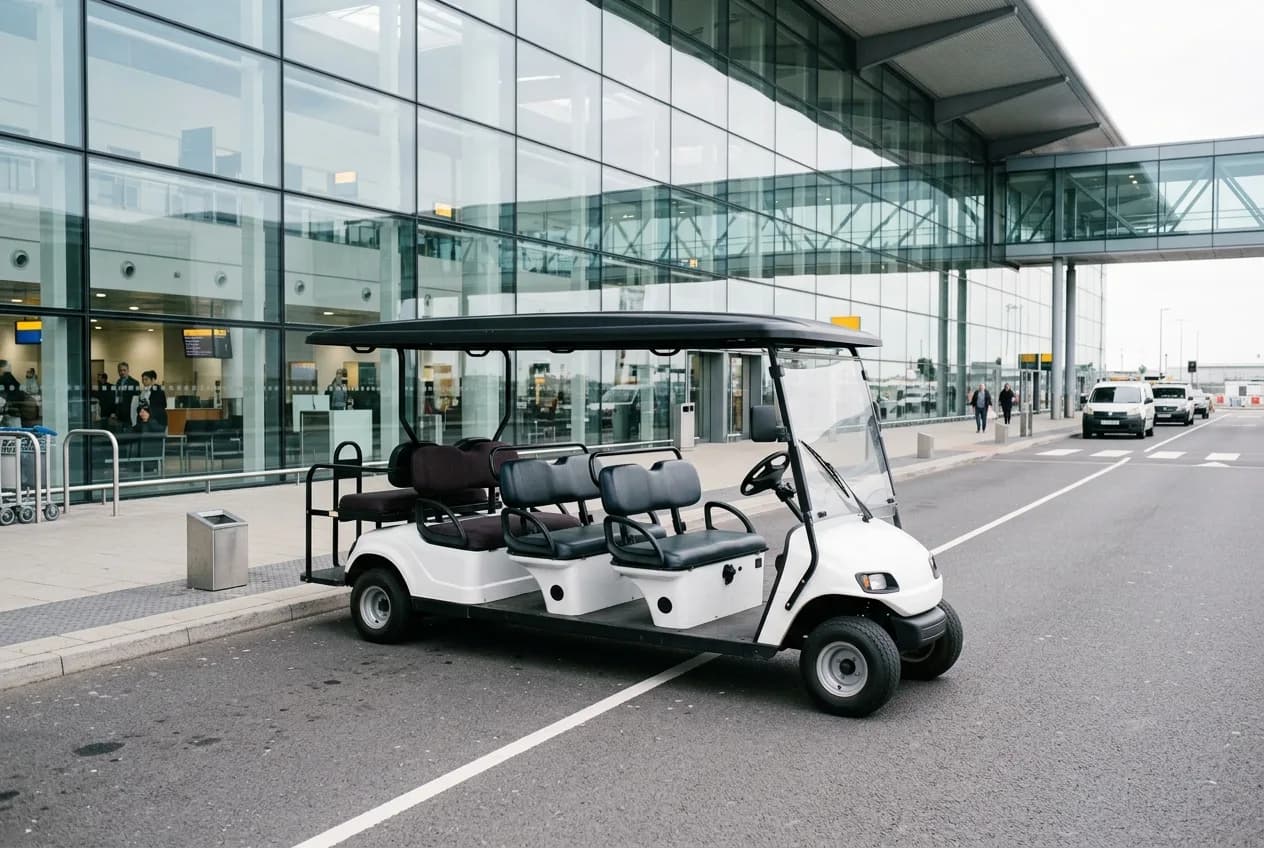
People-movers, built to order
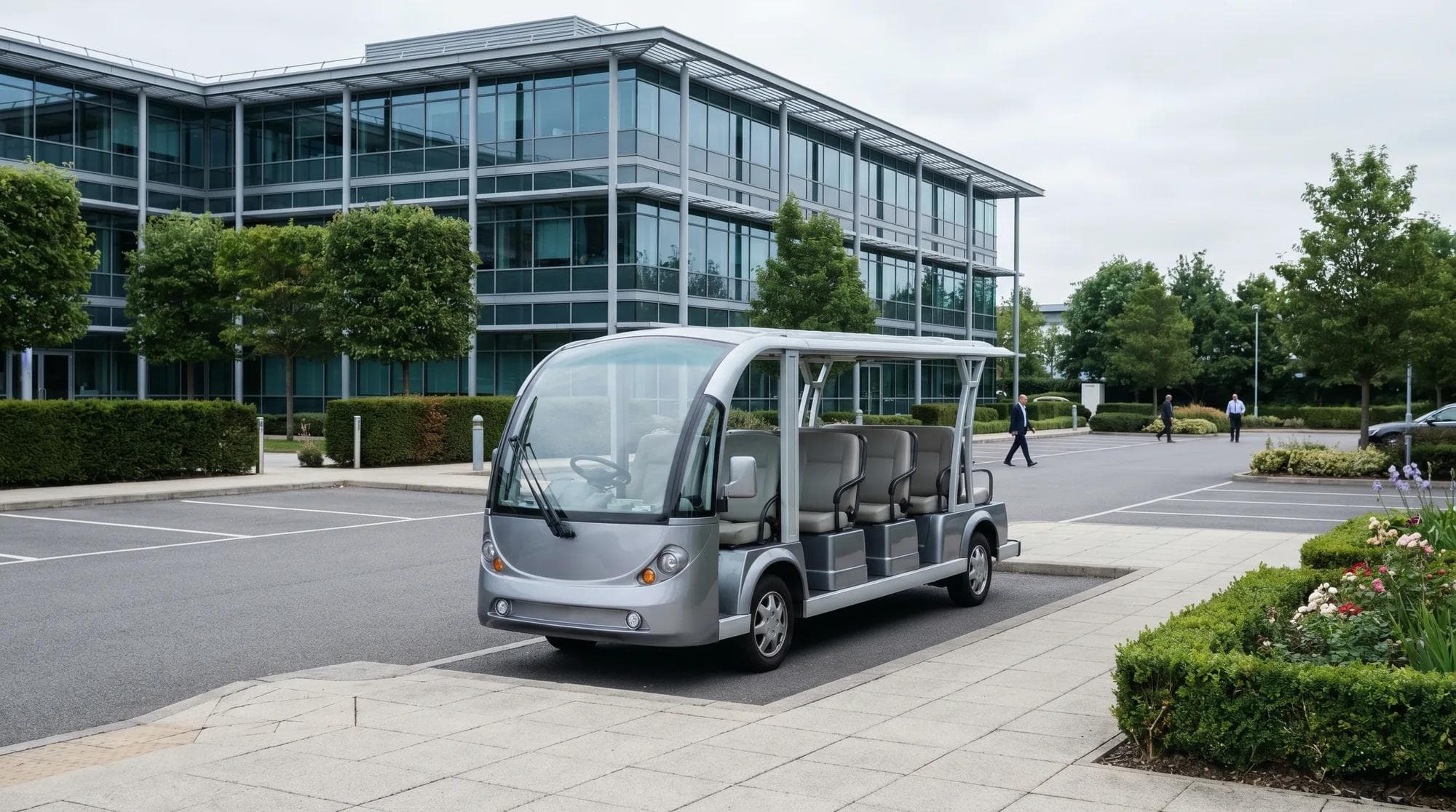
Choose the seat count and finish, liveried to your operation, and supported by a 24-hour call-out so the fleet keeps moving.
Sizing it sensibly
Start with the shift-change peak: how many crew need to move in the busiest fifteen minutes, how far, and how long a round trip takes. That tells you how many vehicles keep the wait short when it matters most. Off-peak, a smaller number keeps things ticking. We are happy to run those numbers with your operations team so the fleet fits the real pattern rather than a guess.
Keep your crews moving on time
Tell us the routes and the shift pattern and we will recommend the right crew transport vehicles, liveried and built for your airport.
Frequently asked questions
How is crew transport different from passenger transport?+
Crew vehicles carry smaller groups more frequently, often at shift-change peaks, and need to be quick and reliable above all. Passenger transfers tend to prioritise capacity and a gentle ride.
Can one vehicle work both airside and landside?+
It depends on your airport's permit rules. Tell us the route and we will spec the vehicle to suit, including any airside requirements.
Will the battery last a full shift?+
Sized correctly, yes. We match the battery to the daily distance so vehicles run the operating day and charge overnight.
Can crew vehicles be branded?+
Yes. They are built to order, so livery, colour and a logo are specified into the build to match your operation.
Related solutions
Ready to explore what we build?
See the vehicles and the setting this applies to, or get a tailored quote built around your site.

Ready to find the right buggy?
Tell us how and where it will work and we will specify a vehicle and a tailored quote built around you. Every build comes with a 3-year warranty and a 24-hour priority call-out.
Our guides are written and reviewed by the Hawke Electric Vehicles team, the people who specify, build, deliver and support the vehicles. We focus on honest, practical advice and flag where a figure depends on the build rather than guessing.
More guides by Hawke