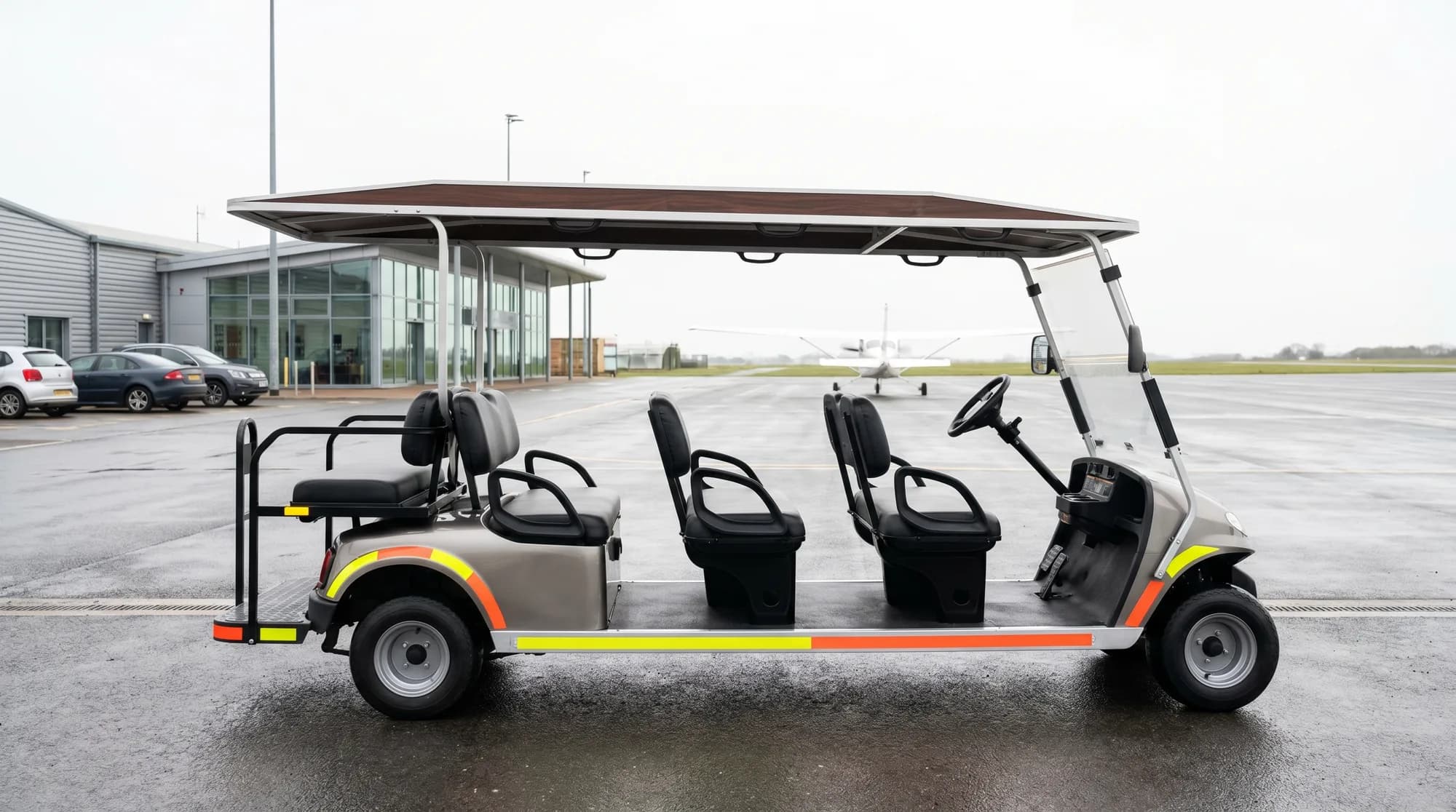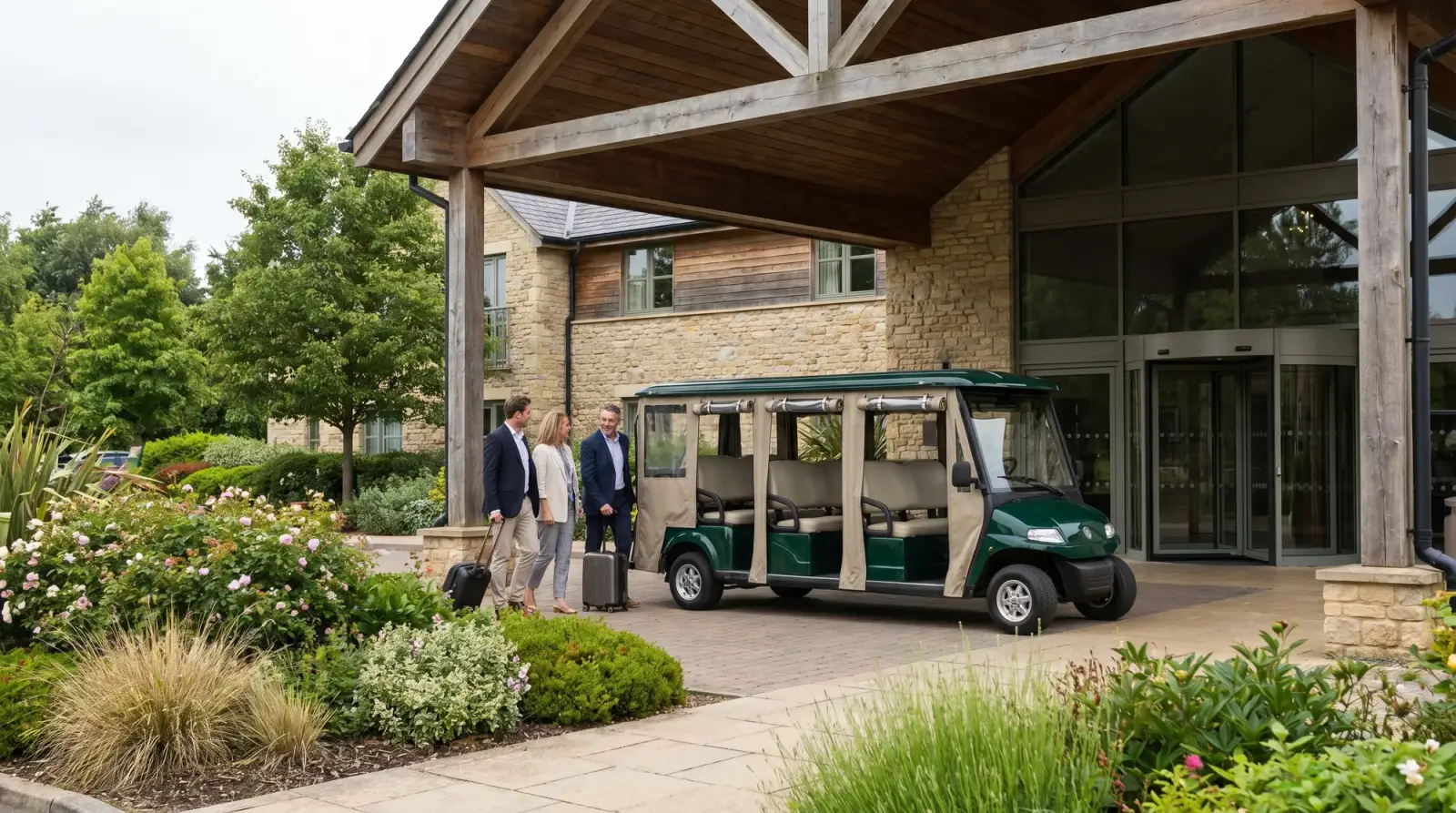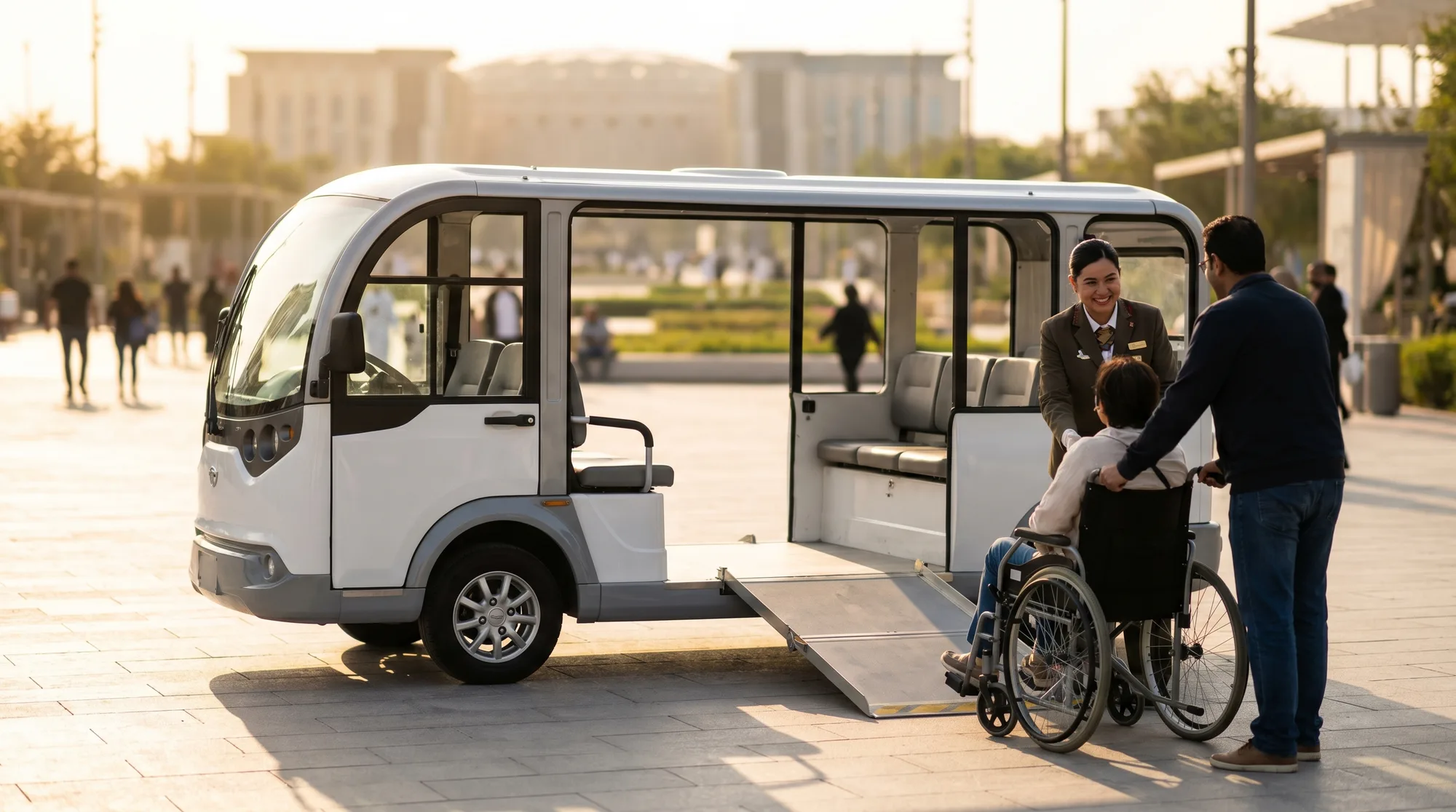
- At many attractions, guests who use wheelchairs or mobility scooters are pushed onto a separate, slower transport service. That is the gap worth closing.
- Accessible transport means step-free or ramped vehicles that carry a wheelchair user and their companions together, on the same loop as everyone else.
- Plan it into the main fleet from the start, not as a bolt-on, and you avoid long waits, complaints and refund risk.
- Under the Equality Act, providers must make reasonable adjustments for disabled visitors; good transport is one of the clearest.
- The same thinking applies to any large site: resorts, stadiums, holiday parks, hospitals and campuses.
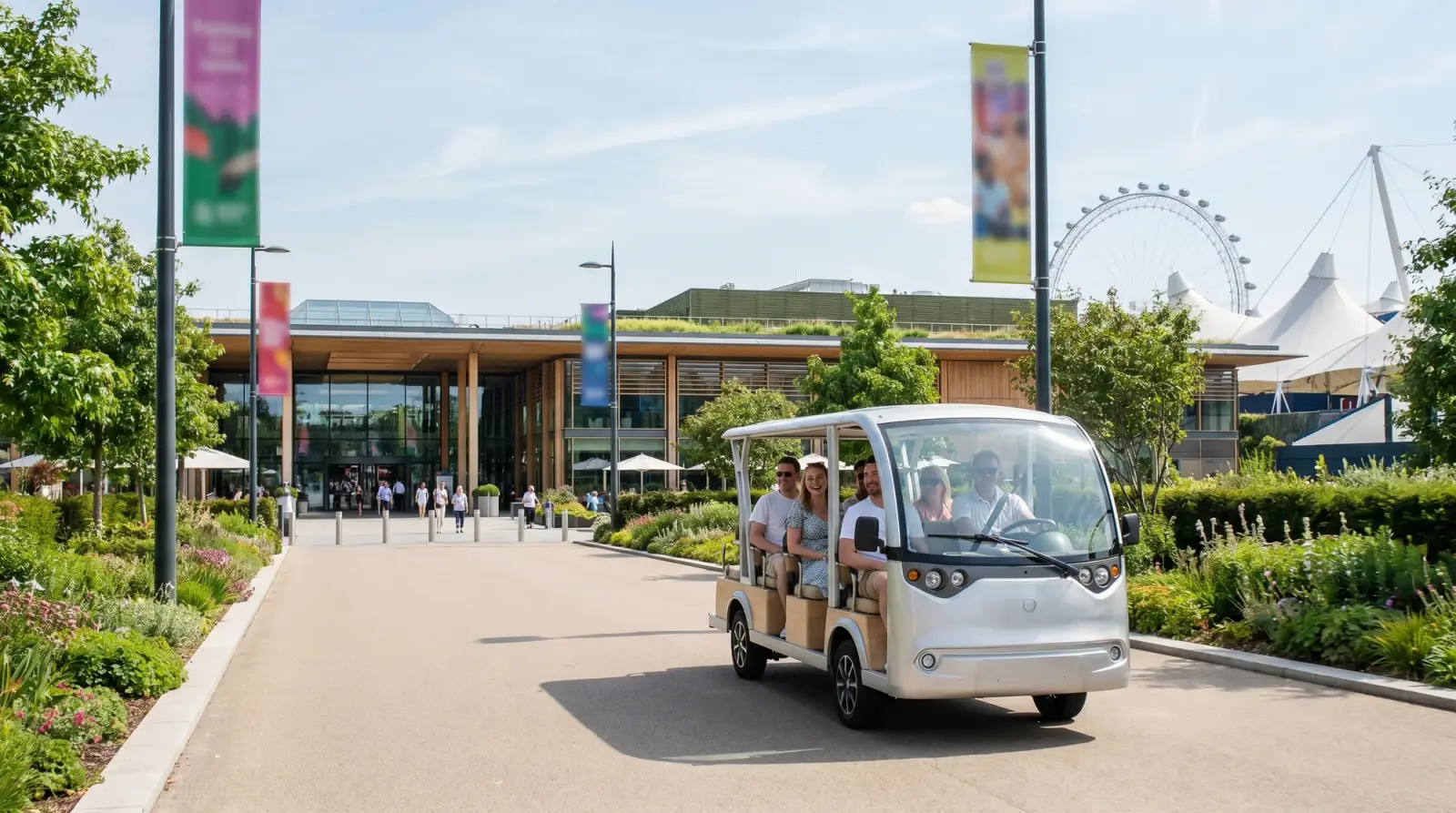
There is a well-known problem at large attractions, and it is not the rides. It is that the parking trams and shuttles most sites rely on often are not designed for wheelchair or scooter users. The result is that the guests who most need a lift end up waiting for a separate vehicle, sometimes for a long time, while everyone else rolls past. It is a poor experience, and increasingly it is one that visitors talk about publicly.
As Britain builds bigger attractions, including the major new resort planned near Bedford, this is worth getting right from the start. Accessible transport is not a niche extra. On a busy day a meaningful share of visitors will have a mobility need of some kind, whether that is a wheelchair, a scooter, a pushchair-and-toddler combination, or simply not being able to walk far. Plan for them well and the whole site flows better.
What 'accessible' actually means for a buggy
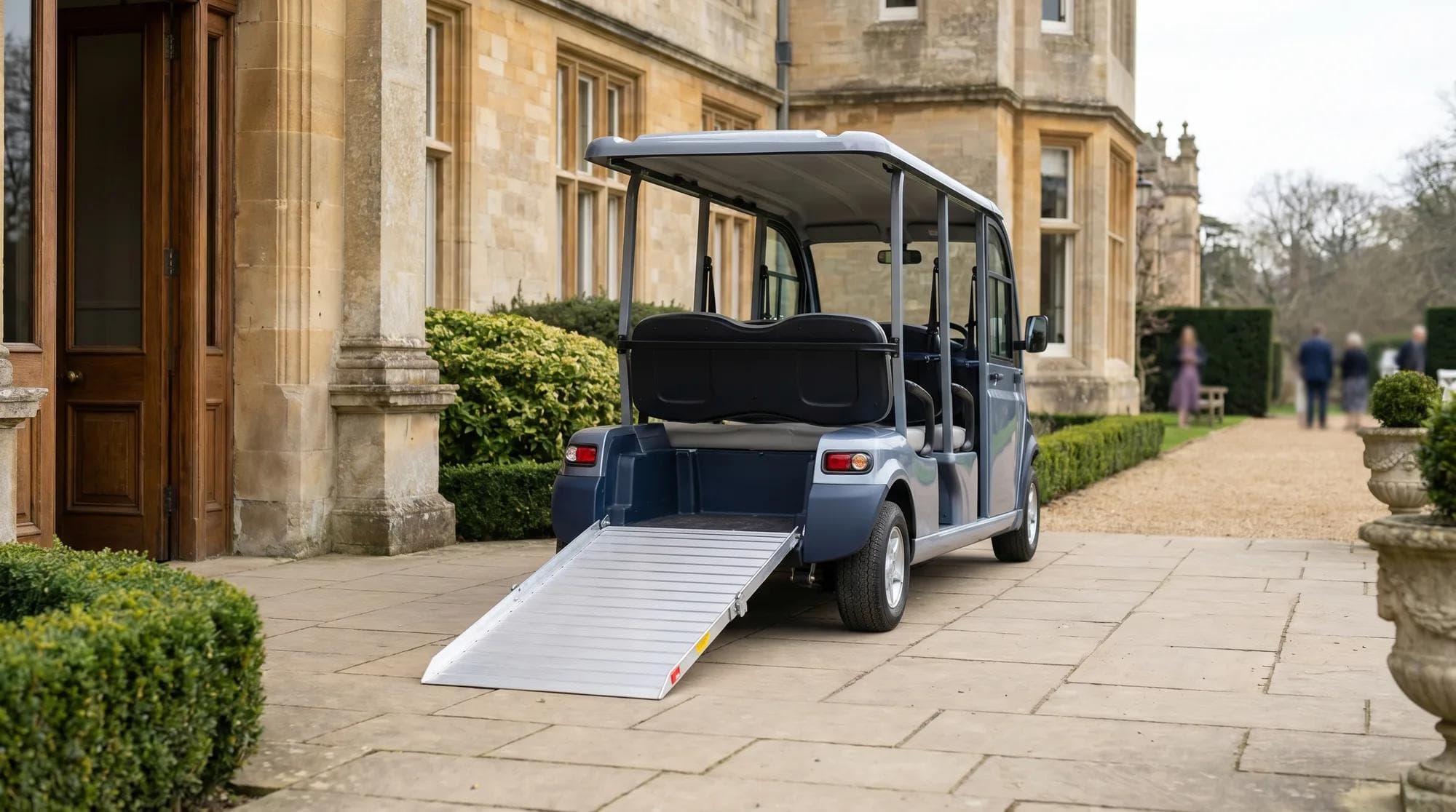
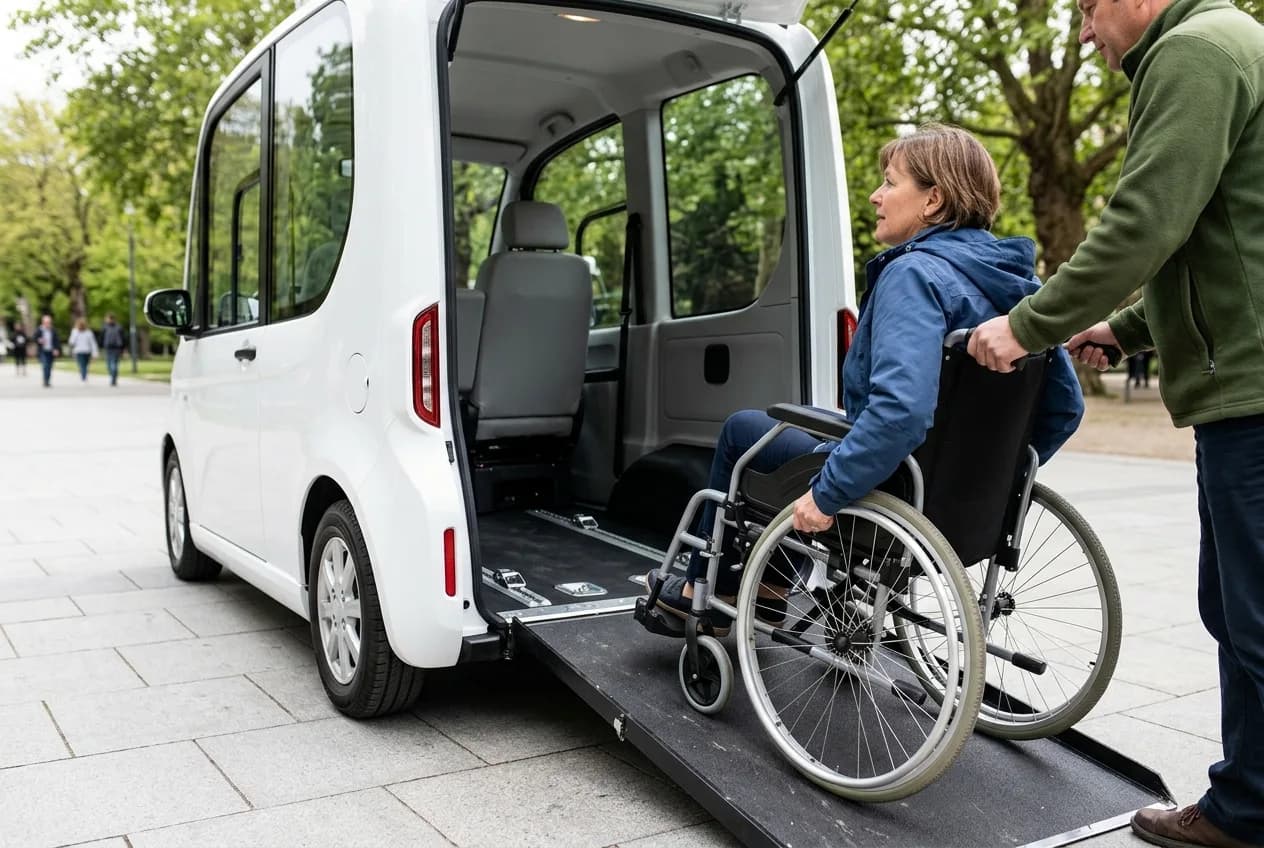
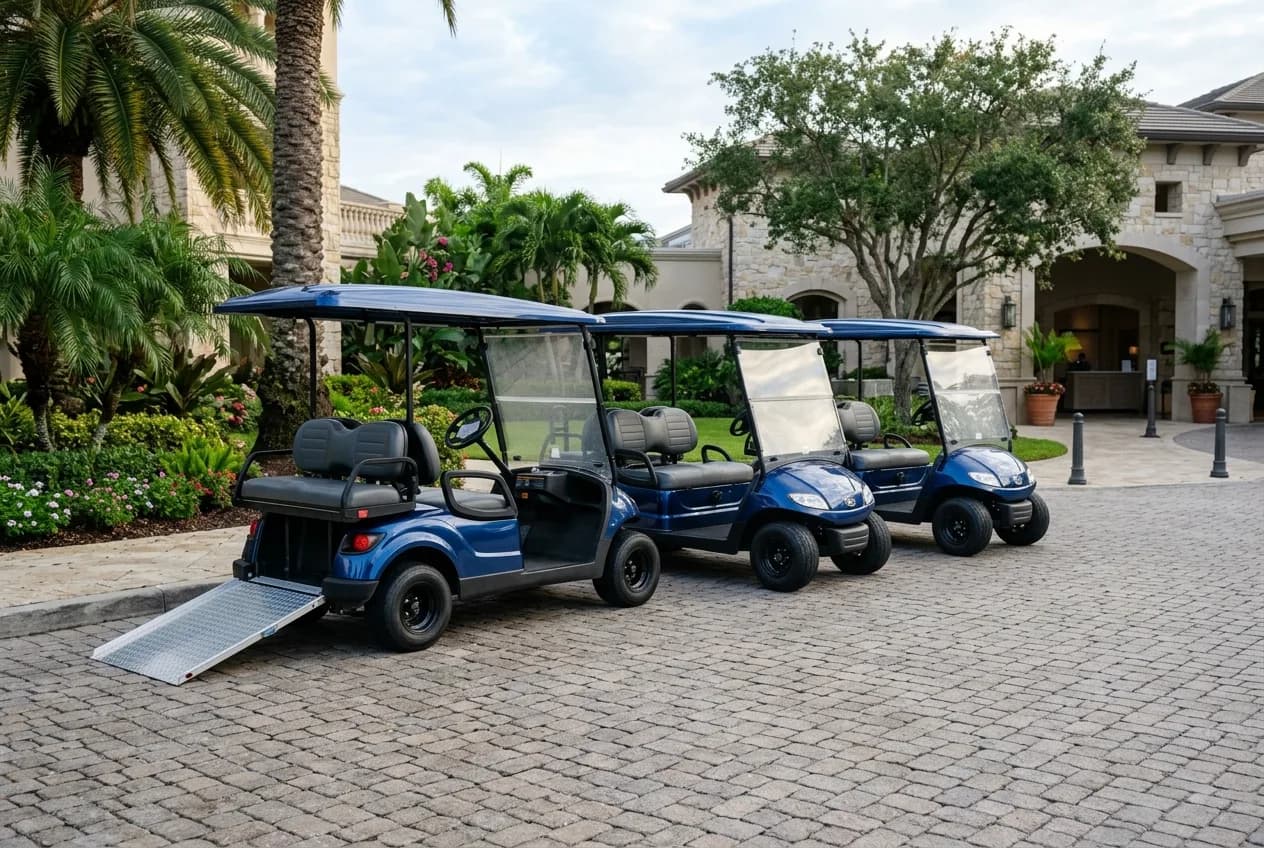
It is more than a ramp. A genuinely accessible vehicle lets a wheelchair user board without leaving their chair, secures the chair safely, and keeps their family or carer with them rather than separating the group. It should load quickly so it does not hold up a busy loop, and it should look and feel like part of the main fleet, not a converted afterthought.
- Step-free or ramped access so a wheelchair or scooter can board directly.
- Proper securing points so the chair is safe in transit.
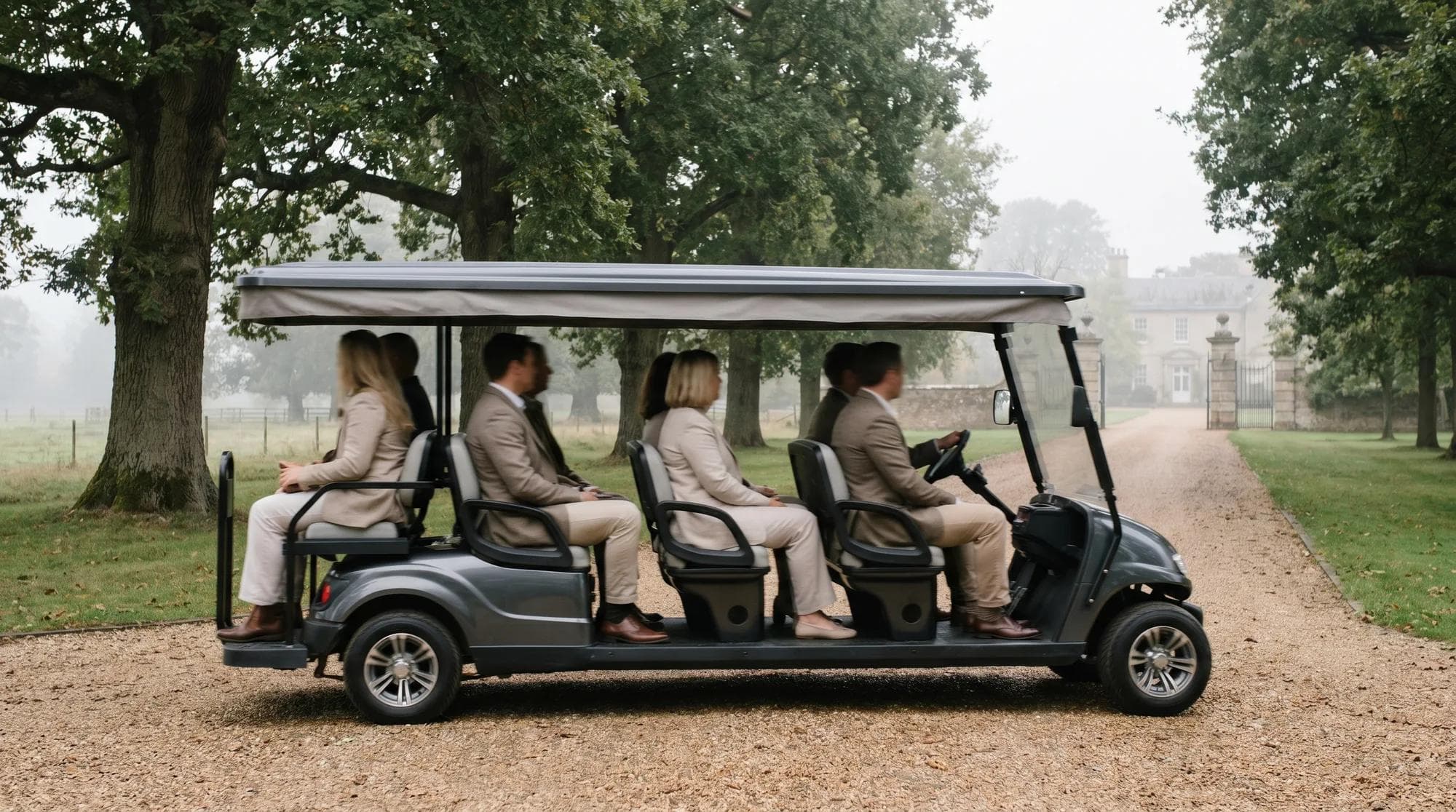
- Room for companions, so groups travel together.
- Quick, dignified loading that does not single anyone out.
- The same livery and finish as the rest of the fleet.
The legal backdrop, in plain English
Under the Equality Act 2010, a service provider has to make reasonable adjustments so that disabled people are not put at a substantial disadvantage. Transport around a large site is one of the most visible adjustments there is. Nobody is asking for the impossible, but a site that moves able-bodied guests comfortably and leaves wheelchair users waiting is exactly the kind of disadvantage the law has in mind. Designing accessible vehicles into the fleet is one practical way to reduce that risk, alongside your wider access arrangements. We are not lawyers, so take this as background and check your duties with your own advisers.
Plan it into the fleet, not around it
The cheapest mistake to avoid is treating accessibility as a single vehicle parked at the entrance for emergencies. At scale that never works: it is always in the wrong place, and the wait builds. The better model is to make a proportion of the everyday fleet accessible, spread across the loops, so an accessible vehicle is never far away. Because we build to order, you can specify exactly how many accessible vehicles you need and how they are equipped.
Built around your visitors
We build accessible and standard vehicles to the same premium finish, so your fleet is inclusive without looking like a compromise.
It is not just theme parks
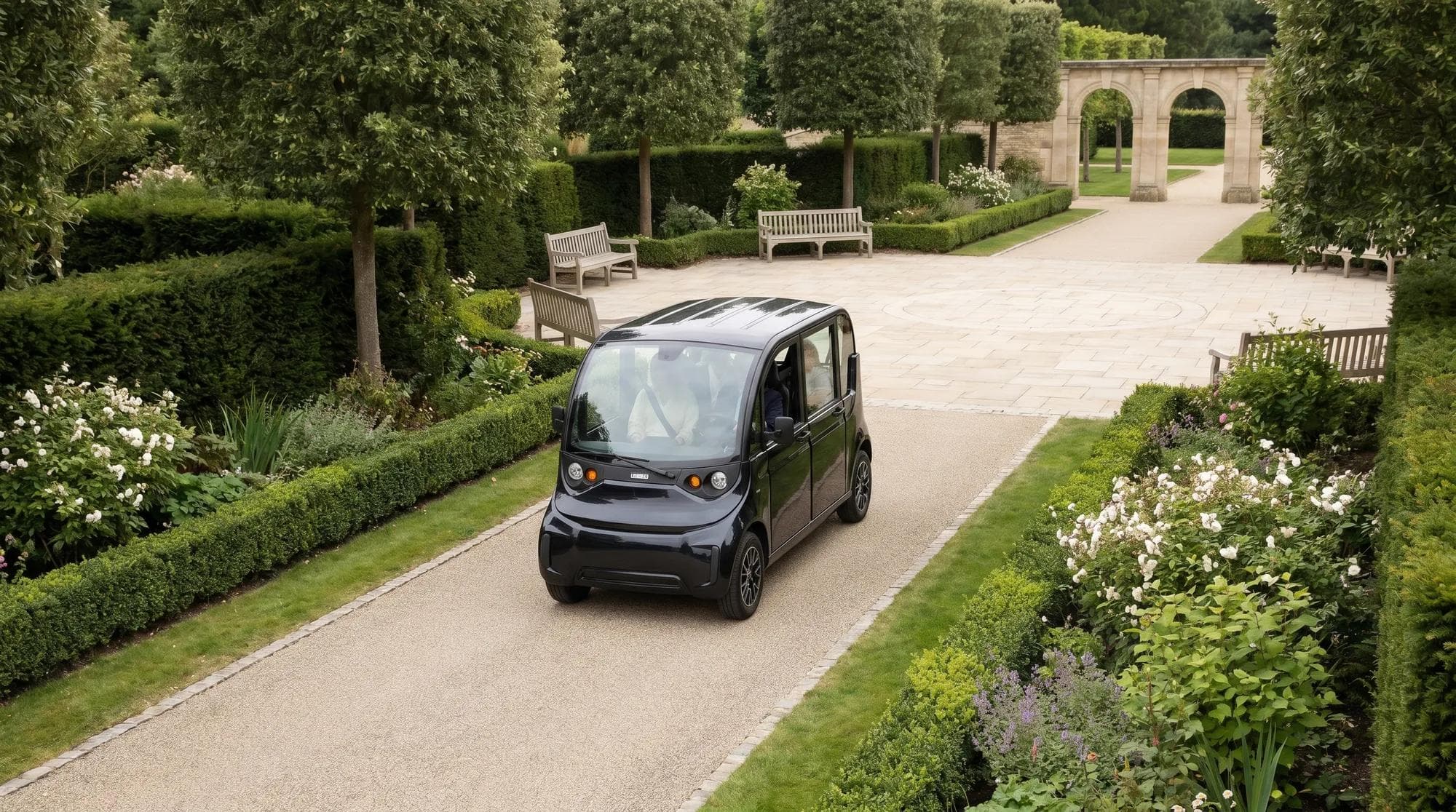
Everything here applies to any large site that moves the public: resorts and hotels, stadiums and arenas, holiday parks, hospitals, university campuses and heritage estates. If you run one of those, our guide to accessible electric buggies goes into the vehicle detail, and the team can talk through your specific layout.
Make your site genuinely accessible
Tell us about your visitors and your layout and we will help you plan an accessible fleet that works at peak, not just on paper.
Frequently asked questions
Can a wheelchair user stay in their chair on the buggy?+
Yes. An accessible vehicle is designed so a wheelchair user boards by ramp and travels secured in their own chair, with companions alongside. No transfer is needed.
How many accessible vehicles does a large site need?+
It depends on visitor numbers and how your loops are laid out, but the goal is that an accessible vehicle is never far away at peak. We will help you work out a sensible proportion of the fleet.
Are accessible buggies a lot more expensive?+
There is some additional cost for the ramp and securing equipment, but because we build to order it is specified to what you actually need. The bigger cost is usually the one of getting it wrong: complaints, refunds and reputation.
Do mobility scooters fit too?+
Generally yes, depending on the scooter size. Tell us the range of devices you expect and we will spec the access and securing to suit.
Can accessible vehicles match the rest of the fleet?+
Yes. They use the same bodywork, colours and livery, so they look like part of the fleet rather than separate equipment.
Related solutions
Ready to explore what we build?
See the vehicles and the setting this applies to, or get a tailored quote built around your site.

Ready to find the right buggy?
Tell us how and where it will work and we will specify a vehicle and a tailored quote built around you. Every build comes with a 3-year warranty and a 24-hour priority call-out.
Our guides are written and reviewed by the Hawke Electric Vehicles team, the people who specify, build, deliver and support the vehicles. We focus on honest, practical advice and flag where a figure depends on the build rather than guessing.
More guides by Hawke