- A new resort near Bedford is set to become Britain's largest theme park, with millions of visitors a year across a site of several hundred acres.
- The transport challenge is rarely the rides. It is the walk from the car park to the gate, and the people who cannot make that walk easily.
- Large attractions plan around four jobs: car-park-to-gate, accessible transfers, hotel-to-park shuttles, and back-of-house staff and service movement.
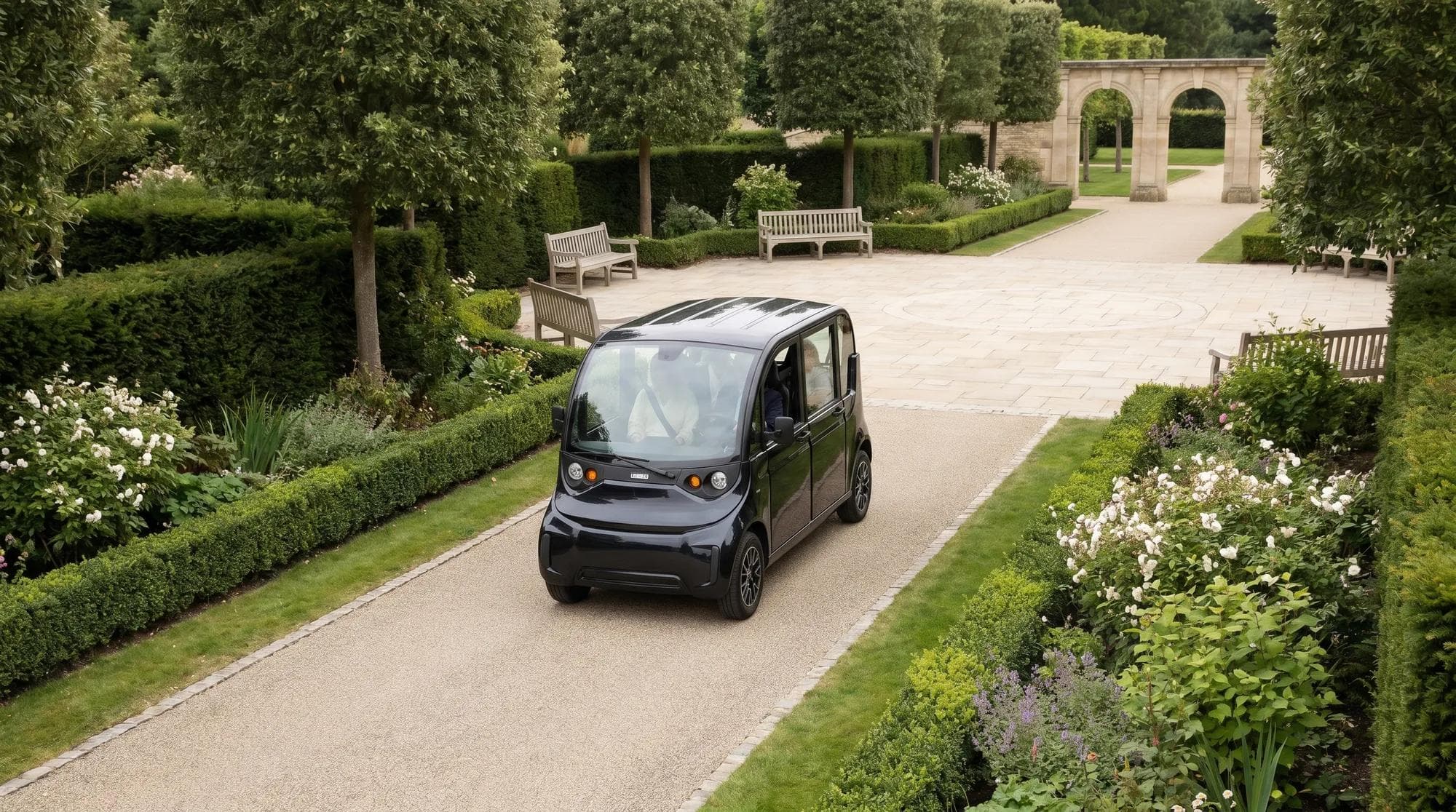
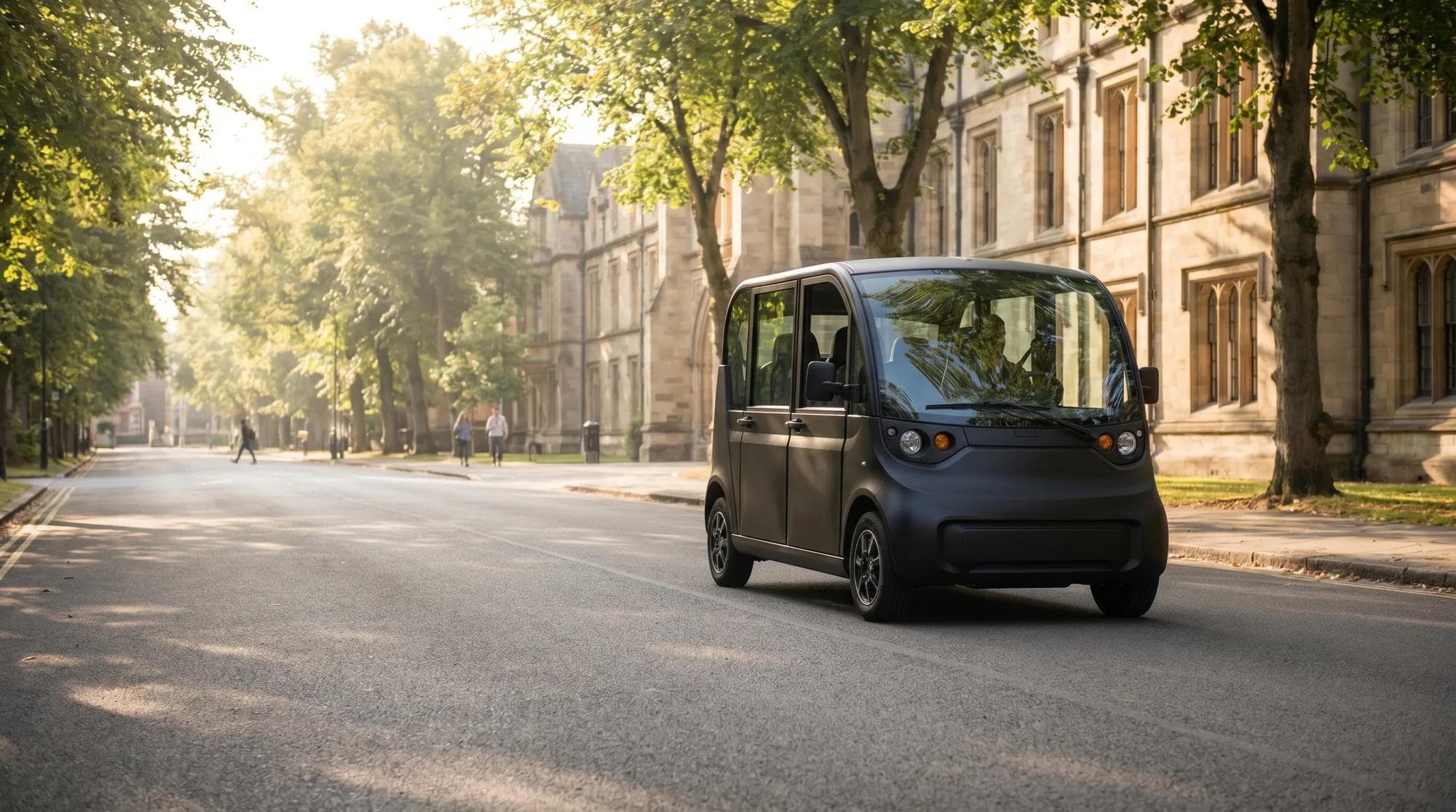
- Quiet, zero-emission electric buggies and people-movers fit all four, which is why new sites are specifying electric from day one.
- Get the brief right early: distances, peak crowds and accessibility decide the vehicle and the fleet size, not the other way round.
Britain is about to get a theme park on a scale it has never seen. The plans for a major resort on the edge of Bedford have been approved, and a lot of the attention, understandably, has gone on the rides, the hotel and the jobs. But there is a quieter question that every large attraction has to answer long before opening day: once people arrive, how do you actually move them around?
It is a bigger problem than it looks. Most visitors picture queues and rollercoasters. The teams planning these sites spend just as long thinking about the walk from a distant car park to the entrance, the guests who cannot manage that distance, and the thousands of staff who keep everything running behind the scenes. This guide looks at what a site of this size means for on-site transport, and where quiet electric vehicles fit in.
The scale most people never picture
The publicly reported figures give a sense of the challenge. The Bedford resort is planned across several hundred acres, with a 500-room hotel and a forecast of around 8.5 million visitors in its first year, opening targeted for 2031. To be clear, we are not connected to the project in any way; we are simply using the numbers that have been widely reported because they illustrate the point so well.
Put 8.5 million visitors across a site measured in hundreds of acres and the maths gets interesting. On a busy summer day that is tens of thousands of people arriving, parking, and needing to get from the edge of the site to the gate, and back again at closing, often tired, often with small children, sometimes in the rain.
The first and last walk: car park to gate
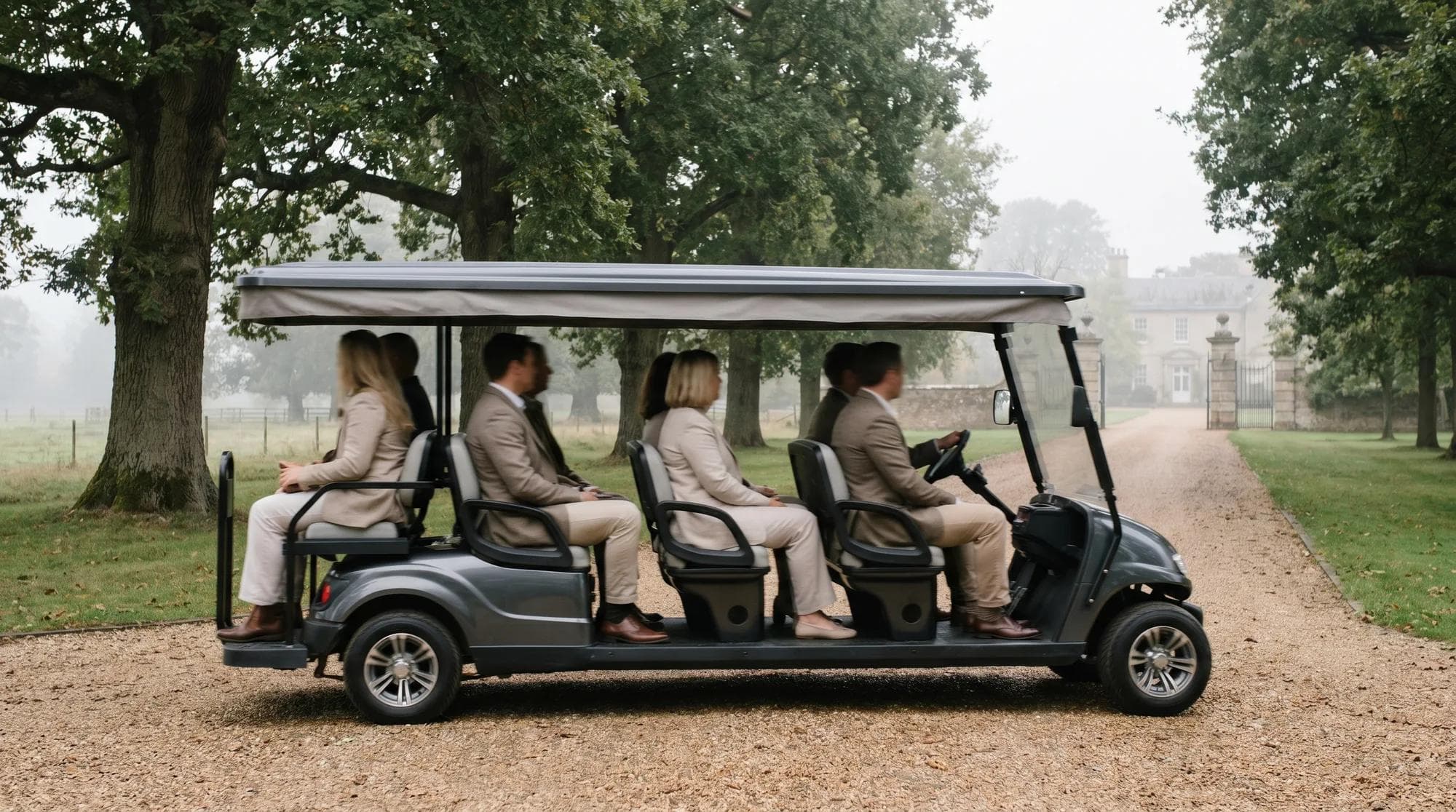
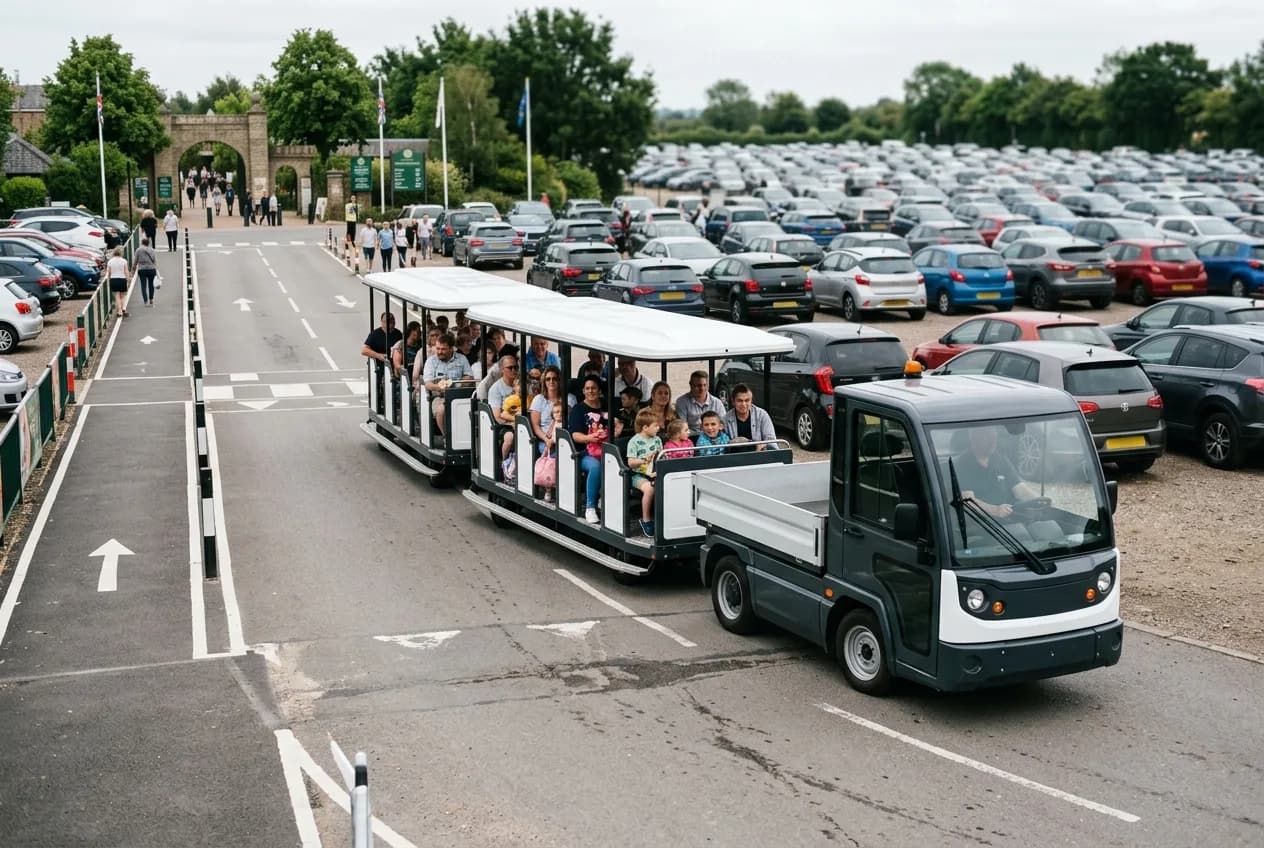
Ask anyone who runs a large attraction and they will tell you the same thing: the car park is where the day is made or ruined. A long, hot, confusing walk before you have even bought a ticket sets the tone. A smooth, comfortable transfer does the opposite. This is why big sites run shuttles, often called land trains or road trains, on a continuous loop between the parking areas and the entrance plaza.
Done well, these shuttles do three things at once. They shorten the perceived distance, they keep families together, and they move people fast enough that the car park does not back up at peak times. A train of linked, low-speed electric carriages can carry a steady stream of guests on a fixed loop all day without noise or fumes, which matters when it is running past queues and food outlets.
Moving people who can't easily make the walk
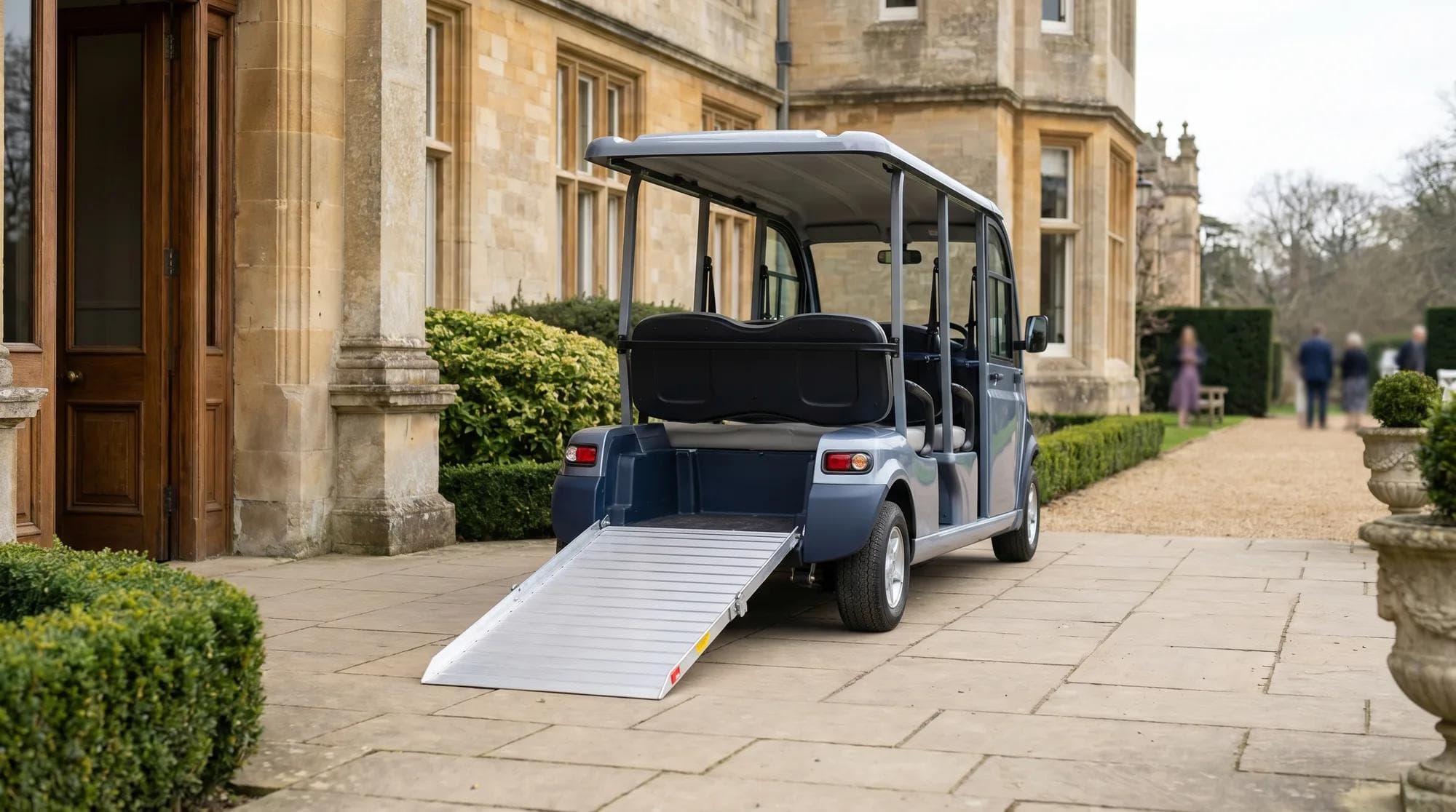
Here is the part that often gets missed. A standard car-park tram is fine for most people, but it does not solve the problem for guests who use a wheelchair or mobility scooter, or who simply cannot manage a long transfer on foot. At a lot of attractions that group ends up funnelled onto a separate, slower service, which is neither fair nor good for the experience.
A better approach is to plan accessible transport as part of the main fleet rather than an afterthought: step-free or ramped vehicles that carry a wheelchair user and their family together, on the same loop, with no long wait. We have written more about this in our guide to wheelchair-accessible buggies and PRM transport, because at the scale of a national-flagship attraction, getting it right is a serious operational and reputational issue, not a box to tick.
Back of house: the fleet guests never see
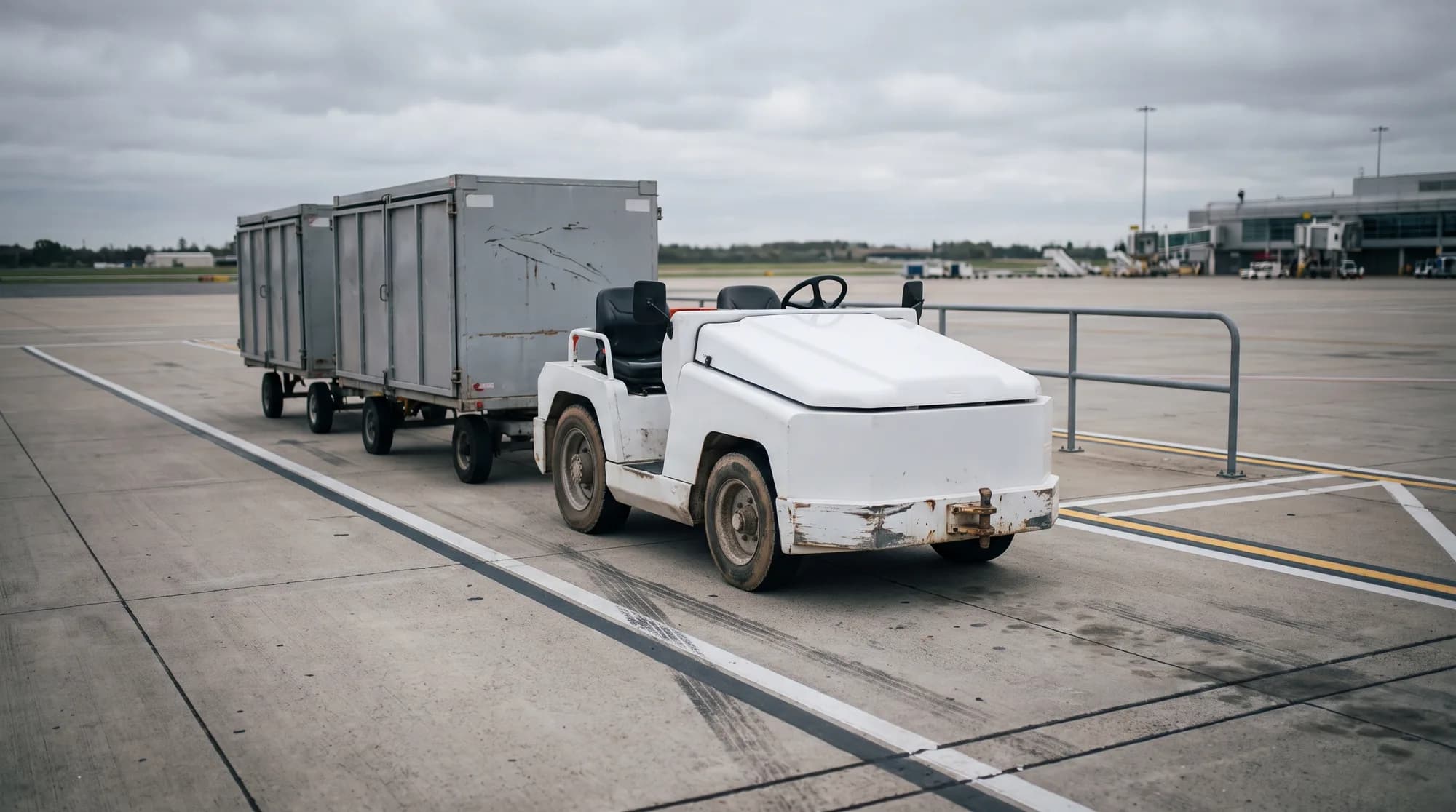
Every big attraction runs a second, invisible transport network. With thousands of staff on shift, supervisors need to cross the site quickly, maintenance teams carry tools and parts, cleaning and waste crews work constant loops, and deliveries move from a service yard to dozens of outlets. None of that can happen on foot without losing hours every day.
This is where small electric utility vehicles earn their keep. A flat load bed, real payload and a quiet drivetrain mean a team can move kit across the site without disturbing guests, and without a diesel engine idling next to a queue. The same site might run passenger people-movers out front and a fleet of utility vehicles out back, all electric, all charged overnight.
Hotel to gate, and everything in between
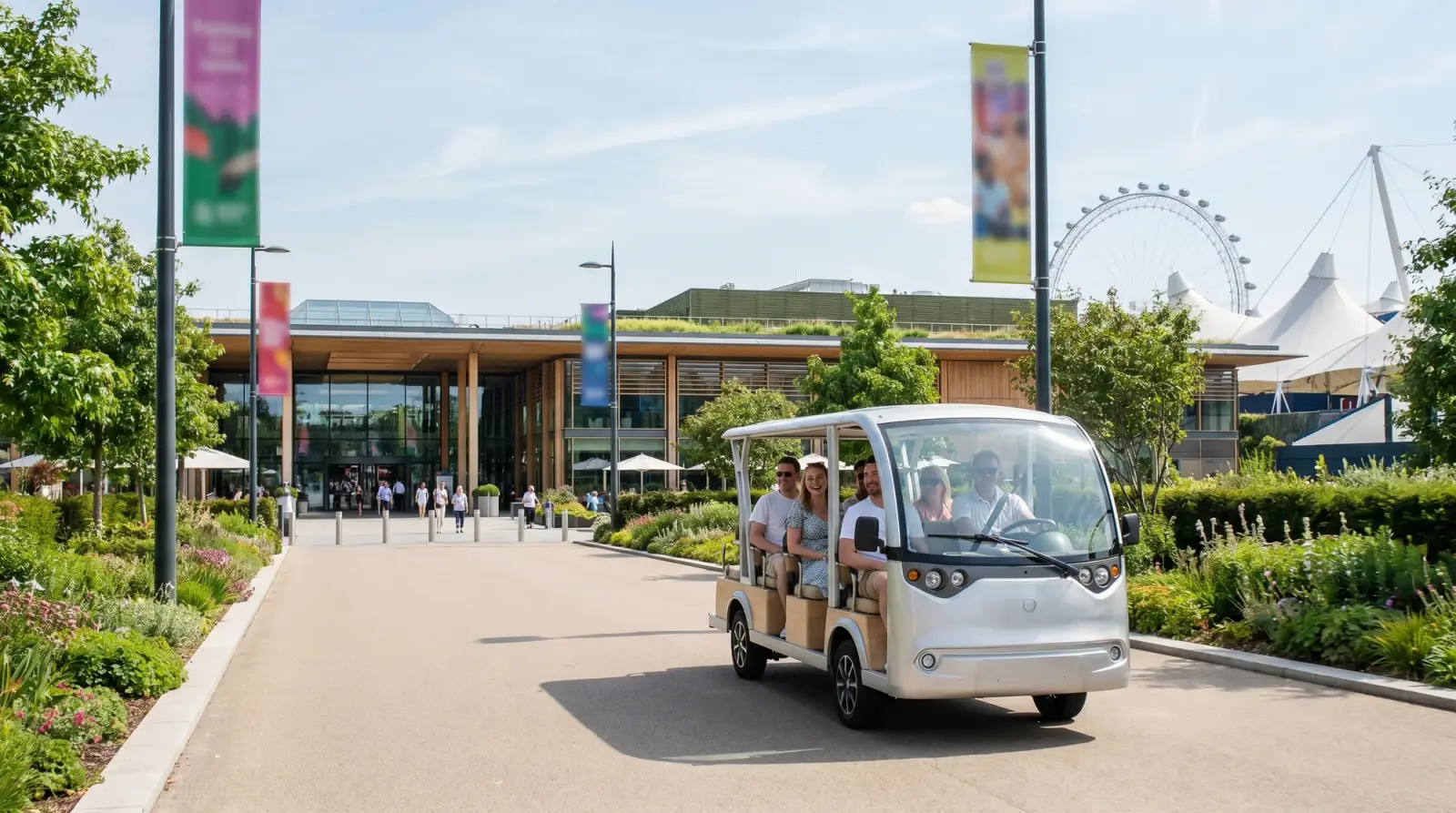
Add a 500-room hotel and you add another transport job: getting guests from their room to the park entrance and back, plus luggage on arrival and departure day. A quiet electric shuttle running between the hotel lobby and the gate turns a tedious walk into part of the welcome, and it is exactly the kind of detail that pushes a review from good to excellent.
Why new attractions are specifying electric from day one
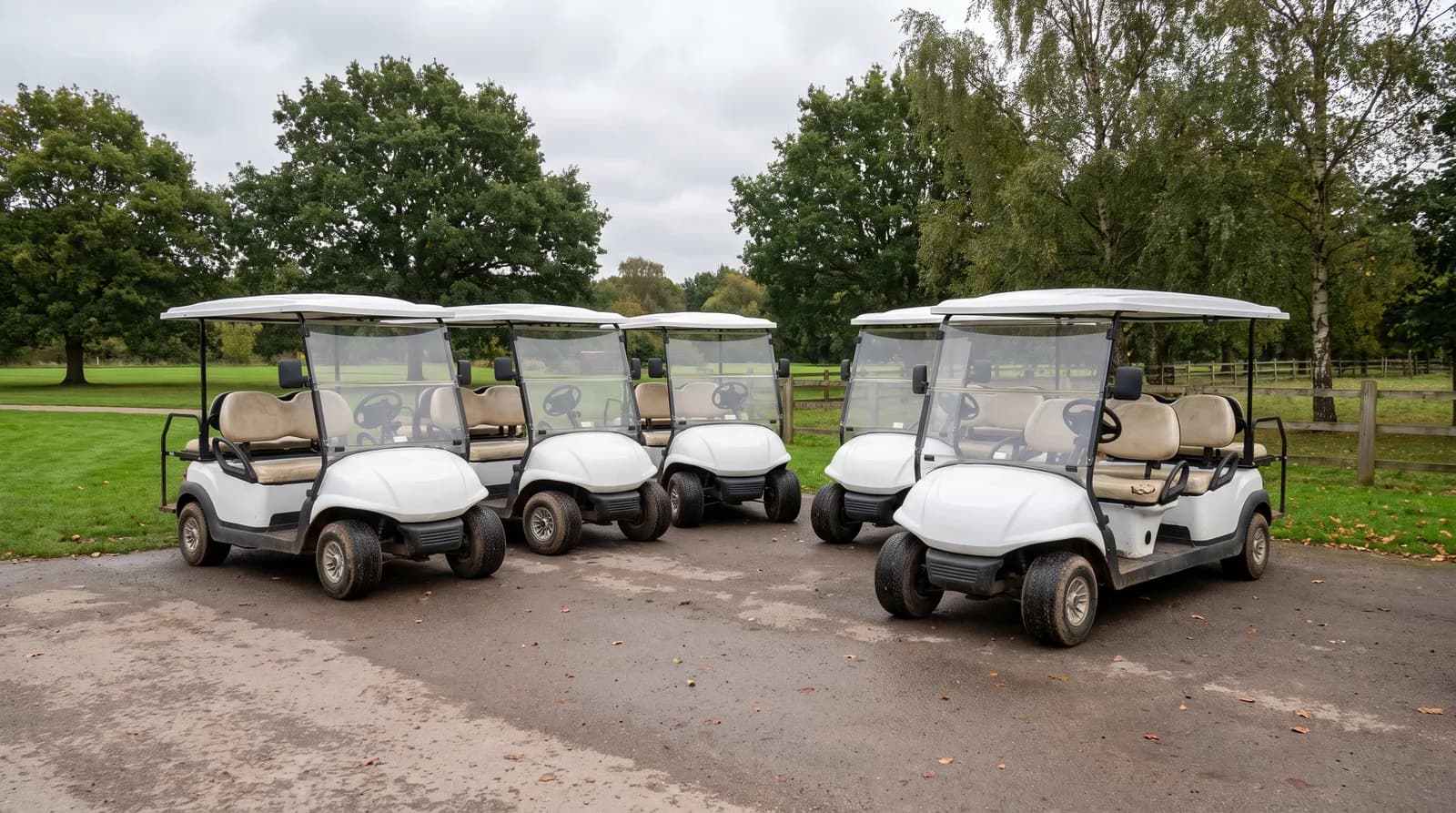
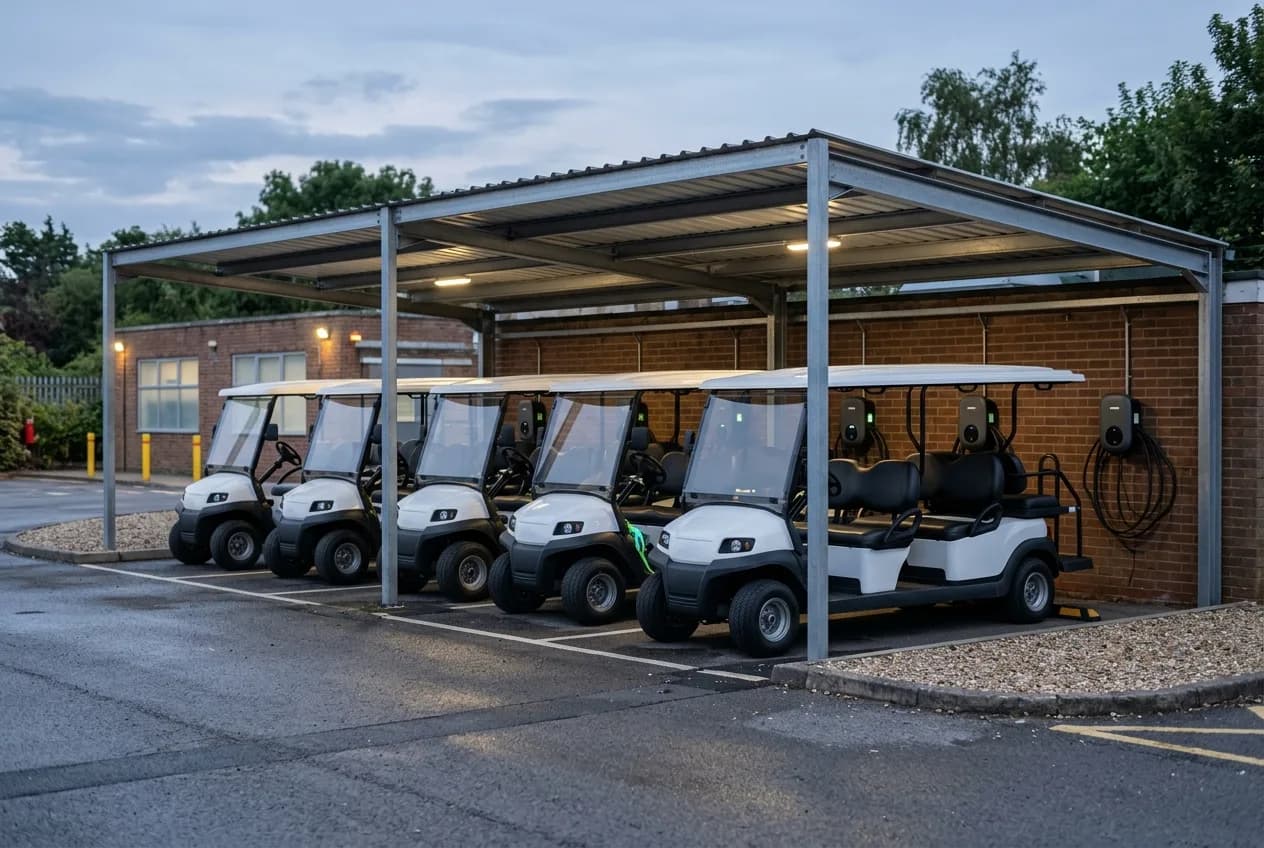
Older parks often inherited petrol or diesel buggies and have been swapping them out for years. New sites do not have that baggage, and most are choosing electric from the start for reasons that are practical as much as environmental. Electric vehicles are near-silent, so they can run close to guests and outdoor dining without intruding. They produce no local emissions, which matters in busy pedestrian areas. And they are cheaper and simpler to run, with no fuel to store and far less to service.
Explore the range
From two seats to eight, plus utility and bespoke builds, every vehicle is made to order, assembled and finished in the UK and branded as your own.
How many vehicles does a site like this need?
There is no single number, but the logic is straightforward. Work out the busiest realistic hour, the distance of each loop, and how long a round trip takes including loading. From there you can estimate how many vehicles keep the wait under a few minutes at peak. It is the same method whether you are moving 200 people an hour or 2,000; only the scale changes.
Planning transport for a large attraction?
Tell us the site, the distances and the crowds you expect. We will recommend the right mix of passenger and utility vehicles, branded as your own, and built to order, assembled and finished in the UK.
Frequently asked questions
What are the buggies at theme parks actually called?+
Passenger versions are usually called people-movers, shuttles or, when several carriages are linked, land trains or road trains. The ones moving staff and kit behind the scenes are utility vehicles or work buggies. They are all closely related: a chassis, seats or a load bed, and an electric drivetrain.
Are electric buggies fast enough for a big site?+
For moving people safely through pedestrian areas you do not want speed, you want a steady, predictable pace and a comfortable ride. Our vehicles are tuned for exactly that, with the range to run all day on a single overnight charge.
Can the vehicles be branded for the attraction?+
Yes. Every vehicle we build is made to order, so colour, livery and a logo can be applied so the fleet looks part of the brand rather than generic hire equipment.
Is electric really practical for all-day operation?+
Yes. A fleet is sized so vehicles charge overnight and run through opening hours, with spare capacity for peak days. There is no fuel to store and far less servicing than a petrol fleet.
Do you only work with theme parks?+
No. The same vehicles serve resorts, large events, stadiums, holiday parks and any site that needs to move people or kit over distance quietly. Tell us your setting and we will advise honestly on what fits.
Related solutions
Ready to explore what we build?
See the vehicles and the setting this applies to, or get a tailored quote built around your site.
Ready to find the right buggy?
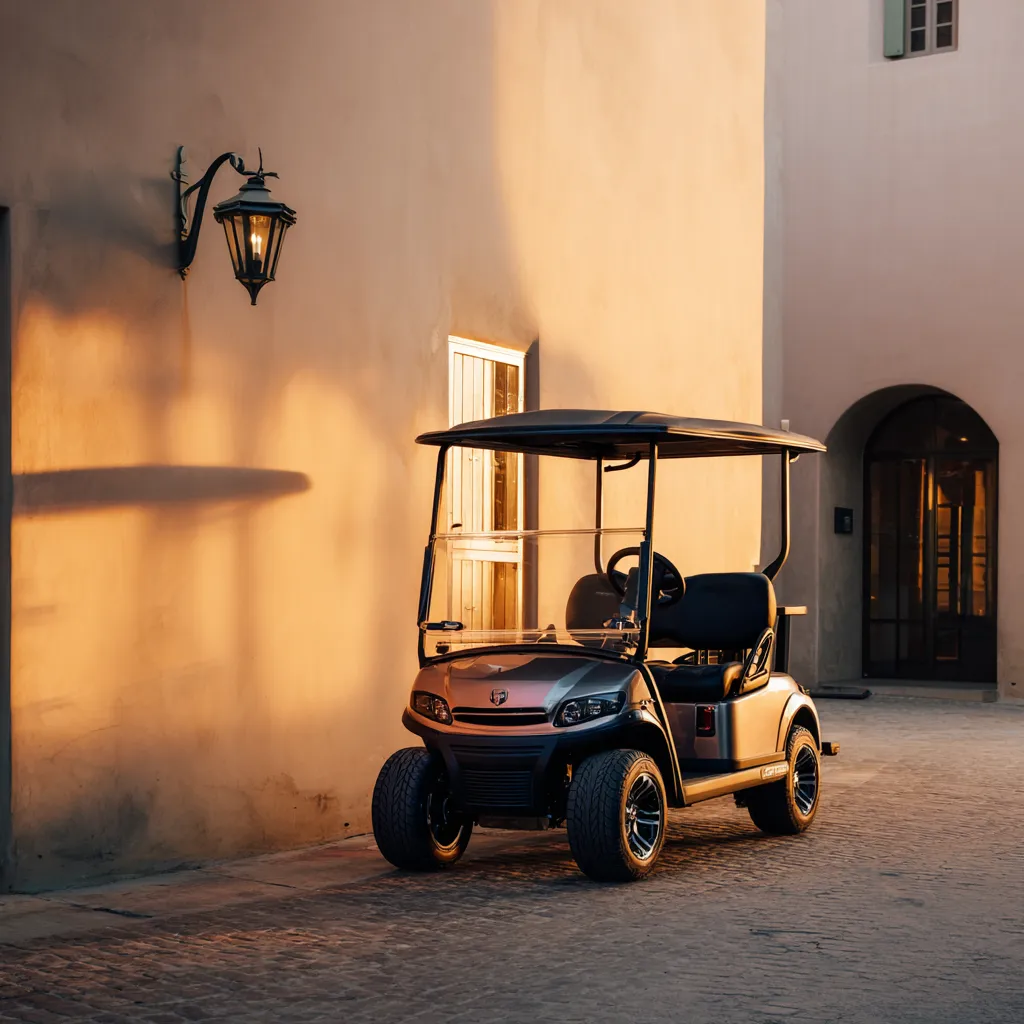
Tell us how and where it will work and we will specify a vehicle and a tailored quote built around you. Every build comes with a 3-year warranty and a 24-hour priority call-out.
Our guides are written and reviewed by the Hawke Electric Vehicles team, the people who specify, build, deliver and support the vehicles. We focus on honest, practical advice and flag where a figure depends on the build rather than guessing.
More guides by Hawke