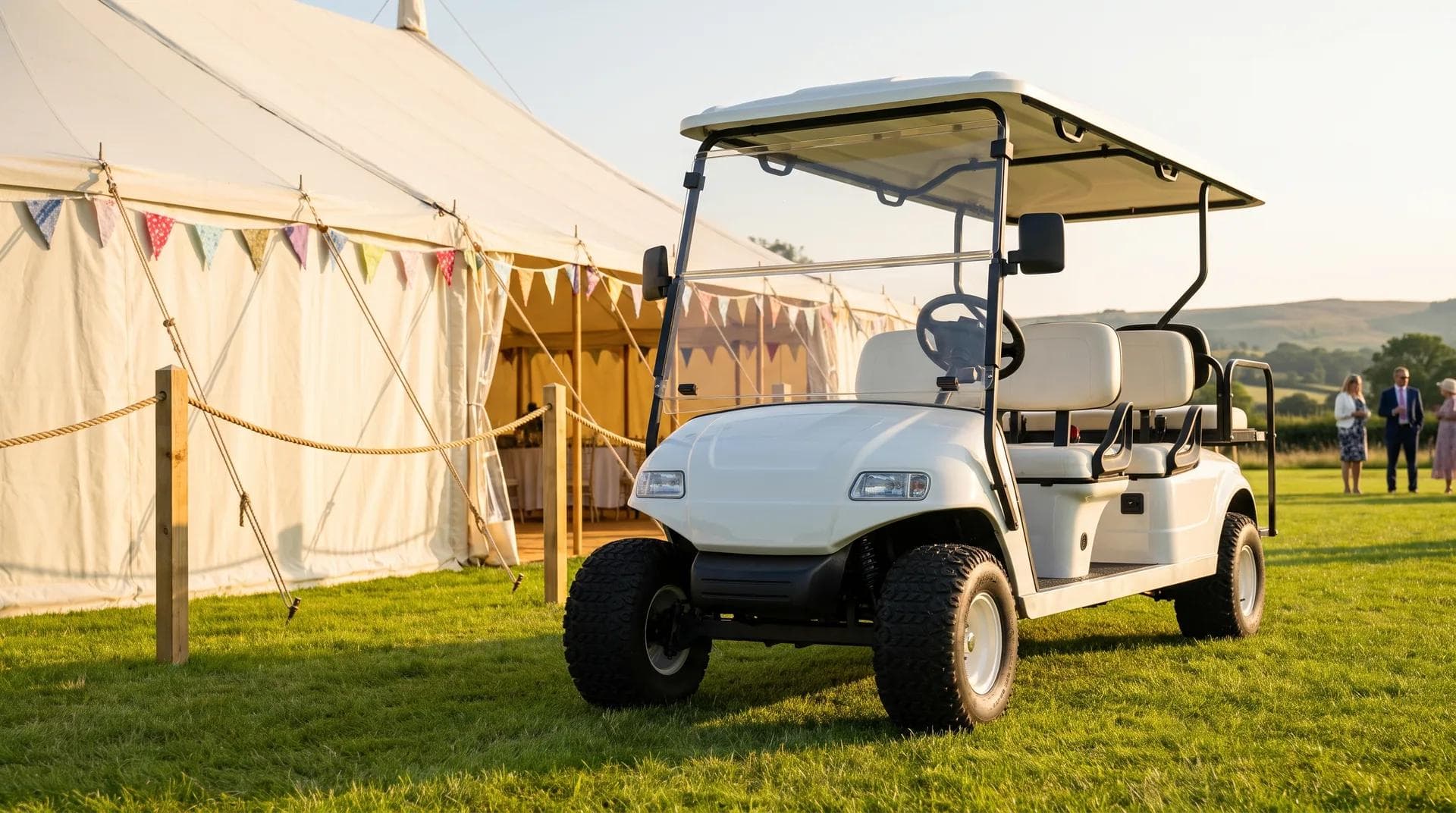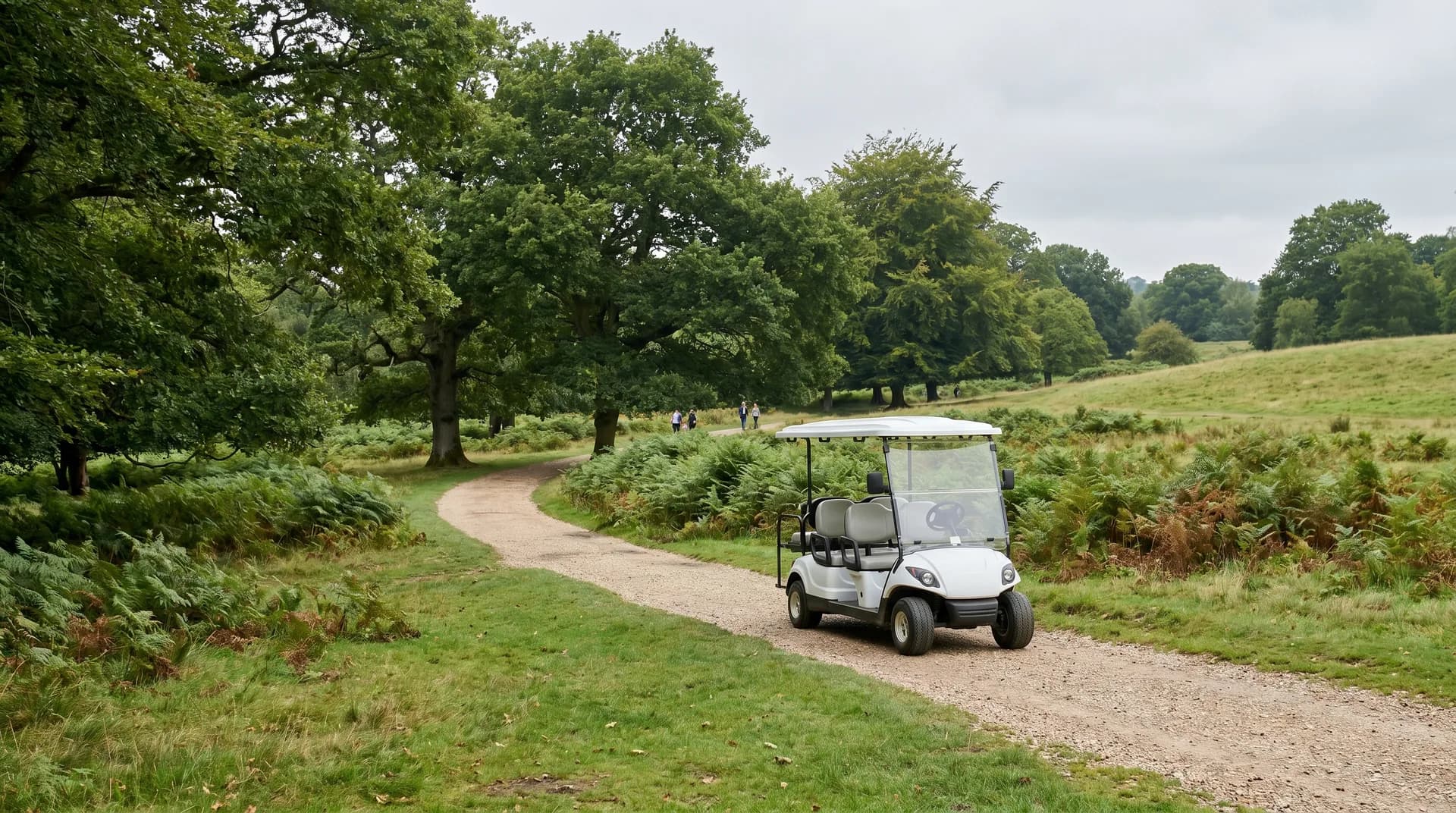
A grassroots sports club, cricket, rugby, football, tennis, bowls, runs on volunteers, a groundskeeper who is often part-time or one of those volunteers, and a budget with no room for waste. The grounds still have to be kept, and much of that work is carrying: tools, rollers, line-markers, covers, sightscreens, boundary boards, teas and matchday kit, endlessly, across turf that must not be marked. This is a buyer's guide to choosing a compact utility vehicle for that life, at grassroots scale rather than stadium scale, which is a different job from the big-venue logistics our stadiums and sports venues page covers.
- One compact utility vehicle replaces hundreds of volunteer barrow-trips a season.
- Turf tyres matter most: the square and the pitches are the club's crown jewels.
- Size to the real jobs: covers, rollers, line-marking kit, teas and boundary gear.
- Electric suits clubs: cheap to run, quiet on Sunday mornings, little to service.
- Buy well once, or hire for the season while funds build; we advise honestly.
The jobs a club vehicle does
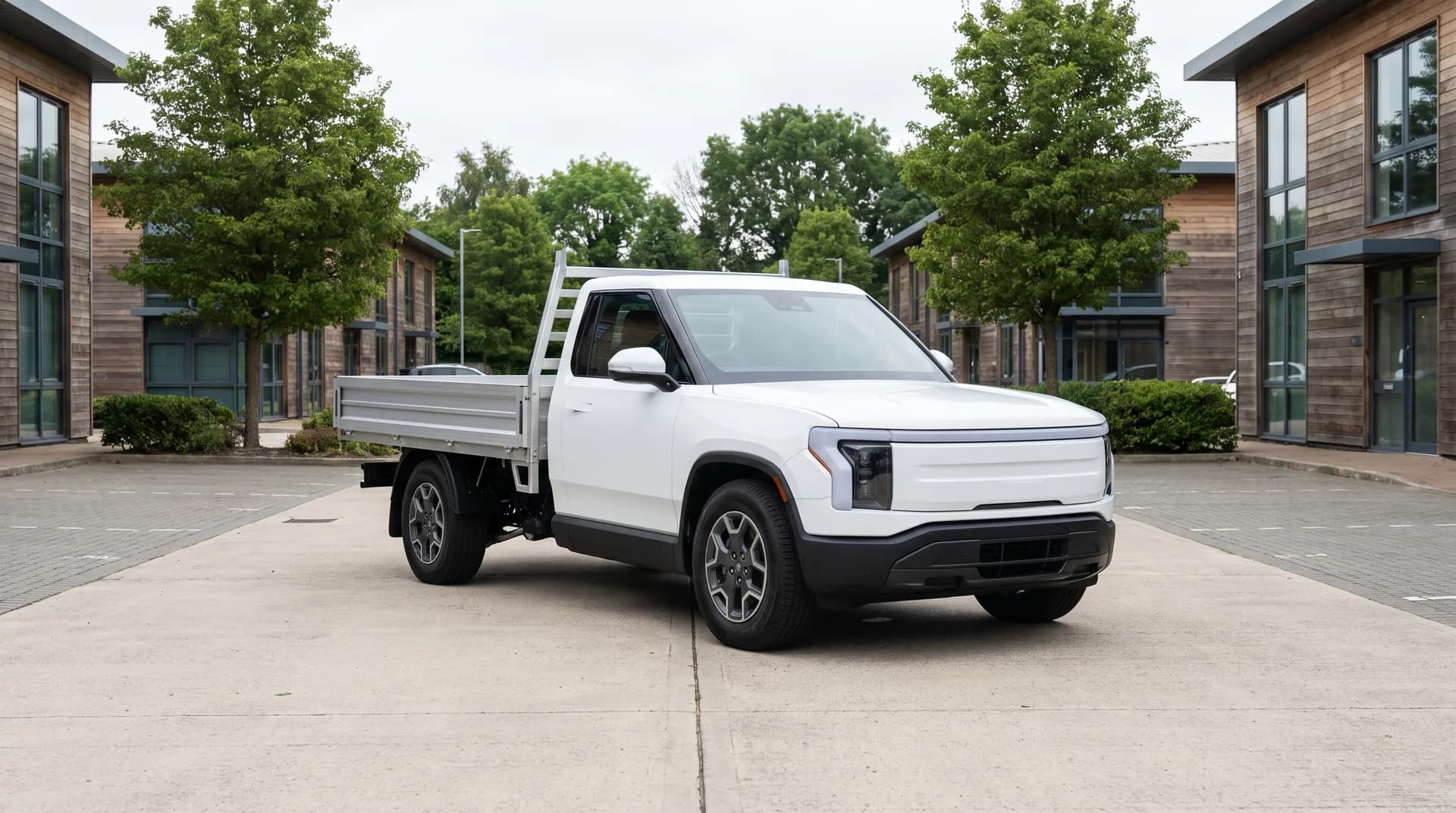
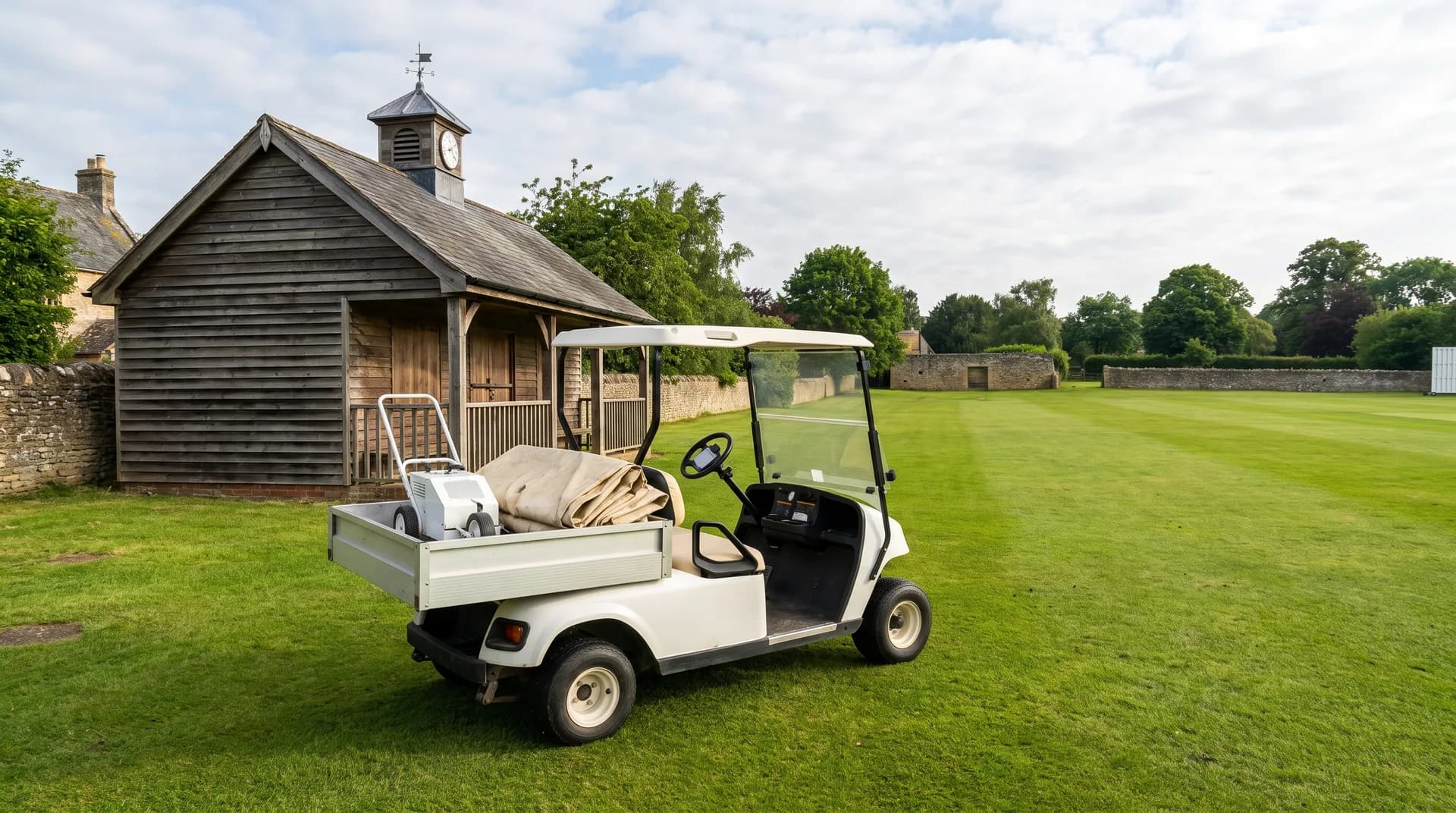
The list is familiar to anyone who has run a club: moving covers on and off before the weather, hauling the line-marker and paint around the pitches, shifting sightscreens and boundary boards, carrying tools and topdressing to the square, running teas and kit between the clubhouse and the far pitch, and collecting the endless litter of a busy Saturday. A compact utility vehicle with a load bed does all of it in a fraction of the volunteer hours, which for a club is the real currency, the same carrying logic as our grounds and turf keeping work at club scale.
Protecting the turf you exist for
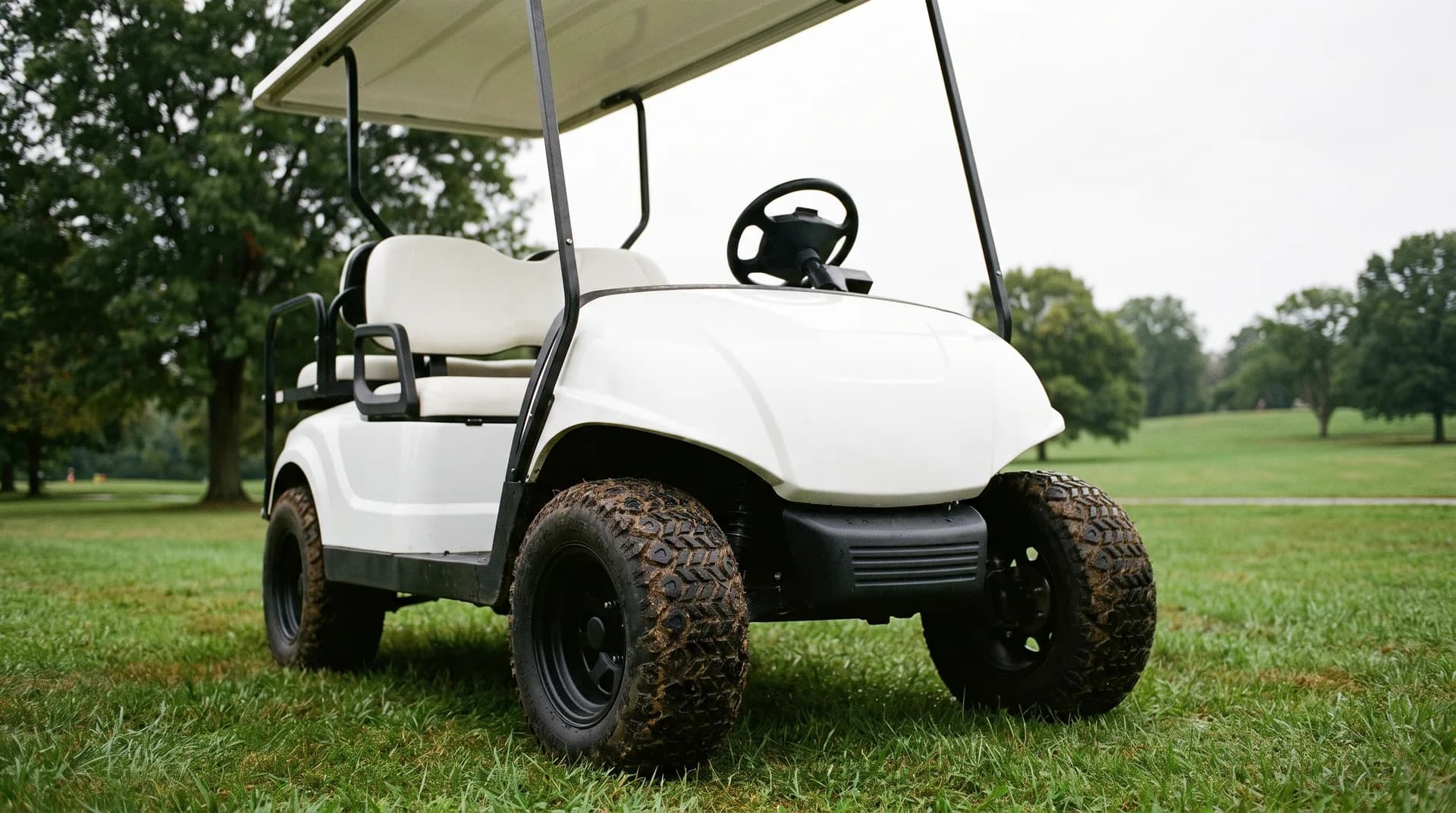
A club's square, greens or pitches are its crown jewels, so the vehicle must never cost more turf than it saves labour. That means turf tyres that spread the load, sensible loaded weight, and staying off the playing surfaces when they are soft, exactly the tyre-and-pressure thinking in our tyres guide. Electric helps here too: no oil drips on the outfield, no fuel store in the pavilion, and quiet running that does not spoil a Sunday morning for the neighbours.
Budget honestly: buy, hire or share
At grassroots scale the money matters, so be honest about the options. A well-built compact utility vehicle is a long-term asset that outlives many committee cycles, and our utility vehicle cost guide explains what drives the price. If funds are building, seasonal hire keeps the grounds kept meanwhile, as our hire versus buying guide sets out, and some clubs share a vehicle across sections or with a neighbouring club. Grant funding for club facilities can sometimes help; your league or governing body is the place to ask.
Frequently asked questions
What vehicle does a grassroots sports club need?+
Usually one compact electric utility vehicle with a load bed on turf tyres: enough to move covers, rollers, line-markers, sightscreens, tools and matchday kit without marking the playing surfaces, at a running cost a club budget can live with.
Will it damage the square or the pitches?+
Not specified properly: turf tyres spread the load and the vehicle stays off soft playing surfaces. The whole point is saving volunteer labour without costing turf, and we specify for exactly that.
Why electric for a sports club?+
It is cheap to run, has little to service, needs no fuel store in the pavilion, drips no oil on the outfield, and is quiet enough for early starts and Sunday mornings near houses.
Can a small club afford one?+
A well-built vehicle is a long-term asset, and the alternatives help the sums: seasonal hire while funds build, sharing across sections or with a neighbouring club, and sometimes facilities grant funding via your league or governing body. We quote honestly to a club budget.
Is this different from a stadium vehicle?+
In scale, yes. A grassroots club needs one honest workhorse for grounds and matchdays; big venues run event-day logistics fleets, which our stadiums and sports venues page covers separately.
Kit out your club's grounds
Tell us your grounds and the jobs your volunteers do, and we will specify one honest workhorse at a club-sensible price.
Related solutions
Ready to explore what we build?
See the vehicles and the setting this applies to, or get a tailored quote built around your site.
Ready to find the right buggy?
Tell us how and where it will work and we will specify a vehicle and a tailored quote built around you. Every build comes with a 3-year warranty and a 24-hour priority call-out.
Our guides are written and reviewed by the Hawke Electric Vehicles team, the people who specify, build, deliver and support the vehicles. We focus on honest, practical advice and flag where a figure depends on the build rather than guessing.
More guides by Hawke