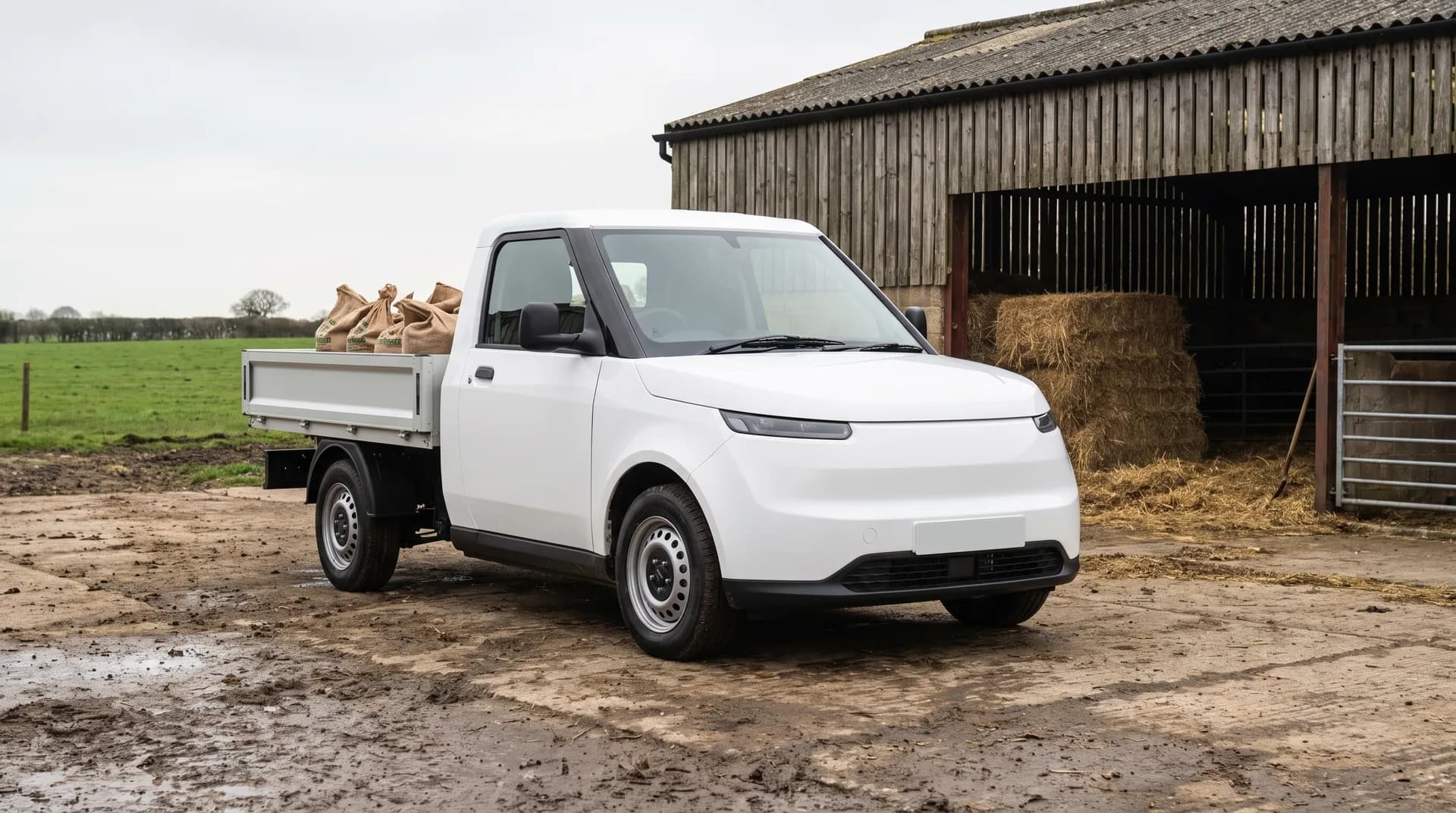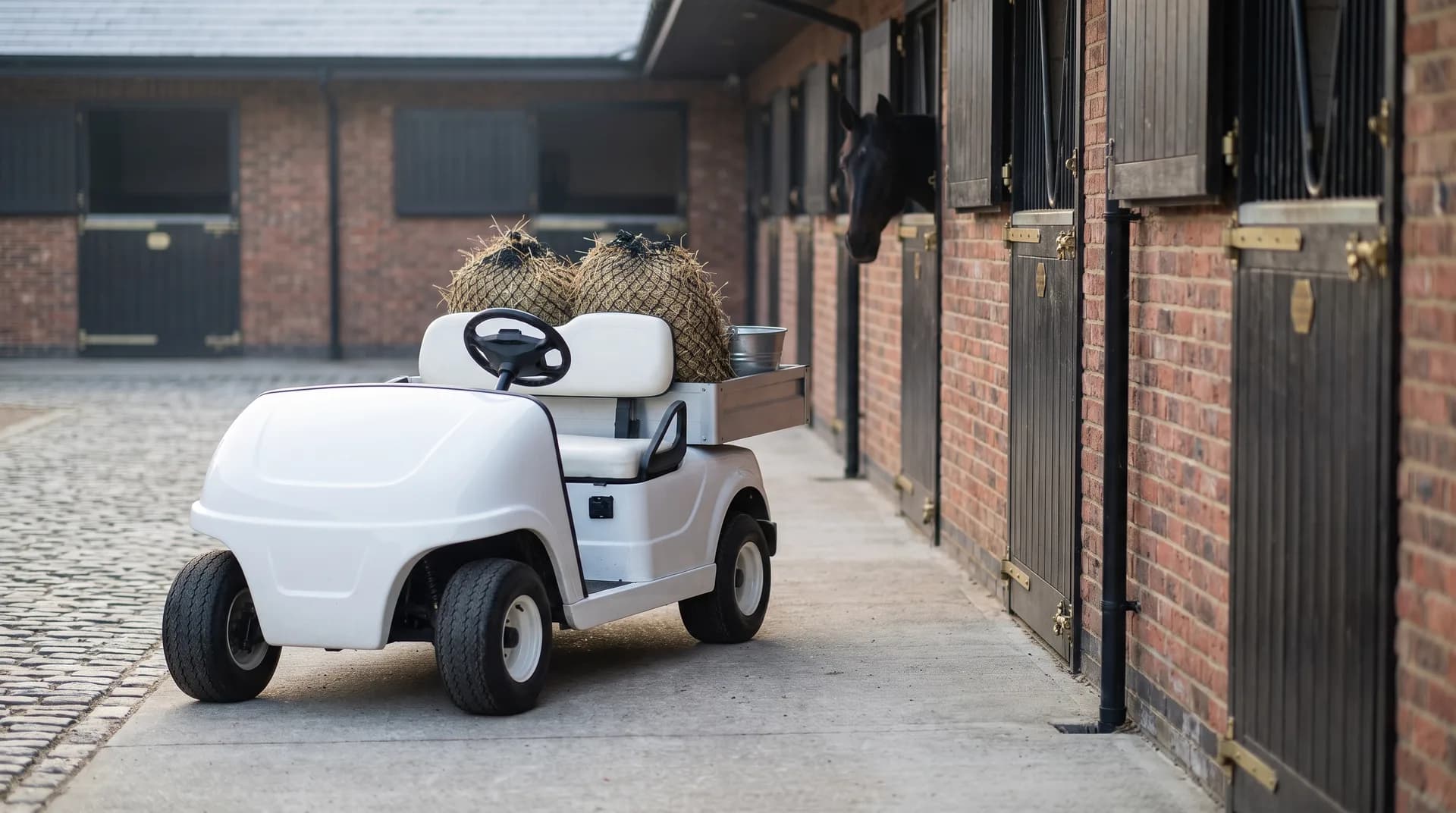
Anyone who works around horses knows the first rule of yard machinery: horses notice engines long before people do. A petrol quad or a rattling barrow announces itself across the yard, unsettles young or sharp horses, and fills a confined stable block with fumes. An electric utility vehicle does the same daily carrying, feed, muck, water, bedding, tack, hay, in near silence, which is exactly why yards are switching. This guide covers choosing one for an equestrian yard, livery, stud or riding school.
- Near-silent running keeps horses settled while the work happens around them.
- One vehicle covers the feed round, muck run, water, bedding and hay moves.
- No exhaust fumes in the barn, the stable block or along the muck trail.
- Specified for yard life: hose-down practicality, tyres for concrete and field.
- Low running cost and little to service suit a yard's economics.
Quiet is a welfare feature
On a yard, quiet is not a luxury; it is horse management. A vehicle that moves without engine noise lets the morning feed round happen without waking the whole yard into a clatter of kicked doors, lets muck runs pass a schooling session without drama, and keeps the atmosphere settled for young stock and stallions alike. No exhaust matters just as much: fumes have no place in a barn or a stable block, and an electric vehicle simply does not make any.
The daily work it does
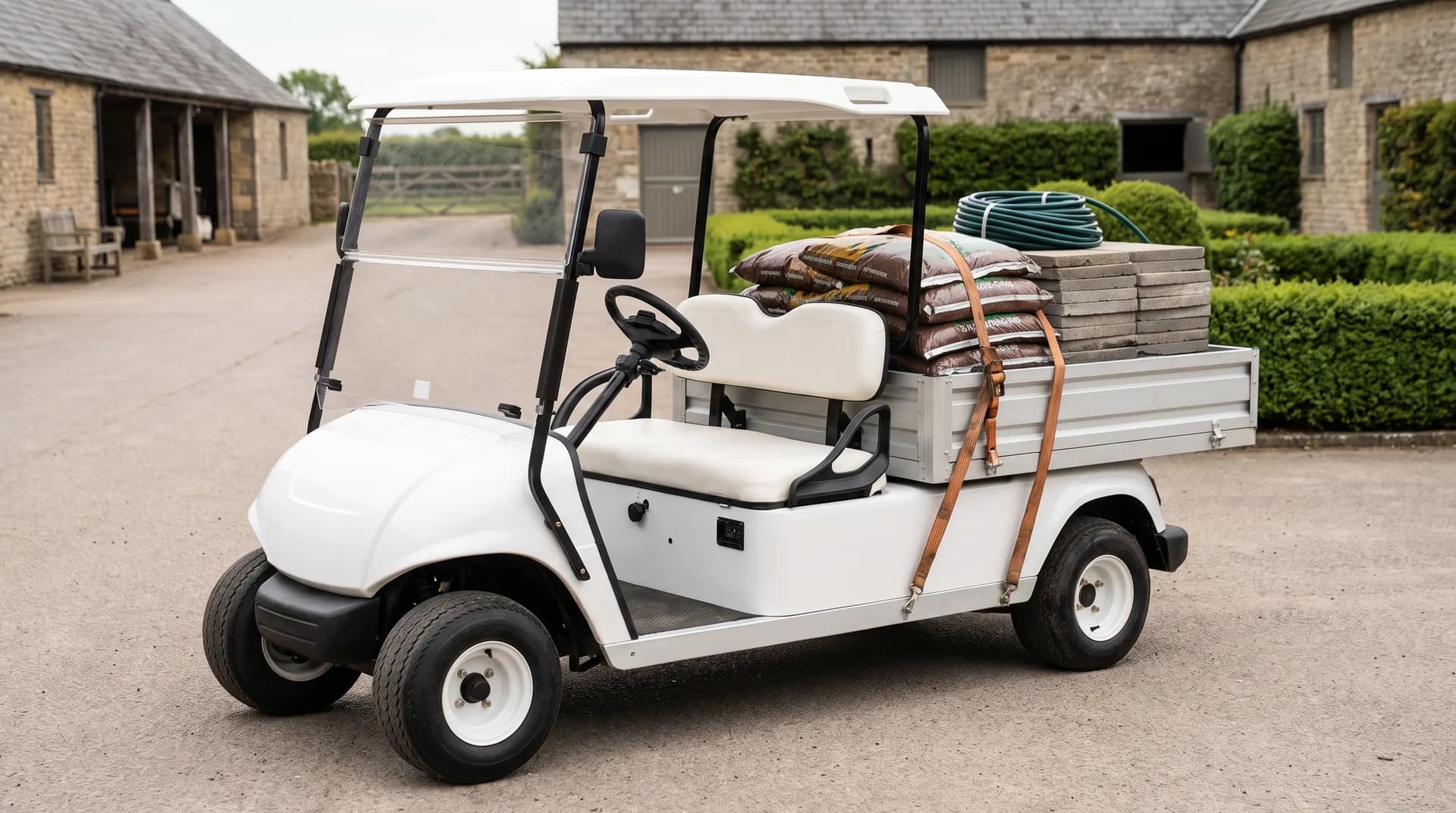
The jobs are the same every day of the year: feed to every stable, hay and haylage from the barn, water where there is no tap, bedding in and muck out to the heap, tack and rugs between blocks, and poo-picking the paddocks with a trailer behind. A compact utility vehicle with a load bed, and a tipping option for muck and bedding, turns hours of barrowing into minutes of driving, the same honest carrying as our farms and smallholdings guide with the volume turned down for the horses.
Specifying for yard life
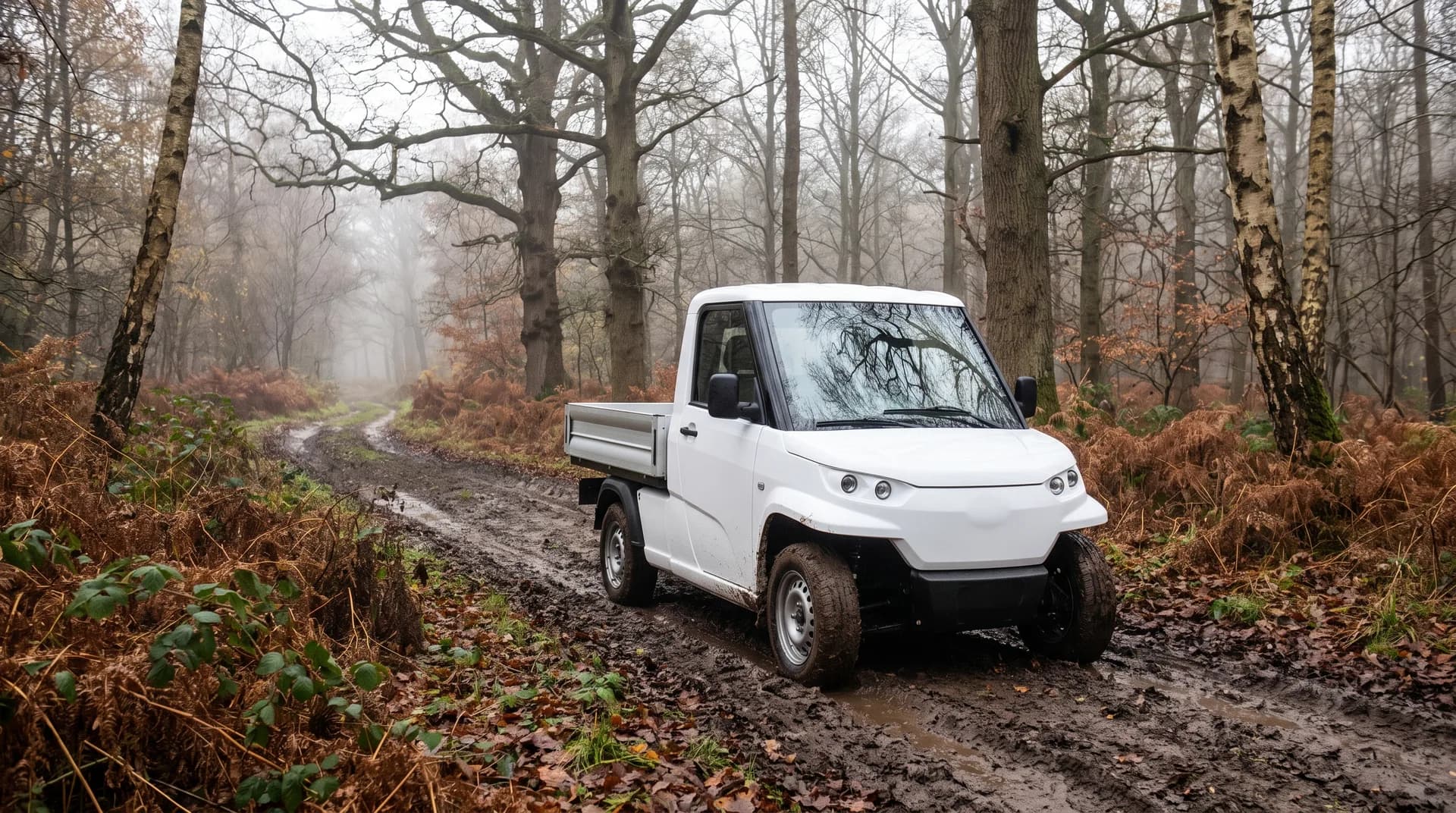
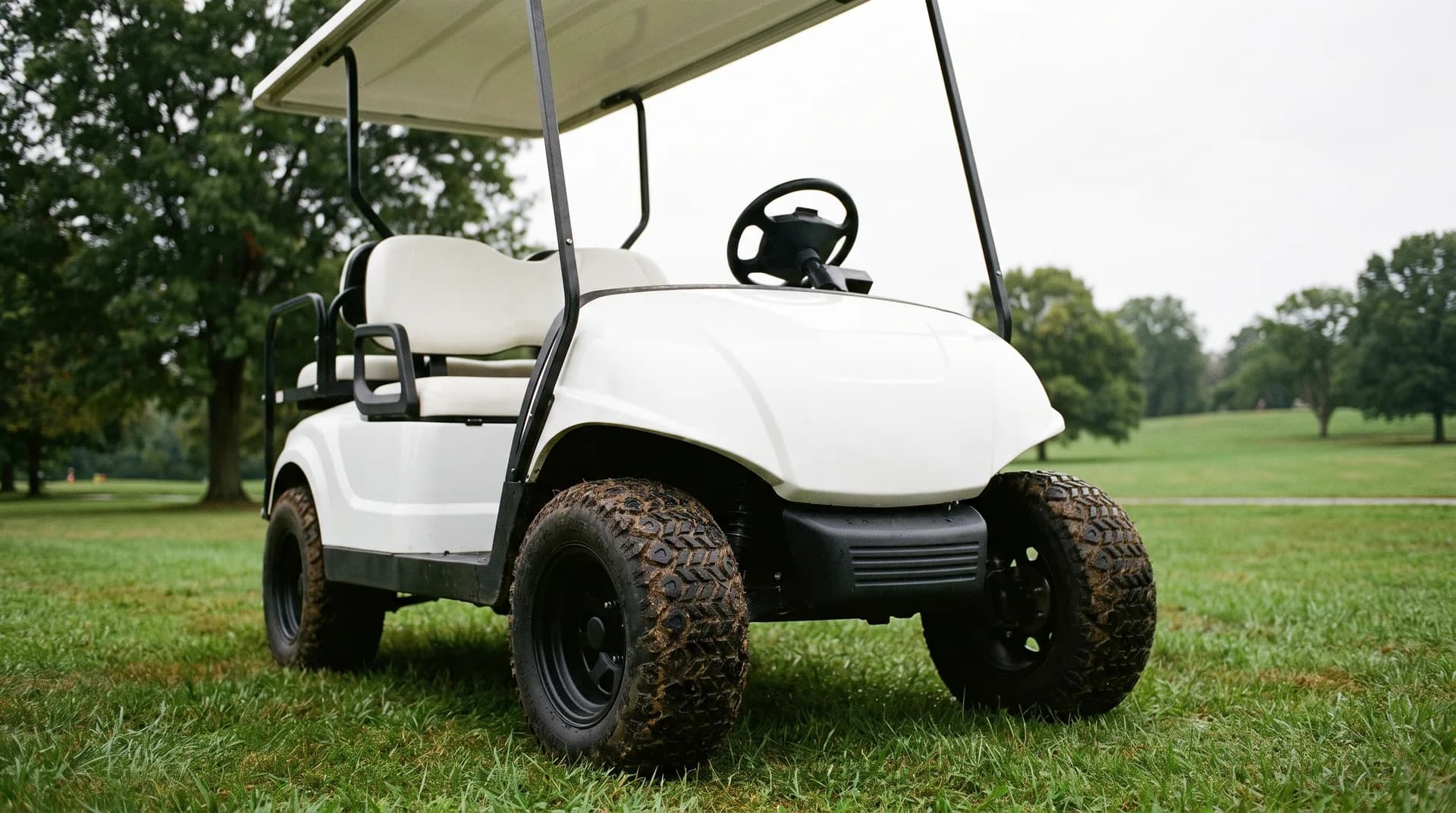
Yard life is hard on kit, so the specification matters: tyres for the mix of concrete, hardcore and field, as our tyres guide explains; a load bed sized to your bales and barrows with an honest payload, covered in our weight guide; towing within a rated capacity for the paddock trailer; and bodywork that hoses down at the end of a mucky day. Charging is an ordinary socket in the barn overnight, and there is no petrol can in the feed room, which most yards are quietly glad to be rid of.
Frequently asked questions
Why use an electric vehicle on an equestrian yard?+
Because it is near silent and fume-free: the feed and muck rounds happen without unsettling horses, nothing rattles past a schooling session, and there are no exhaust fumes in the barn or stable block. It also costs a fraction of a petrol quad to run.
Will it spook the horses?+
Far less than anything with an engine. Electric running is near silent, and most horses settle to a quiet vehicle quickly. As with anything new on a yard, introduce it calmly and follow your own yard's routines around sharp or young horses.
Can it handle muck, feed and hay?+
Yes. A load bed sized to your bales and barrows, with a tipping option for muck and bedding, covers the daily round, and towing within a rated capacity pulls a paddock trailer for poo-picking. We quote honest payload and towing figures per model.
Will it cope with the yard and the fields?+
Specified correctly, yes: tyres for concrete, hardcore and field, and bodywork that hoses down after a mucky day. We are honest about very deep mud or steep ground beyond the vehicle.
What does it cost to run on a yard?+
Very little: it charges overnight from an ordinary socket in the barn, costs a fraction of petrol per mile, and has little to service. For a yard doing the same rounds every day, the savings are steady and real.
Specify a vehicle for your yard
Tell us your yard, your horses and the daily rounds, and we will specify a quiet workhorse that fits the way you work, and prepare a considered quote.
Related solutions
Ready to explore what we build?
See the vehicles and the setting this applies to, or get a tailored quote built around your site.
Ready to find the right buggy?
Tell us how and where it will work and we will specify a vehicle and a tailored quote built around you. Every build comes with a 3-year warranty and a 24-hour priority call-out.
Our guides are written and reviewed by the Hawke Electric Vehicles team, the people who specify, build, deliver and support the vehicles. We focus on honest, practical advice and flag where a figure depends on the build rather than guessing.
More guides by Hawke