Search for the best golf cart and you will be handed a ranked list of models, which is exactly the wrong way to shop. A cart that is perfect for golf around a private course is the wrong tool for ferrying four people to a beach a mile away on public roads. The better question is not which cart is best, but which cart is best for what you will actually do with it. Get that right and the shortlist almost writes itself.
- Choose by use first: golf and property work, neighborhood errands, or street-legal road use each point to a different cart.
- Seats and battery chemistry move the price more than the badge on the front.
- Lithium is now the default worth paying for on a cart you will keep, with longer life and faster charging.
- If you will ever drive on public roads, buy a street-legal LSV, not a cart you plan to upgrade later.
- Budget $8,000 to $25,000-plus new depending on seats and road equipment; confirm a real figure for your build.
Start with how you will use it
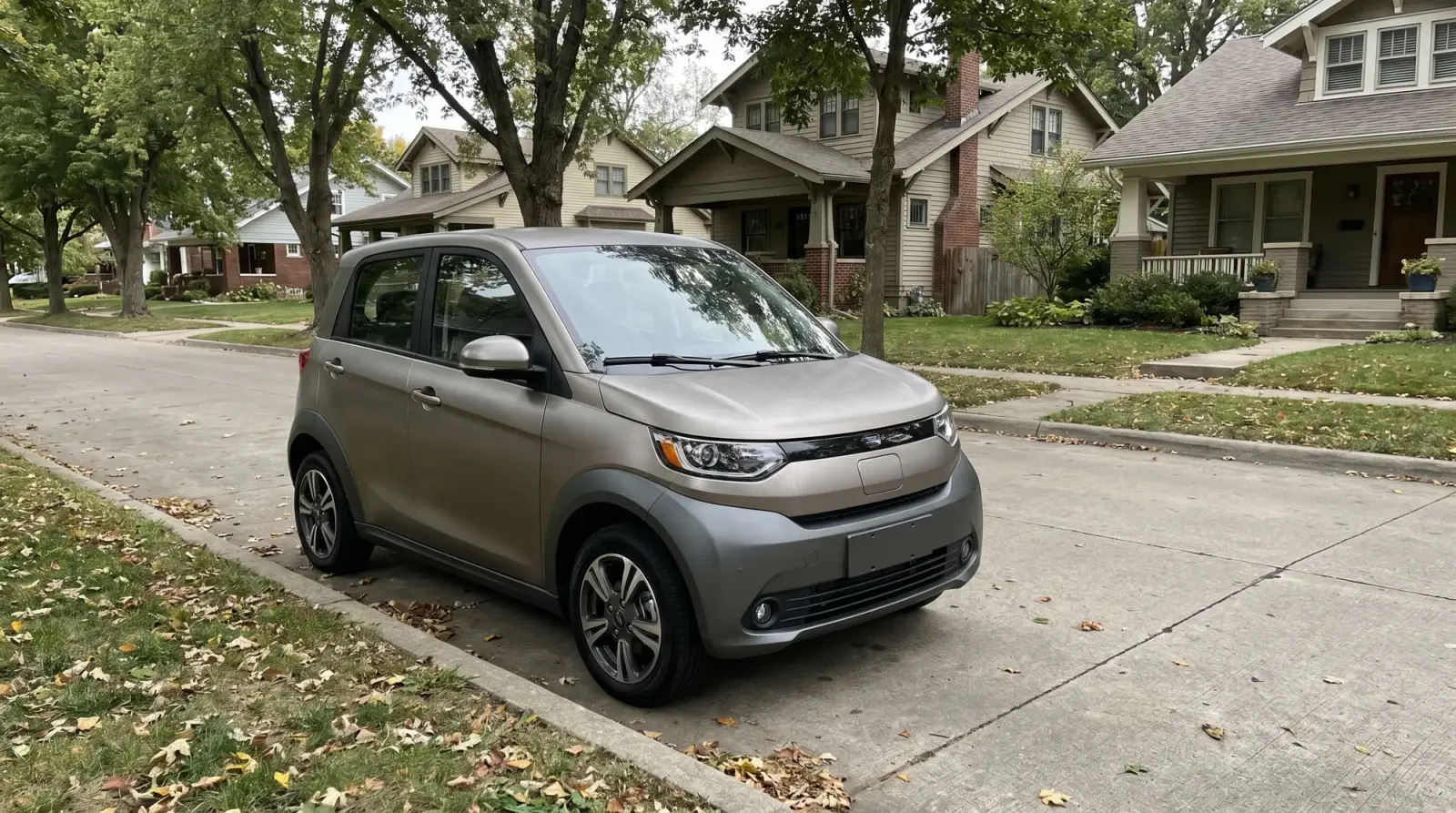
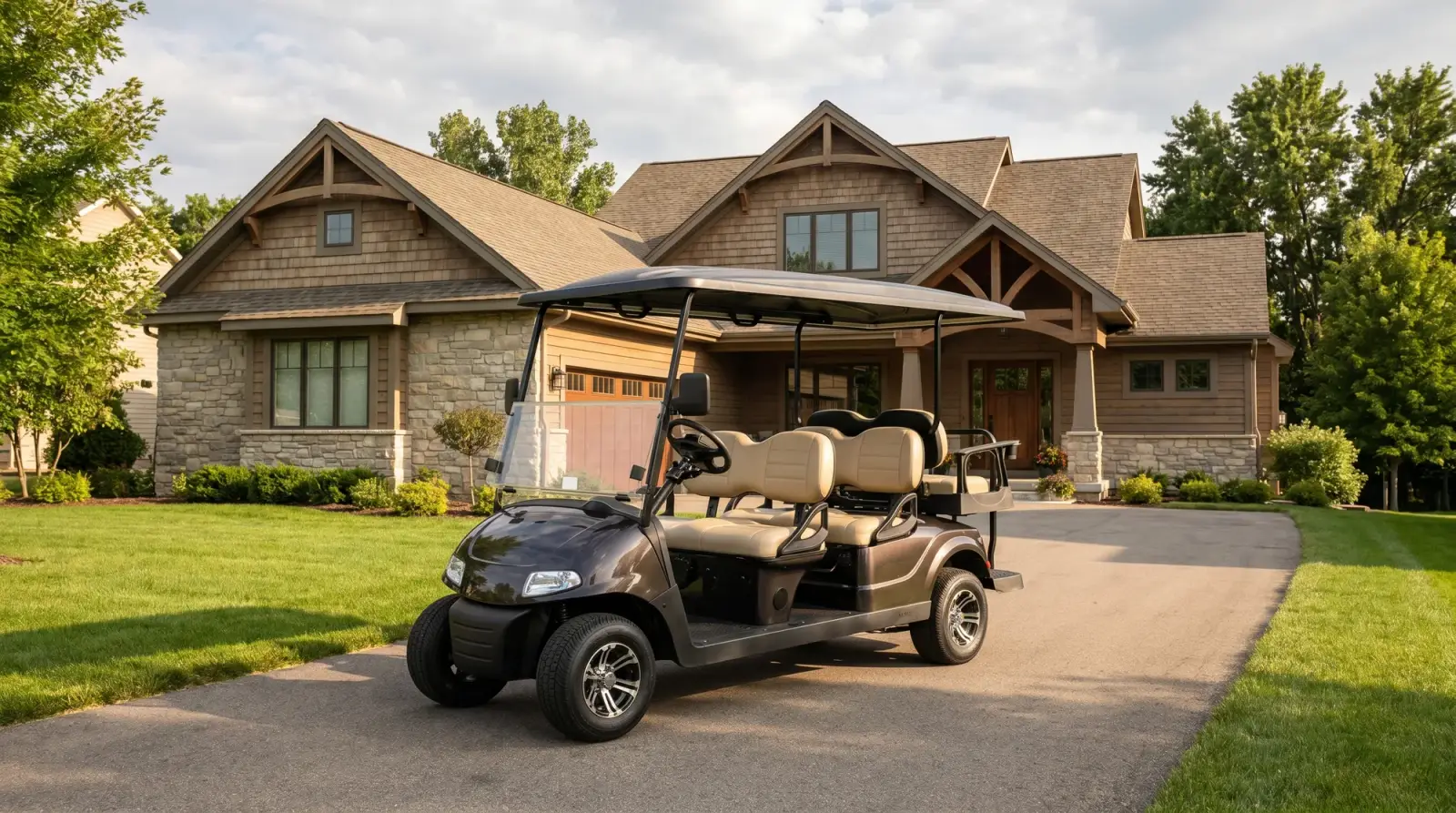
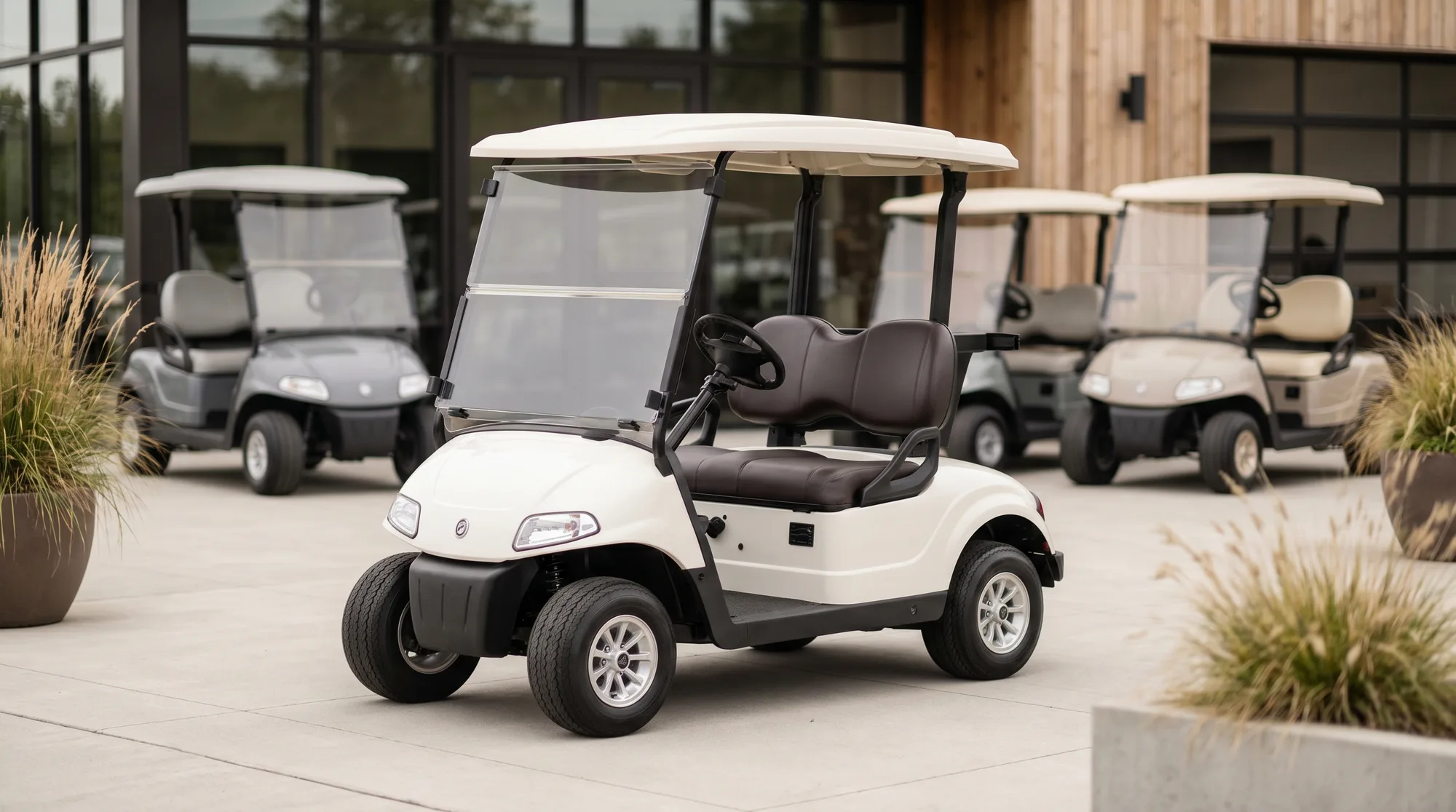
Three use cases cover most buyers, and each one rewards a different cart. For golf and getting around a large property, a simple two-seat electric cart with good range is plenty. For neighborhood life, school runs and quick errands, a four-seater with a comfortable ride and decent cargo space earns its keep. For driving on public roads, you want a purpose-built street-legal Low-Speed Vehicle with lights, belts and a VIN from the factory. Decide which of these you are before you compare a single model.
- Best for
- Two seats, range, simplicity
- What to prioritize
- Battery health, quiet running
- Best for
- Four to six seats, comfort
- What to prioritize
- Ride quality, cargo, lighting
- Best for
- Street-legal LSV (20-25 mph)
- What to prioritize
- Lights, belts, VIN, build quality
| Best for | What to prioritize | |
|---|---|---|
| Golf and property | Two seats, range, simplicity | Battery health, quiet running |
| Neighborhood and family | Four to six seats, comfort | Ride quality, cargo, lighting |
| Public roads | Street-legal LSV (20-25 mph) | Lights, belts, VIN, build quality |
If you are still sizing the decision, what size golf cart do you need walks through seat count against real-world use, and sets honest budget expectations before you start.
The specs that actually matter in 2026
Once you know the job, only a handful of specs separate a good cart from a frustrating one. Battery chemistry is first. Lithium has moved from premium upgrade to sensible default on any cart you intend to keep, because it lasts longer, charges faster and holds range as it ages. Lithium vs lead-acid covers the trade-off in detail, but for most 2026 buyers lithium is the answer.
After the battery, look at range, ride quality and build. Real usable range depends on terrain, load and speed, not just the headline number, so learn how to read range claims rather than trusting the sticker. Then judge the bones of the cart: a corrosion-resistant frame, weatherproof connections and quality suspension are what keep a cart pleasant five years in.
Electric over gas for most buyers
For the majority of 2026 buyers the choice is settled: electric is quieter, cleaner, cheaper to run and needs less maintenance, and charging at home is simple. Gas still has a niche for very long days far from power, but it is the exception now, not the default. If you want the full comparison, electric vs gas golf carts lays out the running costs and trade-offs in detail.
If you will touch a public road, buy a street-legal LSV
This is the most common expensive mistake. People buy a cheaper sub-20 mph cart, then discover they want to drive it on the road and try to retrofit lights, belts and the rest. It is almost always more expensive and less tidy than buying a factory street-legal LSV in the first place. An LSV is built to the federal FMVSS 500 standard with headlights, turn signals, brake and tail lights, mirrors, a windshield, seat belts, a horn and a VIN, and is registrable in most states. If road use is even a maybe, start there. See golf cart vs LSV: which should you buy and street-legal golf carts and LSV rules.
New or used
A clean used cart can be excellent value, especially for occasional use, but the battery is the whole ballgame. A bargain cart with a tired pack is not a bargain. Inspect carefully, or buy new for warranty and a fresh battery. The new vs used golf cart guide and the used golf cart checklist will keep you out of trouble, and thinking about cost over the full years you will own it pays off before you sign anything.
The best golf cart is the cheapest one that does everything you will ask of it for as long as you plan to keep it. Anything more is paying for capability you will not use; anything less is a compromise you will feel every week.
Find the right cart for how you live
Tell us how you will use it and we will match you to the right model and a real price, with no guesswork.
Frequently asked questions
What is the best golf cart for a family in 2026?+
For most families a four-seat electric cart with a lithium battery and comfortable ride is the sweet spot. If you will drive on public roads, choose a street-legal LSV version with lights and belts from the factory.
Is lithium worth it on a new cart?+
On a cart you plan to keep, usually yes. Lithium lasts longer, charges faster and holds its range better than lead-acid, so the higher up-front price often works out cheaper over the cart's life.
How much should I budget for a good cart?+
Indicatively, around $8,000 to $12,000 for a new two-seat electric, $11,000 to $16,000 for a four-seater, and $15,000 to $25,000-plus for a well-equipped street-legal LSV. Confirm a real figure for your build.
Should I buy a regular cart or a street-legal LSV?+
If you will ever drive on public roads, buy a factory street-legal LSV. Retrofitting lights and belts to a cheaper cart later is usually more expensive and less reliable than buying the right thing once.
Electric or gas?+
Electric for most buyers, thanks to quieter running, lower costs and easy home charging. Gas suits only very long days far from a power source, which is now an uncommon need.
Related solutions
Ready to explore what we build?
See the vehicles and the setting this applies to, or get a tailored quote built around your site.

Ready to find the right buggy?
Tell us how and where it will work and we will specify a vehicle and a tailored quote built around you. Every build comes with a 3-year warranty and a 24-hour priority call-out.
Our guides are written and reviewed by the Hawke Electric Vehicles team, the people who specify, build, deliver and support the vehicles. We focus on honest, practical advice and flag where a figure depends on the build rather than guessing.
More guides by Hawke