Georgia takes a different approach from most states, and it is the key to understanding the rules. Instead of one statewide answer, Georgia defines the vehicle classes at the state level but hands most road-use decisions to cities and counties through local ordinances. That is why one Georgia town can be a cart paradise with painted paths and another forbids carts on its streets entirely. This guide explains Georgia's vehicle classes for 2026, how the local-ordinance model works, and what equipment and paperwork you need wherever you live.
- Georgia defines a personal transportation vehicle (PTV) as a small electric or low-emission vehicle capped around 20 mph.
- A low-speed vehicle (LSV) is a separate, faster class that is titled and registered like a car.
- Most road-use rights for carts and PTVs come from local city or county ordinances, not a single state rule.
- PTVs that local rules allow on roads must carry specific equipment such as lights, brakes, reflectors and a horn.
- Where you can drive, whether you need a local decal and any insurance step vary by town, so confirm with your city or county and the Georgia DMV.
PTV, golf cart and LSV in Georgia
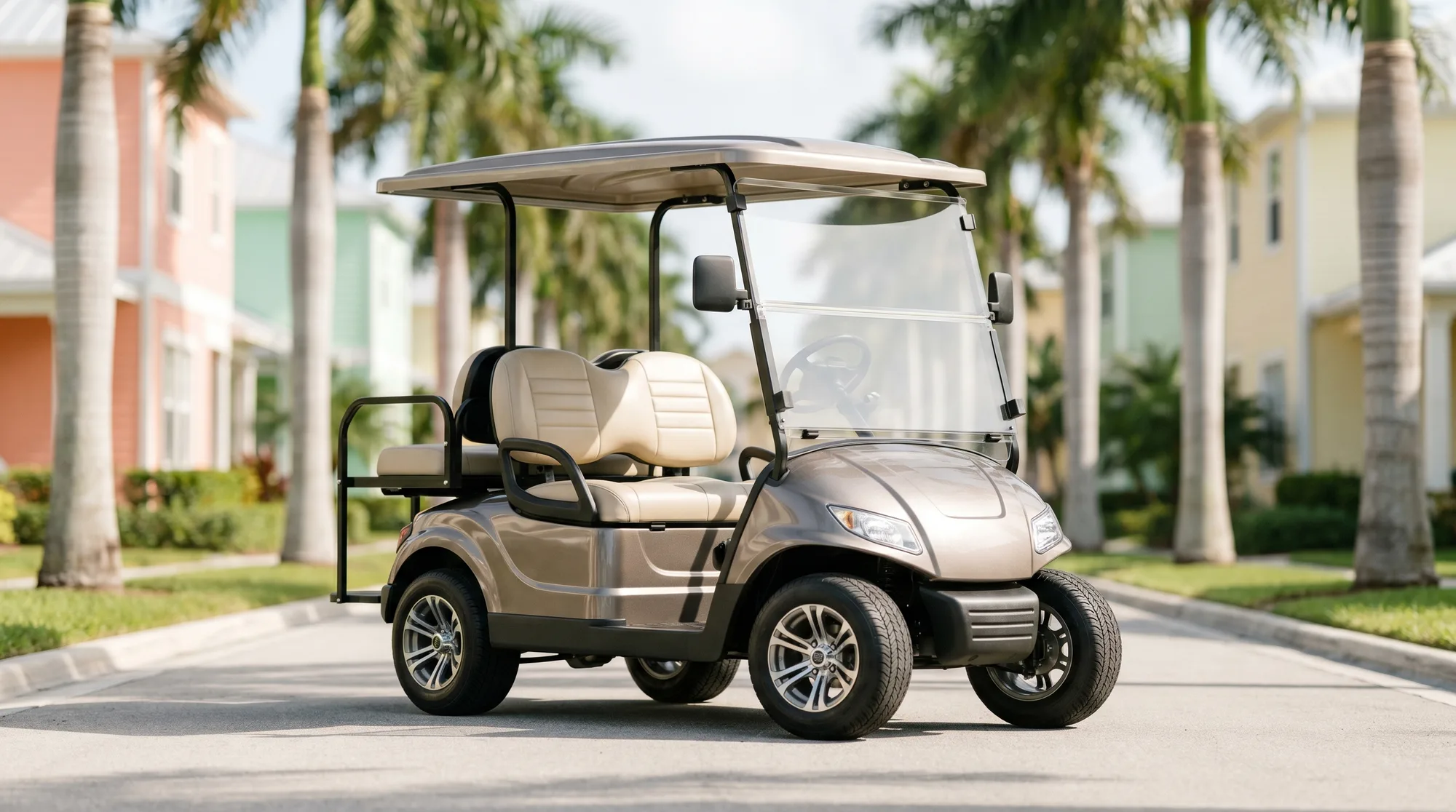
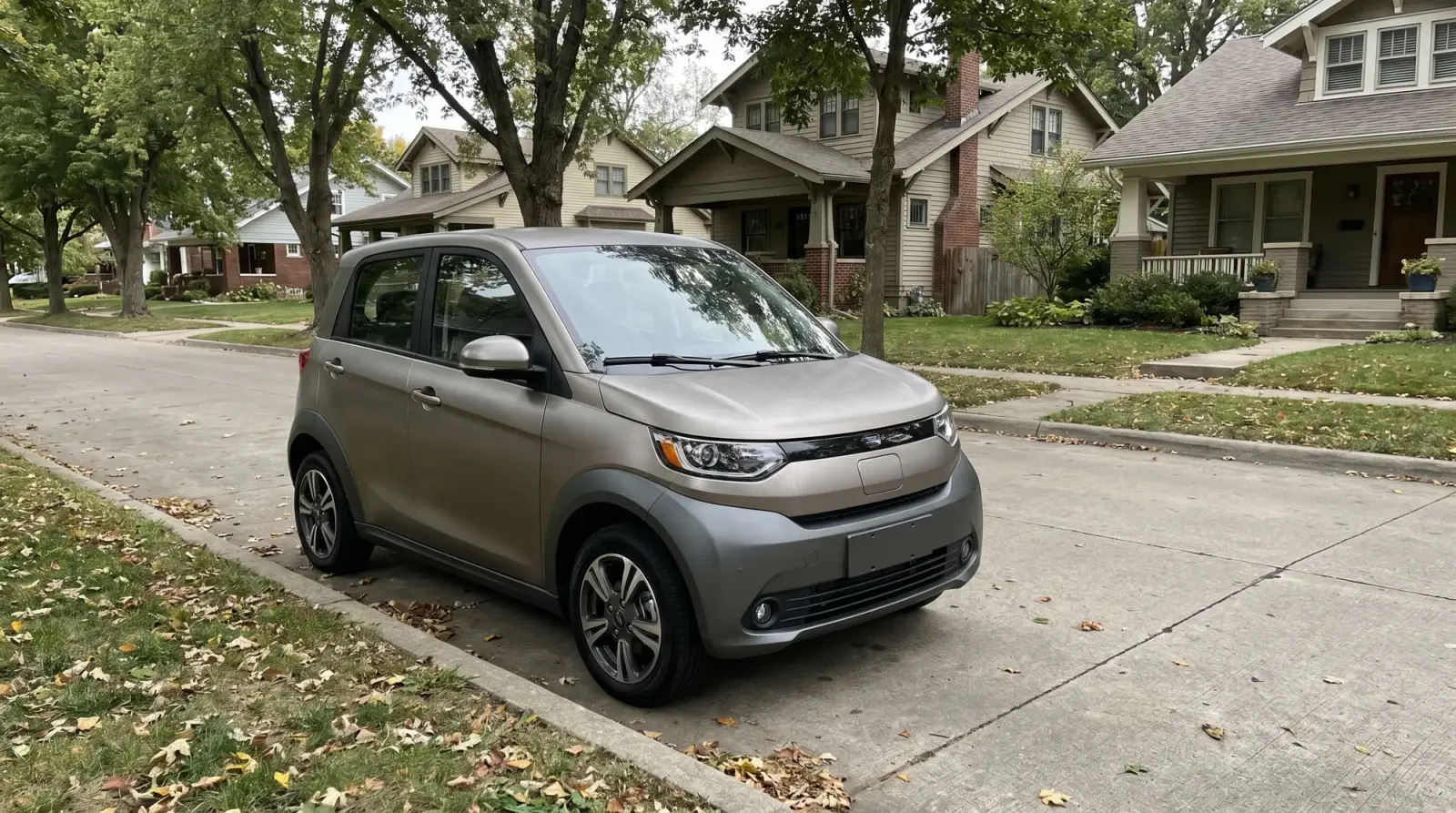
Georgia law sorts these small vehicles into more than one box, and the labels matter. A golf cart in the strict sense is built for the course. A personal transportation vehicle, or PTV, is the broader everyday class: a small electric or low-emission vehicle generally capped around 20 mph and designed for short neighborhood trips. Above that sits the low-speed vehicle, or LSV, a faster federally defined class that Georgia titles and registers like a regular car.
Most residents who drive around town are really operating a PTV, and the PTV is where the local-ordinance model bites hardest. For the broader class distinctions see our LSV, NEV and golf cart guide; if you are deciding which to own, cart versus LSV is the practical companion.
The local-ordinance model
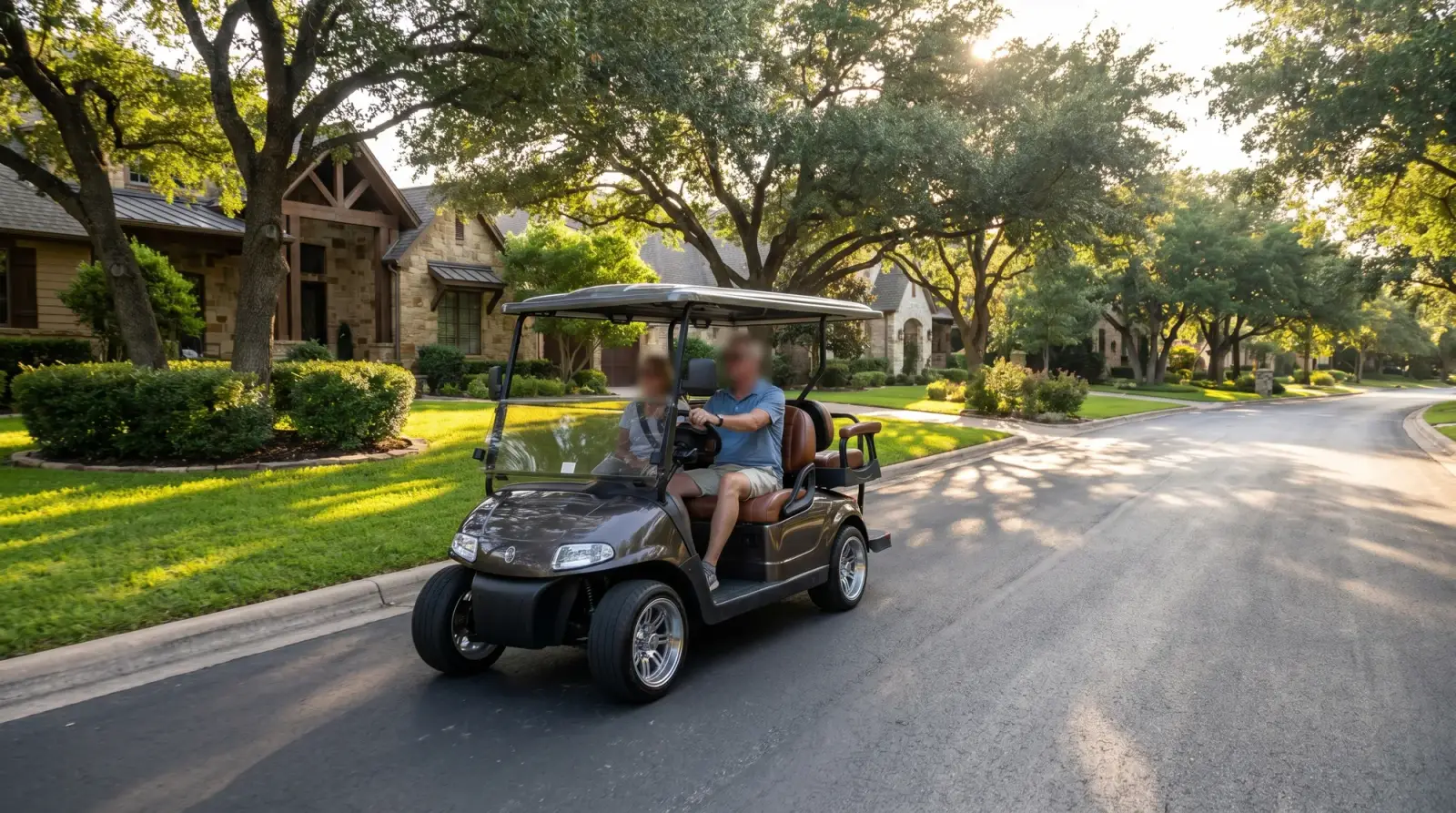
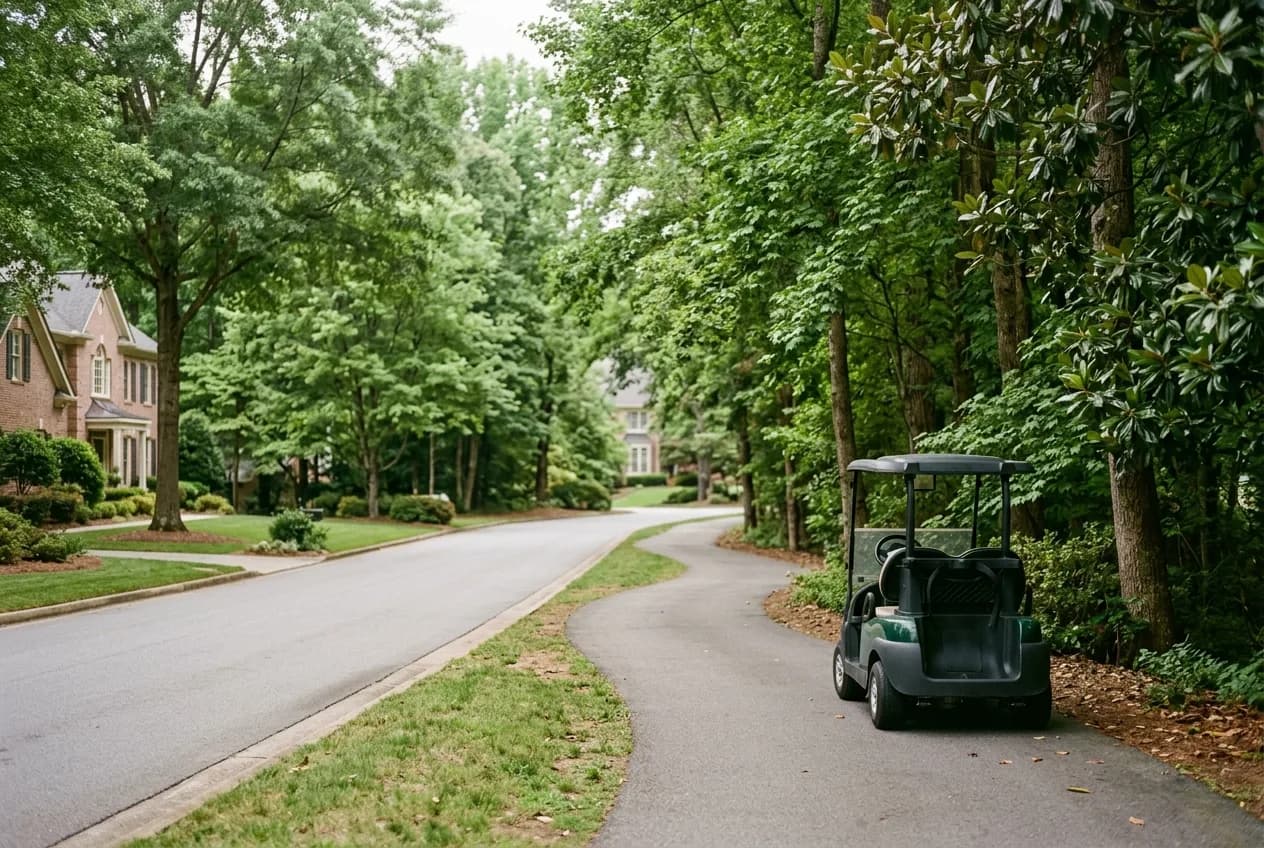
Here is the part that defines Georgia. The state allows cities and counties to pass ordinances permitting PTVs and golf carts on their roads, and to set the conditions. That means the answer to can I drive here is almost always look up your local ordinance. Towns like Peachtree City built an entire community around cart paths, with tens of miles of dedicated trails and local registration. Other municipalities permit carts only on specific streets, and some not at all.
Many Georgia cities that allow PTVs also run a local registration or decal scheme, sometimes with a small fee and a safety check. This is separate from any state titling of an LSV. The decal is your proof that the local government has cleared your vehicle for its roads.
Equipment a road PTV needs
Where a local ordinance allows a PTV on the road, the vehicle has to be equipped for it. The exact list can vary with the ordinance, but the common Georgia set is consistent and sensible. If you are converting a bare cart, our street-legal upgrade guide covers the work involved.
- A braking system that works on each wheel or as required by the ordinance.
- A reverse warning device and a horn.
- Headlights, tail lights and reflectors for visibility.
- A rear-view mirror and a windshield where required.
- Tires in good condition and a means to control the vehicle safely.
- PTV
- Around 20 mph
- LSV
- Up to 25 mph
- PTV
- Set by local ordinance
- LSV
- Roads 35 mph or less, statewide pattern
- PTV
- Often a local decal
- LSV
- State title and plate
- PTV
- Not always
- LSV
- Yes, 17-digit
- PTV
- In-town neighborhood trips
- LSV
- Wider street-legal use
| PTV | LSV | |
|---|---|---|
| Top speed | Around 20 mph | Up to 25 mph |
| Road rights | Set by local ordinance | Roads 35 mph or less, statewide pattern |
| Registration | Often a local decal | State title and plate |
| VIN | Not always | Yes, 17-digit |
| Best for | In-town neighborhood trips | Wider street-legal use |
License, age and insurance
Local ordinances commonly set a minimum driver age for PTVs on public roads and may require a valid driver license, particularly where the cart shares streets with cars. Insurance requirements also vary with the ordinance, but carrying liability cover is sensible regardless of the legal minimum; our insurance guide explains why. An LSV, being a registered vehicle, follows the standard license and insurance rules of any car.
In Georgia the question is never just is it legal, it is legal where. The owners who thrive read the local ordinance first and the state law second.
So what should a Georgia buyer do?
Start with your local ordinance. If your town embraces PTVs and has cart paths, a well-equipped PTV with a local decal is ideal and cost-effective. If you want broader, faster road rights or you cross several jurisdictions, a titled LSV is the more flexible choice. Whichever you pick, confirm the rules with your city or county and the Georgia DMV, and equip the vehicle properly. We are glad to help spec a Georgia-ready build with honest pricing.
Spec a Georgia-ready PTV or LSV
Tell us your city and how you will use it, and we will recommend a compliant build with a real price.
Frequently asked questions
What is a PTV in Georgia?+
A personal transportation vehicle is Georgia's everyday small-vehicle class: a low-emission or electric vehicle generally capped around 20 mph and designed for short neighborhood trips. It is distinct from a faster, titled low-speed vehicle.
Can I drive a golf cart on the road in Georgia?+
It depends entirely on your local ordinance. Georgia lets cities and counties decide where PTVs and golf carts may drive, so check the rules for every town and county where you intend to travel.
Do I need to register a golf cart in Georgia?+
Many cities require a local PTV registration or decal, sometimes with a small fee. A faster low-speed vehicle is titled and registered with the state like a car. Confirm with your city or county and the Georgia DMV.
What equipment does a road PTV need in Georgia?+
Local ordinances commonly require brakes, a horn, a reverse warning, headlights, tail lights, reflectors, a mirror and sometimes a windshield. The exact list can vary by ordinance.
Is Peachtree City special?+
Peachtree City is known for an extensive network of dedicated cart paths and a local registration scheme, which is why it is so cart-friendly. Other Georgia towns set their own, sometimes stricter, rules.
Related solutions
Ready to explore what we build?
See the vehicles and the setting this applies to, or get a tailored quote built around your site.

Ready to find the right buggy?
Tell us how and where it will work and we will specify a vehicle and a tailored quote built around you. Every build comes with a 3-year warranty and a 24-hour priority call-out.
Our guides are written and reviewed by the Hawke Electric Vehicles team, the people who specify, build, deliver and support the vehicles. We focus on honest, practical advice and flag where a figure depends on the build rather than guessing.
More guides by Hawke