A theme park is really a small town for a day. People arrive in their thousands, staff and supplies move constantly behind the scenes, and the whole thing has to feel effortless. Pick the right theme park transport vehicle and most of that movement happens quietly, out of sight, without fumes drifting over a queue or an engine drowning out a show. This guide is about where an electric cart fits across a visitor attraction, and, just as importantly, where it doesn't.
Where does a theme park transport vehicle fit?
Most of the work an attraction needs from a small vehicle falls into a few jobs. There's behind-the-scenes service: moving staff between zones, carrying stock to kiosks, ferrying maintenance teams and their kit. There's guest transport over shorter hops, like a lift from a far car park or accommodation to the entrance. And there's accessibility, getting guests who can't walk a big site comfortably from A to B. An electric cart handles all three well, as long as the numbers stack up.
The honest limit is capacity. The largest people-moving demand on a busy park is for trams and land trains seating 14 to 23 at a time, and those sit above our standard eight-seat ceiling. We'll come to that. For everything below it, smaller golf carts are usually the better tool anyway: nimbler in tight back-of-house lanes, easier to park, and far less disruptive around guests.
Staff and service transport behind the scenes
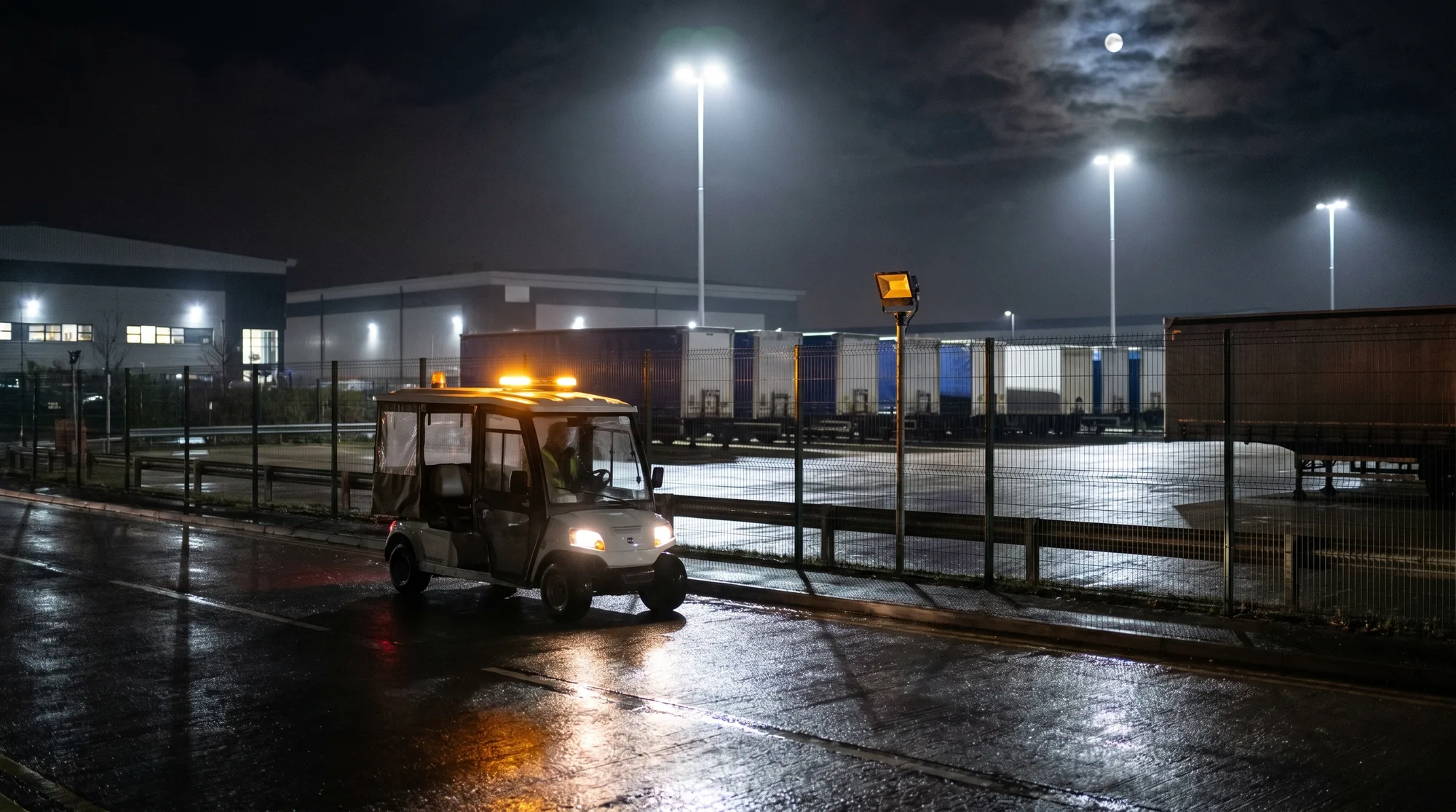
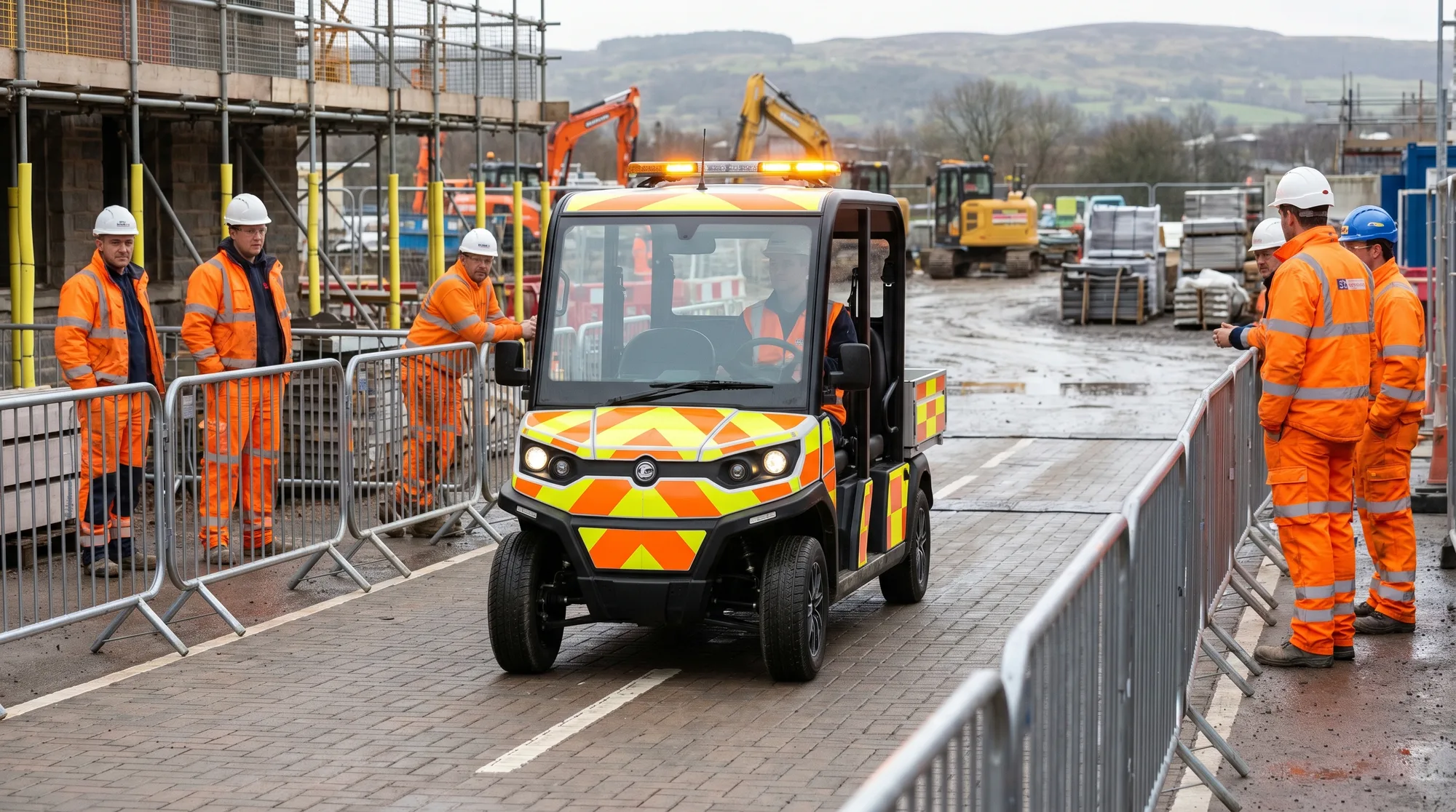
This is the bread and butter, and the easiest case to make. A park runs on people getting where they need to be: opening teams, cleaning crews, stock runners, ride engineers. A gas vehicle doing that work all day is loud and smelly exactly where you don't want it, near guests, by food outlets, around show areas. An electric cart does the same job in near silence, with no fumes, and very little to service. For most service runs the two passenger (the Wye) or the utility (the Tamar) is the right pick, the latter when you're carrying tools, stock or towing a small trailer.
Accessibility and guest transport
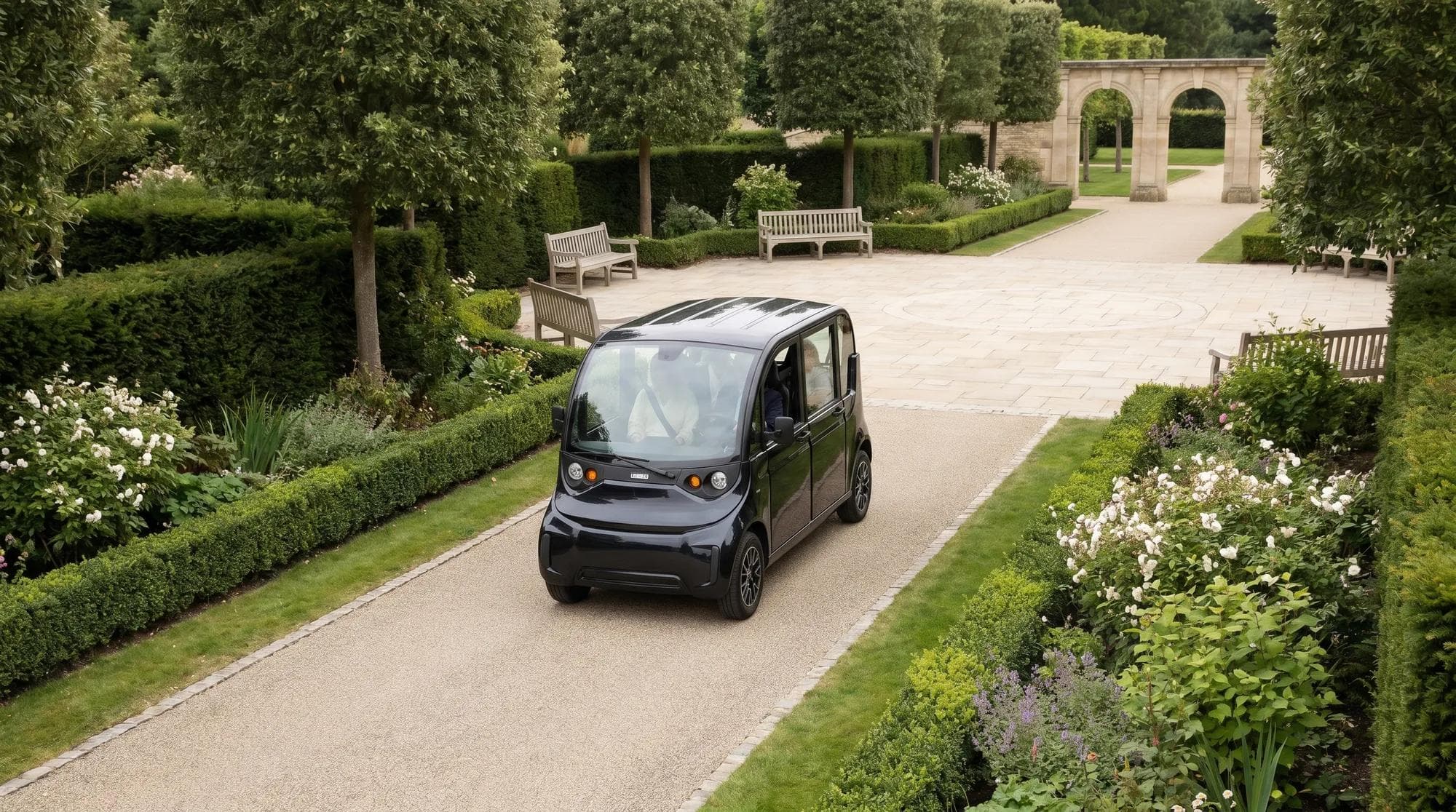
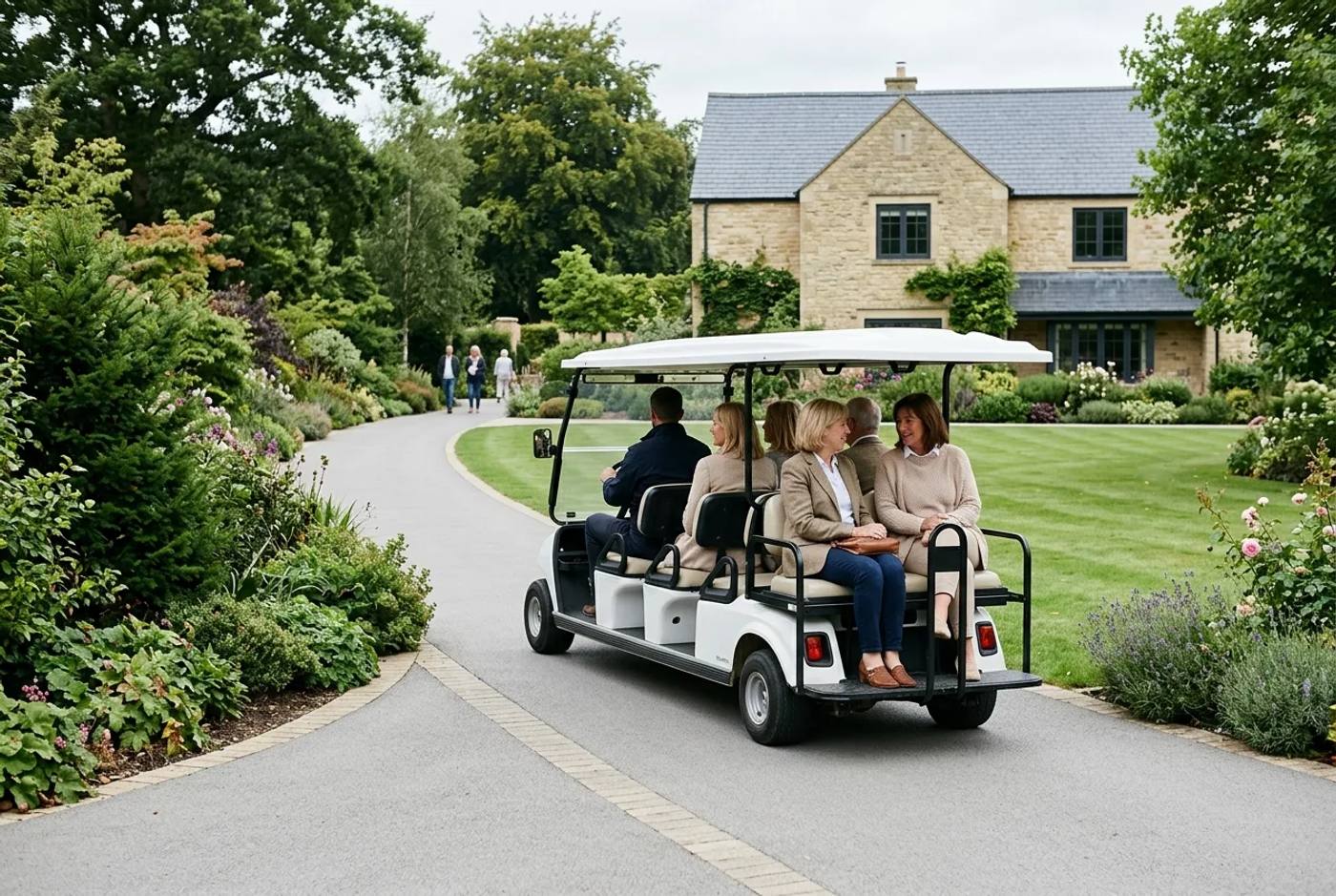
Getting guests around a large site comfortably is part of the visitor experience, not an afterthought. A quiet electric cart is ideal for shorter guest hops, a lift from an outer car park, from on-site accommodation to the gates, or between zones on a sprawling site. It's calm, it's clean, and it doesn't intrude on the atmosphere people paid for.
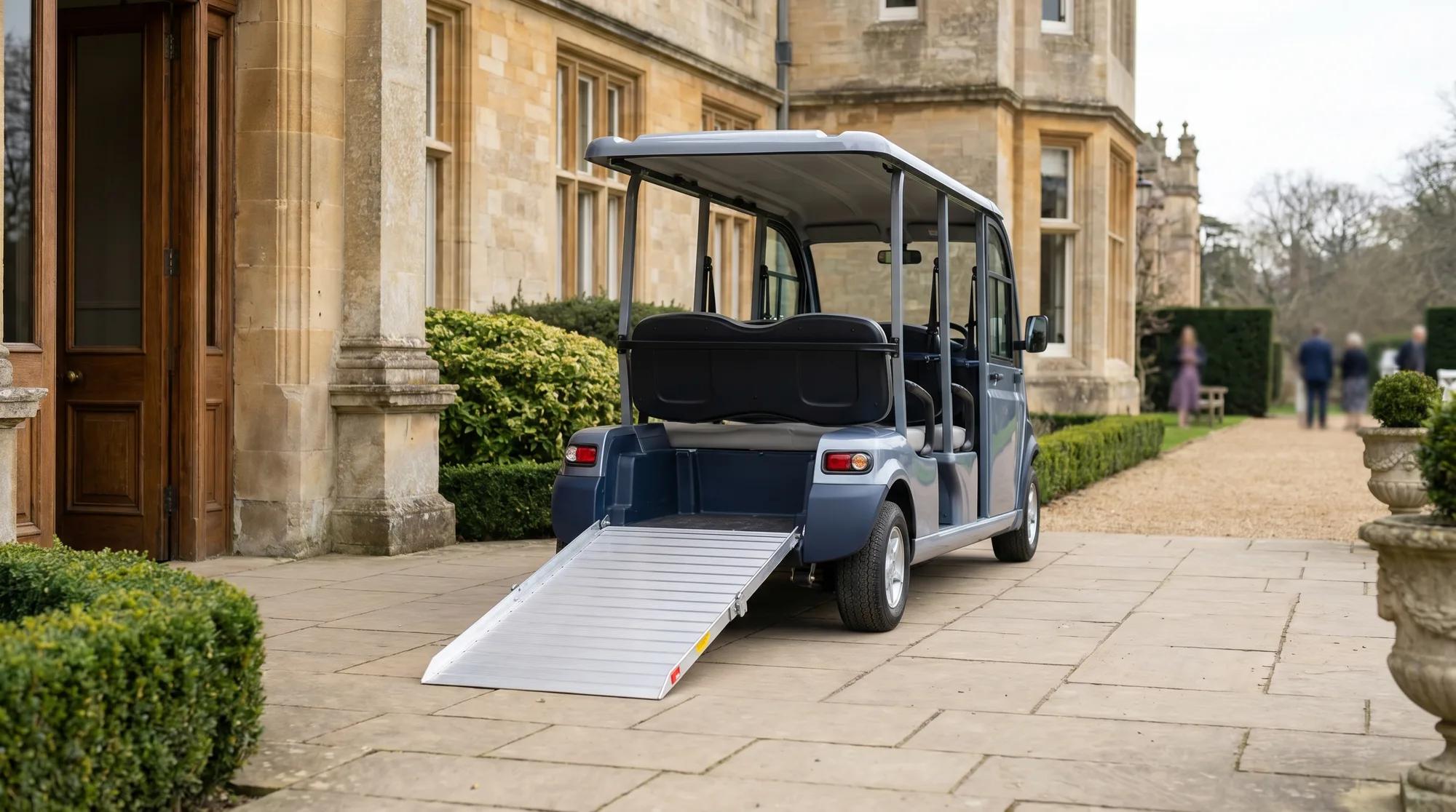
Accessibility is where this matters most. Guests who can't manage long distances on foot still deserve the full day, and a comfortable, low-step passenger cart makes that possible without fuss. If you need wheelchair access specifically, that's a build detail we plan from the start rather than bolt on later, so flag it early. Our accessible and wheelchair cart guide covers what to specify and why it's worth getting right first time.
What about people movers and land trains?
Here's the straight answer. If your main need is moving large groups, 14, 18 or more than 20 guests at once on a fixed shuttle loop, that's a tram or land train, and it's bigger than our standard range. We don't pretend an eight passenger is the same thing. The biggest guest-moving job on a park genuinely sits outside what an off-the-shelf cart does well.
That doesn't mean we can't help. High-capacity passenger transport of that kind is a bespoke project, specified and built around your route, your throughput and your branding. So treat it as two separate conversations: standard golf carts for service, accessibility and smaller guest runs, and a bespoke discussion if you genuinely need land-train capacity. Our electric people movers and shuttles guide explains how to think about shuttle capacity and where the sensible line sits.
- The job
- Two passenger or utility, standard range
- Right fit
- The job
- Utility (the Tamar), standard range
- Right fit
- The job
- Four to eight seat passenger cart
- Right fit
- The job
- Eight passenger, our standard ceiling
- Right fit
- The job
- Bespoke, above standard range
- Right fit
| The job | Right fit | |
|---|---|---|
| Staff and stock behind the scenes | Two passenger or utility, standard range | |
| Tools, cargo and light towing | Utility (the Tamar), standard range | |
| Shorter guest hops and accessibility | Four to eight seat passenger cart | |
| Largest passenger shuttle (the Thames) | Eight passenger, our standard ceiling | |
| 14 to 23-seat tram or land train | Bespoke, above standard range |
How big a passenger cart can you actually get?
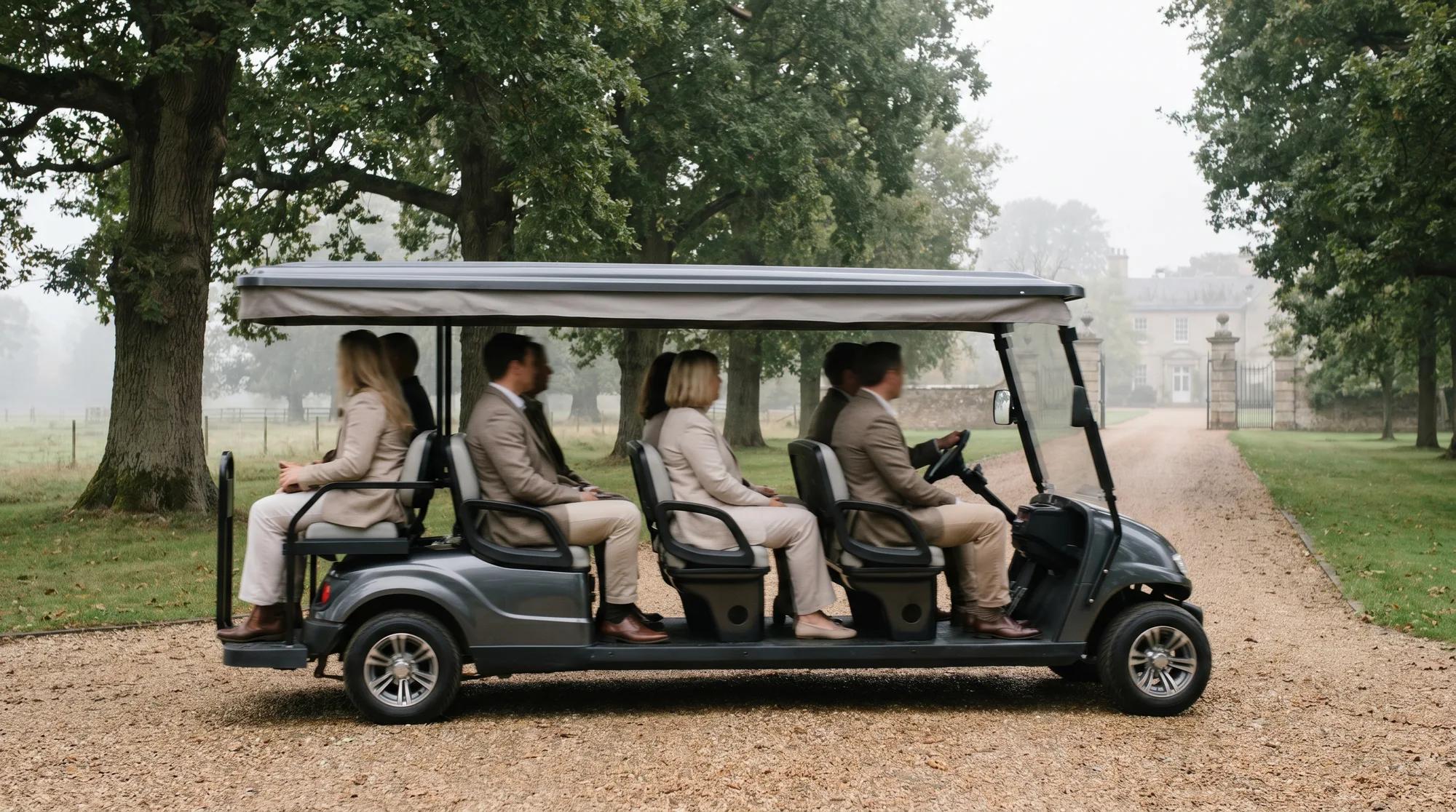
Our standard passenger range tops out at the eight passenger, the Thames, which is the right vehicle for steady group runs and the largest guest shuttle we build as standard. Below it, the six passenger (the Severn) and four passenger suit smaller groups and mixed guest-and-staff use. The full eight passenger (the Thames) is usually the starting point for any park asking about guest shuttles, so it's the page to look at first.
Branding the fleet to the park
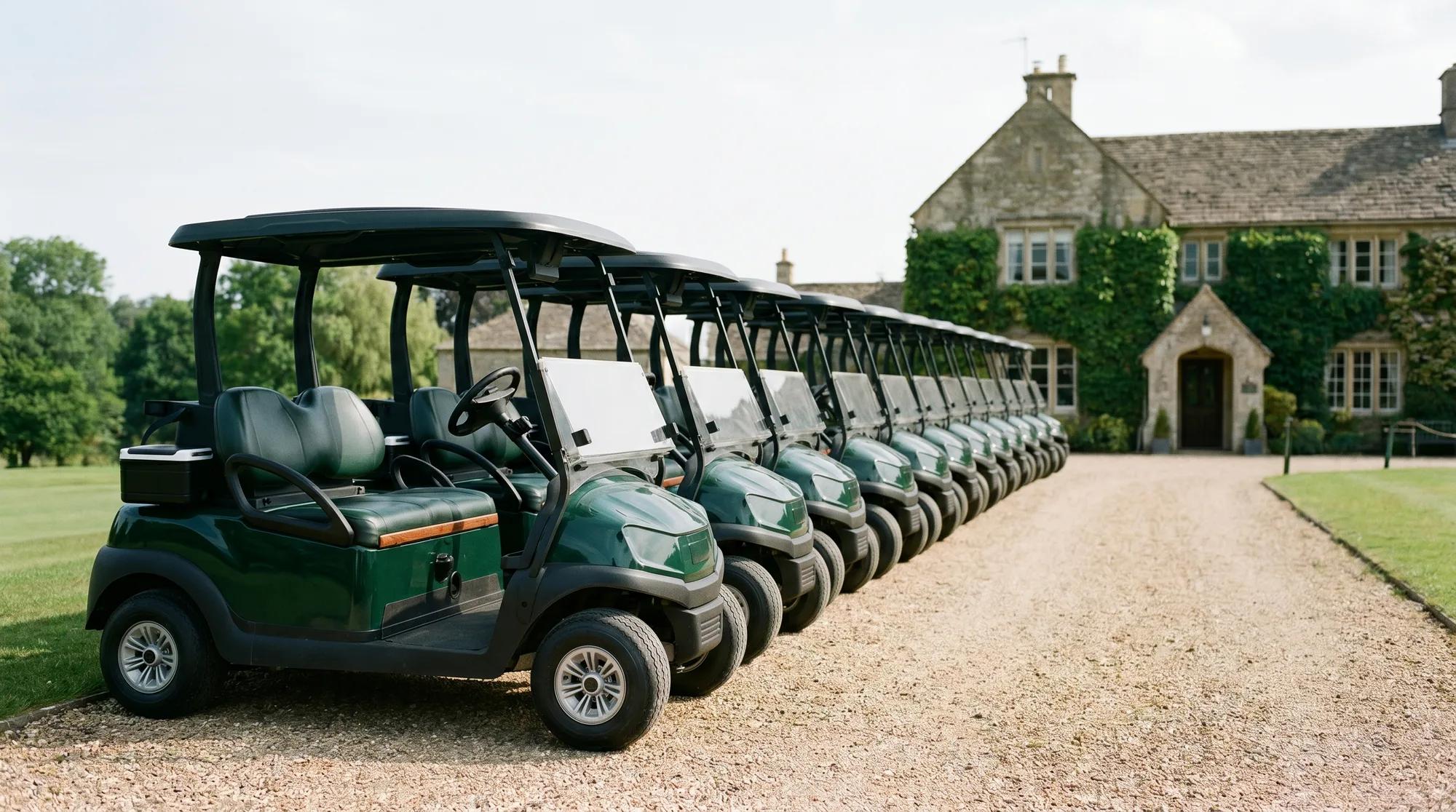
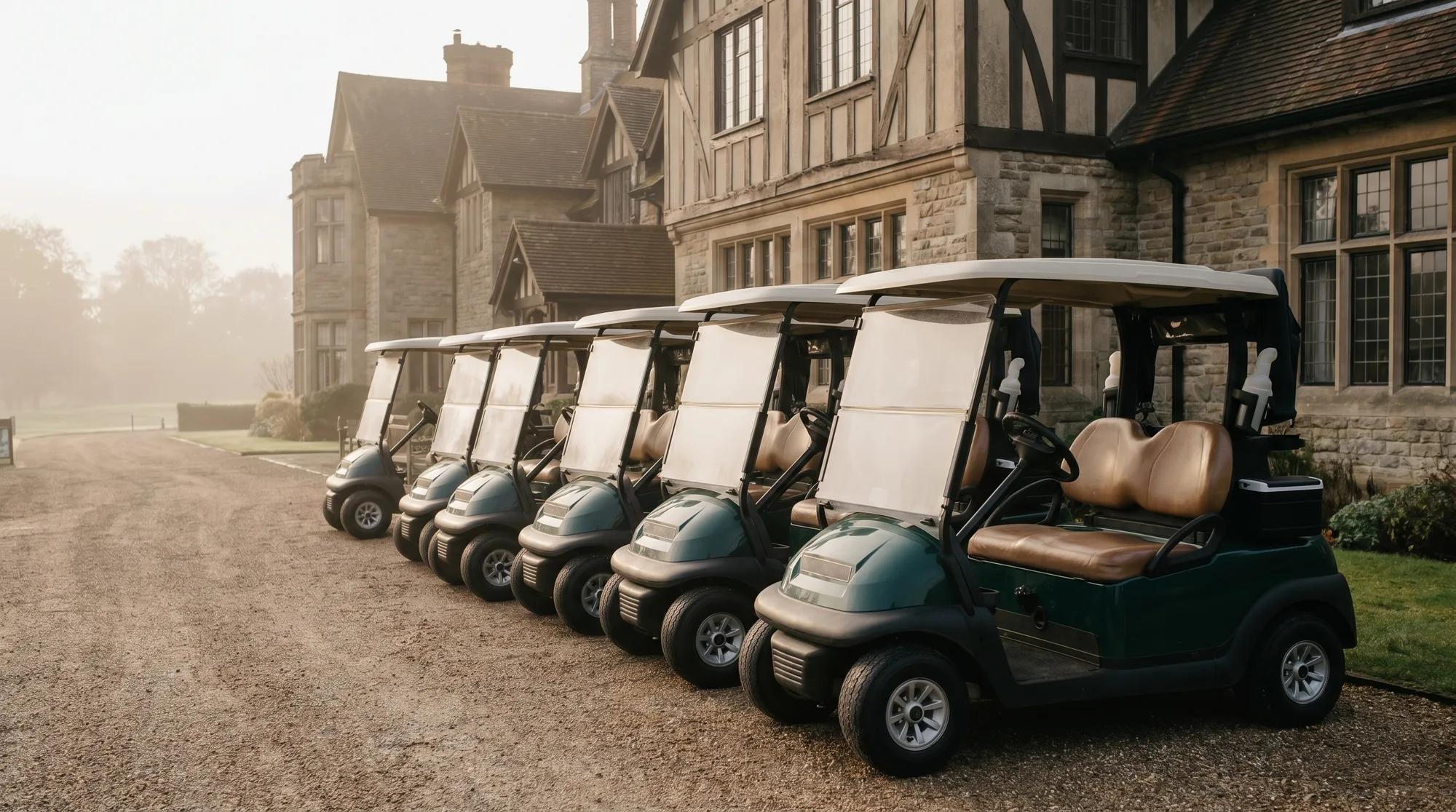
A visitor attraction lives or dies on how it feels, and a scruffy mismatched service vehicle undercuts that in a second. Every cart we build can be finished in your colors and carry your branding, so a service or guest fleet looks like part of the park rather than something borrowed from a builder's yard. A matched, on-brand fleet reads as care and quality, which is exactly the impression a paying guest should take home.
On a site that sells a feeling, a clean, on-brand, near-silent cart isn't a service vehicle. It's part of the experience.
Why electric suits a park better than gas
Two reasons stand out, and both go straight to the guest experience. Noise: a gas cart announces itself across a queue or a show area, while an electric one is barely louder than tires on tarmac. And air: there are no exhaust fumes drifting around food outlets, entrances or accessibility waiting areas, because there's no tailpipe. For a park with a sustainability commitment, an electric fleet is also a visible, defensible action, not a vague claim.
There's a running-cost angle too. Electric golf carts are cheap to charge and have very little to service compared with a gas engine, which on a fleet running long days through a season adds up. The maintenance that does come up is minor and predictable, and every vehicle carries a 3-year warranty and a 24-hour VIP call-out, so a breakdown at peak isn't the headache it would otherwise be.
How to specify a fleet for your park
Start with the jobs, not the vehicles. Map what actually needs moving in a normal peak day, staff, stock, guests, accessibility runs, and roughly how many of each. From there we can specify the right mix of service and passenger golf carts, in your colors, and tell you honestly where a job is better served by a bespoke build than a standard one. If you run a wider theme park or visitor attraction operation, we can plan the whole fleet around how your site really works.
Plan your park's fleet with us
Tell us how your site runs and what needs moving, staff, guests or accessibility, and we'll specify the right golf carts, in your branding, with a tailored quote. Larger shuttle capacity is a bespoke conversation we're happy to have.
Frequently asked questions
What vehicles do theme parks use to move guests?+
Large parks use a mix: trams or land trains seating 14 to 23 for high-volume shuttle loops, and smaller passenger golf carts for shorter hops, accessibility and back-of-house service. Electric golf carts suit the smaller guest and service jobs well. The biggest trams sit above a standard cart range and are a bespoke build.
Can I get an electric cart big enough for a theme park shuttle?+
Our largest standard passenger vehicle is the eight passenger, the Thames, which handles steady group runs and smaller guest shuttles. If you need 14 to 23-seat tram or land-train capacity, that's above the standard range and we'd specify it as a bespoke project built around your route.
Are electric golf carts good for staff and service transport at a park?+
Very. A two passenger or utility cart moves staff, stock and tools in near silence with no fumes, which matters around guests, food outlets and show areas. They're cheap to run, have little to service, and carry a 3-year warranty and 24-hour VIP call-out.
Can a theme park cart carry wheelchair users?+
Yes, but it's specified at build rather than added later. Tell us how guests will board and where the cart will run and we'll design the access, ramp and seating around it. Our accessible and wheelchair cart guide covers what to ask for.
Can the golf carts be branded to match our park?+
Every cart we build can be finished in your colors and carry your branding, so a service or guest fleet looks like part of the attraction rather than a hired-in vehicle. A matched, on-brand fleet reads as care and quality to a paying guest.
Ready to find the right golf cart?
Tell us how and where it will work and we will specify a vehicle and a tailored quote built around you. Every build comes with a 3-year warranty and a 24-hour priority call-out.