A holiday park lives or dies on how it feels. People come to relax, and the last thing they want is an engine grumbling past their caravan at seven in the morning. That's the case for an electric holiday park buggy in a sentence: it does the same work as a petrol machine, quietly, cleanly, and without spoiling the thing guests paid for. This guide covers how parks and caravan sites actually use them, from guest transport to accessibility, branding, charging and servicing.
Why a holiday park buggy makes sense
Parks are large, spread out and busy with people. You're shuttling arrivals from reception to a pitch on the far side, running staff and laundry between units, ferrying kit to the pool or the clubhouse, and helping guests who'd struggle with the walk. A buggy turns a long, tiring slog into a two-minute trip. An electric one does it without the noise, the fumes or the petrol cans, which on a site full of holidaymakers matters more than it might anywhere else.
On a site where calm is the product, a near-silent buggy isn't a nice-to-have. It's part of the experience you're selling.
There's a practical side too. Less to service, lower running costs, and no fuel to buy or store on a public site. For a working fleet that's out most days through the season, those savings add up quietly across the year.
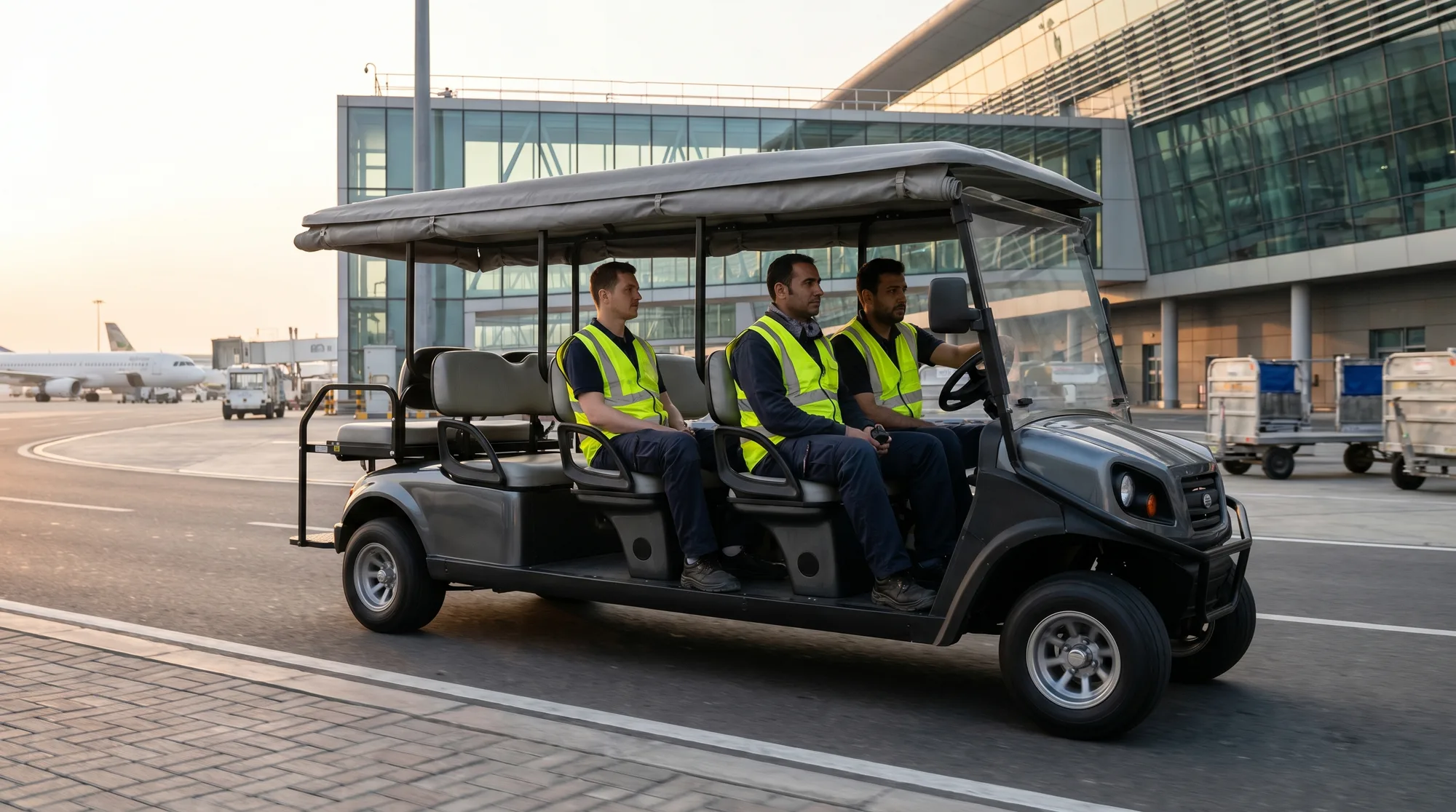
Moving guests and staff around the site
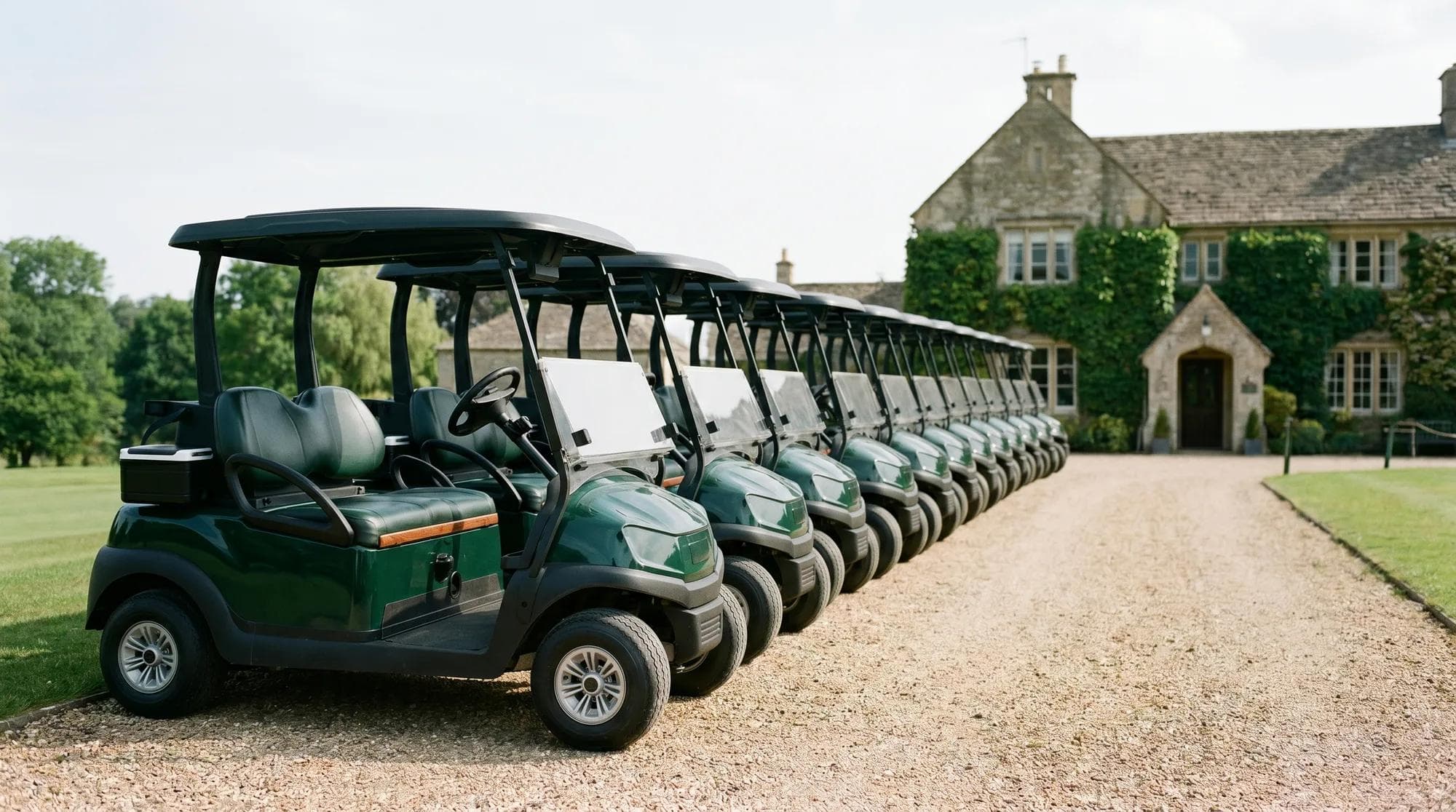
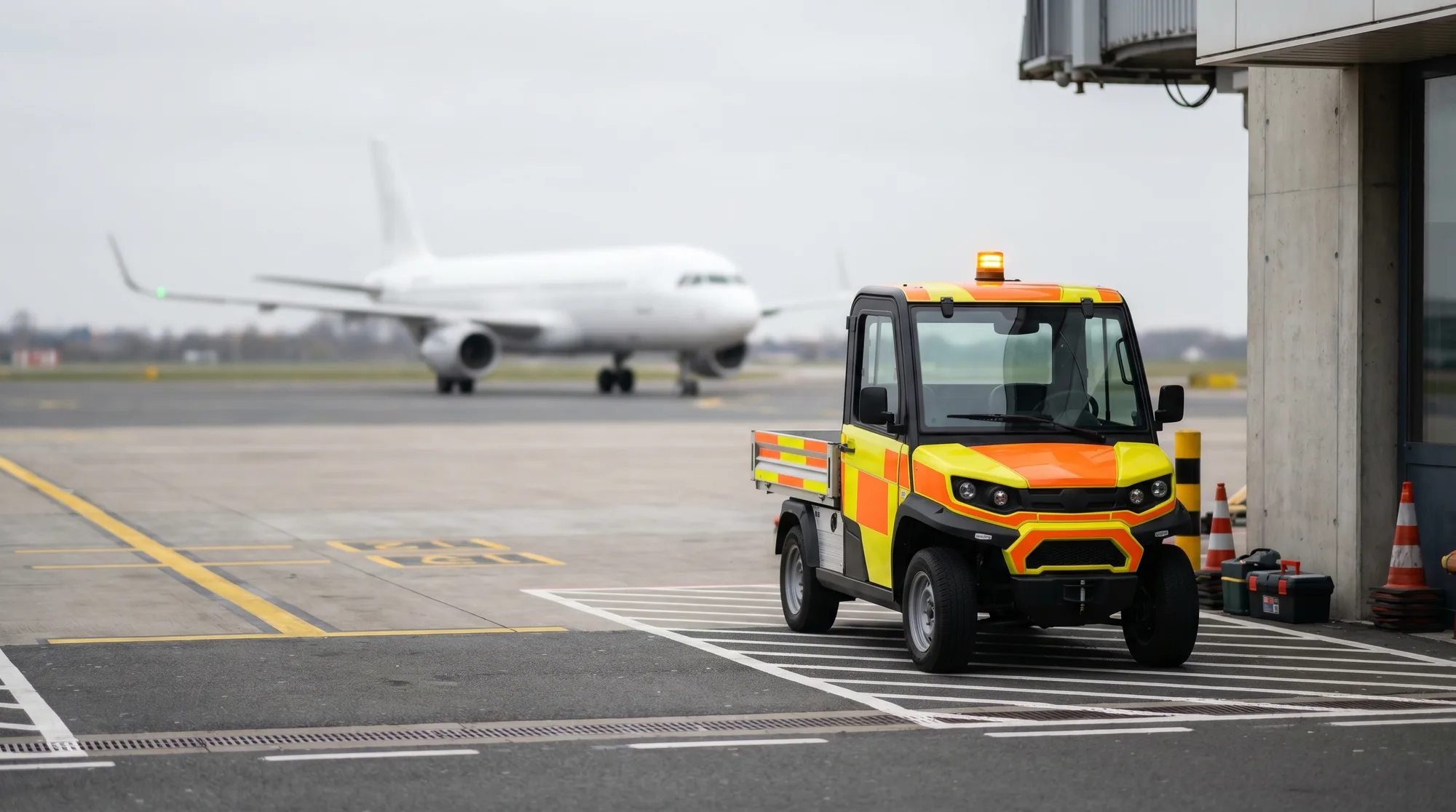
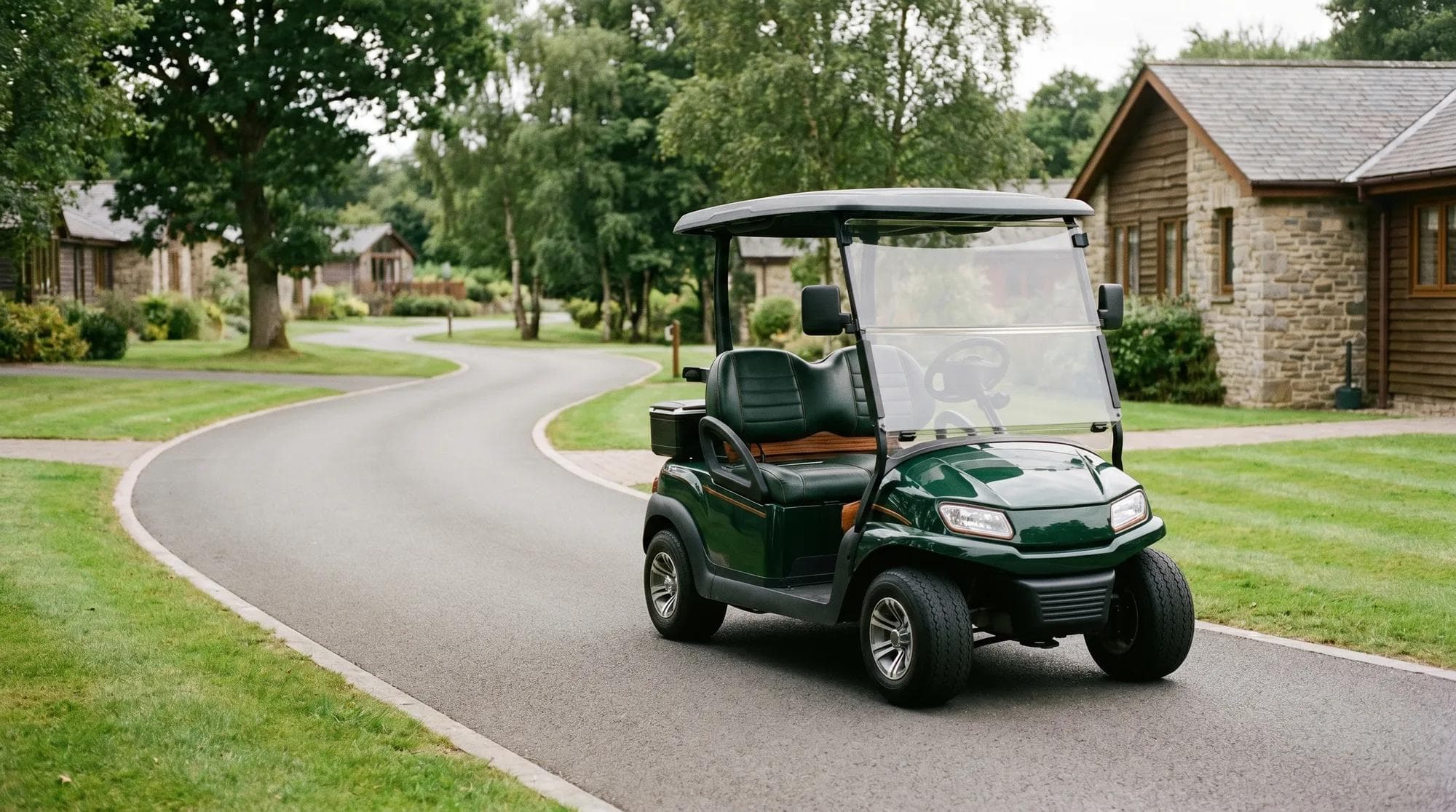
Most parks end up running two jobs from the same fleet: guest transport and staff transport. Guest runs are about a calm, comfortable arrival, the welcome trip from reception, the lift to the beach path, the help at the end of a long drive when nobody fancies the walk. Staff runs are the unglamorous backbone: housekeeping between units, maintenance with tools aboard, deliveries to the shop. A four seater (the Hawke S4) covers most guest work, while a utility model (the Hawke S2 Pickup) earns its keep carrying kit and towing.

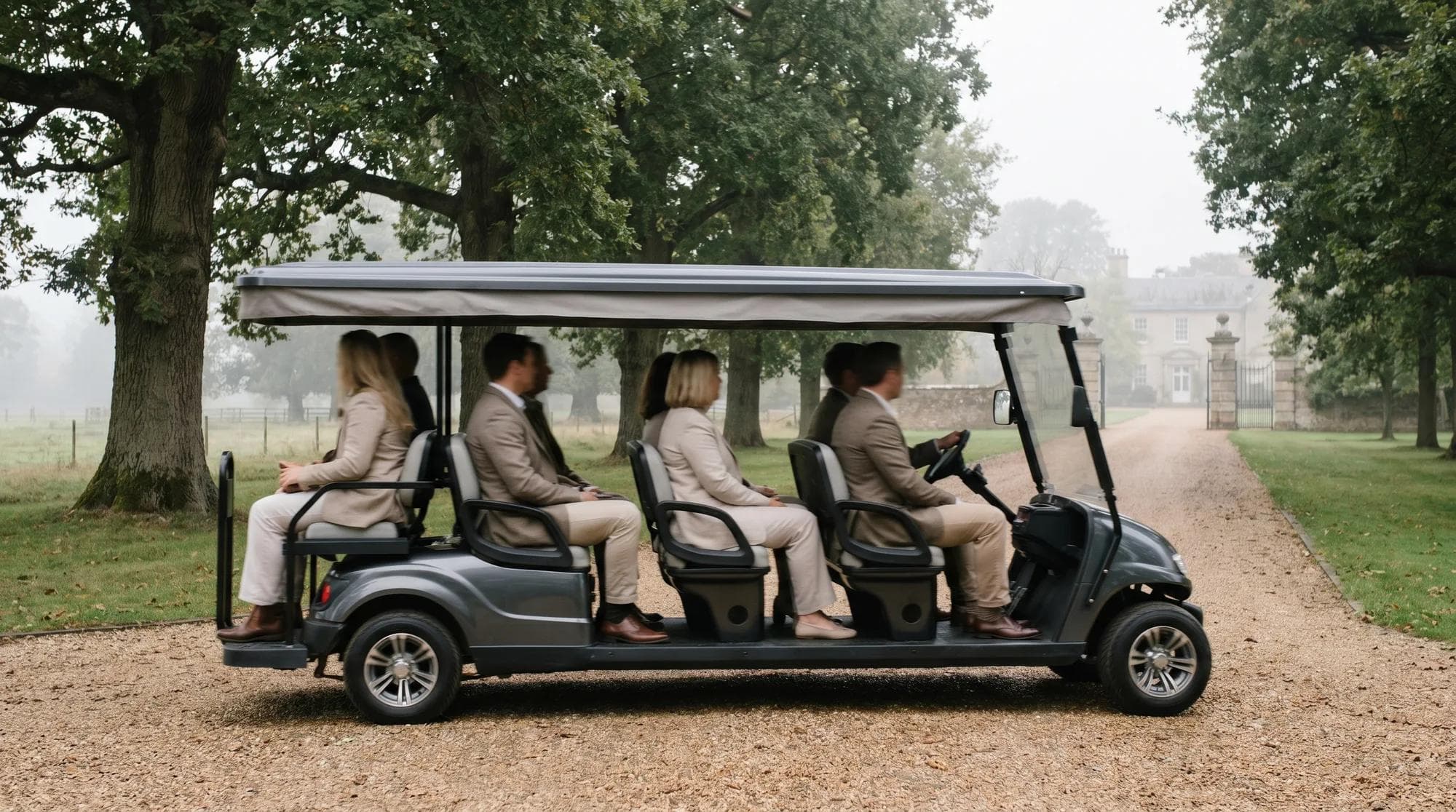
If you're moving larger groups, or running a regular loop between the entrance, the units and the facilities, a six or eight seater works more like a small shuttle. We cover that use in detail in our electric people movers and shuttles guide, which is worth a read if guest transport is the main driver for your fleet.
Accessibility for less-mobile guests
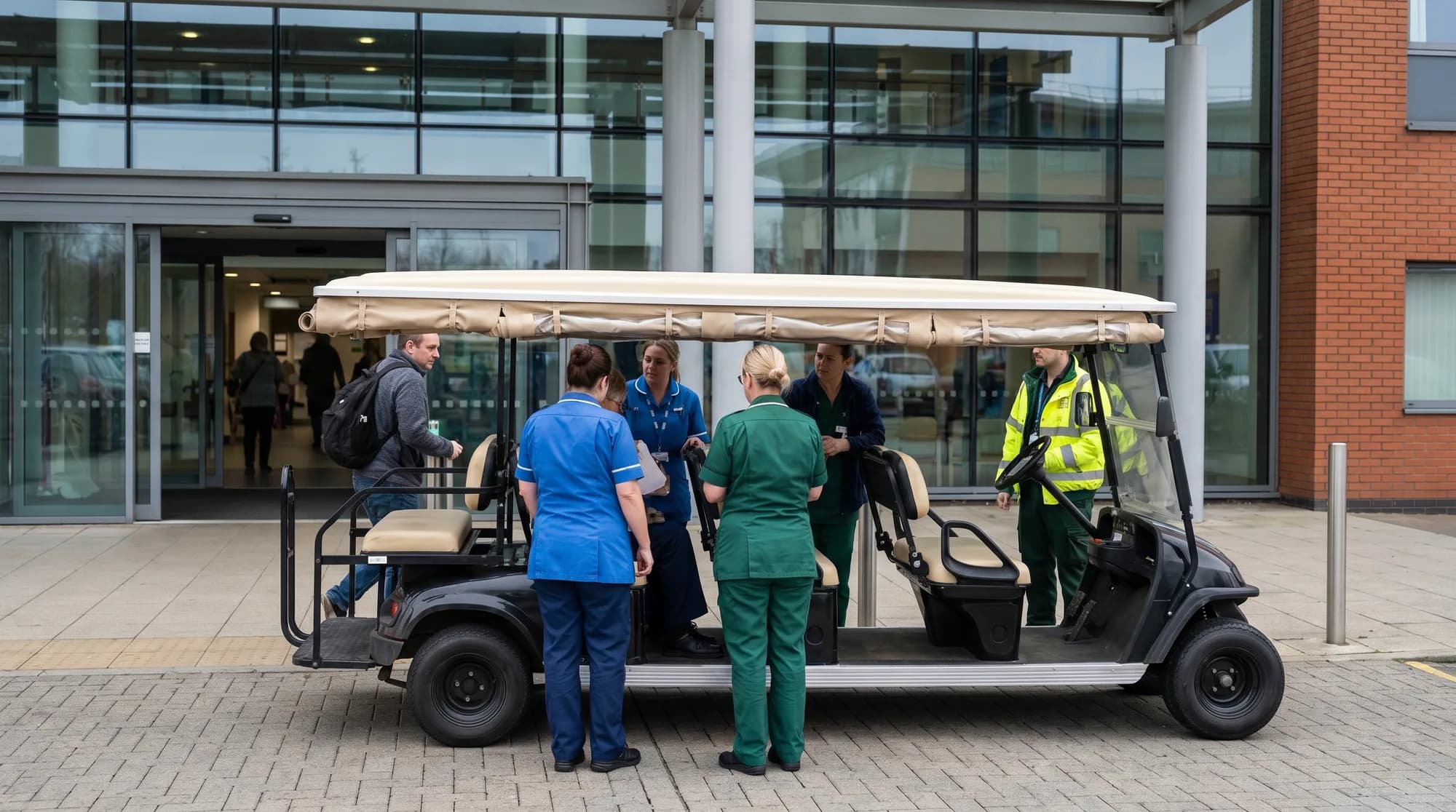
This is one of the quieter wins, and one parks tell us guests notice. Not everyone can manage a long walk across a site, especially older visitors, anyone with a young family, or guests with limited mobility. A buggy that can collect them from reception and drop them at their door, or run them to the clubhouse and back, changes their whole stay. It's the kind of small kindness that turns a one-off booking into a returning regular.
A branded fleet that looks the part
A buggy is one of the most visible things on your site. It's out front at reception, it's on the roads all day, and guests photograph it without thinking. So it may as well work for the brand. Custom fleet branding puts your colours, logo and livery on every vehicle, which looks smart, reads as professional, and quietly reassures guests that the staff buzzing past actually work there. A matched fleet in your own colours lifts the whole feel of a park.
Because every vehicle is built to order, branding is specified from the start rather than stickered on later. Our guide to custom fleet branding walks through what's possible, from a simple logo to a fully wrapped, on-brand fleet.
What a park fleet costs
Pricing depends on the size and number of vehicles, plus battery, weather protection and branding. As a starting point, here's how the range lines up for park use.
- Best for on a park
- A single staff member, quick runs
- Best for on a park
- The all-rounder for guests and staff
- Best for on a park
- Housekeeping, maintenance, kit and towing
- Best for on a park
- Group runs and busy arrival days
- Best for on a park
- A site shuttle loop
- Best for on a park
- Anything you can specify
| Best for on a park | |
|---|---|
| Two seater (the Hawke S2) | A single staff member, quick runs |
| Four seater (the Hawke S4) | The all-rounder for guests and staff |
| Utility (the Hawke S2 Pickup) | Housekeeping, maintenance, kit and towing |
| Six seater (the Hawke S6) | Group runs and busy arrival days |
| Eight seater (the Hawke S8) | A site shuttle loop |
| Bespoke | Anything you can specify |
Most parks run a mix rather than one type: a couple of four seaters for guests, a utility for the grounds team, and a larger shuttle if the site's big enough to need it. You can compare every model on our range page.
Charging an electric fleet on a park
Charging is simpler than most operators expect. A buggy plugs into a standard supply and charges overnight, so the fleet is ready each morning the same way it would refuel, just without the fuel. The practical step is deciding where they sleep: a maintenance compound, a covered store or a back-of-house bay, with enough sockets for the fleet. Set that up once and daily charging becomes a habit nobody thinks about.
Servicing, warranty and staying on the road
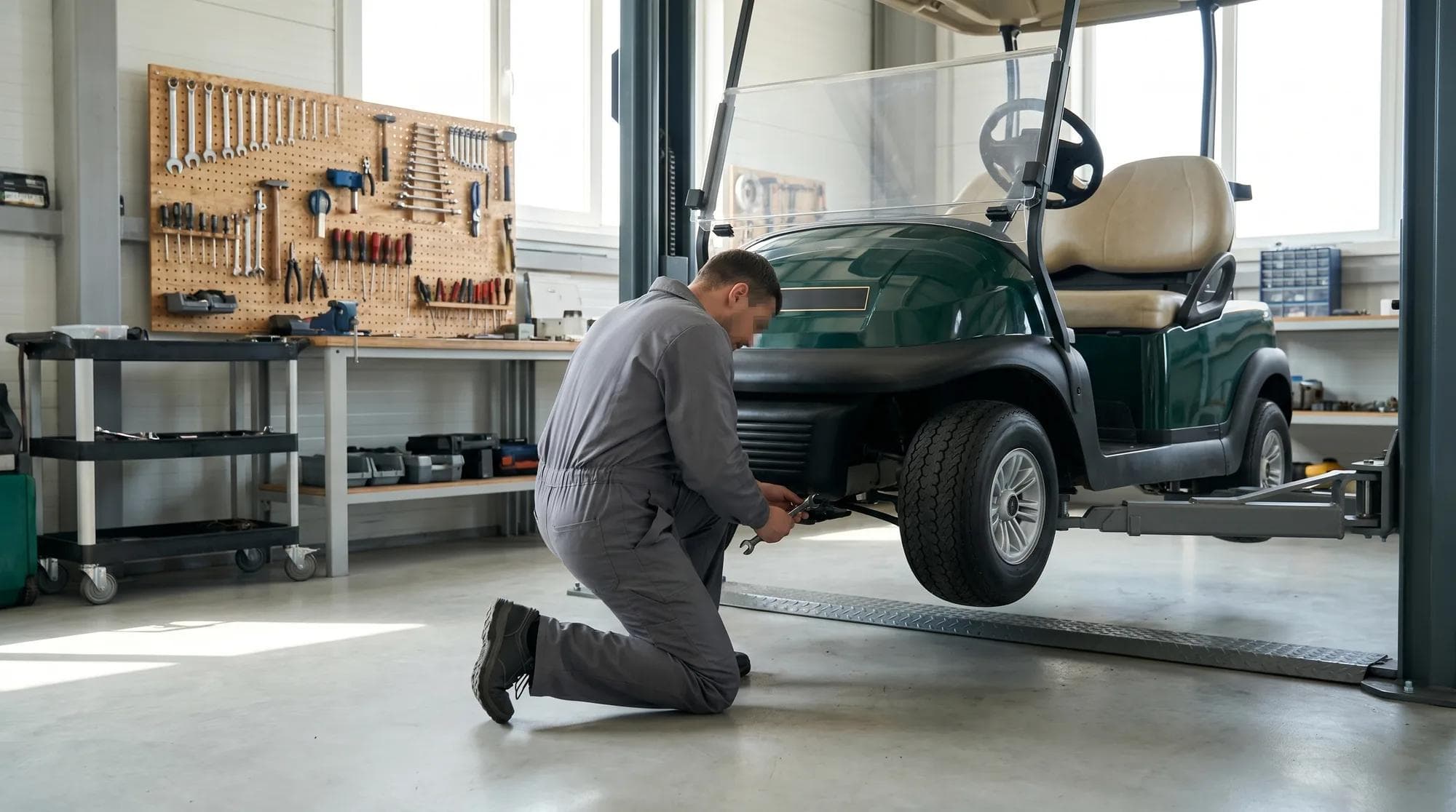
An electric buggy has little to service, no oil, no filters, no spark plugs, no exhaust, which is part of why it suits a park that can't spare downtime in peak season. When something does need attention, every build comes with a 3-year warranty and a 24-hour VIP call-out, so a vehicle that's needed for arrivals on a Saturday isn't stuck waiting days for help. Our servicing, warranty and call-out guide sets out exactly what's covered and how it works.
The quiet point here is reliability. A guest-facing fleet has to turn up every day of the season, and the fewer parts there are to fail, the more dependable it is. A buggy that's working isn't sitting in a workshop, and on a park that's the difference between a smooth changeover day and a stressful one.
How to set up a fleet for your park
Start with how the site actually runs in a busy week: how many guests you'll move, what the staff team carries, the distances involved, and whether accessibility or a shuttle loop is part of the picture. Tell us that and we'll specify the right mix of vehicles, branded in your colours, with the batteries and weather protection to match a full season. Every buggy is built to order, delivered and commissioned, in the UK or worldwide. If you want to see how parks fit alongside our other work, the holiday parks sector page has more.
Plan a buggy fleet for your park
Tell us how your site runs, how many guests and staff you move and what you carry, and we'll specify a branded fleet with a tailored quote built around your park.
Frequently asked questions
Why use an electric buggy on a holiday park?+
It moves guests, staff and kit across a large site without the noise, fumes or petrol storage that suit a holiday park badly. It's quiet enough to run past pitches at any hour, cheap to keep, and reliable through a busy season. For a place where calm is part of the experience, that quiet matters.
Can a holiday park buggy help less-mobile guests?+
Yes, and it's one of the most appreciated uses. A buggy can collect guests from reception and drop them at their unit, or run them to the facilities and back, which makes a real difference to older visitors and anyone with limited mobility. Seat layout, grab handles and easy entry can be specified on a build-to-order vehicle.
Can I have the buggies in my park's branding?+
Yes. Because every vehicle is built to order, custom fleet branding is specified from the start: your colours, logo and livery on a matched fleet. A buggy is one of the most visible things on a site, so on-brand vehicles look professional and reassure guests that the staff using them work there.
How do you charge a fleet of electric park buggies?+
Each buggy plugs into a standard supply and charges overnight, so the fleet is ready every morning. The main step is setting up a store or back-of-house bay with enough sockets for the fleet. For vehicles out most days, lithium batteries charge faster and last longer, which suits a busy park.
What happens if a buggy breaks down in peak season?+
Every build comes with a 3-year warranty and a 24-hour VIP call-out, so a vehicle needed for a changeover day isn't stuck waiting. Electric buggies also have very little to service, with no oil, filters, plugs or exhaust, which keeps downtime low when you can least afford it.
How many buggies does a holiday park need?+
It depends on the size of the site and how you use them. Many parks run a mix: a couple of four seaters for guests, a utility for the grounds team, and a larger shuttle if the site is big enough. Tell us how your park runs and we'll specify the right fleet.
Ready to find the right buggy?
Tell us how and where it will work and we will specify a vehicle and a tailored quote built around you. Every build comes with a 3-year warranty and a 24-hour priority call-out.
Our guides are written and reviewed by the Hawke Electric Vehicles team, the people who specify, build, deliver and support the vehicles. We focus on honest, practical advice and flag where a figure depends on the build rather than guessing.
More guides by Hawke