Ask a farmer or estate manager why they have not gone electric and you usually get the same answer: if it won't last half a day, it's no good to me. It is a fair objection, and it deserves a straight answer rather than a brochure one. The honest answer is that for the way most farms and estates actually use a runabout, a properly specified electric buggy lasts the working day comfortably, and for some kinds of work it does not, and we will tell you which is which. The key is understanding what your working day actually asks of a vehicle.
- Most farm and estate days are many short runs with long idle time, not continuous driving.
- An electric buggy uses no energy while parked, so idle hours cost nothing at all.
- Grounds rounds, feed runs, stock checks and carrying kit are genuinely all-day duty cycles.
- All-day sustained haulage or towing is not, and a diesel machine remains the right tool there.
- Overnight charging on an ordinary supply means it starts every day full, for pennies.
What a working day actually asks of a vehicle
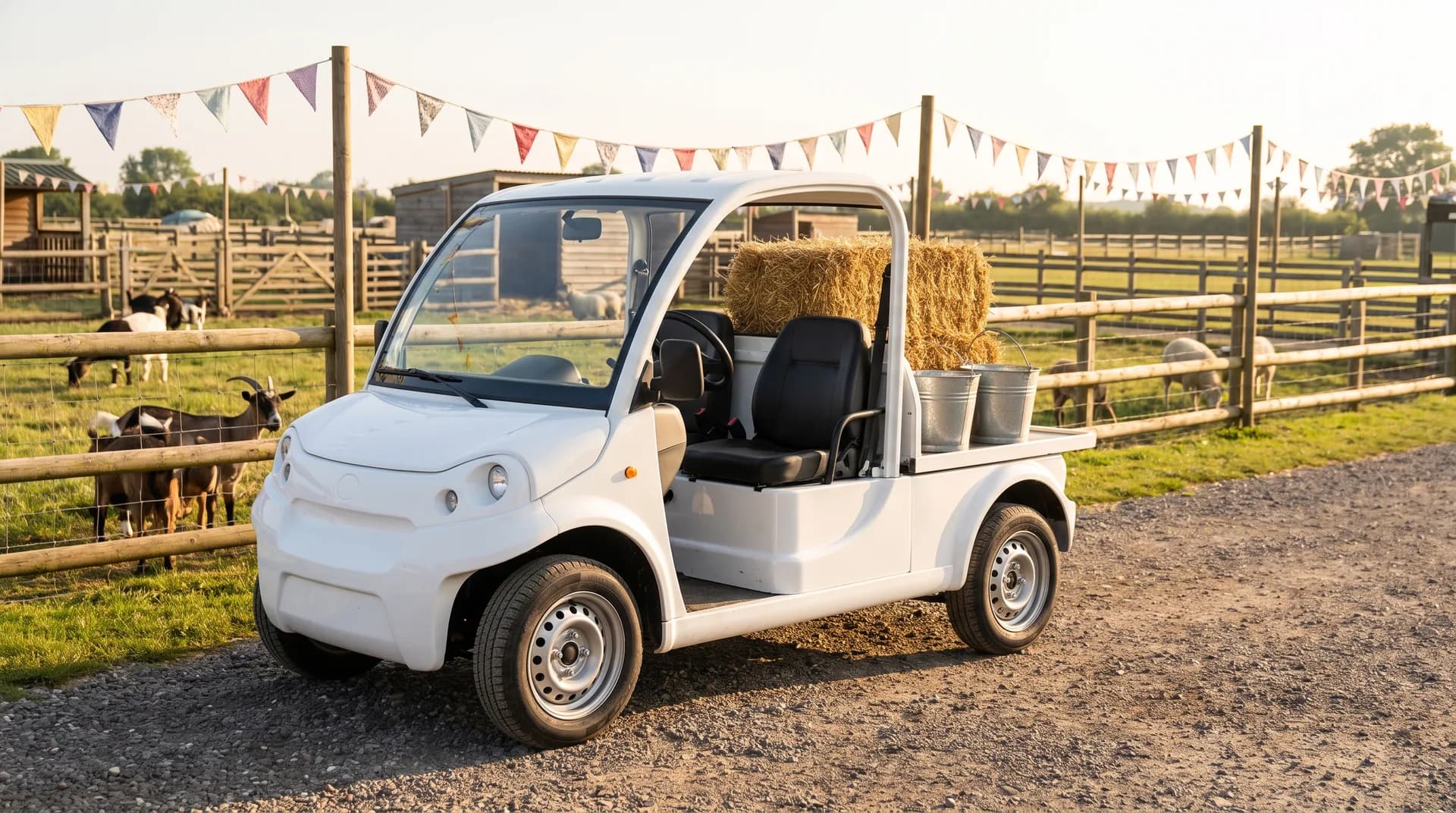
Picture the day honestly. You drive to the far field to check stock, park, walk, drive back. You run feed out in the morning, park through the middle of the day, do a fencing run with tools in the back, park again, then a last check in the evening. Add it up and the vehicle is moving for a modest fraction of the day; the rest of the time it is standing in a yard or gateway. A petrol or diesel engine idles, restarts and burns fuel through all of it. An electric drivetrain uses energy only while the wheels are turning, so the long idle hours that dominate a farm day cost the battery nothing.
Where electric comfortably lasts the day
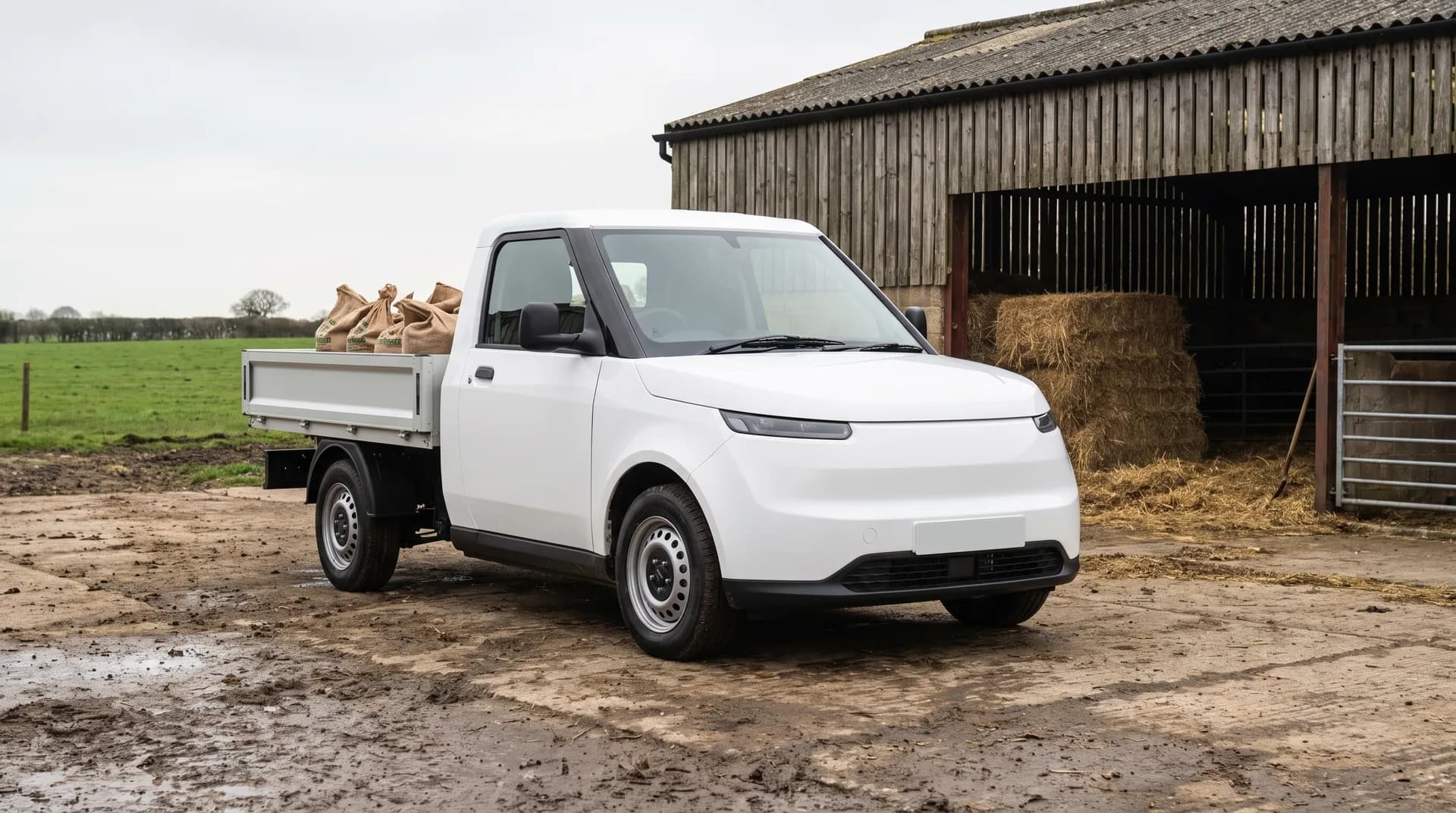
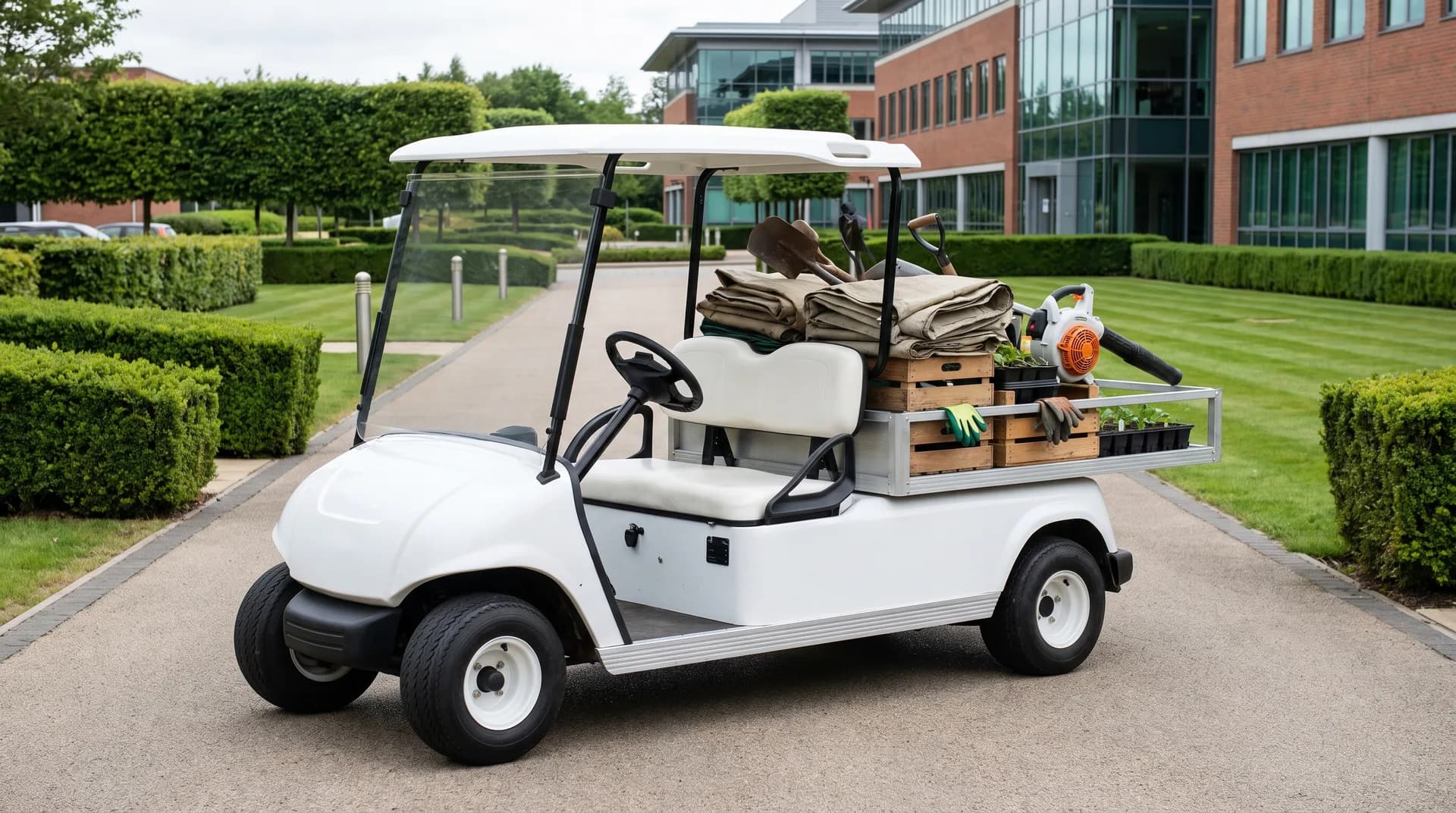
That duty cycle, many short runs separated by stationary work, is exactly what a battery vehicle is good at. Grounds and estate rounds, feed and water runs, checking stock, moving tools, fencing materials and feed bags in the load bed, ferrying people between yard and field: this is light-to-medium work with recovery time built in, and a well-specified buggy such as our utility line handles a full day of it and goes back on charge with capacity to spare. Our farms and smallholdings guide covers the jobs themselves; the point here is that the pattern of the day suits the battery, not fights it.
Where it honestly does not
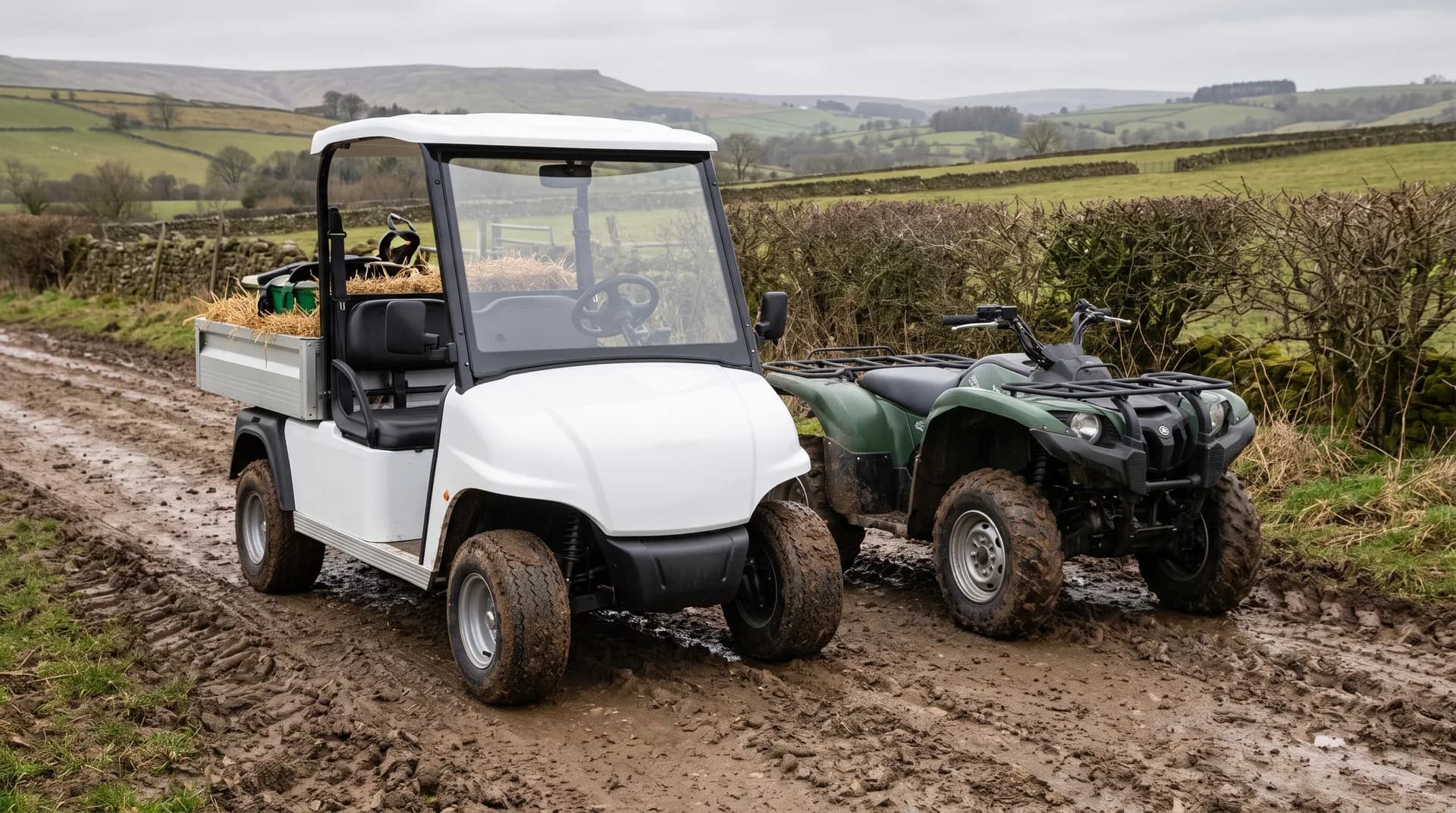
There are days electric does not suit, and we would rather say so than sell you the wrong machine. If your day is continuous heavy haulage, hour after hour of towing loaded trailers over distance, or work that never lets the vehicle stop, that sustained heavy duty cycle drains any battery and favours a diesel 4x4, tractor or petrol UTV, and that is the right buy for it. Most farms find that machine already exists in the shed, and the question is really about the runabout hours around it, where, as our buggy versus quad comparison sets out, electric wins on cost, quiet and comfort.
Cold weather, honestly
Batteries deliver less in the cold, and a January feed run is exactly when you cannot afford a dead vehicle. The honest way to handle this is headroom: specify the battery for your winter day, not your summer one, so the December duty cycle still fits with margin. Storing the buggy under cover and charging it somewhere frost-free helps too. Our range guide explains what affects range in more depth.
How to spec for your duty cycle
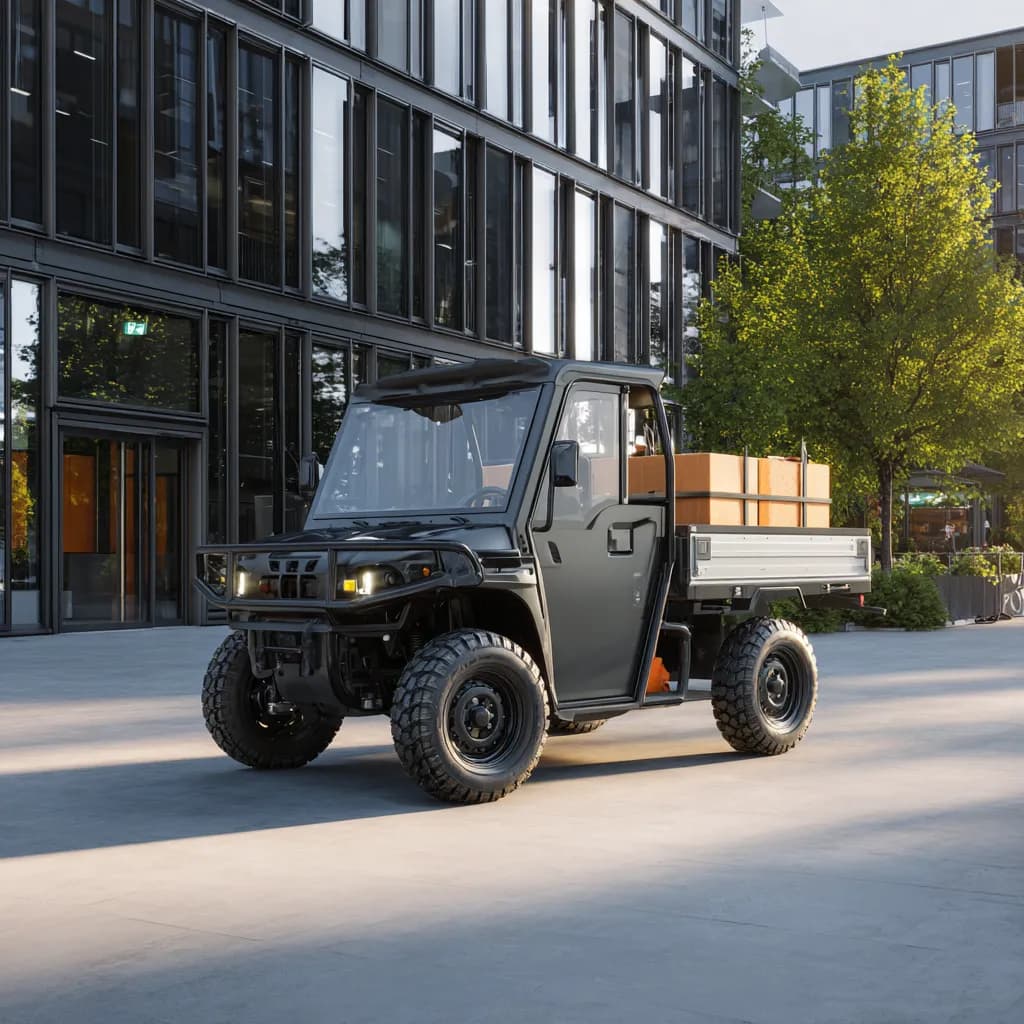
Rather than quote a single range figure, which no honest supplier can promise for your ground, your loads and your winter, we spec from your real week. Tell us the runs you do, the distances, the loads, the slopes and the wet, and we will size the battery with winter headroom, and advise where opportunity charging at lunchtime, or a second pack for genuinely heavy sites, makes sense. Exact capacity, range and payload for your specification are confirmed at quotation, and our 1-tonne-class U1 and U2, the S2 Pickup and S2 Tipper, and 4WD options cover most farm duty cycles between them. Browse the utility range to see the vehicle classes.
The overnight economics
The part of the duty-cycle question buyers discover last is the best part. The buggy charges overnight from an ordinary supply, so every morning starts with a full battery, with no fuel run, no jerry cans and no engine servicing bill building in the background. Quiet running around livestock and guests comes free with it. For the light-to-medium duty cycle that fills most farm and estate days, that is the whole case: it lasts the day, and it costs very little to do it.
Frequently asked questions
Will an electric buggy really last a full day on a farm?+
For the typical farm duty cycle, many short runs for feeding, stock checks, tool carrying and rounds with long stationary periods between them, yes, comfortably, provided the battery is specified for your site and your winter. It uses no energy while parked, which is most of the day.
What kind of work will it not last for?+
Continuous heavy haulage or towing over long distances all day. That sustained duty cycle favours a diesel 4x4, tractor or petrol UTV, and we say so plainly rather than overpromise.
How far will it go on a charge?+
It depends on battery specification, load, ground and temperature, so we do not quote one universal figure. We size the battery from your real week, and confirm range and capacity for your specification at quotation.
What about winter?+
Cold reduces battery output, so we specify with winter headroom rather than summer optimism, and recommend frost-free charging and storage where possible. Spec for your December day and July looks after itself.
How does charging work day to day?+
Plug in overnight on an ordinary supply and start each day full. Daily energy cost is pennies against fuel, and there are no fuel runs or engine servicing on top.
Spec it for your working day
Tell us your real week, the runs, loads and ground, and we will specify a battery and vehicle that lasts your day, honestly, and build your quote.

Ready to find the right buggy?
Tell us how and where it will work and we will specify a vehicle and a tailored quote built around you. Every build comes with a 3-year warranty and a 24-hour priority call-out.
Our guides are written and reviewed by the Hawke Electric Vehicles team, the people who specify, build, deliver and support the vehicles. We focus on honest, practical advice and flag where a figure depends on the build rather than guessing.
More guides by Hawke