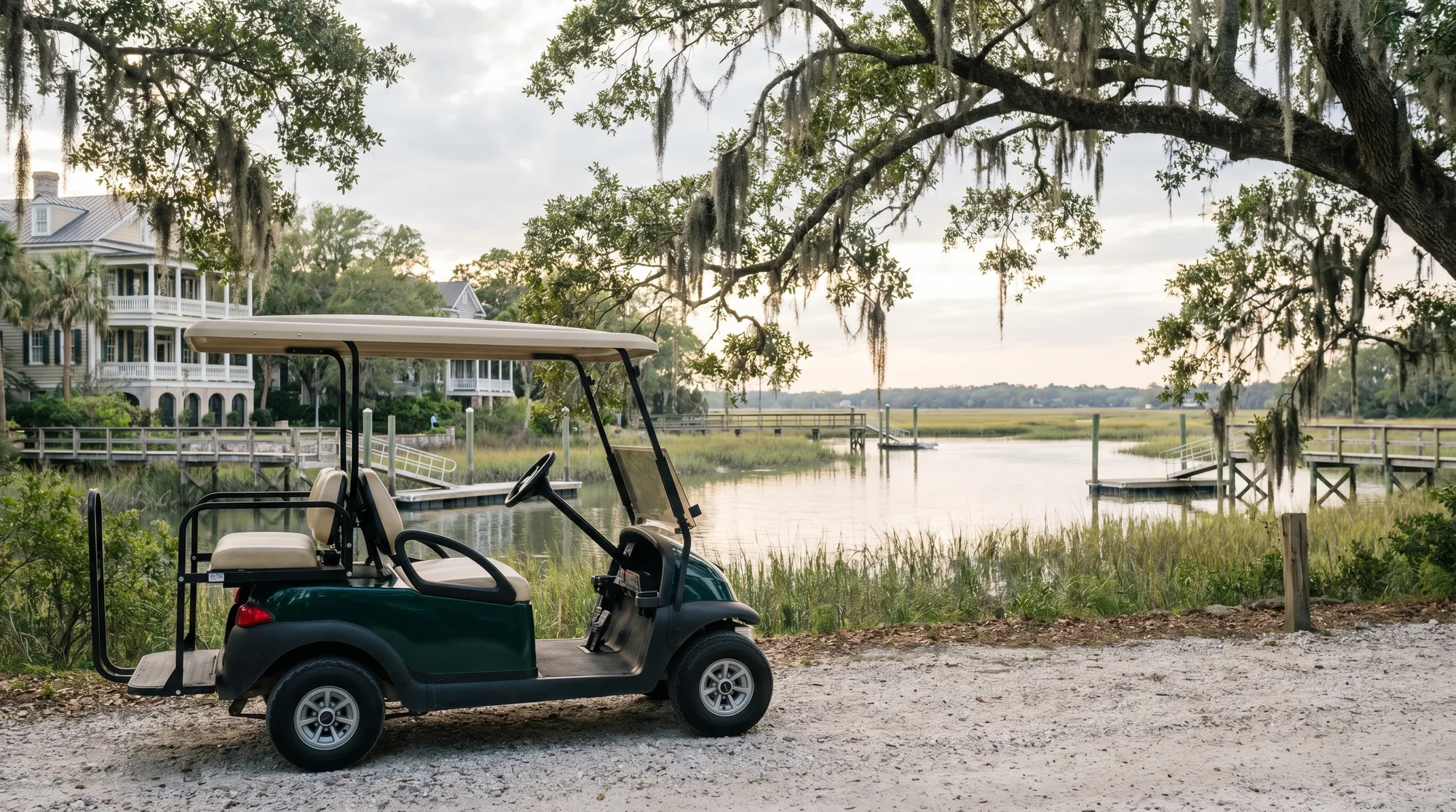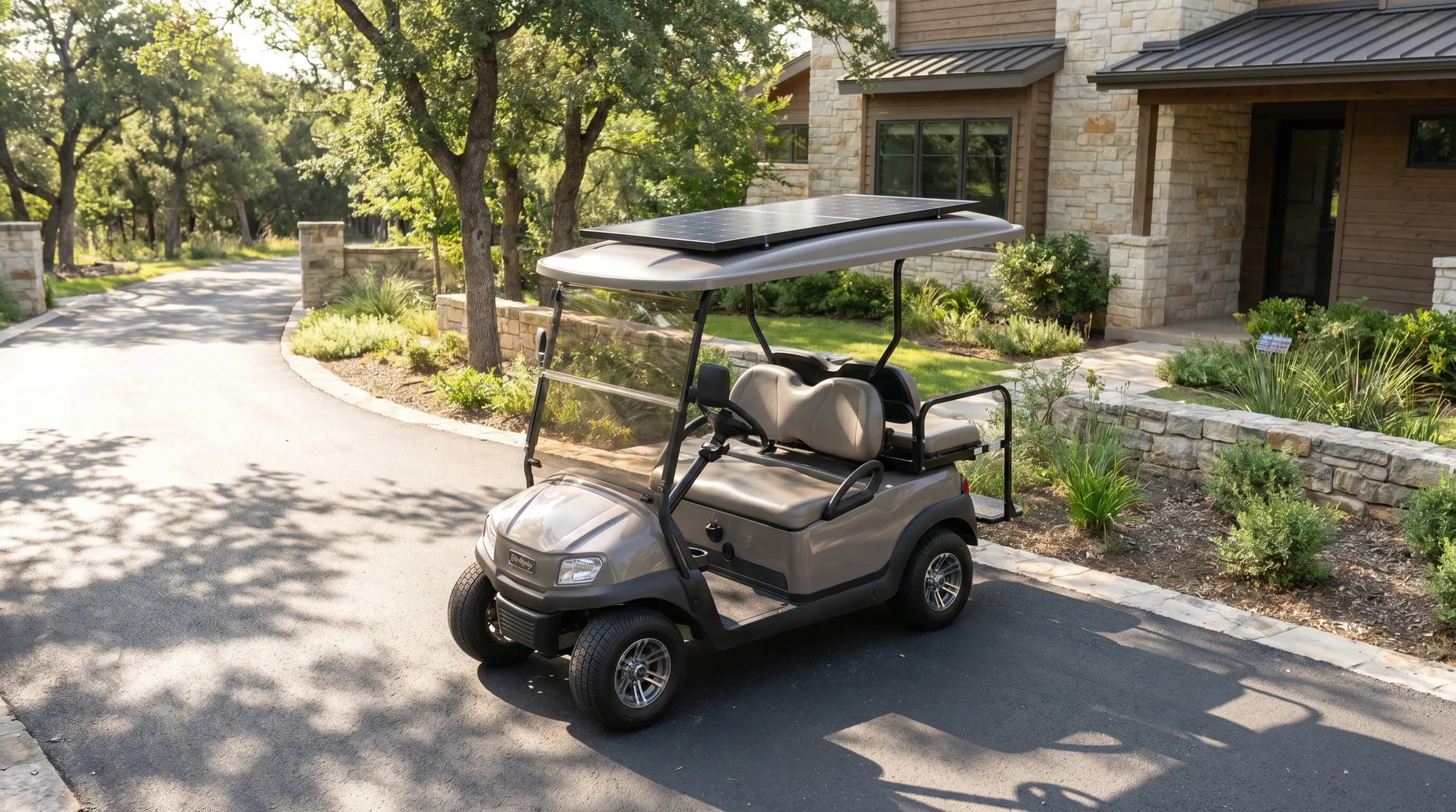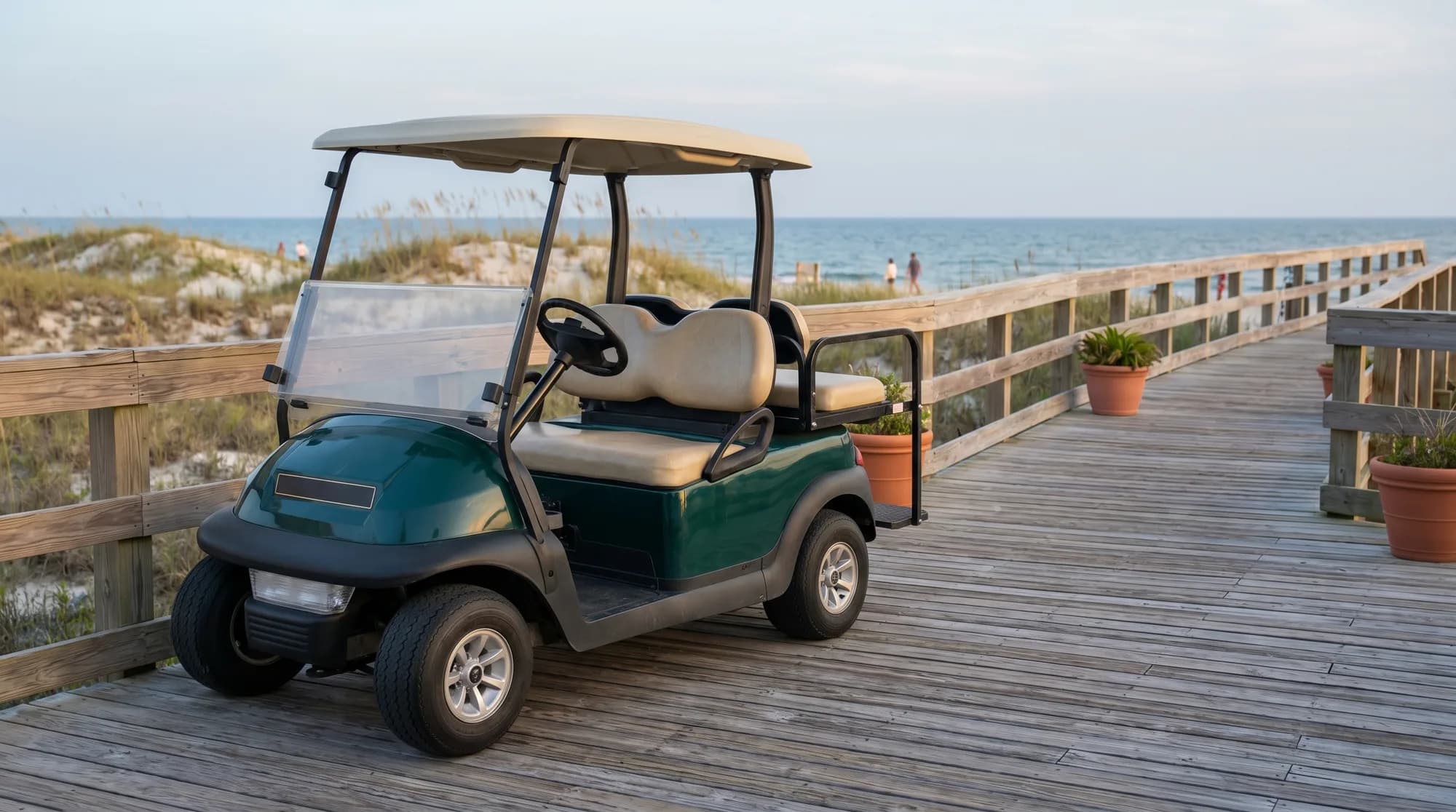
A golf cart and a beach town are a natural fit. Short trips, slow streets, no parking stress and the breeze in your face beat circling for a space in a car every time. But the coast is also hard on a cart in ways inland owners never think about. Salt air corrodes, sand gets everywhere, and beach towns often have their own strict rules about where carts can go and park, especially in season. This guide covers what coastal living really demands of a cart and how to choose and care for one that lasts.
Salt, sand and why the coast is different
Inland, a cart mostly battles dust and the occasional rain. At the coast it faces a constant, invisible assault from salt-laden air that finds every exposed terminal, fastener and frame seam. Add windblown sand that grinds into bearings, brakes and seals, and a cart that would last a decade inland can age noticeably faster on the barrier island unless you protect it. The good news is that coastal longevity is mostly about a few consistent habits rather than expensive hardware.
When you buy, this should shape the spec. Look for good corrosion protection, sealed or protected electrical connections and quality components, and factor the maintenance reality into your ownership budget. Our used cart and where to buy guides help you judge condition, which matters even more when salt has been at work on a second-hand cart.
Protecting a cart at the coast
A coastal cart that is looked after will run for years; one that is neglected will show rust and electrical gremlins within a couple of seasons. The routine is simple and worth building into your week.
- 01
Rinse off salt and sand
After beach trips, rinse the cart with fresh water, paying attention to the underside, wheels and any exposed metal. Let it dry rather than trapping moisture.
- 02
Protect the electrics
Keep battery terminals and connectors clean and protected; corrosion here causes most coastal reliability problems. Lithium systems with sealed connections fare well.
- 03
Watch bearings and brakes
Sand accelerates wear, so check and service wheel bearings and brakes more often than an inland owner would.
- 04
Store it covered
When not in use, a cover or covered space limits salt exposure and sun damage, both of which age a cart quickly at the coast.
Parking, beach access and local rules
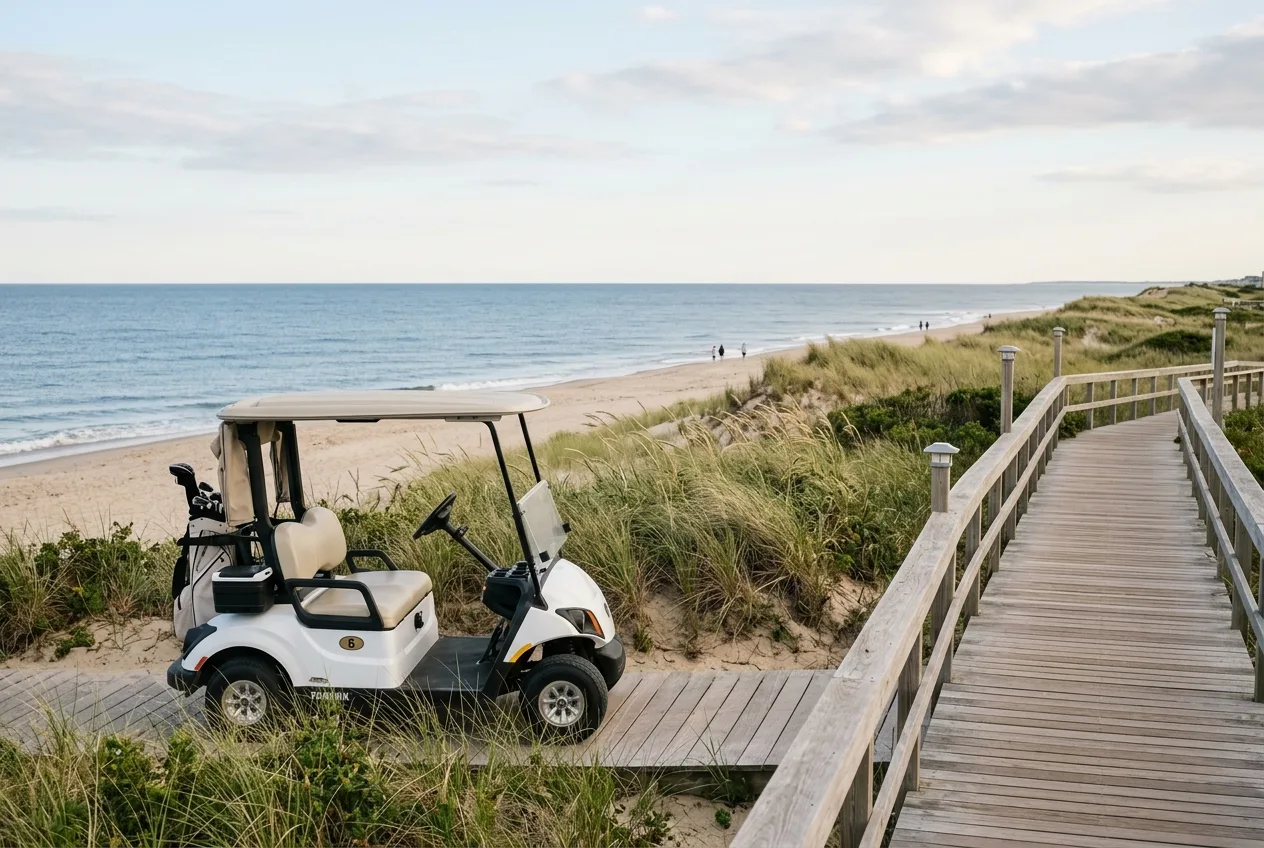
Beach towns love carts but they also manage them tightly, especially in summer when the population multiplies. Where you can drive, where you can park and whether you can take a cart onto the sand at all are local decisions, and they vary enormously from one town to the next along the same coast. Many towns ban carts on the beach itself for safety and conservation, while permitting them freely on the streets behind.
- Cart parking near beach access is often designated and limited, and fills fast in season.
- Driving on the sand is frequently restricted or banned; check before you assume.
- Some towns require a local cart permit or decal in addition to any state registration.
- Crossing the main coastal road is usually only legal at signed intersections.
- Off-season rules can be more relaxed than peak-season ones in the same town.
Coastal rules meet state law
On top of the town rules sits state law, and that can be quite specific at the coast. South Carolina's permit and distance system, for example, shapes barrier-island life directly; see our South Carolina golf cart guide. Florida's framework underpins its many beach communities in our Florida guide. If you want broader road rights than a plain cart allows, the cart versus LSV decision is worth understanding before you buy at the coast.
- Factor
- Protected terminals, sealed connections
- Coastal approach
- Rinse after salty trips
- Factor
- Lithium with sealed connectors
- Coastal approach
- Less terminal corrosion
- Factor
- Bearings and brakes serviced more often
- Coastal approach
- Sand accelerates wear
- Factor
- Covered or under cover
- Coastal approach
- Limits salt and sun damage
- Factor
- Local permits and beach limits
- Coastal approach
- Confirm by town and season
| Factor | Coastal approach | |
|---|---|---|
| Corrosion | Protected terminals, sealed connections | Rinse after salty trips |
| Battery | Lithium with sealed connectors | Less terminal corrosion |
| Maintenance | Bearings and brakes serviced more often | Sand accelerates wear |
| Storage | Covered or under cover | Limits salt and sun damage |
| Rules | Local permits and beach limits | Confirm by town and season |
Charging and everyday coastal use
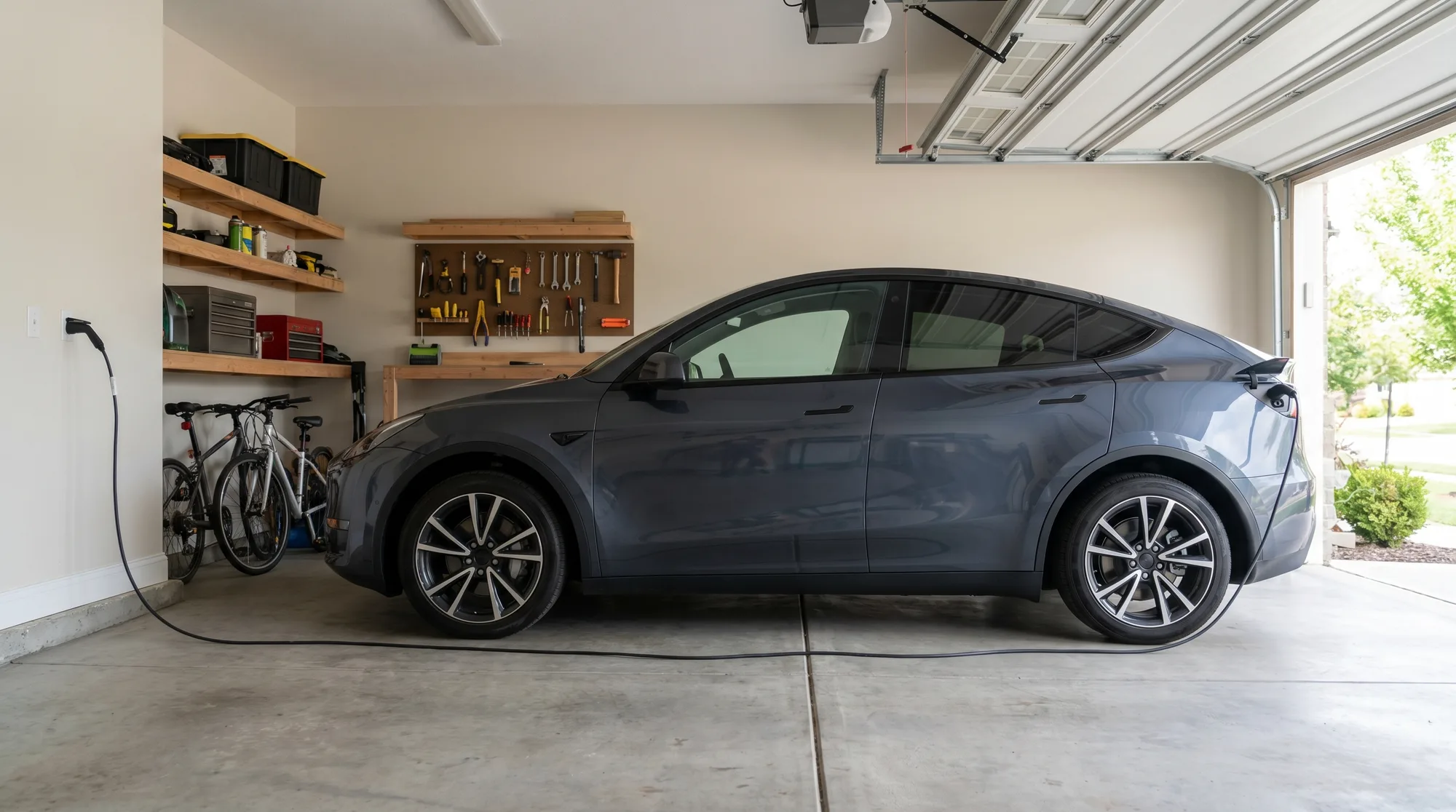
Coastal trips are usually short, so range is rarely the issue; reliability and corrosion are. Charge overnight at home and keep the charging connections clean and dry, since salt air reaches them too. Our home charging guide covers a safe setup, which is doubly important in a humid, salty environment.
The coast gives you the best cart life there is, and it asks one thing in return: rinse the salt off and keep the connections clean. Do that and the cart will outlast your expectations.
So what should a beach-town buyer do?
Buy for the environment, not just the look: corrosion protection, sealed electrics, a weather kit and lithium power make a coastal cart that lasts. Build a simple rinse-and-check routine, store it covered, and confirm your town, county and state rules on driving, parking and beach access. We are glad to specify a coast-ready cart with honest numbers for your stretch of shoreline.
Spec a coast-ready cart
Tell us your beach town and how you will use the cart, and we will recommend a corrosion-tough build with a real price.
Frequently asked questions
Are golf carts hard to maintain at the beach?+
They need a little more care than inland carts because salt air corrodes and sand wears parts faster. A fresh-water rinse after salty trips, clean protected electrics and slightly more frequent bearing and brake checks keep a coastal cart healthy.
Can I drive my golf cart on the beach?+
Often no. Many beach towns restrict or ban carts on the sand for safety and conservation while allowing them freely on the streets behind. Always confirm with your town and county before assuming sand access.
Is lithium better for coastal carts?+
It can be. Lithium systems with sealed connections suffer less terminal corrosion, charge faster and hold capacity well, all of which suit the coastal environment and short-trip pattern.
Do beach towns require a cart permit?+
Many do, in addition to any state registration. Permits, parking zones and beach-access rules are set locally and can change by season, so check with your town and county.
How do I stop my coastal cart rusting?+
Rinse off salt and sand after trips, keep electrical connections clean and protected, service bearings and brakes a little more often, and store the cart covered when not in use.
Related solutions
Ready to explore what we build?
See the vehicles and the setting this applies to, or get a tailored quote built around your site.

Ready to find the right golf cart?
Tell us how and where it will work and we will specify a vehicle and a tailored quote built around you. Every build comes with a 3-year warranty and a 24-hour priority call-out.