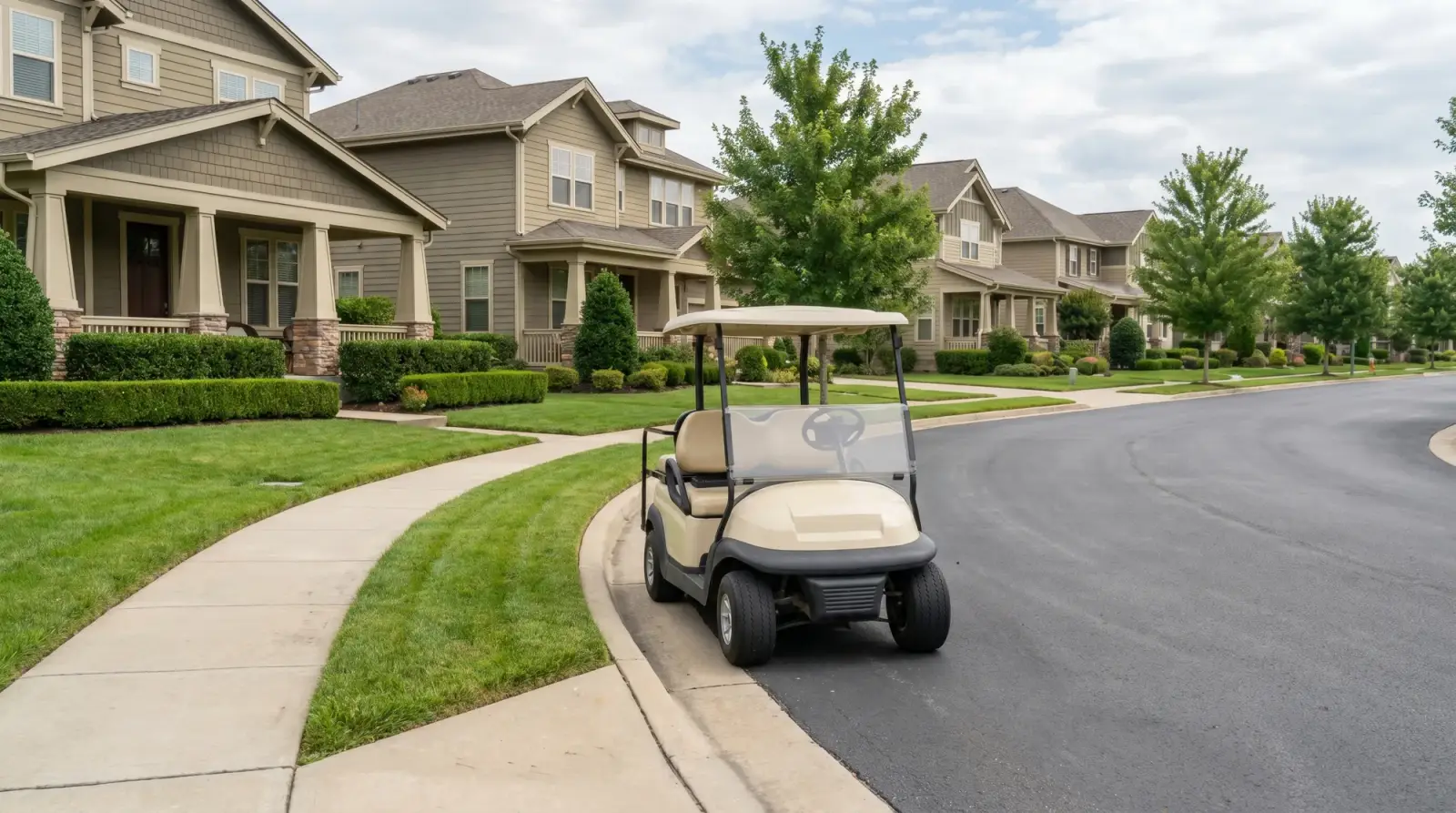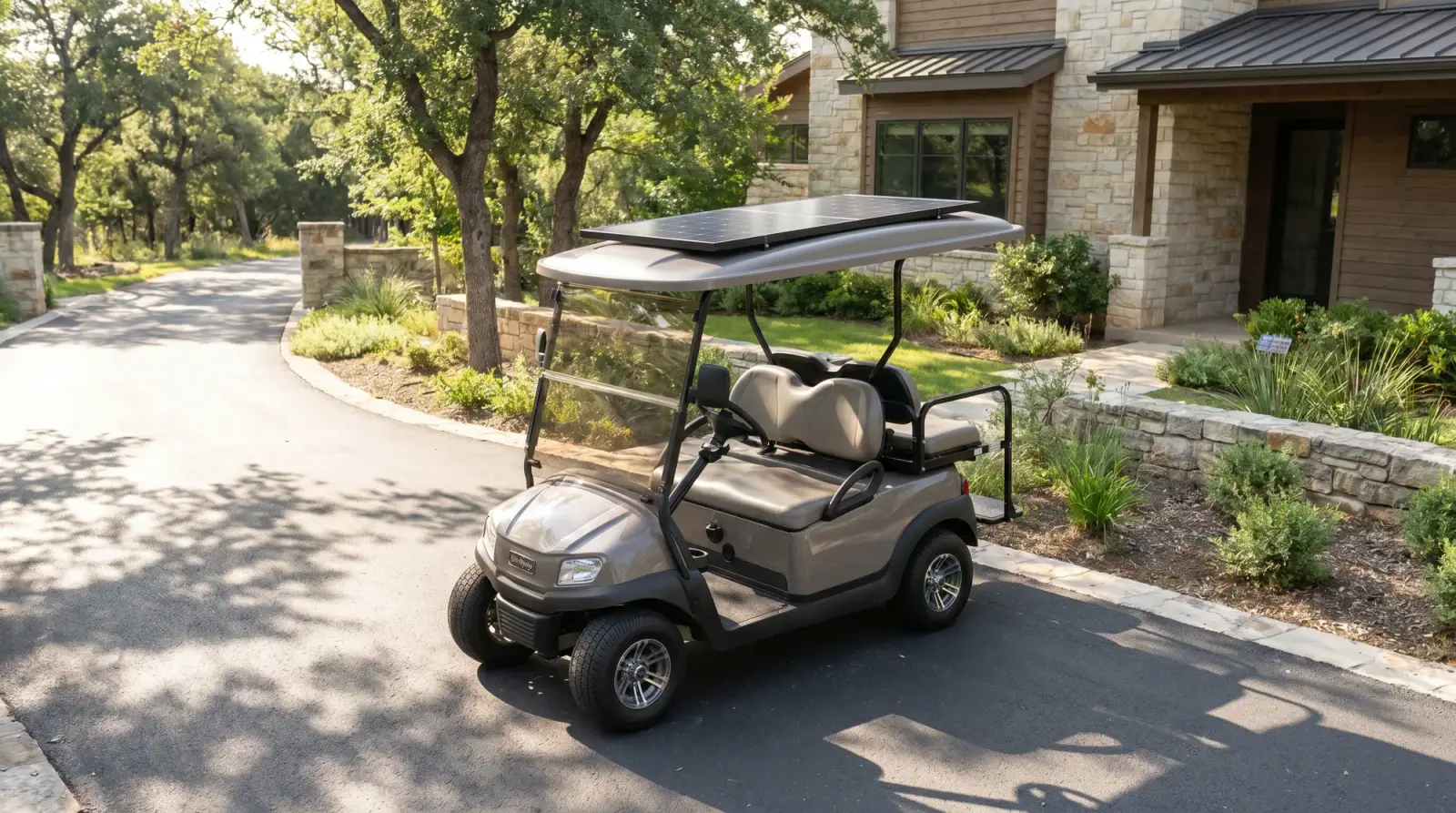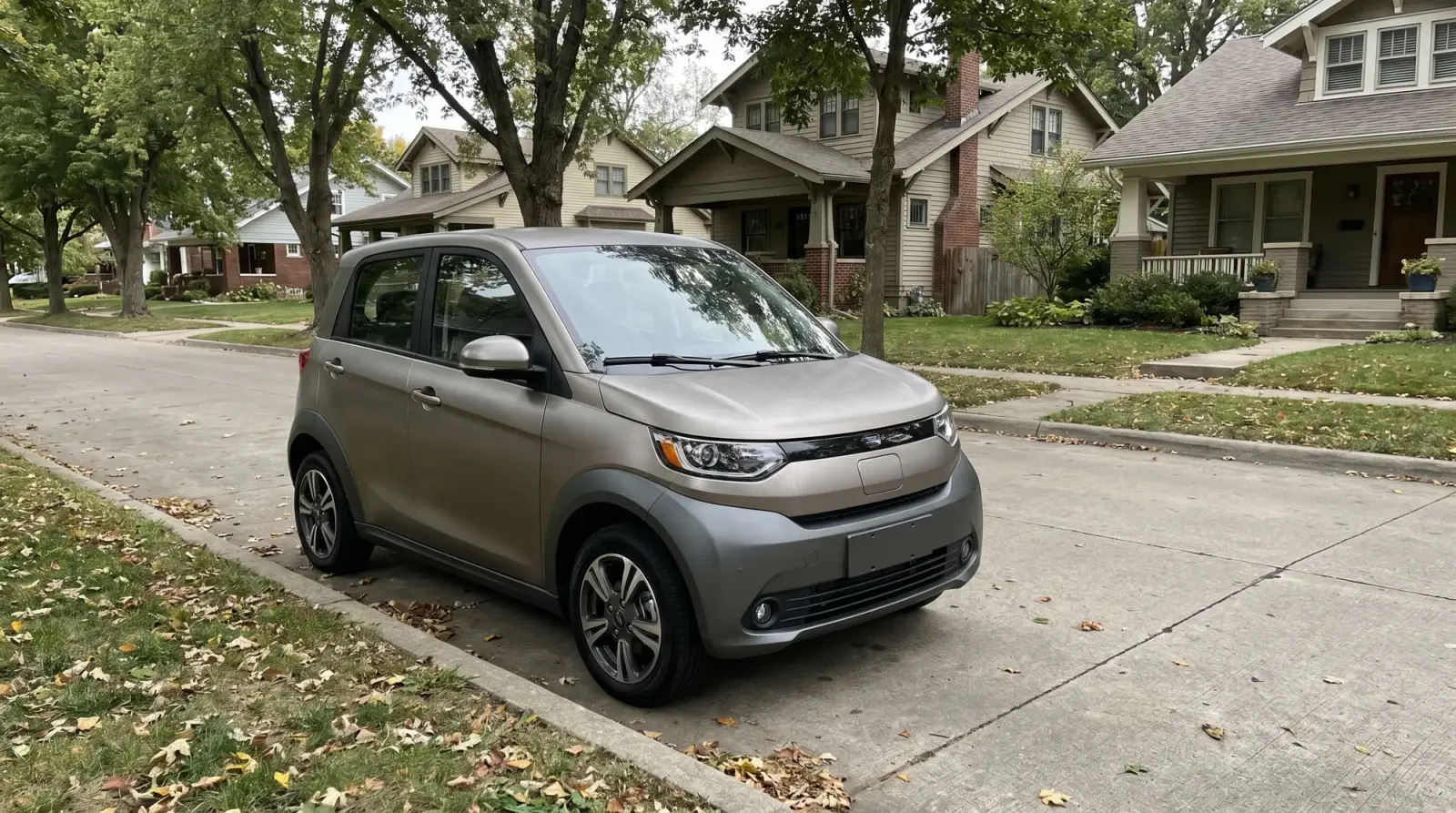
From across a parking lot a golf cart and a Low-Speed Vehicle can look like the same thing. Up close, and especially on paper, they are not. The difference comes down to one federal threshold and a list of safety equipment, and it decides where you may legally drive, whether you must register and insure the vehicle, and how much it costs. Buy the wrong one and you either overpay for capability you do not need or, worse, own a cart you cannot legally use where you wanted to.
- A golf cart is typically capped around 15-19 mph and may only be driven where a local ordinance allows.
- An LSV is a federally defined class (FMVSS 500) that does 20-25 mph and is street-legal in most states.
- An LSV must carry lights, signals, mirrors, a windshield, belts, a horn and a VIN, and needs registration, a plate, insurance and a license.
- The simple test: if you will drive on public roads beyond a permitted community, you need an LSV.
- LSVs cost more up front, but retrofitting a cart to road-legal standard is usually pricier and less tidy.
What counts as a golf cart
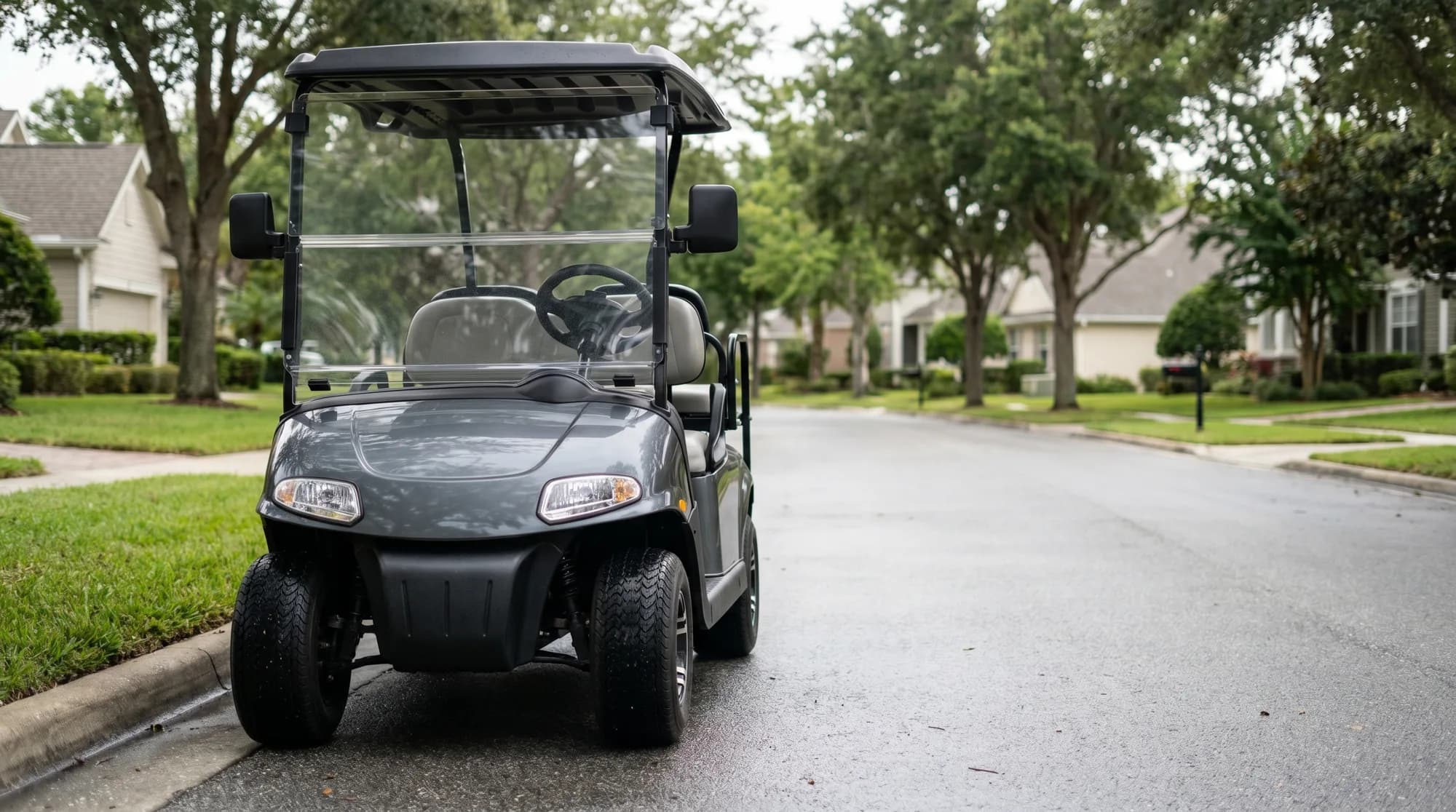
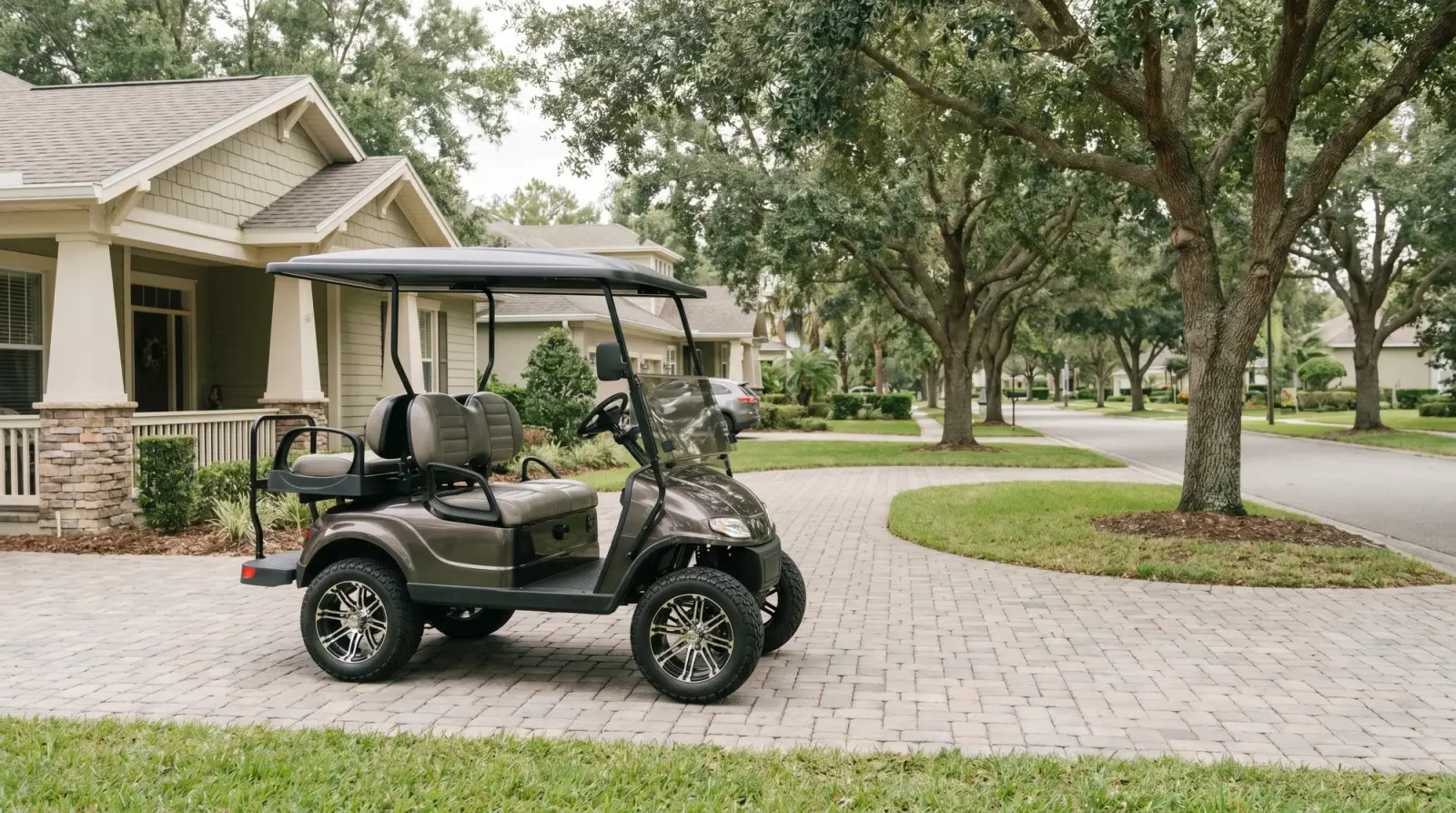
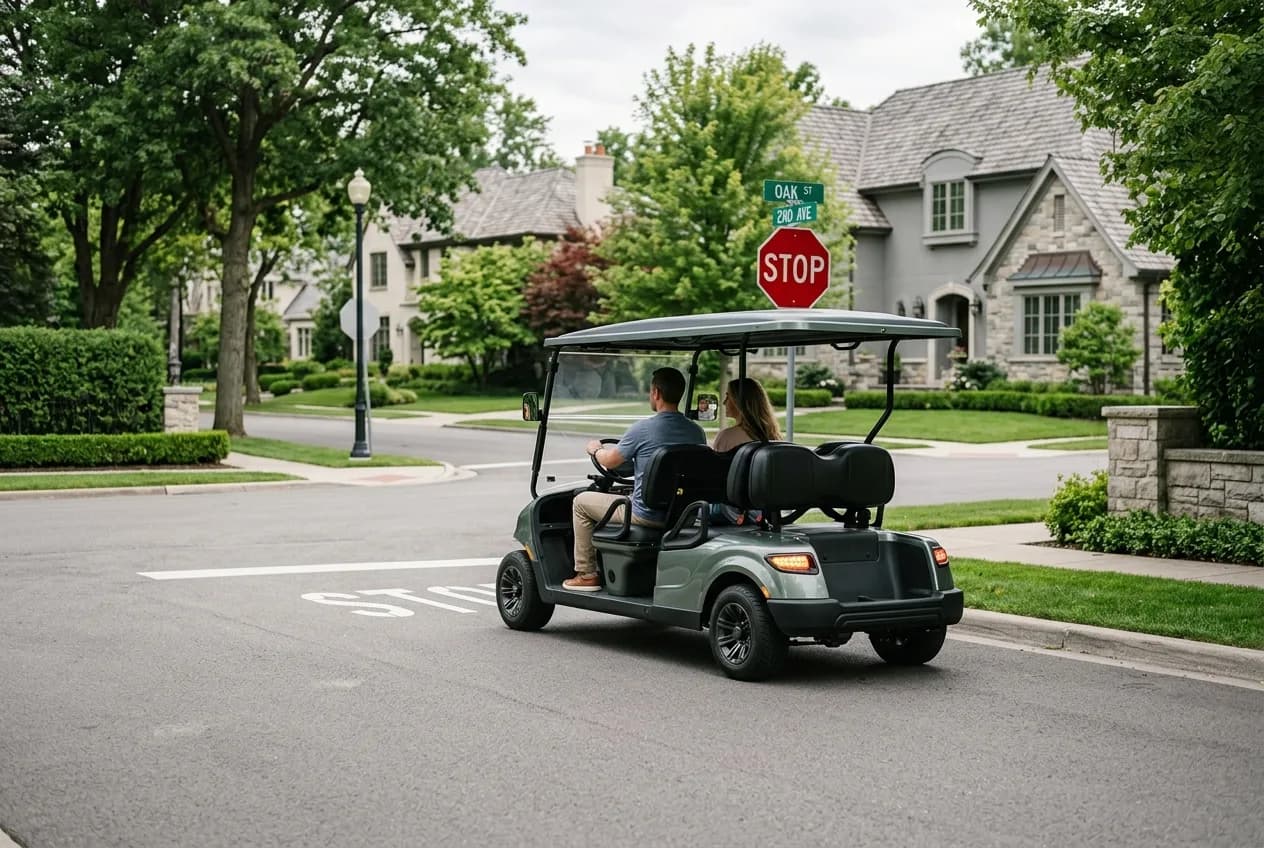
A golf cart, in the legal sense, is a low-speed personal vehicle generally limited to about 15 to 19 mph. It is designed for golf courses, private property and, in many places, for short trips on public streets only where a local ordinance specifically permits it, usually on roads posted at 35 mph or less and often in daylight only. A plain golf cart is not federally required to have turn signals, mirrors, a windshield or seat belts, and in most states you cannot register it as a road vehicle.
What makes an LSV different
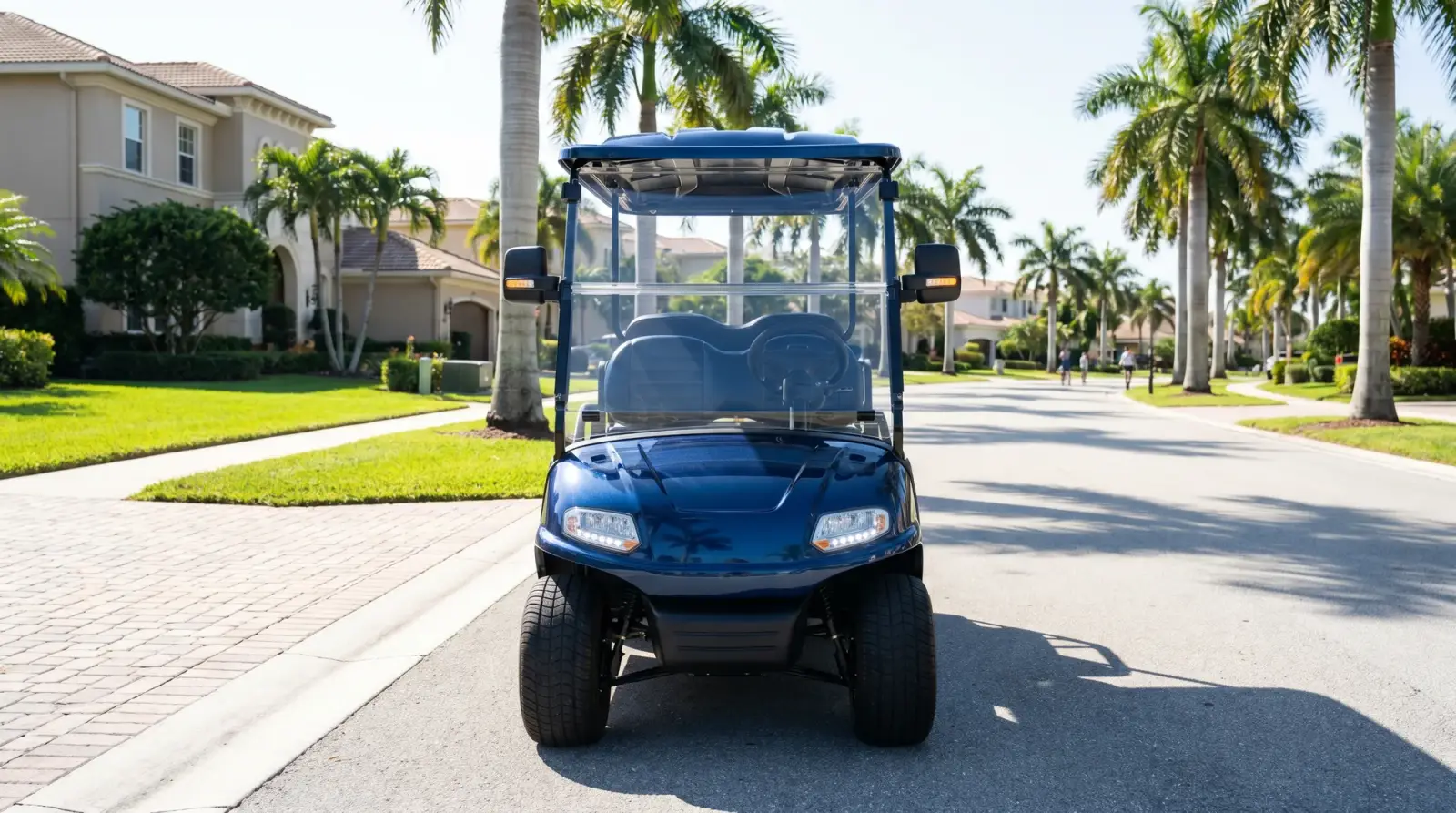
A Low-Speed Vehicle is a distinct federal class governed by Federal Motor Vehicle Safety Standard 500. To qualify, it must have a top speed between 20 and 25 mph and a gross vehicle weight rating under 3,000 pounds, and it must come equipped with the full safety package: headlights, turn signals, tail and brake lights, reflectors, mirrors, a windshield, a parking brake, seat belts, a horn and a 17-character VIN. Because it meets that standard, an LSV can be registered, plated and insured, and driven on most public roads posted at 35 mph or below.
- Golf cart
- ~15-19 mph
- LSV
- 20-25 mph
- Golf cart
- None (not FMVSS 500)
- LSV
- FMVSS 500
- Golf cart
- Often none required
- LSV
- Required
- Golf cart
- Usually no
- LSV
- Required
- Golf cart
- Only where a local ordinance allows
- LSV
- Most roads posted 35 mph or below
- Golf cart
- Usually not eligible
- LSV
- Required in most states
- Golf cart
- Rarely required
- LSV
- Required in most states
| Golf cart | LSV | |
|---|---|---|
| Top speed | ~15-19 mph | 20-25 mph |
| Federal standard | None (not FMVSS 500) | FMVSS 500 |
| Lights and signals | Often none required | Required |
| Seat belts and VIN | Usually no | Required |
| Where you may drive | Only where a local ordinance allows | Most roads posted 35 mph or below |
| Registration and plate | Usually not eligible | Required in most states |
| Insurance and license | Rarely required | Required in most states |
The one-question test
Cut through it with a single question: will you drive this on public roads beyond a community that specifically permits carts? If yes, buy an LSV. If your driving is confined to a golf course, a large private property, or a neighborhood with an ordinance that allows sub-20 mph carts, a regular cart is fine and cheaper. Everything else is detail.
- 01
Map your routes
List where you actually want to drive. Note the posted speed limits and whether they are public roads or private/community streets.
- 02
Check local rules
Confirm whether your city or county allows golf carts on the streets you listed, and under what conditions. Rules vary widely.
- 03
Pick the class
If any route is a public road outside a cart-friendly ordinance, choose an LSV. Otherwise a standard cart will do.
- 04
Verify the paperwork
If buying an LSV, confirm it has a VIN and meets FMVSS 500 so you can register, plate and insure it.
The cost difference and why retrofitting rarely wins
An LSV costs more up front because it ships with the full safety package and is built to a federal standard, indicatively from around $15,000 against roughly $8,000-plus for a basic cart. The tempting move is to buy a cheaper cart and add lights and belts later. In practice that retrofit is fiddly, often does not produce a vehicle that can legally be registered as an LSV, and frequently costs more than the gap would have been. If road use is the goal, how to make a golf cart street legal explains what is and is not realistic, and how much does a golf cart cost sets the budget.
Where to go next
If you have settled on an LSV, registering and titling a golf cart or LSV covers the paperwork, and golf cart insurance covers cover. For the underlying legal framework, see street-legal golf carts and LSV rules. Rules vary by city and county, so always confirm with your local DMV.
Not sure which class fits your routes?
Tell us where you will drive and we will recommend a standard cart or a street-legal LSV, with a real price for your build.
Frequently asked questions
What is the main difference between a golf cart and an LSV?+
Speed and legal status. A golf cart tops out around 15-19 mph and may only be driven where allowed; an LSV does 20-25 mph, meets the federal FMVSS 500 standard with full safety equipment, and is registrable and road-legal in most states.
Can I drive a golf cart on public roads?+
Only where a local ordinance specifically allows it, usually on streets posted at 35 mph or less and often in daylight. Outside those permitted areas you need a street-legal LSV.
Do I need insurance and a license for an LSV?+
In most states, yes. An LSV is a registered road vehicle, so it typically requires a plate, insurance and a valid driver's license. A plain golf cart usually does not, but rules vary by state.
Is it cheaper to buy a cart and upgrade it later?+
Rarely. Retrofitting lights, belts and the rest is fiddly, may not produce a registrable LSV, and often costs more than buying a factory LSV from the start.
How fast does an LSV go?+
Between 20 and 25 mph by federal definition. A vehicle that goes faster than 25 mph is not an LSV and falls under different rules entirely.
Related solutions
Ready to explore what we build?
See the vehicles and the setting this applies to, or get a tailored quote built around your site.

Ready to find the right golf cart?
Tell us how and where it will work and we will specify a vehicle and a tailored quote built around you. Every build comes with a 3-year warranty and a 24-hour priority call-out.
Our guides are written and reviewed by the Hawke Electric Vehicles team, the people who specify, build, deliver and support the vehicles. We focus on honest, practical advice and flag where a figure depends on the build rather than guessing.
More guides by Hawke